
Discovery Hub
Explore the scientific side of canine biology through our interactive simulation and analysis tools.
Dog Vision Pro
Experience the world through a canine lens, seeing only blue and yellow via precise color filters.
Open SimulatorCanine Age Calc
Calculate your dog's true biological age based on weighted veterinary size standards.
Launch ToolPerfect Meal Plan
Precision feeding logic to calculate the exact daily grams your dog needs based on activity.
Setup DietPuppy Growth Map
Monitor your puppy's weight development with curves matched to breed-specific benchmarks.
Start TrackingVet Care Reminders
Log vaccination and deworming milestones in a secure, private dog health local diary.
View NotesDog Name Ritual
Find the perfect soul-matching name for your companion based on breed type and destiny.
Get a Name

Popular Topics

Resource competition pressure in multi-dog households: How to alleviate long-term social stress in dogs
You come home to your two dogs, and instead of a joyful, wiggling greeting, you're met with a subtle tension. One dog is on the couch, stiffening as the other walks by. The younger dog quickly grabs a toy and scurries to another room when the older one glances over. There's no growling, no fights—just a quiet, palpable strain in the air. This is the often-overlooked reality of resource competition in a multi-dog household, and it extends far beyond squabbles over food bowls. Resources include prime sleeping spots, your attention, doorways, and even a clear path to walk through a room. When dogs live in a state of low-grade, perpetual negotiation for these assets, it leads to long-term social stress, a serious health and welfare issue that can manifest in behavioral and physical decline. The good news? This guide provides actionable, evidence-based strategies to transform your home into a more peaceful, predictable, and low-stress environment for every canine member of your family.

2026 Dachshund Health Screening: How to Prevent Spinal Problems Through Exercise
For every proud Dachshund owner, the iconic long back and spirited personality are sources of endless joy. Yet, that very silhouette carries a hidden vulnerability. By 2026, canine healthcare is advancing rapidly, shifting from reactive treatment to predictive and preventative health. For Dachshunds, this means the power to safeguard their spines is increasingly in our hands. Spinal problems, particularly Intervertebral Disc Disease (IVDD), are not an inevitable fate but a manageable risk. This comprehensive guide merges the latest 2026 health screening protocols with scientifically-backed exercise regimens, empowering you to build a resilient, vibrant life for your long-backed companion. The time for proactive care is now.
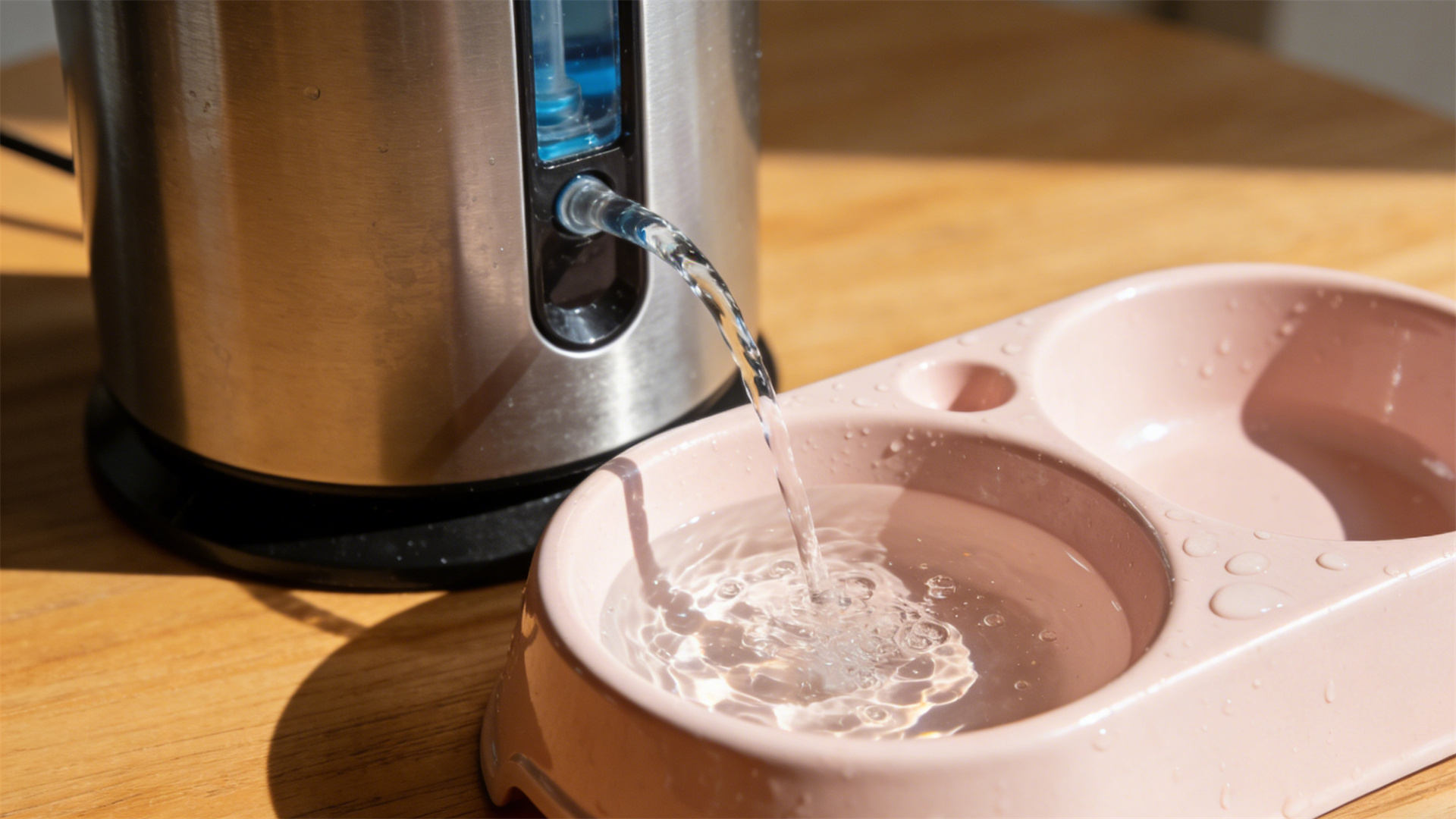
Dog drinking water health in 2026: Are hydrogen-containing water and alkaline water really beneficial for dogs?
Hydration is the cornerstone of health for every living creature, and our canine companions are no exception. Water facilitates every critical bodily function, from digestion and nutrient absorption to joint lubrication and temperature regulation. As we move through 2026, the pet wellness industry continues to innovate, introducing trends once reserved for human health into the canine market. Two of the most prominent trends gaining attention are hydrogen-infused water and alkaline water for dogs. Promotional materials tout them as revolutionary solutions for everything from aging to chronic disease. But as a conscientious dog owner, you’re right to question: is this science, or just sophisticated marketing? This article aims to cut through the hype, examining the claims against the latest scientific and veterinary perspectives to help you make the most informed decision for your pet’s health.
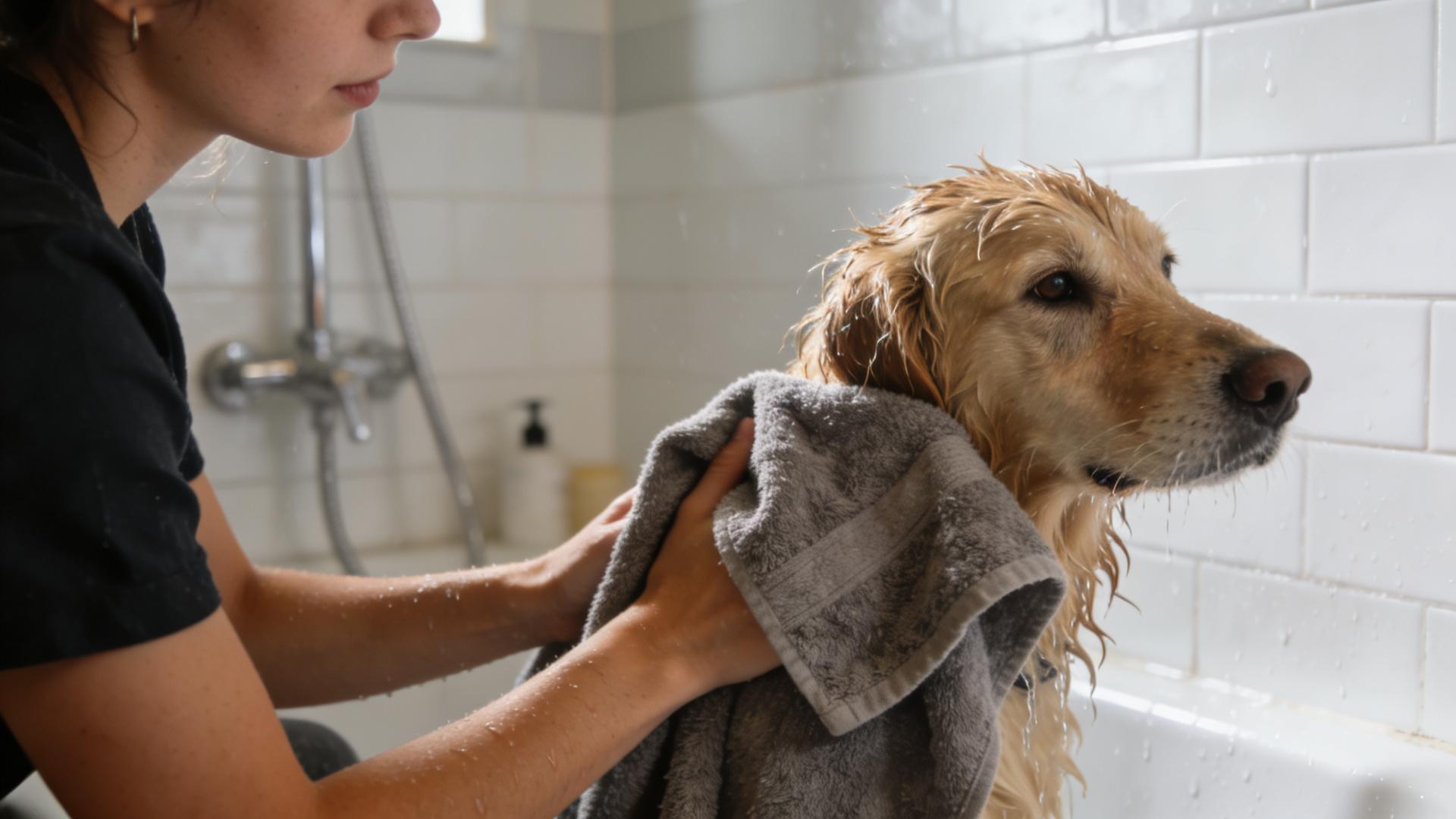
Dog-specific towel material review: Chamois cloth vs. microfiber – which is more absorbent?
You’ve just finished washing your beloved dog, and as you reach for a towel, you’re faced with a common dilemma. The regular bath towels you use are already soaked through after one pass over your Labrador’s thick coat, leaving them shivering and your bathroom looking like a splash zone. Every pet parent knows the struggle of effectively drying their furry friend. The secret weapon in this battle isn’t just any towel; it’s a towel engineered for the job. But with so many options shouting “super absorbent!” from store shelves and online listings, how do you choose? This article cuts through the wet confusion to answer one core question: In the head-to-head matchup of chamois cloth dog towel versus microfiber dog towel, which material truly reigns supreme in dog towel absorbency? Let’s wring out the facts.
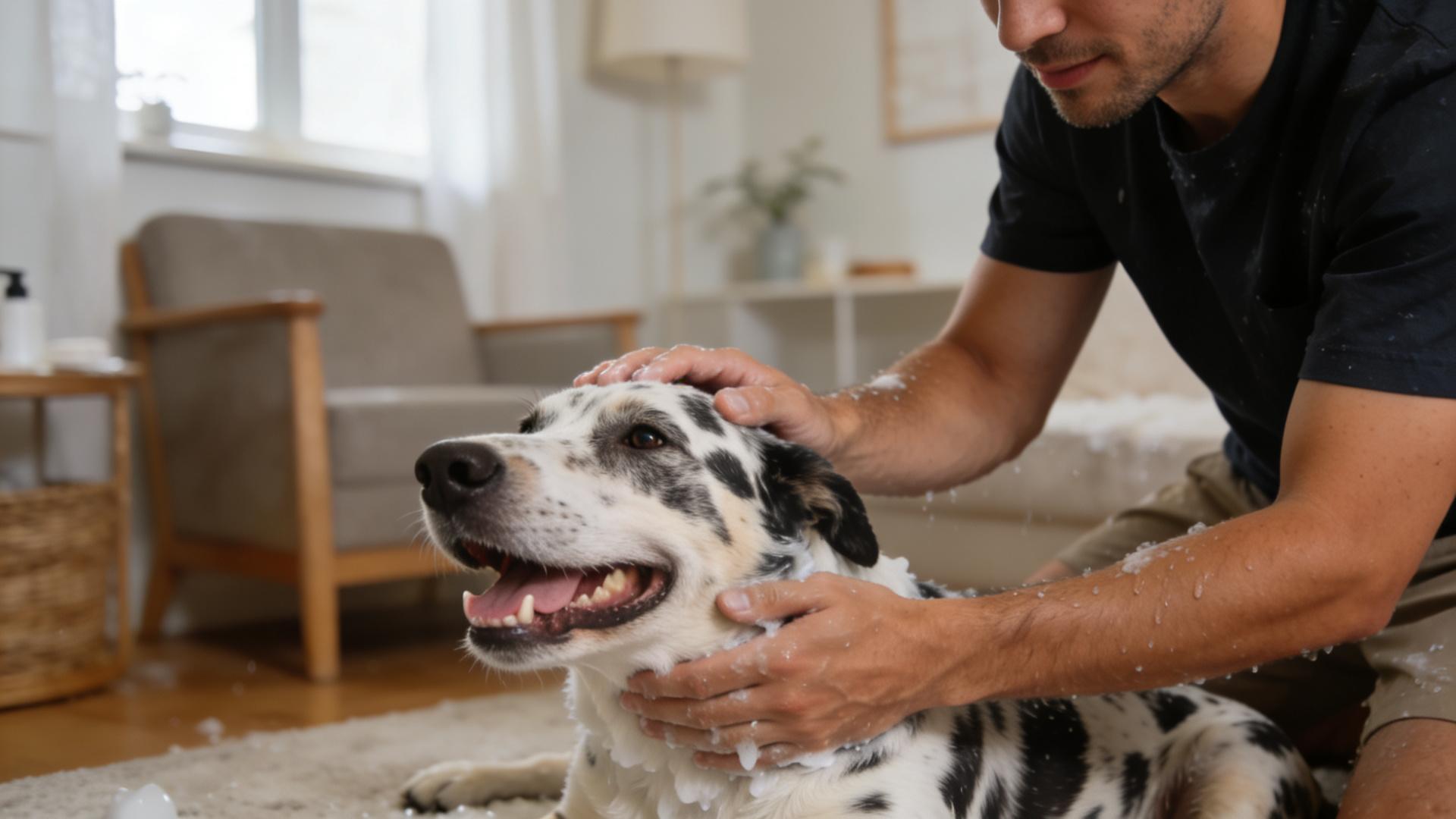
DIY Dog Spa: Soothe skin and enhance coat shine with essential oils and sea salt.
Is your beloved companion constantly scratching, leaving behind a trail of flaky skin and dull fur? That once-glossy coat now looks more like a worn-out rug, and you can see the discomfort in their eyes. Skin irritations and a lackluster coat are among the most common grievances for dog owners, often stemming from seasonal allergies, dry air, or harsh commercial products. But what if the solution wasn't another expensive bottle from the pet store, but a relaxing, natural treatment you could create in your own kitchen? Welcome to the art of the homemade dog spa treatment—a nurturing ritual that combines the healing power of nature with the bonding magic of touch. This guide will walk you through creating a safe, effective, and utterly blissful DIY dog spa experience to soothe dog skin and dramatically enhance coat shine.
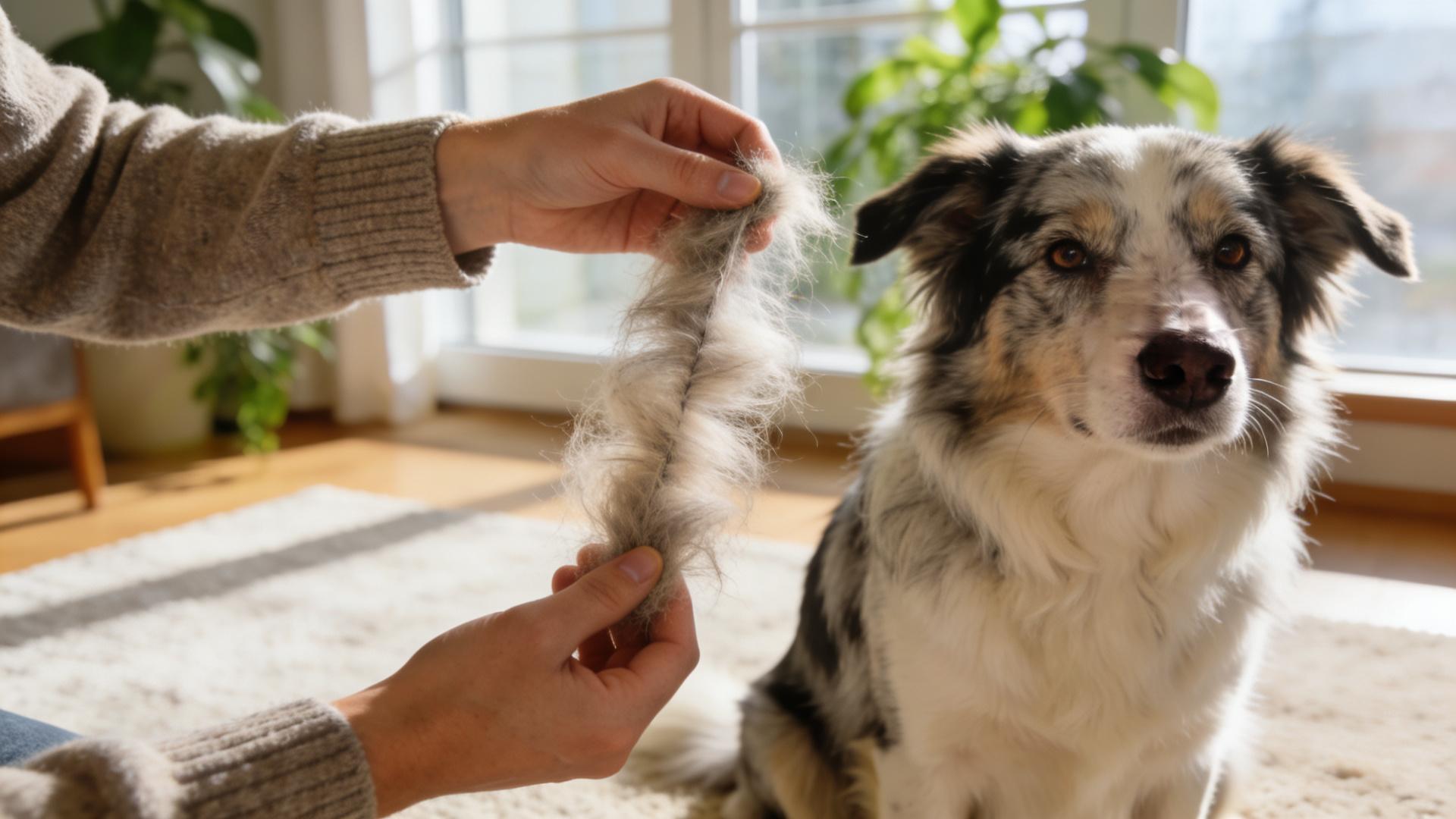
Grooming strategies for dogs during shedding season: How to effectively remove dead hair and down.
The annual—or sometimes perpetual—canine blizzard of fur is upon us. 🌀 For dog owners, shedding season can feel like a full-time job, with tumbleweeds of hair gathering in corners and a fine layer of "dog glitter" coating every surface. But this natural process is your dog's way of renewing its coat. With the right knowledge and tools, you can transform this chaotic period into a manageable, even bonding, experience. This definitive guide delves deep into effective strategies to remove dead hair and down, ensuring your dog's comfort and your home's cleanliness.

"Warmth and Cleanliness" for Newborn Puppies: Simulated Care When the Mother is Away
For newborn puppies, the mother is their entire world. She provides nourishment, essential warmth, and meticulous cleanliness through her constant care. Her presence is the cornerstone of their survival in those critical first weeks. When she is absent due to illness, rejection, or unforeseen circumstances, the roles of providing warmth and maintaining cleanliness fall entirely to you, the caregiver. This responsibility is daunting but profoundly rewarding. This guide aims to be your compassionate companion, offering detailed, step-by-step simulated care methods to ensure the health and survival of orphaned or mother-assisted puppies. We will navigate this journey together, focusing on the two most critical pillars of neonatal care: thermal support and hygienic practice.
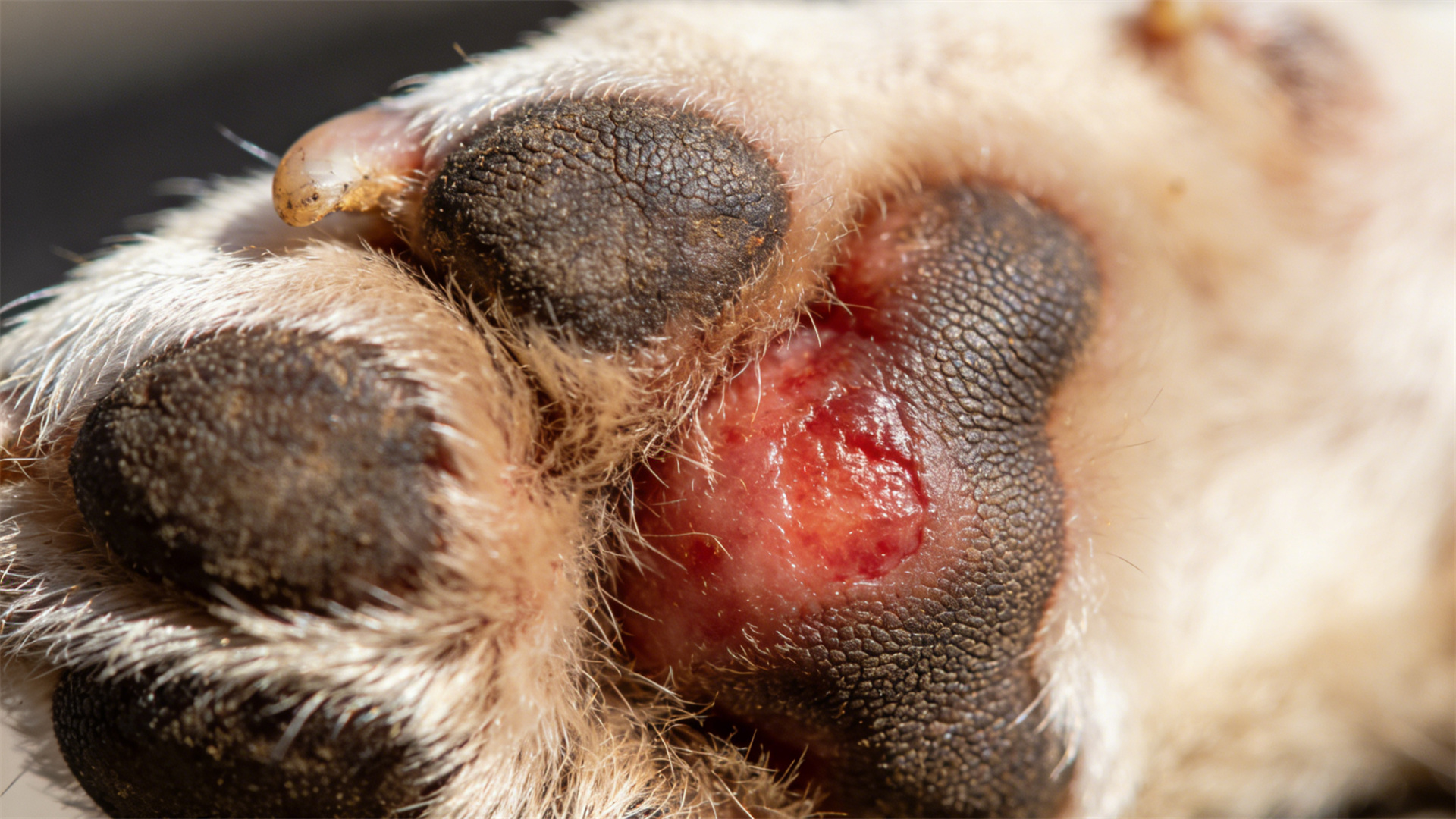
Health signals from between the toes: Thorough prevention and intervention for interdigital dermatitis
You’ve seen it a hundred times: your beloved dog curled up, intently focused on licking or chewing at their paws. It might seem like a harmless, quirky habit. But what if that persistent nibbling is a distress signal, a plea for help written in the language of discomfort? The spaces between your dog’s toes—the interdigital spaces—are more than just gaps; they are sensitive, vital health monitors. Ignoring their signals can lead your pet down a path of pain and chronic infection. This guide will empower you to become an expert in recognizing, preventing, and tackling interdigital dermatitis, one of the most common yet misunderstood canine ailments.

Rinsing your dog with fresh water after playing at the beach: Salt can corrode a dog's fur.
There are few greater joys than watching your dog experience the sheer freedom of a beach. The sprint across the sand, the ecstatic leaps through the waves, the focused digging—it’s a symphony of canine bliss and fantastic exercise. As responsible pet parents, we revel in providing these moments of happiness. However, beneath the surface of this perfect day lurks a silent threat that many well-meaning owners overlook: salt corrosion. That same seawater that brings so much joy can wreak havoc on your dog’s coat and skin. Understanding this risk is the first, and most critical, step in transforming a fun outing into a truly safe and health-positive experience for your four-legged friend.
Expert Q&A
How can I prevent canine dacryocystitis?
In addition to a light diet, it is also necessary to regularly clean any foreign objects from the nasolacrimal duct outlet and keep it dry.
What should I do if water gets into my ears while showering?
After washing, use a cotton swab to dry the external auditory canal to prevent bacteria from growing and causing otitis media.
Where is the best place to put a dog kennel?
A corner that is sheltered from the wind, dry, not directly facing the air conditioner vent, and where the owner can be seen.
Can dogs look in mirrors?
Yes. Most dogs will be wary at first, and will lose interest once they realize the other dog doesn't have a scent.
Should I choose soft or hard toys?
Choose soft rubber or cotton rope for puppies; choose solid, durable natural rubber for adult dogs.
Why does my dog always eat its own fur?
Check for pica or micronutrient deficiencies, and promptly clean up any loose pet hair in your home.
Can dogs use human shampoo?
No. Human and dog skin have different pH levels, and using human products can easily cause dryness, itching, and hair loss.
Do dogs need to wear clothes in winter?
Puppies, senior dogs, or short-haired dogs (such as Chihuahuas) are advised to wear clothes when the temperature is below 10 degrees Celsius.