Hydration is the cornerstone of health for every living creature, and our canine companions are no exception. Water facilitates every critical bodily function, from digestion and nutrient absorption to joint lubrication and temperature regulation. As we move through 2026, the pet wellness industry continues to innovate, introducing trends once reserved for human health into the canine market. Two of the most prominent trends gaining attention are hydrogen-infused water and alkaline water for dogs. Promotional materials tout them as revolutionary solutions for everything from aging to chronic disease. But as a conscientious dog owner, you’re right to question: is this science, or just sophisticated marketing? This article aims to cut through the hype, examining the claims against the latest scientific and veterinary perspectives to help you make the most informed decision for your pet’s health.
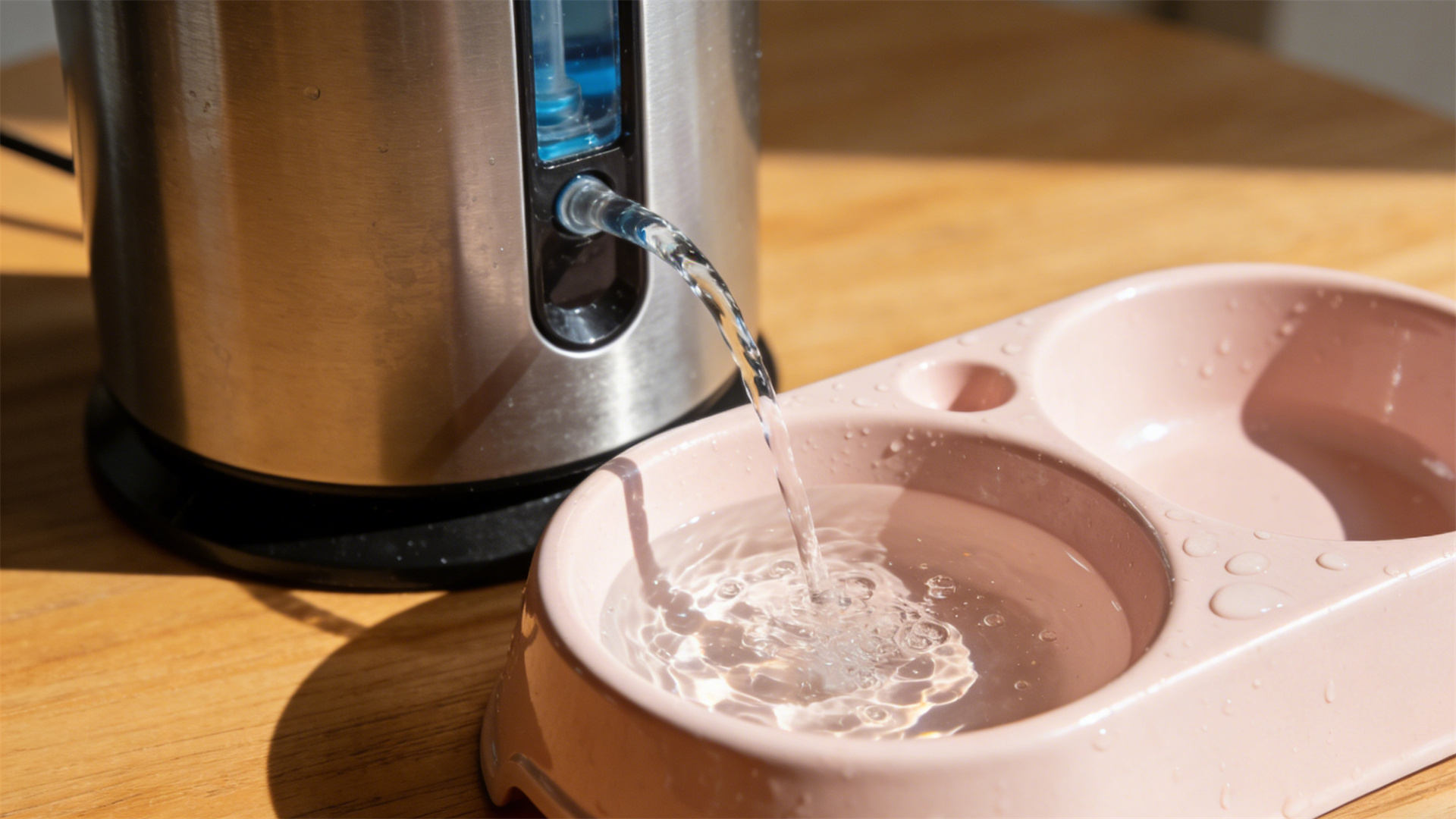
💧 Section One: Defining the Trends in Canine Hydration
Before evaluating their benefits, let's clearly define what these specialized waters are and how they are marketed for our pets.
What is Hydrogen-Containing Water for Dogs:
Hydrogen-containing water, often called hydrogen-rich or molecular hydrogen water, is simply water (H₂O) that has additional dissolved molecular hydrogen gas (H₂) added to it. The selling point lies in hydrogen's potential role as a selective antioxidant. Marketing suggests these molecules can neutralize harmful free radicals in the body, reducing oxidative stress—a key factor in aging, inflammation, and many chronic diseases. For dog owners in 2026, this product is accessible through several methods: dissolvable tablets or drops added to the water bowl, specialized hydrogen-infusing bowls or bottles, or even pre-bottled hydrogen water formulated for pets.
What is Alkaline Water for Dogs:
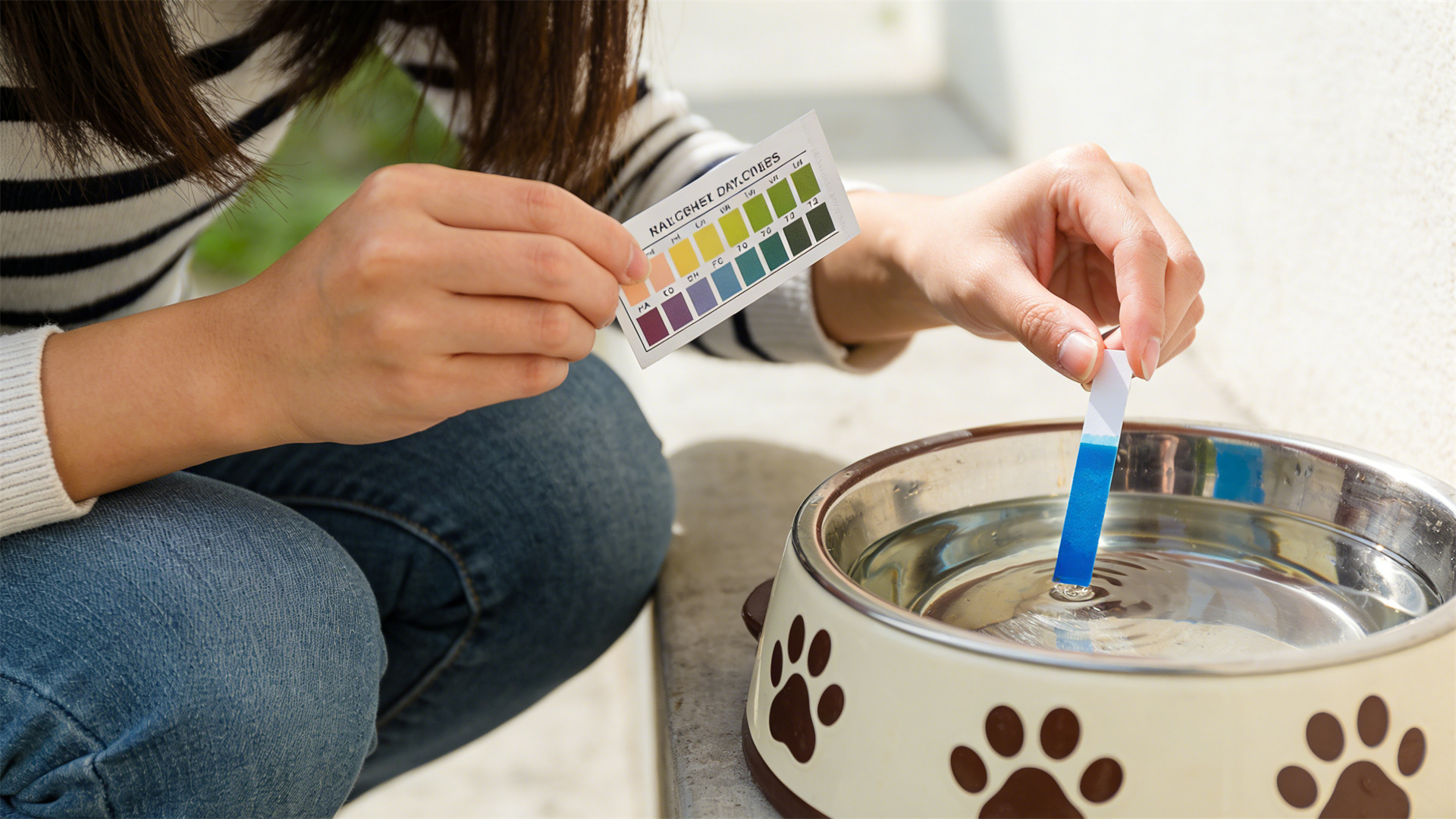
Alkaline water refers to water with a higher pH level than regular drinking water. The pH scale measures how acidic or basic a substance is, from 0 (very acidic) to 14 (very basic). Typical tap water is relatively neutral, around a pH of 7. Alkaline water usually has a pH between 8 and 9.5. This elevated pH is achieved through processes like electrolysis (using an ionizer machine) or by adding alkaline minerals and compounds. The core marketing claim is that it can help neutralize excess acidity in a dog's body, promoting a more balanced internal environment or "detoxification." It's important to note that this is different from simply filtering water to remove contaminants.
🔍 Section Two: Examining the Proposed Benefits and Claims
Let's break down the specific promises made by proponents of these canine wellness water options.
Claims for Hydrogen Water in Canine Health:
Advocates for hydrogen water for dogs present a compelling list of potential benefits. These claims are often extrapolated from preliminary research in humans and lab animals. They are marketed to address:
Reduction of Oxidative Stress: Positioned as a powerful antioxidant, said to combat cell damage from free radicals.
Enhanced Post-Exercise Recovery: Suggested to reduce muscle fatigue and inflammation after vigorous activity.
Support for Aging Dogs: Promoted to improve vitality, cognitive function, and mobility in senior canines.
Overall Wellness Boost: Alleged to support skin and coat health, improve energy levels, and bolster the immune system.
Claims for Alkaline Water in Canine Health:
The marketing for alkaline water for dogs often centers on the concept of balancing the body's pH. Common claims include:
Detoxification: Purported to help flush toxins and acidic waste products from the body more efficiently.
Improved Nutrient Absorption: Suggested to create a better environment for absorbing vitamins and minerals.
Healthier Skin and Coat: Linked to reduced inflammation and better overall skin health.
Disease Prevention: Some claims go as far as suggesting it can prevent or help manage conditions like kidney disease or arthritis by reducing systemic acidity.

🧬 Section Three: The Scientific and Veterinary Perspective in 2026
As of 2026, what does the evidence actually say? The veterinary community remains cautiously analytical, prioritizing robust clinical trials over anecdotal reports.
Analysis of Hydrogen Water Research:
The scientific landscape for molecular hydrogen has evolved, but significant gaps remain for canine-specific applications. While in vitro (lab studies) and some rodent studies continue to show intriguing anti-inflammatory and antioxidant potential, large-scale, peer-reviewed clinical trials on healthy domestic dogs are still lacking. The few existing studies often have small sample sizes or are funded by companies with a commercial interest. The general consensus among veterinary nutritionists is that while hydrogen water is likely not harmful for most dogs, its proclaimed benefits are not yet conclusively proven. It remains an area of ongoing research rather than a staple veterinary recommendation.
Analysis of Alkaline Water Research:
The veterinary perspective on alkaline water is more uniformly skeptical. A dog's body is a master of homeostasis—it tightly regulates its internal pH through highly efficient systems in the kidneys and lungs. Simply drinking alkaline water cannot significantly alter the pH of the blood or tissues. More critically, veterinary experts highlight a potential risk: a dog's stomach is meant to be highly acidic. This acidity is crucial for proper digestion, breaking down food, and killing pathogenic bacteria ingested from the environment. Regularly providing high-pH water could theoretically interfere with this natural gastric barrier, potentially leading to digestive upset or increased vulnerability to pathogens.
The Veterinarian Interview:
We consulted Dr. Anya Sharma, DVM, DACVIM (Nutrition), a leading veterinary nutritionist, for her 2026 perspective: "The most important thing for dog owners to remember is that the core principle hasn't changed: unlimited access to clean, fresh water is non-negotiable. When I see trends like these, I ask: 'Where is the evidence in dogs?' For the vast majority of my healthy patients, there is no data showing these specialized waters provide an advantage. My concern is that owners might spend significant money on these products while neglecting basics like diet quality, dental care, or regular exercise. If you are considering this, the first and only stop should be a conversation with your own veterinarian about your individual dog's needs."
🦴 Section Four: Practical Guidance for Dog Owners
So, what should you do? Focus on what is undeniably proven and always partner with your vet.
The Undisputed Importance of Fresh Water:
Regardless of trends, these fundamentals are the bedrock of dog drinking water health:
Constant Access: Ensure your dog always has a bowl of clean water available, refreshed at least daily.
Bowl Hygiene: Clean the water bowl with soap and hot water daily to prevent bacterial slime (biofilm).
Monitor Intake: Be aware of your dog's normal drinking habits. Sudden increases or decreases can be an early sign of illness.
Choose Proven Safety: If your tap water is questionable, a standard filter to remove heavy metals or contaminants is a more evidence-based investment than seeking a specific pH or additive.
When to Consider Specialized Waters:
The decision to use hydrogen water for dogs or alkaline water for dogs should never be made independently. It should only be considered if, and only if, your veterinarian recommends it for a specific, diagnosed condition. For example, a vet might temporarily guide the use of a particular water type as part of a broader management plan for a complex issue. It is not a substitute for conventional, proven medical treatments.
Questions to Ask Your Vet in 2026:
If you are curious, arm yourself with these questions for your veterinary visit:
1. Based on my dog's full medical history and current bloodwork, could there be any potential benefit to trying this?
2. What specific, measurable outcome should we look for to determine if it's helping?
3. What are the potential risks or downsides for my individual dog?
4. Is this a replacement for, or an addition to, their current diet or prescribed medications?
5. Which brand or delivery method do you consider most reliable, if any?
✅ Conclusion: The Clear Path Forward for Canine Hydration
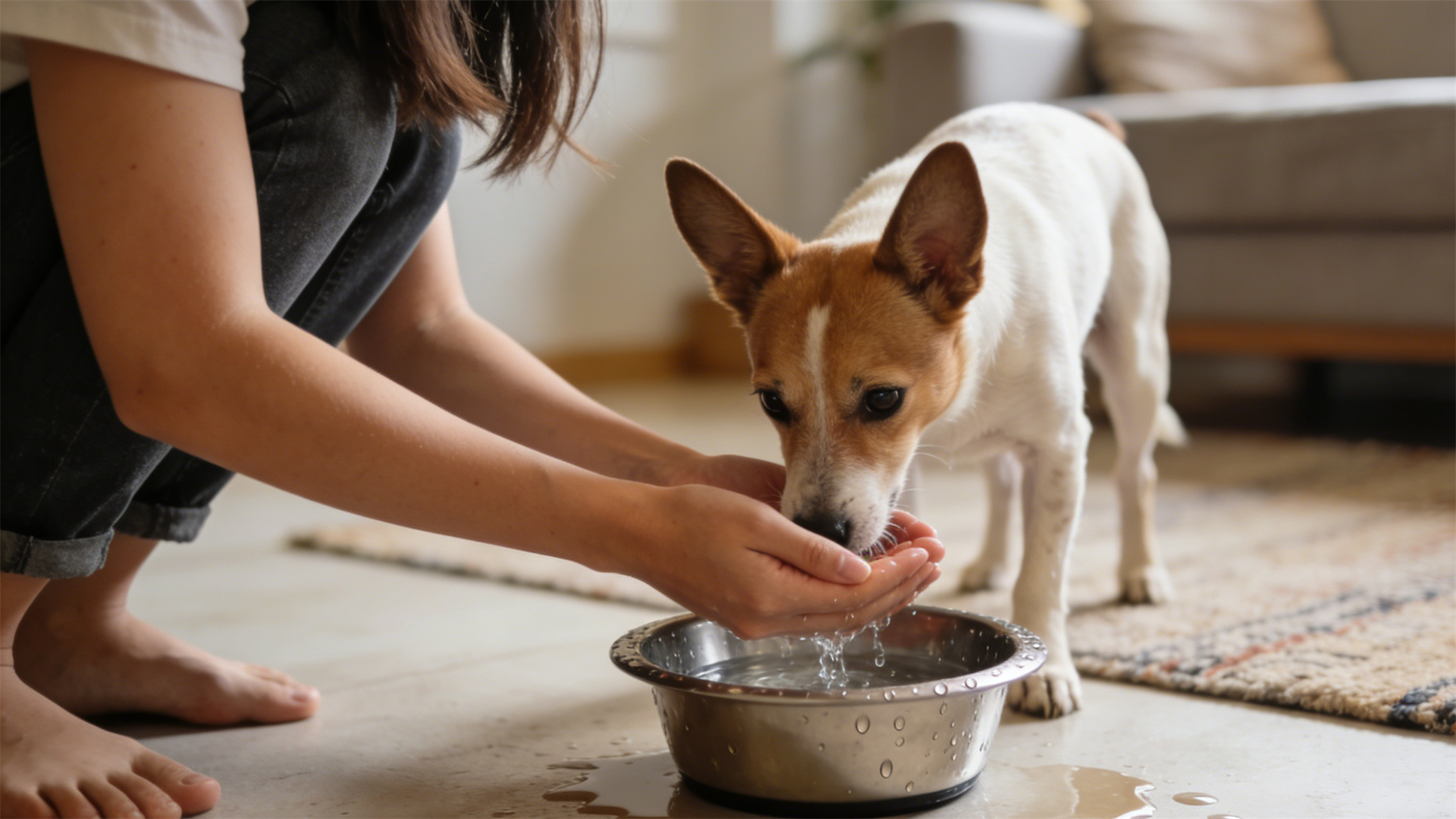
So, are hydrogen-containing water and alkaline water really beneficial for dogs? Based on the current state of veterinary science in 2026, the answer for the average healthy dog is: the broad health claims are not sufficiently supported by conclusive evidence, and plain, fresh water remains the unequivocal gold standard. While hydrogen water presents a more interesting research pathway with a lower perceived risk profile, alkaline water carries noted theoretical concerns about disrupting natural digestion.
The core of dog hydration health 2026 is not about chasing expensive trends, but about diligently executing the fundamentals. Prioritize providing abundant clean water, maintaining a balanced diet recommended by your vet, and ensuring regular wellness check-ups. If you are intrigued by emerging dog water trends 2026, channel that curiosity into a detailed conversation with your veterinarian. By grounding our choices in science and professional guidance, we ensure our efforts truly contribute to our dogs' long-term vitality and wellbeing, navigating the future of pet care with both caution and care.