Picture this: You’re on a walk, the sun is shining, and your dog spots a squirrel. In an instant, your peaceful stroll turns into a chaotic tug-of-war. You’ve read the blogs, watched the videos, and you know you should be consistently training loose-leash walking. But between work, family, and life’s demands, those structured training sessions often fall by the wayside. You’re not alone. This gap between knowing what to do and executing it consistently is the single biggest hurdle in modern dog training.
What if you had a science-based coach in your pocket, available 24/7, to bridge that gap? Enter the new frontier of canine care: a Canine AI assistant—a ChatGPT for dogs, if you will. This isn't science fiction. It's a sophisticated AI dog training tool developed by merging cutting-edge machine learning with decades of proven behavioral psychology. This article will demystify this innovation, showing you how an AI training assistant can transform your approach, not by replacing your bond, but by empowering you with clarity, consistency, and scientific understanding.

🚀 Defining the Concept: What This AI Is (And What It Is Not)
First, let's clear the air. This canine AI assistant is not a robot that trains your dog for you. It is not a replacement for your relationship, your love, or the critical decision-making you provide as a pet parent. Most importantly, it is not a substitute for a certified professional trainer or veterinarian for serious issues.
So, what is it? Think of it as a GPS for dog training. You provide the destination (e.g., "calm greetings," "reliable recall"), and the AI dog training assistant maps out the most effective, science-backed route. It’s a dynamic guidance system that uses conversational prompts and data analysis rooted in the principles of operant conditioning and positive reinforcement. Its core function is to educate and support the human, providing personalized, step-by-step protocols that turn overwhelming behavioral goals into manageable, daily actions.
The Core Philosophy: Empowerment Through Science
The tool is built on a simple, powerful belief: When dog owners understand the "why" behind their dog's behavior and the "how" of training mechanics, they become more effective, patient, and joyful partners to their pets. This is the heart of behavioral science dog training made accessible.
🔬 The Science Behind the Screens: Your AI's Behavioral Toolkit
This isn't a random advice generator. Its "brain" is programmed with the foundational pillars of modern, ethical animal training. Let's translate these academic concepts into practical superpowers for you.
Positive Reinforcement: The Golden Rule
Inspired by the work of B.F. Skinner, this principle states that behaviors followed by a desirable consequence are more likely to be repeated. The AI training assistant is hard-coded to champion this method. It will always guide you to reward desired behaviors (like a sit or a quiet moment) with something your dog loves—treats, play, or praise—instead of focusing on punishing unwanted actions. This builds a trusting, enthusiastic learner.
Marker Training: The Power of Precision
Popularized by pioneers like Karen Pryor, this uses a distinct sound (a click or a word like "Yes!") to mark the exact moment a dog performs correctly. The AI helps you implement this with perfect timing, explaining how the marker acts like a camera shutter, telling the dog, "That! Right there is what earns the reward!" This clarity accelerates learning exponentially.
Antecedent Arrangement: Setting the Stage for Success
This fancy term simply means managing the environment to prevent mistakes and make good choices easy. Instead of just reacting to jumping, the AI dog coach might suggest you keep a leash on indoors to gently manage greetings, or store toys out of sight to reduce demand barking. It teaches you to be proactive, not just reactive.
Data-Driven Progress Tracking
Here's where the machine learning shines. When you log your short training sessions—"Dog sat on first cue 3/5 times today"—the AI analyzes trends. It notices plateaus, detects patterns in failures (e.g., breaking stay only when distractions are moving), and adapts the future plan accordingly. This removes the guesswork from personalized dog training with AI.
💻 How It Works in Practice: A Day in the Life with Your AI Assistant
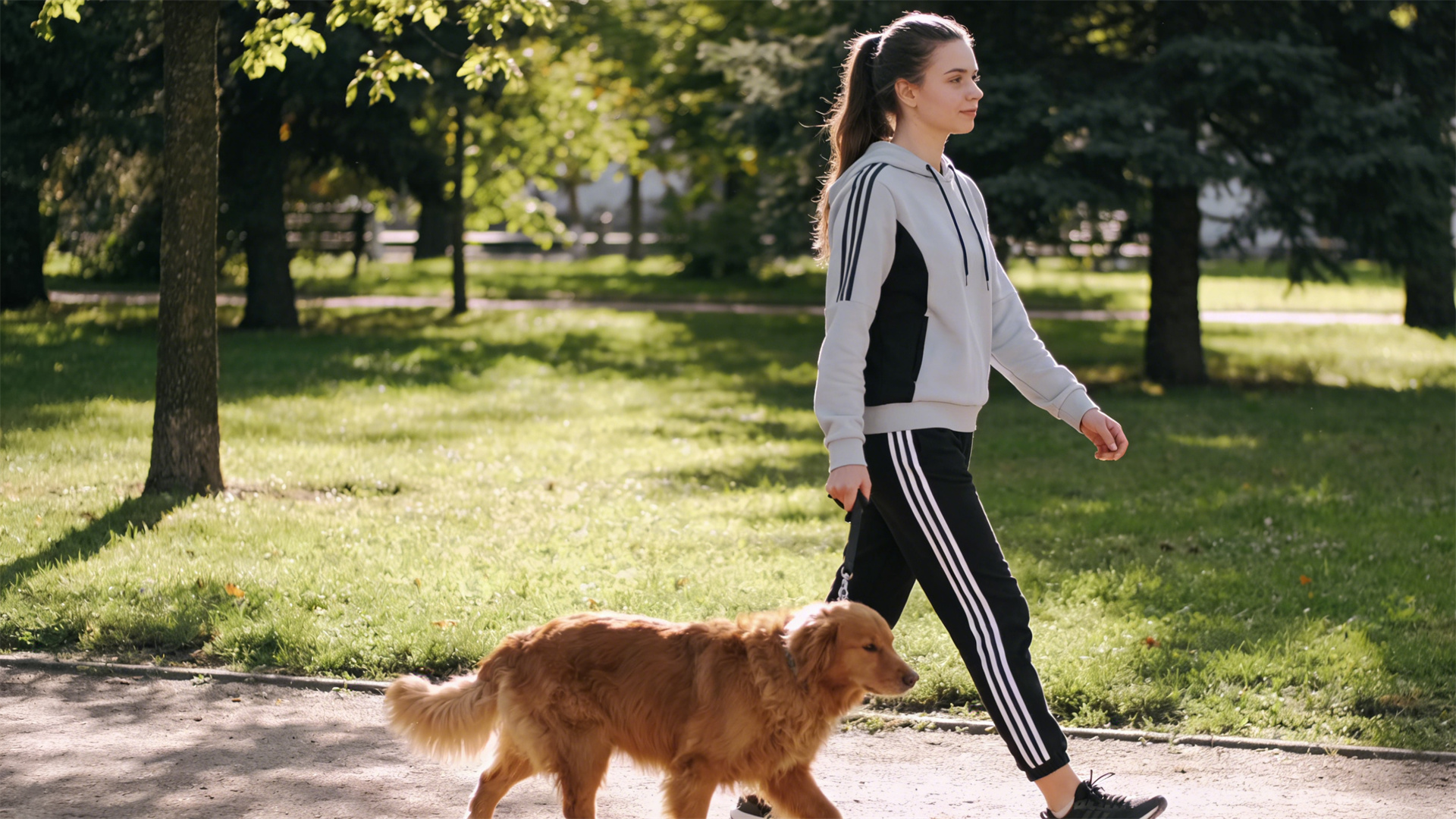
Let’s make this concrete. Imagine you’re struggling with the classic issue of leash pulling. Here’s your potential journey:
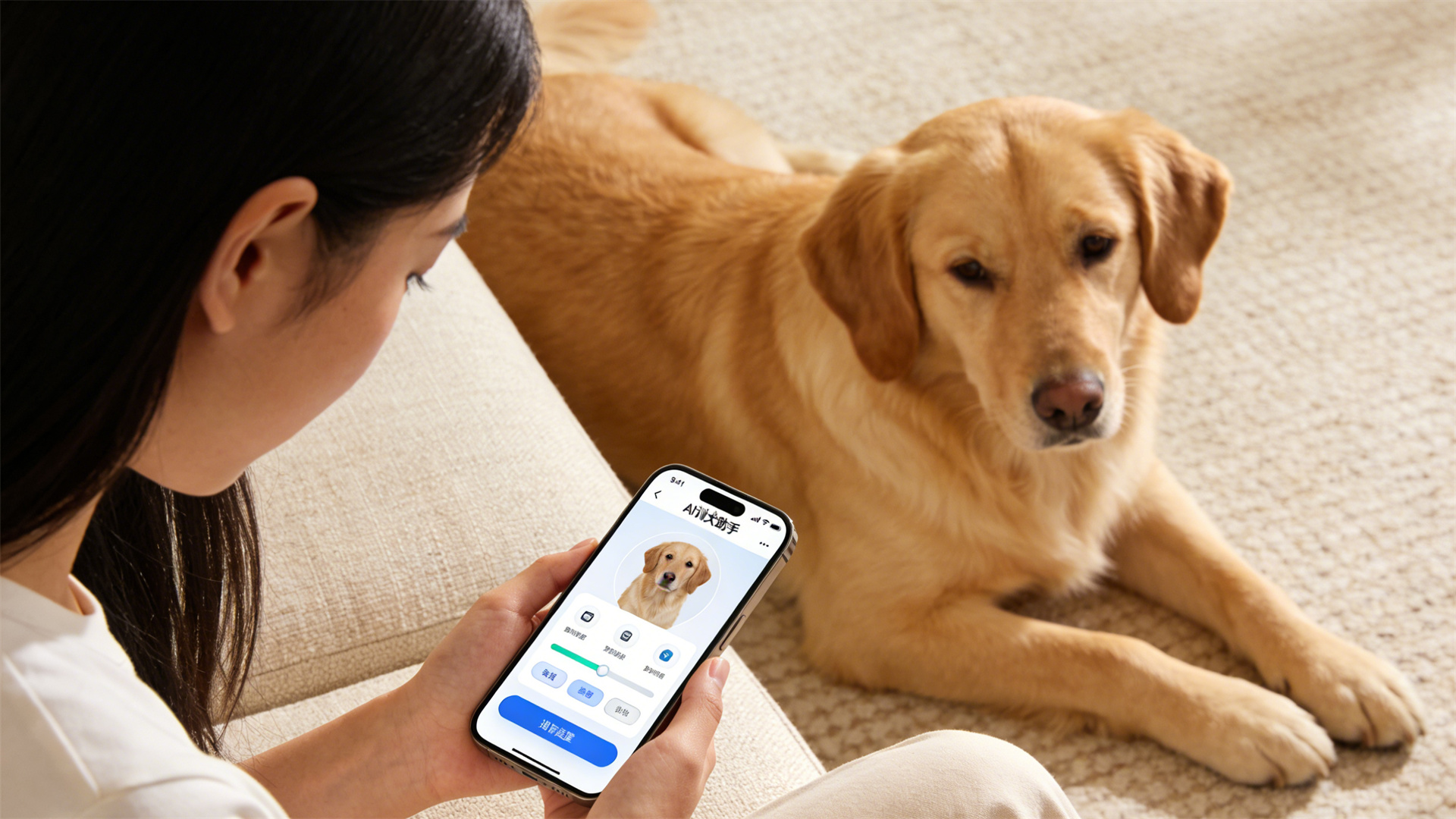
- Initial Query: You tell the assistant: "My dog, Max, pulls relentlessly on walks."
- Clarifying Analysis: The AI asks smart, contextual questions: "Does he pull from the moment you leave, or only toward specific triggers like other dogs? What type of equipment are you using? What's his favorite high-value treat?" This mimics a professional trainer's intake process.
- Protocol Generation: Based on your answers, it generates a customized, multi-week plan. It breaks the monumental task of "perfect loose-leash walking" into micro-sessions. Day 1 might be: "Practice marking and rewarding Max for simply looking at you while wearing his leash indoors for 5 minutes."
- Daily Guidance & Reminders: Your app pings you: "Time for Max's 5-minute focus session! Remember, click the moment his eyes meet yours." It provides the daily "homework" so you don't have to plan or remember the next step.
- Logging and Adaptation: You log: "Great focus indoors, but he still lunged at a skateboard." The AI doesn't scold you. It adjusts: "Great job on the foundation! The skateboard is a big distraction. Next session, let's practice in your quiet driveway and gradually get closer to mild distractions."
This is the essence of using behavioral science for dog training at home with an intelligent guide.
✅ Benefits and Advantages: Why This Changes the Game
- 24/7 Consistent Guidance: No more waiting for a weekly class or trying to recall a YouTube video. Your science-based dog training coach is always on, providing the exact right prompt when you need it.
- Reduces Owner Frustration: By breaking goals into tiny, achievable steps, it replaces overwhelm with a sense of accomplishment. Clear instructions eliminate the "am I doing this right?" anxiety.
- Deep Personalization: It considers your dog’s breed tendencies (e.g., herding breeds vs. scent hounds), age, and your specific environment (apartment vs. farm), making the advice relevant and effective.
- Builds Your Scientific Literacy: As you use it, you’ll instinctively start to see behavior through the lens of antecedents, reinforcement, and markers. You’re not just training your dog; you’re becoming a student of canine behavioral science.
- Promotes Ethical Training: Built on a positive reinforcement AI foundation, it steers users away from punitive methods, promoting animal welfare and a stronger bond.
⚠️ Addressing Limitations and Ethical Use: A Critical Framework
As revolutionary as this dog training technology is, its developers must be the first to state its boundaries. This dedicated section is crucial for trust and safety.
What This AI Cannot and Should Not Do:
- It is NOT a diagnostic tool. It cannot address issues with potential medical roots (like sudden aggression, which could be caused by pain) or severe behavioral pathologies like extreme anxiety or aggression. These require immediate consultation with a veterinarian or a certified veterinary behaviorist.
- It does not replace certified professionals. For complex cases, or if you simply want hands-on help, a certified dog trainer or behaviorist is irreplaceable. The AI’s role is to supplement and empower, not replace.
- It cannot read a dog's subtle body language in real-time. While it can educate you on canine calming signals, it lacks the nuanced observation of a skilled human. You remain the essential observer and decision-maker.
The tool includes built-in safeguards that redirect users to seek professional help when keywords indicating severe fear, aggression, or potential medical issues are detected. This ethical framework ensures artificial intelligence for dog behavior is a force for good, used responsibly within its designed scope.
🔮 Conclusion & Future Vision: Deepening Bonds Through Understanding
The advent of a sophisticated AI dog training assistant represents the next logical step in making effective, ethical, and science-based dog training accessible to every pet owner. It democratizes knowledge that was once confined to textbooks and professional seminars.
This technology is not about inserting a screen between you and your dog. It’s quite the opposite. By providing clear, compassionate, and scientifically-sound guidance, it removes the frustration and confusion that can strain the human-canine relationship. It frees you up to focus on what matters most: the joyful connection, the shared successes, and the mutual understanding that grows with each clear communication.
The future of dog training technology is one where AI handles the logistics of learning theory and personalized planning, while humans provide the empathy, love, and shared experiences. Together, they create a powerful synergy—one where technology doesn't replace the bond but actively nurtures it, leading to happier dogs and more confident owners. The question is no longer "Can AI help train my dog?" but "How can this AI help me become the best possible partner for my dog?" The journey to that answer starts now.