You turn your back for just a moment. The festive chocolate cake is on the counter, and in a flash, your canine companion has seized the opportunity. A moment of guilty pleasure for them, a moment of sheer panic for you. Every dog owner has heard the warning: chocolate is toxic to dogs. But why? What transforms this beloved human treat into a potential poison for our four-legged friends? This article provides a definitive, scientific explanation of the toxic reaction, arming you with the knowledge to assess risk, recognize symptoms, and act decisively to protect your pet.
🍫 The Culprit: It's Not Just "Chocolate"
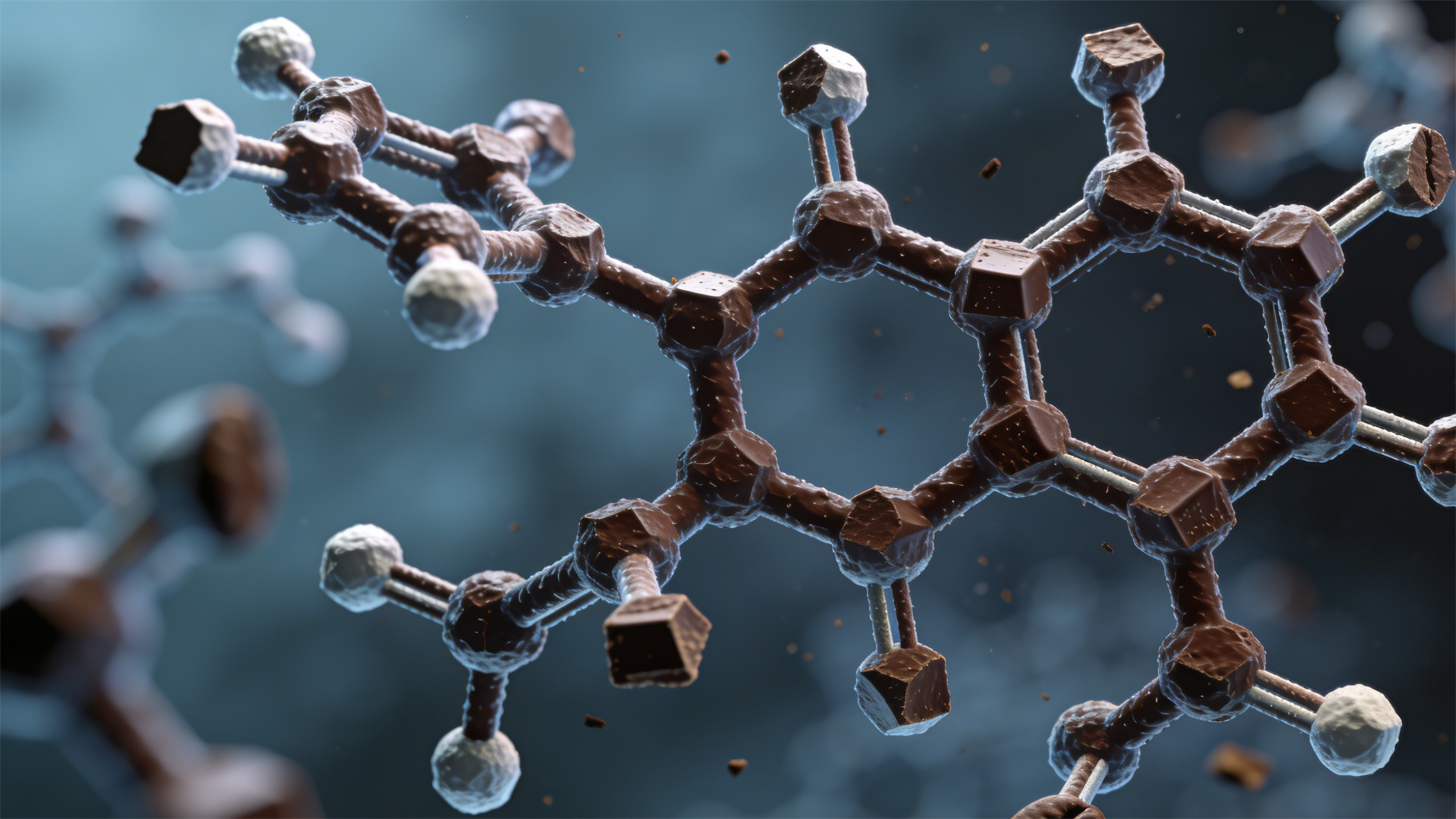
The danger doesn't lie in chocolate itself, but in two specific compounds it contains: theobromine and caffeine. These belong to a class of chemicals called methylxanthines. Here's the crucial difference: humans metabolize methylxanthines relatively quickly and efficiently. Dogs, however, process them very slowly, allowing these stimulants to build up to toxic levels in their system.
Think of it like alcohol. A human can metabolize a glass of wine in a few hours, while for a dog, that same amount lingers for much longer, causing prolonged and intensified effects. Theobromine is the primary concern, as it is present in much higher concentrations in chocolate than caffeine and is particularly potent for canines.
🔬 The Science of Toxicity: A Biological Breakdown
When a dog ingests theobromine, it courses through their body, overstimulating multiple critical systems:
Central Nervous System Stimulation
Theobromine blocks adenosine receptors in the brain, which normally promote relaxation and sleep. This leads to restlessness, hyperactivity, tremors, and in severe cases, seizures.
Cardiovascular Impact
It increases the heart rate and force of contraction while also causing the blood vessels to constrict. This double effect can lead to dangerously high heart rates and cardiac arrhythmias (irregular heartbeats), posing a risk of heart failure.
Diuretic Effects
Methylxanthines promote the loss of fluids, leading to excessive urination and thirst. This can result in dehydration and electrolyte imbalances, further stressing the body.
Gastrointestinal Distress
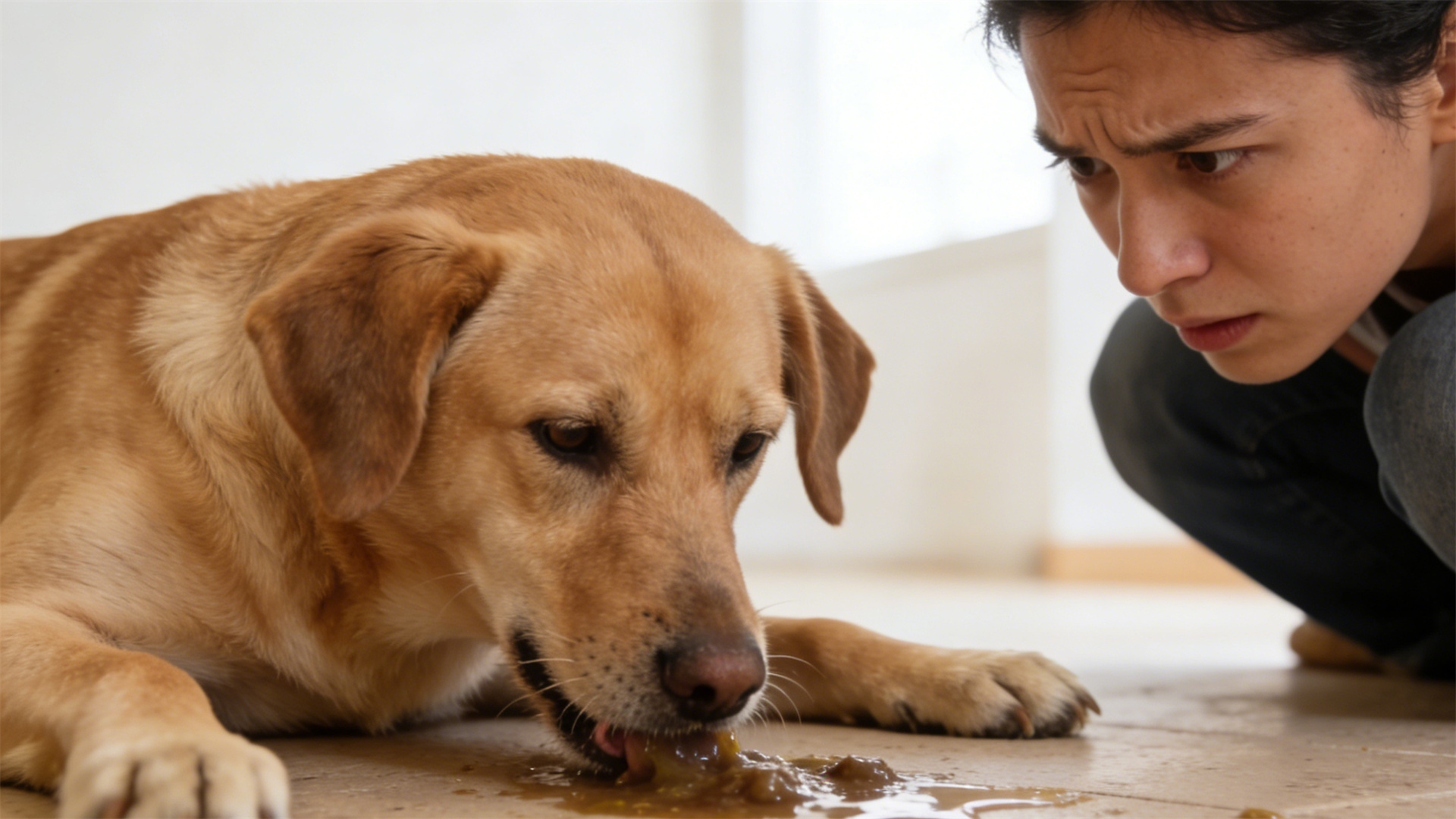
The compounds directly irritate the stomach and intestinal lining, commonly causing vomiting and diarrhea. While messy, vomiting can sometimes be a helpful, early self-detoxification mechanism.

⚖️ Risk Assessment: Type, Amount, and Dog Size
Not all chocolate is created equal. The level of danger depends on a toxic dose calculation, which considers three factors: 1) the type of chocolate, 2) the amount ingested, and 3) the weight of your dog.
Chocolate Toxicity Scale (Highest to Lowest Theobromine):
- Baking Chocolate & Cocoa Powder: Extremely Toxic. Contains 130-450 mg of theobromine per ounce.
- Dark Chocolate: Highly Toxic. Contains 60-130 mg per ounce.
- Milk Chocolate: Moderately Toxic. Contains 44-60 mg per ounce.
- White Chocolate: Minimal Risk. Contains negligible amounts (≈0.25 mg/oz). The high fat and sugar content is the main concern.
Simplified Guideline: Mild symptoms can appear at a dose of 20 mg of theobromine per kilogram of dog weight. Severe symptoms, including seizures, can occur at 40-50 mg/kg, and the lethal dose (LD50) is around 100-200 mg/kg.
Example: A single ounce (28g) of baking chocolate contains enough theobromine to cause serious illness in a 50-pound (23 kg) dog. For a 10-pound (4.5 kg) Chihuahua, a few small squares of dark chocolate could be an emergency.
Critical Reminder: No amount of chocolate is "safe" for dogs. Any ingestion warrants immediate attention and calculation. When in doubt, always contact a professional.

🚨 Clinical Signs: Symptoms of Chocolate Poisoning
Symptoms typically appear within 6 to 12 hours after ingestion and can last for up to 72 hours due to the slow metabolism. They often progress in stages:
Early Stage (Usually within 2-4 hours):
- Vomiting and/or Diarrhea
- Restlessness and hyperactivity
- Excessive thirst and panting
Progressive Stage:
- Increased heart rate (tachycardia)
- Muscle tremors or twitching
- Hyperthermia (elevated body temperature)
Severe Stage (Medical Emergency):
- Cardiac arrhythmias (irregular heartbeat)
- Seizures
- Collapse and coma
🆘 Immediate Action: What to Do If Your Dog Eats Chocolate
Stay calm and act quickly. Follow this step-by-step protocol:
- Do Not Panic. Clear thinking is essential.
- Gather Information. Identify the type of chocolate and estimate the maximum amount your dog could have eaten. Check for packaging.
- Contact a Professional IMMEDIATELY. Call your veterinarian or an animal poison control center (e.g., ASPCA Animal Poison Control (888-426-4435) or Pet Poison Helpline (855-764-7661)). Have your dog's weight and the chocolate information ready.
- Do NOT induce vomiting at home unless explicitly instructed to do so by the professional. It can be dangerous in certain situations (e.g., if the dog is already seizuring or unconscious).
- Follow Instructions Precisely. Go to the veterinary clinic if directed.
🏥 Veterinary Treatment: What to Expect
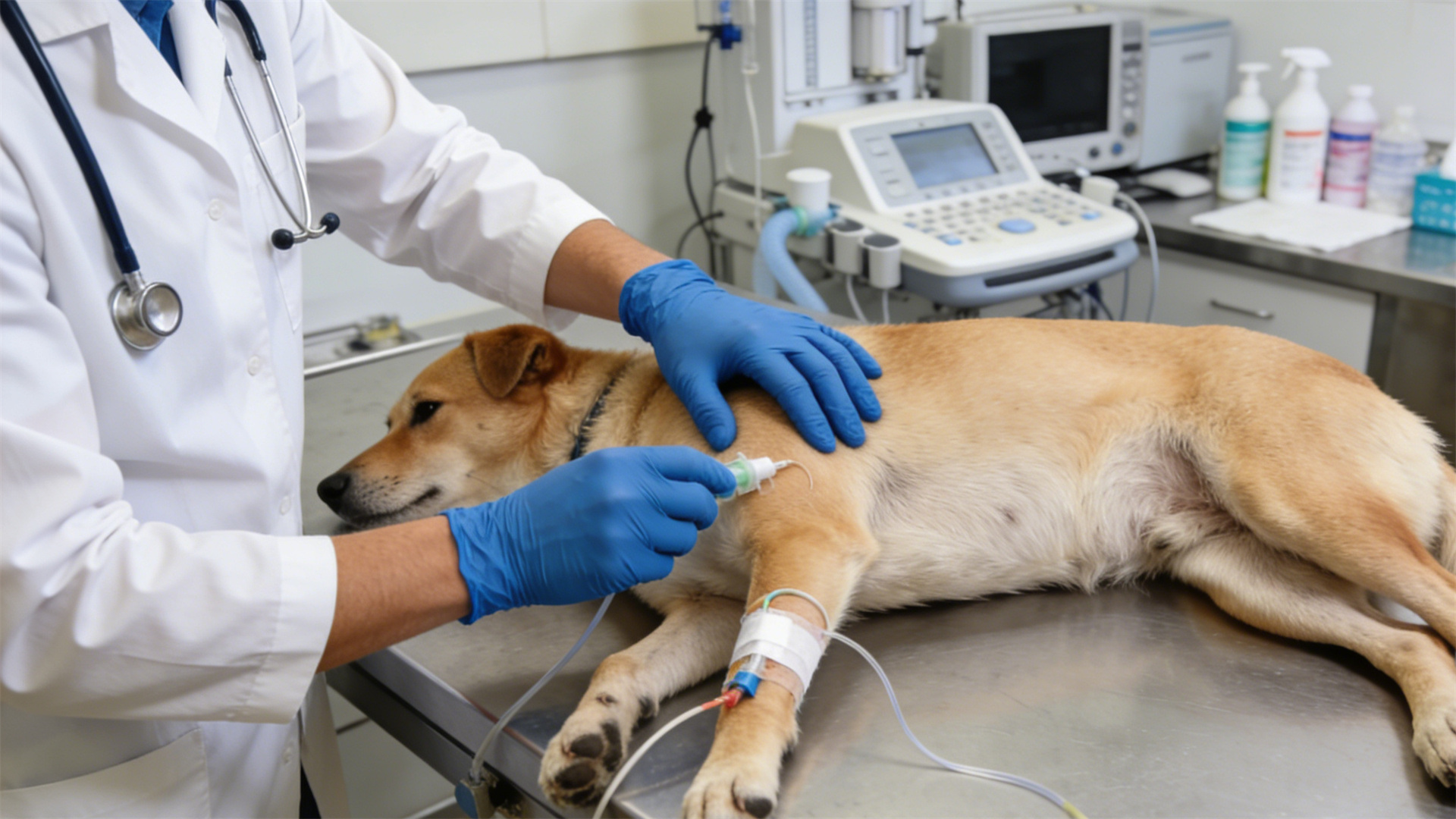
If you bring your dog to the vet, treatment will focus on decontamination and supportive care:
- Decontamination: If ingestion was recent, the vet may safely induce vomiting or perform gastric lavage (stomach pumping). They will often administer activated charcoal, which binds to the toxin in the gut, preventing further absorption.
- Supportive Care: This is critical and may include:
- IV Fluids: To combat dehydration, promote excretion, and maintain blood pressure.
- Medications: To control seizures (e.g., diazepam), stabilize heart rhythm, and manage tremors.
- Monitoring: Continuous monitoring of heart rate, ECG, and neurological status.
🔒 Prevention: The Only Sure Strategy
Treatment is stressful and costly. Prevention is always best.
- Store all chocolate securely in high, closed cabinets. Remember, dogs are clever counter-surfers.
- Educate everyone in the household, especially children, about the danger.
- Be extra vigilant during holidays like Easter, Halloween, and Christmas when chocolate is more prevalent.
- Offer safe alternative treats designed for dogs. Carrot sticks, apple slices (no seeds), or commercial dog treats are great options.

❔ Concise FAQ
Q: Why is chocolate poisonous to dogs but not humans?
A: Humans metabolize theobromine quickly (half-life of 2-3 hours). Dogs metabolize it very slowly (half-life of 17.5 hours), allowing it to accumulate to toxic levels.
Q: My dog ate a small piece of milk chocolate and seems fine. What should I do?
A: Always contact your vet. "No symptoms" initially doesn't mean safe. Provide the dog's weight and chocolate details for a risk assessment. Symptoms can be delayed.
Q: How long after eating chocolate will a dog get sick?
A: Symptoms usually begin within 6-12 hours but can appear as soon as 2 hours post-ingestion.
Q: Can a small amount of chocolate kill a dog?
A> Yes, depending on the type of chocolate and the size of the dog. Baking chocolate is particularly potent; a small square can be lethal for a tiny dog.
📝 The Final Word
Chocolate poses a serious, dose-dependent health risk to dogs due to the theobromine it contains. There is no safe "treat" amount. As a responsible dog owner, your power lies in a combination of vigilance, prevention, and swift, informed action if an accident occurs. By understanding the science behind the toxicity, you can move beyond fear to empowered preparedness. Keep your sweet treats for yourself, and spoil your pup with safe, dog-approved delights instead.