The world of pet parenting is evolving at a breakneck pace. We've moved far beyond the simple biscuit, entering an era where the lines between human-grade nutrition and premium pet food are beautifully blurring. Standing at the forefront of this shift is a technological leap that promises to redefine the very texture and integrity of our dogs' snacks. By 2026, we predict the market will be saturated with what can only be termed as "air fryer-grade" dog treats—a revolution powered not by a kitchen appliance, but by the widespread adoption of sophisticated low-temperature drying technology.
🍖 Deconstructing the "Air Fryer-Grade" Phenomenon
To understand the future, we must first decode the terminology. An air fryer works by circulating hot air at high speed, cooking food to a perfect crisp without submerging it in oil. It delivers a satisfying crunch, preserves more nutrients than deep-frying, and enhances natural flavors. Translate this to the canine world:
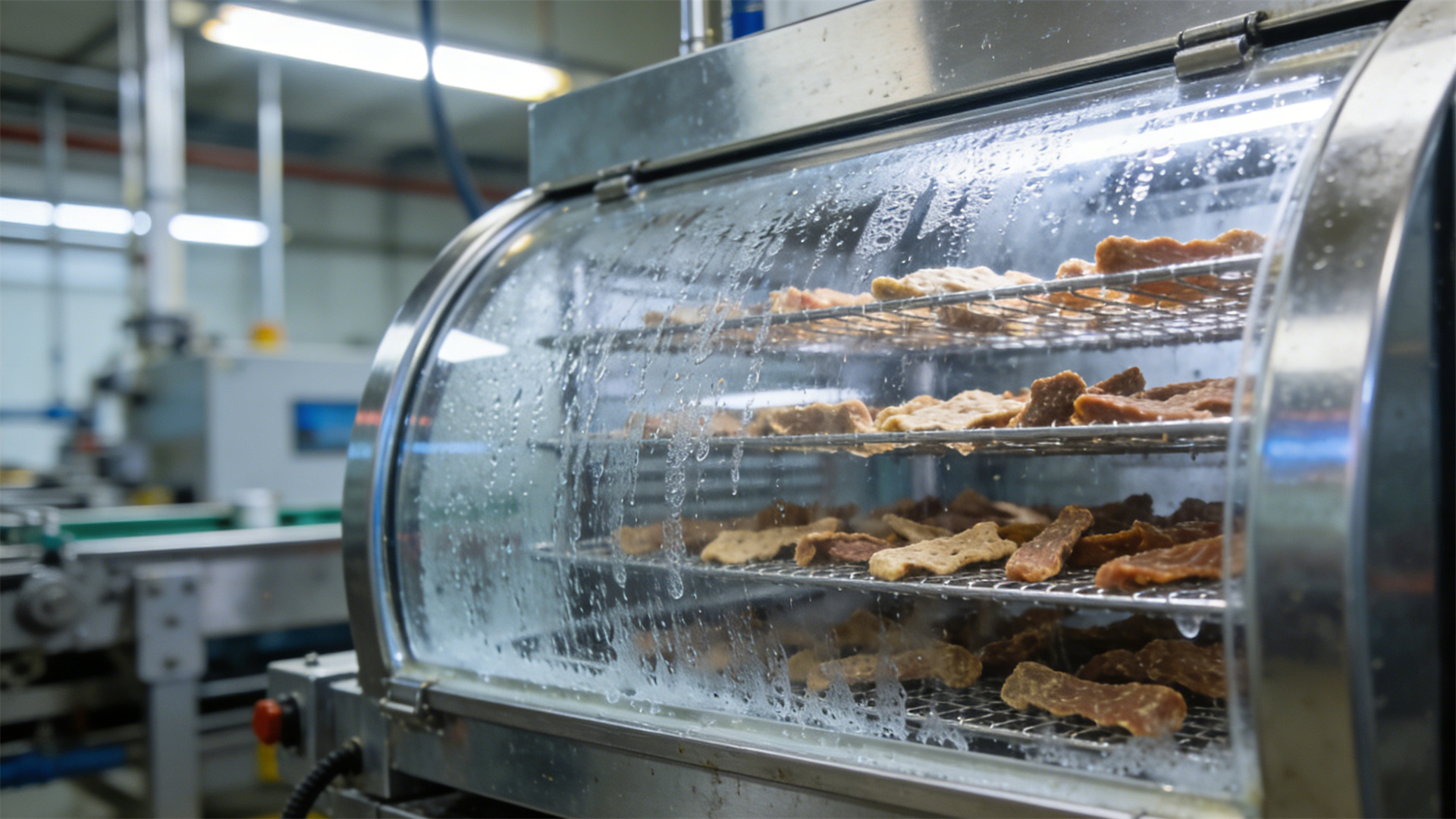
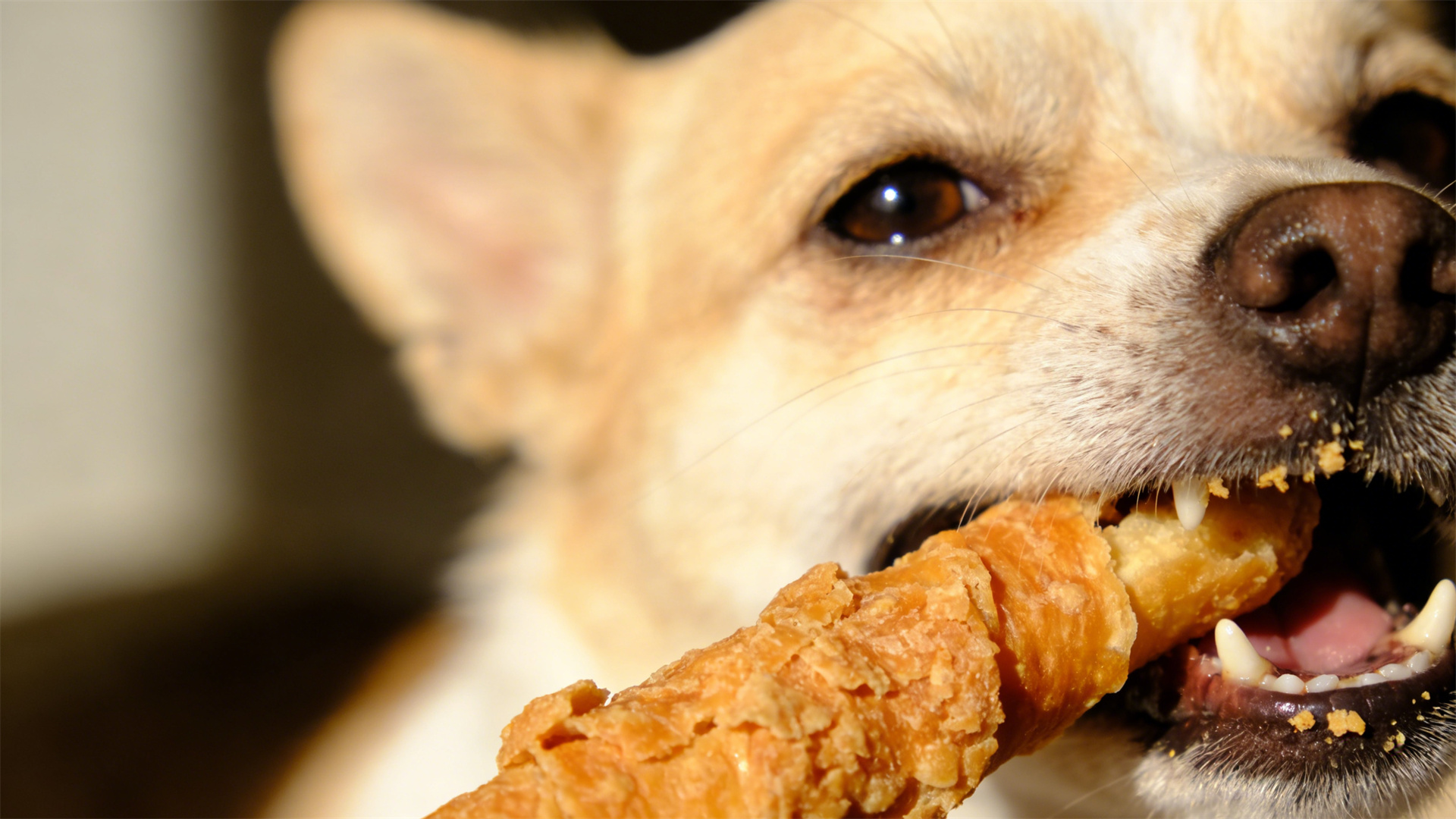
"Air fryer-grade" dog treats are not made *in* an air fryer. Instead, they are produced using advanced low-temperature dehydration methods that achieve a remarkably similar result: a delicately crunchy texture, maximum nutrient retention, and intensified natural taste, all without the need for excessive oils, artificial binders, or high-heat processing that can degrade quality.
🔬 The Core Technology: Gentle Heat, Superior Results
Traditional treat-making often involves baking at high temperatures (300°F+) or extrusion under high heat and pressure. While effective for mass production, these methods can:
- Degrade heat-sensitive vitamins (like Vitamin C and some B vitamins).
- Create Maillard reaction products that, while tasty, may reduce protein quality.
- Require added fats or starches to achieve palatability and structure.
In contrast, low-temperature drying technology for dog treats operates within a precise, gentle temperature range (typically 90°F to 165°F). This process slowly and evenly removes moisture over several hours or even days.
📈 Why Low-Temperature Drying is a Game-Changer for Canine Health
The advantages of this method are profound, addressing the top concerns of modern, health-conscious pet owners.
💪 Unparalleled Nutrient Preservation
Enzymes, vitamins, and phytonutrients are highly sensitive to heat. A 2021 study in the *Journal of Animal Physiology and Animal Nutrition* highlighted that low-temperature dehydration preserved up to 97% of the original nutrients in certain meat and vegetable ingredients, compared to as low as 60% in high-heat processes. This means treats become potent, functional supplements.
- Proteins remain in their native, easily digestible state, crucial for muscle maintenance.
- Antioxidants in fruits like blueberries retain their potency to combat cellular aging.
- The natural integrity of ingredients like liver is maintained, ensuring a dense source of Vitamin A and iron.
🦷 The Crunch Factor: Dental Health & Palatability
The gentle drying process creates a uniquely porous, crisp texture. This isn't a rock-hard crunch, but a satisfying snap that:
- Helps clean teeth and massage gums as dogs chew.
- Releases aromas and flavors gradually, engaging a dog's senses and providing mental stimulation.
- Avoids the gummy, sticky residue that some baked treats can leave, which contributes to plaque.
🚫 The "Free-From" Guarantee
Because the structure comes from dehydration itself, there's no need for a long list of additives. These treats are naturally: Grain-free (if desired), low-fat, and free from artificial preservatives, colors, and flavors. The low-temperature environment also inhibits bacterial growth from the start, making it a inherently safer preservation method.
🚀 The Perfect Storm: Why 2026 is the Tipping Point
The convergence of several powerful trends makes the mass adoption of this technology by 2026 not just a prediction, but an inevitability.
👫 The Humanization of Pet Food
Pet owners now view their dogs as family. They seek "clean label" products—simple, recognizable ingredients processed in transparent, gentle ways. The parallel rise of air fryers in home kitchens has conditioned consumers to associate rapid-air, low-oil cooking with healthier and crispier outcomes. Marketing "air fryer-style" dog treats taps directly into this existing consumer understanding.
💰 Technological Accessibility & Scalability
While low-temperature drying (like freeze-drying) has existed for years, it was costly and slow. Advances in advanced drying methods—such as improved vacuum drying and controlled humidity tunnel drying—are drastically increasing efficiency and reducing costs. By 2026, this will move from a niche, premium technique to a commercially viable standard for mid-tier and premium brands alike.
📊 Data-Driven Demand
Market research from firms like Packaged Facts consistently shows double-digit growth in the natural and functional treat categories. Pet owners are willing to pay a premium for products that offer tangible health benefits, not just empty calories. Low-temperature dried treats, with their superior nutrient profile, are perfectly positioned to capture this market.
🏢 The Ripple Effect: Impact on the Pet Industry Landscape
The shift toward air fryer-grade treats will reshape the competitive field and consumer expectations.
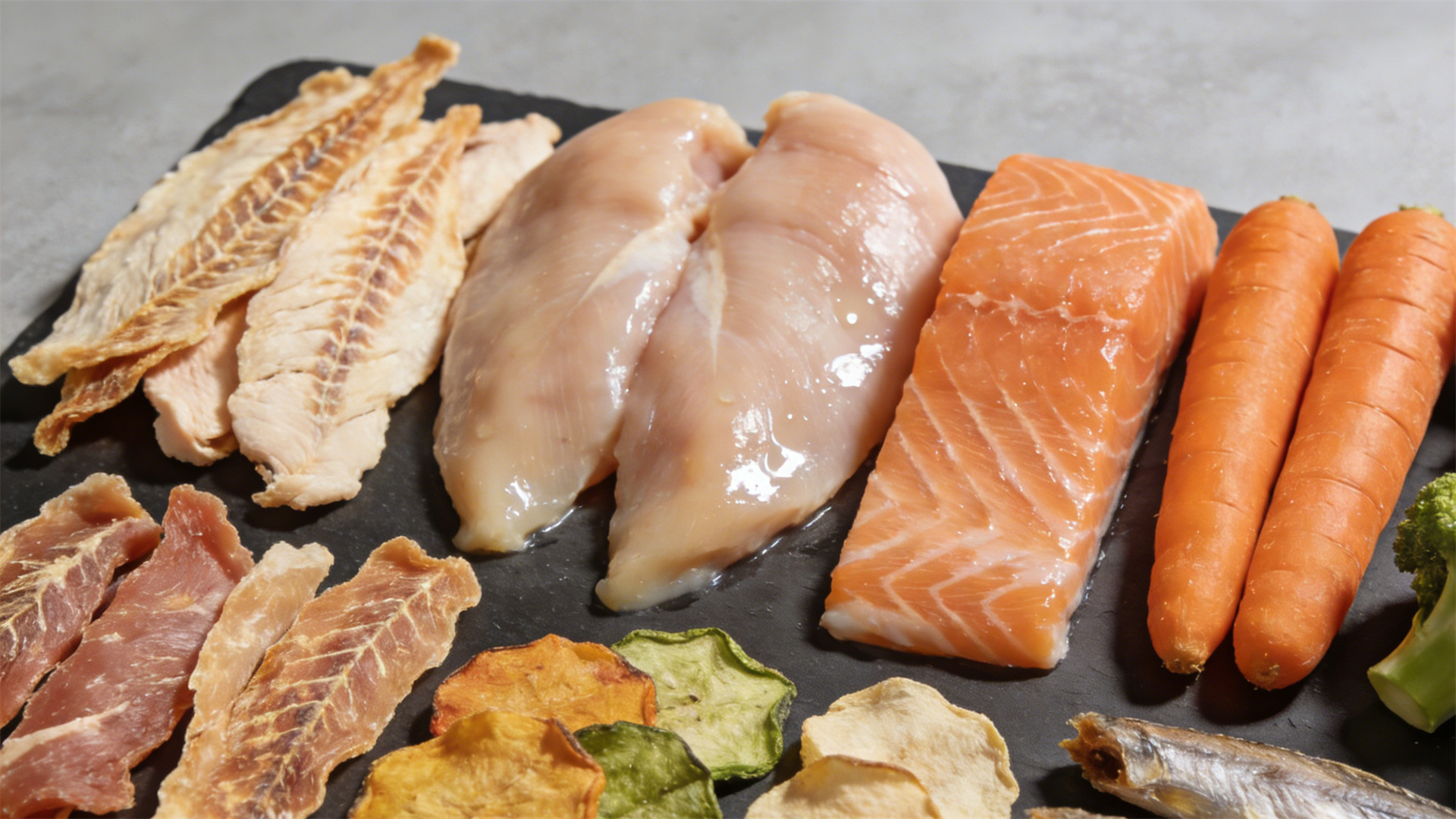
- New Product Formulation: Expect to see a boom in healthy dehydrated dog treats featuring novel proteins (elk, kangaroo), superfoods (kale, chia), and targeted functional blends (for joint liver support, calmness).
- Brand Differentiation: Early adopters of this technology will build powerful narratives around "gentle processing" and "nutrient-locked" ingredients, creating a significant barrier to entry for brands using older methods.
- Retail & Marketing Shift: Packaging will prominently feature terms like "Low-Temp Dried," "Slow-Circulated Air," and "Max-Nutrient." In-store demos will highlight the satisfying crunch and pure ingredient lists.
Special Reminder for Pet Parents:
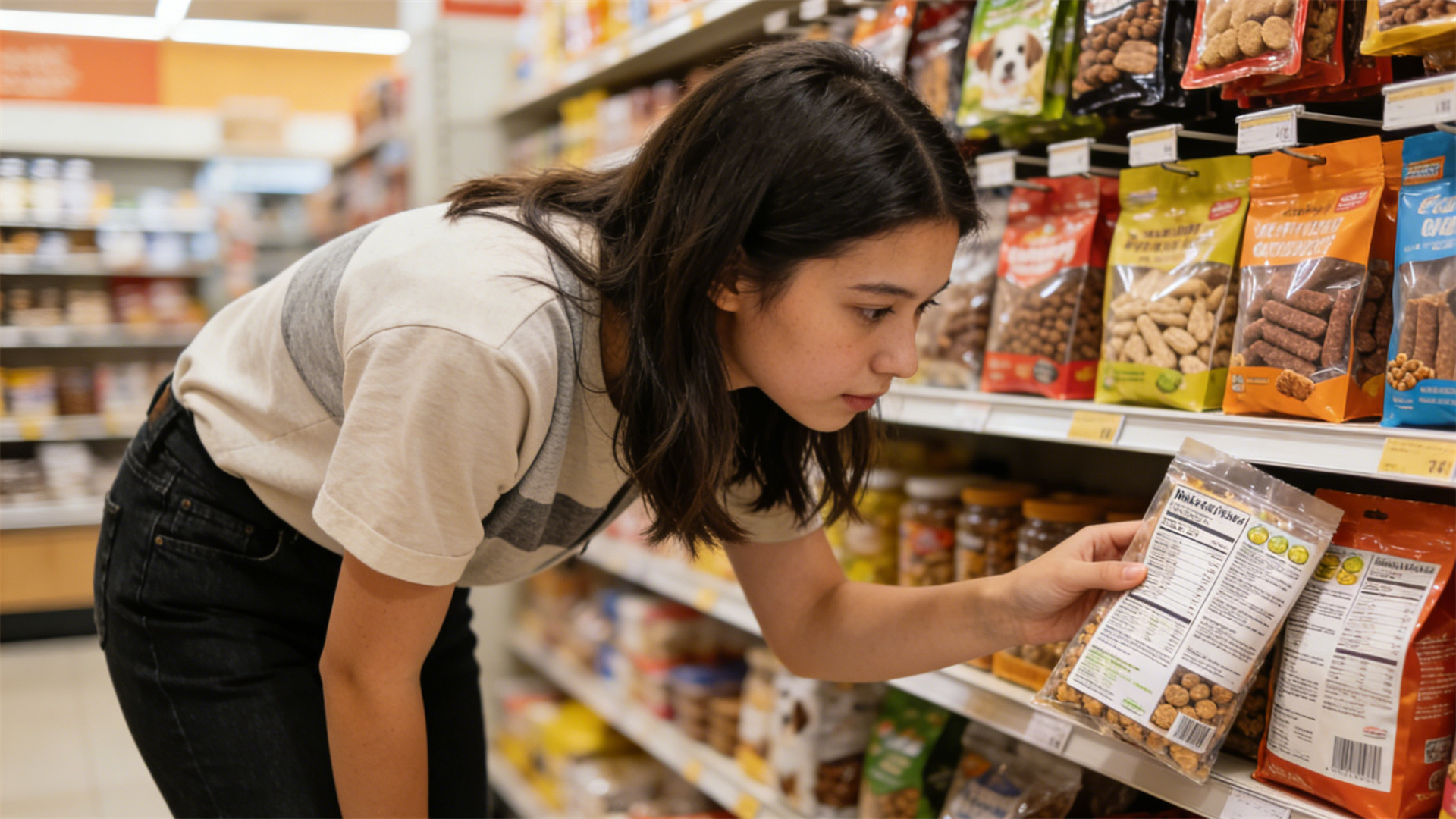
As this trend accelerates, be an informed shopper. Look beyond marketing buzzwords. The true markers of a high-quality, low-temperature dried treat are: 1. A short, whole-food ingredient list. 2. A dry, crisp texture that isn't oily to the touch. 3. Clear labeling of the drying method (e.g., "gently air-dried"). 4. Appropriate calorie density—these are nutrient-concentrated, so portion control is key!
🔮 The Future is Crisp: A Glimpse at 2026 and Beyond
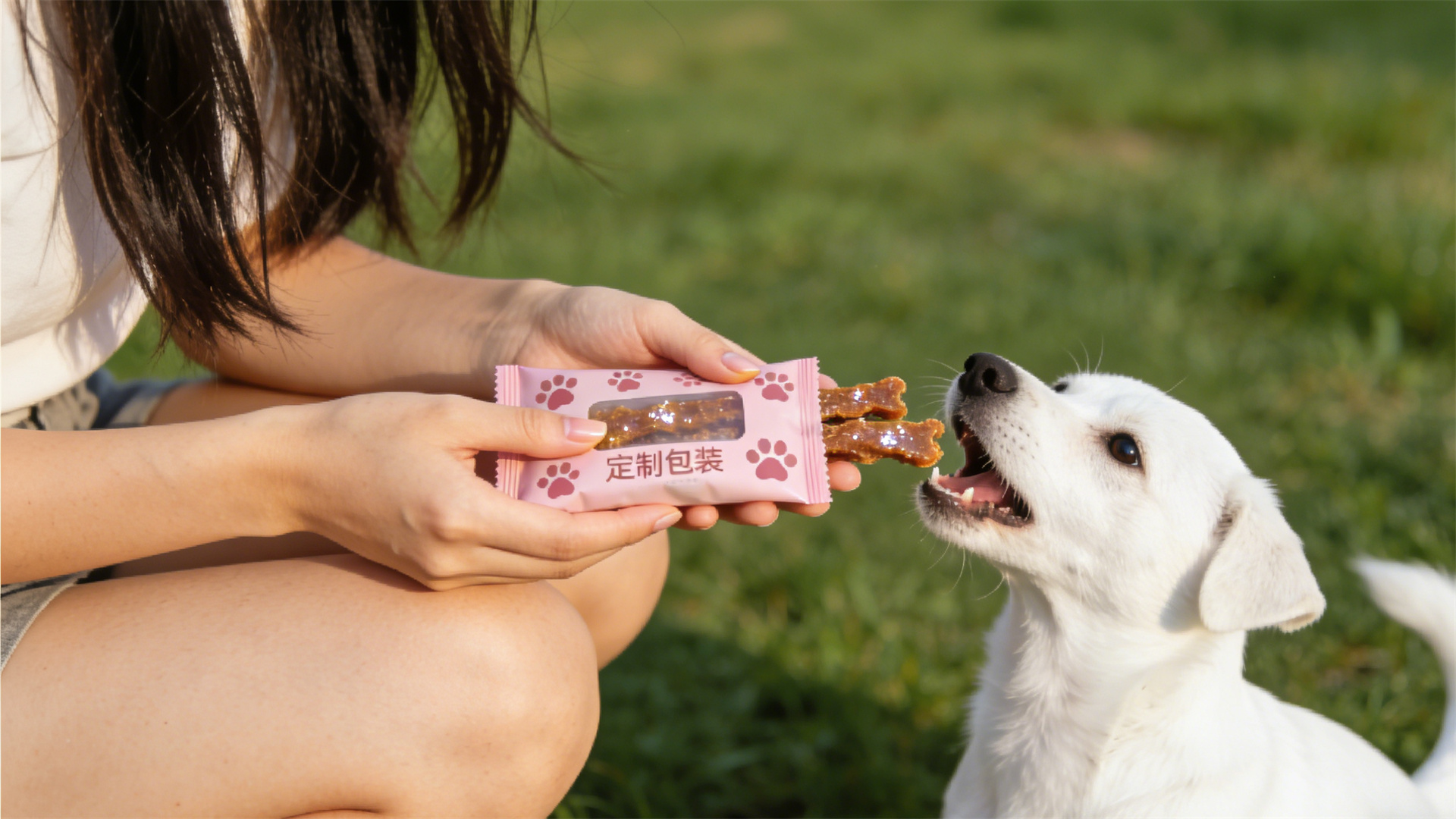
By 2026, the term "air fryer-grade" will be a mainstream benchmark for quality in dog treats. We will see this technology applied not just to snacks, but to complete future pet treats and even topper lines. Pet food innovation will continue to blur the lines, with canine snacks technology focusing on personalized nutrition—where treats are customized based on a dog's breed, age, activity level, and health data, all made possible by the precise, nutrient-preserving nature of low-temperature dehydration.
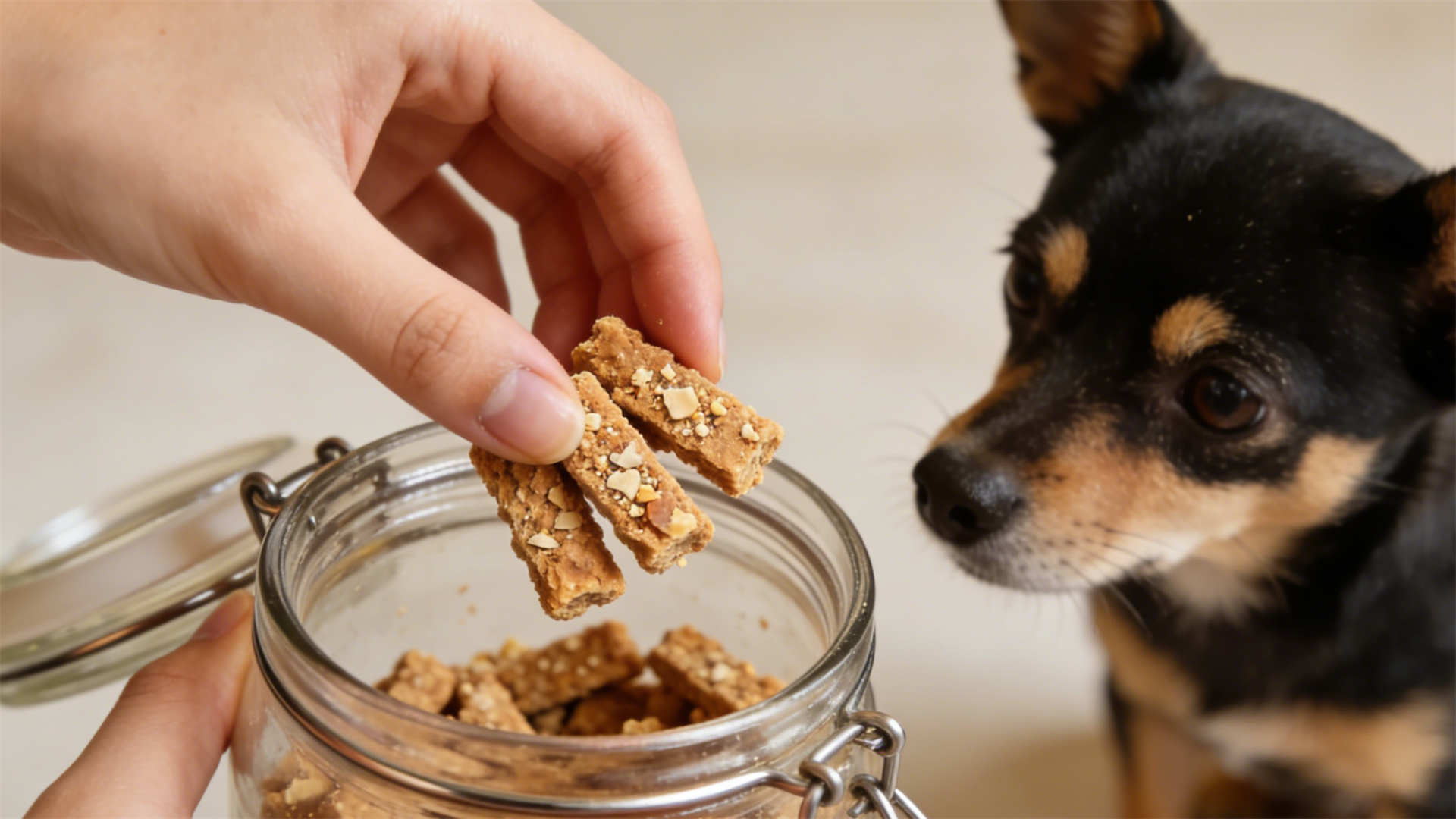
The journey from the generic biscuit to the sophisticated, health-promoting crisp is nearly complete. The revolution in your dog's snack bowl is being powered by gentle air and precise temperature control, promising a future where every crunch contributes to a healthier, happier, and more vibrant life for our canine companions. The era of the smart, air fryer-grade dog treat is upon us—and our dogs are ready to dig in.