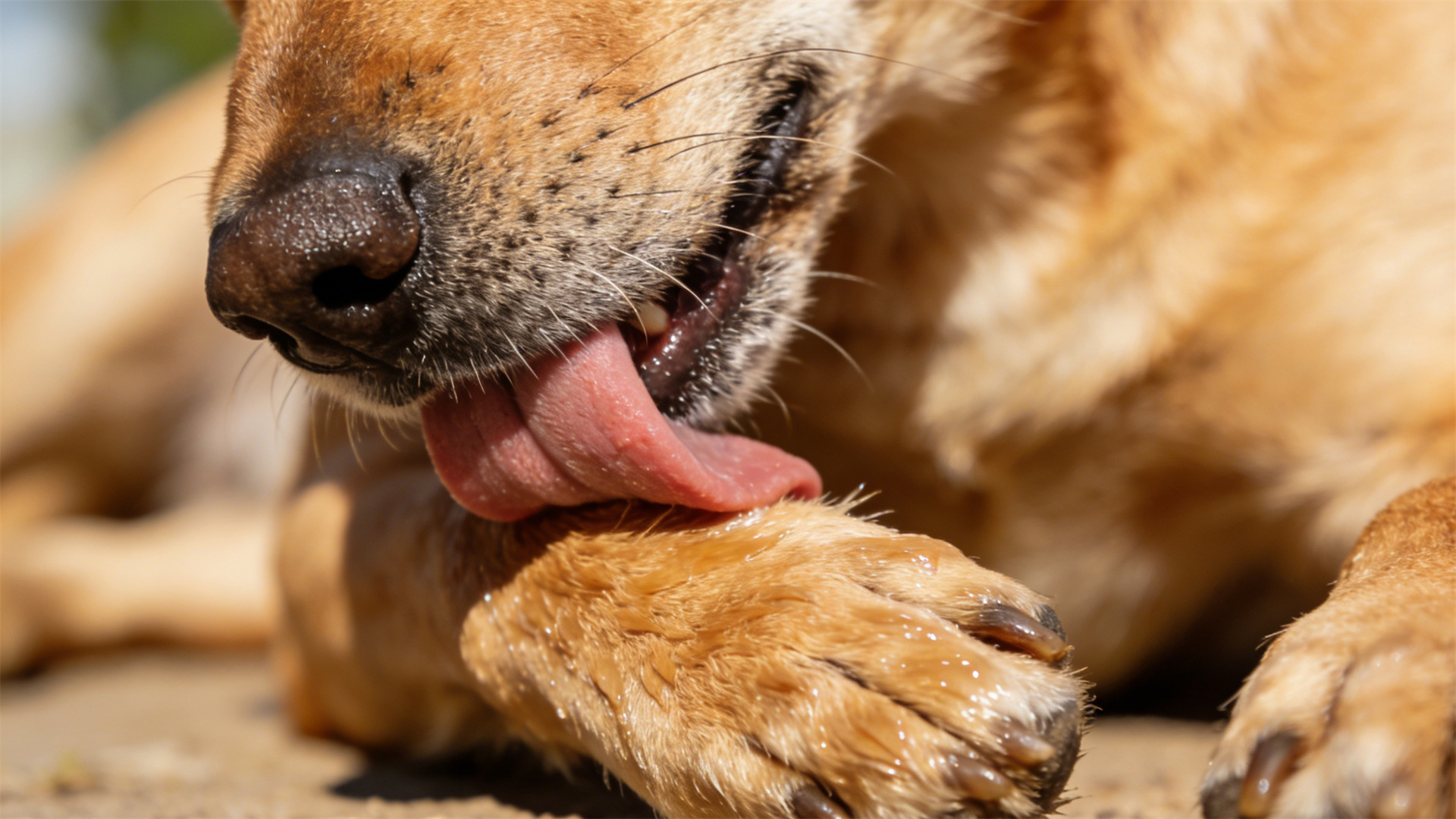
Imagine receiving a thick envelope in the mail. Inside isn't a bill or an advertisement, but a passport—a passport for your dog. As you flip through the pages, you don't see stamps from France or Japan, but rather a vivid, animated map tracing a journey back through millennia. One line darts from your living room, back to a 19th-century European village, another plunges deep into the ancient steppes of Central Asia, and a third touches the icy coasts of the Arctic. This is the power of canine genetic tracing in 2026: a story of survival, migration, and companionship, written in the very code of your best friend's being. Gone are the days of simple breed identification; today's technology unveils an epic ancestral saga. This article will guide you through this revolutionary field, explaining how it works, what it reveals, and why understanding your dog's deep past is the key to a healthier, happier shared future.

🔬 The Science Behind the Story: From Swab to Saga
The leap from a simple cheek swab to a detailed ancestral narrative is powered by three groundbreaking pillars of technology. Understanding these makes the results not just fascinating, but fundamentally credible.
The Core Technologies Powering 2026's Tests
Ultra-High-Resolution Sequencing: Modern tests no longer just look at a few hundred genetic markers. They utilize next-generation sequencing (NGS) to read hundreds of thousands, or even millions, of points across the genome. Think of it as upgrading from a blurry family photo to a 4K resolution documentary of your dog's genetic history. This depth allows labs to detect even trace amounts of ancestry—as little as 1%—from populations that mixed centuries ago.
Artificial Intelligence & Pattern Recognition: The sheer volume of data is incomprehensible to the human eye. This is where sophisticated AI algorithms come in. These systems are trained on massive global genomic databases containing DNA from modern breeds, village dogs worldwide, and even ancient canine remains excavated by archaeologists. The AI doesn't just match breeds; it identifies unique genetic "fingerprints" and patterns of variation that are characteristic of specific geographic regions and historical populations.
The Global Canine Genome Atlas: This is the reference library. By 2026, collaborative projects between universities, conservation groups, and testing companies have amassed an unprecedented database. It includes not just purebred dogs, but also landrace dogs (free-breeding dogs adapted to specific locales), which are crucial for pinpointing true geographic origins. This ever-growing atlas is what allows the AI to place your dog's genetic snippets on a map with remarkable precision.

📦 Your Step-by-Step Guide to Unlocking the Past
Embarking on this journey is straightforward. Here is what you can expect when you order a state-of-the-art canine ancestry and health test in 2026.
- Ordering the Kit: You select a service provider (e.g., EmbarkVista, Wisdom Panel Nexus, or Canine Heritage Pro). Kits are delivered within days and contain sterile swabs, a stabilizer tube, and a pre-paid return envelope.
- Sample Collection: Simply swab the inside of your dog's cheek for about 30-60 seconds. It's painless and can be done at home. The stabilizer solution in the tube preserves the DNA at room temperature for months.
- Laboratory Analysis: Upon arrival, the lab extracts the DNA and places it in the sequencing machine. The NGS process can take several days to run. The resulting data is then fed into the proprietary AI analysis platform for comparison against the genomic atlas.
- Report Generation & Delivery: Within 4-6 weeks, you receive a notification that your dog's comprehensive report is ready in a secure online portal. The report is interactive, dynamic, and often includes shareable graphics and animations.
Cost & Reliability: As technology has matured, prices have stabilized. A full health and ancestry suite in 2026 typically costs between $150 and $300. Reliability metrics are now transparently published. Top-tier services boast over 99% accuracy for breed detection down to the 1% level and over 95% concordance with clinical-grade health risk tests. Always look for services that use a research-grade genotyping platform and publish their methodology in peer-reviewed journals.

🗺️ Deciphering the Report: A Map, a Medical Chart, and a Biography
Logging into your portal, you're greeted with a visually stunning report. Here’s how to navigate the key sections:
Breed Composition & Ancestral Timeline: This goes beyond a pie chart. You might see: "48% Border Collie (19th Century UK), 25% Siberian Village Dog (Indigenous Population), 12% German Shepherd Dog (Post-War Line), 10% Ancient Asian Wolfhound (Vestigial), 5% Unassigned (Unique Heritage)." A scrolling timeline shows when these ancestries likely first mixed.
Ancestral Geographic Map: This interactive feature is the star. You can watch as heat maps and migration paths animate over the globe, showing the probable journey of your dog's maternal and paternal lineages. You might discover a strong signal from the Carpathian Mountains or the coastal villages of Peru.
Health Risk & Carrier Status: This critical section screens for 250+ genetic conditions. It doesn't diagnose disease but indicates risk. For example: "Health Result: MDR1 Medication Sensitivity - At Risk. Your dog has two copies of the mutation. Special Reminder: Discuss safe medication protocols with your vet." Carrier status (one copy) is also noted, crucial for breeders.
Behavioral & Physical Trait Insights: Discover the genetics behind your dog's quirks. The report may explain a strong "prey drive" signal linked to sighthound ancestry, or a "cold tolerance" trait from Nordic breeds. It can even predict adult size, coat type, and potential for shedding based on genetics.

💚 The Tangible Benefits: More Than Just Curiosity
This information is transformative, offering practical applications that enrich your dog's life.
- Proactive & Personalized Veterinary Care: Armed with health risk data, your vet can create a tailored wellness plan. They might recommend early screening for a predisposition to certain cancers, or immediately know to avoid ivermectin for an MDR1-at-risk dog. This is the pinnacle of preventive medicine.
- Informed Training & Strengthened Bonds: Understanding innate behavioral tendencies—like herding, guarding, or independence—allows you to choose the most effective training methods and activities. Appreciating why your dog loves to chase or dig fosters deeper empathy and a stronger bond.
- Responsible Breeding for a Healthier Future: Ethical breeders use this data as a cornerstone. It allows them to make informed pairings that maximize genetic diversity and minimize the risk of propagating hereditary diseases, moving beyond aesthetics to prioritize vitality.
- Conservation of Rare and Landrace Breeds: By identifying genes from vulnerable populations, these tests aid conservationists. Discovering a dog with significant DNA from a rare Thai Ridgeback or vanishing Carolina Dog lineage can help track and preserve these unique genetic reservoirs.

⚖️ Navigating the Ethical Landscape
With great data comes great responsibility. Informed dog owners should consider the following:
Data Privacy & Ownership: Who owns your dog's genetic data once it's sequenced? Reputable companies have clear, transparent privacy policies. Look for options to opt-out of research sharing and ensure your data is anonymized and secured. Understand if data could be shared with insurance companies or third parties.
Genetic Determinism vs. Environment: A report is a blueprint, not a destiny. While genetics influence behavior and health, upbringing, training, nutrition, and environment play enormous roles. Avoid labeling a dog based solely on its ancestry percentages.
Impact on Breed Standards and Diversity: There's a delicate balance. While testing can help reduce disease, an over-reliance on genetic "purity" could further shrink gene pools. The goal should be healthy diversity, not just adherence to a historical pedigree. Celebrating mixed ancestry and unique heritage is part of the new ethos.

🚀 The Horizon: What Lies Beyond 2026?
The journey of discovery is just accelerating. In the coming decade, we can anticipate:
- Epigenetic Tracing: Looking not just at the DNA code, but at the chemical "tags" that influence how genes are expressed based on a parent's or grandparent's environment.
- Real-Time Health Monitoring Integration: Genetic risk profiles could sync with smart collars that monitor vital signs, providing AI-powered early warnings for conditions your dog is predisposed to.
- Ancient DNA Breakthroughs: As more ancient wolf and proto-dog genomes are recovered, the resolution of the ancestral map will become stunningly detailed, potentially linking your dog to a specific archaeological site.
- Evolving Regulations: We may see global frameworks emerge regarding canine genetic data privacy, testing standards, and the ethical use of information in breeding and insurance.

🔚 Conclusion: Your Dog’s Story Awaits
Canine genetic tracing in 2026 is more than a novelty; it is a powerful tool for stewardship, health, and connection. It transforms our view of the beloved animal at our feet from a pet of unknown history into a living testament to an incredible evolutionary journey—one of partnership, adaptation, and survival. By unlocking the secrets of the past, we are empowered to make wiser choices for their future. The story of thousands of years of canine history is curled up on your sofa, waiting to be told. All it takes is a simple swab to begin the adventure. Explore your dog's heritage today, and discover the profound legacy you are caring for.