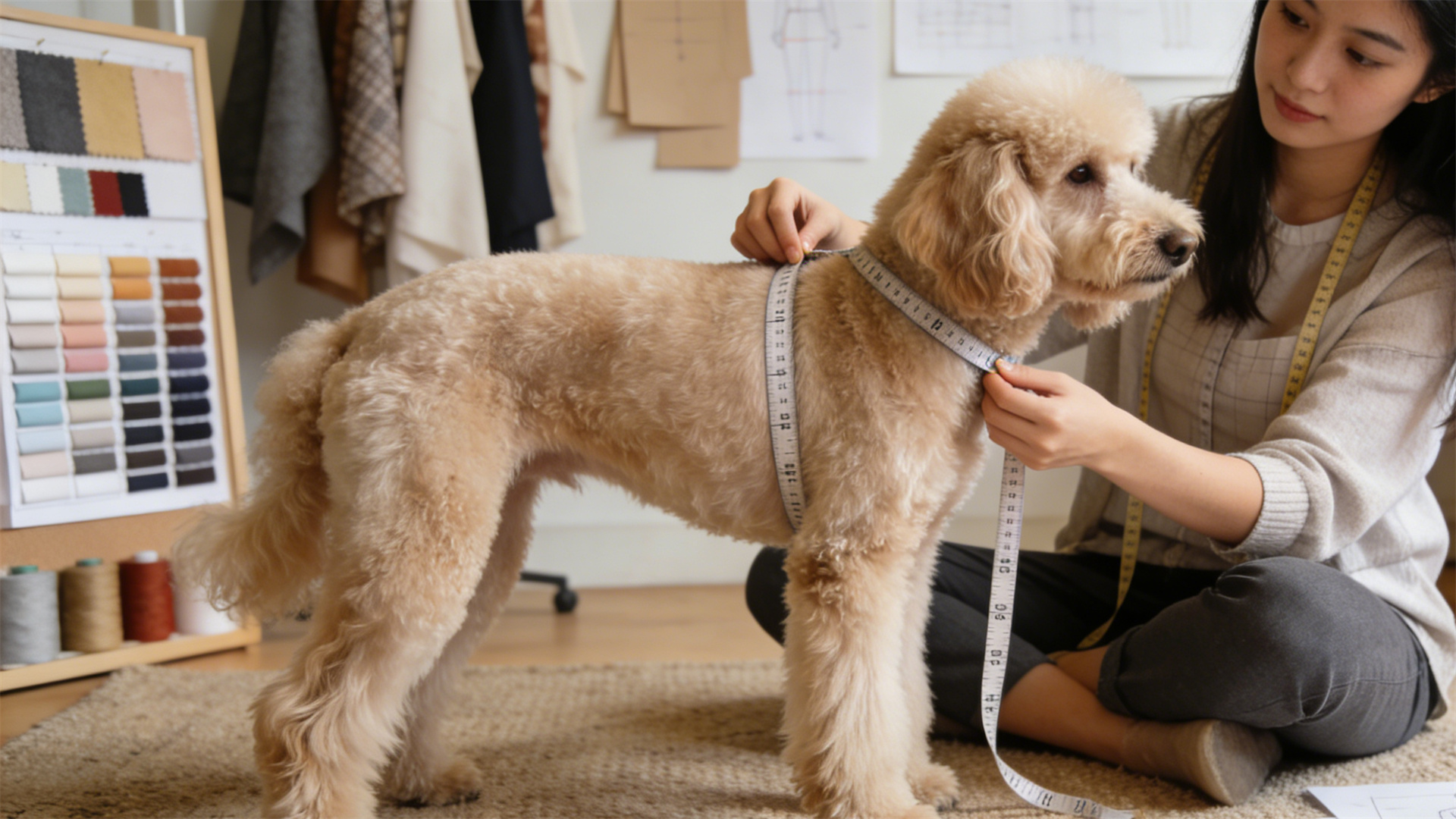
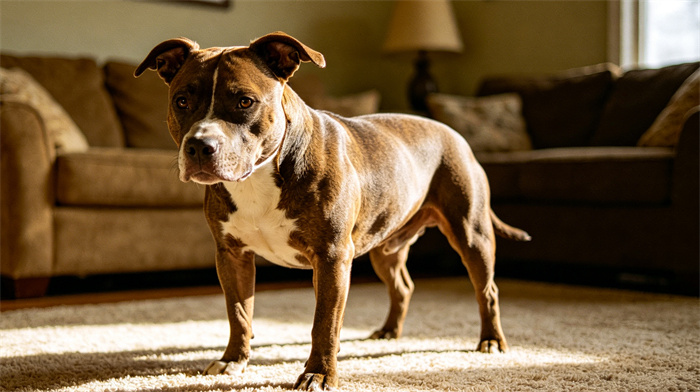
For decades, the iconic image of an urban search and rescue (USAR) dog has been one of powerful, statuesque canines—German Shepherds, Belgian Malinois, and Labrador Retrievers—standing atop piles of rubble. This image is rooted in tradition and rigorous historical standards that prioritized physical prowess. However, the world of disaster response is on the cusp of a revolutionary change. New official selection standards, set for global implementation in 2026, will formally recognize a groundbreaking truth: small dogs can also play a leading role in rubble search and rescue. This is not merely a policy tweak; it is a fundamental paradigm shift that leverages canine capability in smarter, more effective ways to save lives in the most challenging environments.
🚨 The Why: Rethinking Canine Capability in Modern Disasters
Traditional search and rescue dog selection criteria were built on a foundation of observable strength and endurance. Stride length, bone density, overall size, and a "commanding presence" were often the decisive factors. The logic seemed sound: a large, strong dog could cover more ground, work longer hours, and intimidate potential threats. However, post-mission analysis and data from specialized training programs over the last 15 years have revealed a critical disconnect.
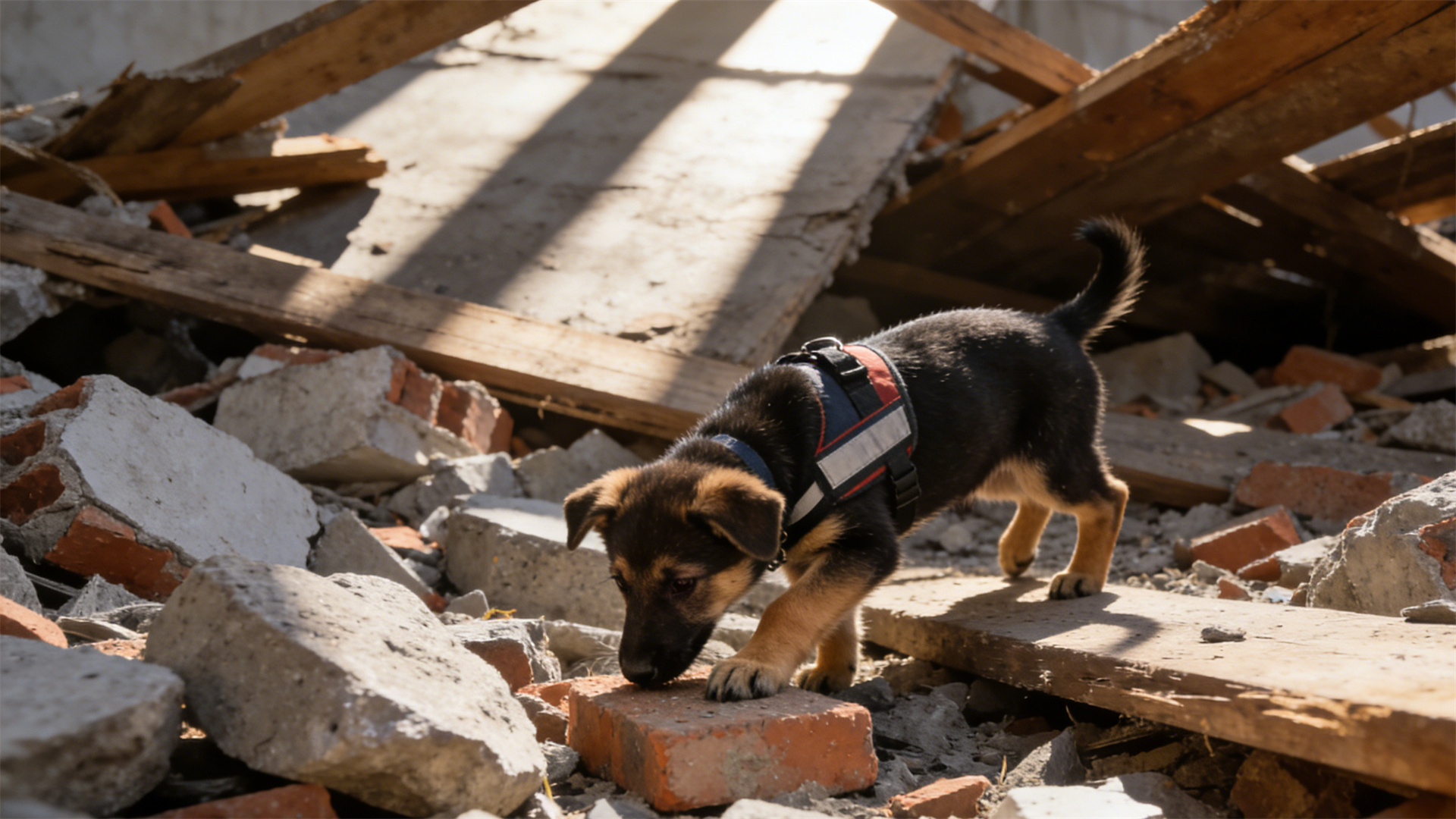
Modern collapsed structures—from concrete buildings felled by earthquakes to the chaotic rubble of industrial accidents—create a labyrinth of compact, twisting, and highly unstable voids. These are spaces where a 70-pound dog simply cannot go. Their size becomes a liability, preventing access to potential survivor locations. The 2026 standards pivot from a generic "bigger is better" approach to a mission-specific, capability-driven model. This evolution is fueled by real-world performance data, proving that a dog's utility is defined by its fit for the specific task, not by conformity to an outdated ideal.
A Niche Defined by Geometry and Physics
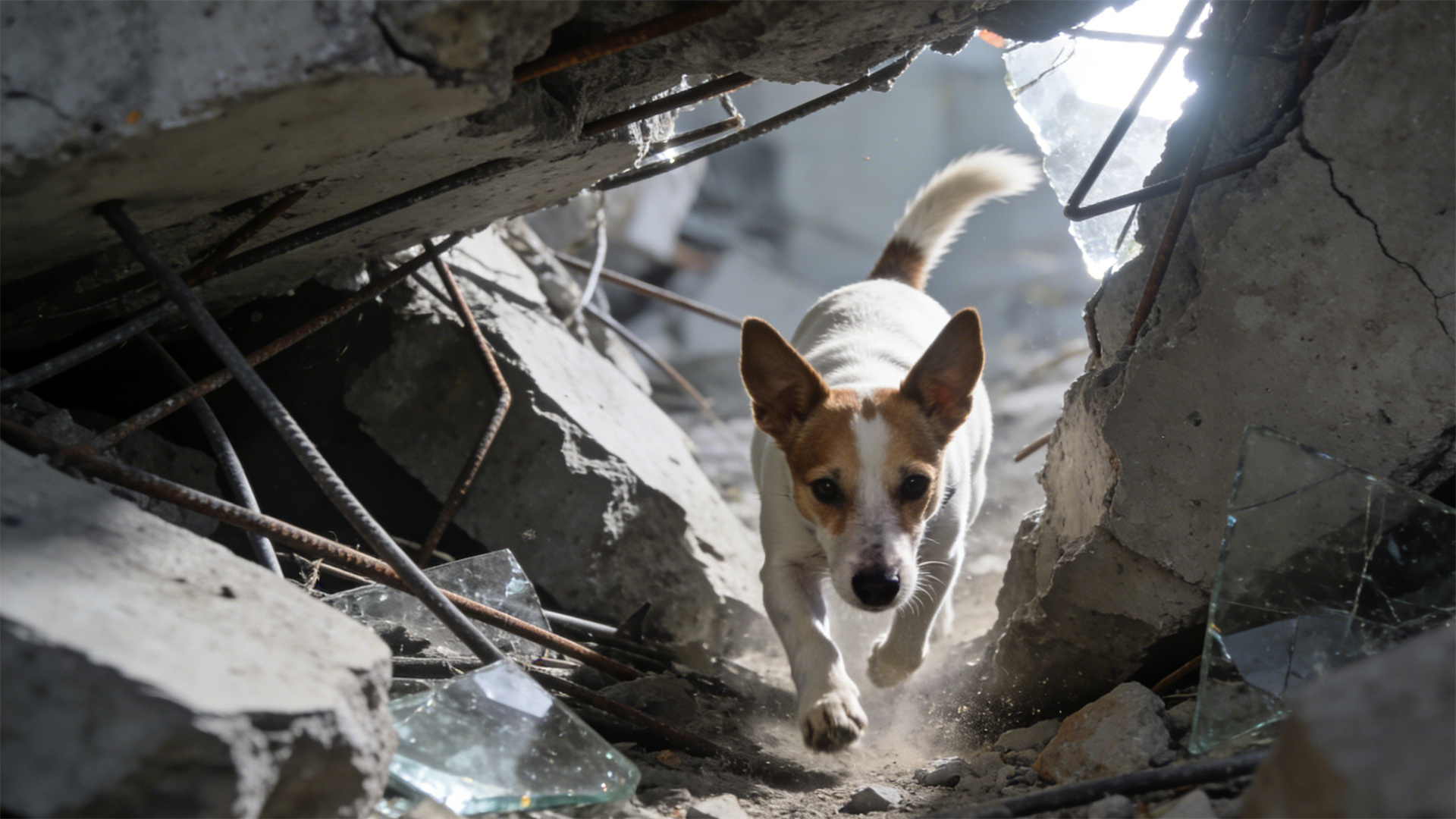
Rescue engineers and canine handlers began to document a consistent pattern: the survivable spaces in a collapse are often the smallest. A 10-inch gap between slabs, a collapsed chimney flue, or a pocket under a staircase—these are the domains where small dogs become indispensable assets. Their size is no longer a limitation but a specialized tool, much like a miniaturized camera or seismic listening device, but with the unparalleled processing power of a canine nose and brain.
🔍 Key Advantages of Small Breed Rescue Dogs
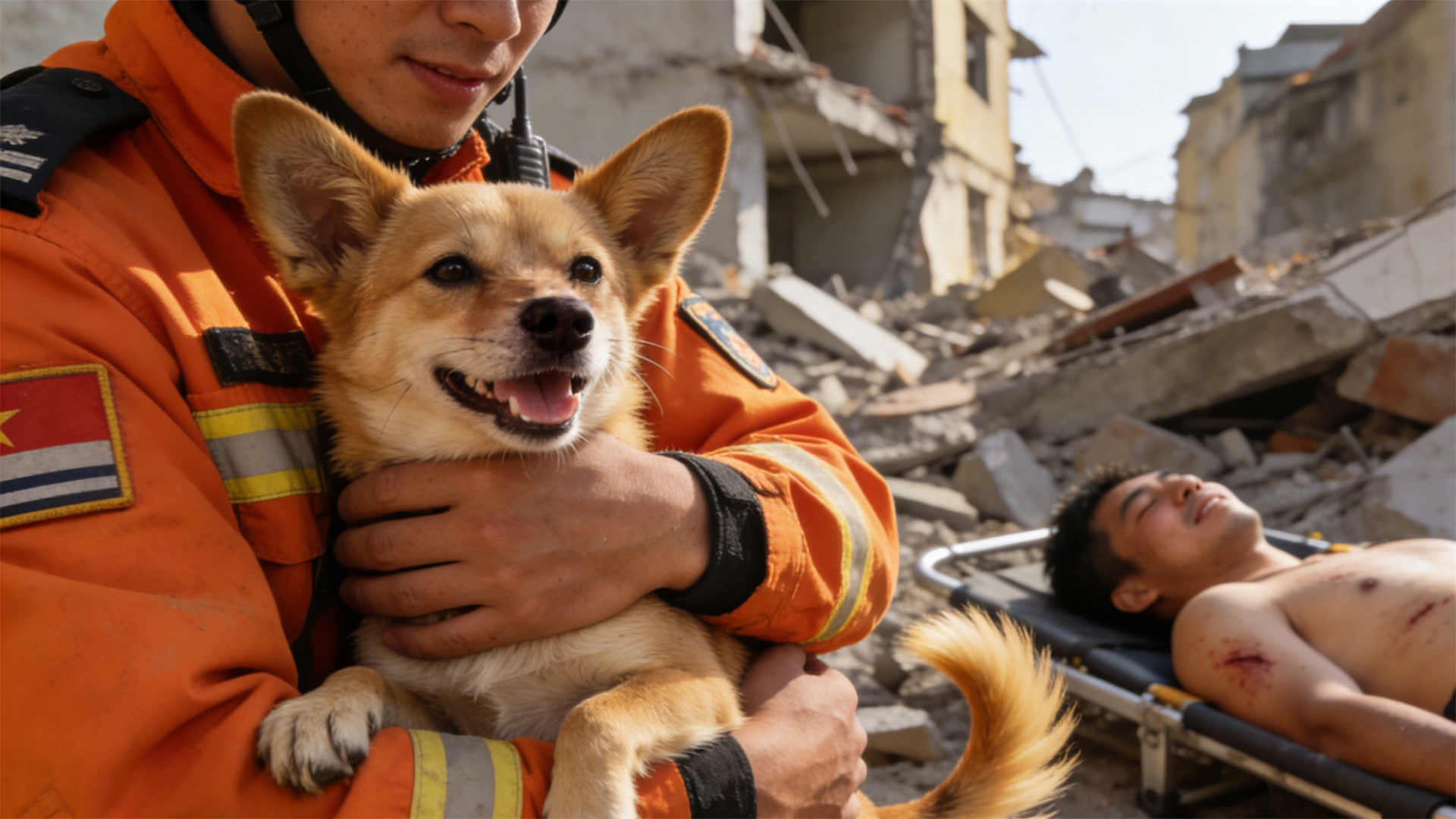
The 2026 standards will formally codify the specific physical and behavioral traits that give compact canines a decisive edge in rubble work. These advantages translate directly into operational effectiveness and, ultimately, more lives saved.
1. Superior Access and Agility: The Ultimate Void Navigators
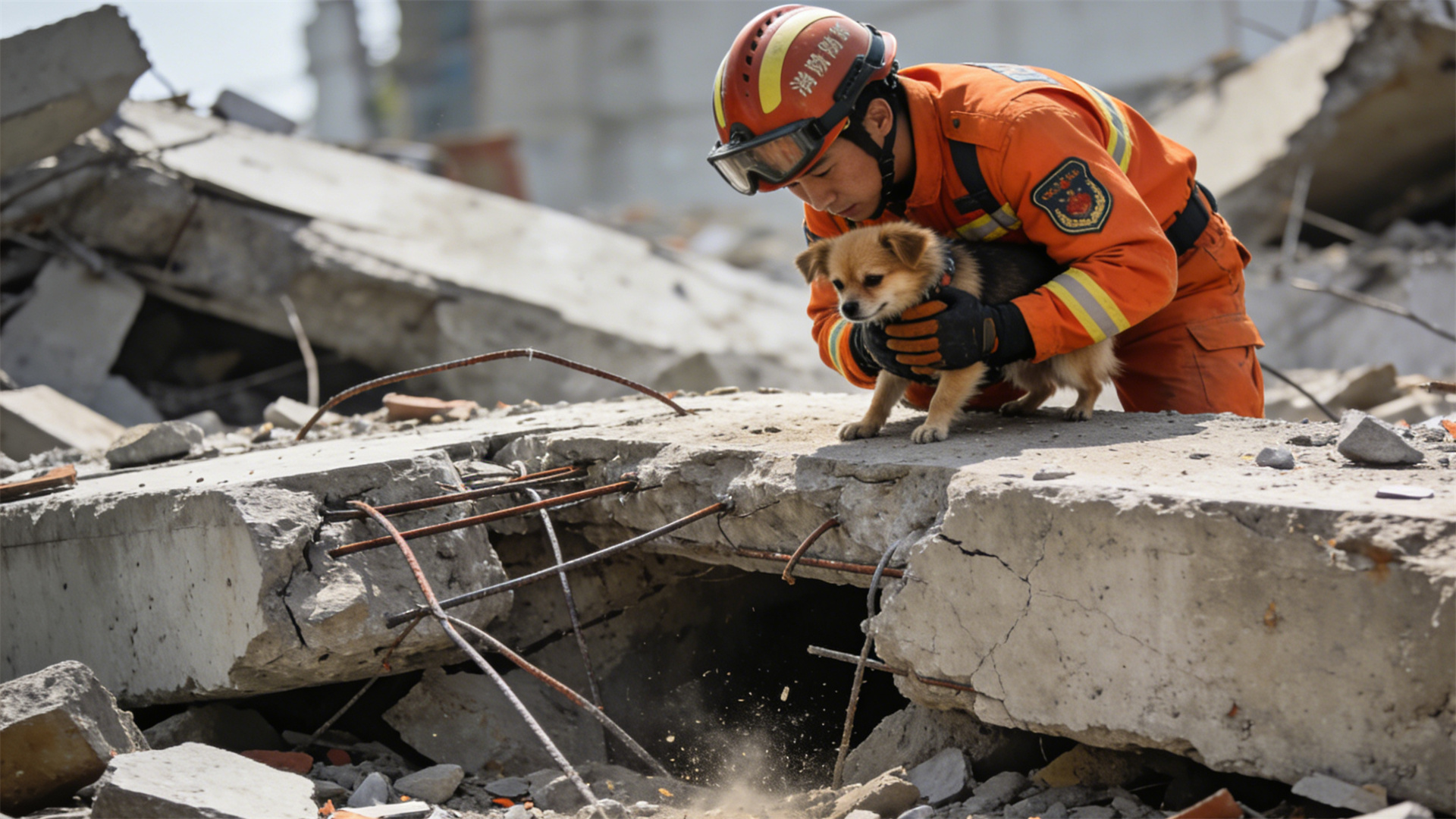
Imagine a labyrinth of shifting concrete, tangled rebar, and shattered timber. This is the reality of a rubble pile. A 10 to 20-pound dog can penetrate deep into this maze through passages utterly impassable to larger canines and human responders.
- Maneuverability: They can execute 180-degree turns in tight spaces, back up cautiously, and wiggle through narrow openings.
- Weight Distribution: Their minimal weight drastically reduces the risk of triggering secondary collapses. Where a human or large dog might dislodge a key piece of debris, a small dog can traverse it safely.
- Example: Following the 2023 earthquake in Türkiye, informal reports from international teams highlighted instances where small terrier mixes were able to access voids and provide critical scent confirmation that larger dogs could only indicate from several feet away, streamlining the excavation process.
2. Enhanced Portability and Rapid Deployment
Time is the enemy in search and rescue. The "golden hours" demand swift, precise action. The portability of a small dog offers a profound tactical advantage.
- Precision Placement: A handler can safely carry their canine partner across treacherous, unstable surfaces to an exact starting point identified by engineers as a high-probability access route.
- Lowering into Crevices: Using specialized, padded harnesses and descent systems, small dogs can be gently lowered into deep, vertical crevices—a deployment method impossible for larger breeds. This can save 20-30 minutes of precious time per void check compared to trying to clear an access route.
3. Keen Senses and Unwavering Drive: The Heart of a Giant
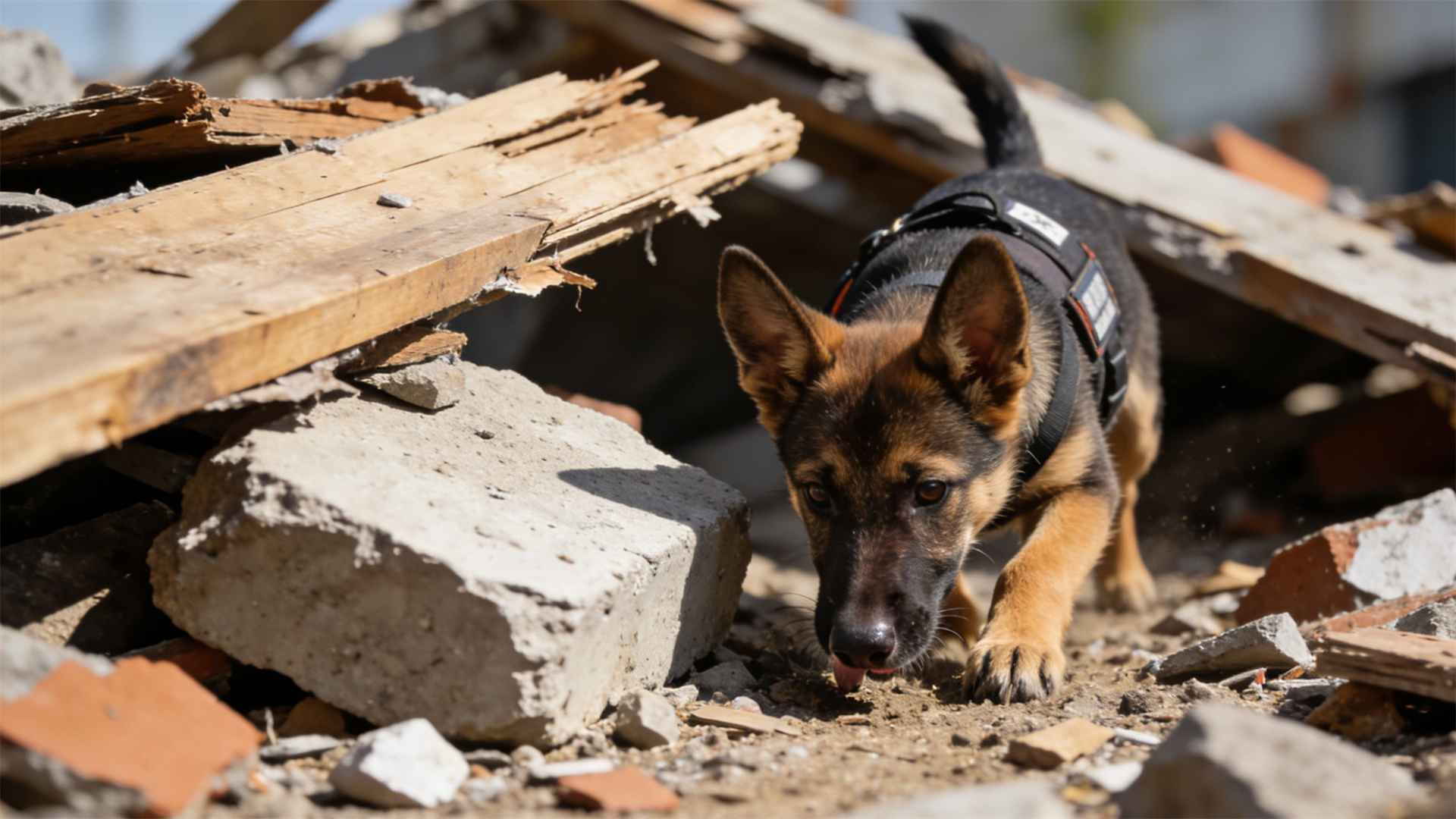
The new standards shatter the misconception that only large breeds possess the necessary temperament. Many small terrier and spaniel-type breeds are genetically wired for the work.
- High Prey/ Hunt Drive: Breeds like the Jack Russell Terrier, Border Terrier, or Miniature Pinscher exhibit an obsessive, persistent drive ideal for the "game" of finding a hidden human scent source.
- Effective Alert: Their barking or scratching alert is just as reliable and pinpoint-accurate as that of a larger dog. In the acoustic environment of a rubble pile, their alert can often be more easily traced to a specific location.
- Endurance: While they may work in shorter, more frequent shifts, their recovery time is often faster, allowing for sustained operational presence over multiple days.
🏆 Training and Certification Under the New 2026 Framework
Formal recognition necessitates formalized training. The 2026 standards will not lower the bar; they will recalibrate it for a different type of athlete. Small dogs will be held to the same rigorous benchmarks in core competencies: unwavering obedience (off-leash control in high-distraction environments), focused independence, and expert-level scent discrimination (differentiating survivors from first responders or deceased victims).
Special Reminder: The key differentiation will be in the specialized environmental training. Obstacle courses will be redesigned with smaller-scale, more complex tunnels, uneven, shifting surfaces, and vertical descent/ascend simulations. Certification scenarios will replicate true-to-life confined spaces, evaluating the dog's ability to work at a distance from the handler in visually disconnected environments. The outcome is a certified K9 unit evaluated on proven capability alone, not stature.
Breed-Specific Protocol Adjustments
Training may incorporate more frequent reward cycles due to faster metabolism and different motivational thresholds. Equipment—harnesses, protective boots, and communication beacons—will be miniaturized and optimized for smaller physiques.
🌍 Impact on Breeding Programs and Team Diversity
This paradigm shift will have a ripple effect far beyond the training field. It encourages search and rescue organizations to look beyond the traditional kennel.
- Shelter and Rescue Partnerships: Organizations may proactively screen shelters for small dogs exhibiting high ball/toy drive, confidence, and resilience—potential diamonds in the rough that can be shaped into life-saving partners.
- Purposeful Breeding: Reputable breeders, in collaboration with SAR organizations, may begin to selectively enhance traits ideal for this work: compact size, robust health, sound structure, and specific behavioral temperaments. This isn't about creating "designer rescue dogs," but about intentionally stewarding genetics for a vital profession.
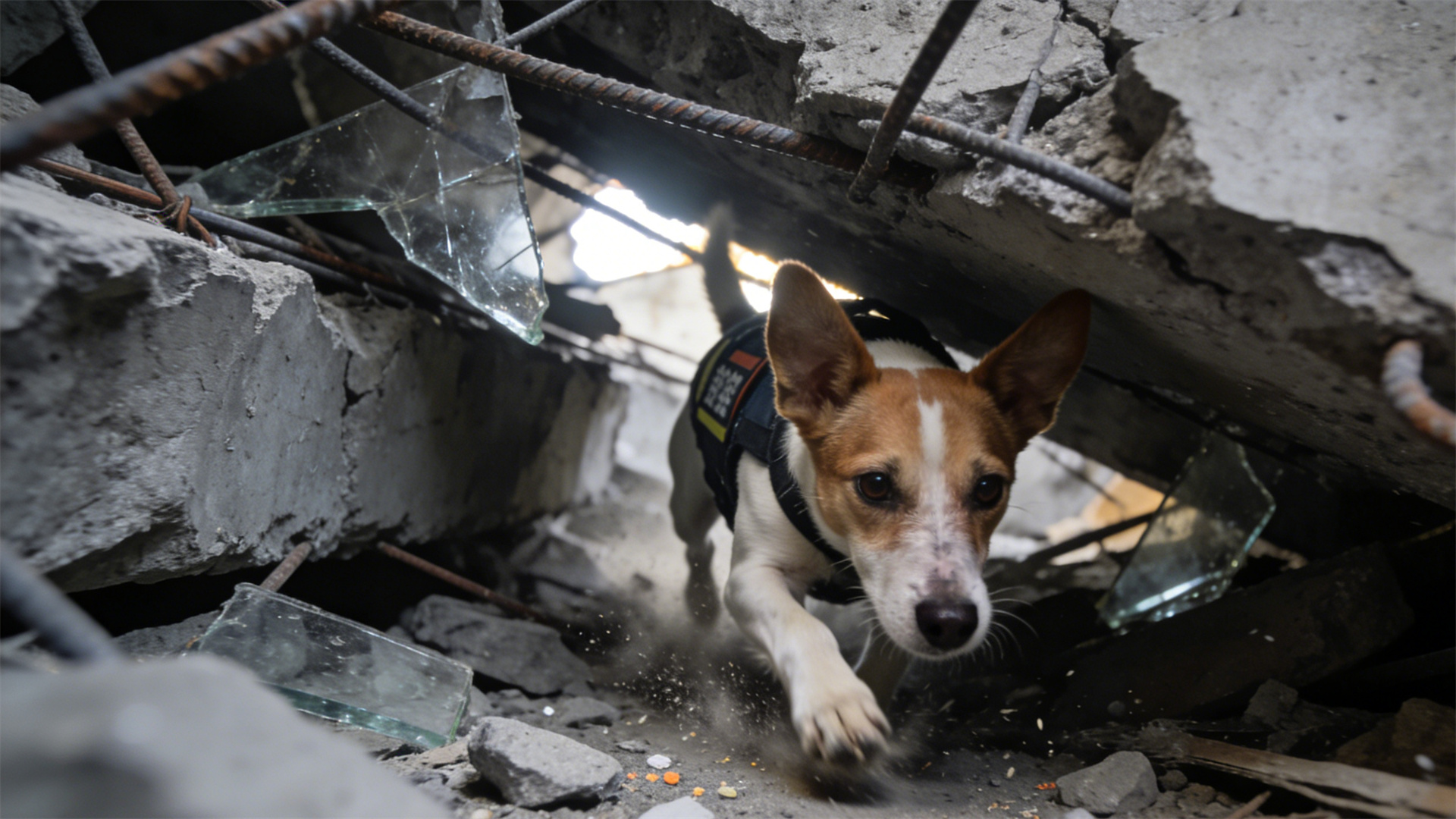
- The Ultimate Goal: A Versatile Canine Toolkit: The future of a world-class USAR canine team is diverse. An incident commander will be able to deploy a range of specialists: a large-area search dog (Labrador), a heavy rubble dog (Malinois), and a confined space specialist (small terrier). This allows for a surgical response, matching the dog's specific physical and behavioral profile to the mission's unique challenges, maximizing efficiency and coverage.
✅ Conclusion: A Brilliantly Small Future for Search and Rescue
The upcoming 2026 selection standards mark a significant, intelligent, and necessary evolution in disaster response. By formally acknowledging that small dogs can play a leading role in rubble search and rescue, we are finally leveraging the full spectrum of canine potential. This change is a testament to a more nuanced, data-driven, and effective approach to saving lives. It will lead to more efficient operations, greater adaptability in the face of diverse disasters, and a deeper appreciation for the incredible versatility of our canine partners. The future of search and rescue isn't just big and strong—it is also small, smart, agile, and brilliantly capable.