Imagine it is 2026. A vibrant Saturday morning in your local community center. Instead of the usual quiet, the air is filled with the joyful, chaotic symphony of playful yips and wagging tails. A circle of new puppy owners, from millennials to retirees, watch with proud smiles as their furry companions navigate a mini-obstacle course. A certified trainer gently guides a shy Labrador puppy to greet a confident Dachshund. This is not a rare occurrence. This is the new normal. Welcome to the golden age for puppy socialization. In this emerging future, enrolling in community puppy classes has become as fundamental as a first veterinary visit. It is, unequivocally, the first lesson in pet ownership. This article explores this transformative shift. It is a guide for new puppy parents seeking a roadmap. It is an insight for trainers and veterinarians adapting to new trends. It is a blueprint for community leaders ready to foster stronger, more compassionate neighborhoods.
🐕 The Evolution of Puppy Socialization: From Perk to Priority
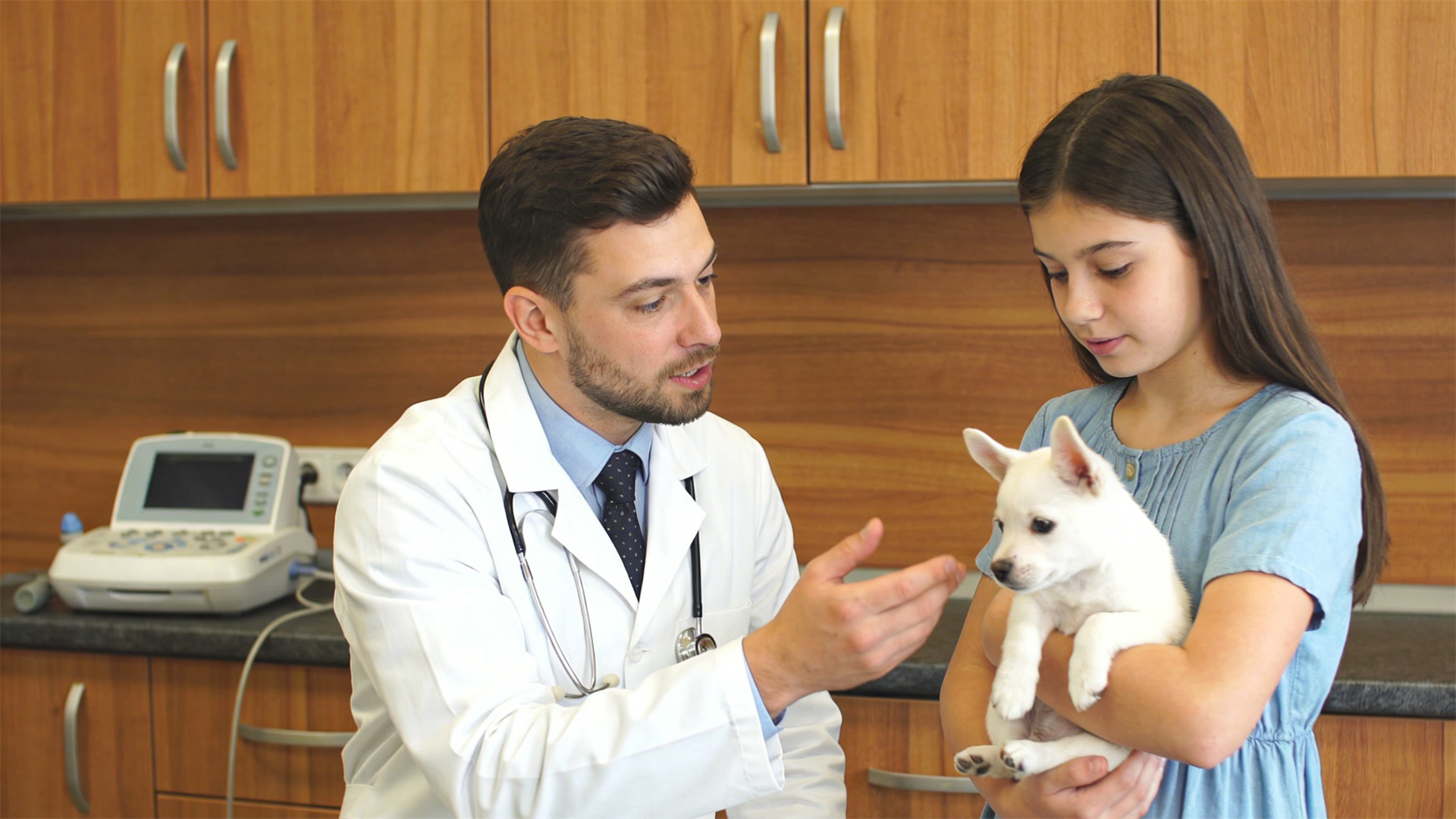
The journey to 2026 did not happen overnight. For decades, puppy socialization was often an informal, ad-hoc process. A lucky puppy might meet a few neighbor dogs or accompany its owner on errands. The critical importance of early, positive experiences was known in scientific circles but had not fully permeated public consciousness. The turning point began in the early 2020s. A convergence of factors catalyzed change. Pandemic-era pet ownership soared, bringing a wave of first-time owners. Concurrently, behavioral research became more accessible, highlighting that over 80% of dogs surrendered for behavioral issues lacked proper early socialization. Veterinarians, overwhelmed by anxiety-driven cases, began prescribing preventative behavioral health. This meant structured socialization. The pet industry responded. What was once an optional puppy kindergarten class became recognized as a non-negotiable pillar of responsible care. The trend is clear. We are moving from reactive training to proactive development. The 2026 puppy trends are built on this foundational understanding. A well-socialized puppy is not just a polite dog. It is a safer, happier, and more resilient family member.
The Data Driving Change
Studies from institutions like the American Veterinary Medical Association (AVMA) solidified the mandate. They confirm the primary socialization window for puppies closes between 12 to 16 weeks. This is precisely when many puppies are not yet fully vaccinated. This created a dilemma. The solution. Community puppy classes held in sanitized, controlled environments, provide the safe middle ground. They are the responsible answer to a biological imperative.
🏫 Community Puppy Classes Explained: The Hub of the 2026 Movement
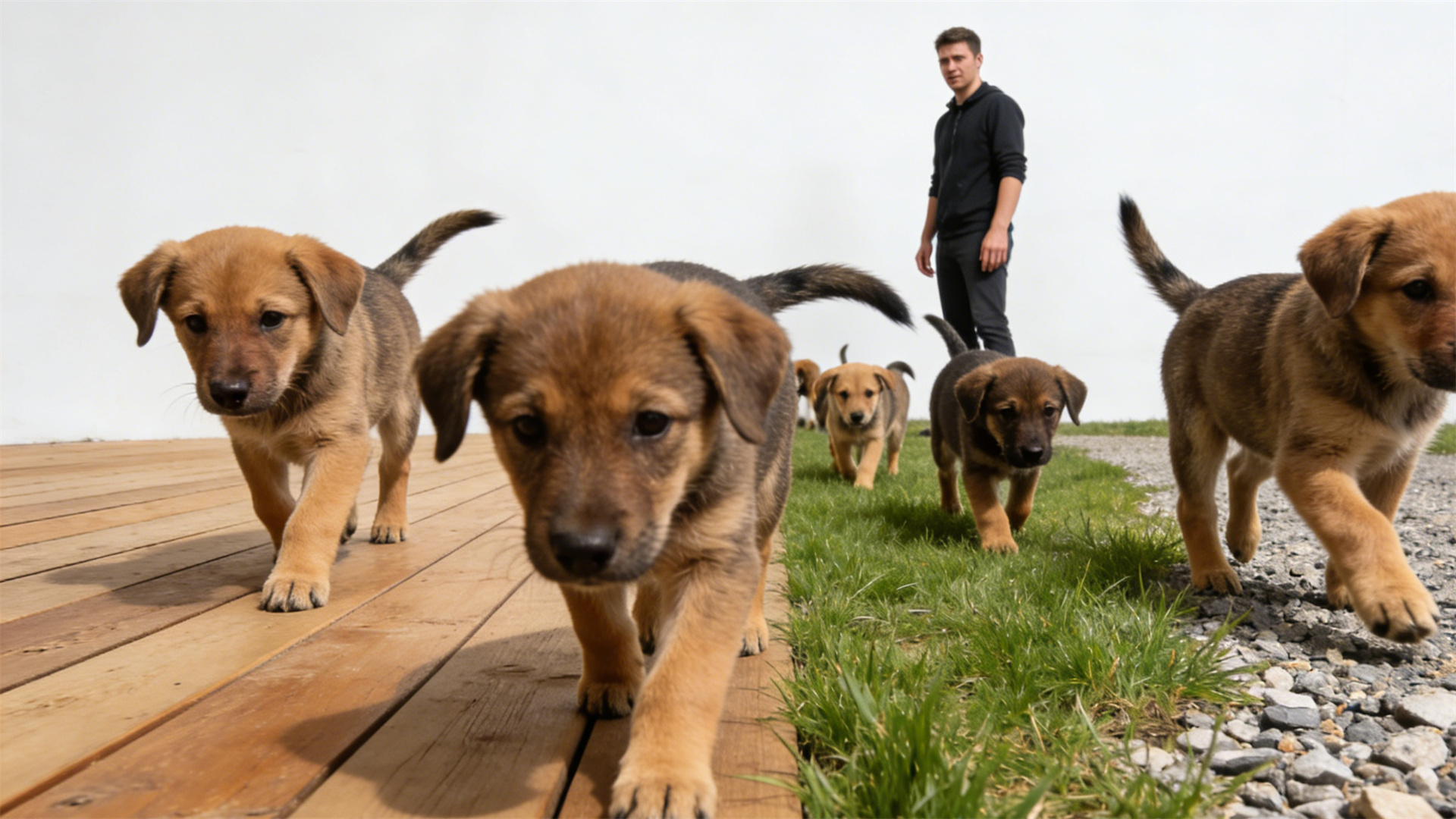
So, what exactly defines a 2026-era puppy training community class. It transcends basic obedience. It is a curated developmental experience. Typically hosted in local halls, veterinary clinics, or dedicated canine community centers, these classes prioritize safety and education. Class sizes are intimate, often capped at six to eight puppy-owner teams. All participants must provide proof of age-appropriate vaccinations and a recent veterinary health check. The environment is meticulously cleaned before and after each session. The curriculum is a holistic blend. Foundational skills like name recognition, gentle handling, and sit are taught. But the core focus is controlled exposure. This includes.
Socialization with Novel Surfaces: Puppies walk on rubber mats, plastic tarps, and low, stable platforms.
Controlled Puppy Play: Supervised interactions with peers of similar size and temperament, teaching bite inhibition and appropriate play signals.
Environmental Sound Desensitization: Gradual exposure to recorded sounds like vacuum cleaners, doorbells, and children playing.
Positive Human Interaction: Meeting people of different ages, appearances, and wearing items like hats or glasses.
The trainer's role is dual. They coach the puppies and, more importantly, they educate the owners. This model makes high-quality guidance accessible and affordable, embedding it into the fabric of the community.
💖 Benefits for Puppies and Owners: A Win-Win-Win Scenario
The rise of these classes is fueled by their undeniable, multi-layered benefits. For the puppy, the owner, and the community, the advantages are profound and interconnected.
For the Puppy: Building a Confident Canine Citizen
Lifelong Behavioral Resilience: Proper socialization is the single best preventative measure against fear, aggression, and anxiety. A puppy learns the world is a fascinating, not frightening, place.
Improved Communication Skills: Through play, puppies learn the subtle language of canine body language. They understand when a play bow is an invitation and a turned head is a request for space.
Foundation for Advanced Training: A puppy comfortable in a class setting, able to focus amid distractions, is primed for future success in any canine sport or service role.
For the Owner: From Anxious to Empowered
Enhanced Bonding: Working as a team through new experiences builds immense trust and understanding between owner and pet.
Peer Support Network: Classes create instant communities. Owners share tips, troubleshoot challenges, and often form lasting friendships, reducing the isolation new pet parents can feel.
Access to Expert Guidance: Trainers demystify canine behavior. They provide real-time feedback on leash handling, reading stress signals, and reinforcing calm behavior.
For the Community: Fostering a Pet-Friendly World
Promotes Responsible Pet Ownership: Educated owners lead to well-mannered dogs. This reduces nuisance barking, leash reactivity in parks, and preventable incidents.
Strengthens Social Fabric: These classes become a civic activity, connecting diverse residents through a shared love for animals and community well-being.
Supports Local Business: The model often involves collaboration with local veterinarians, pet supply stores, and groomers, creating a supportive ecosystem for pet ownership education.
📚 The First Lesson in Pet Ownership: Beyond Sit and Stay
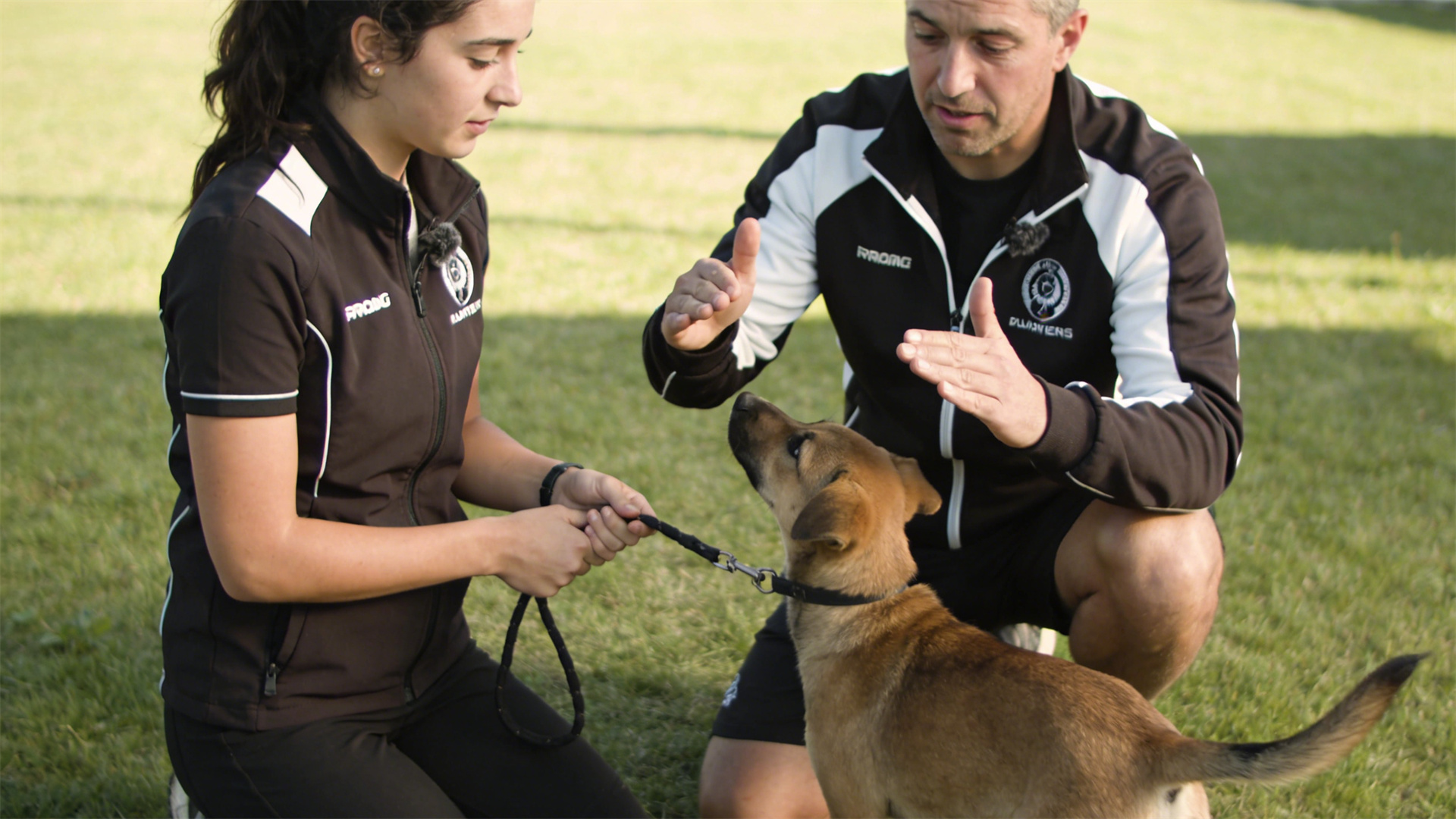
This is the profound cultural shift. The class is not just for the puppy. It is the essential first lesson in pet ownership for the human. It instills the core principles that define a responsible guardian for the next decade-plus.
The Principle of Proactivity: Owners learn that waiting for a behavioral problem to emerge is too late. The modern owner is a proactive architect of their dog's temperament.
The Value of Consistency: Weekly class attendance reinforces the discipline of daily, short training sessions at home. It builds a routine centered on positive engagement.
The Practice of Empathetic Leadership: Owners are taught to see the world from their puppy's perspective. This builds patience and replaces frustration with understanding.
The Commitment to Lifelong Learning: This first class frames dog ownership as a journey of mutual growth. It sets the expectation that learning continues through adolescence and adulthood.
By mastering these fundamentals in a supportive group setting, owners graduate not just with a better-behaved puppy, but with the confidence and skills to be exceptional pet parents.
🔮 The 2026 Outlook: Predictions and Innovations
As we look toward 2026, the future of puppy socialization is bright with innovation. Puppy socialization trends 2026 will likely see technology integration. Virtual reality simulations might help prepare puppies for specific scenarios like car rides or crowded streets. DNA-based temperament screening could allow for even more personalized class curriculums. We will see a greater emphasis on inclusion. Classes tailored for differently-abled puppies or owners will become standard. Furthermore, the concept will expand. Think puppy socialization field trips to approved, quiet stores or teen puppy classes for adolescent dogs. The dog training future 2026 is holistic, accessible, and community-embedded. It recognizes that raising a well-adjusted dog is a public good, contributing to safer and more harmonious neighborhoods for everyone.
Special Reminder: The Critical Window
A crucial point for all new owners. Do not wait until your puppy is fully vaccinated at 16+ weeks to start socialization. The prime window will have closed. Work with your veterinarian to find a safe, clean class that requires health checks for all participants. The risk of under-socialization far outweighs the managed risk of a well-run class.