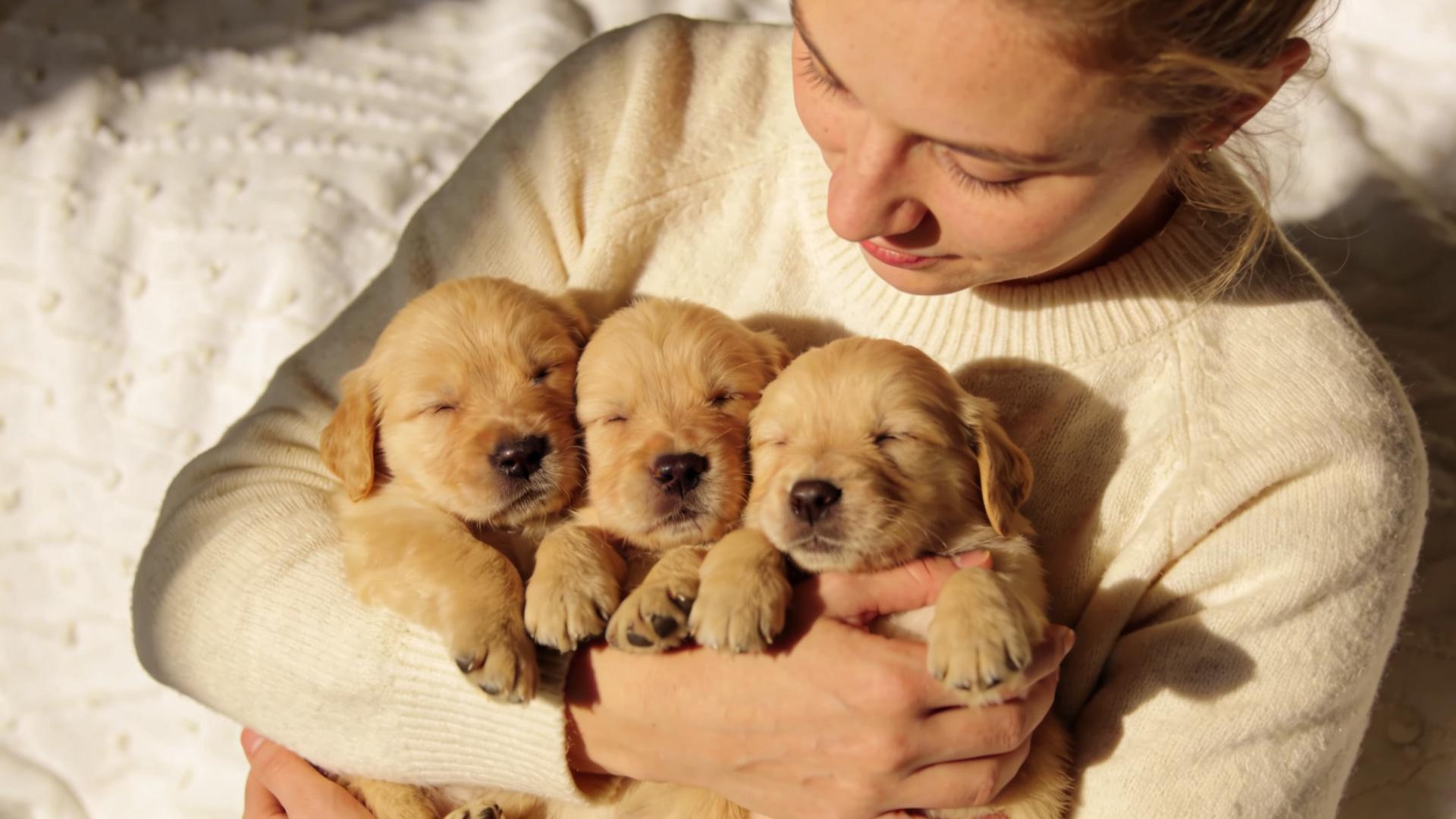
For newborn puppies, the mother is their entire world. She provides nourishment, essential warmth, and meticulous cleanliness through her constant care. Her presence is the cornerstone of their survival in those critical first weeks. When she is absent due to illness, rejection, or unforeseen circumstances, the roles of providing warmth and maintaining cleanliness fall entirely to you, the caregiver. This responsibility is daunting but profoundly rewarding. This guide aims to be your compassionate companion, offering detailed, step-by-step simulated care methods to ensure the health and survival of orphaned or mother-assisted puppies. We will navigate this journey together, focusing on the two most critical pillars of neonatal care: thermal support and hygienic practice.
🔥 Section One: The Critical Role of Warmth in Newborn Puppy Care
Newborn puppies are born unable to regulate their own body temperature. This condition, known as poikilothermy, means they are entirely dependent on external heat sources. For the first week of life, their environment must be meticulously maintained between 85 to 90 degrees Fahrenheit (29.5-32°C). This temperature range is non-negotiable for proper digestion, organ function, and preventing the rapid onset of hypothermia, a leading cause of death in neonates.
🛏️ Methods to Simulate a Mother’s Warmth
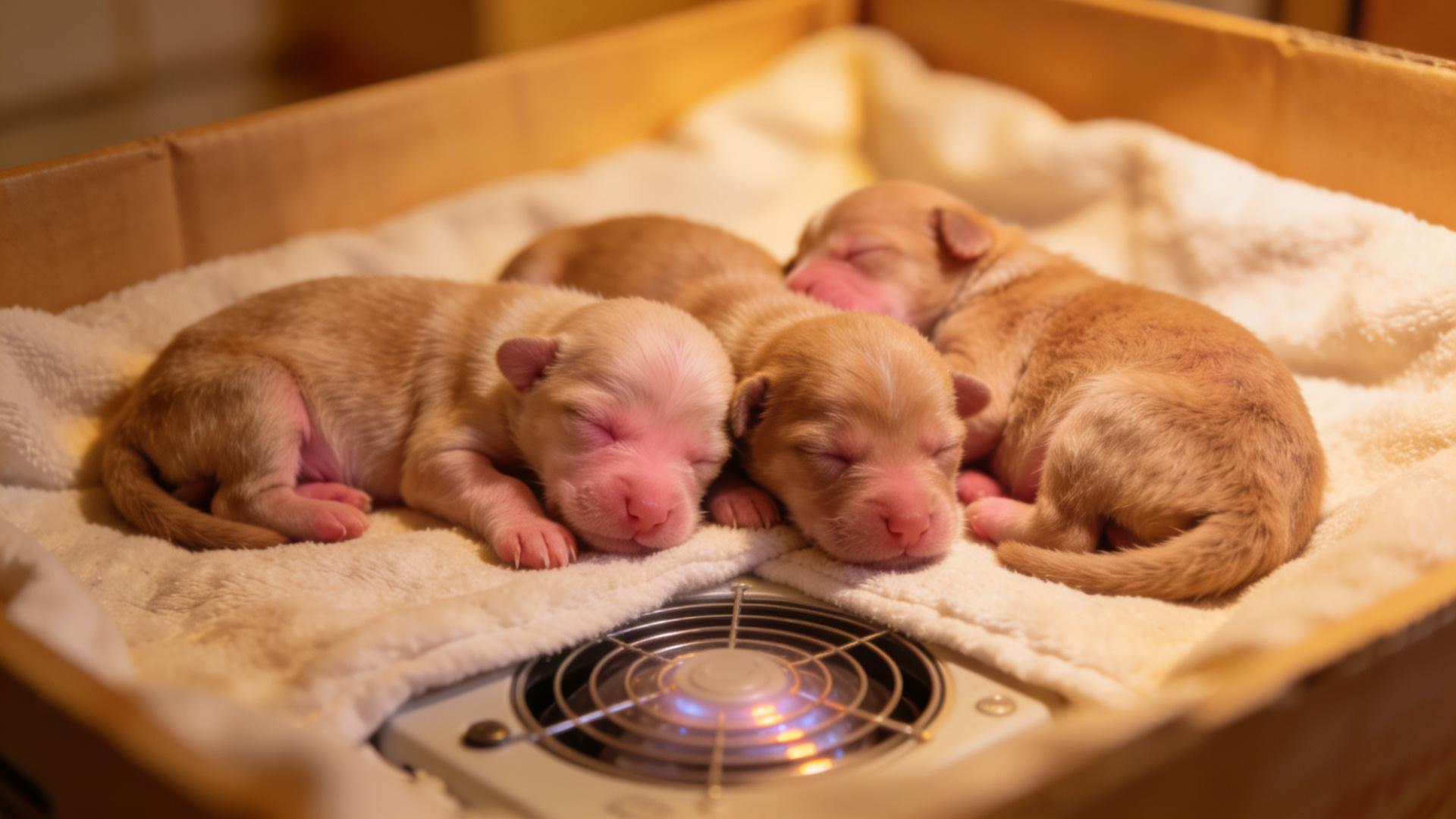
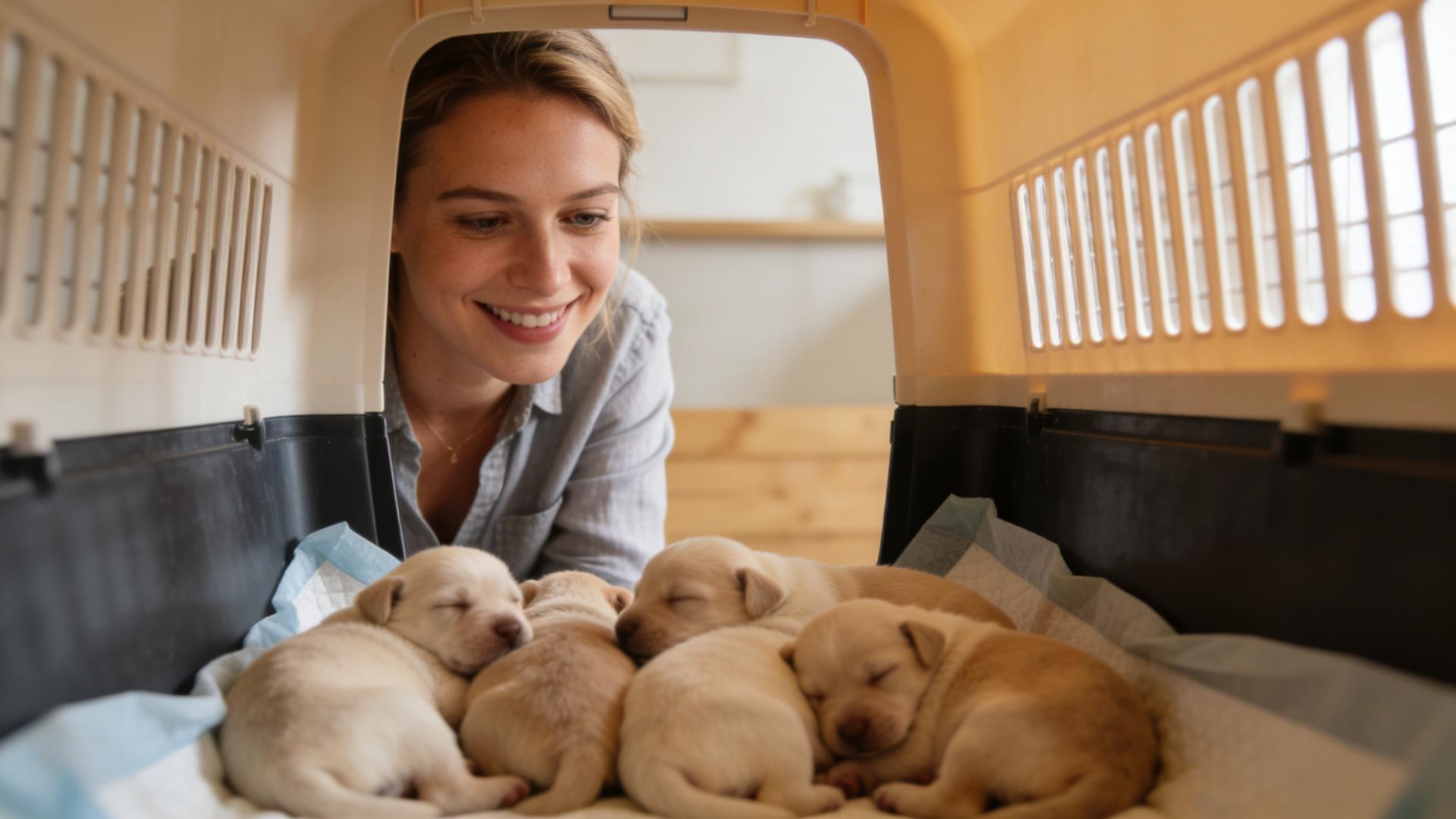
Creating a consistent and safe heat source is your first priority. A well-prepared whelping box is the foundation. Heating pads designed for pets are excellent tools. Always place the pad under only one-half of the bedding. This crucial setup allows puppies to move towards the heat if they are cold or away from it if they become too warm. Cover the pad with several layers of towels or soft blankets to prevent direct contact and avoid hotspots. Alternatively, a heat lamp secured safely above one corner of the box can provide radiant warmth. Always monitor the distance to prevent overheating or dehydration. The simplest method involves using snuggle-safe discs or even bottles filled with warm water, wrapped securely in towels, and placed amongst the bedding. These should be checked and reheated frequently.
🌡️ Monitoring and Maintaining the Perfect Temperature
Do not guess the temperature. Use a reliable digital thermometer placed at the puppies' level in the bedding. A simple behavioral cue is your best guide: if the puppies are piled tightly on top of each other, they are too cold. If they are sprawled out, away from the heat source, they may be too warm. Comfortable puppies will sleep soundly while resting in loose contact with each other. Watch for signs of hypothermia: coldness to the touch, lethargy, and weak crying. Conversely, overheating can cause restlessness, panting, and dehydration. The environmental temperature can gradually be decreased by about 5 degrees each week as the puppies develop their own thermoregulation.
🧼 Section Two: Ensuring Impeccable Cleanliness for Newborn Puppies
In the absence of a mother’s constant grooming, cleanliness becomes your direct tool for preventing infection and promoting health. A mother dog licks her puppies to clean them, stimulate elimination, and encourage circulation. Our simulated care must replicate these functions gently and consistently. A clean puppy is a healthy puppy, and a clean environment prevents the spread of bacteria and parasites.
🛁 Gentle Cleaning Techniques and Stimulation
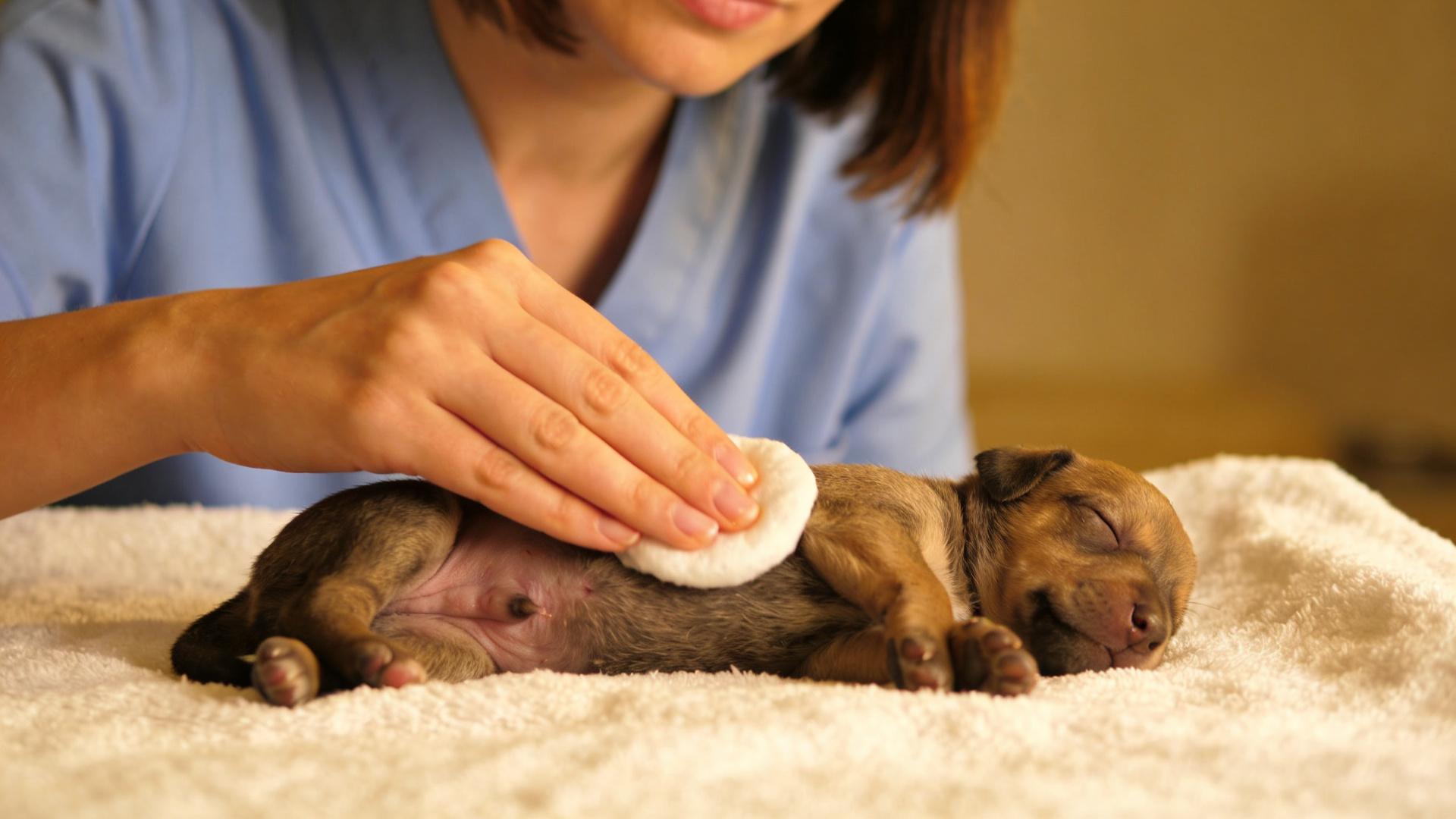
After each feeding session, you must mimic the mother’s licking to stimulate the puppies to urinate and defecate. Take a soft, damp cloth, cotton ball, or gauze pad moistened with warm water. Gently massage the genital and anal area in a circular motion. You will see the puppy eliminate. Gently wipe the area clean afterwards. This ritual is vital and must be performed before and after every meal until the puppies are about three to four weeks old, when they can eliminate on their own. For general cleanliness, use a soft, damp cloth to wipe the puppy's body, paying attention to the face and any soiled areas. There are safe, puppy-specific wipes available, but ensure they are alcohol and fragrance-free. Keep the puppy thoroughly dry afterwards by patting gently with a soft, dry towel.
🏠 Maintaining a Sanitary Environment
The whelping box must be a sanctuary of cleanliness. Bedding should be changed at least once daily, or immediately if it becomes soiled or damp. Use layers of washable, absorbent materials like fleece or towels. Have multiple sets on hand for quick swaps. The entire box should be sanitized regularly with a pet-safe disinfectant, rinsed thoroughly, and dried completely before returning the puppies. Always wash your hands before and after handling each puppy to prevent cross-contamination. This rigorous sanitation routine is your best defense against common neonatal threats like bacterial infections and parasites.
⏰ Section Three: Integrating Warmth and Cleanliness into a Daily Care Routine
Consistency is the heartbeat of successful orphaned puppy care. A predictable schedule reduces stress for both you and the puppies, creating a stable environment that mimics the reliability of maternal care. The first few weeks will be demanding, requiring feeding and care every 2-3 hours, around the clock.
📅 A Sample Care Schedule for Hand Rearing Puppies
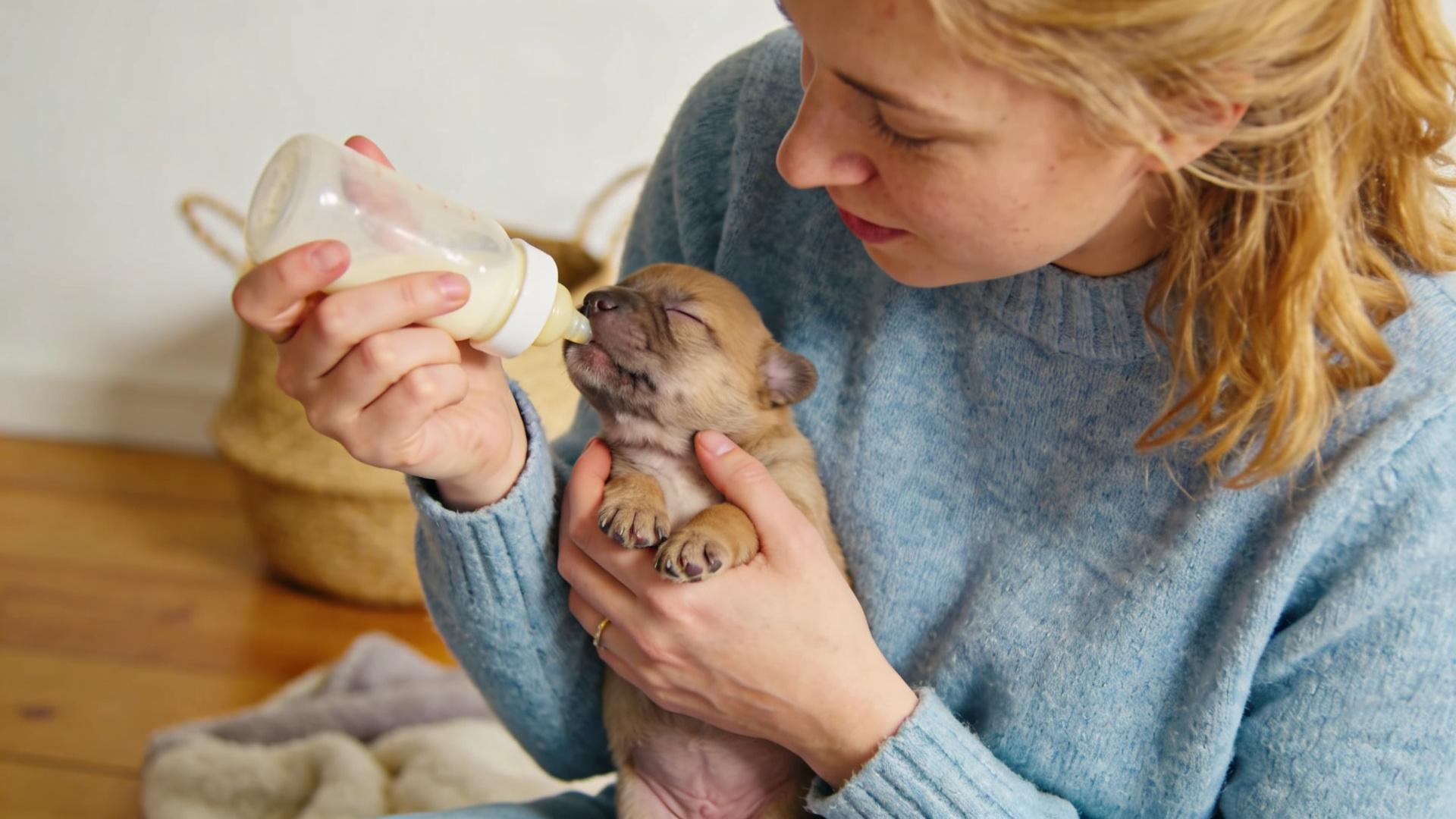
Here is a foundational schedule to adapt. Begin by preparing the formula. Warm it to about 100°F (38°C), testing a drop on your wrist. Take one puppy from the warm bedding. Stimulate to eliminate using your warm, damp cloth. Feed the puppy using a proper bottle or syringe, allowing it to suckle at its own pace, keeping it in a slightly upright position. Never feed a puppy on its back. After feeding, stimulate to eliminate again. Gently clean the puppy's face and body if needed. Ensure the puppy is completely dry. Return the puppy to the warm side of the bedding. Sanitize all feeding equipment. Repeat for each puppy. Between feeds, observe the puppies for restful sleep, normal breathing, and a contented demeanor. This cycle of warm, stimulate, feed, stimulate, clean, return to warmth is the golden routine.
✋ The Importance of Gentle Handling and Observation
Always handle newborn puppies with extreme care. Support their entire body, including the head and neck. Your touch should be firm yet gentle, conveying security. Reduce loud noises and sudden movements near their area. Your constant observation is a critical diagnostic tool. Note each puppy's feeding vigor, weight gain (using a digital gram scale daily), activity level, and stool consistency. A healthy puppy should feel firm and rounded after a meal, gain weight consistently, and produce yellowish-formed stool.
🚨 Section Four: Troubleshooting, Health Monitoring, and When to Seek Help
Despite your best efforts, newborn puppies are vulnerable. Recognizing early signs of distress can mean the difference between life and death. Trust your instincts. If something seems wrong, it often is.
⚠️ Signs of Distress and Common Challenges
Be vigilant for the following red flags: persistent crying or whimpering (often a sign of being too cold, hungry, or in pain), lethargy or lack of suckling reflex, bloated or hard abdomen, diarrhea or constipation, discolored gums (blue indicates lack of oxygen, pale suggests anemia), and feeling cool or clammy to the touch. A common challenge is aspiration pneumonia from incorrect feeding, indicated by milk bubbling from the nose, coughing, or noisy breathing. Another is fading puppy syndrome, a complex condition where a puppy fails to thrive despite apparent care.
🏥 The Vital Role of Veterinary Care
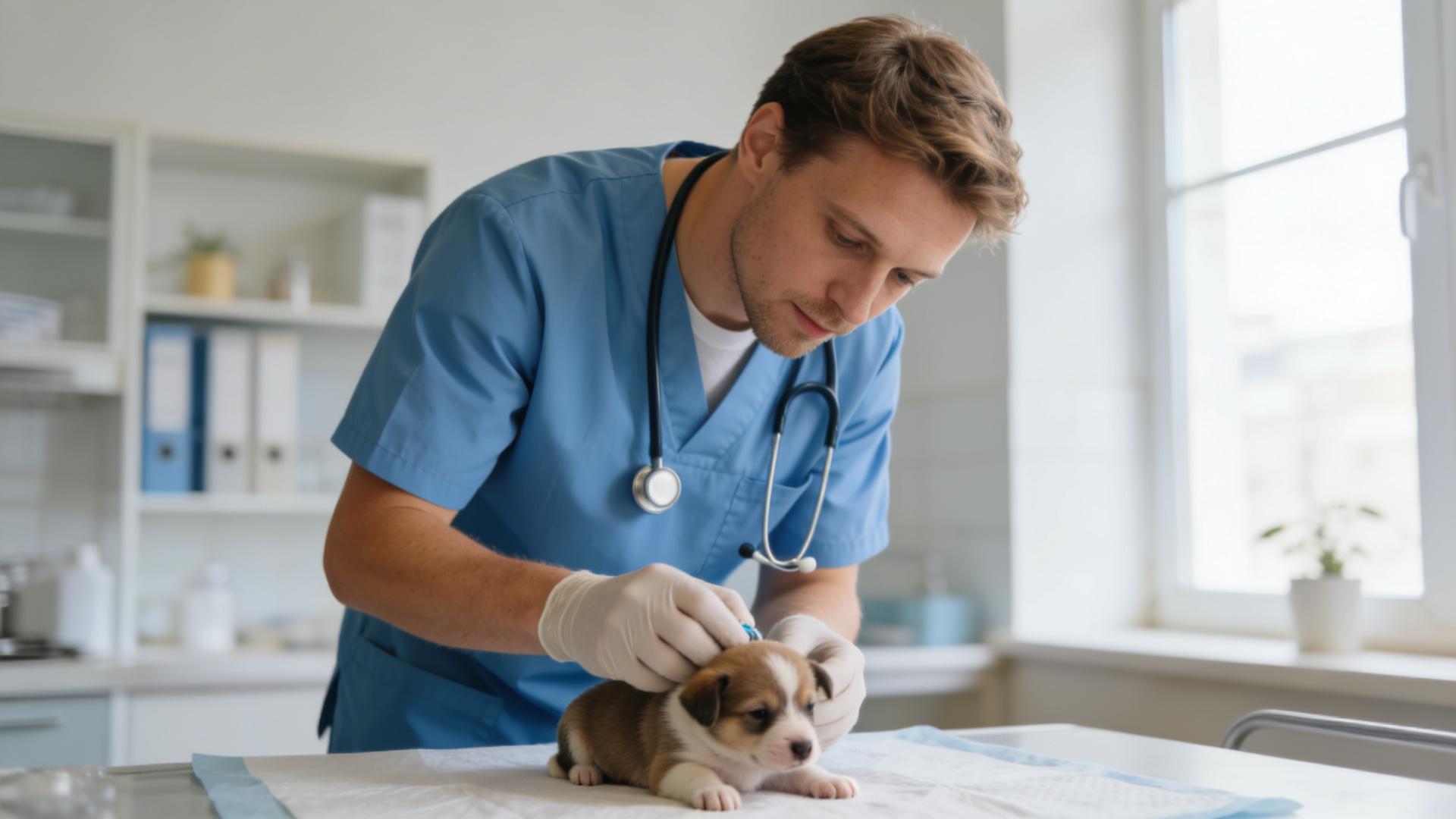
Special Reminder: Your veterinarian is your essential partner. Establish contact immediately upon taking on the care of orphaned puppies. Seek professional help without delay if you observe any signs listed above, if a puppy fails to gain weight for two consecutive days, or if you have any concerns about their health. A vet can provide deworming schedules, check for congenital issues, and offer emergency support such as fluids for dehydration.
💝 Conclusion: Your Role in Nurturing Life
Providing simulated warmth and cleanliness for newborn puppies is a profound act of care. It demands dedication, patience, and vigilance, but the reward is the incredible fulfillment of seeing these vulnerable lives thrive under your watch. Remember the core principles: maintain a stable, warm environment, uphold impeccable hygiene through stimulation and sanitation, and follow a consistent, gentle routine. You are effectively becoming the puppy's lifeline, replicating the essential functions of their mother. Always lean on professional veterinary advice for emergencies and persistent health concerns. Embrace this challenging yet beautiful journey. Your compassionate care can guide these tiny beings from fragile dependence to playful, robust vitality.