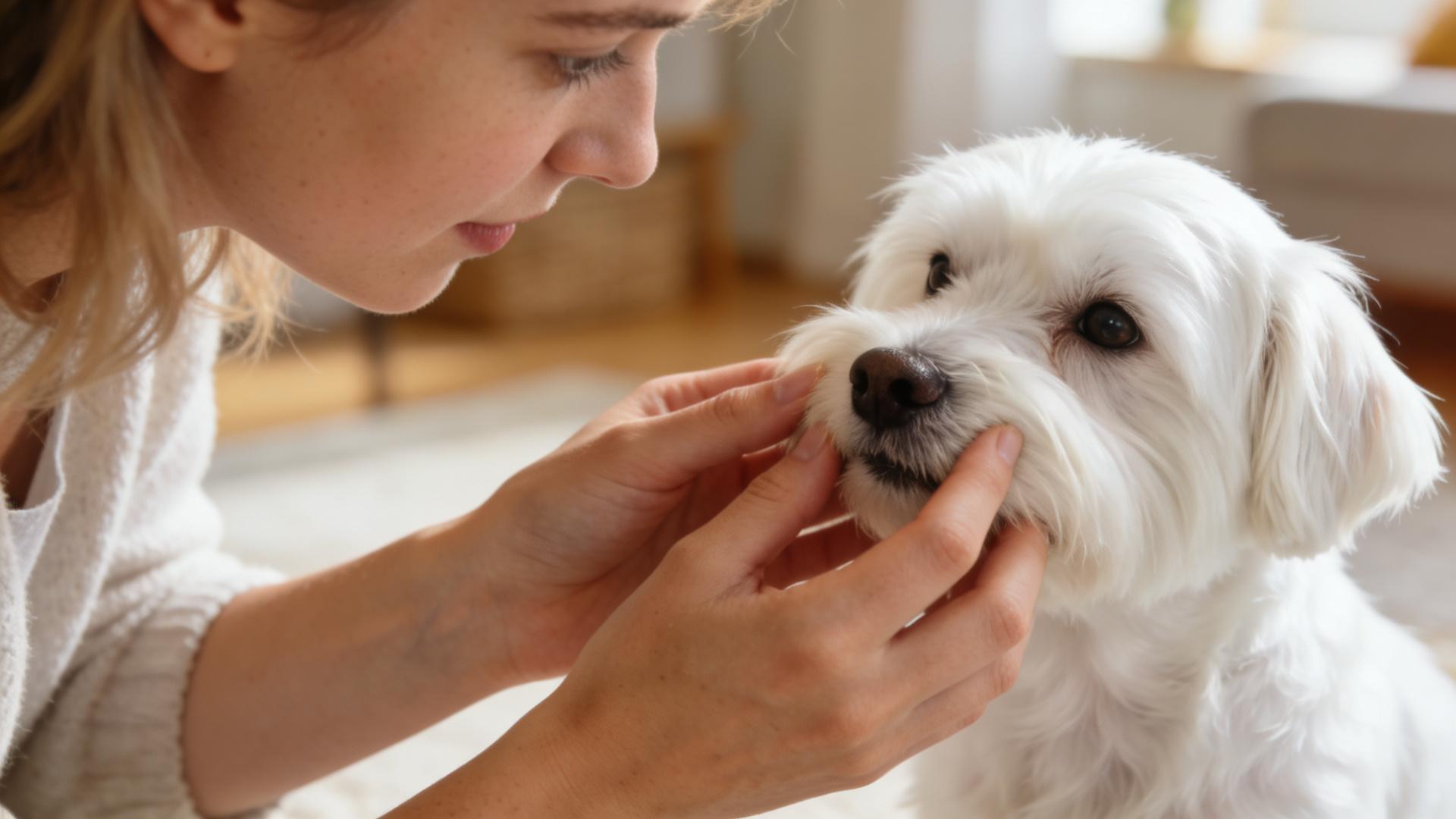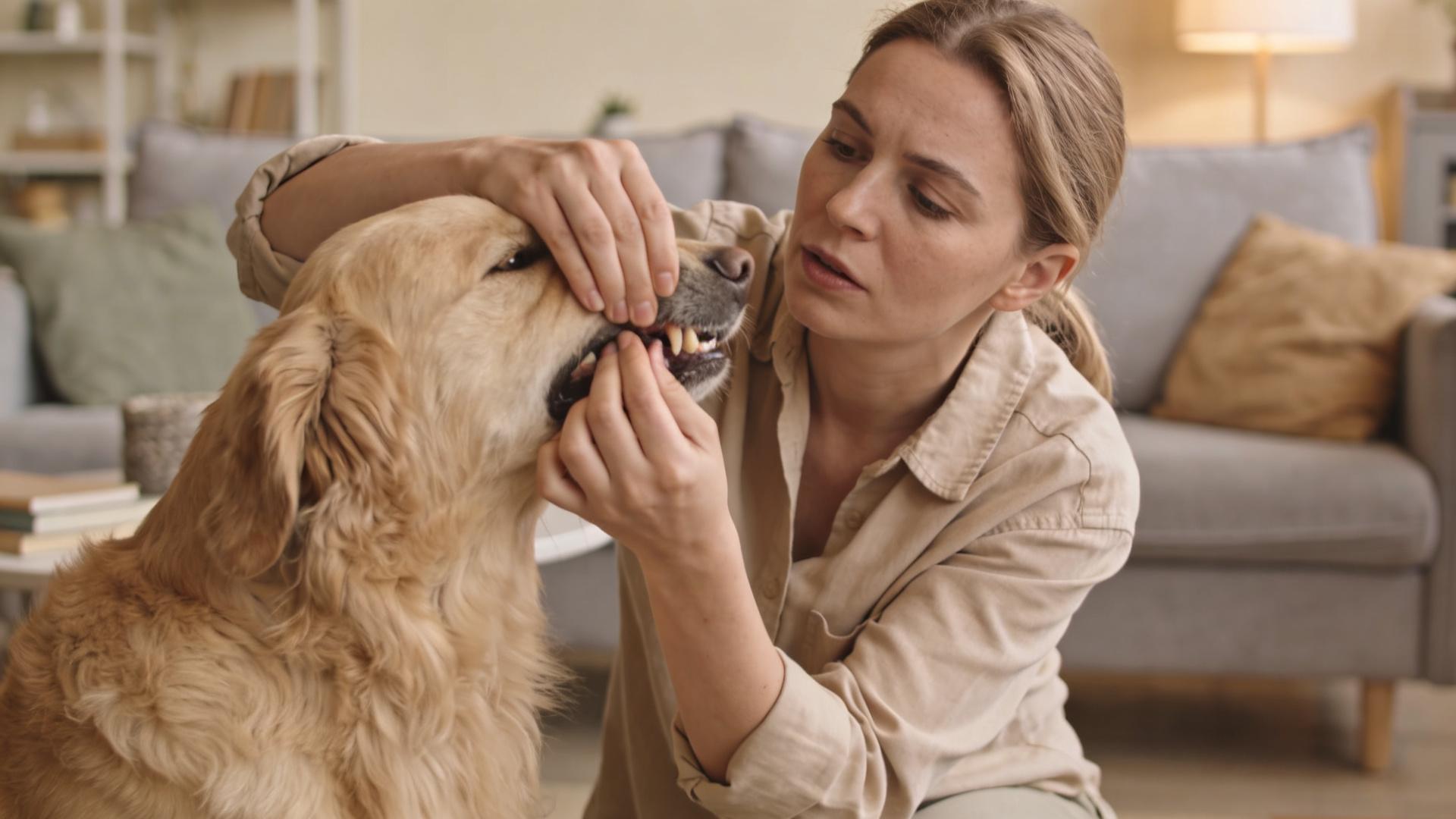
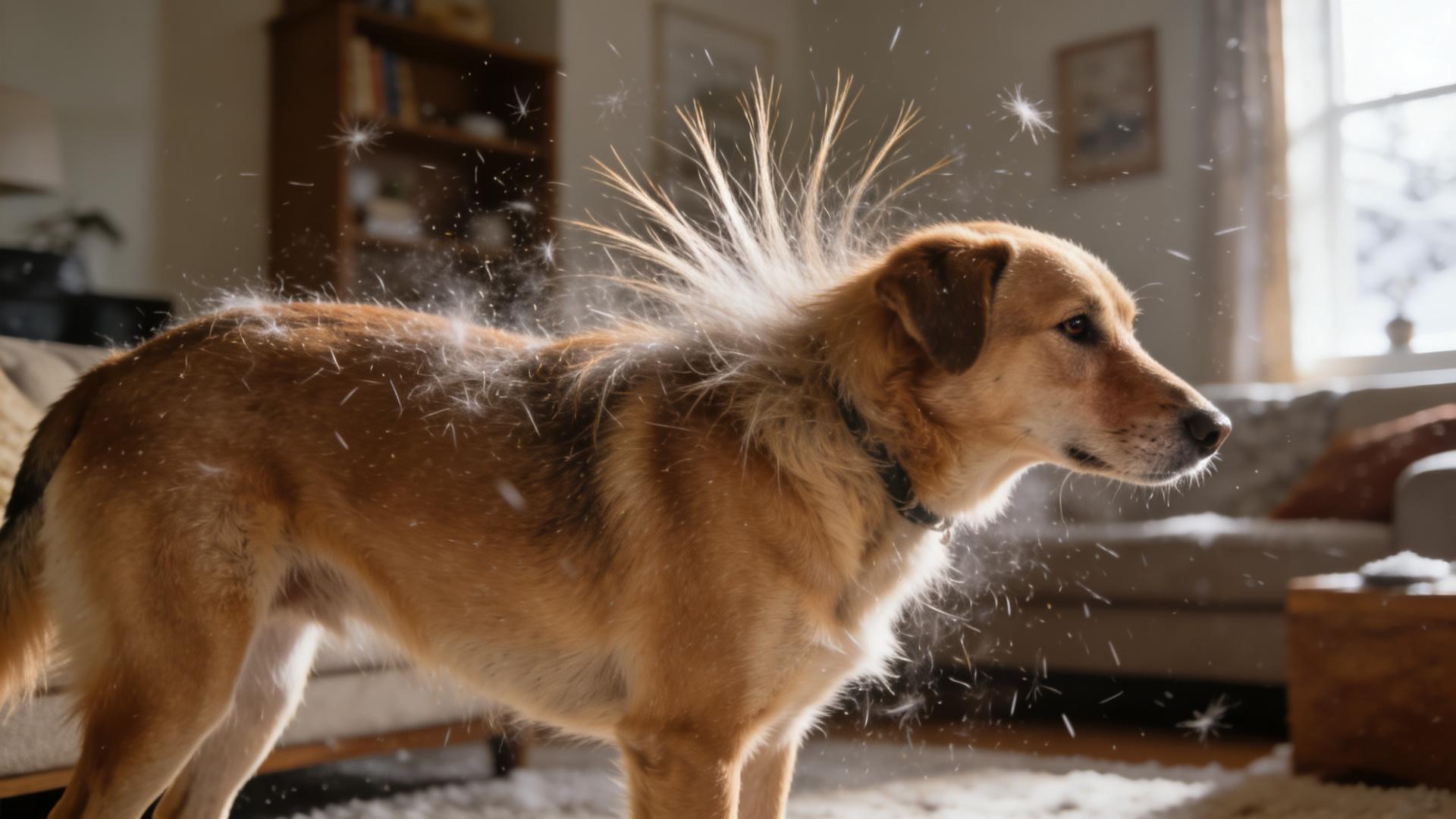
You reach down to give your beloved dog a good morning scratch behind the ears, and zap. A tiny blue spark leaps from your fingertip to their nose, causing them to yelp and flinch away. Or perhaps you notice their normally sleek coat suddenly resembles a dandelion puff, with fine hairs standing straight out, defiantly repelling your attempts to smooth them down. Welcome to the season of winter static, a common but often distressing issue for dogs and their owners in cold, dry climates. These small shocks and the phenomenon of flying fur are more than just minor annoyances. They can cause your pet anxiety, discomfort, and even a lingering fear of your touch. As a concerned pet parent, you naturally want a solution. This article is your comprehensive guide. We will demystify the causes of winter static in dogs and provide you with simple, effective, and pet-safe strategies to reduce electric shocks and control flyaway fur, ensuring a more comfortable winter for both you and your four-legged family member.
🔬 The Cause: Why Winter Zaps Your Dog
To effectively combat static, it helps to understand the simple science behind it. Static electricity occurs when there is an imbalance of electric charges on the surface of a material. In the context of your dog, here is how winter creates the perfect storm for static build-up. The main culprit is low humidity. Cold winter air holds very little moisture. When this dry air is pulled into our homes and heated, the relative humidity plummets even further, sometimes to desert-like levels. In this arid environment, electrons transfer easily. When your dog walks across a synthetic carpet or curls up on a nylon bed, friction causes electrons to be scraped off, creating a positive charge on their fur. This charge builds up because the dry air lacks the moisture needed to conduct it away harmlessly. The result? A dog literally charged with static, just waiting for a path to ground—which is often you. Key contributors include. Heating systems, which continuously dry out the indoor air. Synthetic materials, prevalent in dog sweaters, bedding, and your own clothing, which are excellent at generating and holding a charge. Over-brushing a dry coat with the wrong tool, which can exacerbate friction and electron transfer. Essentially, your dog becomes a small, furry storm cloud trotting around your living room.
💧 Hydration is Key: Indoor and Outdoor Solutions
Since dry air is the enemy, reintroducing moisture is your most powerful tactic. A multi-pronged approach targeting both your home's environment and your dog's own hydration will yield the best results.
Combat Dry Indoor Air
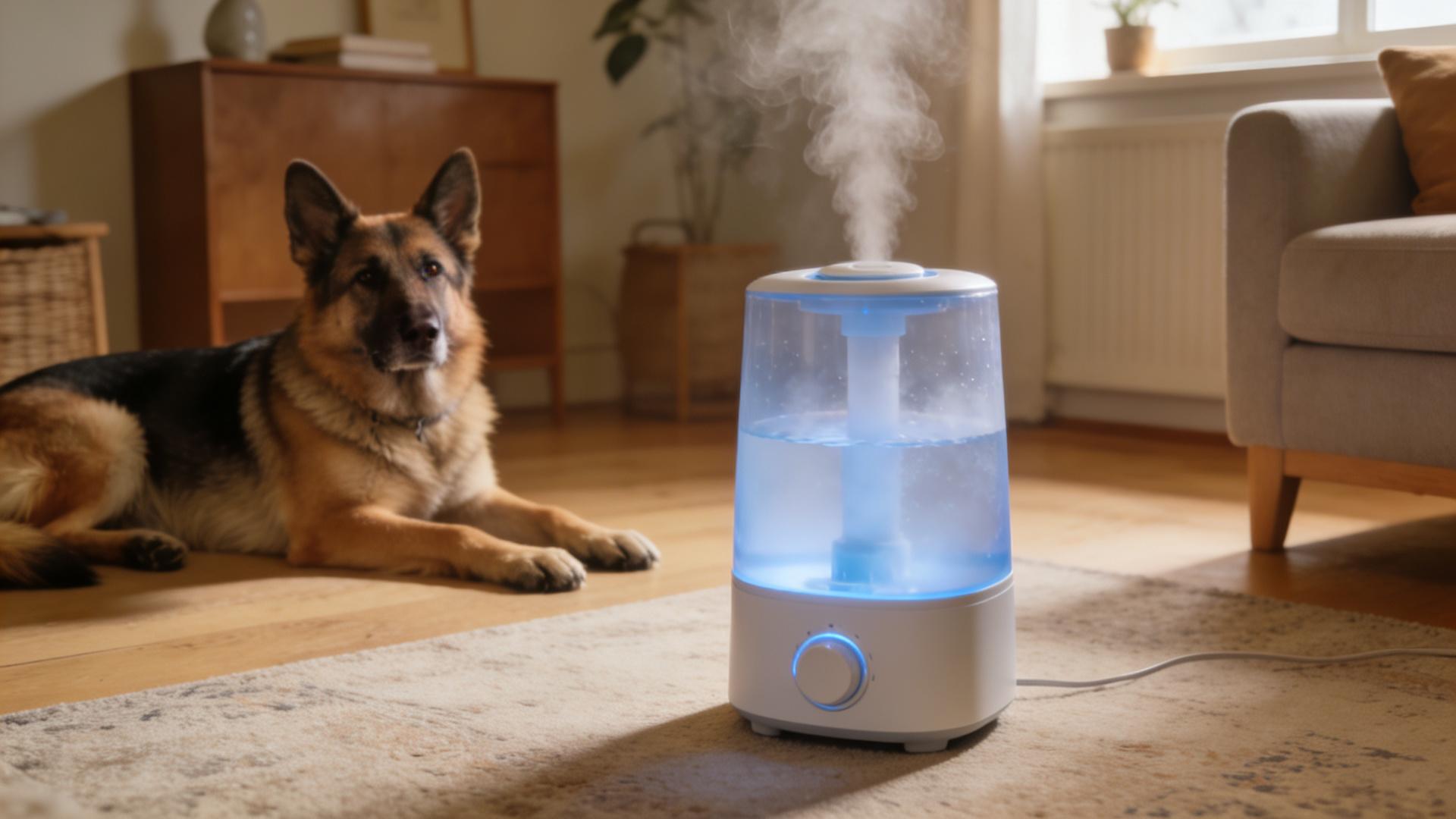
The single most effective appliance you can buy for winter pet comfort is a humidifier. Aim to maintain indoor humidity levels between 30% and 50%. Place a humidifier in the rooms where your dog spends the most time. Cool-mist humidifiers are generally safer if you have curious pets. For a low-tech solution, placing wide bowls of water near heat sources or letting bathwater cool in the tub before draining can add a bit of moisture to the air.
Promote Internal Hydration
A well-hydrated dog has healthier skin and a coat that is less prone to static. Ensure fresh, clean water is always available. Consider adding moisture to their diet. This can be done by. Switching to or incorporating wet food. Adding a splash of low-sodium broth or warm water to their kibble. Using a pet water fountain to encourage drinking.
Limit Harsh Outdoor Exposure
Biting winter winds strip moisture from everything they touch, including your dog's coat. Limit prolonged exposure on particularly windy, dry days. When you do go out, a coat made of a natural fiber like wool or cotton can serve as a protective barrier against the drying wind.
🐕 Grooming and Coat Care: Your First Defense
Proper grooming is not just about neatness. it is a critical line of defense against static buildup. The goal is to maintain a moisturized, tangle-free coat without over-drying or over-stimulating the skin.
Brushing Techniques and Tools
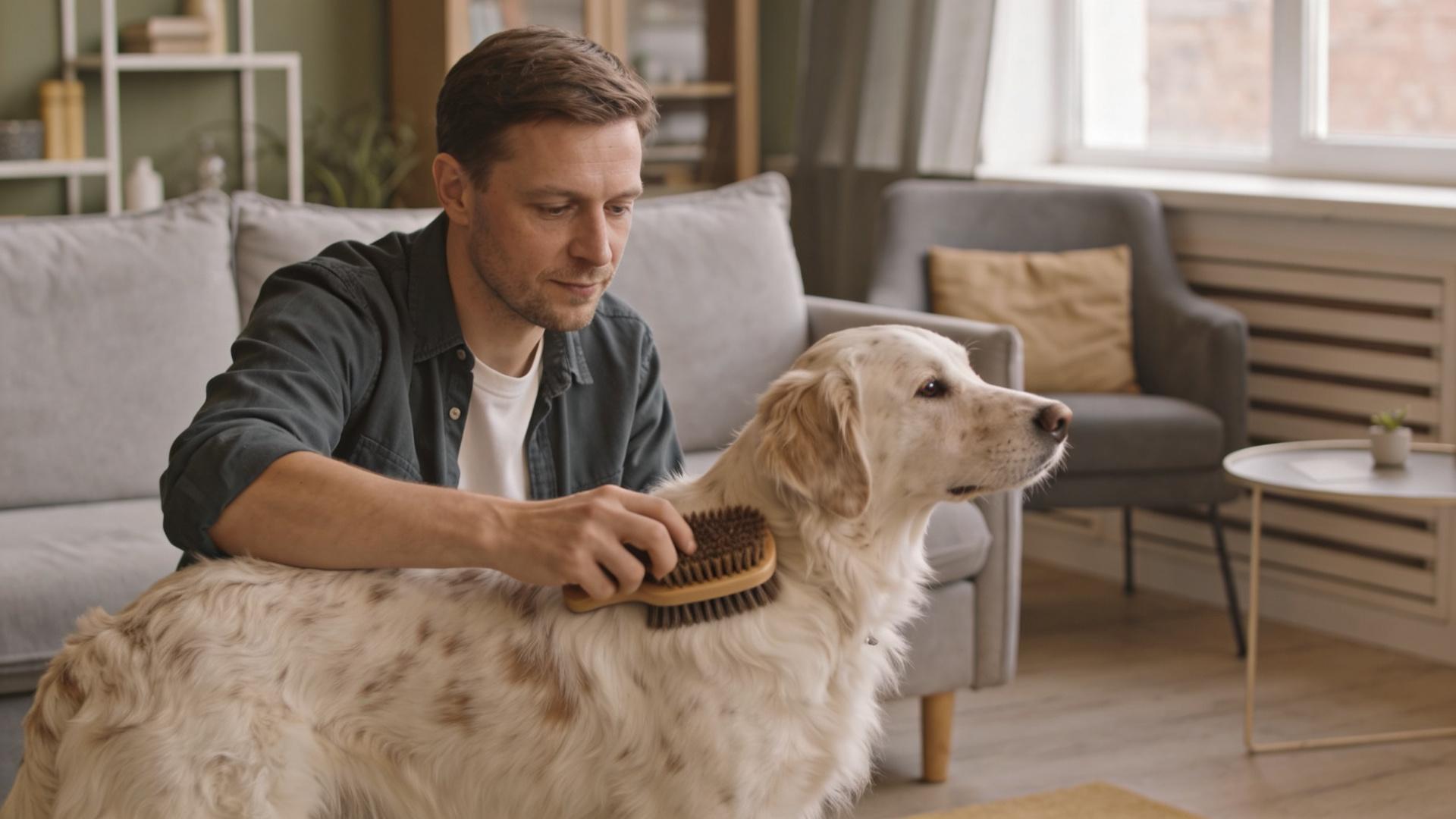
Ditch plastic and nylon brushes, which generate massive amounts of friction-based static. Opt for tools made from natural materials. Boar bristle brushes are excellent for distributing natural oils. Metal combs with rounded tips are great for detangling without charging the fur. Before brushing, lightly mist your dog's coat with a static-reducing spray. You can make a safe, DIY version by mixing a few drops of pet-safe essential oil like lavender in a spray bottle filled with water and a teaspoon of human hair conditioner or a specialized pet coat moisturizer. Lightly spray the brush, not the dog directly, to avoid startling them.
Bathing and Moisturizing
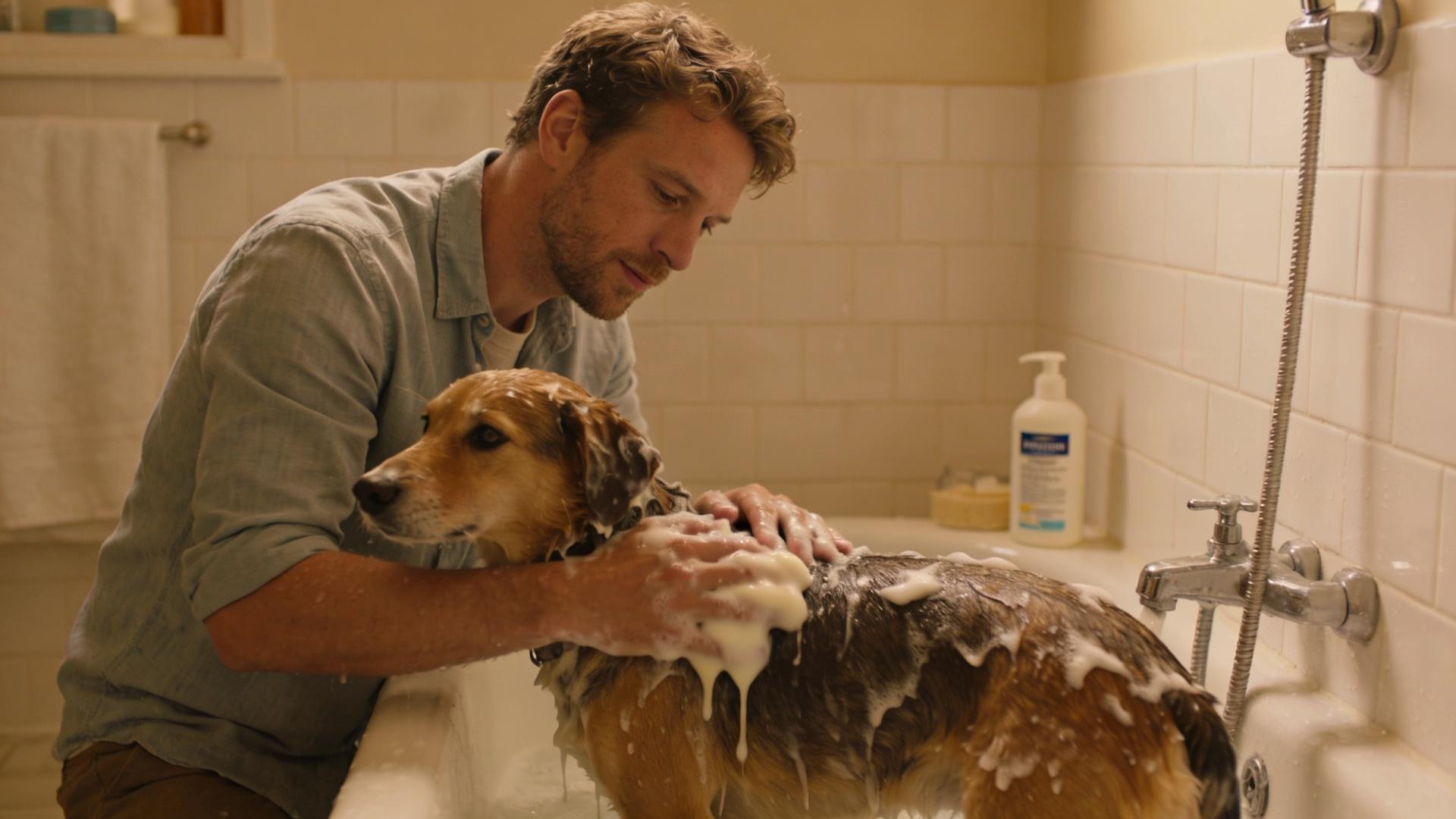
Over-bathing is a major contributor to dry skin and static-prone fur. In winter, reduce bath frequency. When you do bathe your dog, use a moisturizing, oatmeal-based, or humectant shampoo designed for dogs. Always follow with a conditioner. This step is non-negotiable in winter, as it seals in moisture and smooths the hair cuticle. For a quick between-bath refresh, use pet-safe grooming wipes or a damp cloth to gently wipe down their coat, which can help redistribute oils and add a tiny bit of moisture.
🧵 Smart Material Choices: From Beds to Sweaters
Your home is filled with materials that either contribute to or help dissipate static electricity. Making mindful swaps can create a more static-neutral environment for your pet.
First, evaluate your dog's bedding. Remove plush, synthetic-filled beds and polyester blankets. Replace them with beds and blankets made from natural fibers like cotton canvas, wool, or fleece made from recycled plastic (which tends to be less static-prone than virgin polyester). For dog clothing, the same rule applies. Choose sweaters and pajamas made of cotton, wool, or cashmere over acrylic or nylon. Do not forget your own attire. Wearing cotton or wool yourself when you interact with your dog reduces the chance of a shock transfer from your sleeve to their nose. Similarly, if possible, avoid heavily synthetic carpets. If you have them, the use of a humidifier and anti-static sprays designed for carpets can help.

⚡ The Safe Shock Discharge: Pre-Pet Touch Protocol
Sometimes, despite your best efforts, static will build up. You can prevent the painful surprise shock by adopting a simple habit known as the "pre-pet touch protocol." The goal is to discharge the static from yourself to a neutral object before you touch your dog.
Make it a ritual. Before you reach out to pet your dog, especially after walking across a room or standing up from a couch, first touch a grounded metal object. Good options include. A metal lamp base. A door knob or faucet. The screw on a light switch plate. A key held in your hand (touch the key to the object). If you are holding a metal object like a spoon or a toy, you can also touch that to the metal surface first. This allows the charge to flow safely away. Another effective method is to simply increase the humidity in the immediate air. Running a small, personal humidifier near where you and your dog cuddle can keep the local atmosphere conductive, preventing charges from building up to a shock level in the first place.

Conclusion
Winter static doesn't have to be a shocking experience for your dog. By focusing on the core principles of adding moisture and reducing friction, you can make a dramatic difference. The top three most effective tips are. First, invest in a humidifier to combat the dry indoor air that is the root cause. Second, revamp your grooming routine with a moisturizing conditioner and a natural-bristle brush lightly misted with an anti-static spray. Third, adopt the simple habit of touching metal before you pet your dog to safely discharge any built-up static. Implementing even a few of these strategies will significantly reduce flying fur and eliminate those painful little zaps. Your dog will be more relaxed, their coat will look and feel healthier, and the bond you share will be free of shocking interruptions. Here's to a cozy, static-free winter season with your happy, comfortable companion.