Meta Description: Discover the safe way to manage dog eye discharge. Our expert guide compares eye wipes for dogs and saline solution for dogs, with step-by-step instructions on how to clean dog eyes and when to seek veterinary care.
As a devoted dog owner, you’ve likely noticed those little crusty bits, or “dog eye boogers,” that gather in the corners of your pup’s eyes. A small amount of clear or whitish discharge is often normal, a part of your dog’s natural tear production and cleansing process. However, knowing how to clean dog eyes properly and recognizing when dog eye discharge signals a problem are crucial aspects of responsible canine eye health. Using the wrong product or technique can lead to irritation or mask a serious health issue. This comprehensive guide will demystify the two most common tools—eye wipes for dogs and saline solution for dogs—and equip you with the knowledge for safe, effective pet eye cleaning.
👁️ Understanding Dog Eye Discharge: What's Normal and What's Not
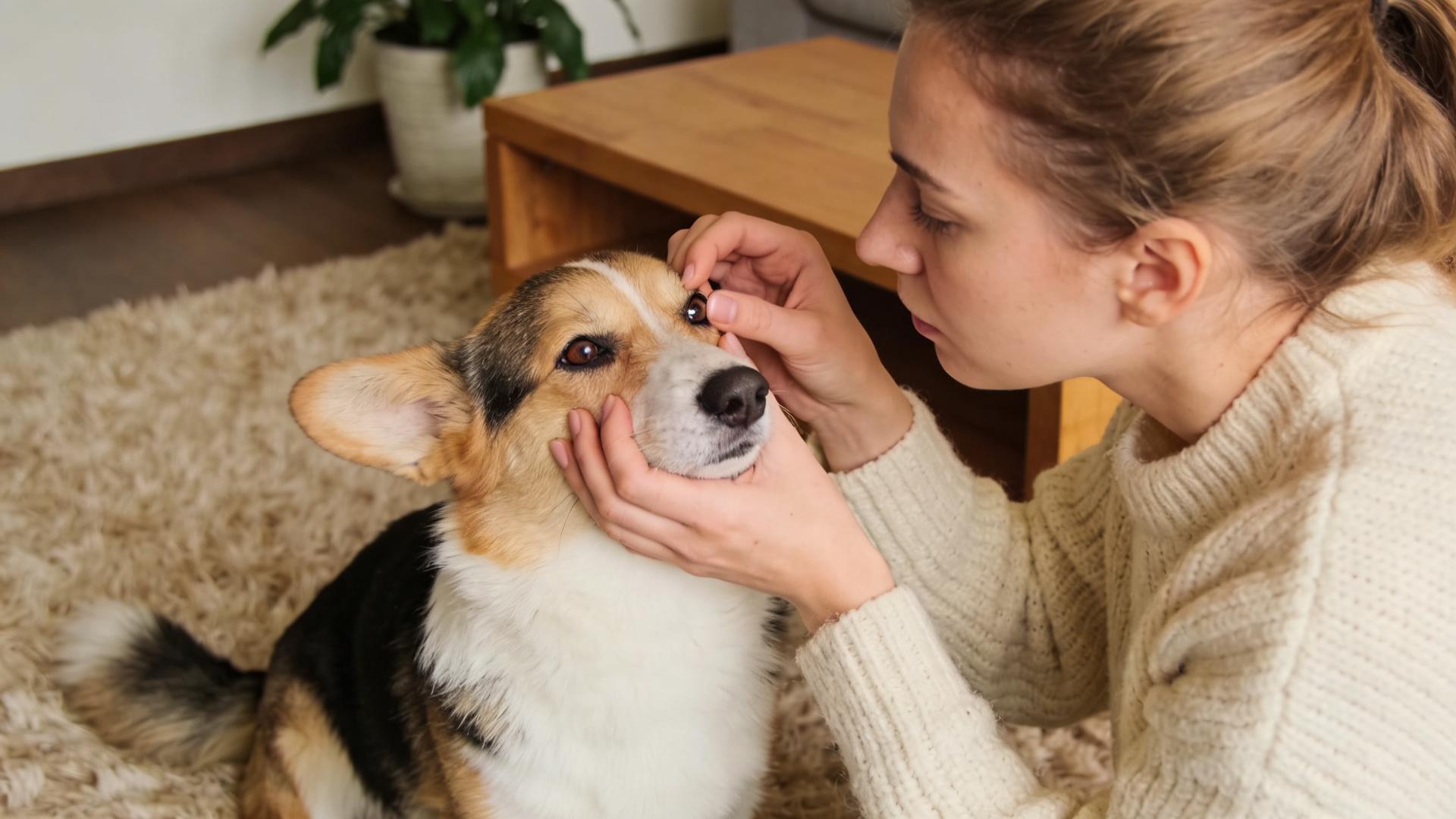
Before reaching for any cleaner, it's vital to assess the discharge. Normal, healthy discharge is typically clear or slightly greyish-white, watery to slightly thick, and forms minimal crusts that are easy to wipe away. It’s often more noticeable in certain breeds with prominent eyes or facial folds.
Warning Signs: You should be concerned and consider a potential dog eye infection if you observe any of the following: - Color: Yellow or green discharge. - Consistency: Thick, mucus-like, or pus-like matter. - Quantity: A sudden increase in volume. - Accompanied by: Redness, swelling, squinting, pawing at the eye, cloudiness, or apparent vision changes.
Persistent reddish-brown stains under the eyes, known as tear stains, are often a Grooming concern linked to pigment in tears, but can also indicate excessive tearing due to irritation or blocked tear ducts.
🗺️ The Great Debate: Choosing Your Cleaning Arsenal
The core of dog eye care for routine maintenance often comes down to a choice between two primary options: pre-moistened wipes or a saline rinse. Let’s compare eye wipes and saline for dogs in detail.
📦 Eye Wipes for Dogs: Convenience in a Packet
Eye wipes for dogs are single-use, pre-moistened cloths specifically formulated for the delicate eye area. They are among the most popular veterinary eye cleansers available over-the-counter.
Best For: : Daily or routine maintenance of mild dog eye gunk and light crusting. : Gently removing tear stains from fur around the eyes. : Dogs who are resistant to liquid solutions near their face. : Quick clean-ups between baths.
Pros: : Extremely convenient and portable. : Formulated to be pH-balanced for a dog’s eye area. : Often contain gentle, soothing ingredients like aloe or vitamin E. : Provides light physical abrasion to lift debris and stains from fur. : Minimizes mess and cross-contamination.
Cons: : Can be more expensive per use compared to saline. : Less effective for flushing out debris from under the eyelid or loosening thick, adhered discharge. : May contain fragrances or preservatives that could irritate some sensitive dogs.
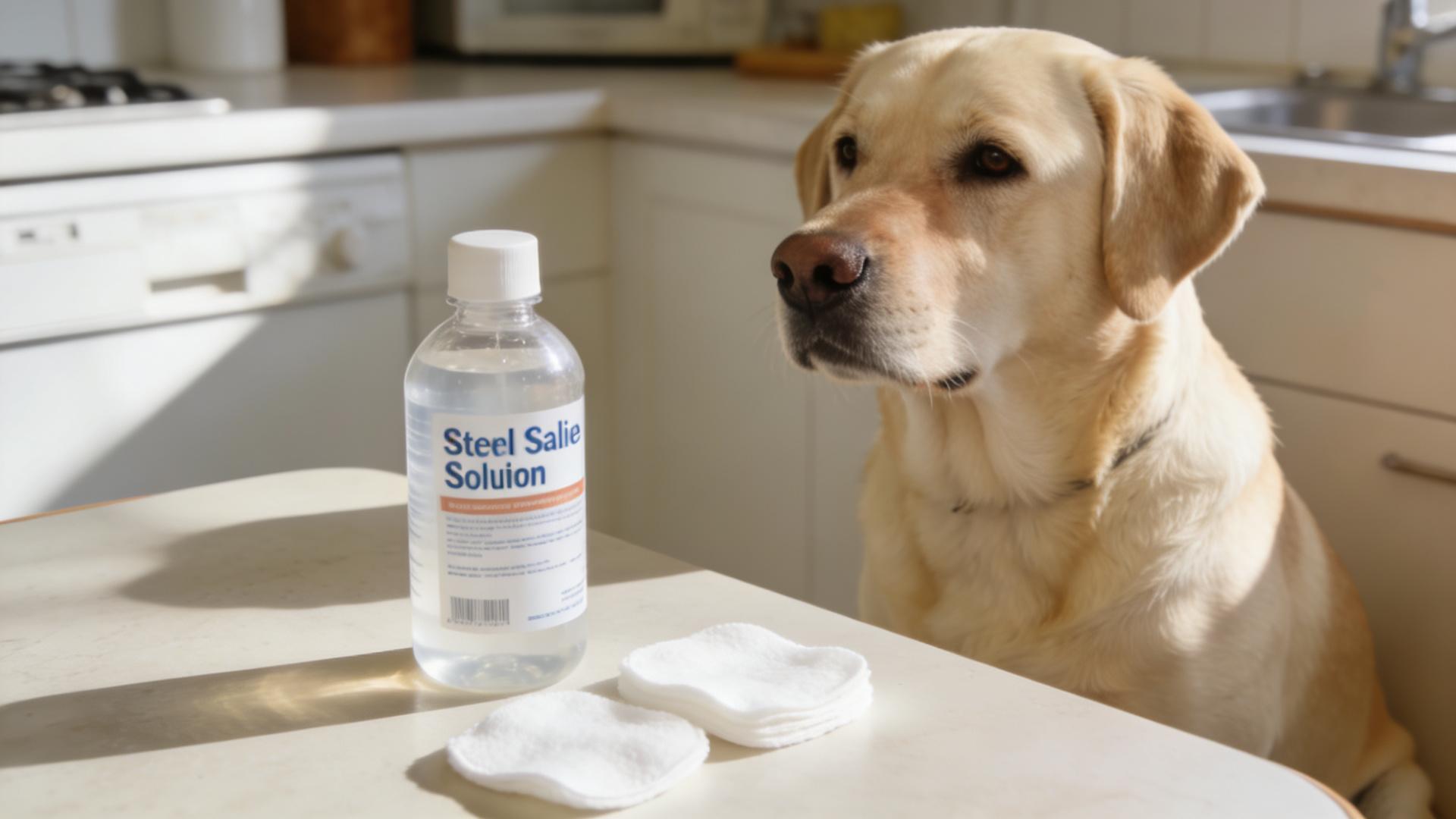
💧 Saline Solution for Dogs: The Simple and Versatile Rinse
Saline solution for dogs refers to a sterile, isotonic solution of 0.9% sodium chloride (salt) in water. It matches the salt concentration of bodily fluids, making it very gentle. It is the cornerstone of safe eye cleaning for dogs.
Best For: : Flushing away loose debris, dust, or pollen from the eye surface. : Loosening and softening stubborn, crusted-on dog eye boogers before wiping. : Irrigating the eye after exposure to irritants (like shampoo or dirt). : As a component of many dog eye discharge treatment plans from veterinarians.
Pros: : Incredibly gentle and non-irritating when sterile. : Very inexpensive, especially if purchased in larger sterile bottles. : Highly versatile; can be used for flushing wounds as well. : No added chemicals, fragrances, or preservatives (if using plain sterile saline). : Effectively hydrates and rinses the ocular surface.
Cons: : Requires cotton balls, gauze pads, or a soft cloth for wiping, which is an extra step. : Can be messier than using a wipe. : Does not provide the physical wiping action on its own; it’s a rinse.
Important Note: While you can make a homemade saline for dog eyes using distilled water and non-iodized salt, the risk of improper concentration or bacterial contamination is high. For routine dog eye hygiene, sterile, commercially-prepared saline solution is strongly recommended to avoid introducing infections.
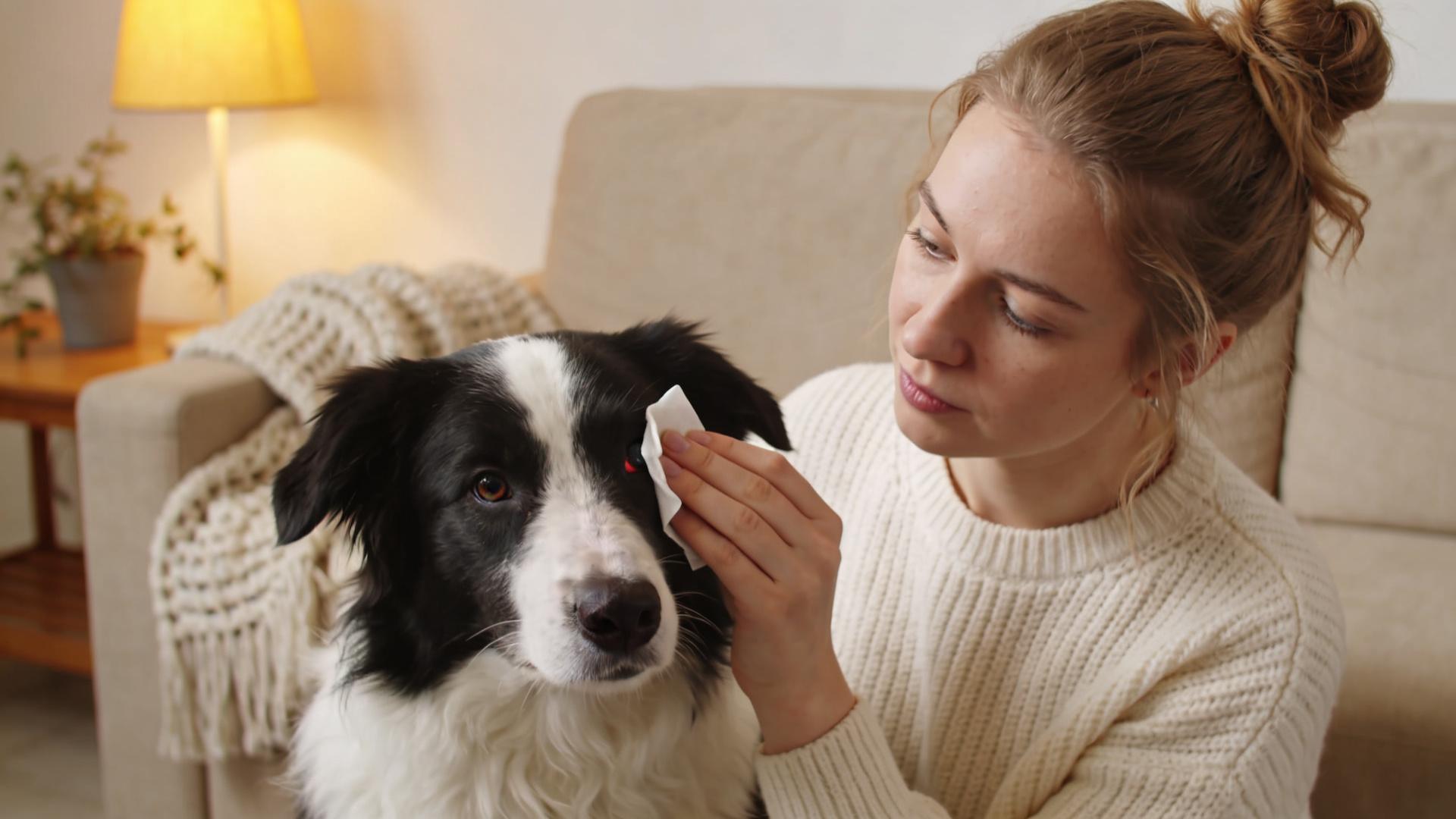
🧽 Your Step-by-Step Guide to Safe Cleaning
Patience and gentleness are key. Always have tasty treats on hand to create a positive association.
Method 1: How to Use Dog Eye Wipes
1. Wash Your Hands: Start with clean hands to prevent transferring bacteria.
2. Choose the Right Wipe: Select a wipe from a sealed package. Look for the best eye wipes for dogs that are fragrance-free and vet-recommended.
3. Secure Your Dog: Have your dog sit or lie down comfortably. You may need an assistant to offer gentle restraint and treats.
4. Wipe Gently: Using a fresh wipe for each eye, start from the inner corner (near the nose) and wipe outward, following the natural contour of the eye. Never wipe from the outside in, as this can drag debris into the tear duct.
5. Address Crusts: For crusty material, hold the wipe against it for a few seconds to soften it before gently wiping it away.
6. Use a Fresh Area: Fold the wipe to use a clean section for the other eye or for a second pass.
7. Praise and Reward!
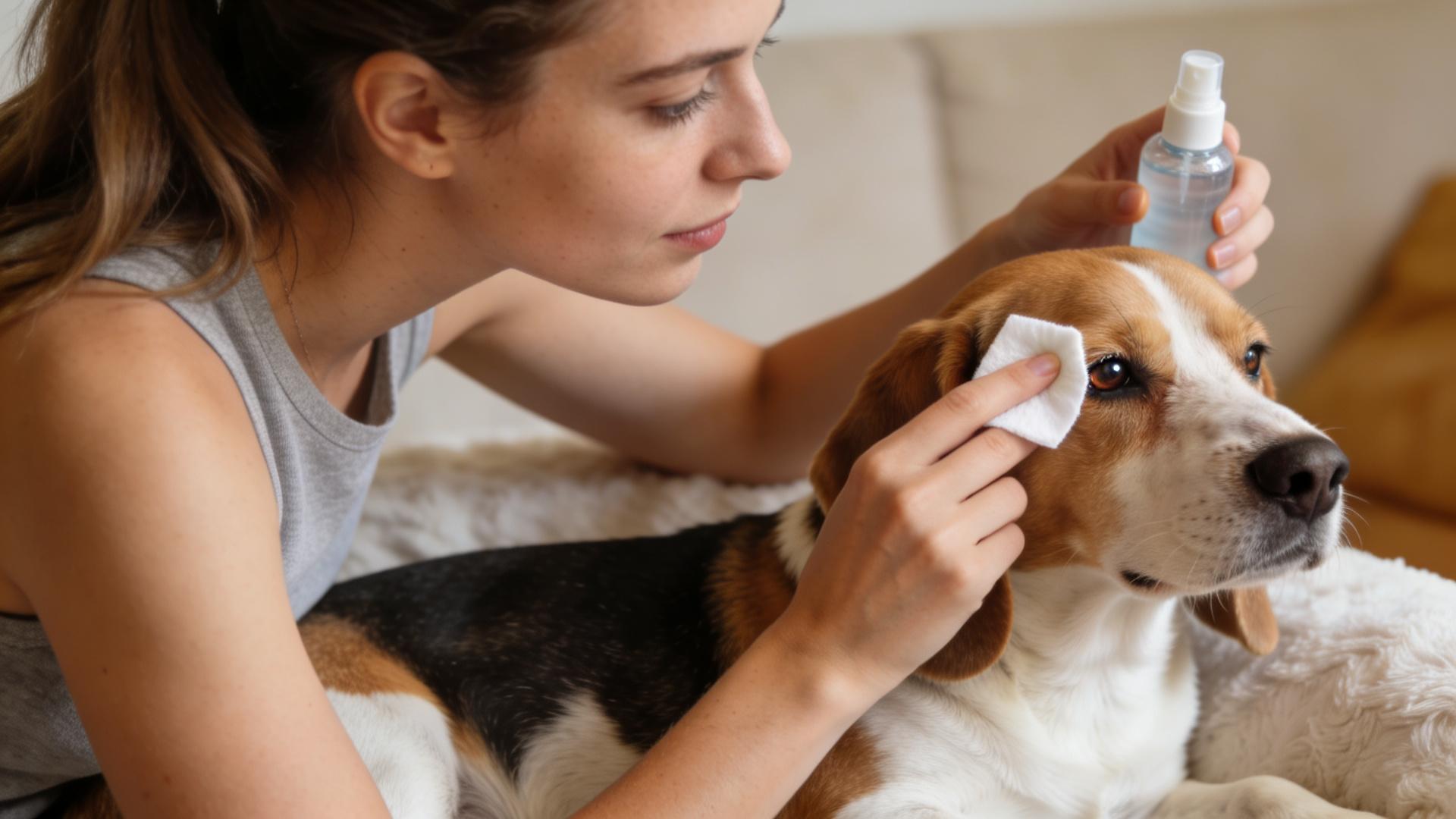
Method 2: How to Use Saline Solution for Dog Eye Cleaning
1. Gather Supplies: Sterile saline solution, sterile cotton balls or gauze pads, and treats.
2. Wash Your Hands.
3. Soften the Discharge: Soak a cotton ball generously with warm saline solution for dog eye cleaning. Hold it against the crusted discharge for 15-30 seconds to soften it.
4. Wipe Away: Using a very gentle motion, wipe the softened discharge from the inner corner outward. Use a fresh cotton ball for each eye and each wiping pass.
5. Flush (If Needed): To flush loose debris, hold the saline bottle above the eye and gently squeeze a small stream across the eyeball, allowing it to drain out onto a towel. Do not let the bottle tip touch the eye, as this will contaminate the solution.
6. Dry Gently: Use a soft, dry cloth or a fresh cotton ball to pat the surrounding fur dry.
7. Praise and Reward!
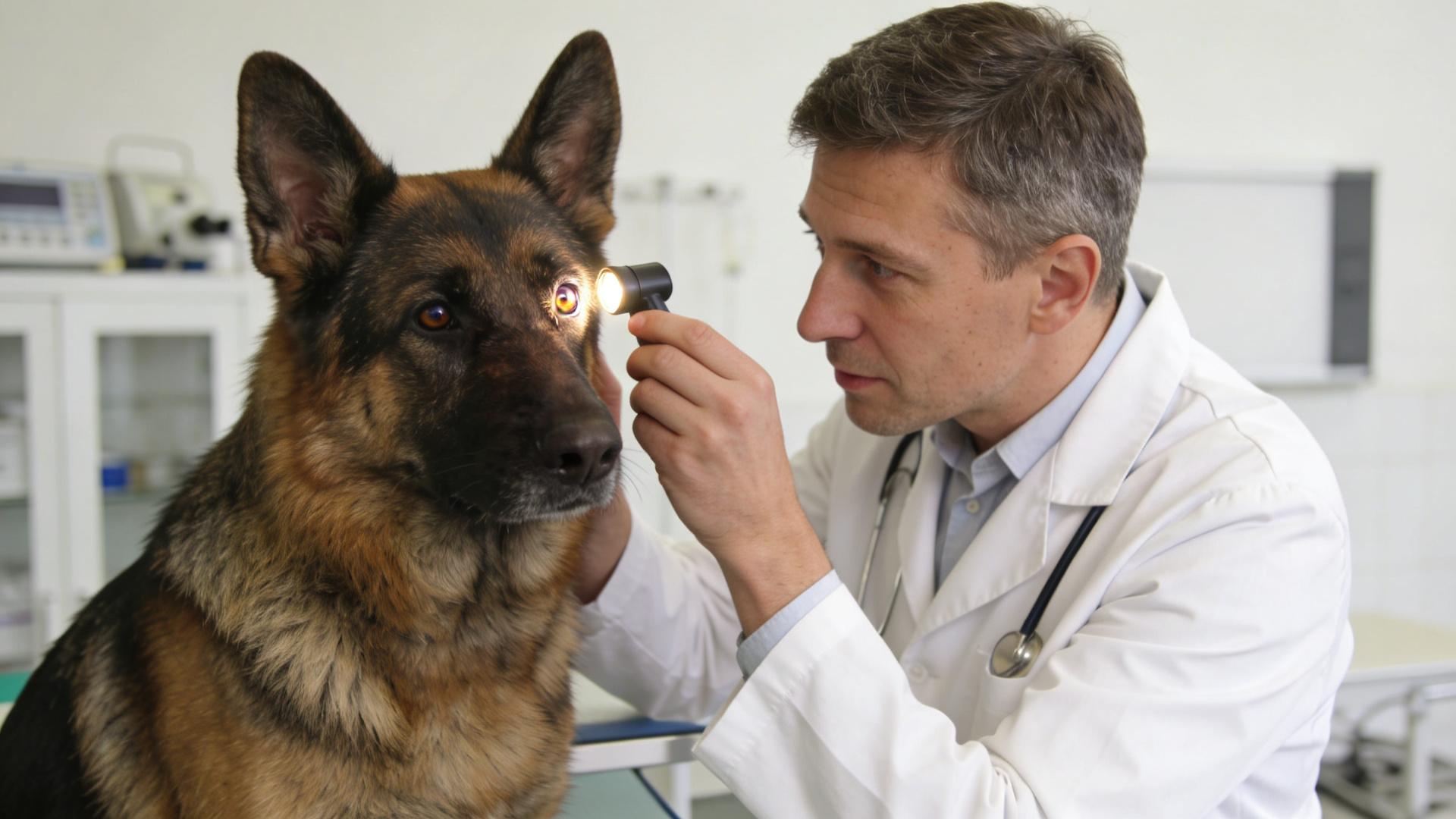
⚠️ Critical Safety Precautions and Red Flags
Even with the best intentions, mistakes can happen. Follow these rules for safe eye cleaning for dogs: : Never use human medicated eye drops (like Visine) unless explicitly prescribed by your vet. They can constrict blood vessels and cause serious damage. : Avoid harsh chemicals: Soap, shampoo, hydrogen peroxide, and alcohol are strictly forbidden near the eyes. : Don't use dry cotton or tissue to wipe, as fibers can stick and irritate the eye. : Be mindful of pressure: Never press on the eyeball itself. : Maintain sterility: Once opened, saline bottles have a limited shelf life. Do not use after the expiration date.
🔴 When to See a Vet for Dog Eye Discharge
Home care is for maintenance and mild issues. Your veterinarian is your partner in your dog’s eye health. Contact your vet immediately if: : The discharge is yellow, green, or bloody. : Your dog is squinting, pawing at the eye excessively, or seems in pain. : The eye appears red, swollen, or cloudy. : The third eyelid is protruding. : There is any change in your dog’s vision. : The discharge does not improve with gentle cleaning within a day, or it worsens.
Conditions like corneal ulcers, glaucoma, dry eye (KCS), or conjunctivitis require professional diagnosis and specific dog eye discharge treatment. Delaying can risk permanent vision loss.

🔑 Conclusion: Building a Routine for Canine Eye Health
Both eye wipes for dogs and saline solution for dogs have a valuable place in your dog eye care toolkit. For quick daily cleanup of minor crusts and tear stains, wipes offer unbeatable convenience. For flushing, irrigating, and tackling more stubborn gunk, sterile saline is a gentle and effective staple. The correct way to handle eye discharge in dogs combines the right product for the situation, a gentle and safe technique, and the wisdom to know when a professional is needed.
By incorporating these dog eye health tips into your grooming routine, you’re doing more than just keeping your dog’s face clean—you’re actively monitoring a vital sensory organ and catching potential problems early. A little prevention and attentive care go a long way in ensuring your furry friend’s bright, healthy eyes for years to come.