Cleaning biofilm from dog food and water bowls: Prevent bacteria from entering through the mouth

S

Peter

Dec 6,2026 • 5 Min Read

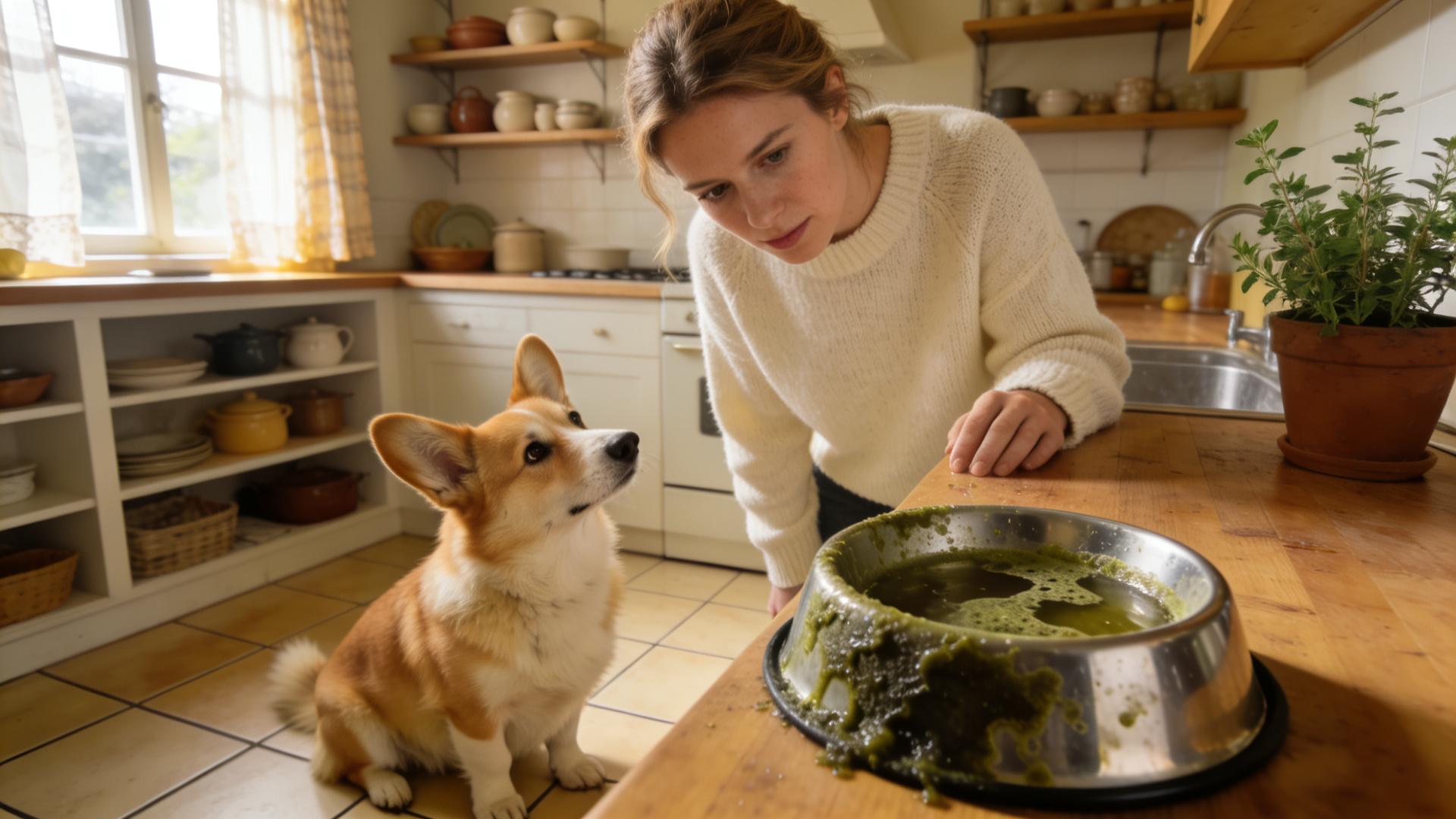
Have you ever reached into your dog’s water bowl and felt a slippery, slimy film coating the surface? If so, you’ve encountered biofilm—a silent, sticky breeding ground for dangerous pathogens. This common oversight isn't just about cleanliness; it's a direct line for bacteria like E. coli and Salmonella to enter your dog's system, leading to serious health issues. This guide provides the authoritative, actionable steps you need to eliminate this hazard for good.
Cleaning biofilm from dog food and water bowls: Prevent bacteria from entering through the mouth

🦠 What Is Biofilm? The Slimy Secret on Your Dog's Bowl

Biofilm is a thin, resilient layer of bacteria, fungi, and other microorganisms that adhere to a surface and secrete a protective, glue-like slime. Think of it as the plaque on your teeth or the slippery layer inside a long-forgotten water bottle. In the context of your dog's bowl, it forms on constantly damp surfaces, creating a fortress for microbes that simple rinsing cannot penetrate.

Why a "Quick Rinse" is a Complete Failure

Many owners believe running a bowl under the tap is sufficient. This is a dangerous misconception. Rinsing only removes loose debris, while the structured, adhesive biofilm community remains intact and continues to thrive.

⚠️ Why Biofilm is a Serious Health Hazard for Dog and Human

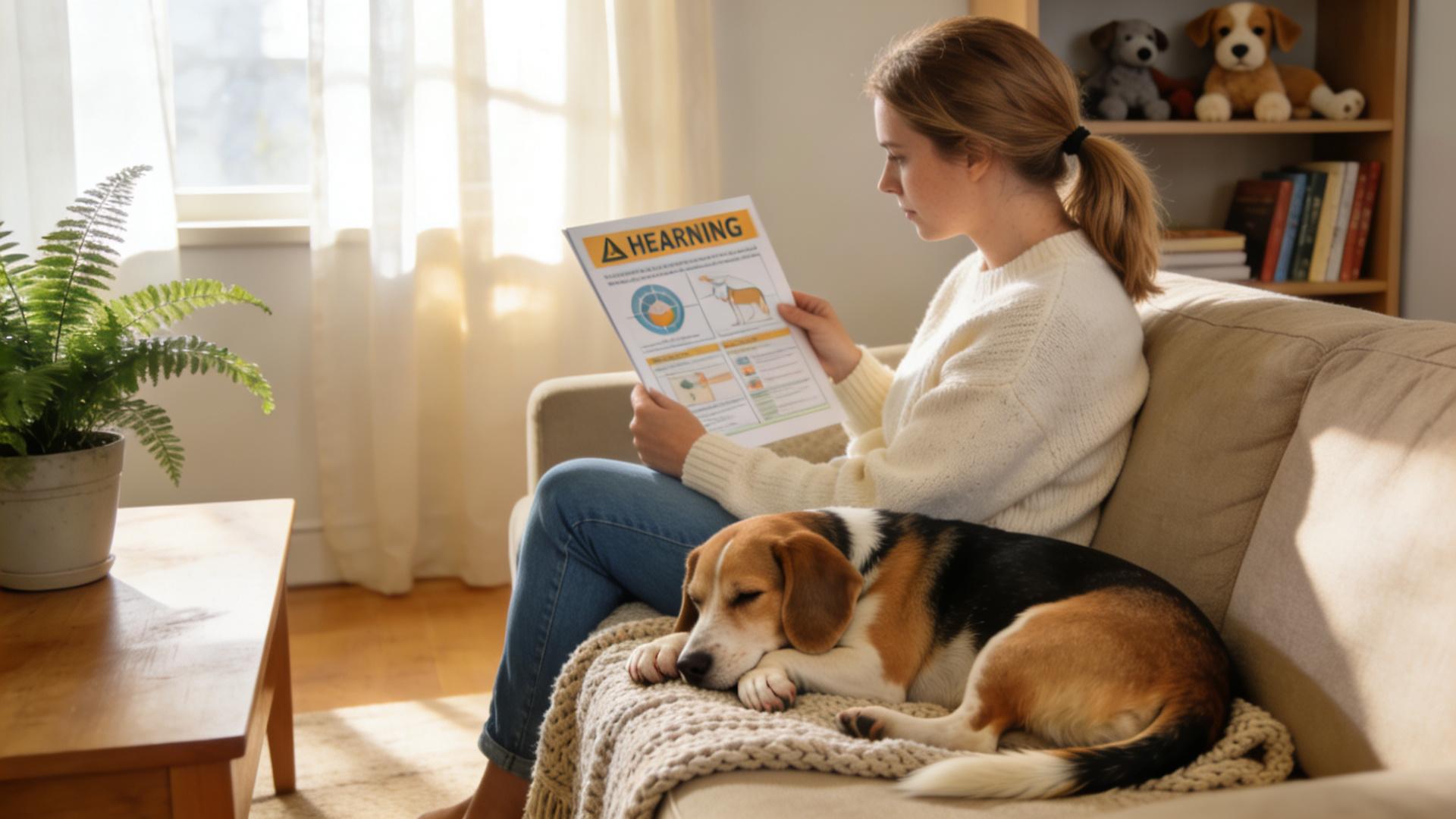
Ignoring this slime poses a multi-pronged threat. The risks extend beyond a simple upset stomach.
Cleaning biofilm from dog food and water bowls: Prevent bacteria from entering through the mouth

Risks to Your Dog's Health

Risks to Human Family Members

This is a zoonotic concern. Handling contaminated bowls, especially for children, the elderly, or immunocompromised individuals, can lead to cross-contamination and illness. The question "Can dirty dog bowls make you sick?" has a resounding yes for an answer.

Advertisement

🧽 The Complete Guide to Cleaning & Sanitizing Dog Bowls

Eradicating biofilm requires a two-pronged approach: mechanical scrubbing and chemical dissolution. Here is your definitive protocol.

Required Materials

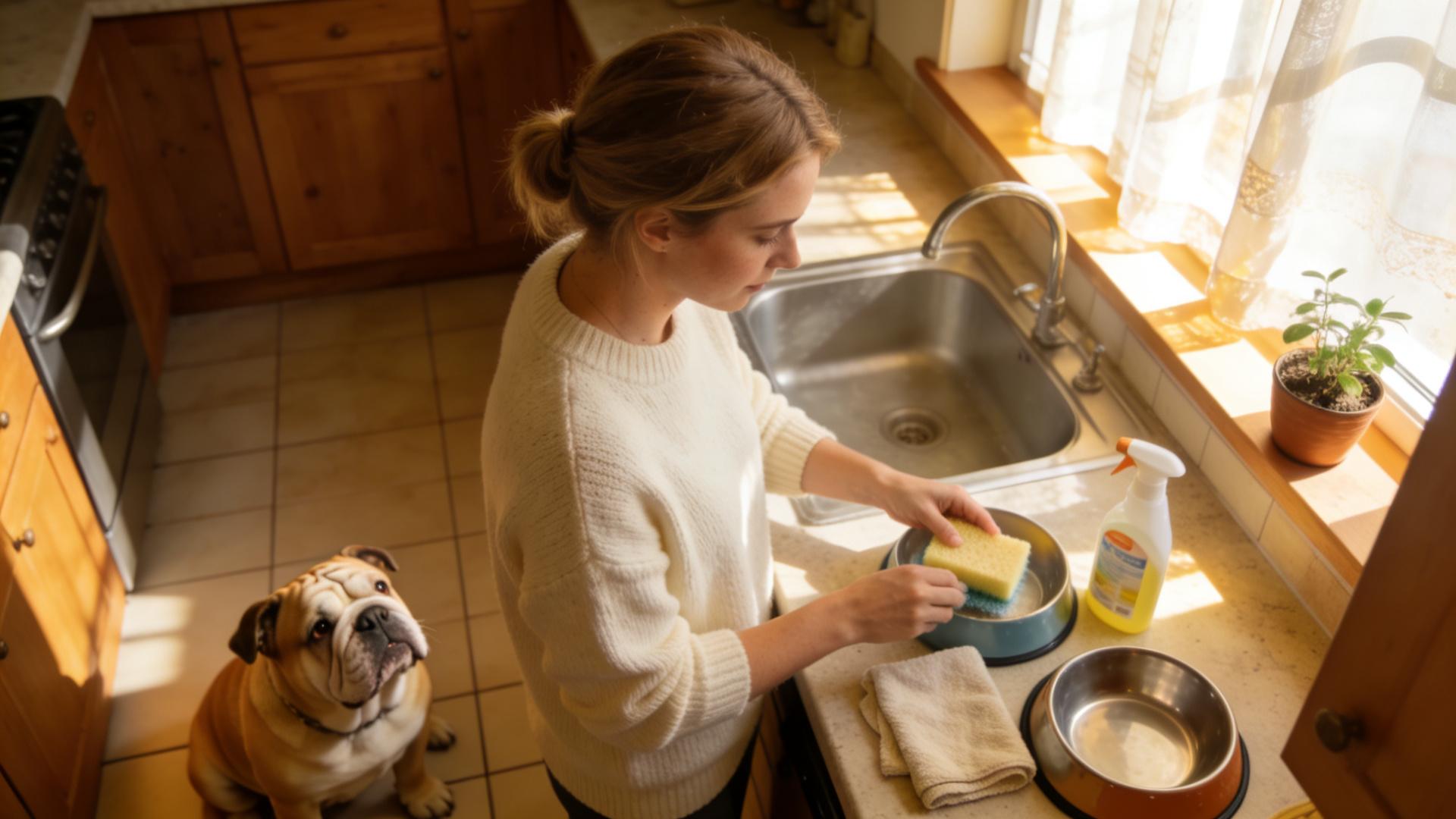
You likely have everything you need at home: hot water, dish soap, distilled white vinegar, baking soda, and a dedicated brush or sponge (never use the one for human dishes!).
Cleaning biofilm from dog food and water bowls: Prevent bacteria from entering through the mouth

Step-by-Step Deep Cleaning Instructions

  1. Daily Wash: After every single meal, wash bowls with hot, soapy water and scrub thoroughly.
  2. Vinegar Soak: For a weekly deep clean, create a 1:1 mixture of vinegar and water. Soak bowls for 10-15 minutes. Vinegar is a natural acid that breaks down the biofilm matrix.
  3. Vigorous Scrubbing: Using your dedicated brush, scrub the entire bowl, paying special attention to the rim and bottom. You should feel the slime coming off.
  4. For Stubborn Film: Make a paste with baking soda and a little water. Use it as an abrasive scrub on any remaining residue. This is highly effective for how to clean biofilm off dog stainless steel bowls.
  5. Thorough Rinse: Rinse the bowl completely under clean, running water to remove all vinegar, soda, or soap traces.
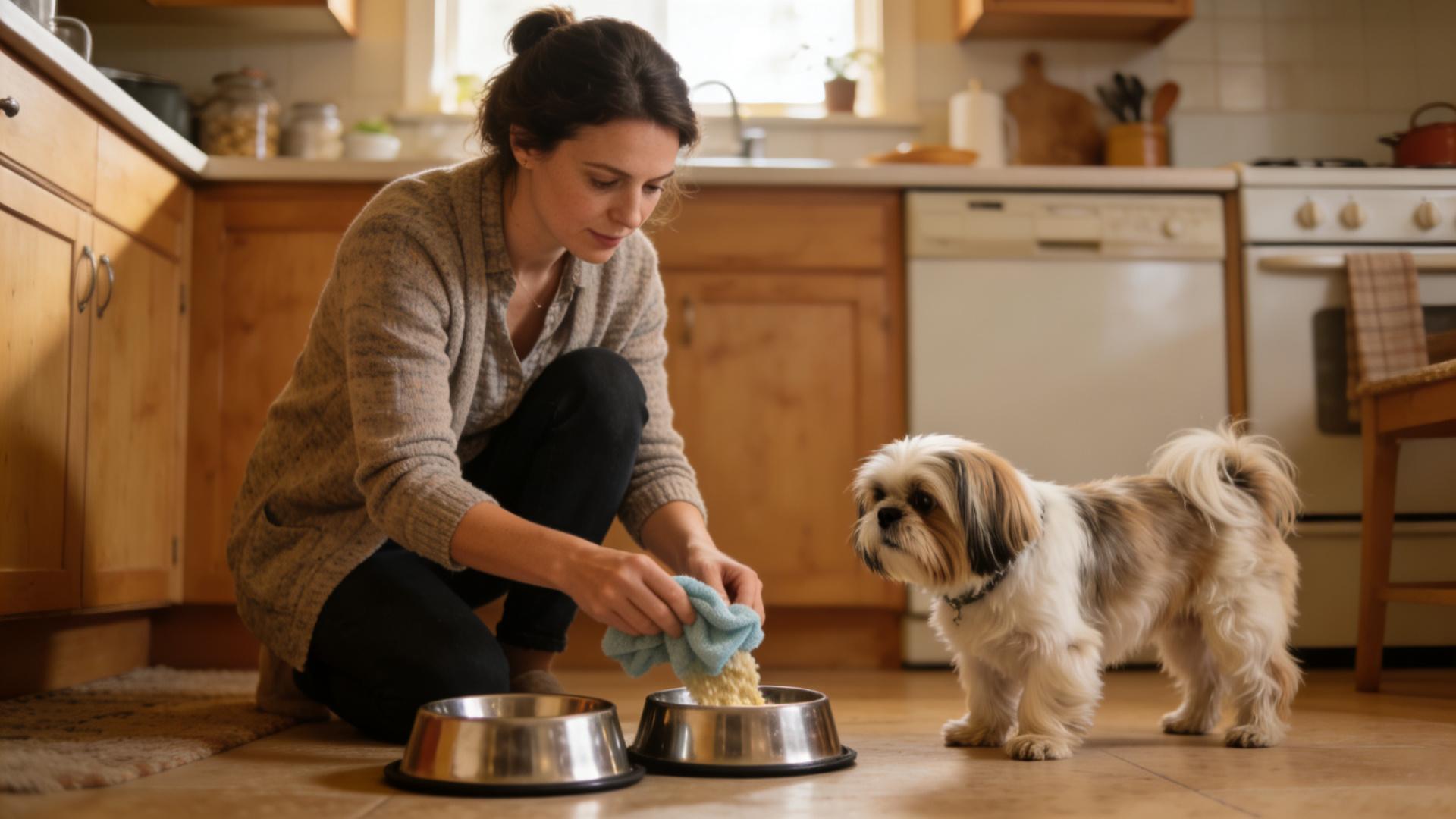
  6. Dry Completely: This is CRITICAL. Dry the bowl instantly with a clean towel. Never air dry, as residual moisture is an invitation for bacteria to return.

The Best (& Worst) Bowl Materials

Your bowl material dramatically impacts biofilm formation. Stainless steel is the gold standard: non-porous, durable, and easy to sanitize. Avoid plastic bowls. They scratch easily, and those microscopic grooves become permanent bacteria hotels. Ceramic bowls are good if they have a glazed, non-porous finish.
Cleaning biofilm from dog food and water bowls: Prevent bacteria from entering through the mouth

🛡️ Proven Prevention Strategy: A Daily & Weekly Routine

Consistency is the key to preventing dog bowl biofilm. Implement this routine to ensure ongoing safety.

Cleaning biofilm from dog food and water bowls: Prevent bacteria from entering through the mouth

🔬 The Bigger Picture of Pet Health

Maintaining hygienic feeding stations is as crucial as providing quality food and regular vet care. It's a simple, often overlooked pillar of preventive health that protects your dog's liver, kidneys, and overall vitality from constant, low-grade bacterial assault.

Special Reminder: Always consult your veterinarian if your dog shows signs of illness, and discuss canine dental care as part of a holistic oral health strategy, which includes clean bowls.
Cleaning biofilm from dog food and water bowls: Prevent bacteria from entering through the mouth
Advertisement

Conclusion: Your Action Plan for a Healthier Hound

Cleaning biofilm from dog bowls is not a chore; it's a critical act of responsible pet ownership. This easy, routine practice is your first line of defense against preventable infections for both your pet and your family.

Read More Article→
Advertisement

Found this article helpful?

Share it with more new dog owners and raise pets scientifically together.

You May Have Missed

Rainy Season Moisture Control Guide: How to Keep Your Dog's Bed and Mat Dry and Mold-Free
Care

Rainy Season Moisture Control Guide: How to Keep Your Dog's Bed and Mat Dry and Mold-Free

The pitter-patter of rain might be soothing, but for dog owners, the wet season brings a silent, sneaky challenge: the battle against a damp, musty dog bed. That cozy nest your furry friend loves can quickly become a haven for mold, mildew, and harmful bacteria. This isn't just about a smelly inconvenience; it's a direct threat to your dog's health, potentially leading to skin infections, allergic reactions, and respiratory issues. The core objective of this guide is simple: to arm you with a practical, step-by-step strategy to win this battle. We'll transform you from a reactive cleaner into a proactive protector of your pet's sleeping environment, ensuring their sanctuary stays dry, fresh, and healthy, no matter how high the humidity climbs. Let's dive into the ultimate playbook for mastering the art of how to keep dog bed dry.

Hair care during the awkward shedding period: Nutritional supplements and grooming suggestions
Care

Hair care during the awkward shedding period: Nutritional supplements and grooming suggestions

The sight of tumbleweeds of fur rolling across your floor and the constant presence of dog hair on every dark item of clothing is a universal experience for dog owners. Welcome to the awkward shedding period, a natural but often messy phase in your canine companion's life. This isn't just about aesthetics; it's a biological process where old hair is shed to make way for new growth, regulated by factors like daylight hours (photoperiod) and temperature. Understanding this phase is the first step to transforming a frustrating time into an opportunity for enhanced bonding and superior health for your dog's coat and skin. With a strategic combination of internal nutrition and external grooming, you can successfully navigate this season, resulting in a shinier coat for your pet and a cleaner home for you.

Diagnosing ear odor in dogs: Preliminary assessment of ear disease type based on color and smell
Care

Diagnosing ear odor in dogs: Preliminary assessment of ear disease type based on color and smell

That familiar head shake. The persistent scratching. And then, you catch a whiff of something unpleasant from your dog's ears. Ear odor in dogs is never normal and is one of the most telling signs that something is amiss. For a concerned dog owner, this smell can be worrying, but it is also a crucial clue. While a definitive diagnosis always requires a veterinarian, you can learn to interpret these preliminary signs. This guide will empower you to make informed observations about dog ear discharge color and dog ear infection smell, helping you understand the potential ear disease type based on color and smell before your vet visit. Remember, this is a preliminary assessment of ear disease, not a replacement for professional care.

Nail care in humid environments: daily maintenance to prevent paronychia.
Care

Nail care in humid environments: daily maintenance to prevent paronychia.

If you live in a tropical, coastal, or simply muggy area, you're no stranger to the dampness that hangs in the air. While you might find it uncomfortable, for your dog, this persistent humidity can pose a serious, hidden threat to their paw health: paronychia. This painful nail bed infection is more than just a minor irritation; it's a condition where bacteria or fungi invade the sensitive skin around the claw, leading to swelling, redness, and significant discomfort for your furry friend. Humidity acts as an incubator, creating the perfect warm, moist environment for these pathogens to thrive. This article is your comprehensive, step-by-step manual on preventing paronychia in dogs through diligent, daily maintenance, ensuring your dog's paws stay healthy and happy, no matter the weather.

Extreme weather protection
Care

Extreme weather protection

As a devoted dog owner, you’re likely attuned to your furry friend's every whimper and tail wag. But when extreme weather strikes—be it blistering heat, bone-chilling cold, or violent storms—our canine companions rely entirely on us for their safety and well-being. Extreme weather protection for dogs isn't a luxury; it's a fundamental aspect of responsible pet ownership. This comprehensive guide merges essential veterinary knowledge with practical, actionable steps to equip you for anything Mother Nature throws your way. Whether you're a new puppy parent or a seasoned dog handler, understanding these health and safety principles is crucial for your pet's long-term vitality.

Rust removal from dog fences and cages: to prevent poisoning from ingesting rust.
Care

Rust removal from dog fences and cages: to prevent poisoning from ingesting rust.

For dog owners, pet care professionals, and kennel operators, maintaining a safe environment is paramount. One often-overlooked hazard is the silent creep of rust on metal dog fences, cages, and crates. Curious dogs may lick, chew, or ingest flaking rust, leading to potential heavy metal poisoning and other serious health complications. Proactive rust removal from dog fences and enclosures is not just about aesthetics; it's a critical component of responsible pet care. This authoritative guide will walk you through the why and how, providing actionable, dog-safe methods to eliminate this danger.