For many dog owners, bath time is the main event—the suds, the scrubbing, the sometimes comedic struggle. The job feels done once the last rinse is complete. However, this mindset overlooks the most critical step in the entire grooming process: thorough drying. Incomplete drying is not merely an oversight that leaves your dog damp and uncomfortable; it is an active risk factor that creates a perfect, humid breeding ground for serious and painful skin conditions. Understanding the science behind this process is the cornerstone of proactive, preventative canine care. This article delves deep into why skipping this step is one of the most common and detrimental dog bathing mistakes, and how a proper routine is your best defense.
🚨 The Unseen Trap: How a Wet Coat Betrays Its Purpose
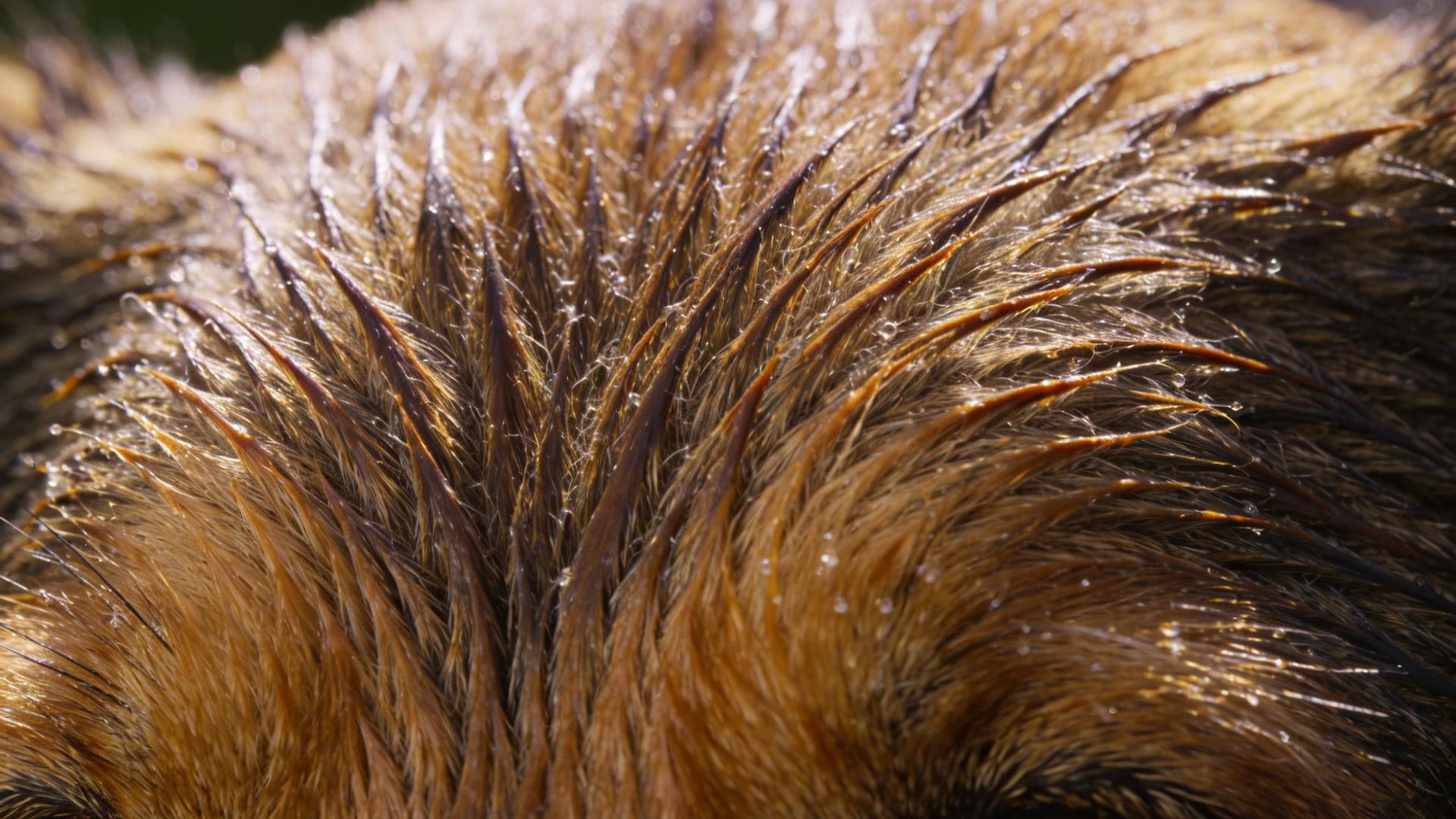
A dog's coat is a marvel of natural engineering, designed to insulate, protect, and regulate temperature. Yet, when left wet, this protective system backfires dramatically. The dense layers, particularly the undercoat in breeds like Golden Retrievers, Huskies, and Samoyeds, act as a thick barrier that traps moisture directly against the skin. This isn't surface-level dampness; it's a deeply embedded, lingering wetness that can take hours or even an entire day to evaporate naturally.
🔬 The Anatomy of Trapped Moisture
Consider these high-risk zones where moisture becomes a persistent resident:
- Undercoat Density: In double-coated breeds, the fine, wooly undercoat is designed to hold air for insulation. When wet, it holds water with tenacity, creating a soggy blanket on the skin.
- Skin Folds: Breeds such as Bulldogs, Pugs, Shar-Peis, and Basset Hounds have adorable folds that are prime real estate for moisture accumulation. These areas see minimal air circulation, turning into warm, damp incubators.
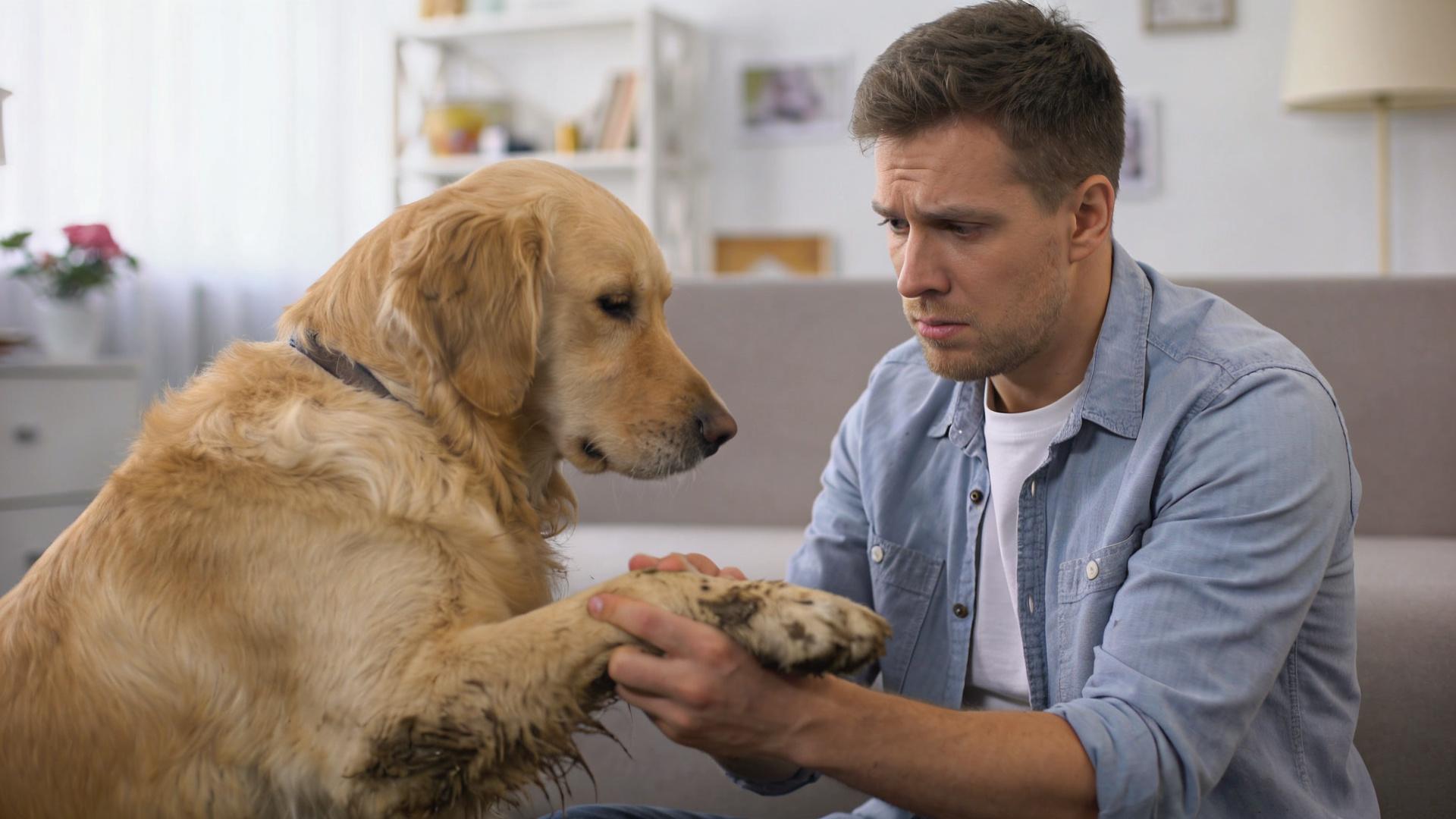
- Paw Pads and Webbing: The spaces between toes and foot pads are often neglected during drying.
- Armpits and Groin: These areas, with less coat coverage but constant skin-to-skin contact, are highly susceptible.
- Ears (especially floppy-eared breeds): Water that runs into the ear canal during a bath creates a dark, moist environment ideal for pathogens.
💥 The Consequence: A Perfect Storm for Infection
Trapped moisture doesn't just make your dog cold. It initiates a cascade of biological changes that compromise skin health.
🦠 1. Fungal Infections: The Yeast Feast
A small amount of yeast, primarily Malassezia pachydermatis, is a normal inhabitant of canine skin. In a dry state, it's harmless. However, a damp coat provides the ideal condition—warmth, humidity, and a softened skin barrier—for this yeast to proliferate uncontrollably. This overgrowth leads to yeast dermatitis, characterized by:
- Intense, persistent itching
- A distinctly musty, cheesy odor
- Greasy, reddened skin, often with a dark pigmentation over time
- Common locations: ears, paw pads, armpits, neck folds, and around the muzzle.
Treating a systemic yeast infection often requires medicated shampoos (like those with chlorhexidine and miconazole), and sometimes oral antifungals—a lengthy and avoidable ordeal.
🧫 2. Bacterial Imbalance: From Resident to Invader
Similarly, the skin's bacterial flora is thrown into disarray. Harmful bacteria, like Staphylococcus pseudintermedius, seize the opportunity to multiply on the macerated skin. This leads to superficial bacterial folliculitis—an infection of the hair follicles. Signs include:
- Pustules (small pimples)
- Papules (red bumps)
- Scabbing, excessive scaling ("dandruff")
- Circular patches of hair loss that can mimic ringworm
🔥 3. Eczema and Hot Spots: The Rapid-Fire Reaction
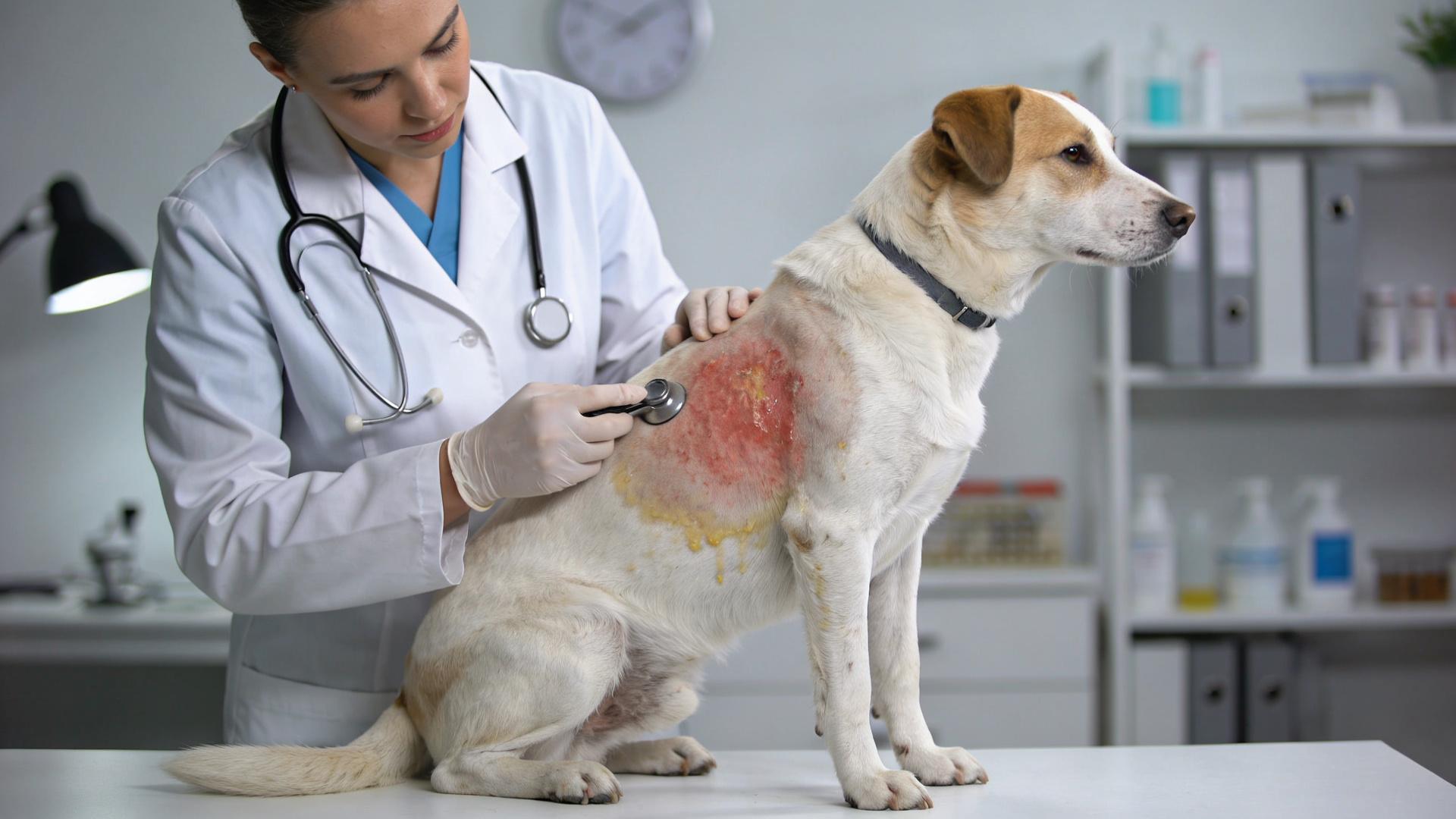
In canine terms, "eczema" often refers to acute moist dermatitis, or hot spots. These are not slow-building conditions; they can explode in size within hours. Here’s the domino effect:
- The Instigator: A damp, itchy patch of skin from incomplete drying.
- The Trigger: The dog licks, chews, or scratches to relieve the itch, causing micro-trauma.
- The Explosion: Bacterial invasion of the broken skin, leading to a painful, oozing, red, inflamed sore that spreads rapidly as the dog continues to traumatize the area.
Hot spots are exceptionally painful and often require veterinary intervention: clipping the area, topical and systemic antibiotics, anti-inflammatories, and protective collars.
🔄 The Vicious Cycle of Discomfort
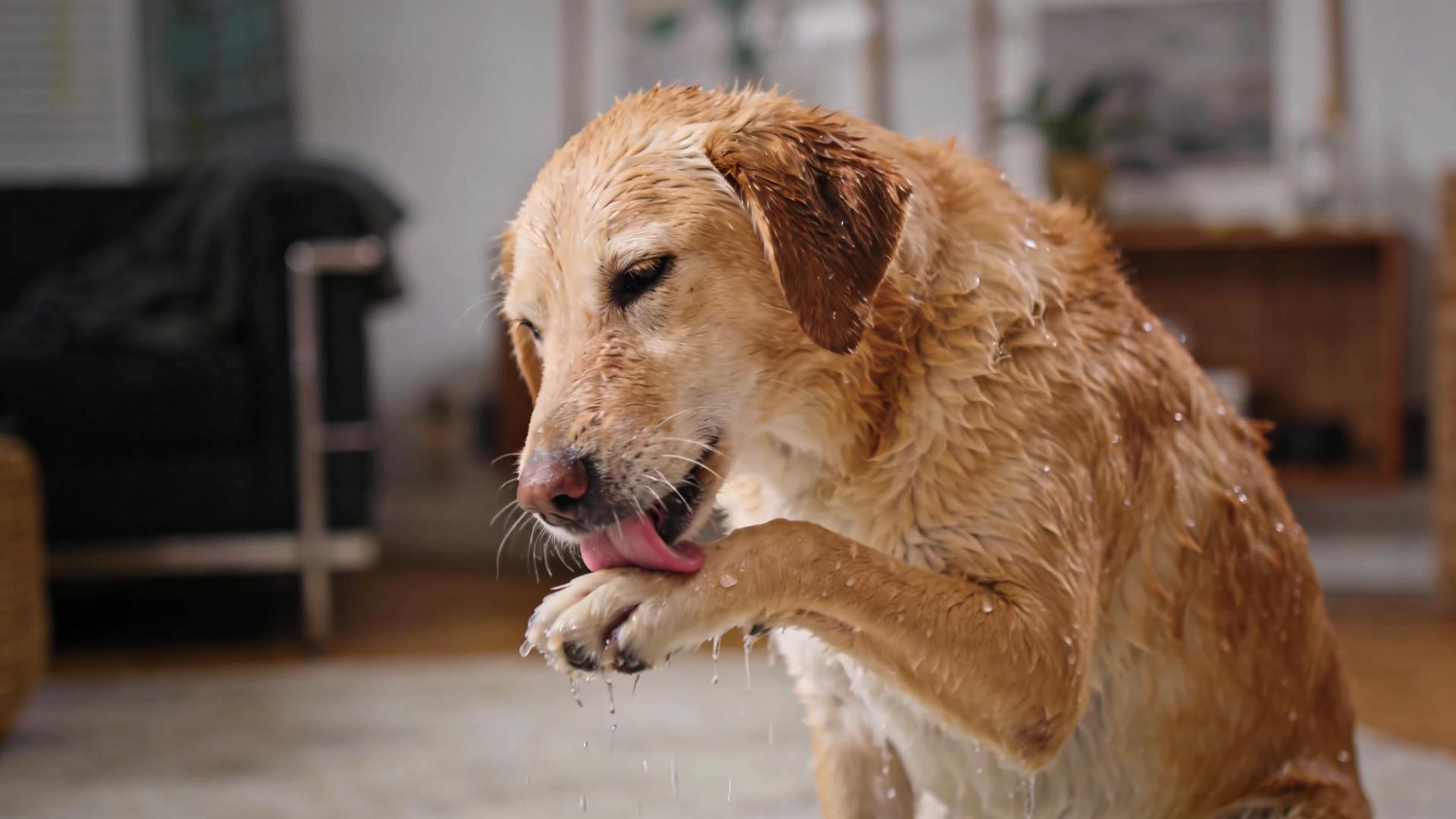
The initial itch (pruritus) from dampness leads to scratching. Scratching breaks the skin's barrier (compromising health), inviting secondary infection. The infection causes more inflammation and itching. This creates a self-perpetuating itch-scratch cycle that is notoriously difficult to break without medical help, causing significant suffering for your dog and leading to complex, costly treatments.
🛡️ The Solution: Proper Drying Technique is Non-Negotiable
Preventing this nightmare scenario hinges on one practice: meticulous, thorough drying. It is the single most effective act of preventative healthcare in your grooming routine.
🧺 Step 1: The Towel Dry – Soak, Don’t Rub
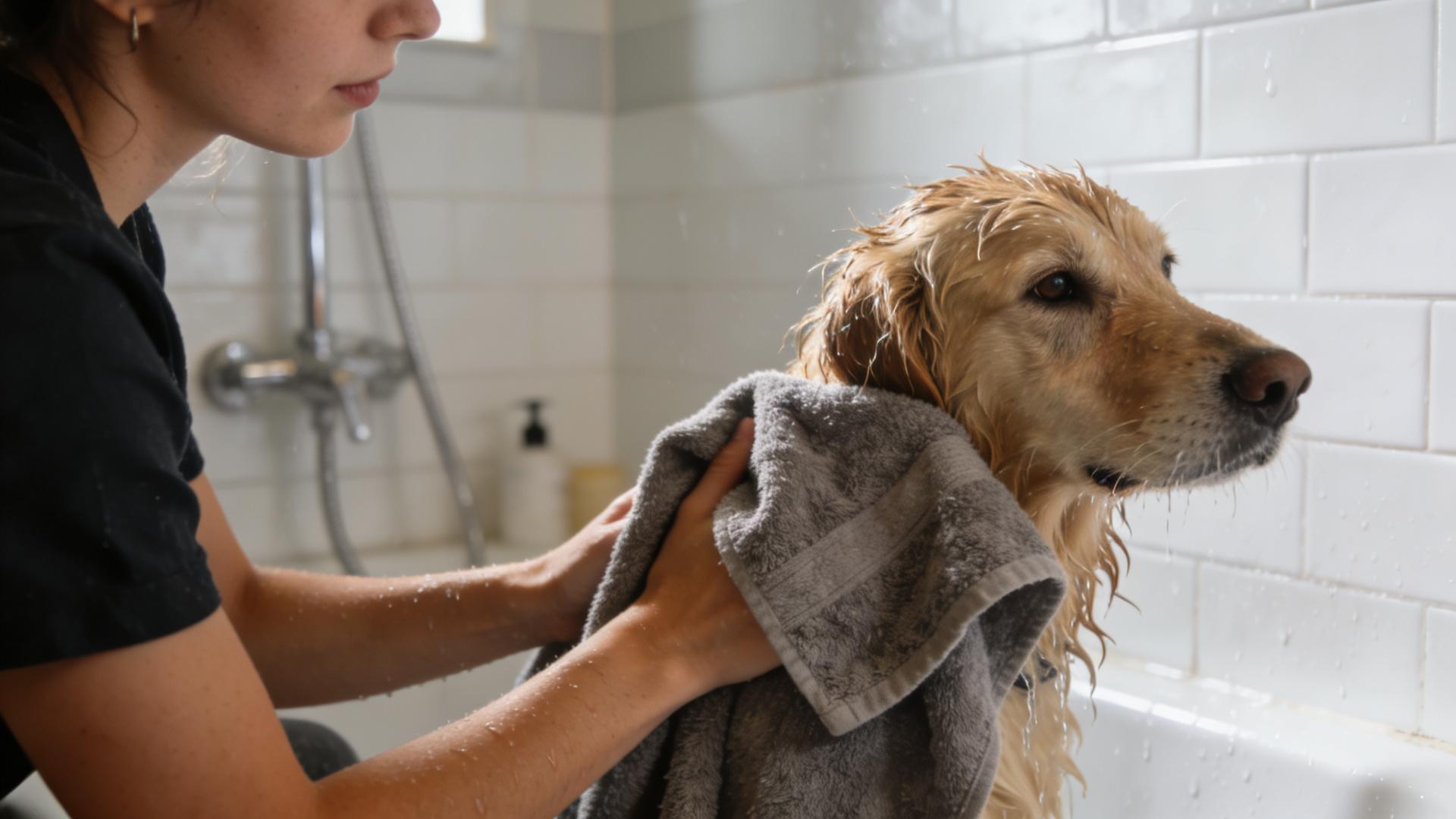
Start by removing the bulk of the water. Use a highly absorbent microfiber towel or a specialized chamois. The technique is crucial: blot and press the coat, squeezing the water into the towel. Avoid vigorous rubbing, which can tangle hair, cause breakage, and even contribute to skin irritation.
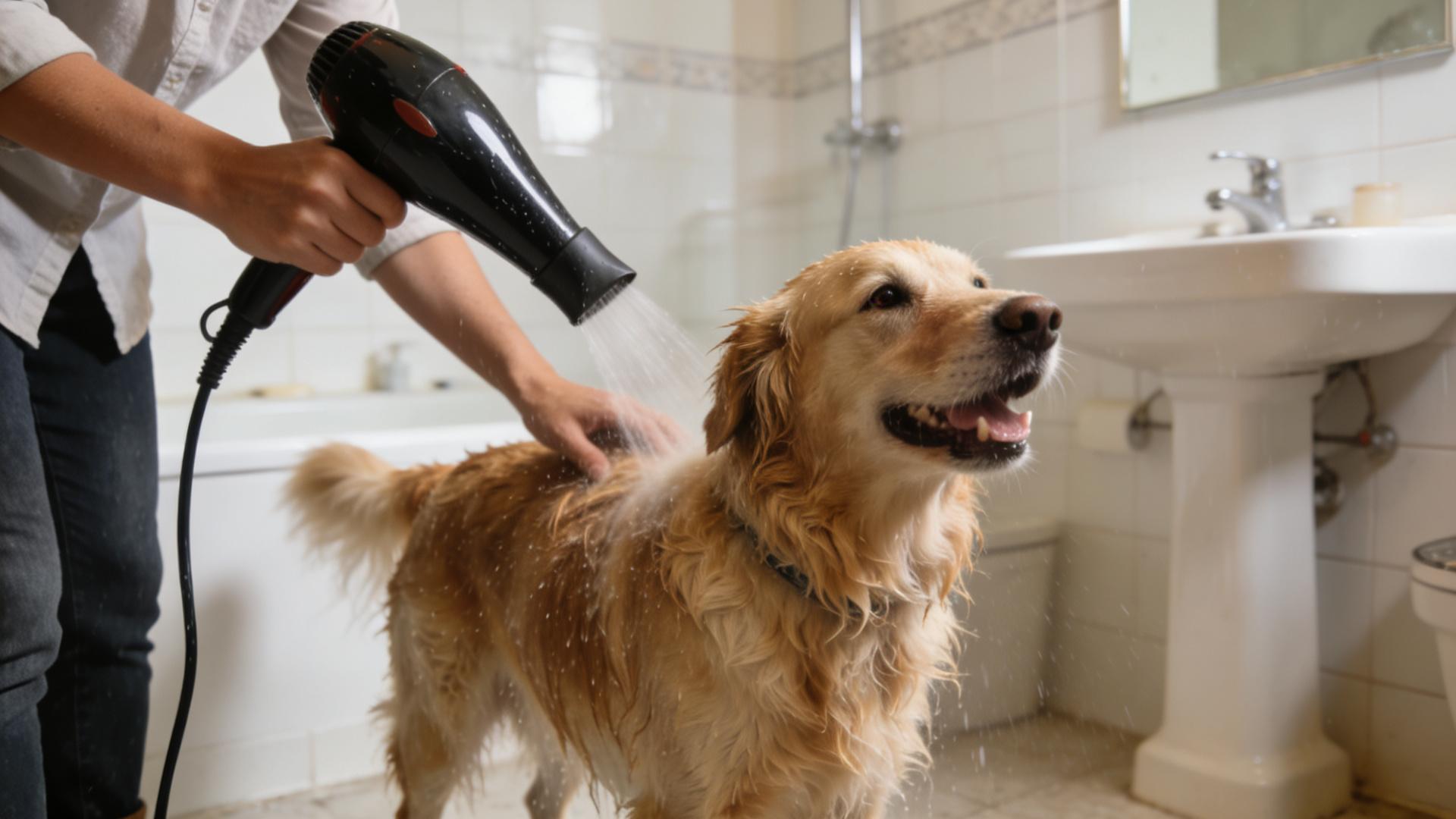
💨 Step 2: The Power of Force – High-Velocity Dryer
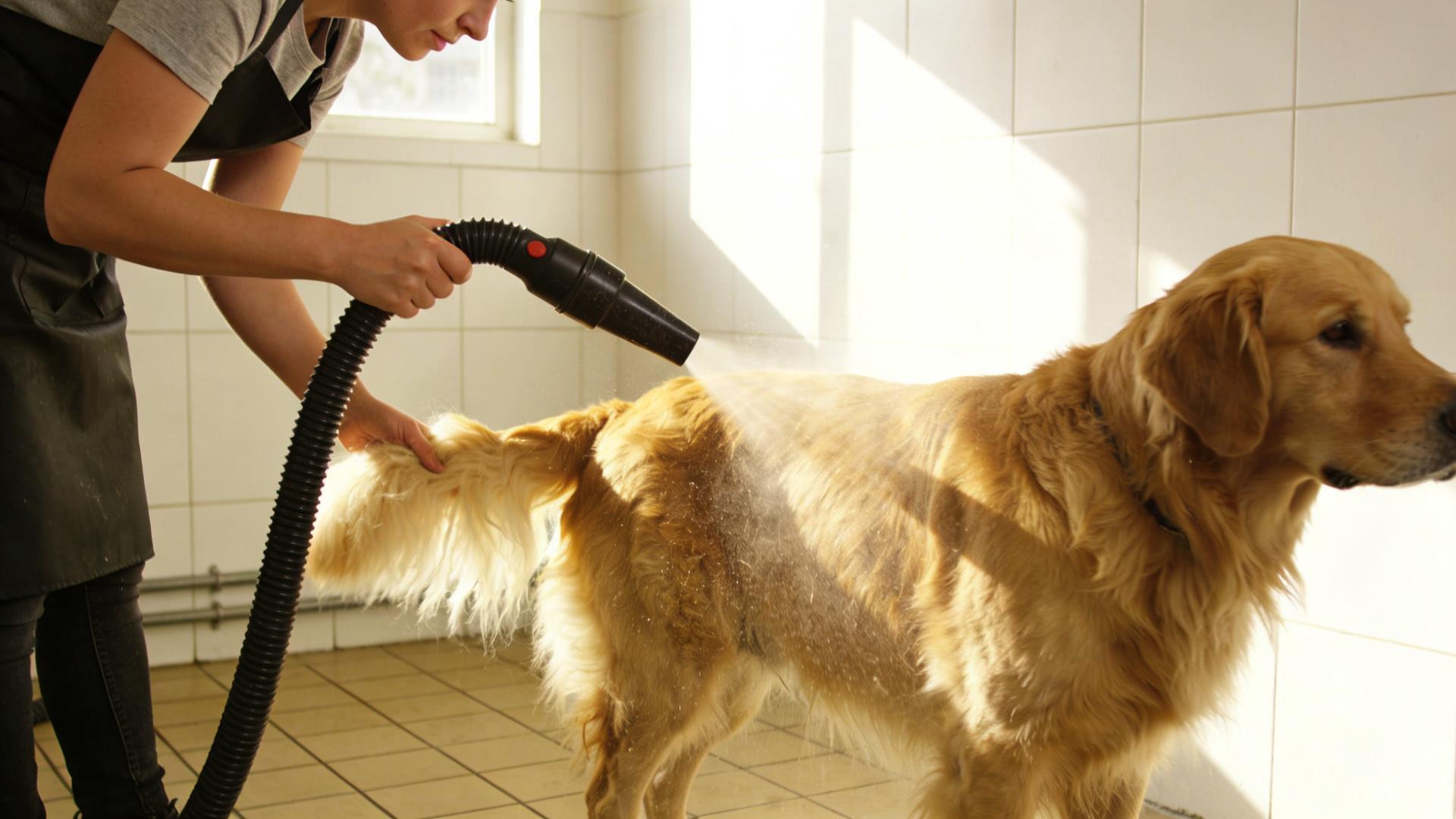
This tool is a game-changer for dog grooming drying. Unlike human hair dryers that use heat to evaporate water, a high-velocity dryer uses powerful, room-temperature air to blast water out from the skin and through the coat.
- Benefits: It reaches the undercoat, separates hairs to ensure airflow to the skin, and dramatically reduces drying time.
- How-to: Start on a low setting, holding the nozzle several inches away from the coat, and systematically work through sections, moving against the lay of the hair.
🌡️ Step 3: Final Touch – Warm Air Dryer (Optional but Recommended)
For some coats, or to ensure absolute dryness, follow up with a warm air dryer on a low heat setting. CRITICAL SAFETY NOTE: Always keep the dryer moving continuously, never hold it too close, and test the heat on your own skin first. The goal is to gently warm and dry, not bake, the skin.
🎯 Step 4: The Critical Checkpoints
Do a final, manual check of all high-risk areas. Run your fingers through the fur down to the skin in these zones to feel for any residual dampness:
- Ears: Gently dry the inner flap and ensure no moisture runs into the canal. Consider a vet-recommended drying ear cleaner post-bath.
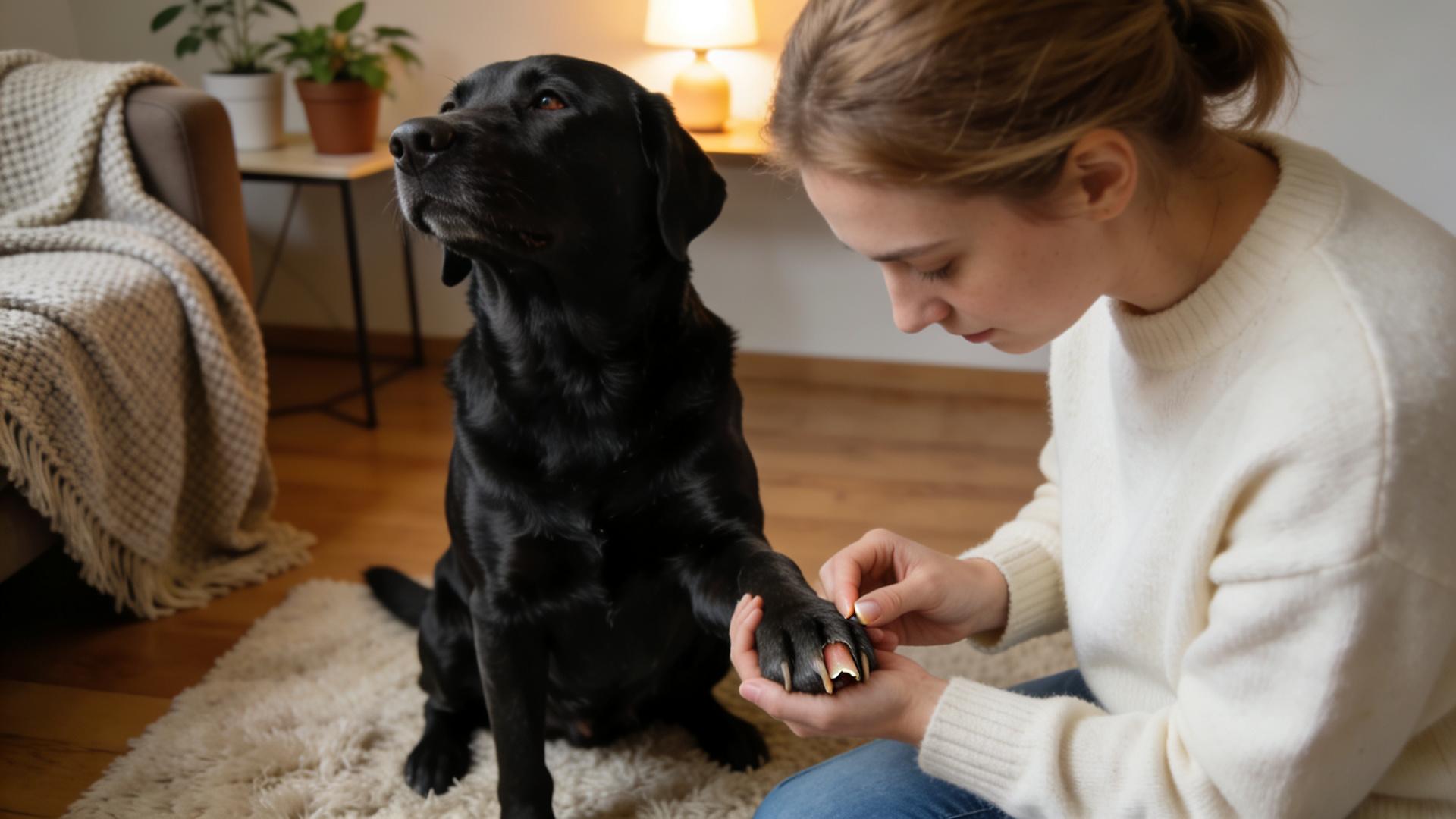
- Paw Pads & Between Toes: Spread the toes and dry thoroughly.
- Armpits & Groin: Lift legs to access and dry these contact areas.
- Under the Collar: A commonly forgotten spot!
- Tail Base and Under Chin: Especially in thick-coated breeds.
✅ Conclusion: An Act of Love and Prevention
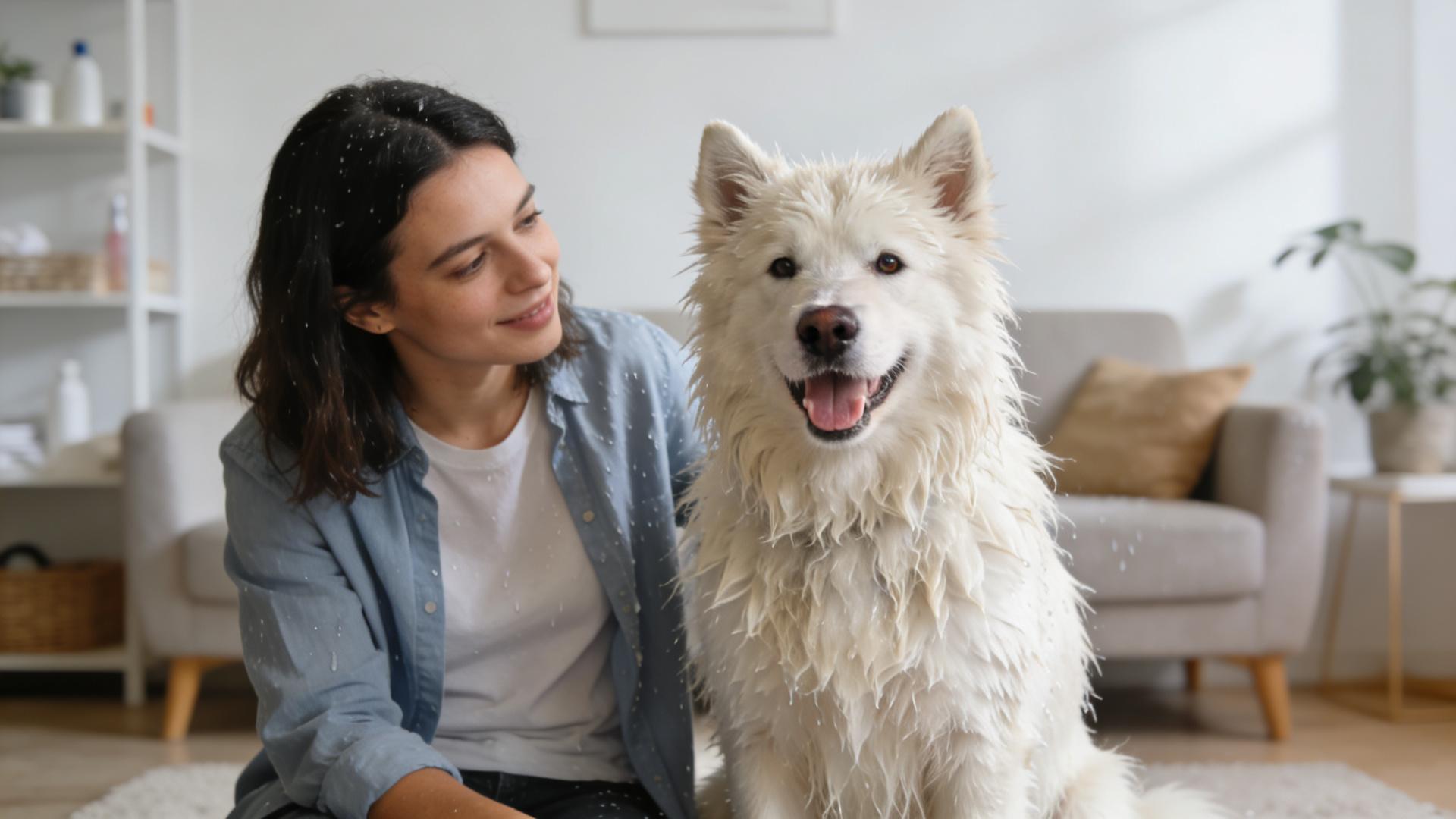
Viewing dog bath drying as an optional chore is a dangerous misconception. It is, in fact, a fundamental pillar of responsible dog health and hygiene. Thorough drying safeguards the skin's natural defenses by eliminating the humid breeding ground that invites eczema, yeast, and bacterial infections. By investing an extra 15-30 minutes in a proper drying routine, you are investing directly in your dog's long-term comfort, health, and happiness. Remember: the bath cleans them, but proper drying protects them. Make it an non-negotiable part of your dog bathing best practices.