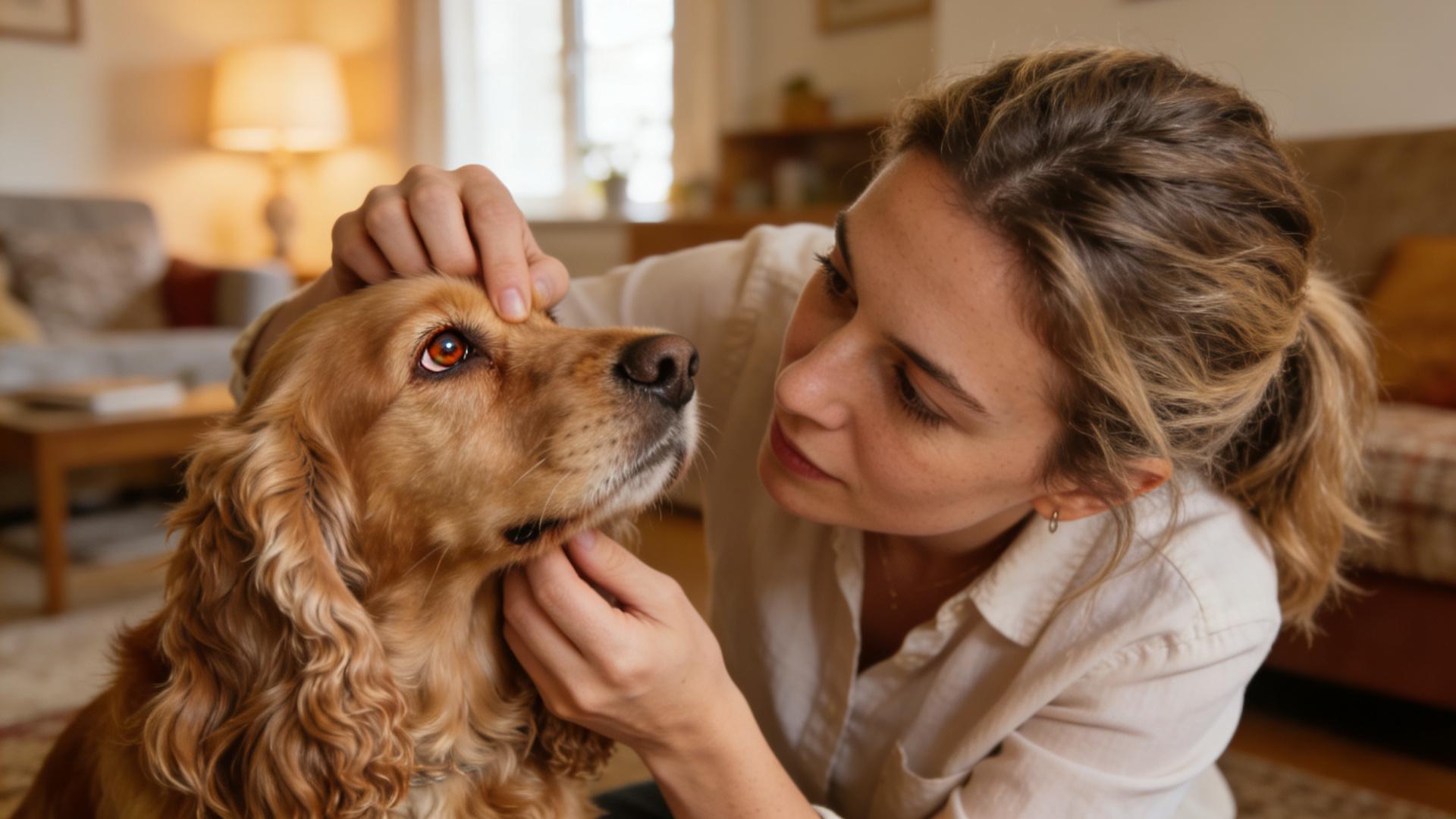
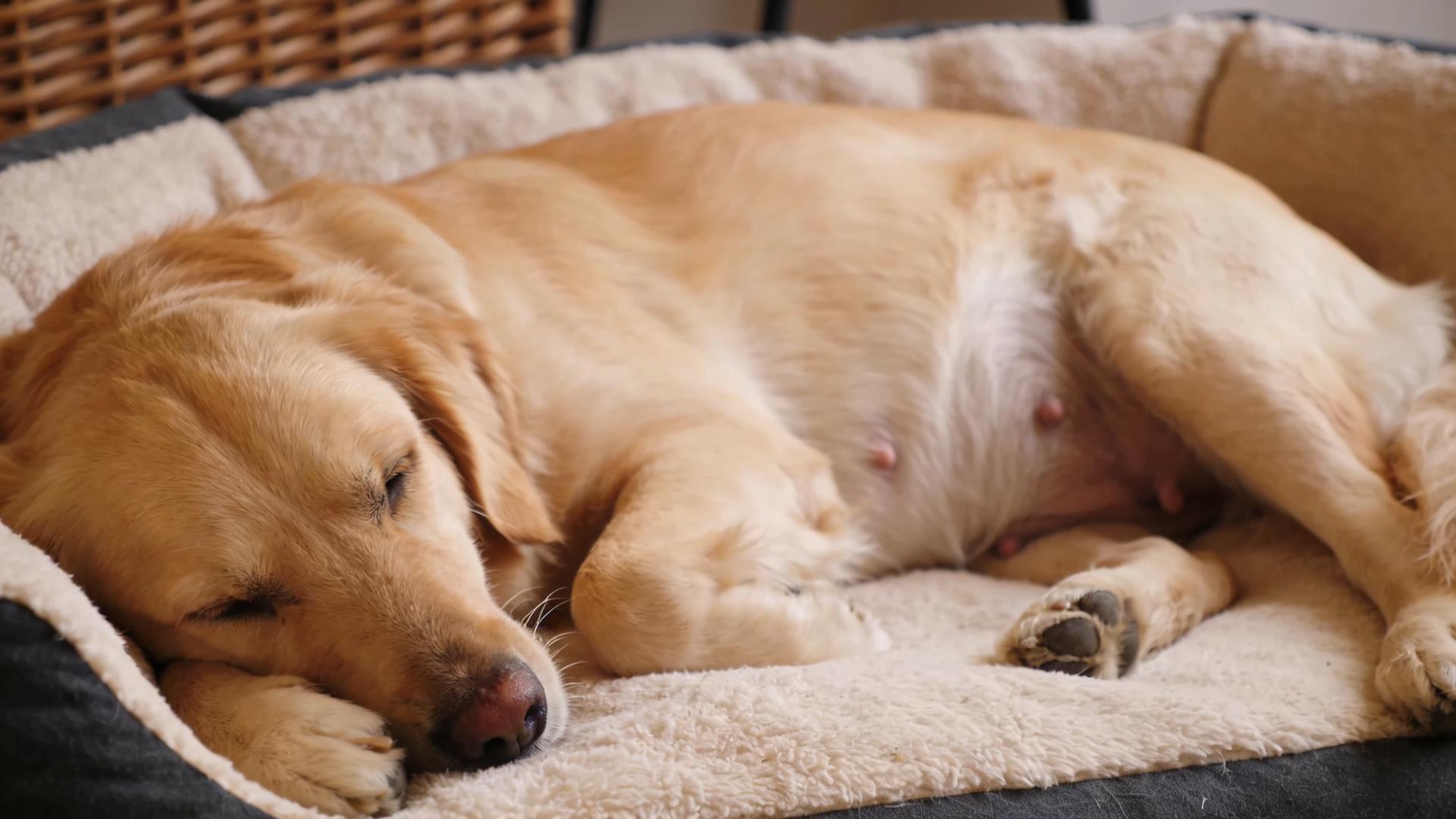
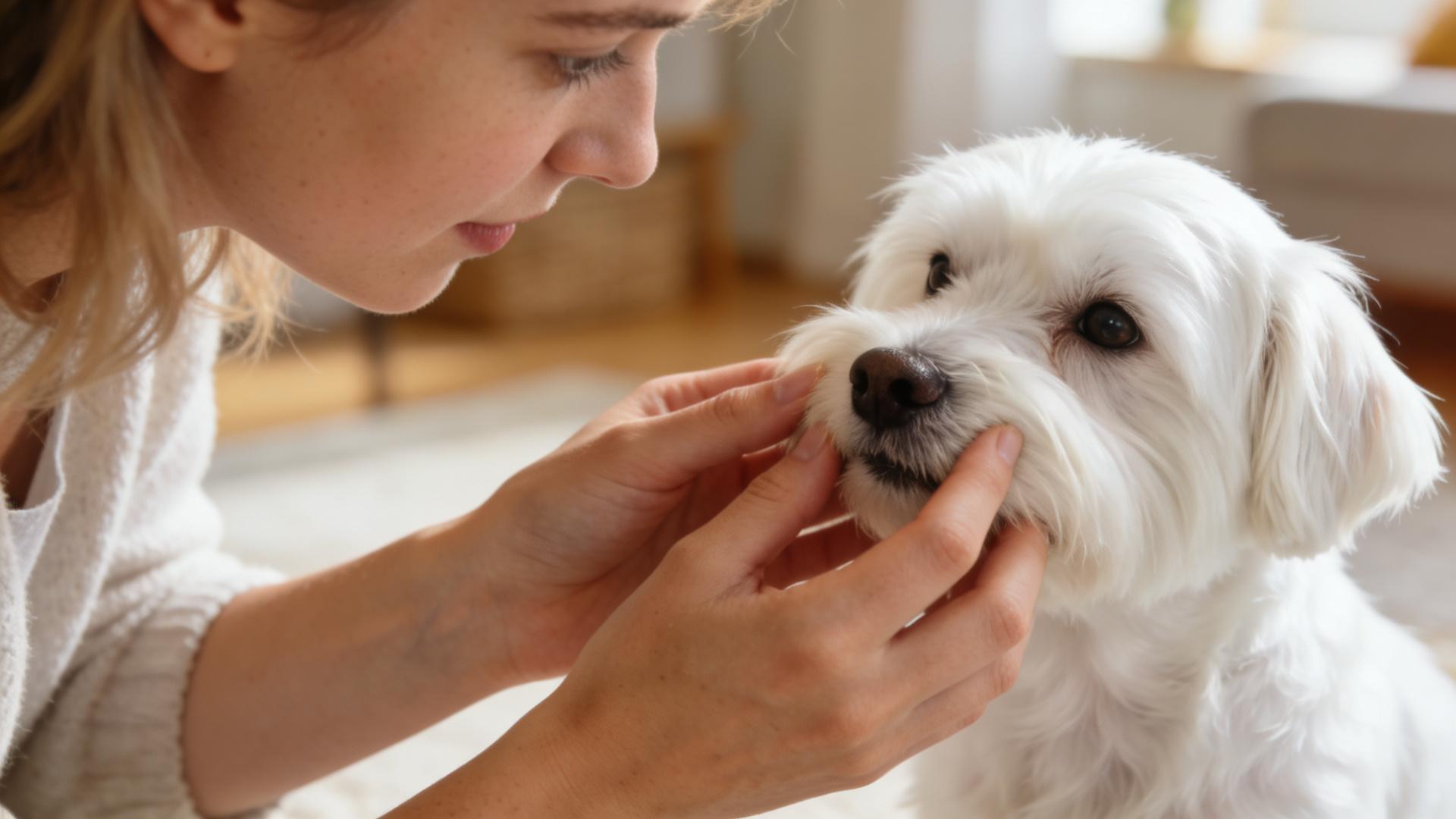
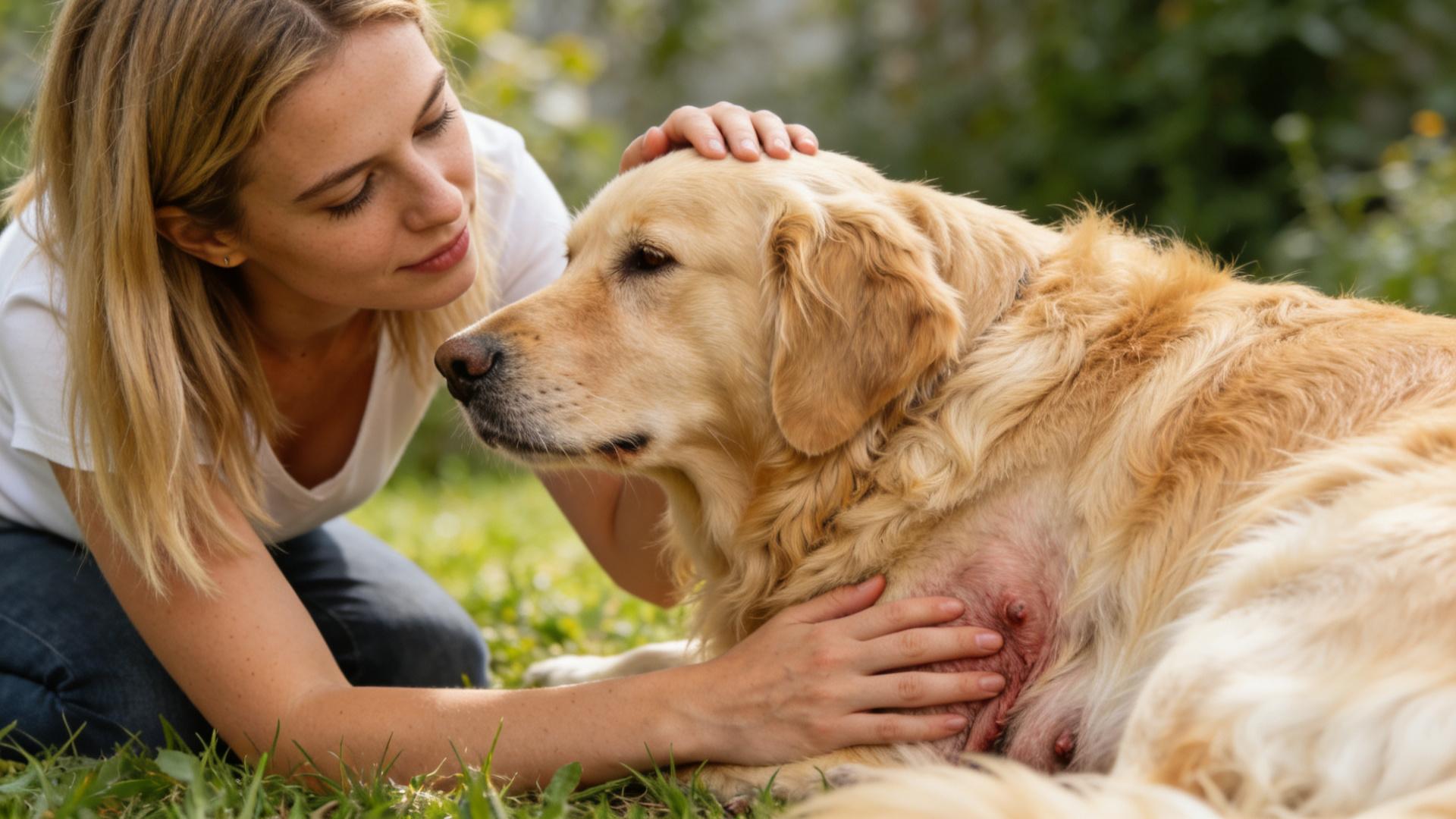
The arrival of a litter of puppies is a joyous occasion, but for the new canine mother, it marks the beginning of an incredibly demanding physical journey. As a dog owner, you may notice your bitch’s once-lustrous coat becoming dull, brittle, and dry in the weeks following whelping. This is more than a Grooming concern; it is a visible signal from her body, a flag raised to indicate significant nutritional and physiological stress. Addressing dry fur postpartum isn't just about restoring shine—it's a critical component of holistic health recovery. This comprehensive guide delves into the root causes, with a particular focus on the pivotal role of calcium, and provides a actionable blueprint for effective supplementation and hair repair.
🔬 Understanding the Causes: Why Postpartum Fur Suffers
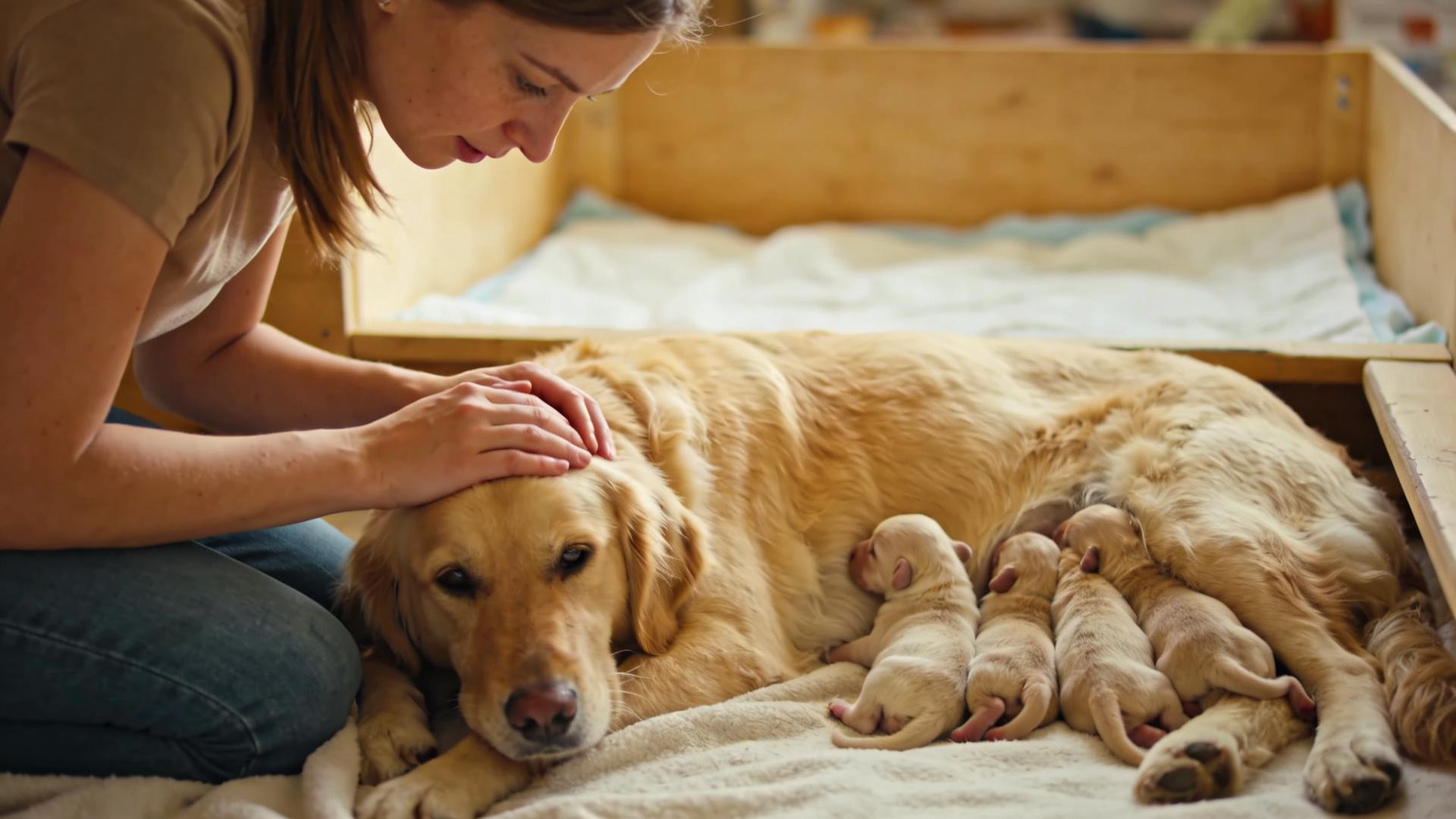
To effectively treat dry fur, we must first understand the "why" behind it. Pregnancy and lactation are the most nutritionally draining periods in a female dog's life. Her body becomes a factory, diverting virtually all available resources to growing, birthing, and nourishing her puppies.
🧪 The Nutrient Drain and Hormonal Rollercoaster
Imagine your bitch’s body as a reservoir of essential vitamins, minerals, and proteins. During lactation, this reservoir is being tapped at an astounding rate. To produce sufficient, high-quality milk, her system prioritizes sending nutrients to the mammary glands, often at the expense of other non-critical functions—including skin renewal and fur maintenance. Concurrently, the dramatic drop in progesterone and estrogen after birth creates a hormonal shift similar to a "shedding" phase, which can further compromise coat quality.
⚡ The Central Role of Calcium Depletion
While multiple nutrients are involved, calcium deficiency stands as a primary culprit in postpartum coat deterioration. A lactating bitch can lose 2-4% of her total body calcium daily through her milk. This mineral is not just for bones; it is a key cellular messenger. In the context of skin and fur, calcium is integral to the process of keratinization—the formation of the tough, protective protein (keratin) that makes up hair strands and the outer skin layer. Insufficient calcium disrupts this process, leading to weak, brittle, dry hair shafts that lack elasticity and shine.
💎 The Cornerstone of Recovery: Calcium’s Multifaceted Role
Calcium's importance extends far beyond the skeleton. For the postpartum bitch, adequate calcium is synonymous with stability and recovery.
- Nerve and Muscle Function: Prevents potentially fatal muscle tremors and eclampsia (milk fever).
- Cellular Cohesion: Helps skin cells bind together properly, maintaining a healthy barrier.
- Keratin Production: Directly supports the synthesis of strong, resilient fur.
A deficiency doesn't just cause dry fur; it can manifest as excessive shedding, flaky skin, and in severe cases, the life-threatening condition of hypocalcemia. Therefore, addressing calcium needs is the first and most crucial step in any coat restoration plan.
🩺 A Strategic Guide to Effective Calcium Supplementation
Special Reminder: Never supplement calcium "just in case" without professional input. Incorrect supplementation can suppress parathyroid hormone, leading to an inability to regulate calcium naturally, and can cause more harm than good.
📋 Step 1: The Veterinary Consultation
Your first action should be a consultation with your veterinarian. They can assess your bitch's condition, possibly recommend blood work to check serum calcium levels, and provide dosage guidelines tailored to her size, litter number, and diet.
🥘 Step 2: Dietary Foundation First
The best calcium source is a high-quality, balanced diet formulated for performance or lactation. These foods are designed with an optimal calcium-to-phosphorus ratio (ideally 1.2:1). Switching to such a diet is often the first and most effective intervention.
💊 Step 3: Choosing and Using Supplements
If supplementation is advised, here are the common options:
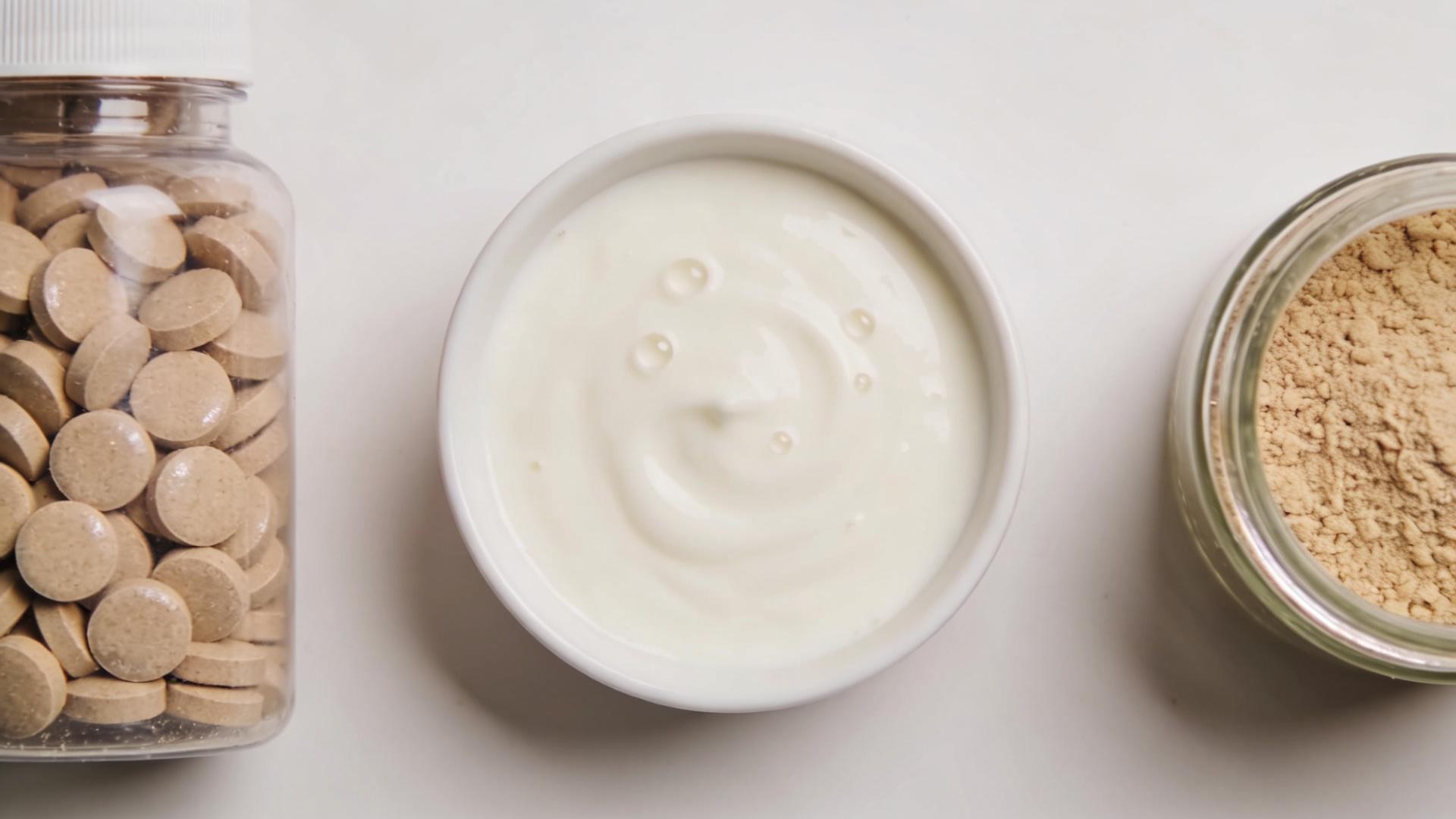
- Calcium Carbonate: A common, economical form. Often derived from eggshell or oyster shell. Best given with food for absorption.
- Calcium Citrate: Generally better absorbed, especially if stomach acid is low. A preferred choice for many veterinarians.
- Natural Sources: Plain, full-fat yogurt; kefir; or finely ground, edible bone meal. These provide calcium in a food matrix alongside other nutrients.
Critical Warning: Avoid "human" supplements with added vitamin D unless specifically prescribed, as vitamin D toxicity is a real risk. Always maintain the calcium-phosphorus balance.

✨ Beyond Calcium: Holistic Hair Repair Strategies
While calcium addresses a foundational deficiency, full coat restoration requires a multi-pronged approach.
🐟 Nutritional Synergy: Fats and Proteins
Keratin is a protein, so ensure her diet is rich in high-quality, bioavailable animal proteins. Furthermore, Omega-3 and Omega-6 fatty acids are game-changers. Omega-3s (from fish oil or phytoplankton) are powerfully anti-inflammatory and help combat dry, itchy skin. Omega-6s (found in poultry fat, sunflower oil) support the skin's moisture barrier. A combined supplement can dramatically improve coat shine and softness within weeks.
💦 Hydration and Grooming Therapy
Dehydration directly translates to dry skin and fur. Ensure she has constant access to fresh water. Gently encourage drinking, as lactating bitches are often too preoccupied to hydrate adequately.
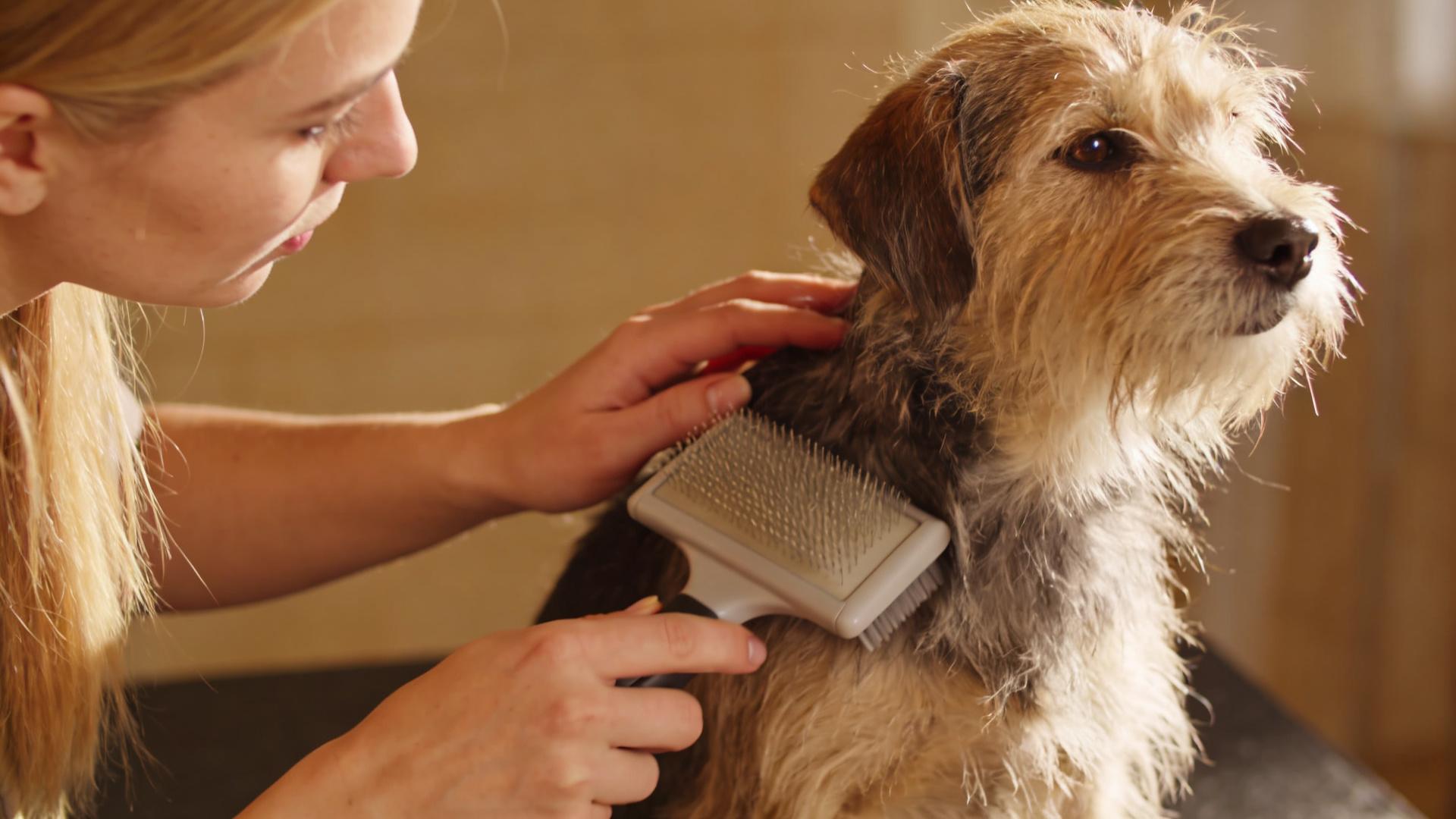
Implement a gentle grooming routine:
1. Use a soft bristle brush or deshedding tool to stimulate sebaceous (oil) glands and distribute natural coat oils.
2. Bathe only when necessary with a moisturizing, oatmeal, or sensitive-skin formula shampoo. Follow with a conditioner made for dogs.
3. This routine not only improves coat condition but also provides a bonding, stress-relieving moment for her.
😴 The Foundation of All Healing: Rest and Stress Reduction
A stressed, exhausted body cannot divert energy to hair growth. Provide a quiet, comfortable whelping area away from household chaos. Ensure she gets uninterrupted sleep by managing puppy access. Her overall health and emotional state are the bedrock upon which her physical recovery, including coat repair, is built.
🎯 Conclusion: A Path to Restoration
Dry fur in the postpartum bitch is a solvable condition, but it requires a targeted, informed approach. It begins with recognizing the symptom as a sign of internal nutrient depletion, particularly calcium for postpartum bitches. By partnering with your veterinarian to implement effective calcium supplementation for dogs, you address the core physiological need. Layering this with strategic hair repair in nursing dogs through essential fatty acids, gentle care, and prioritized rest creates a synergistic path to recovery. Your commitment to her postpartum bitch nutrition and well-being during this fragile time is the greatest gift you can give, ensuring she remains not just a mother, but a vibrant, healthy companion for years to come.