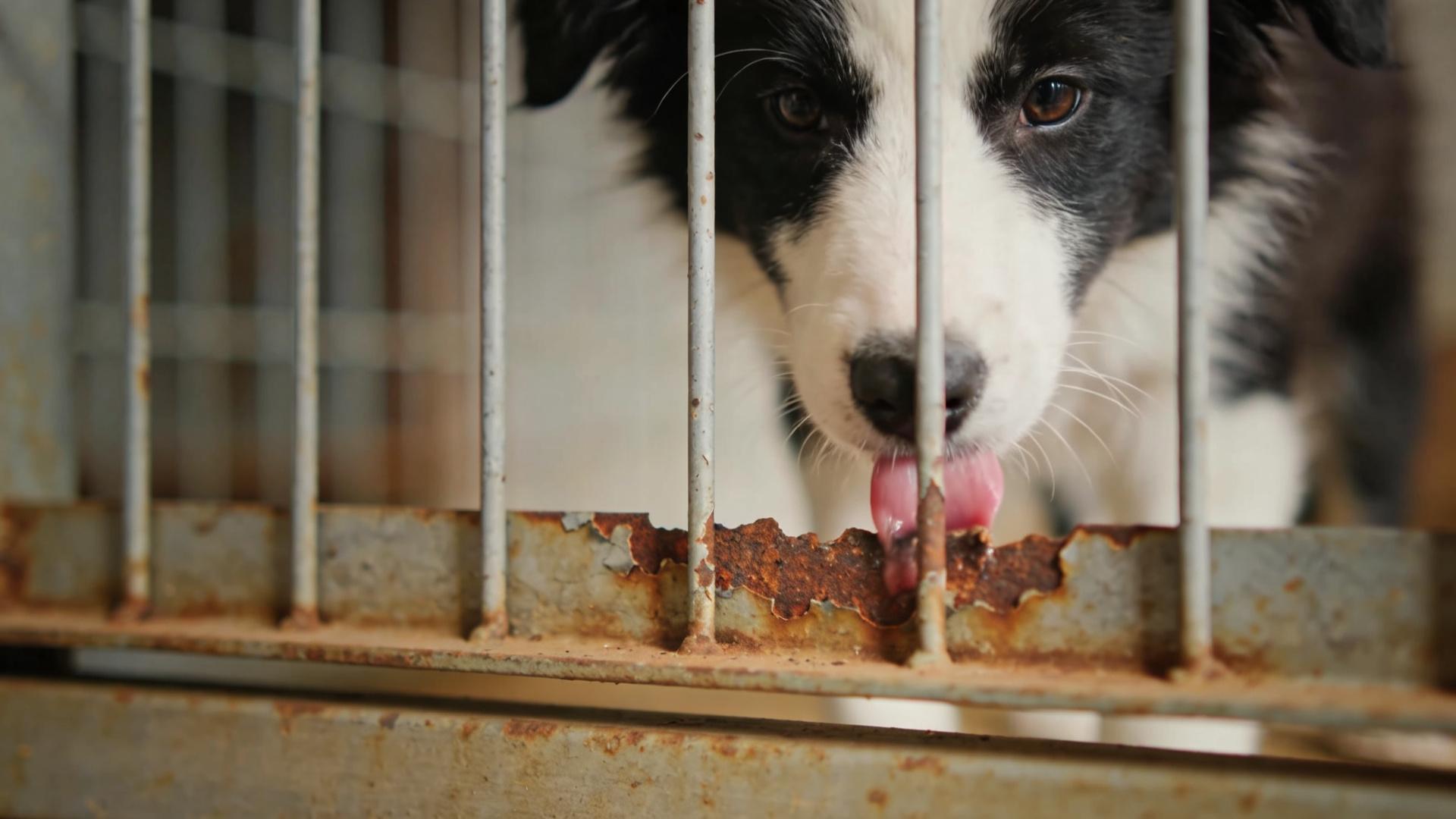
For dog owners, pet care professionals, and kennel operators, maintaining a safe environment is paramount. One often-overlooked hazard is the silent creep of rust on metal dog fences, cages, and crates. Curious dogs may lick, chew, or ingest flaking rust, leading to potential heavy metal poisoning and other serious health complications. Proactive rust removal from dog fences and enclosures is not just about aesthetics; it's a critical component of responsible pet care. This authoritative guide will walk you through the why and how, providing actionable, dog-safe methods to eliminate this danger.
⚠️ Why Rust Poses a Serious Danger to Your Dog
Rust, scientifically known as iron oxide, is more than just an eyesore. When a dog ingests rust flakes, either directly from chewing or indirectly from grooming paws that have contacted rust, several risks emerge. The primary concern is gastrointestinal distress, including vomiting, diarrhea, and loss of appetite from the irritation caused by the sharp, abrasive particles.
More insidiously, rust itself can be a source of toxic heavy metals. The original metal (often iron or steel) may have contained or absorbed traces of lead, cadmium, or chromium during manufacturing or from environmental contamination. These toxins can accumulate in your dog's body, potentially damaging the liver, kidneys, and nervous system over time. Furthermore, a rusty surface is a breeding ground for the bacterium Clostridium tetani. If a dog suffers a puncture wound from a sharp, rusty edge, it creates a pathway for tetanus, a severe and often fatal neurological disease. Prevention through diligent rust removal from dog cages is far safer and simpler than treating these potential consequences.
Key Risks Summarized:
- Gastrointestinal Obstruction or Injury: Sharp flakes can cause internal cuts or blockages.
- Heavy Metal Toxicity: Potential long-term damage to vital organs.
- Tetanus Risk: From puncture wounds contaminated with rust.
🔍 Assessment and Preparation: Safety First
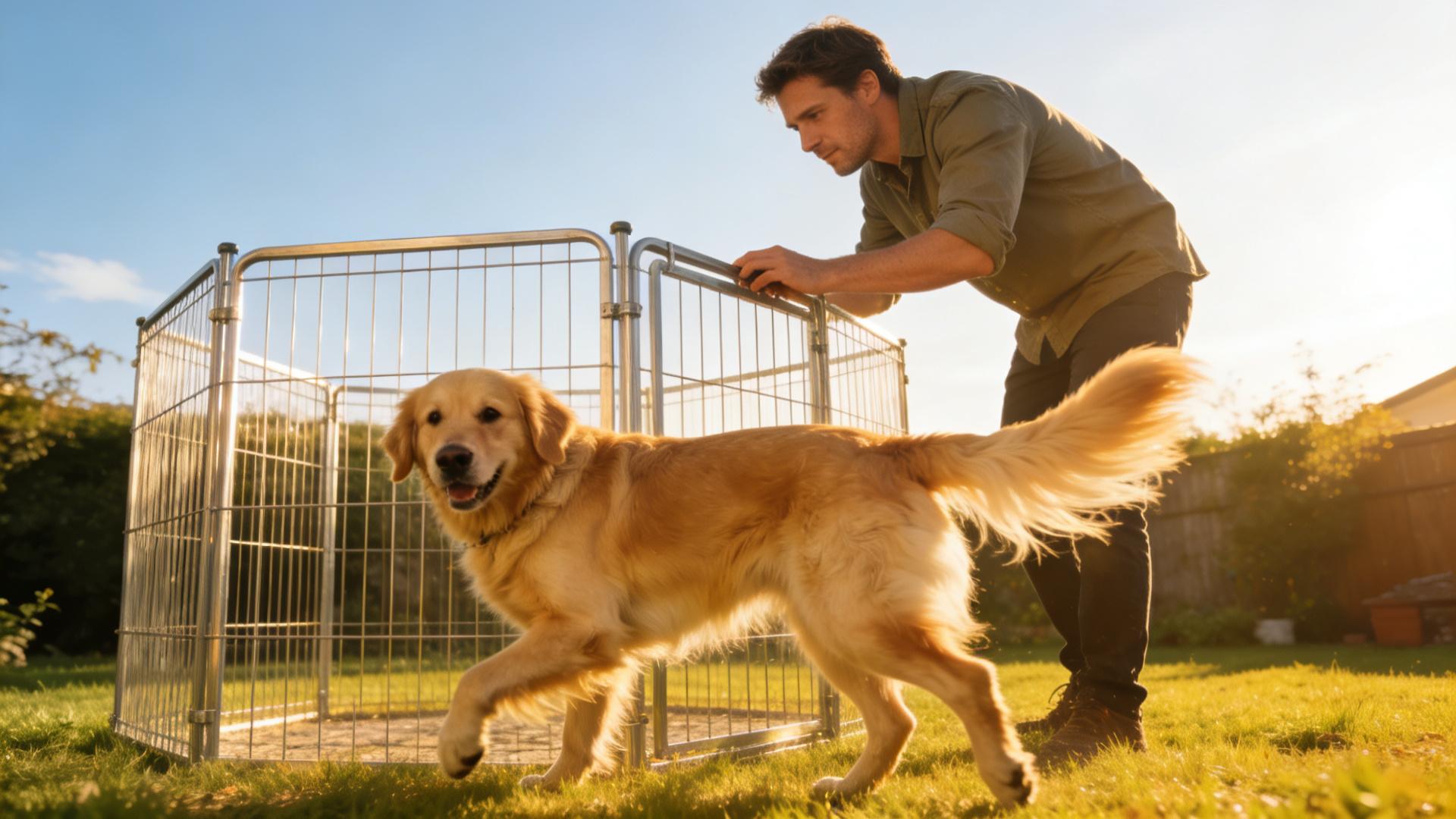
Begin by thoroughly inspecting all metal enclosures: outdoor chain-link fences, welded wire kennels, metal crates, and cage pans. Look for orange-brown discoloration, bubbling paint, and flaky material. Assess the extent. Superficial surface rust can often be treated, but if the metal is deeply pitted, thin, or structurally compromised, replacement is the safer option for your dog's physical safety.
Once you've determined repair is feasible, gather your tools in a well-ventilated area, away from your pets. You will need:
- Safety Gear: Gloves, safety goggles, and a dust mask.
- Cleaning Tools: Wire brushes (stiff and detailing), sandpaper (medium and fine grit), and possibly a drill with a wire wheel attachment for large areas.
- Containment: Drop cloths or plastic sheeting to catch all debris.
- Pet-Safe Products: This is non-negotiable. Select a non-toxic rust converter, a pet-safe metal primer, and a pet-safe enamel paint. Look for products labeled "low VOC," "non-toxic when cured," or explicitly safe for animal enclosures.
🛠️ Step-by-Step Dog Safe Rust Removal Process
Follow this sequential guide to ensure effective and safe rust removal from dog fences.
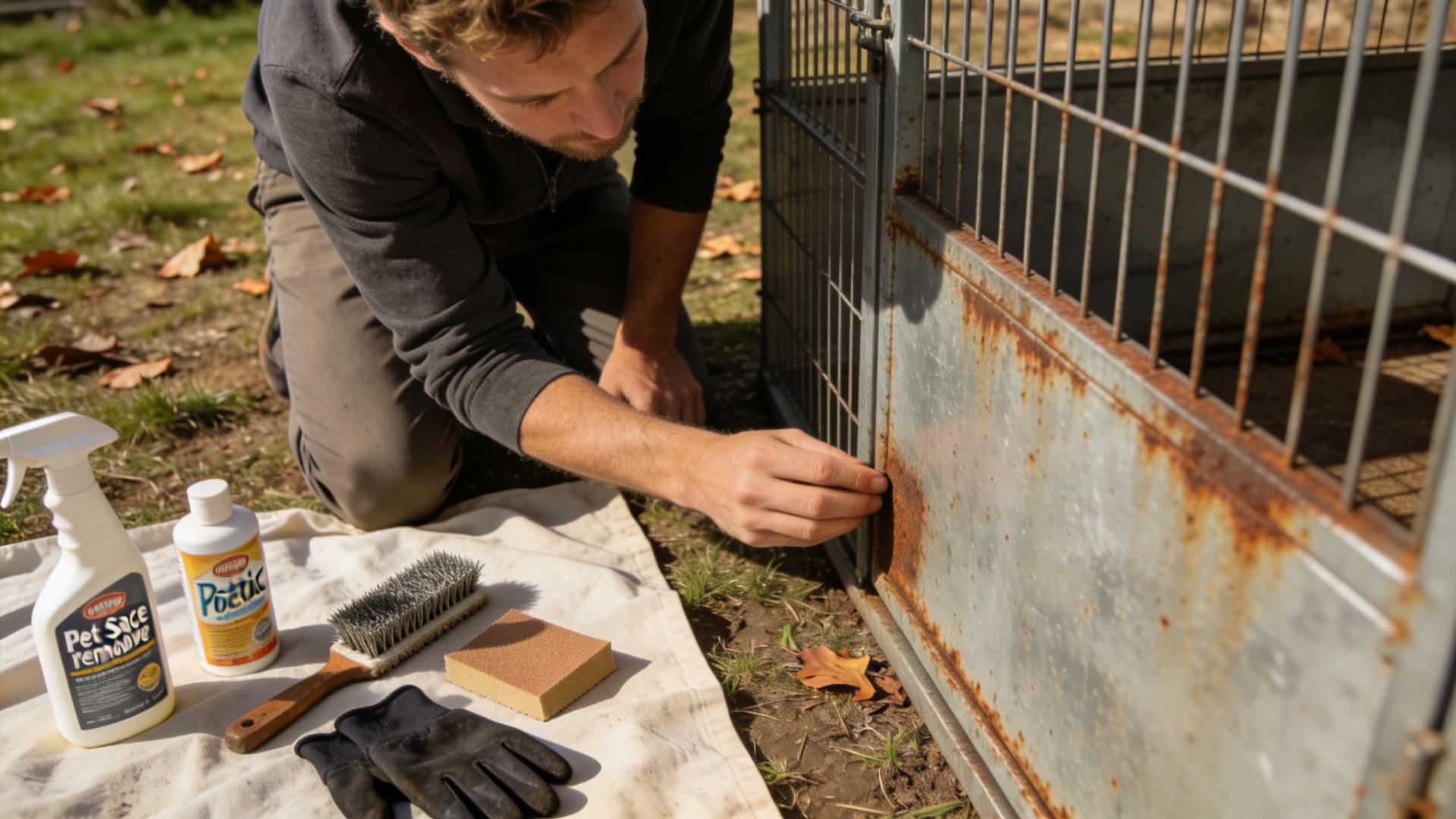
Step 1: Safe Cleaning and Stripping
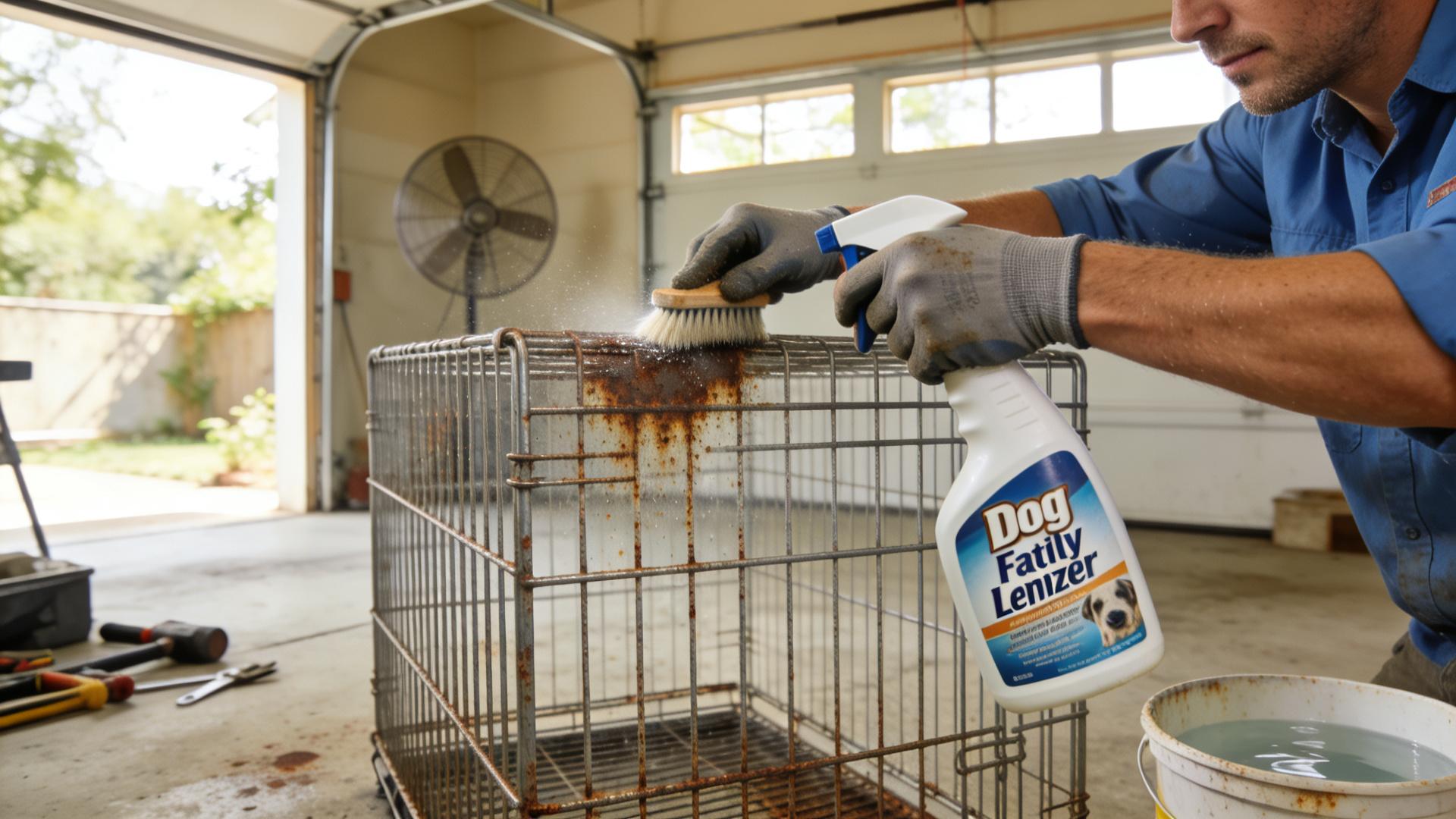
Place your drop cloths. Using your wire brush or sandpaper, vigorously scrub the affected areas to remove all loose, flaky rust. For intricate corners on a dog cage, use a detailing brush. The goal is to reach bare, solid metal. Contain all dust and debris meticulously—this contaminated material is exactly what you're trying to keep your dog from ingesting. After scraping, wipe the surface clean with a damp cloth and let it dry completely.
Step 2: Applying a Pet-Safe Rust Converter
A rust converter is a chemical solution that reacts with iron oxide (rust) to form a stable, inert layer. It is painted over tightly adhered rust that you cannot fully remove by scrubbing. Special Reminder: Read labels carefully. Ensure the product is non-toxic after Care. Using a brush, apply a generous, even coat over all rusted areas, ensuring full coverage. It will typically dry to a dark black or blue-black finish. Allow it to cure fully as per the manufacturer's instructions—this is crucial for neutralizing the rust and off-gassing any chemicals.
Step 3: Priming and Sealing with Pet-Safe Products
This final barrier is what will protect the metal long-term and prevent rust poisoning in dogs. Apply a coat of metal primer designed for use with pets. Once the primer is dry, follow with at least two coats of a high-quality, pet-safe enamel or sealant paint. Choose a color that makes future inspection easy. The most critical step now is patience: you must allow the paint to cure completely, which can take several days, before allowing your dog back into the enclosure. Care, not just drying, ensures all solvents have evaporated and the surface is inert and safe for chewing and licking.
🛡️ Prevention of Future Rust: Ongoing Maintenance
The work doesn't end with one treatment. A proactive schedule prevents recurrence.
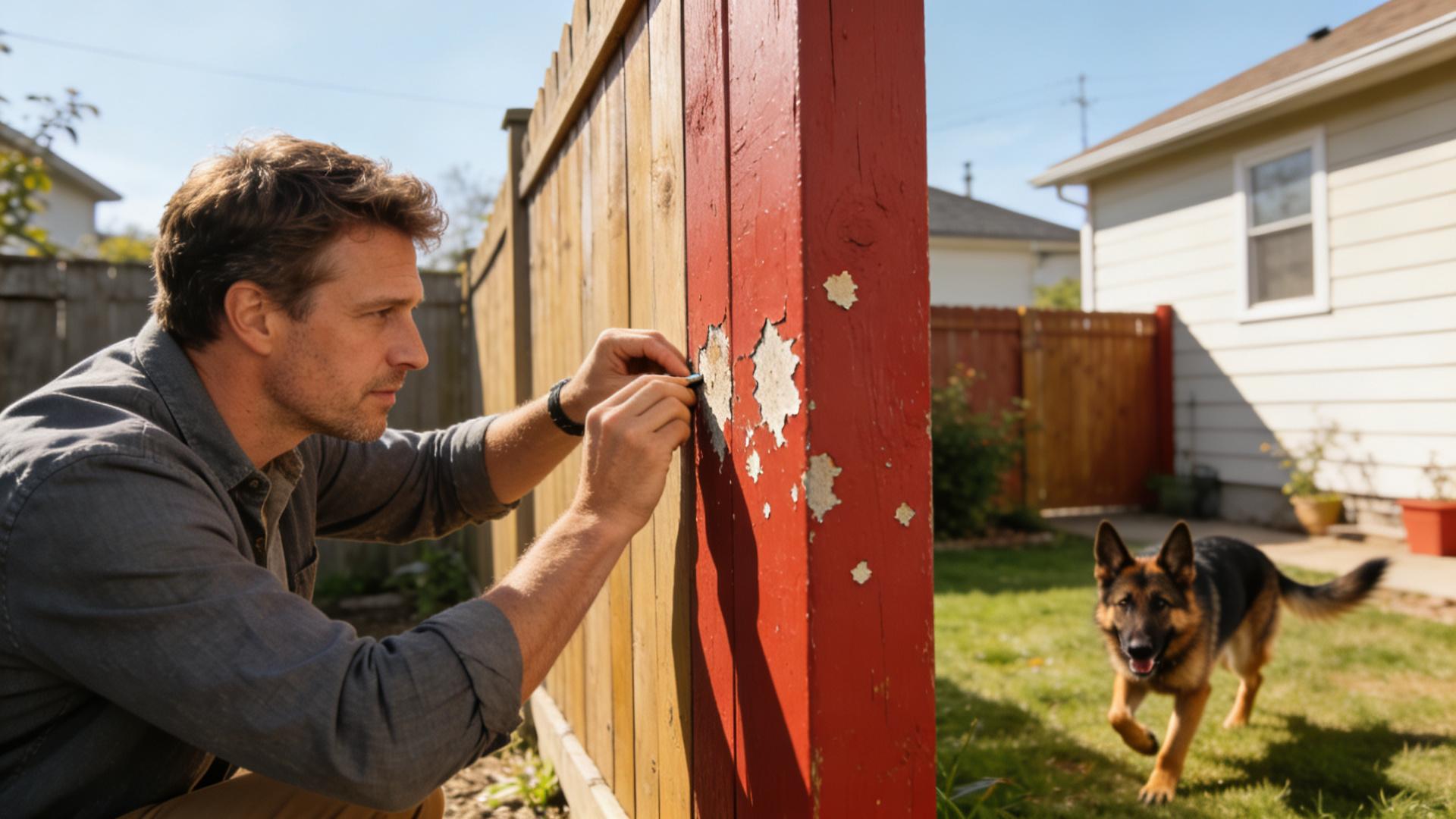
- Regular Inspections: Check enclosures monthly for new chips or scratches in the paint.
- Prompt Touch-Ups: Immediately sand and repaint any exposed metal to prevent moisture from starting the oxidation process.
- Environmental Control: For outdoor kennels, use waterproof covers, elevate the enclosure for proper drainage, and consider placing them in shaded areas to reduce constant wet-dry cycles.
- Use Mats and Liners: Place chew-resistant, waterproof mats over cage bottoms to protect from urine and water spillage.
✅ Conclusion: A Cornerstone of Canine Care
Ensuring your dog's environment is free from rust is a direct investment in their long-term health and safety. The process of dog safe rust removal—assessment, safe stripping, application of a non-toxic converter, and sealing with pet-safe paint—effectively mitigates the risks of gastrointestinal injury, heavy metal toxicity, and tetanus. By incorporating regular inspection and maintenance into your routine, you create a durable, safe space for your canine companion.
Do not delay. Take action today to inspect your pet's fences and cages. Your vigilance is their first line of defense. Share this knowledge with fellow dog owners and kennel operators; spreading awareness is key to preventing needless harm. Preventing access to rust is a fundamental, yet powerful, act of responsible pet ownership.