There's nothing quite like the bond forged on a mountain adventure with your canine companion. The vast vistas, the crisp air, the shared triumph of reaching a new peak—these are the moments that create lifelong memories. However, the very environment that makes these journeys so breathtaking also presents unique, and often overlooked, hazards for our four-legged friends. Intense ultraviolet radiation and thin air leading to oxygen deficiency are the two primary challenges at elevation. This guide is your essential toolkit, designed to equip you with the knowledge and strategies to transform potential risks into a safe, joyful, and healthy adventure for both you and your dog.
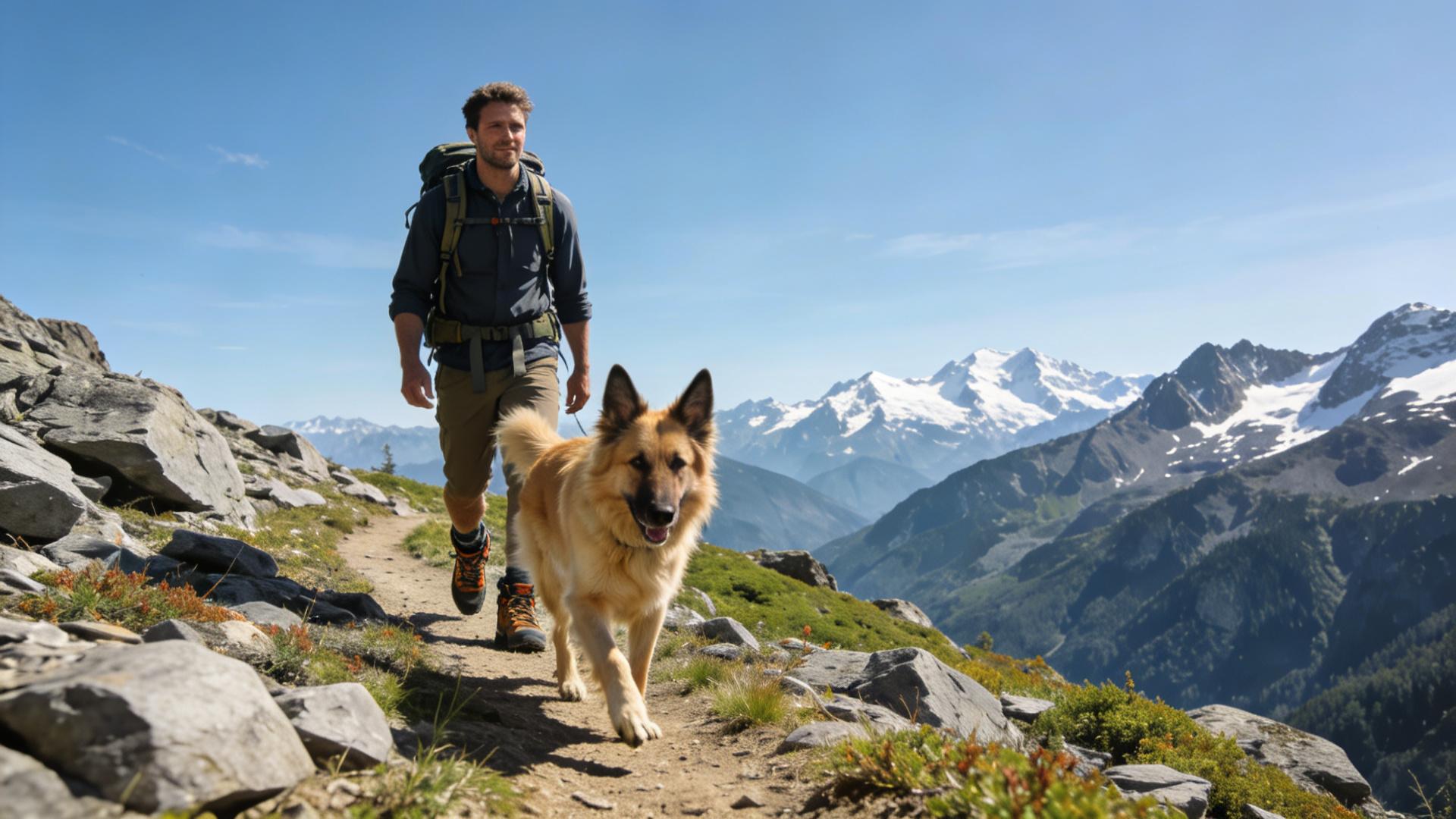
⛰️ Section One: Understanding High Altitude Risks for Dogs
Before you lace up your boots and clip on the leash, understanding the "why" behind the risks is crucial for effective prevention. High altitude is typically defined as elevations over 8,000 feet (about 2,400 meters). At these heights, the science of the environment changes in ways that directly impact your dog's physiology.
The Thin Air Challenge: Oxygen Deficiency and Altitude Sickness
As you ascend, atmospheric pressure drops. This means with every breath, your dog's body absorbs fewer oxygen molecules. To compensate, their heart and respiratory rates must increase. This adjustment period, called acclimatization, doesn't happen instantly. Altitude sickness in dogs, or Acute Mountain Sickness (AMS), occurs when this transition happens too quickly. While all dogs can be affected, brachycephalic breeds (like Bulldogs, Pugs, and Boxers) with pre-existing respiratory challenges, older dogs, and those with heart or lung conditions are significantly more susceptible.
The Invisible Threat: Amplified UV Radiation
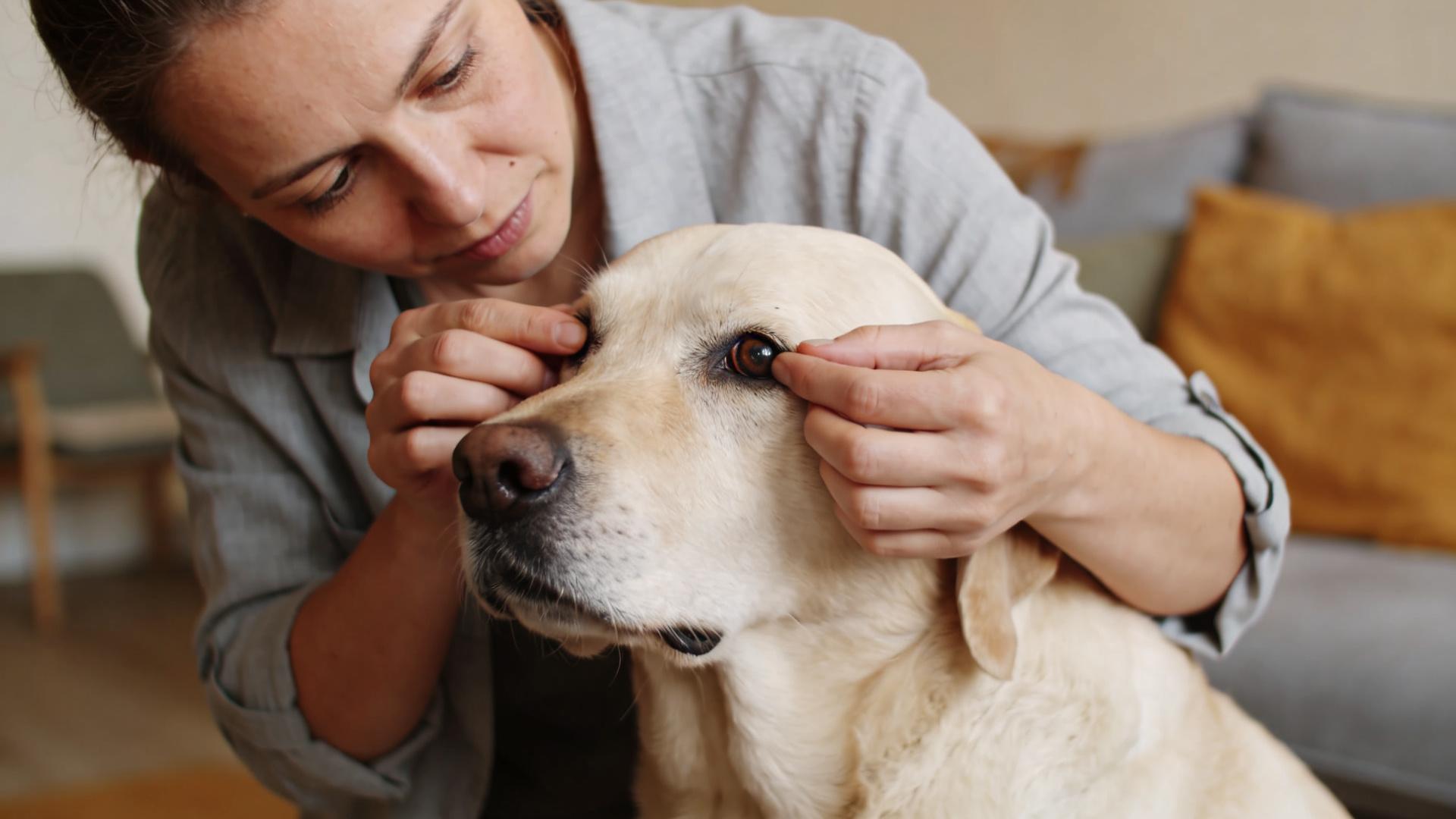
Many owners are surprised to learn that UV radiation intensity increases by approximately 10-12% for every 1,000 meters gained in elevation. Combine this with potential reflection off snow (up to 80%) or water, and the sun's damage potential skyrockets. A dog's skin, while protected by fur over much of their body, has vulnerable areas: the nose, ear tips, belly, groin, and any areas with thin or light-colored fur. Prolonged exposure can lead to painful burns and, over time, increase the risk of skin cancers. Furthermore, UV rays can cause photokeratitis (a painful sunburn of the cornea), making eye protection a critical, not Grooming, consideration.
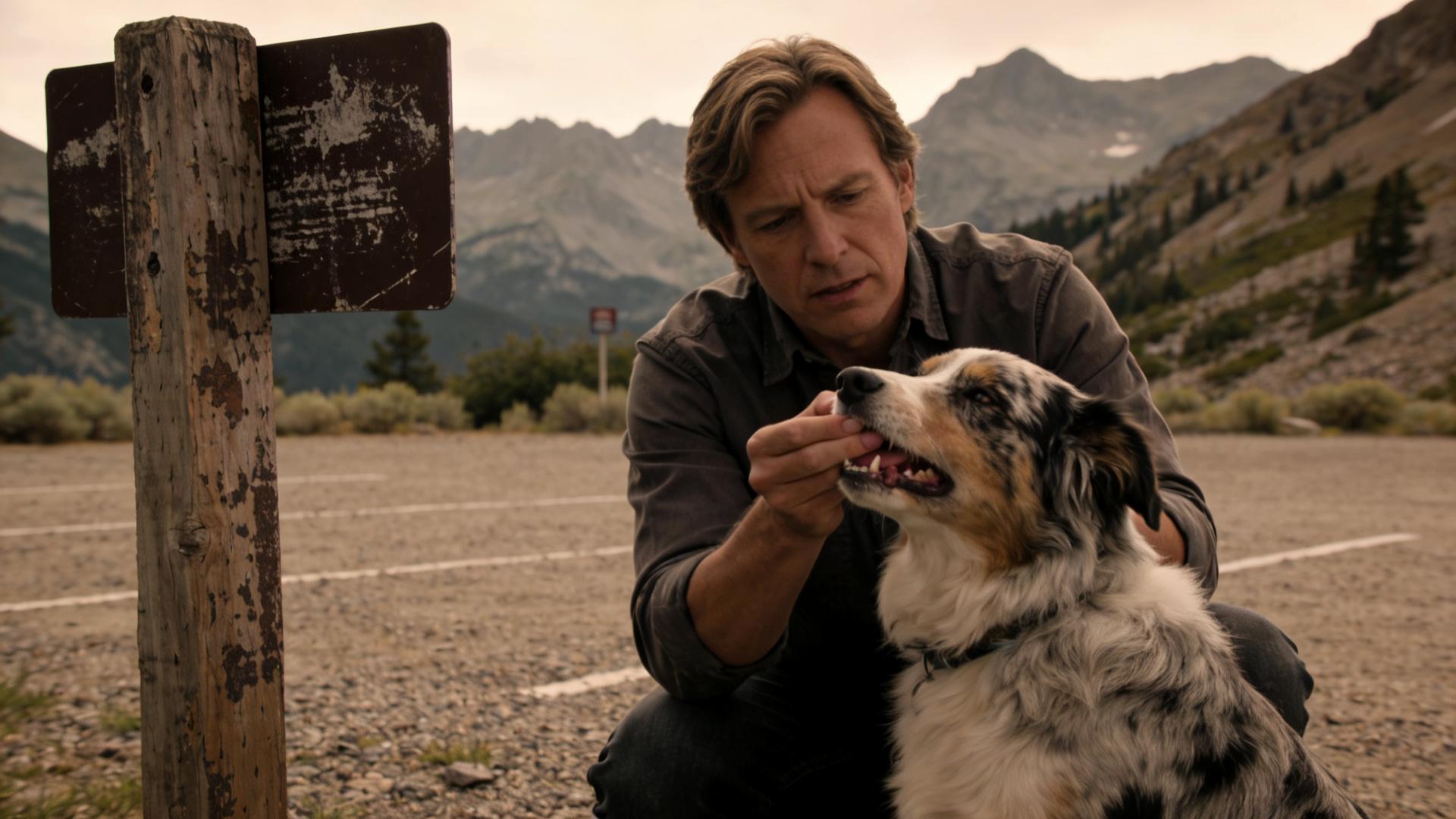
💨 Section Two: Prevention and Care for Canine Oxygen Deficiency
Proactive management of dog oxygen deficiency is the cornerstone of high altitude dog care. A reactive approach once symptoms appear can turn an emergency. Follow this step-by-step guide to ensure your dog's body has the time and support it needs.
1. The Non-Negotiable First Step: Pre-Trip Veterinary Consultation
Special Reminder: Schedule a check-up with your vet. Discuss your specific travel plans, your dog's fitness level, and any breed-specific or age-related concerns. This is the time to get professional clearance and address any underlying issues.
2. The Golden Rule: Gradual Ascent (Canine Acclimatization)
Rushing is the enemy. A sensible canine acclimatization schedule is your best defense against dog altitude sickness.
- Plan your itinerary to spend 1-2 nights at an intermediate elevation (e.g., 5,000-6,000 feet) before proceeding higher.
- When above 8,000 feet, try not to increase your sleeping elevation by more than 1,000-1,500 feet per day.
- Incorporate "rest days" with light activity to allow your dog's body to adapt.
3. Know the Red Flags: Symptoms of Altitude Sickness in Dogs
Be a vigilant observer. Early symptoms of low oxygen in dogs include:
- Excessive panting or labored breathing that doesn't resolve with rest.
- Unusual lethargy, weakness, or reluctance to move.
- Loss of appetite or nausea.
- Excessive drooling.
- Pale or blue-tinged gums (a serious sign of cyanosis).
4. Emergency Action: What to Do If Symptoms Appear
If your dog shows any concerning signs:
- Stop and Descend: Immediately cease activity and descend to a lower elevation. This is the single most effective treatment.
- Provide Rest and Warmth: Keep them calm, quiet, and warm in a sheltered spot.
- Hydrate: Encourage small sips of water if they are willing and not vomiting.
- Seek Veterinary Care Immediately: For severe symptoms (vomiting, collapse, pale gums), this is an emergency. Find the nearest vet at your destination.
Note on Portable Oxygen: Small, portable oxygen canisters for pets can be a valuable emergency tool to stabilize a dog showing severe symptoms while you arrange descent and transport to a veterinarian. They are not a substitute for descent or professional care.
☀️ Section Three: Prevention and Care for Canine UV Burns
Sun protection for your dog should be as routine as applying your own sunscreen. A multi-layered defense strategy is most effective for canine UV protection.
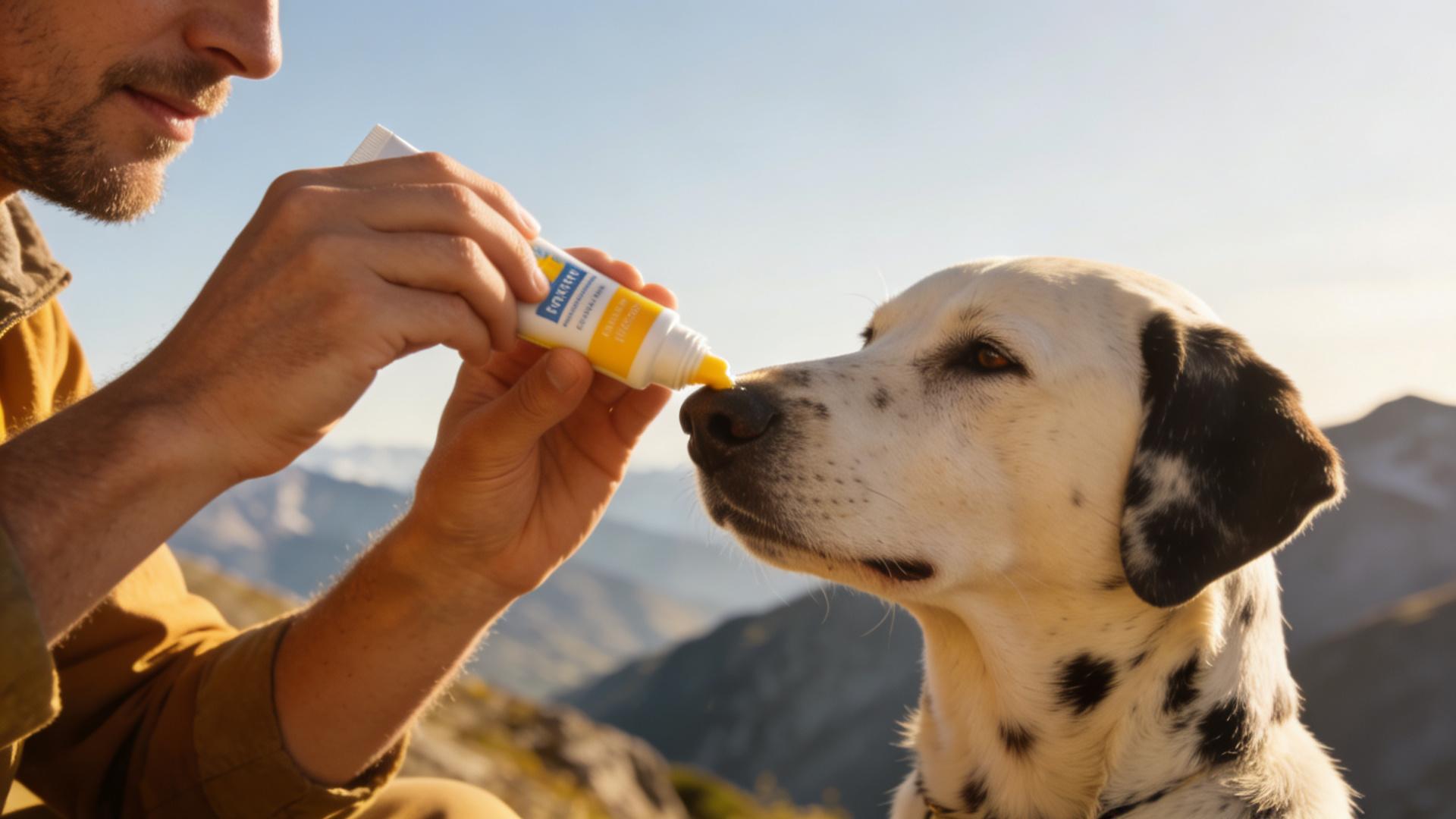
1. Dog Sunscreen: A Must-Have, Not an Option
Use only pet-safe, dog-specific sunscreen. Human sunscreens often contain zinc oxide or para-aminobenzoic acid (PABA), which are toxic if ingested. Look for a fragrance-free, broad-spectrum UVA/UVB blocker with an SPF of 15-30.
- How to Apply: Apply generously to all vulnerable areas: the bridge of the nose, ear tips, belly, groin, and any sparse-fur patches. Reapply every 2-4 hours, and more frequently if your dog is swimming or rolling in snow.
2. Protective Clothing: The Physical Barrier
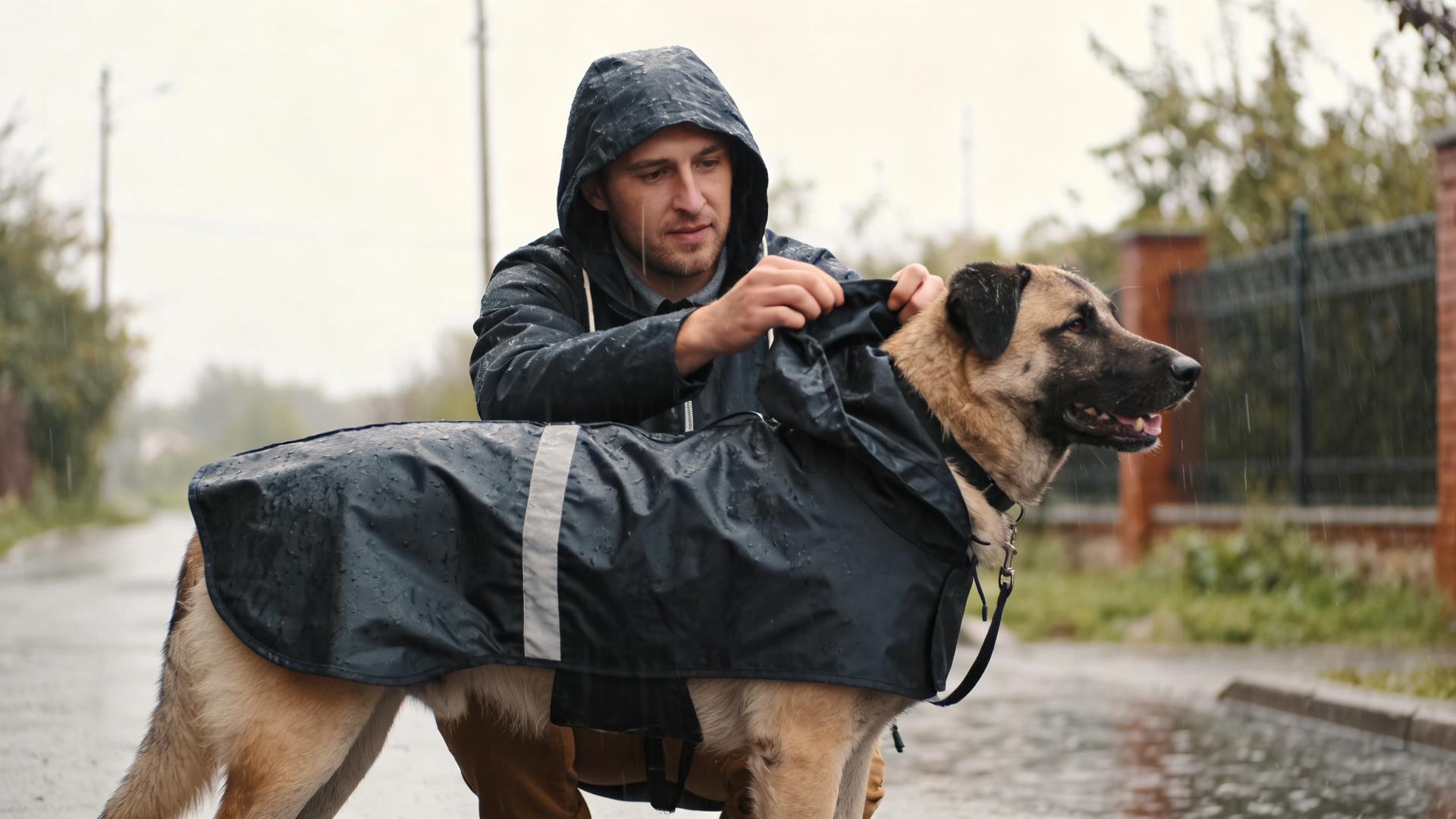
For dogs with short, thin, or light-colored coats, a lightweight, UV-blocking dog shirt or bodysuit provides excellent coverage for the torso and belly. This is one of the simplest and most effective forms of dog paw protection high altitude UV for the underside.
3. Dog Goggles (Doggles): Eye Safety First
Dog goggles are essential gear for high-altitude travel. They protect against UV keratitis, wind, dust, and debris. Let your dog get used to them at home before the trip. Look for pairs with UV protection and scratch-resistant, polycarbonate lenses.
4. Strategic Timing and Shade Seeking
Plan strenuous activities for early morning or late afternoon, avoiding the peak sun intensity between 10 a.m. and 4 p.m. During hikes, make a habit of taking breaks in full shade. On exposed ridges or snowfields, minimize prolonged stops.
5. Recognizing UV Burns
Signs of sunburn in dogs mirror our own: redness, tenderness, dry/flaky skin, and eventual peeling. Your dog may scratch or lick the affected area. Mild burns can be soothed with cool compresses and vet-approved aloe gels, but severe burns require veterinary attention to prevent infection.
🎒 Section Four: Comprehensive Travel Preparation Checklist
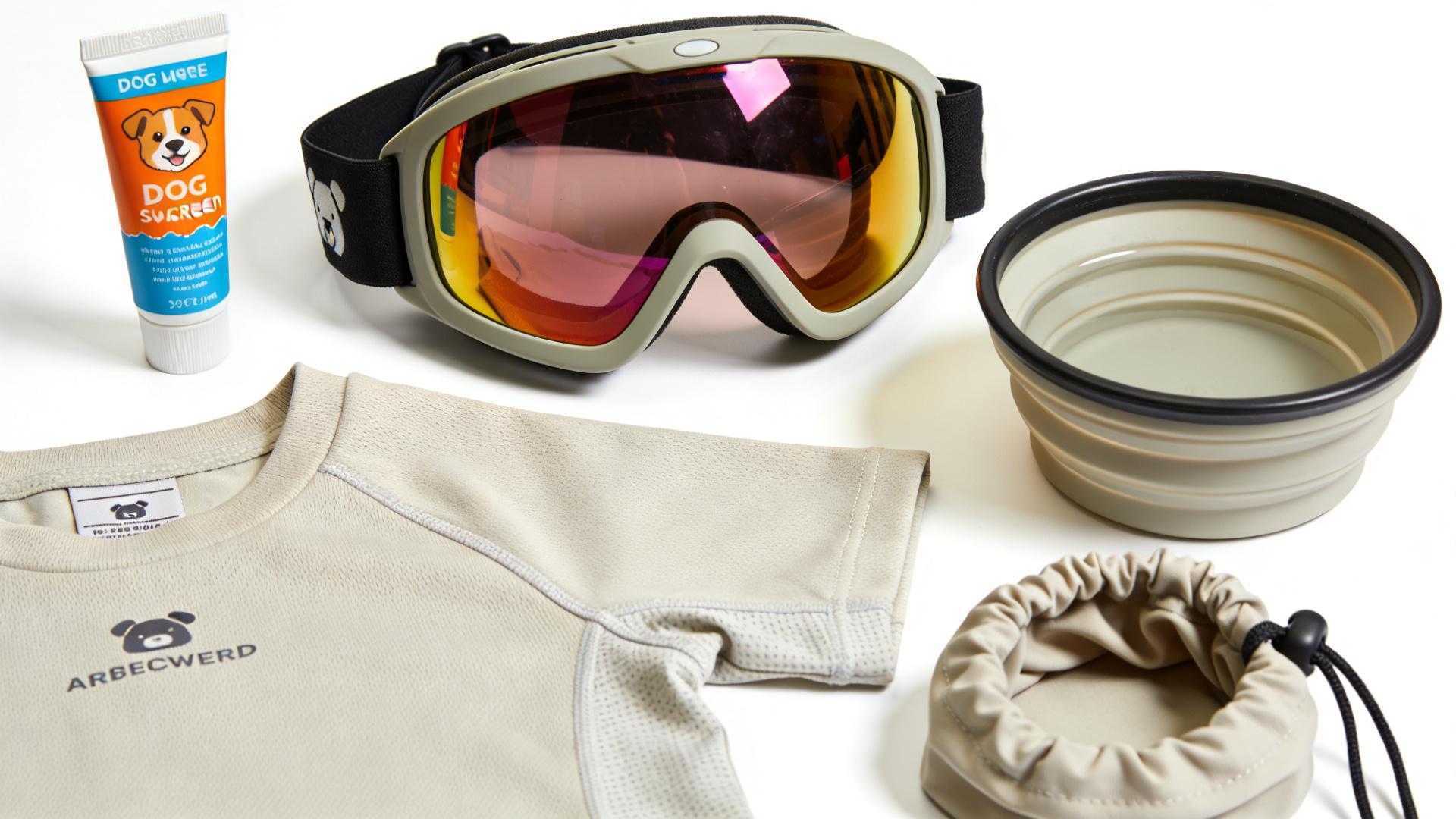
Packing with purpose ensures you're ready for anything. Here is your essential checklist for traveling with dogs in the mountains:
Protection & Health:
✅ Canine sunscreen (pet-safe)
✅ Protective clothing (UV-blocking shirt/body suit)
✅ Dog goggles (with UV protection)
✅ Canine first-aid kit (including tweezers, bandages, antiseptic wipes)
✅ Any regular medications (with printed prescriptions)
✅ Veterinary contact info for your destination and a backup emergency clinic
Hydration & Nutrition:
✅ Portable, collapsible water bowl
✅ Ample water (do not rely on mountain streams due to potential parasites)
✅ High-calorie, familiar snacks or meals (energy demands are higher)
Comfort & Safety:
✅ Familiar bedding or a sleeping pad (for insulation and comfort)
✅ Sturdy leash and well-fitted harness (more secure than a collar on steep terrain)
✅ Updated ID tags and microchip information
✅ Health certificate and vaccination records, if crossing state/national borders
✅ Paw protection (booties or wax for rough/icy terrain)
Conclusion: The Path to Confident Adventure
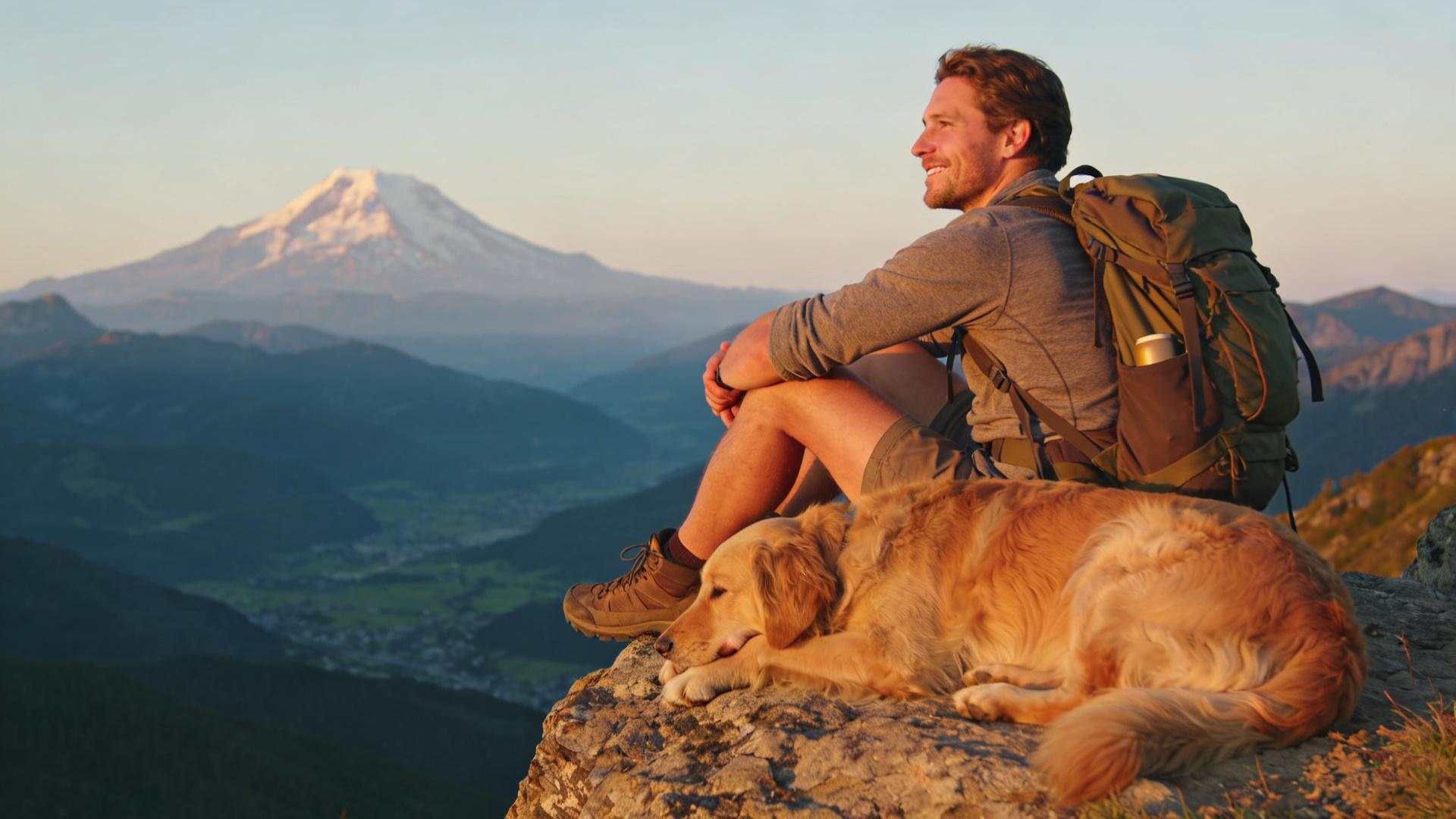
The key to unlocking the immense joy of high-altitude adventures with your dog lies in meticulous preparation and vigilant observation. By understanding the science behind the risks—oxygen deficiency and intense UV radiation—and implementing the practical steps outlined here, you move from hoping for the best to actively ensuring it. Armed with knowledge, the right gear, and a watchful eye on your best friend's condition, you can confidently explore the world's majestic heights together. The mountains are calling, and with this careful care, you and your canine companion can answer that call safely, creating stories of shared, responsible adventure that will last a lifetime.