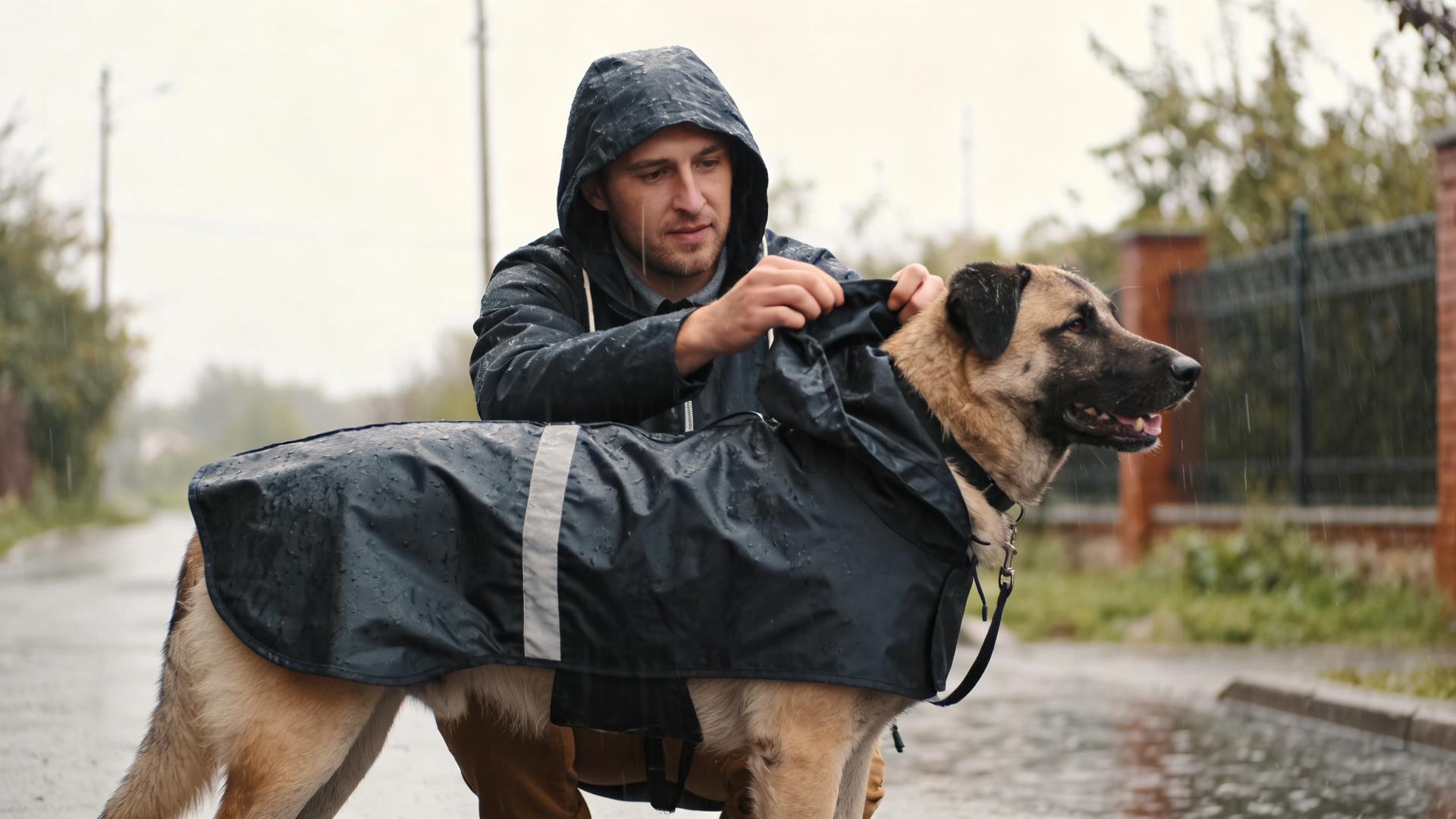
As a responsible dog owner, you see the clouds gathering and instinctively reach for your dog’s raincoat. The goal is simple: keep your furry friend dry and make the wet-weather walk tolerable for both of you. For years, the prevailing wisdom has been to seek out the most waterproof dog raincoat available, often equating a higher waterproof rating with superior protection. However, this approach misses a critical and often overlooked piece of the canine comfort puzzle. The true hallmark of a functional, healthy, and effective raincoat isn't just its ability to lock water out—it's its capacity to let moisture vapor escape from within. In the world of canine outerwear, breathability consistently trumps absolute waterproofness.
🌧️ The Common Misconception: Waterproof at All Costs
The market is flooded with dog raincoats made from materials like PVC, vinyl, or cheap non-porous laminates. These coats are often 100% waterproof—and for good reason, they create an impermeable barrier. On the surface, this seems ideal. But consider this: a dog's body is a dynamic, living system. During a walk, even in cool rain, your dog is generating body heat and releasing moisture through its skin (a process called transpiration) and through panting. A perfectly waterproof but non-breathable dog raincoat acts like a sealed plastic bag. It excels at its one job of keeping rain off but catastrophically fails at managing the microenvironment it creates.
🧪 The Science of the Canine "Sauna"
When you seal your dog in a non-breathable layer, you trap:
1. Body Heat: Metabolic activity and muscle movement during a walk increase core temperature.
2. Moisture Vapor: Evaporated sweat from limited eccrine glands (mostly in paw pads) and insensible water loss from the skin.
3. Condensation: Warm air from the dog's body hits the cooler inner surface of the coat and turns into liquid.
The result? A hot, humid, sauna-like environment directly against your dog's skin and fur. This dampness isn't from the rain; it's manufactured by the coat itself. Unlike humans who sweat profusely over most of their body to cool down, dogs rely primarily on panting and vasodilation (expanding blood vessels in the skin). A non-breathable barrier severely hampers both these cooling mechanisms.
💨 Why Breathability is the Non-Negotiable Feature
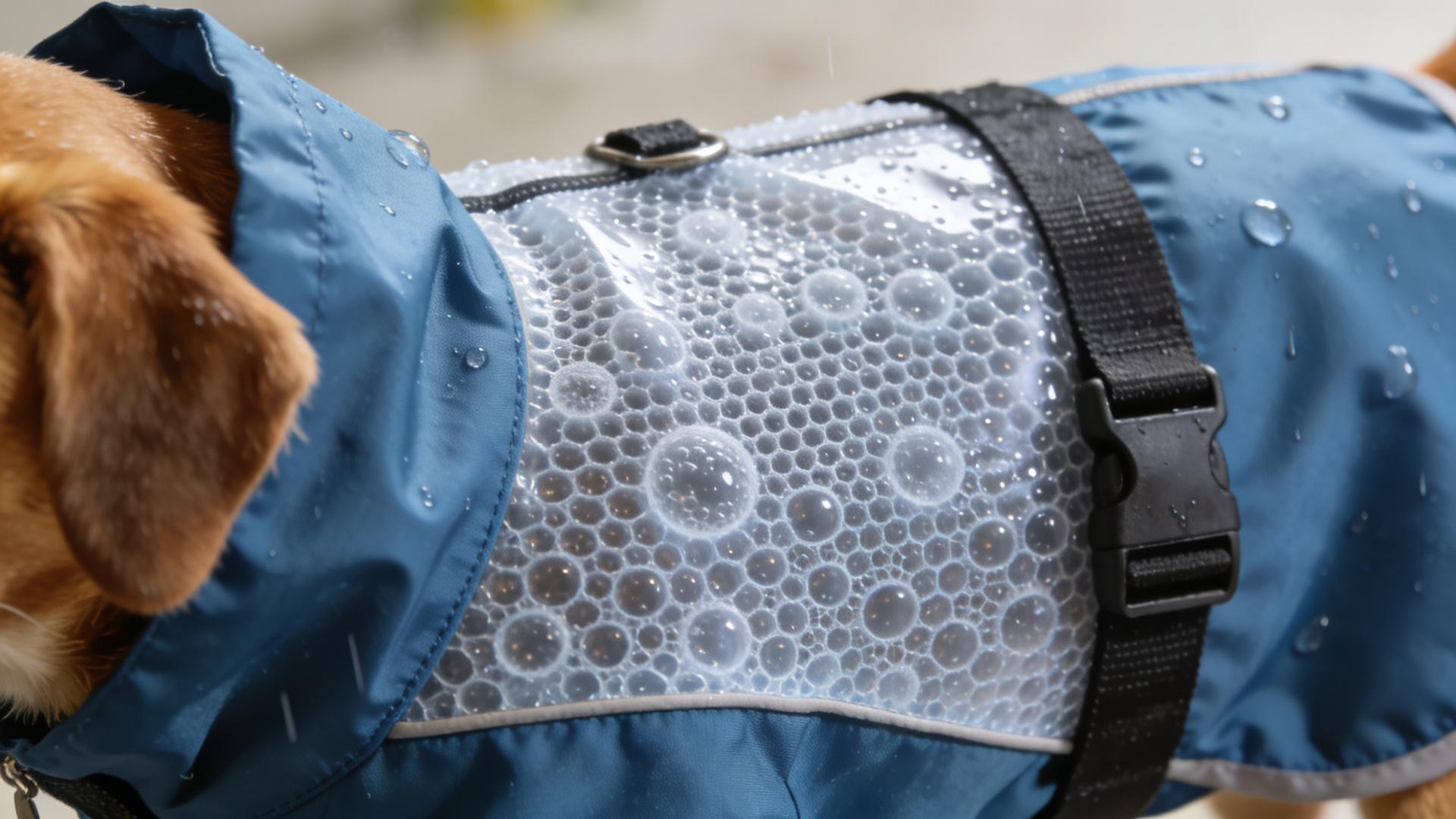
Breathability refers to a fabric's ability to allow water vapor (sweat and humidity) to pass through its membrane or weave, while still repelling liquid water from the outside. It's measured in grams per square meter per 24 hours (g/m²/24h), indicating how much moisture vapor can escape. A high breathability rating (e.g., 10,000g+) is crucial for active dogs.
A breathable waterproof dog coat operates on a simple but profound principle: manage moisture from both directions.
1. External Protection: The durable water repellent (DWR) finish causes rainwater to bead up and roll off.
2. Internal Moisture Management: The microscopic pores in the breathable membrane (e.g., variants of Gore-Tex, proprietary brands like OutDry) are small enough to block liquid water droplets but large enough to allow singular water vapor molecules to pass outward.
This balance ensures your dog stays dry from the inside out, which is fundamentally more important for comfort and health than simply having a dry outer layer of fur.
⚠️ The Risks of Ignoring Breathability
Choosing a coat based on waterproofness alone can lead to several preventable issues:
1. Overheating and Heat Stress: Even on a cool, rainy day (e.g., 55°F/13°C), the trapped microclimate under a non-breathable coat can quickly reach temperatures exceeding 85°F (29°C). This forces the dog's thermoregulatory system to work overtime, leading to excessive panting, distress, and in severe cases, heat exhaustion.
2. Skin Problems: Constant moisture trapped against the skin is a primary catalyst for bacterial and yeast infections. It can also lead to the development of painful hotspots (acute moist dermatitis), where the dog licks and chews at the irritated, damp skin, creating a worsening cycle.
3. Discomfort and Stress: A damp, clingy coat and the sensation of being overheated can make the walk stressful and unpleasant. A stressed dog may exhibit reluctance to walk, anxious behavior, or try to remove the coat.
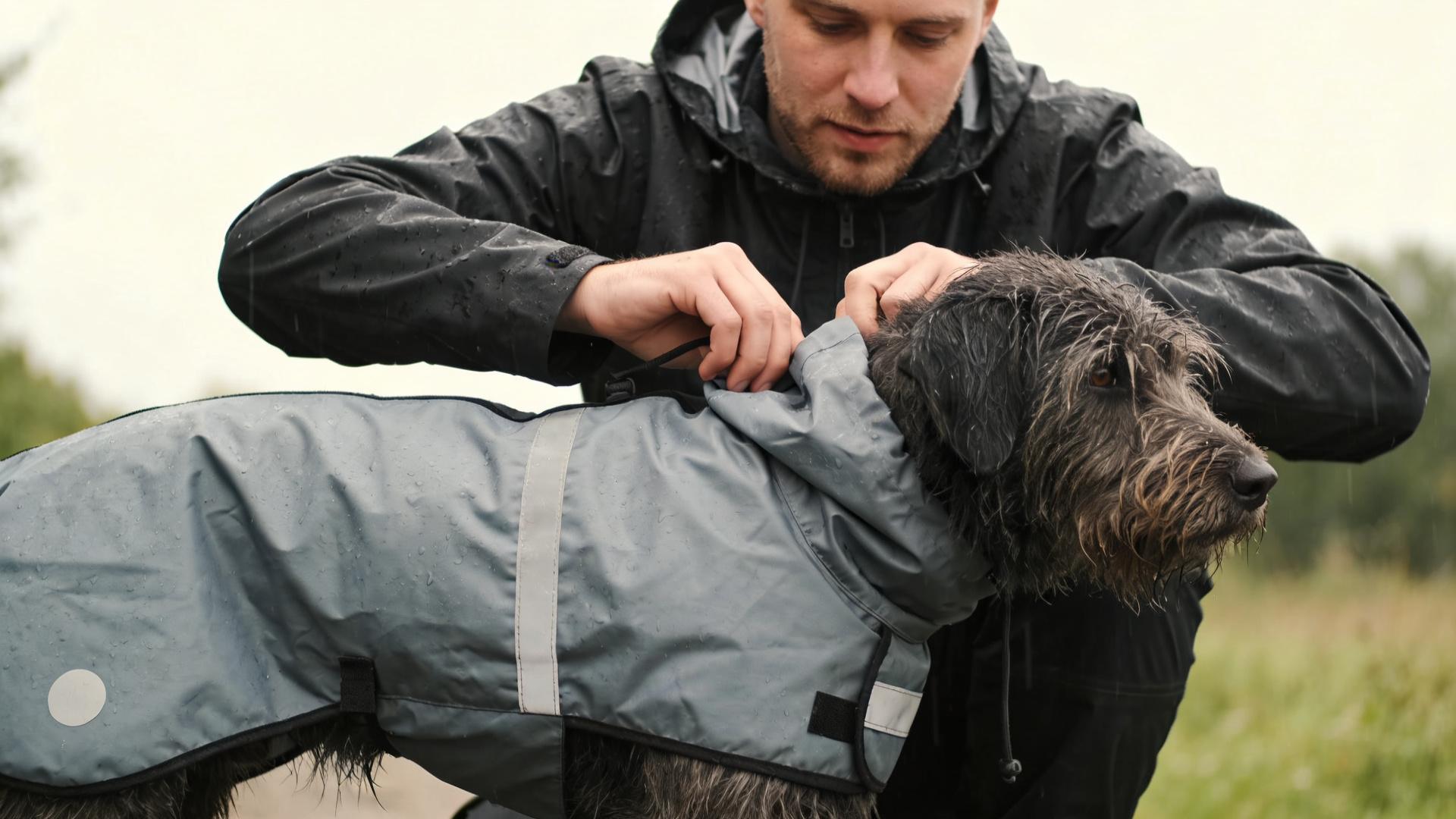
✅ The Tangible Benefits of a Breathable Raincoat
Investing in a truly breathable raincoat transforms the rainy walk experience:
• Optimized Thermoregulation: Your dog maintains a stable, healthy body temperature, staying comfortable whether walking briskly or stopping to sniff.
• Superior Dryness: The coat manages both rain and sweat. When you remove the coat post-walk, your dog's undercoat and skin feel noticeably drier compared to wearing a non-breathable alternative.
• Long-Term Skin and Coat Health: By preventing a perpetually damp environment, you drastically reduce the risk of fungal and bacterial growth, promoting a healthier skin barrier and shinier coat.
• Enhanced Enjoyment: A comfortable dog is a happy, cooperative walker. This improves the bond and makes rainy-day exercise a positive ritual rather than a chore.
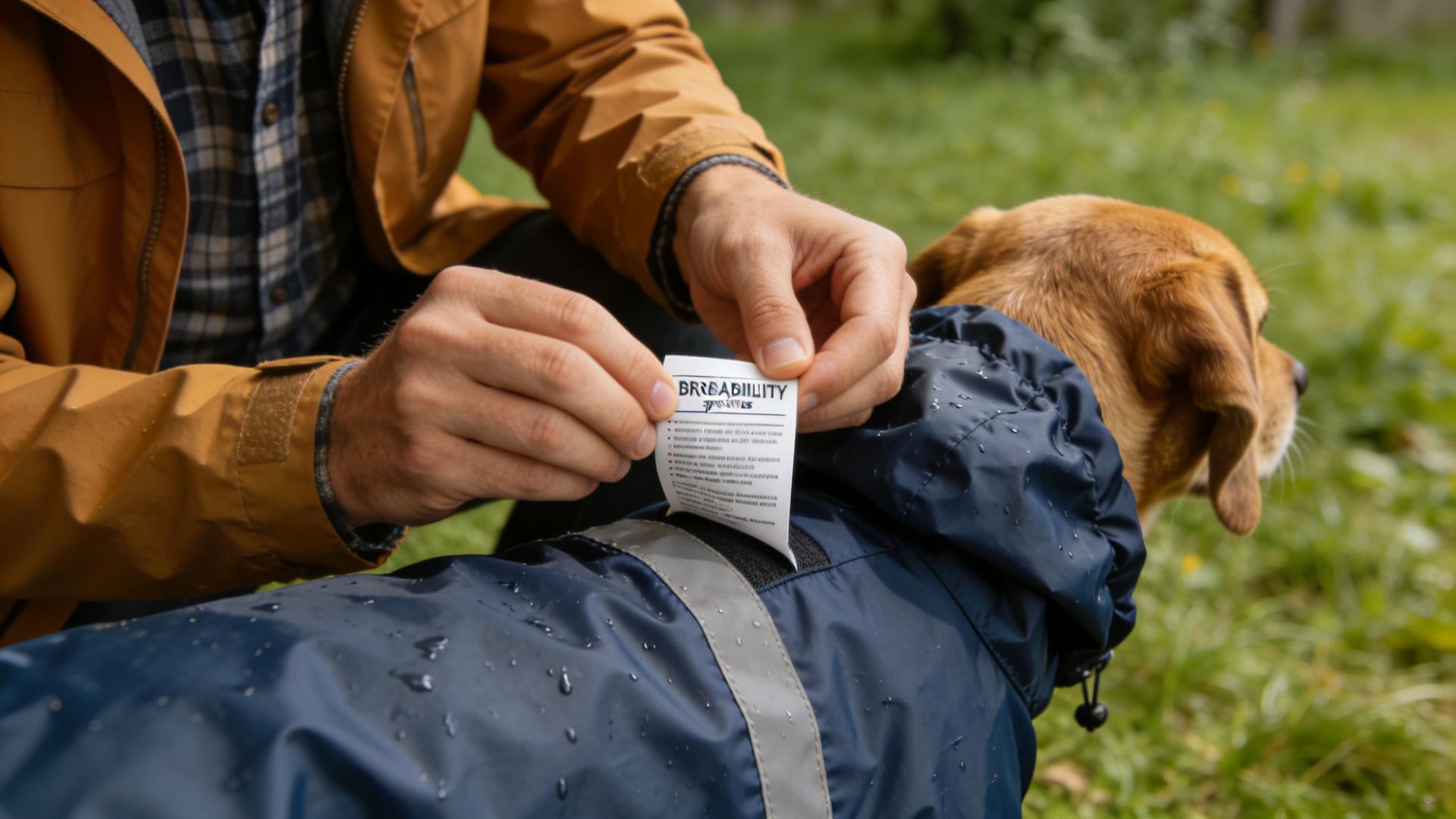
🔍 How to Choose the Best Raincoat for Dogs in Rain: A Buyer's Guide
Selecting the right coat requires looking beyond marketing buzzwords like "waterproof." Here’s what to prioritize:
📝 Deciphering Fabric Technology
1. Look for Technical Specifications: Reputable brands will often list a breathability rating. Aim for ratings above 5,000 g/m²/24h for light activity and 10,000+ for active or anxious dogs. Terms like "micro-porous membrane" or "hydrophilic laminate" indicate breathable technology.
2. Material Matters: Avoid 100% polyester or nylon with only a PU coating. Instead, look for:
- 2-Layer or 2.5-Layer Laminates: A membrane bonded to an outer fabric, often with a light protective print inside. Good balance of breathability, weight, and price.
- 3-Layer Laminates: A membrane sandwiched between an outer face fabric and an inner protective scrim. This is the gold standard for durability and high breathability, used in premium performance gear.
3. Design Features for Airflow: Physical design aids breathability. Seek out coats with:
- Vented panels under the belly or along the sides.
- A raised back panel or "spine channel" design that allows heat to rise and escape.
- A mesh lining that creates a small air gap between the coat and the dog's fur.
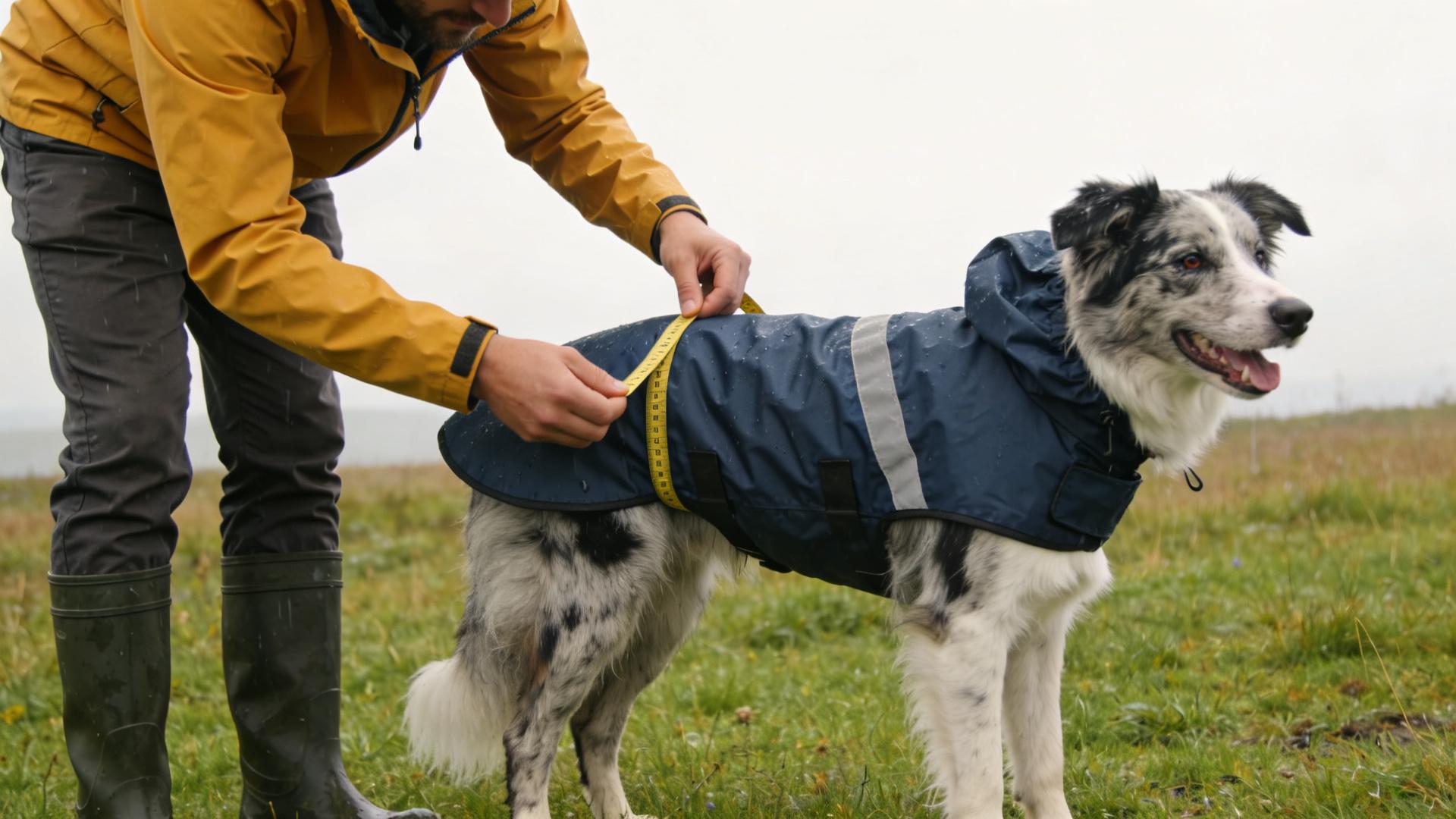
✂️ The Critical Importance of Fit
A poorly fitting coat, even a breathable one, can chafe and restrict movement. More importantly, fit directly impacts airflow.
Do's:
- Measure your dog's girth (the deepest part of the chest behind the front legs), neck, and back length.
- Choose a coat that allows for a full range of motion—your dog should be able to run, squat, and relieve itself without hindrance.
- Ensure the coat is snug but not tight; you should be able to slip two fingers comfortably under the straps.
Don'ts:
- Avoid coats that are too tight around the chest or neck, as they can restrict breathing and panting—the dog's main cooling mechanism.
- A coat that is too long can cause tripping or interfere with bathroom functions.
🛡️ Water-Resistant vs. Waterproof: Understanding the Spectrum
Not every rainy day requires a full-on storm jacket. For drizzles or short walks, a highly breathable water-resistant coat (often made from tightly woven, DWR-treated fabrics like nylon) can be a better choice than a fully waterproof but less breathable one. It offers protection from light moisture while maximizing airflow. Reserve heavy-duty waterproof-breathable coats for prolonged downpours or cold, driving rain.
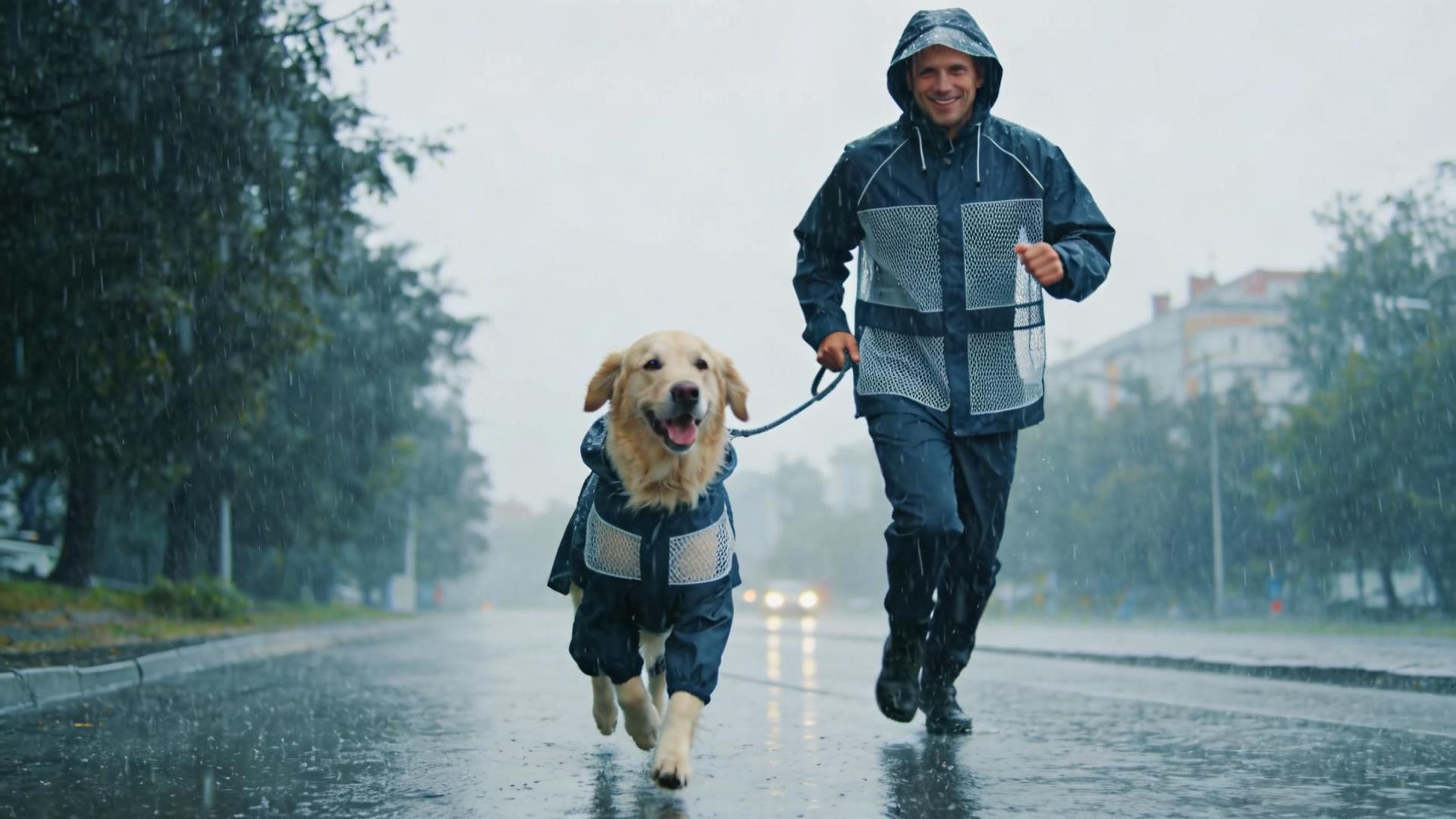
🎯 Conclusion: A Shift in Priority for Canine Comfort and Health
Protecting your dog from the rain is an act of care, but protecting them from the unintended consequences of a poorly chosen raincoat is an act of informed health stewardship. The paradigm must shift from seeking absolute waterproofing to demanding superior breathability.
When you next evaluate a dog raincoat for rainy walks, remember: the goal is not to create a mobile plastic tent. The goal is to provide a protective layer that works in harmony with your dog's physiology. A slightly less waterproof but highly breathable coat will always be a wiser, kinder choice than a fully waterproof plastic sheet that essentially cooks your dog from the inside. Your dog’s comfort, vitality, and well-being after every rainy adventure will be the clearest testament to why breathability matters for dog raincoats. Choose wisely, and let those puddle-filled walks be filled with joy, not discomfort.