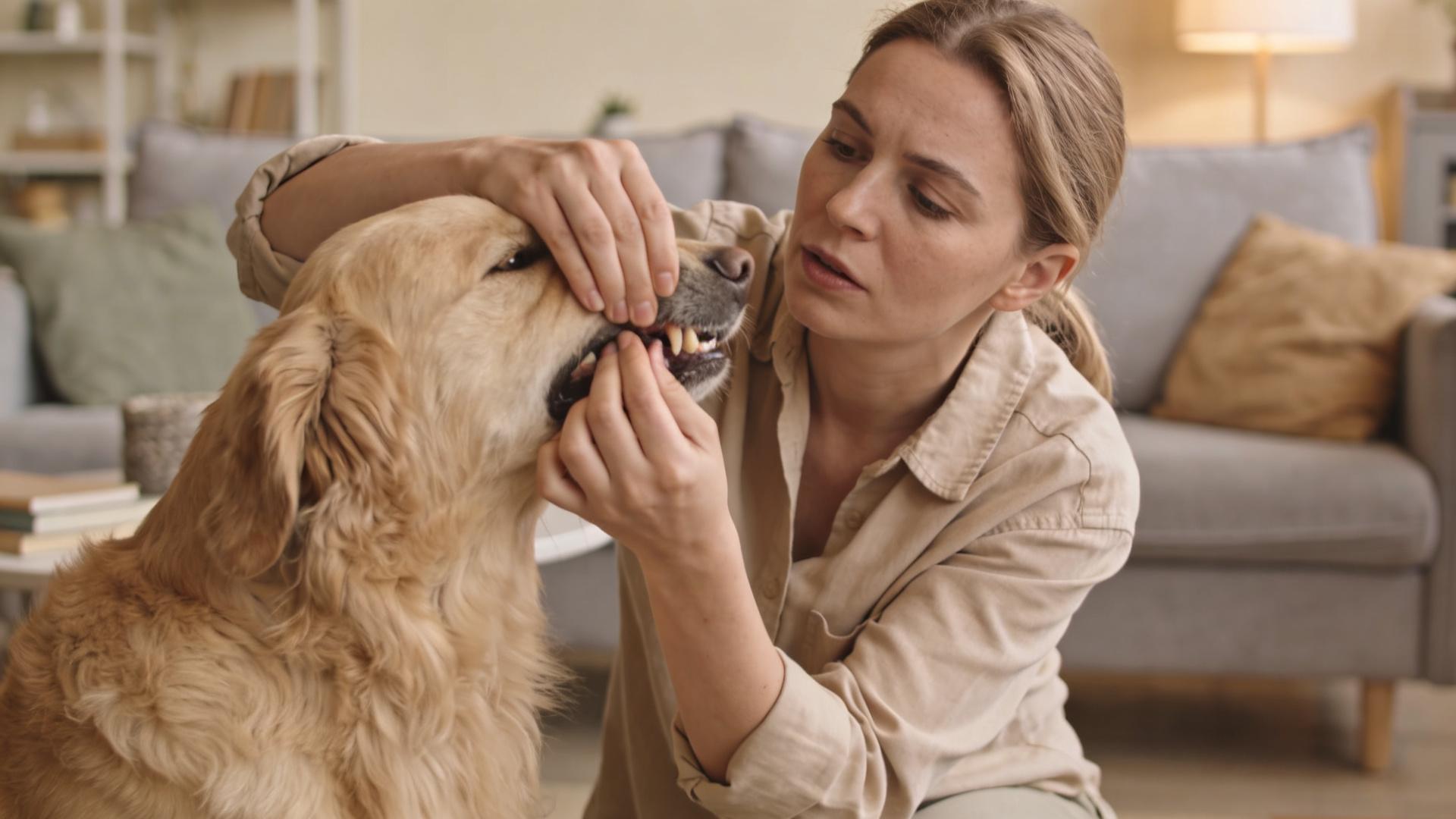
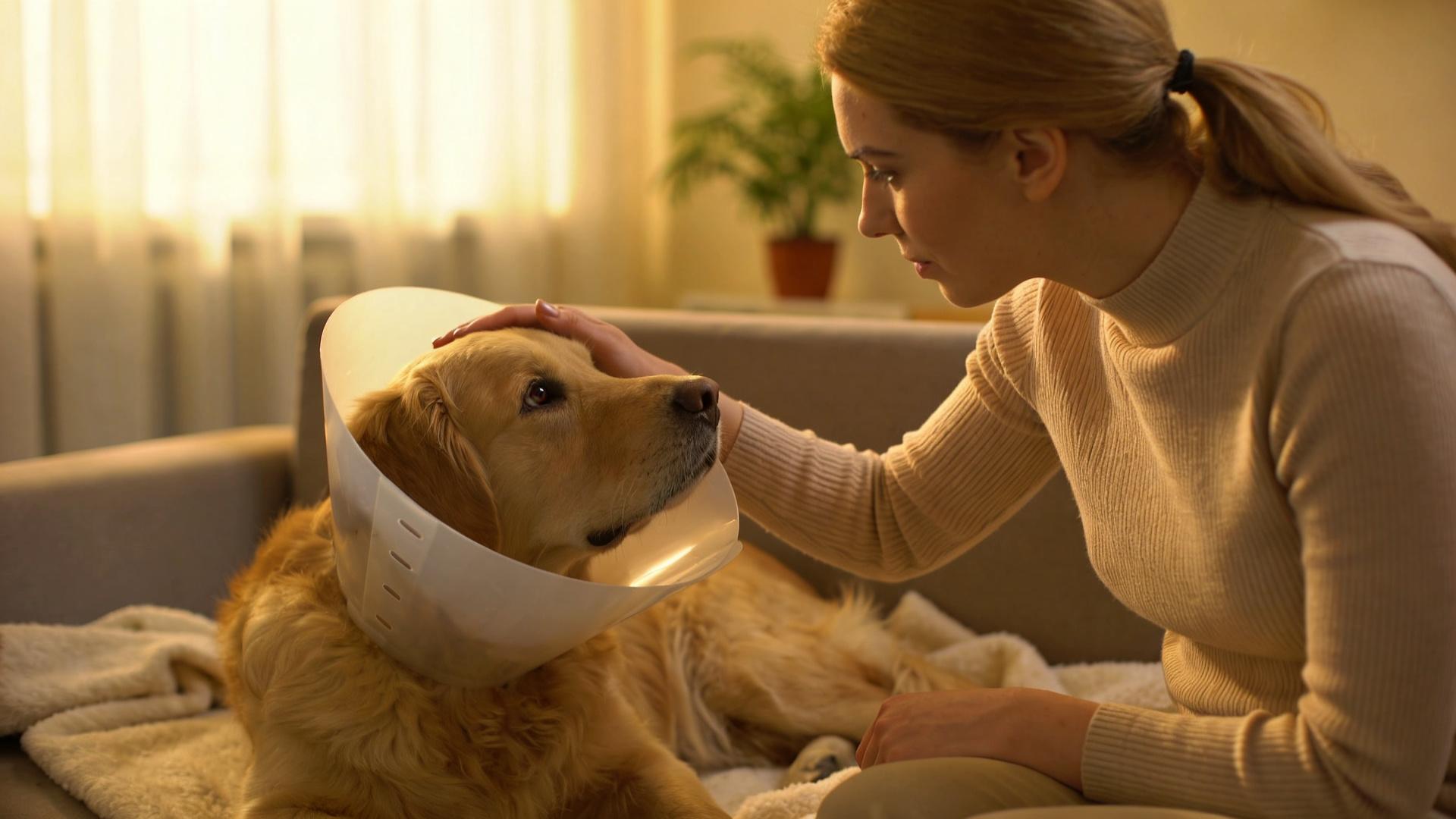
Spring is a symphony of rebirth—blooming flowers, longer days, and a sense of renewal. However, for countless dogs and their owners, this season also heralds the arrival of a delicate, floating nuisance: willow catkins. These fluffy seed pods, while picturesque, can turn into a cloud of allergens, triggering a range of uncomfortable symptoms in our canine companions. As a pet parent, seeing your dog sneeze incessantly or scratch relentlessly can be heart-wrenching. In the search for solutions, a question has emerged in parks and online forums alike: “Can I put a mask on my dog?” This article, crafted from a dual lens of canine health expertise, will provide a comprehensive, nuanced guide to navigating this seasonal challenge. We’ll explore the science, weigh the practicalities, and outline a holistic management plan to ensure your dog enjoys the spring safely and comfortably.
🌸 Understanding the Foe: What Are Willow Catkin Allergies?
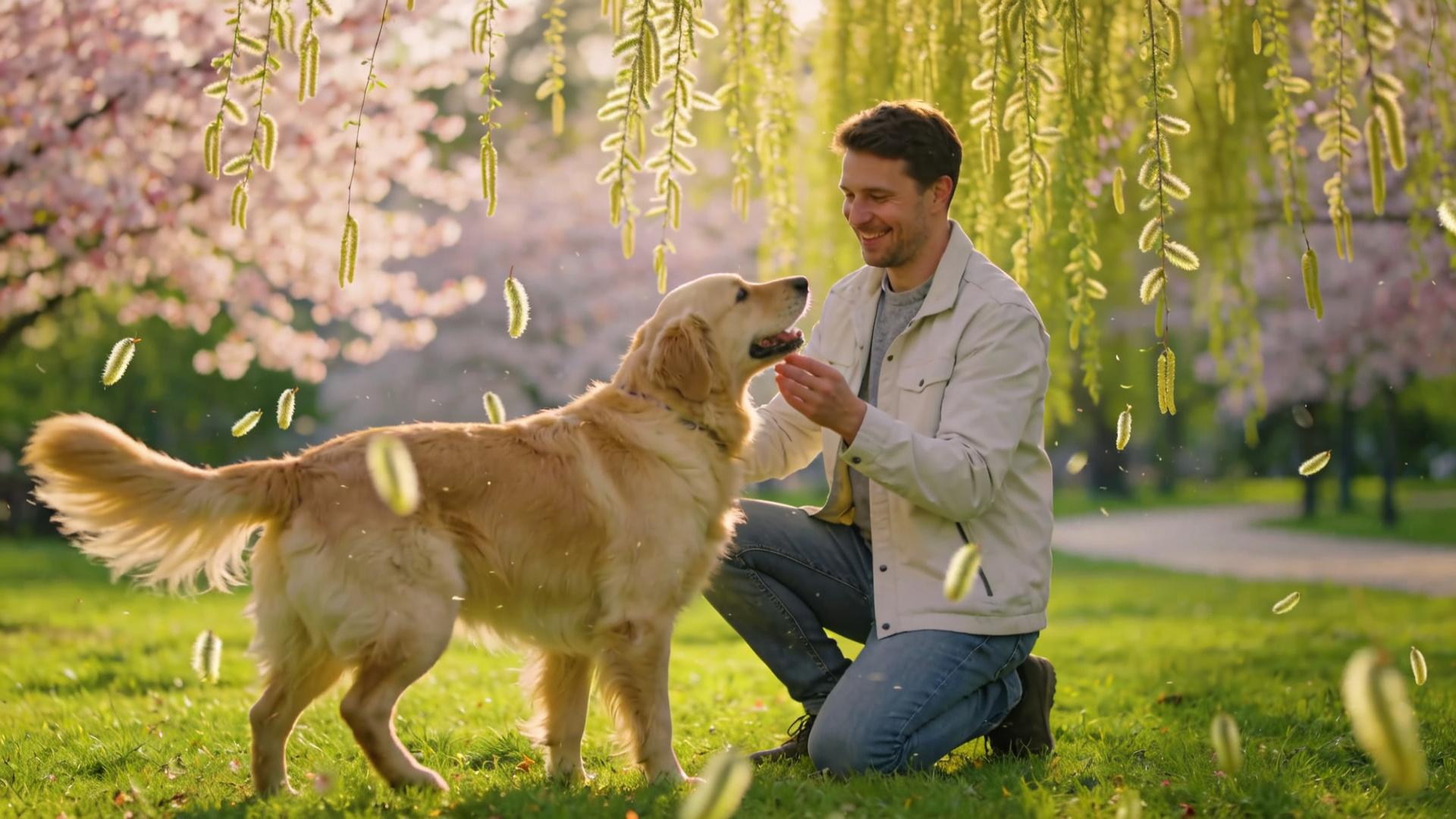
To effectively combat a problem, one must first understand it. Willow catkins are the fluffy, cotton-like seed carriers of willow trees (genus Salix). Their primary function is wind dispersal, but in the process, they act as tiny vehicles for pollen, dust, mold spores, and other environmental allergens. When a dog inhales these particles, or they come into contact with their skin, eyes, or paws, the immune system of an allergic individual can overreact, treating these harmless substances as dangerous invaders.
🚨 Recognizing the Symptoms: Is Your Dog Suffering?
Canine allergies rarely manifest as just a simple sneeze. Symptoms are often multifaceted and can be mistaken for other issues. Key signs to watch for during spring include:
- Respiratory Signs: Sneezing, reverse sneezing, coughing, wheezing, or nasal discharge.
- Dermatological Signs: Itchy, inflamed skin (pruritus), particularly around the paws, face, armpits, and belly. You may notice excessive licking, chewing, or scratching.
- Ocular Signs: Red, watery, or swollen eyes (conjunctivitis).
- General Discomfort: Restlessness, ear infections (often signaled by head shaking), and lethargy.
A veterinarian can help differentiate between willow catkin allergies and reactions to other seasonal allergens like grass or tree pollen through diagnostic tests.
🛡️ The Great Debate: To Mask or Not to Mask?
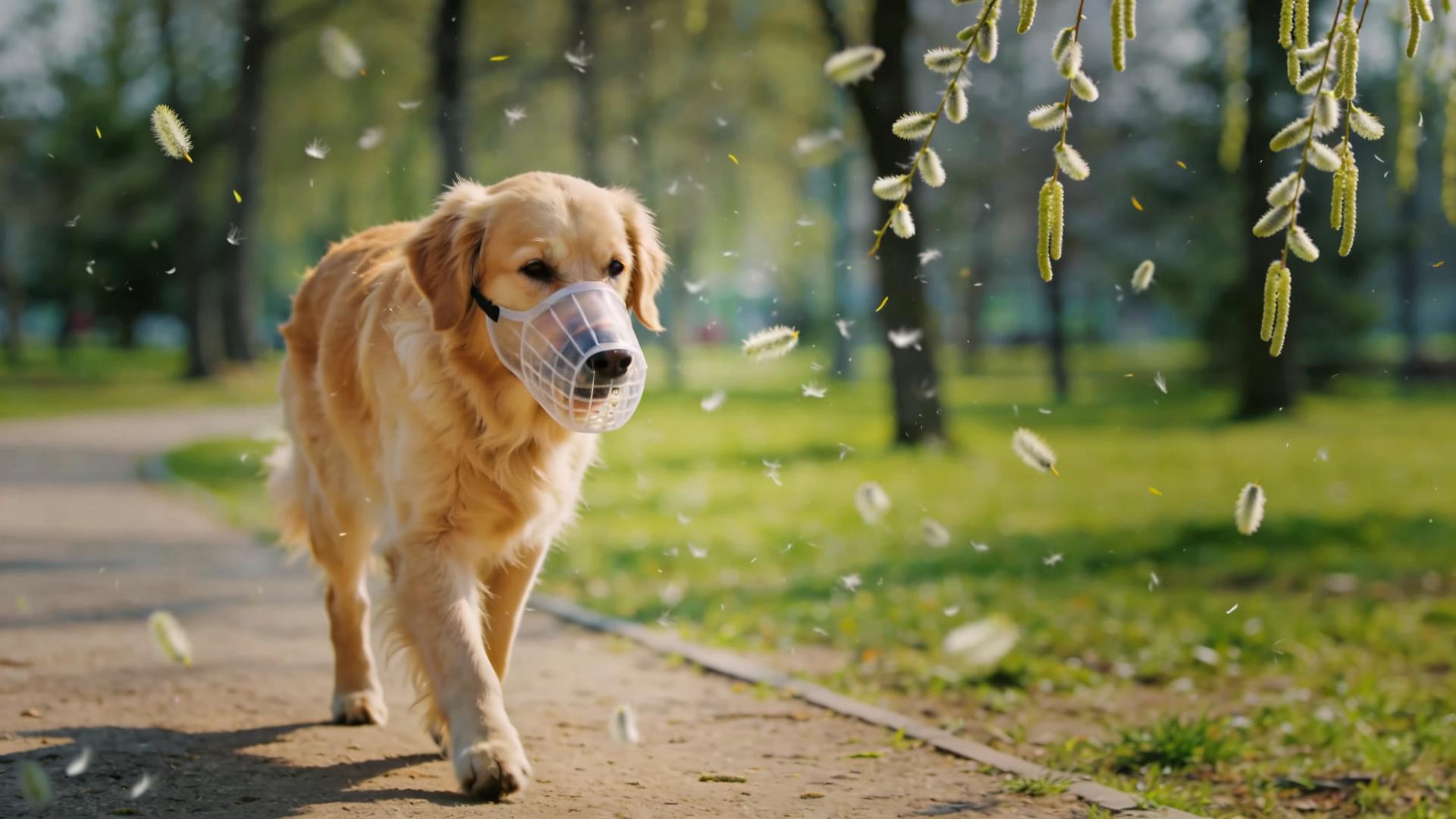
The core question demands a balanced answer: Using a mask on a dog is a situational tool, not a universal or primary solution, and it comes with significant caveats. It is never a substitute for professional veterinary care. Let’s dissect the pros and cons.
✅ Potential Pros of Using a Canine Mask
- Barrier to Airborne Allergens: A well-fitted mask designed for dogs may reduce the volume of catkin filaments, pollen, and dust directly inhaled during short, high-exposure activities like a walk in a park dense with willow trees.
- Short-Term, Targeted Use: For dogs with severe, diagnosed respiratory allergies, it could offer temporary relief during peak allergen hours or in specific environments.
- Public Awareness: It visually signals to others that your dog may have sensitivities, encouraging space and reducing unsolicited contact.
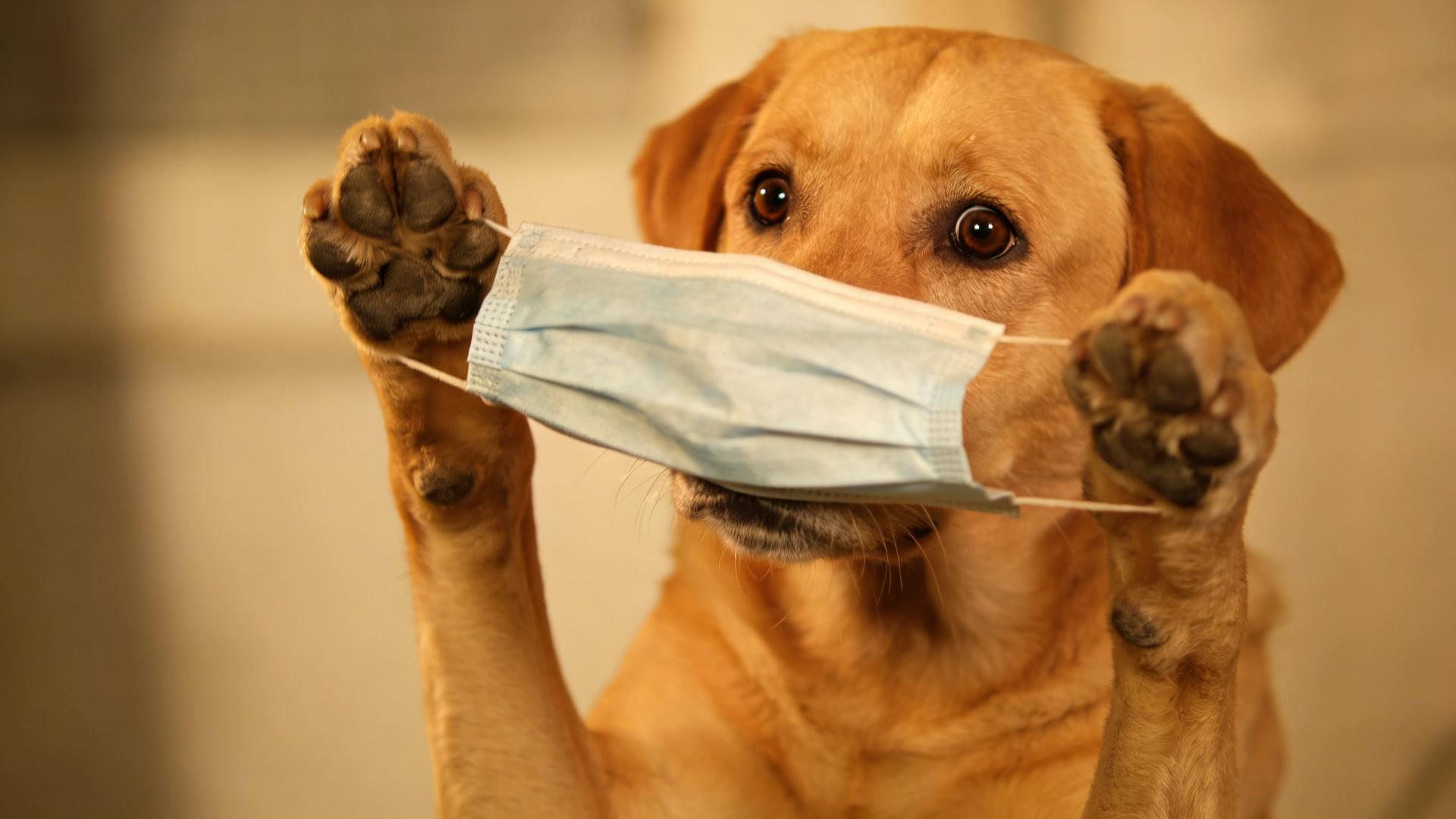
❌ Significant Cons and Risks of Using a Canine Mask
- Impedes a Primary Sense: Dogs experience the world through their nose. A mask severely limits olfaction, causing frustration, anxiety, and stripping away the mental stimulation of a walk.
- Interferes with Thermoregulation: Dogs cool themselves primarily by panting. A mask can restrict airflow, impair panting efficiency, and rapidly lead to dangerous overheating, especially in warmer spring weather.
- Stress and Discomfort: Most dogs are not accustomed to facial coverings. Forcing a mask can cause significant stress, leading to panic, resistance, and a negative association with walks.
- Fit and Safety Hazards: An improper fit can chafe the skin, obstruct vision, or, in worst-case scenarios, cause breathing difficulties. It poses a choking hazard if chewed or torn.
- False Sense of Security: Relying on a mask may lead owners to neglect more effective and comprehensive management strategies.
Special Reminder: Never use human masks, especially N95 or surgical masks, on dogs. Their design and filtration levels are not suitable for canine anatomy and respiratory needs, posing a severe suffocation risk.
💡 Superior Alternatives: A Holistic Allergy Management Plan
Before considering a mask, implement these proven, vet-recommended strategies that address the problem more effectively and comfortably for your dog.
🐾 Post-Walk Decontamination Protocol
This is your first and most crucial line of defense. After every outdoor excursion:
- Wipe Down: Use a damp cloth or hypoallergenic pet wipes to thoroughly wipe your dog’s coat, paws, belly, muzzle, and around the eyes. This physically removes allergens before they can be ingested through licking or absorbed through the skin.
- Paw Soak/Bath: For a deeper clean, consider a quick paw soak in lukewarm water or a weekly bath with a gentle, oatmeal-based shampoo to soothe skin and wash away irritants.

🏡 Environmental Control Measures
- Air Purification: Invest in a high-quality HEPA air purifier for the main living areas and your dog’s sleeping space. This dramatically reduces airborne allergens inside your home.
- Frequent Cleaning: Vacuum floors, carpets, and upholstery regularly with a HEPA-filter vacuum cleaner. Wash your dog’s bedding in hot water weekly.
- Smart Scheduling: Walk your dog during times of lower pollen count—typically early morning or late evening—and on days when the breeze is minimal.
🩺 Professional Veterinary Interventions
Consult your veterinarian for personalized medical solutions, which may include:
- Prescription Medications: Antihistamines (note: not all human ones are safe for dogs), Apoquel (oclacitinib), or Cytopoint (lokivetmab) injections can provide targeted, effective relief from itching and inflammation.
- Allergy Testing & Immunotherapy: For chronic cases, identifying specific allergens and pursuing allergy shots (immunotherapy) can desensitize your dog’s immune system over time.
- Supportive Supplements: Omega-3 fatty acids (fish oil), quercetin, and probiotics can support skin health and modulate the immune response.
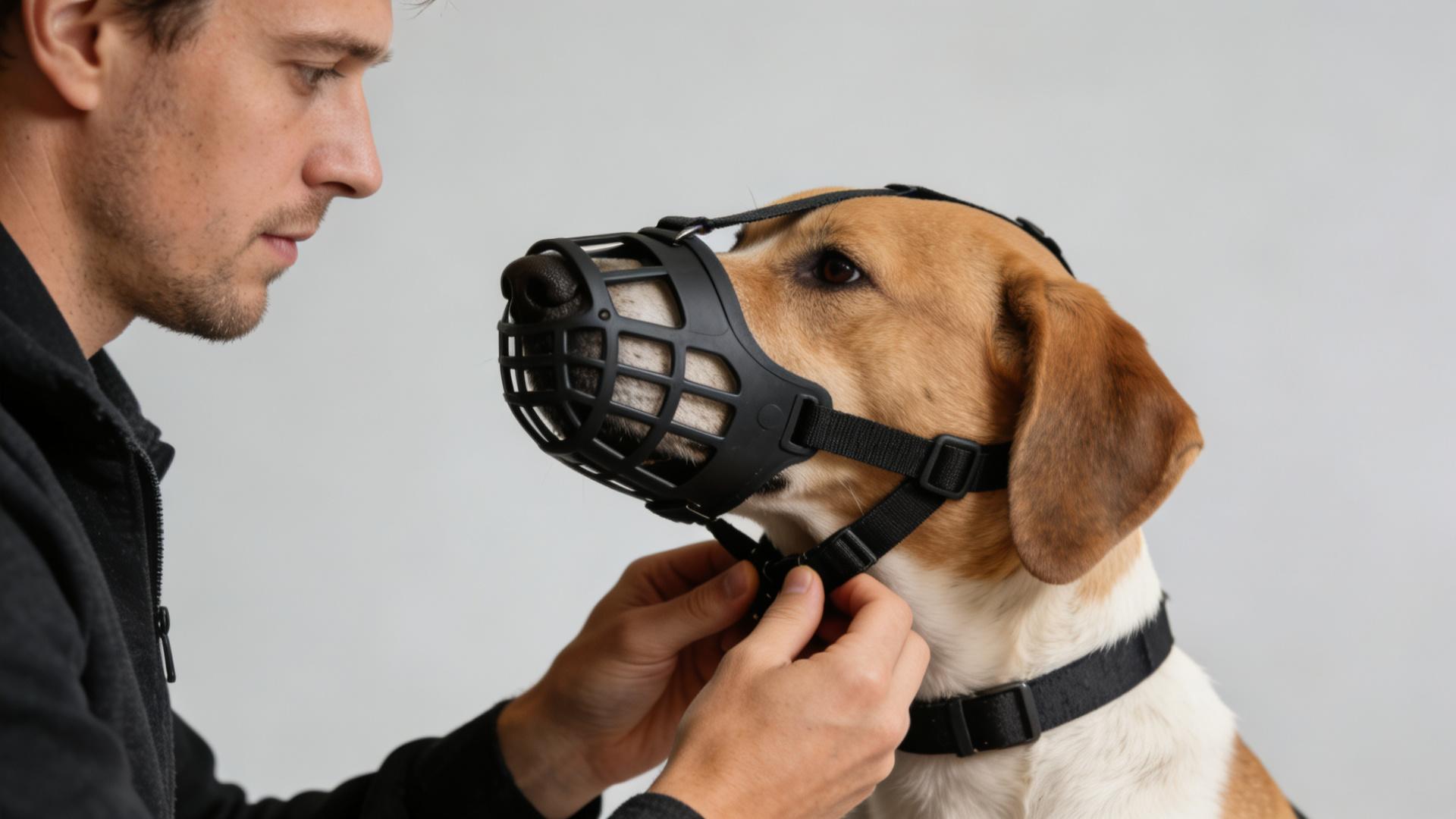
⚠️ If You Choose a Mask: A Responsible Guide
If, after consulting your vet, you decide to trial a mask for specific, short-duration scenarios, follow this guide meticulously.
🔍 Choosing the Right Equipment
- Dog-Specific Design Only: Purchase a mask explicitly designed for dogs, featuring ample panting room, soft, breathable materials, and secure, adjustable straps.
- Perfect Fit is Paramount: It should be snug but never tight. You should be able to fit two fingers comfortably between the straps and your dog’s head. Ensure it doesn’t rub on the eyes or nose.
🎓 Acclimation and Usage Protocol
- Gradual Introduction: Let your dog sniff the mask first. Associate it with treats and praise. Practice putting it on for mere seconds indoors, slowly increasing duration over days or weeks.
- Supervision is Non-Negotiable: Never leave your dog unattended while wearing a mask.
- Strict Time Limits: Use only for brief periods (e.g., a 10-15 minute walk through a high-allergen zone). Immediately remove it if your dog shows signs of distress, overheating, or difficulty breathing.
- Constant Monitoring: Watch for excessive panting, drooling, pawing at the face, or attempts to remove it.
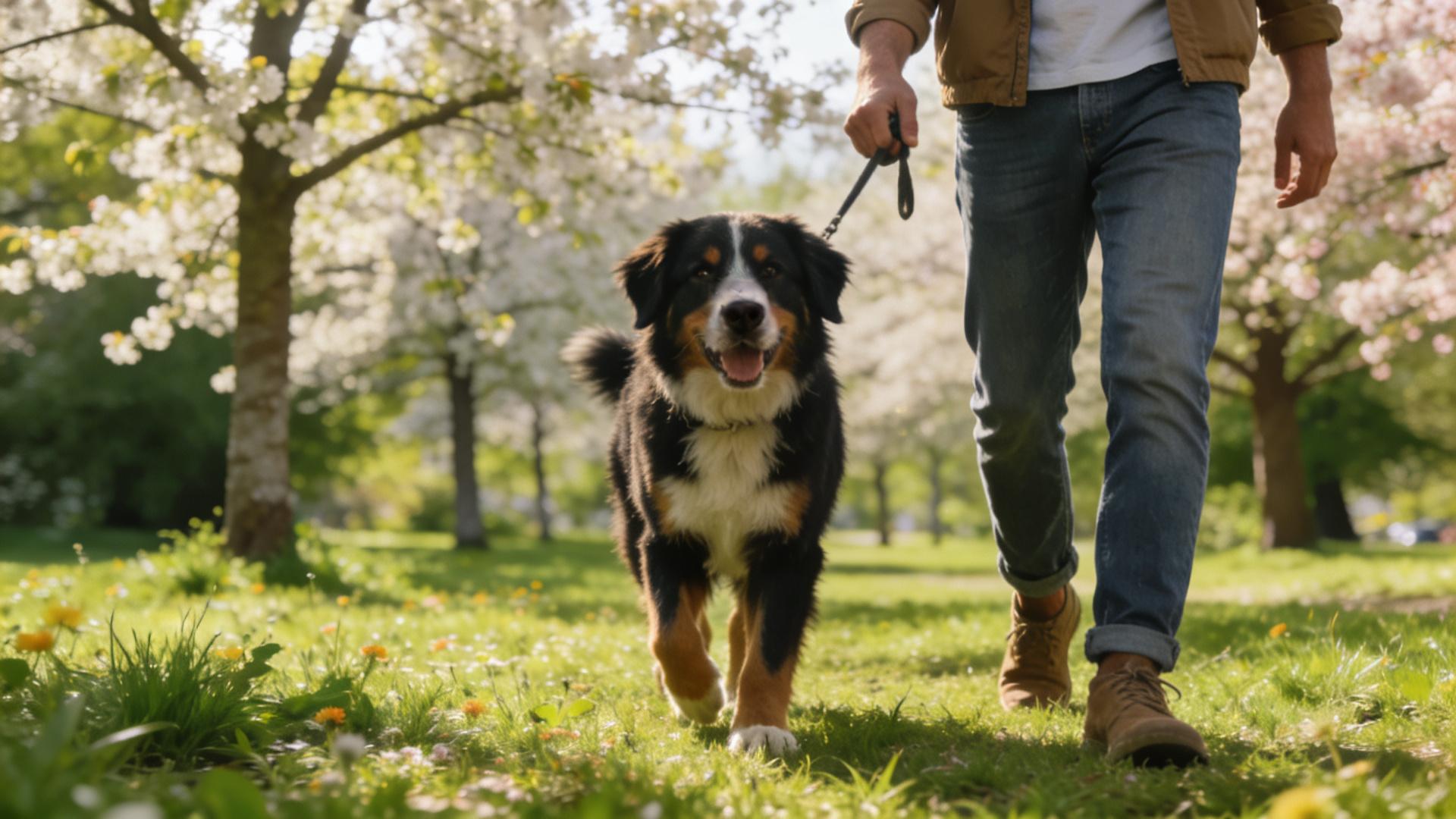
🎯 Conclusion: Prioritizing Comfort and Health
Navigating springtime willow catkin allergy season requires a blend of vigilance, compassion, and practical knowledge. While the image of a masked dog might seem like a quick fix, the reality is far more complex. Masks are, at best, a highly situational and secondary accessory that must be used with extreme caution and veterinary guidance.
Your most powerful tools remain a proactive, multi-modal approach: diligent post-walk cleaning, environmental control, and, most importantly, an open dialogue with your veterinarian. By focusing on your dog’s overall health and comfort, you can manage their allergies effectively, allowing both of you to breathe easier and truly enjoy the beauty of spring together. 🐾