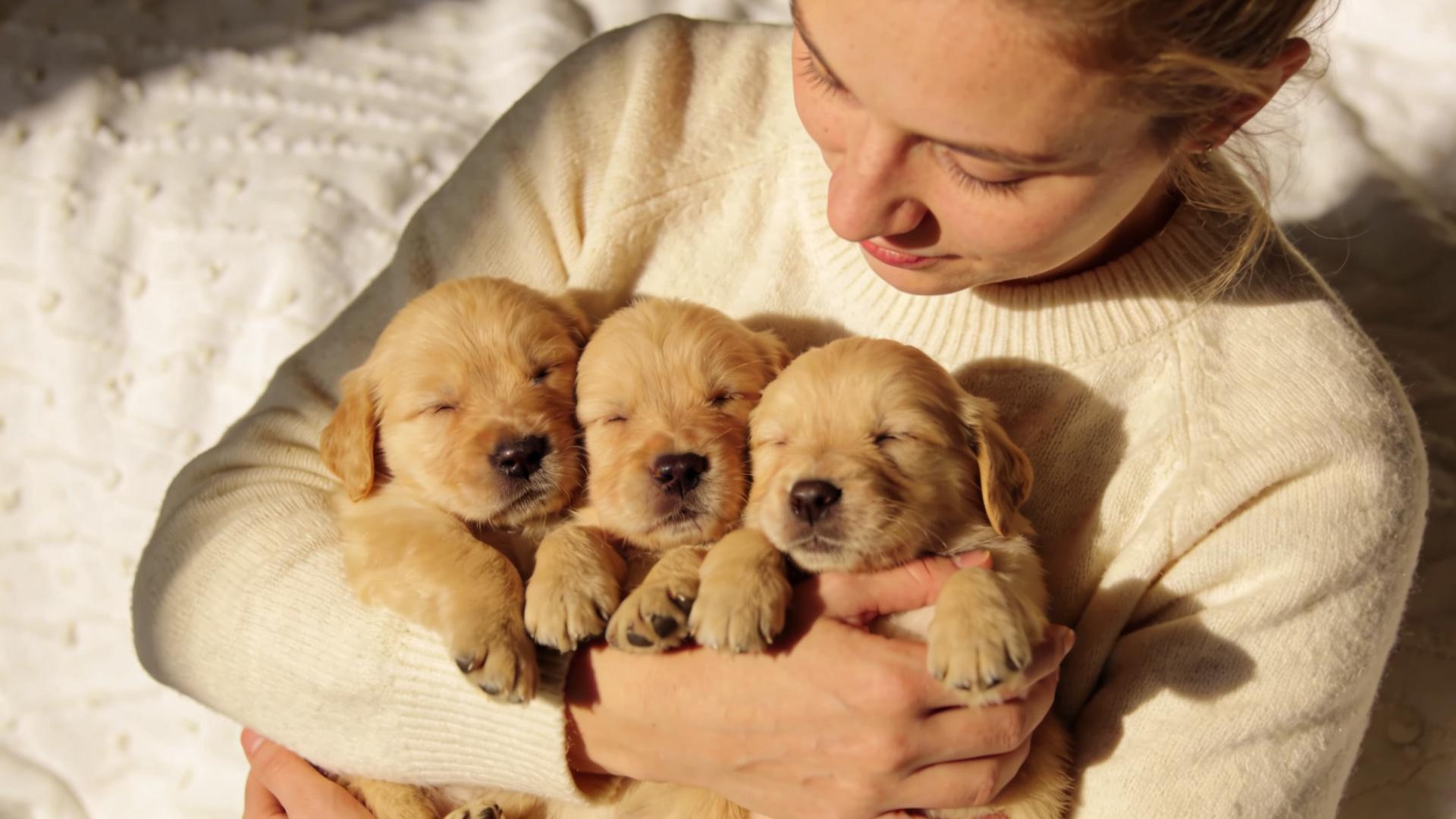
As a dog parent, you want nothing but the best for your furry companion. A shiny, soft coat is often the most visible sign of a healthy dog. But when that coat turns dry, brittle, and lackluster, the search for solutions begins, often leading you to the pet care aisle and the myriad of dog conditioners. The immediate question arises: is this a genuine solution or just a clever marketing ploy? Let's dive deep into the science of canine coat health and separate fact from fiction.
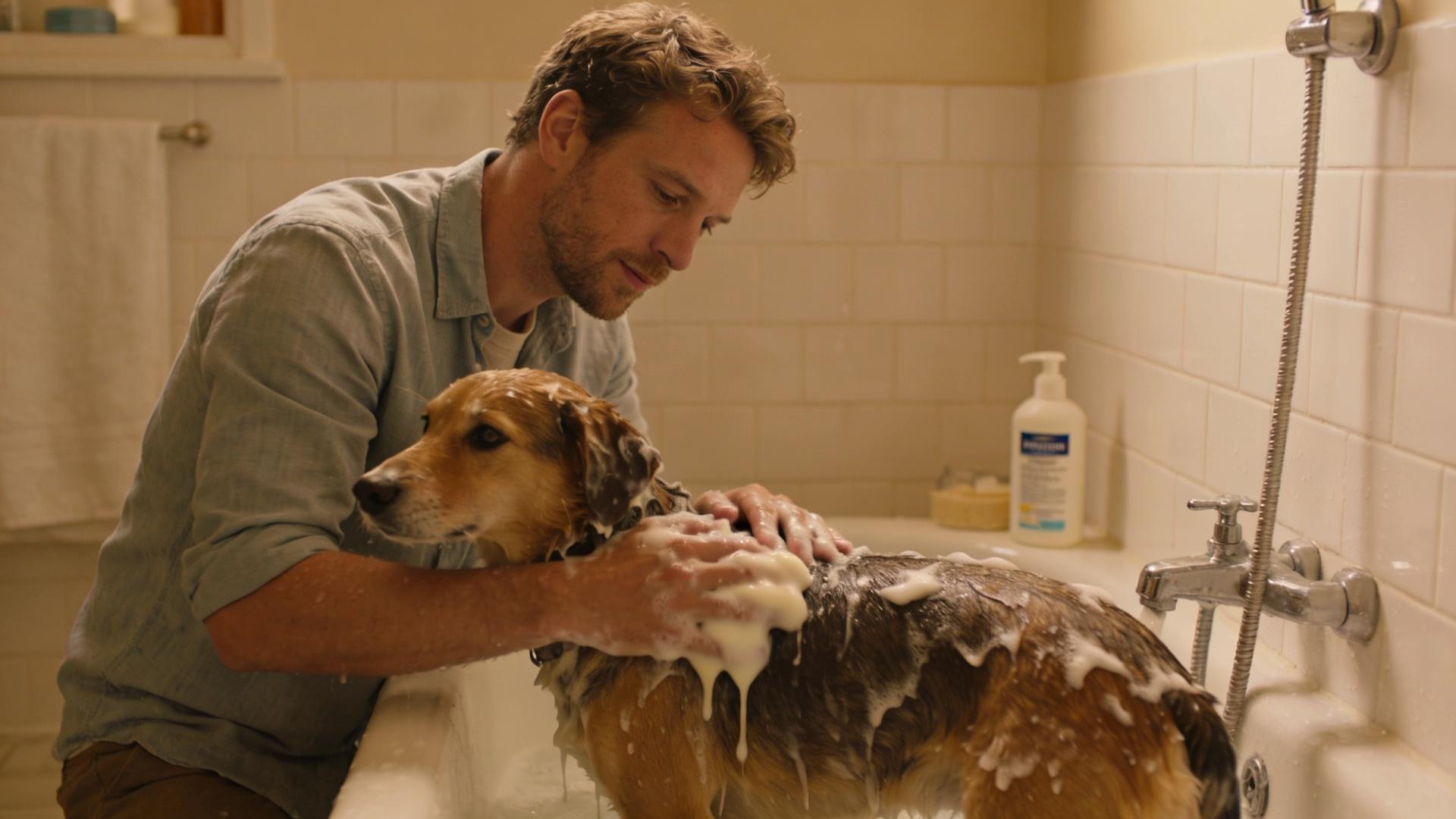
🐾 Understanding Dog Conditioners: More Than Just Fancy Scent
At their core, dog conditioners are topical grooming products designed to improve the manageability, texture, and appearance of a dog's coat and skin. They are not merely "rinse-off" perfumes. Their primary functions are to:
- Replenish Moisture: Act as a humectant or emollient to add and seal in hydration.
- Detangle and Smooth: Smooth the hair cuticle (the outer layer of each hair shaft) to reduce friction, knots, and matting.
- Provide Protection: Form a light, protective barrier against environmental elements like wind, sun, and dry air.
- Enhance Shine: By smoothing the cuticle, light reflects more evenly, creating a shinier appearance.
The critical point of differentiation lies not in the product category itself, but in the ingredient quality and scientific formulation. A conditioner with a base of water, silicones, and cheap surfactants will perform vastly differently from one formulated with ceramides, fatty acids, and natural oils.
The Anatomy of a Quality Canine Conditioner
Effective conditioners target the hair's structure. Each hair strand is primarily made of keratin, a protein. Surrounding this protein structure is the lipid barrier—a mix of oils and fats (like ceramides and cholesterol) that acts as a sealant, preventing moisture loss. A good conditioner works to support both.
🔬 The Science of Dry and Brittle Fur: It Starts Beneath the Surface
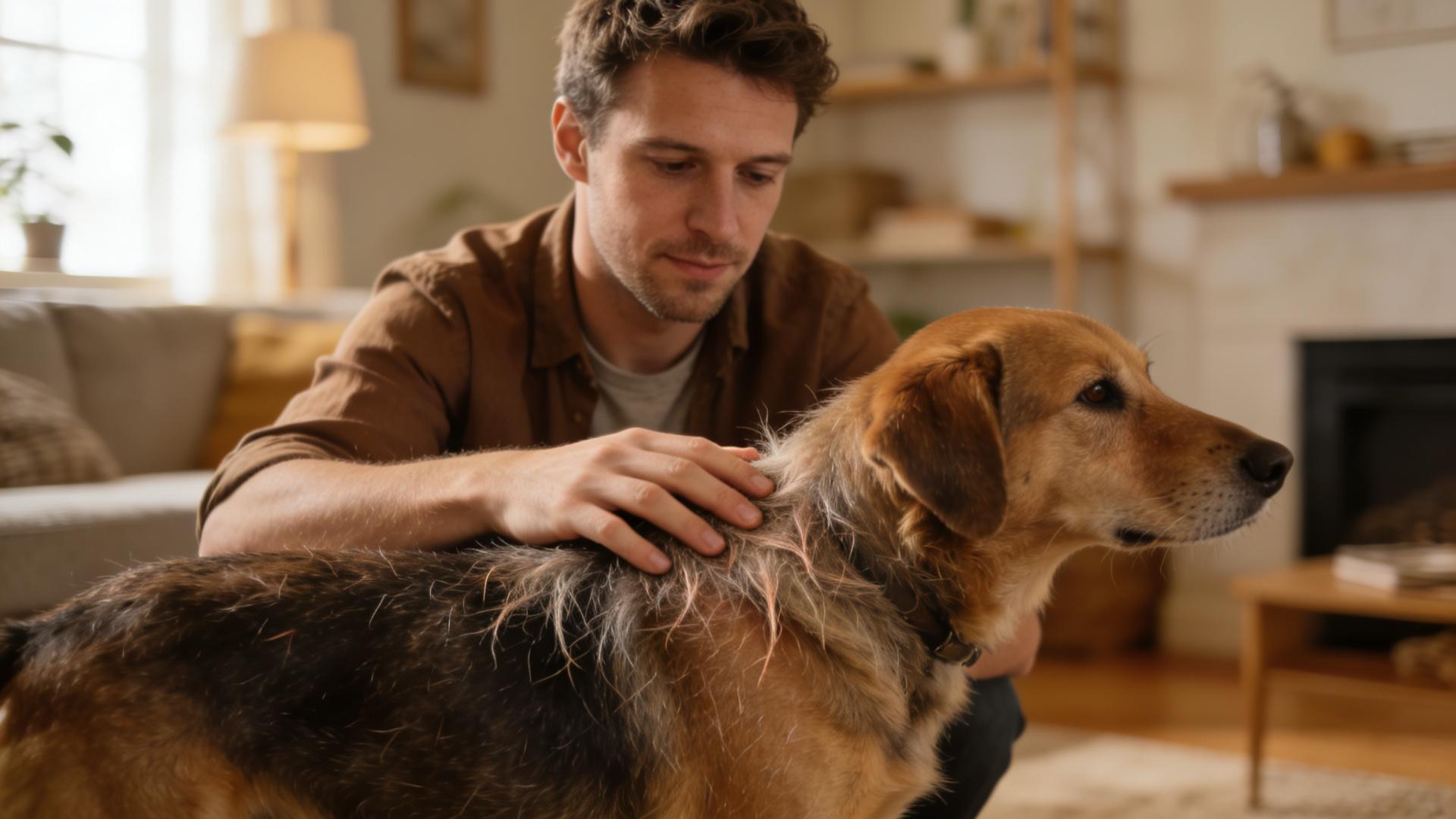
To effectively treat a problem, you must first understand its root cause. A dry, brittle, or dull coat is rarely just a "topical" issue; it's often a symptom of an internal imbalance. Scientifically, it signifies a compromised hair structure.
- Damaged Cuticle: Imagine the hair cuticle as roof shingles. When they lie flat, the "roof" is sealed. Damage, friction, or poor health causes these shingles to lift and break, leading to moisture loss and a rough, brittle feel.
- Depleted Lipid Barrier: The natural oils (sebum) produced by the skin are insufficient or stripped away by harsh shampoos, leaving the hair shaft unprotected.
- Keratin Deficiency: Hair is protein. If a dog's diet is deficient in high-quality, bioavailable protein, the body cannot produce strong, resilient hair.
The most common underlying causes include:
- Nutritional Gaps: #1 Culprit. Lack of dietary omega-3 and omega-6 fatty acids, zinc, biotin, or high-quality protein.
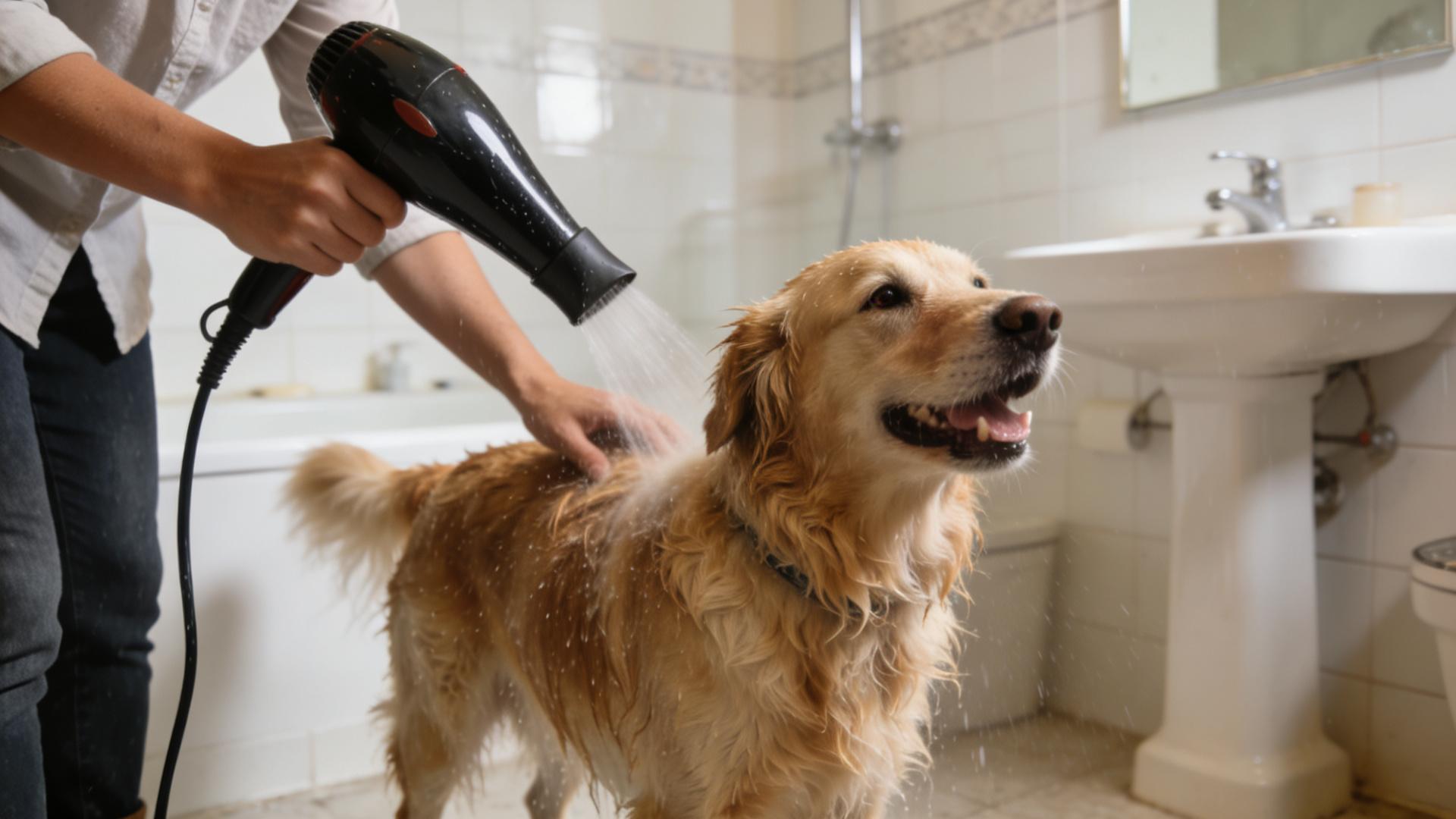
- Environmental Stress: Low humidity, excessive heat from blow dryers, over-bathing, and exposure to chlorinated or salty water.
- Skin Health Issues: Allergies (environmental or food-based), endocrine disorders (like hypothyroidism or Cushing's disease), or parasites.
- Age and Genetics: Senior dogs often produce less sebum. Some breeds are naturally prone to drier skin and coats.
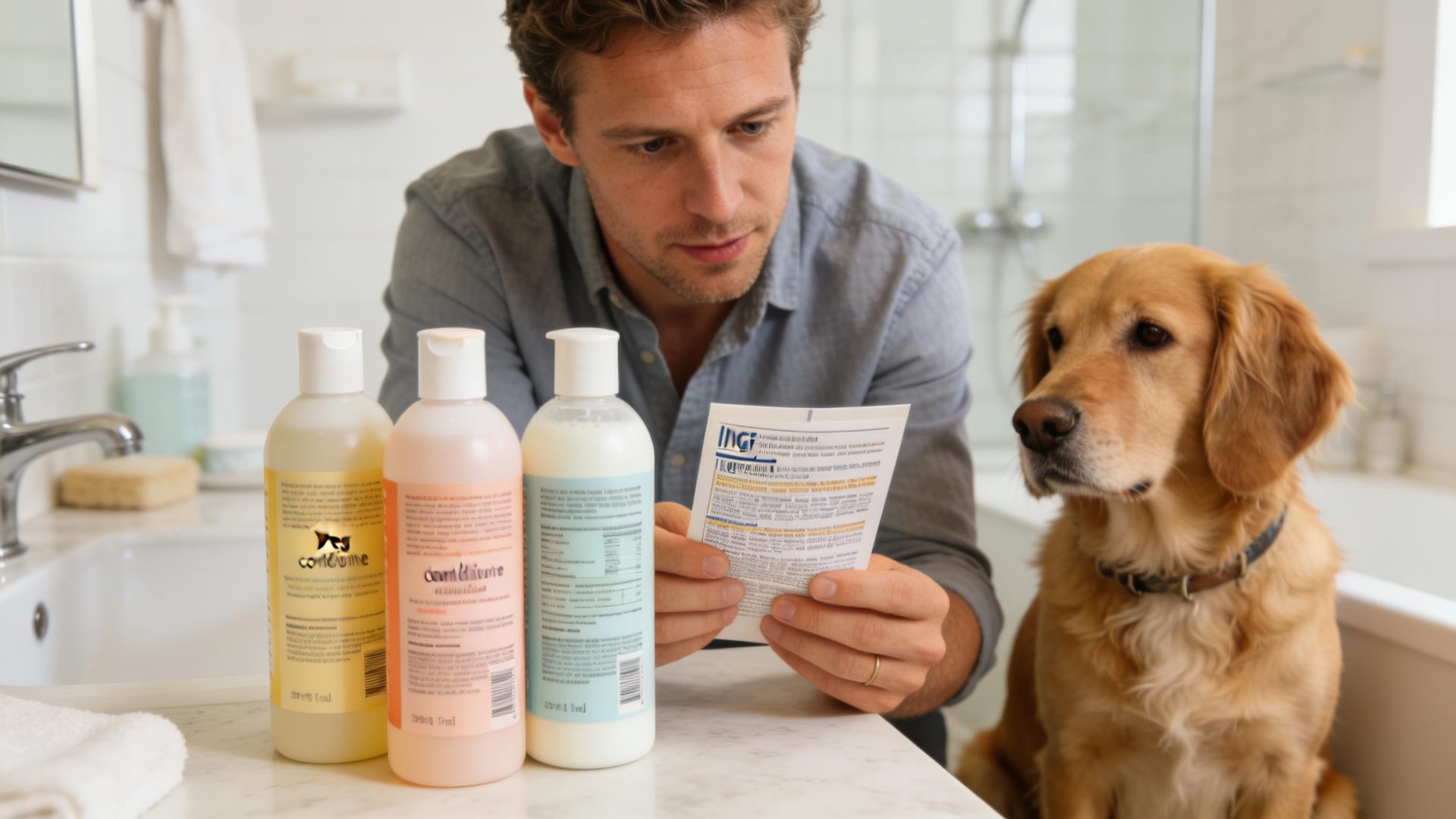
💎 Evaluating Conditioner Value: Not a Rip-Off, But a Tool
So, are dog conditioners a rip-off? The answer is nuanced: No, they are not inherently a scam, but their value is entirely dependent on their formulation and how they fit into a holistic care plan.
A high-quality conditioner, used correctly, is a powerful therapeutic tool. It can:
- Actively repair the hair cuticle with ingredients like hydrolyzed proteins (e.g., keratin, quinoa, oat).
- Replenish the lipid barrier with ceramides, cholesterol, and essential fatty acids.
- Draw moisture into the hair shaft with humectants like glycerin, panthenol (pro-vitamin B5), or hyaluronic acid.
Conversely, a poorly formulated "conditioner" that is mostly water, fragrance, and thickeners is indeed a waste of money. It may coat the hair temporarily for a false sense of smoothness but provides no lasting repair or health benefit.
Special Reminder: The "All-Natural" Pitfall
Beware of marketing claims like "100% natural." While some natural ingredients are excellent (e.g., shea butter, argan oil), others can be irritating or comedogenic (pore-clogging). The key is evidence-based formulation, not just a "clean" ingredient list. Science-backed synthetics like ceramides can be more effective at repairing the skin barrier than many natural oils.
⚗️ Scientific Solutions for Repair: A 4-Step Action Plan
Transforming dry, brittle fur into a vibrant, healthy coat requires a multi-pronged, science-led approach. Conditioner is just one piece of the puzzle.
Step 1: Internal Foundation – Nutrition is Everything
You cannot condition your way out of a poor diet. This is the most critical step for long-term repair.
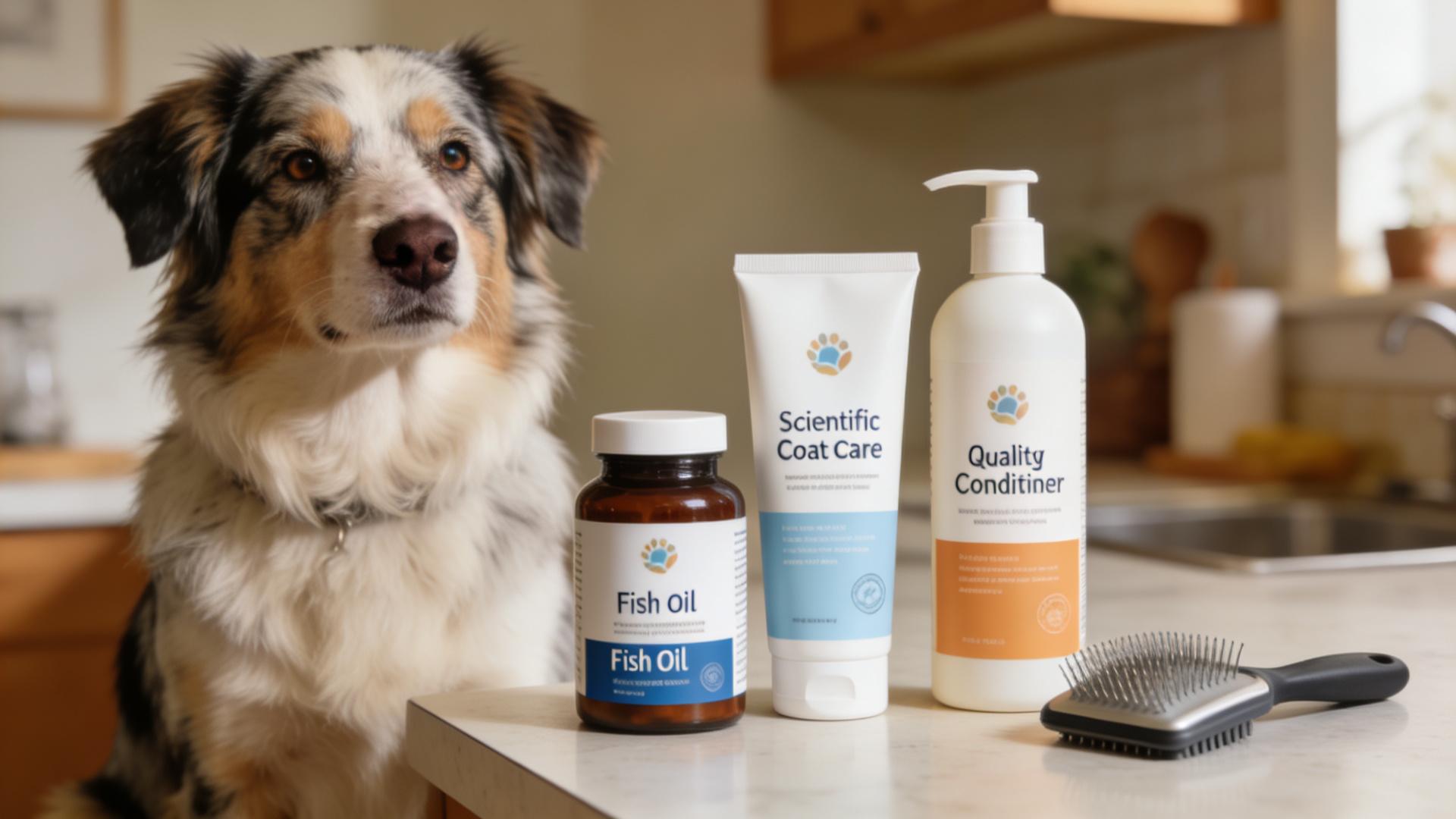
- Omega Fatty Acids: Supplement with high-EPA/DHA fish oil (from algae for dogs allergic to fish). These are incorporated into cell membranes and sebum, improving hydration from within. A study in the Journal of Nutritional Science showed significant coat improvement in dogs supplemented with omega-3s.
- High-Quality Protein: Ensure the primary protein source in your dog's food is identifiable (e.g., chicken meal, salmon) and sufficient for their life stage.
- Targeted Supplements: Consider a veterinary-recommended supplement containing biotin, zinc, and vitamin E.
Step 2: Topical Intervention – Choosing a Smart Conditioner
Select a conditioner based on active ingredients, not brand hype. Look for these evidence-backed components:
- For Repair: Ceramides (NP, AP, EOP), Cholesterol, Phytosphingosine.
- For Moisture: Glycerin, Panthenol, Sodium PCA, Hyaluronic Acid.
- For Emollience: Safflower oil, Sunflower oil, Shea butter (non-comedogenic oils).
- Ingredients to Avoid: Harsh sulfates (SLS/SLES), high concentrations of drying alcohols (like isopropyl alcohol), and overwhelming artificial fragrances.
Step 3: Grooming Protocol – Consistency is Key
Proper technique maximizes conditioner benefits and prevents damage.
- Bathing Frequency: Over-bathing strips natural oils. For most dogs, every 4-6 weeks is sufficient unless medically advised otherwise.
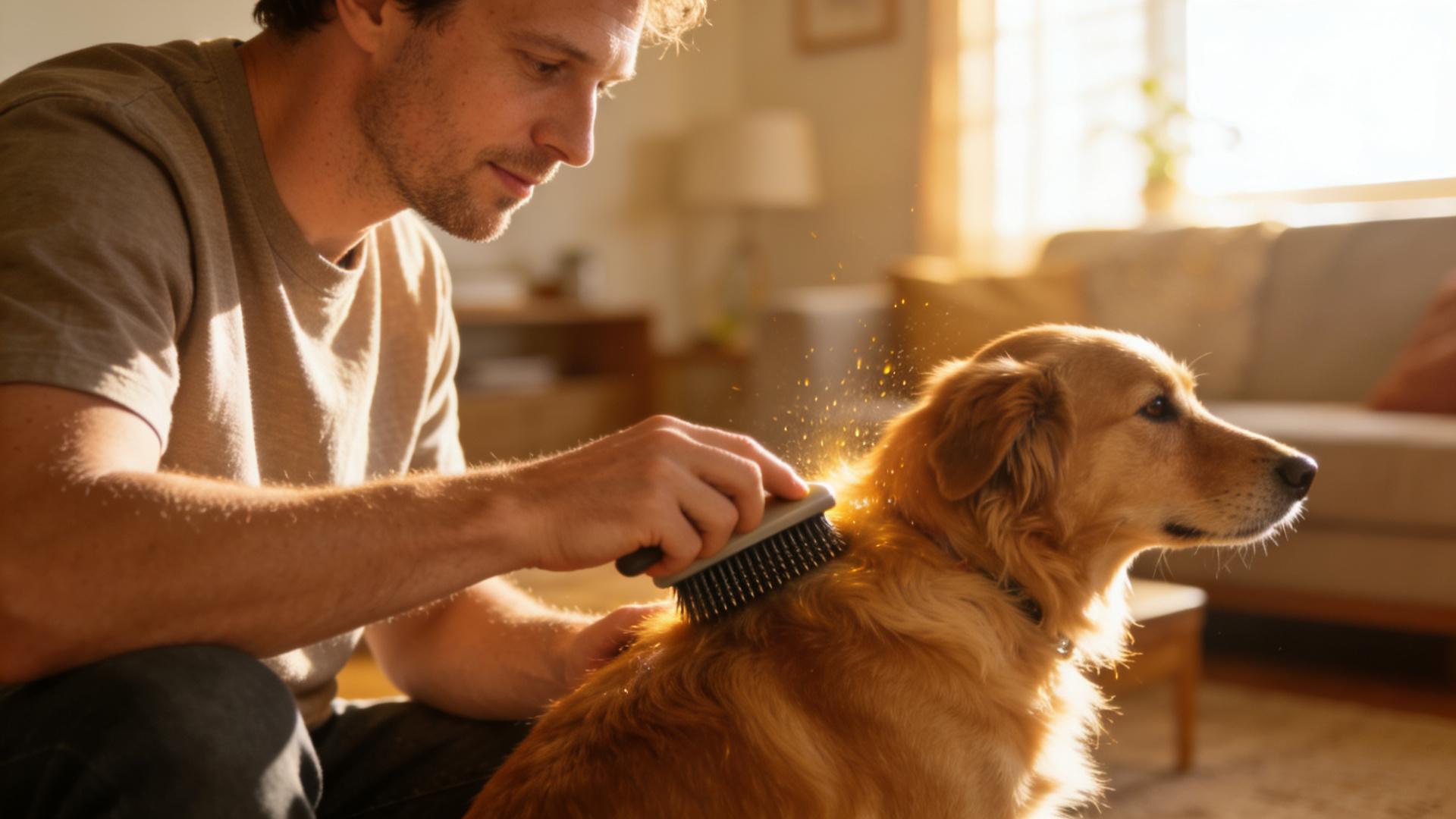
- Technique: Apply conditioner to a clean, towel-dried coat. Massage thoroughly into the fur and down to the skin. Leave on for the recommended contact time (5-10 minutes) to allow penetration. Rinse completely.
- Brushing: Use a suitable brush (e.g., pin brush, undercoat rake) regularly to distribute natural oils from skin to hair tips.
Step 4: Veterinary Insight – Rule Out Medical Causes
If dietary and grooming changes yield little improvement, consult your veterinarian. Persistent dry coat can signal underlying issues like hypothyroidism, where the thyroid gland under-functions and can directly affect coat quality. Blood work can rule out such conditions.
✨ Conclusion: A Shiny Coat is a Healthy Coat
Dog conditioners are far from a universal rip-off. When viewed through a scientific lens and selected for their reparative ingredients, they become a valuable component of integrated canine coat care. The journey to repairing dry, brittle fur begins internally with superior nutrition, is supported topically by intelligent conditioning, and is maintained through mindful grooming.
By addressing the root causes—whether a gap in omega fatty acids or an undiagnosed health issue—you move beyond Grooming fixes to genuine wellness. The result is more than just aesthetics; it's a visible indicator of your dog's internal vitality. Your loyal companion will not only look and feel better with a smoother, shinier coat but will also benefit from the comprehensive health approach you've undertaken. That is the ultimate value, far beyond any bottle on a shelf.