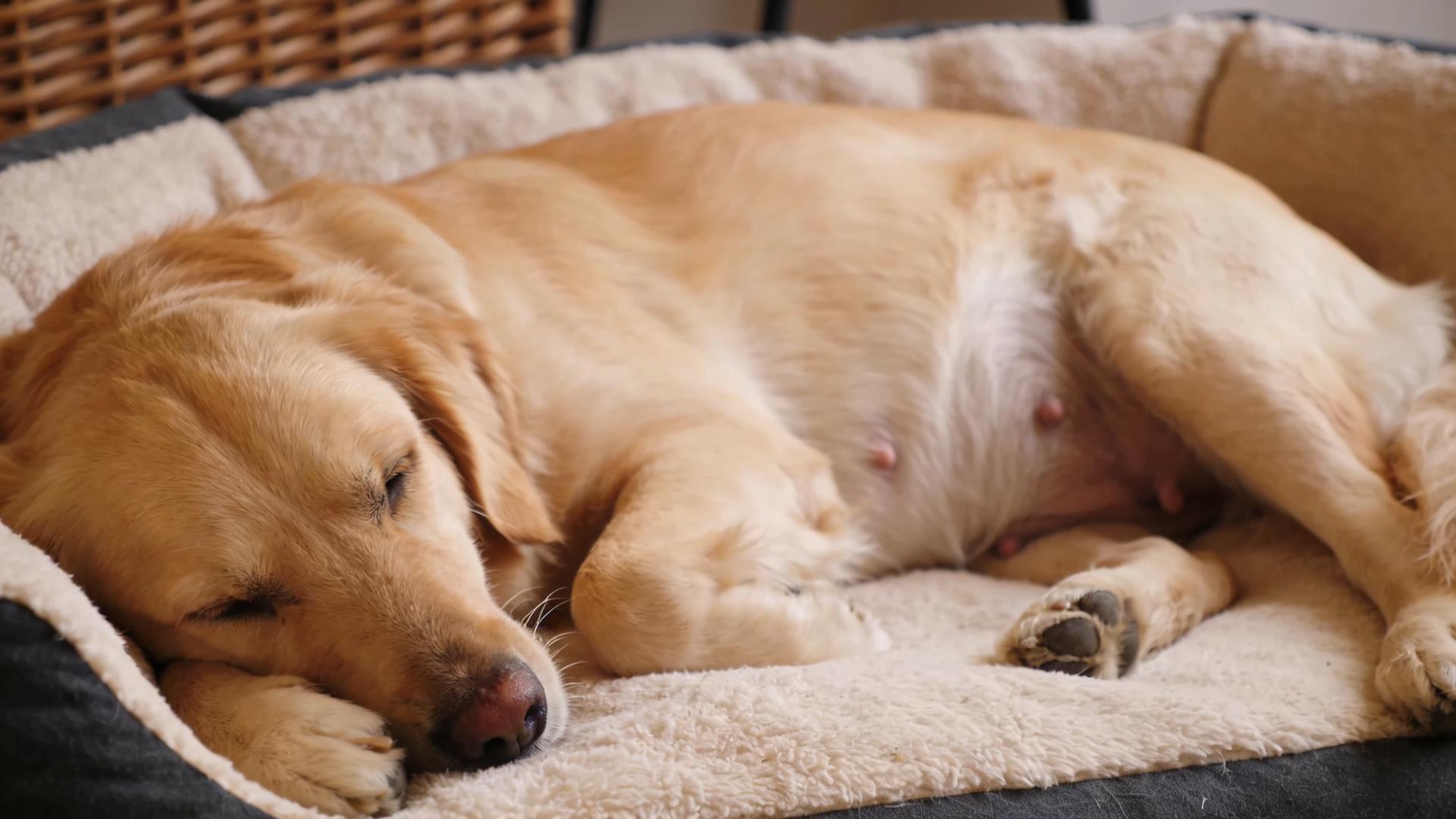
We cherish our dogs for their boundless energy and joyful companionship, but what happens when the zoomies end and the house grows quiet is equally vital. Comfortable, restorative sleep is not a luxury for our canine friends; it is a non-negotiable pillar of their physical health, cognitive function, and emotional stability. A well-rested dog is a happier, healthier, and more trainable partner in life. If you've ever watched your dog twitch, snore, or sigh deeply in slumber, you've witnessed the essential recovery process at work. This guide is crafted from a shared goal: to empower you with the knowledge to transform your dog's sleep from mere rest into a foundation for lifelong health and happiness. Let's embark on the journey to perfect, comfortable sleep.
🛏️ The Foundation of Comfort: Choosing the Perfect Bed
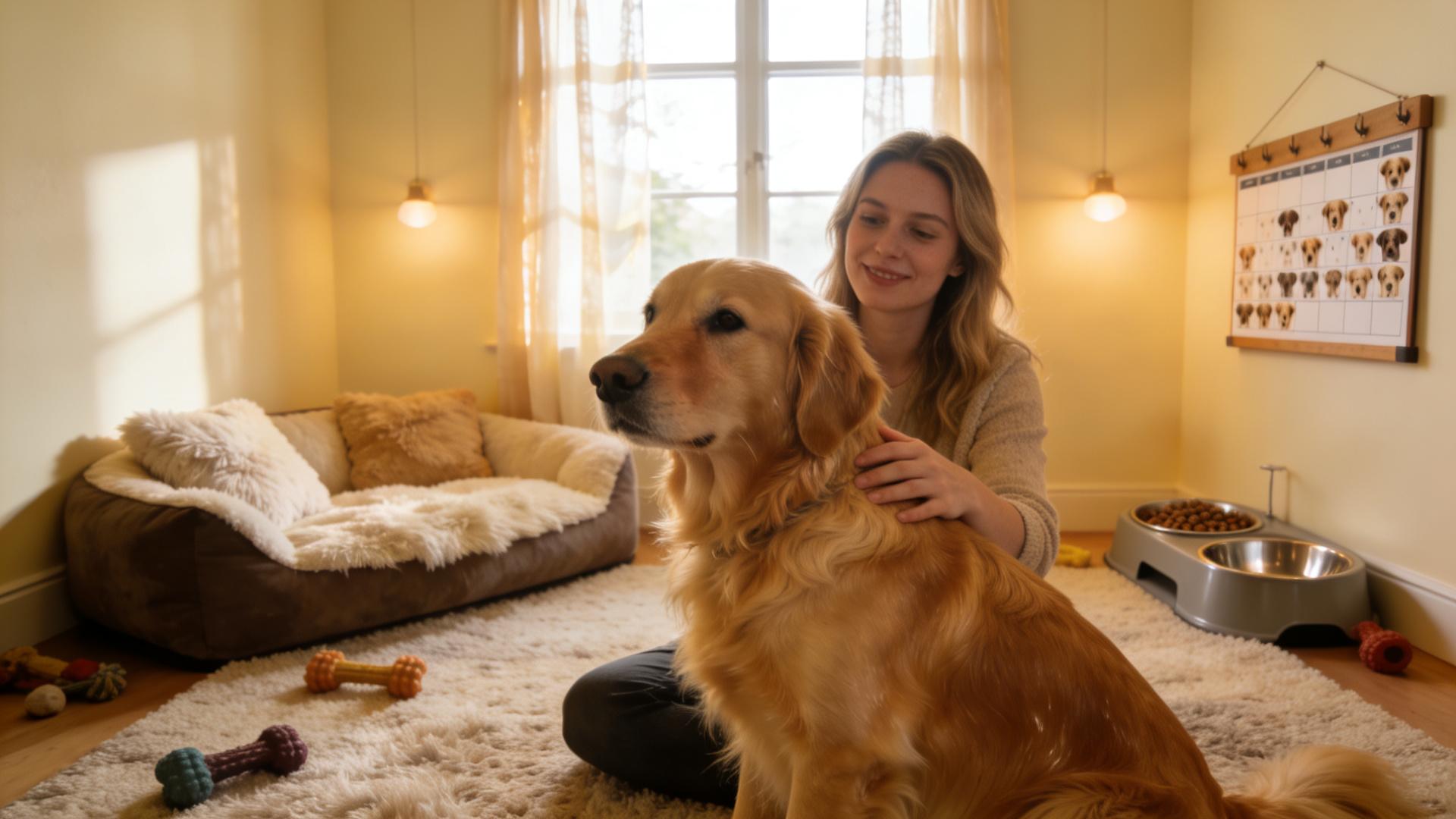
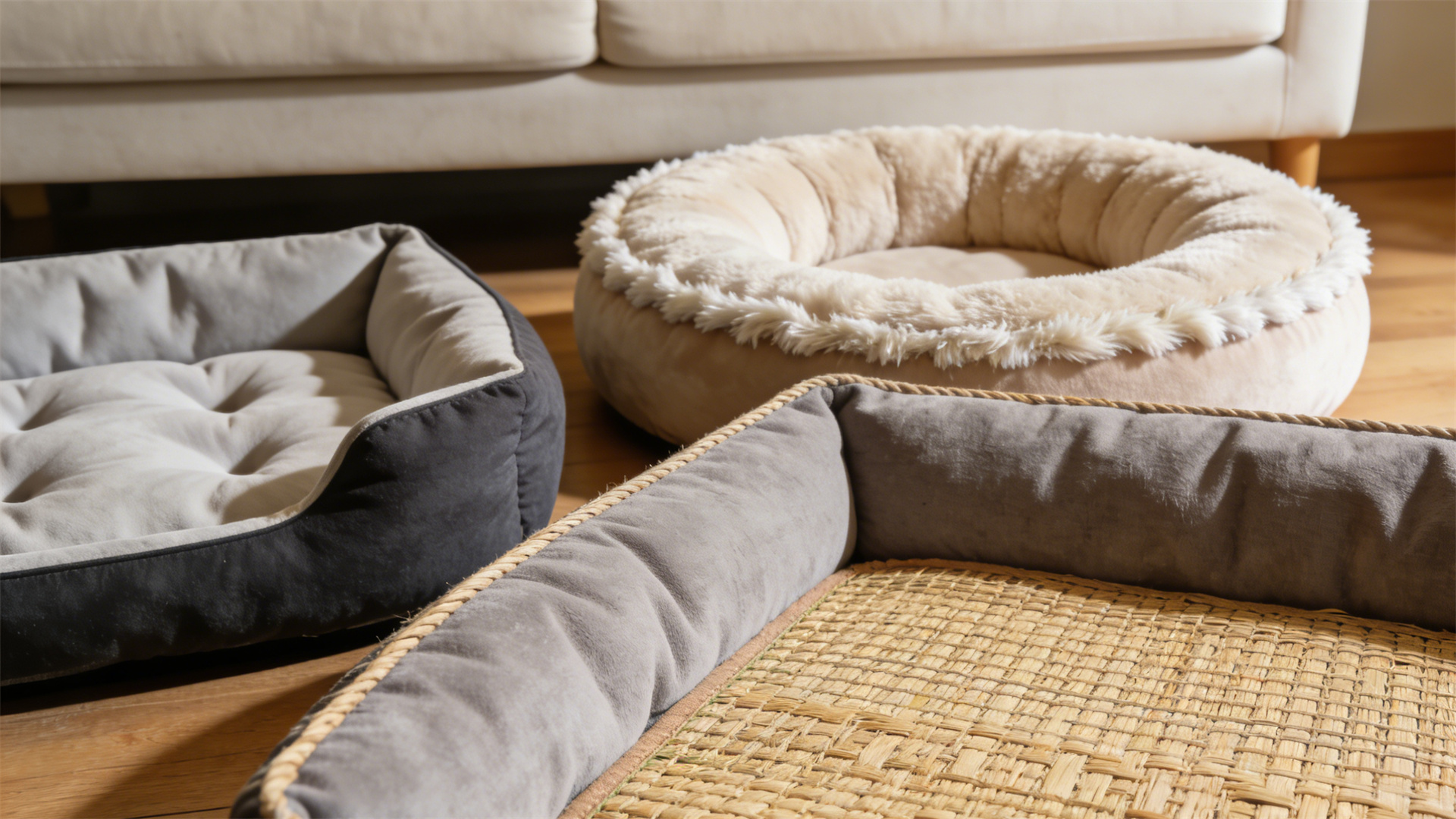
Think of your dog's bed as their personal sanctuary—a throne for sleep. Selecting the right one is the single most impactful decision you can make for their comfortable sleep. This isn't a one-size-fits-all purchase; it's a tailored investment in their wellbeing.
Match the Bed Type to Your Dog's Needs
Orthopedic/Memory Foam Beds: The gold standard for senior dogs, large breeds, or any dog with arthritis or joint pain. These beds provide even weight distribution and pressure relief, easing aches for a deeper sleep.
Bolster or Donut Beds: Ideal for "leaners" and dogs who love to curl up. The raised edges provide head and neck support and create a sense of security, fulfilling a denning instinct. Perfect for anxious dogs or smaller breeds.
Flat Mats & Pillow Beds: Excellent for "sprawlers"—dogs who love to stretch out to their full length. They offer unimpeded space and are often cooler. Great for puppies and warm climates.
Heated & Cooling Beds: Temperature-regulating options. Heated beds (often low-voltage or self-warming) soothe stiff muscles in older pets. Cooling gel mats or elevated, breathable cots are fantastic for thick-coated breeds or hot weather.
Material Matters: Support and Hygiene
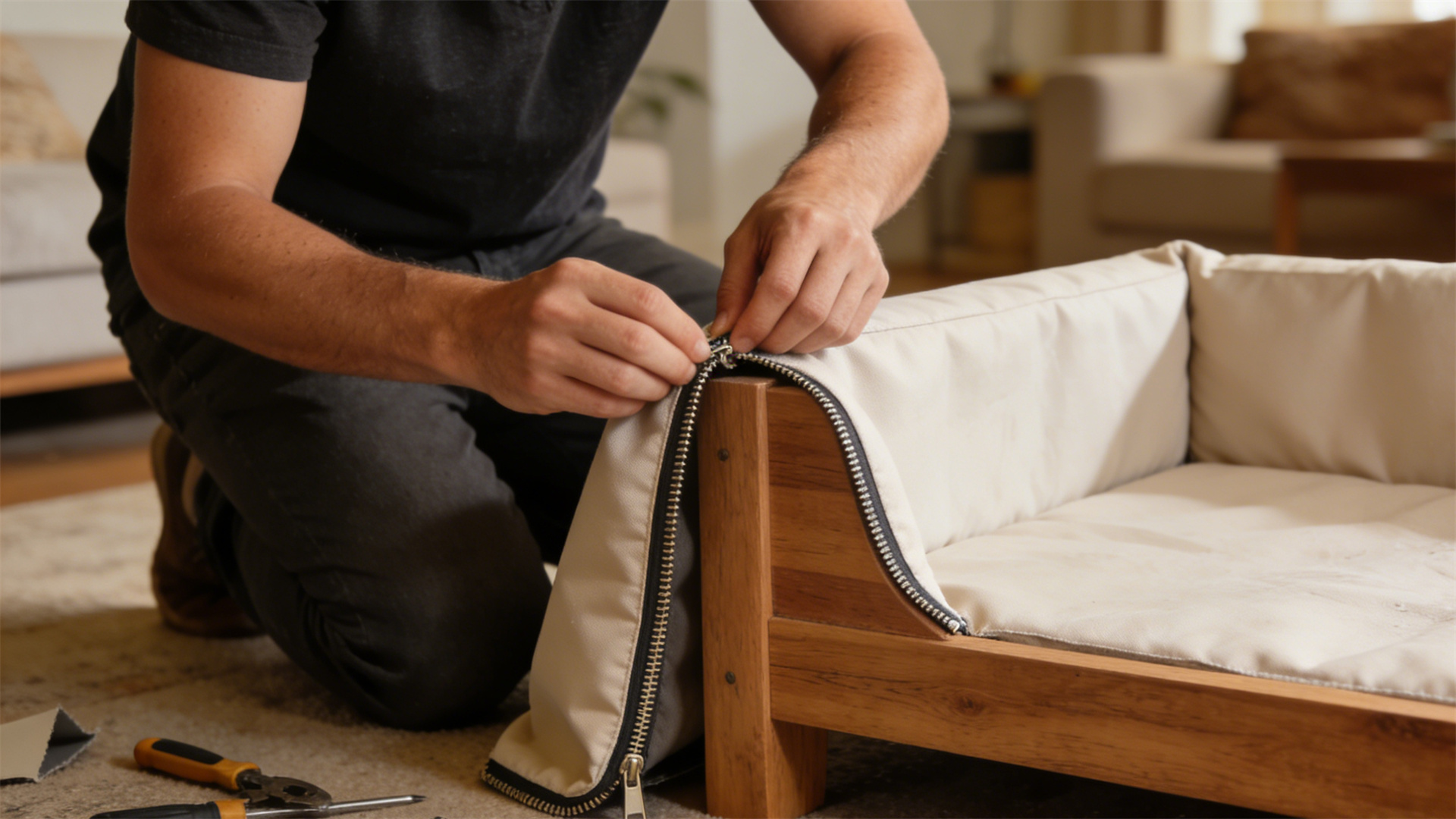
The internal filling determines support. High-density, certified memory foam is superior for contouring. The outer cover is equally crucial. Look for removable, machine-washable covers made of durable, often water-resistant fabric. This is non-negotiable for hygiene and managing odors. For dogs with allergies, hypoallergenic fills and organic cotton or bamboo covers can make a significant difference in sleep comfort.
🌙 Crafting the Ideal Sleep Environment
A perfect bed placed in a chaotic environment won't yield perfect sleep. Optimizing your dog's sleep space is about controlling sensory inputs to promote relaxation and safety.
Location, Location, Location
Choose a quiet, low-traffic area of your home, away from the main flow of family activity. Avoid spots directly in front of heating/AC vents or drafty doorways, as temperature fluctuations can cause restlessness. The area should feel like a safe retreat, not a hallway.
Mastering Temperature, Sound, and Light
Temperature: Most dogs sleep best in a slightly cool room (around 68-72°F or 20-22°C). Adjust bedding accordingly—a thicker pad for winter, a cooler mat for summer.
Sound: Sudden noises (trash trucks, thunderstorms, household bumps) can shatter sleep. A white noise machine or a fan can provide a consistent auditory buffer, masking disruptive sounds.
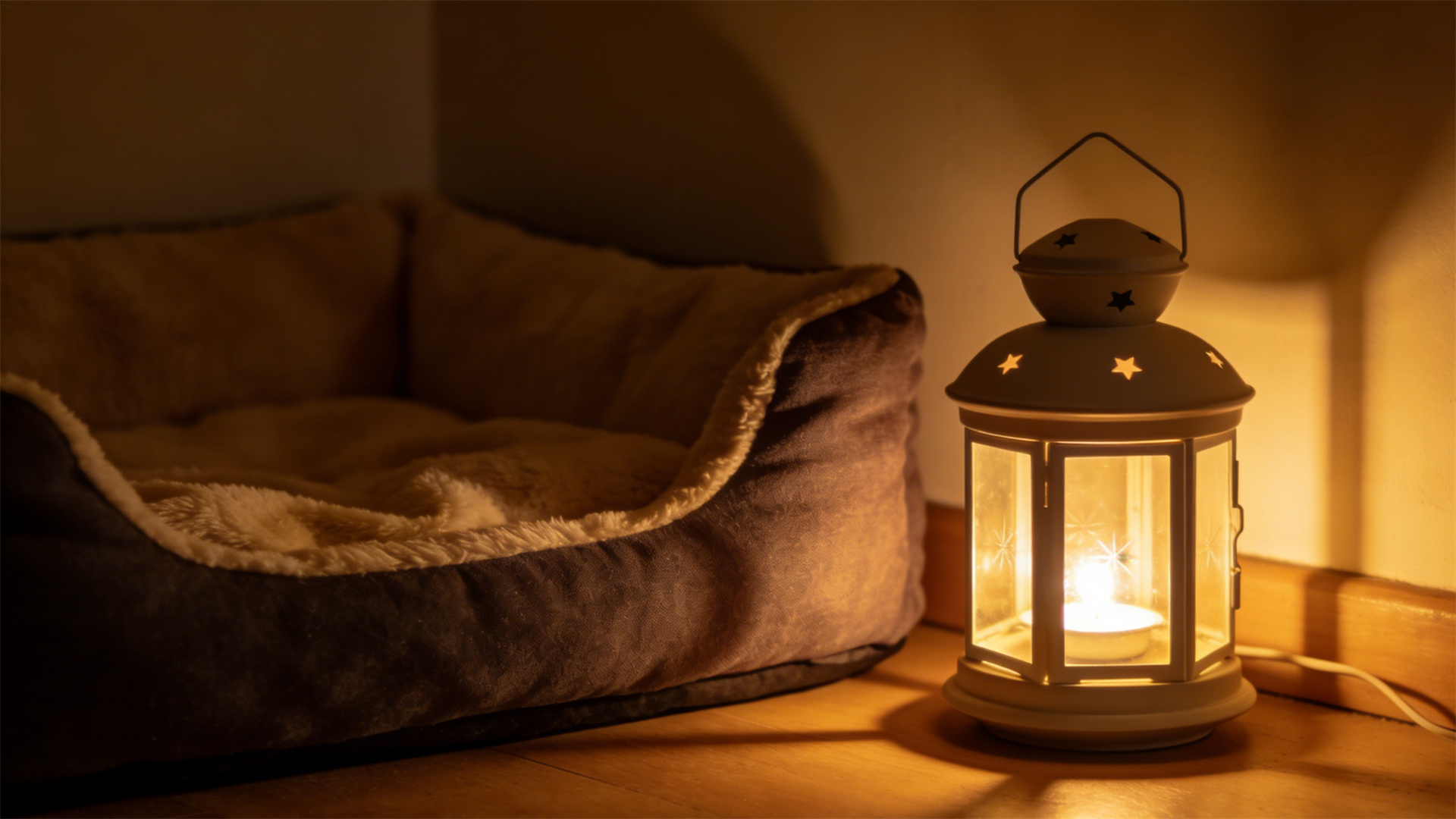
Light: Darkness signals the brain to produce melatonin, the sleep hormone. Use blackout curtains or ensure the space is dim. A very dim, non-disruptive nightlight can help senior dogs with vision issues navigate if needed.
⏰ The Power of Routine and Ritual
Dogs are creatures of habit. A predictable pre-sleep routine signals to their brain and body that it's time to wind down, transforming anxious energy into calm anticipation for comfortable sleep.
Blueprint for a Perfect Bedtime Routine
1. The Final Potty Break: Non-negotiable. This prevents disruptive middle-of-the-night urges.
2. A Calm, Short Walk or Gentle Play: A last chance to decompress mentally and empty the bladder, not a high-intensity workout.
3. Quiet Bonding Time: 10-15 minutes of gentle brushing, massage, or quiet petting. This lowers heart rate and strengthens your bond.
4. The "Last Call" for Water: Offer a small drink to prevent thirst, but remove the bowl an hour or so before bed for puppies or dogs with incontinence issues.
5. Consistent Cue: Use a phrase like "Time for bed" as you guide them to their sleep space.
The Importance of Schedule
Just like humans, dogs thrive on consistent sleep and wake times. Try to keep bedtime and morning wake-up within the same 30-minute window, even on weekends. This regulates their internal clock (circadian rhythm), leading to more predictable and restorative sleep.

⚠️ Recognizing Sleep Disturbances and Solutions
Even with the perfect setup, sleep can be elusive. Restlessness at night is a symptom; your job is to play detective and find the root cause to restore comfortable sleep.
Common Culprits of Canine Sleeplessness
Insufficient Daytime Exercise & Mental Stimulation: A tired dog is a sleepy dog. Ensure adequate physical and mental exertion for their breed and age.
Anxiety or Stress: Separation anxiety, noise phobias, or general stress can manifest at night. Creating a secure environment (like a crate with a cover) is key.
Dietary Indiscretion or Timing: A heavy meal or rich treat too close to bedtime can cause digestive upset. Feed dinner at least 2-3 hours before sleep.
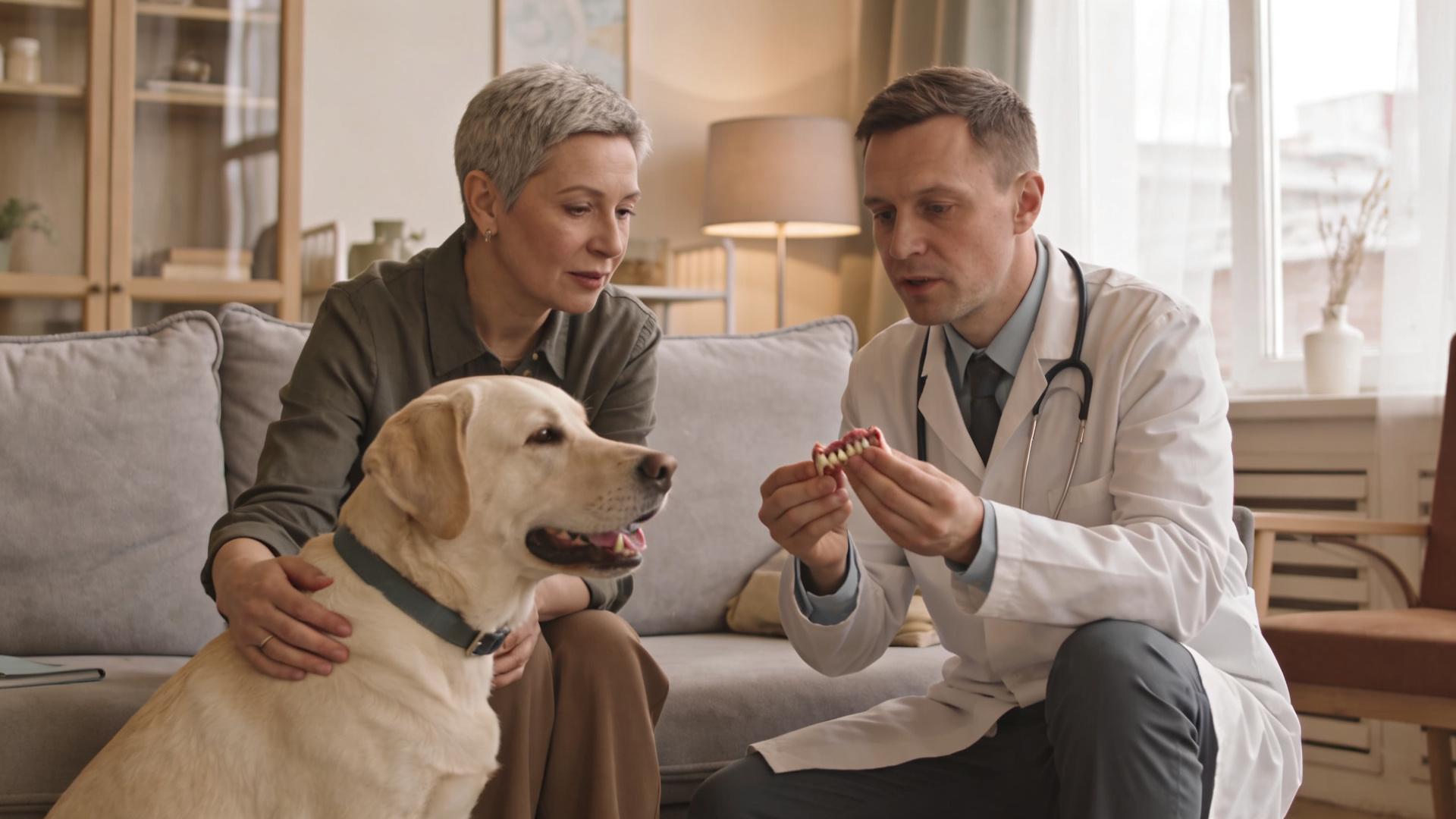
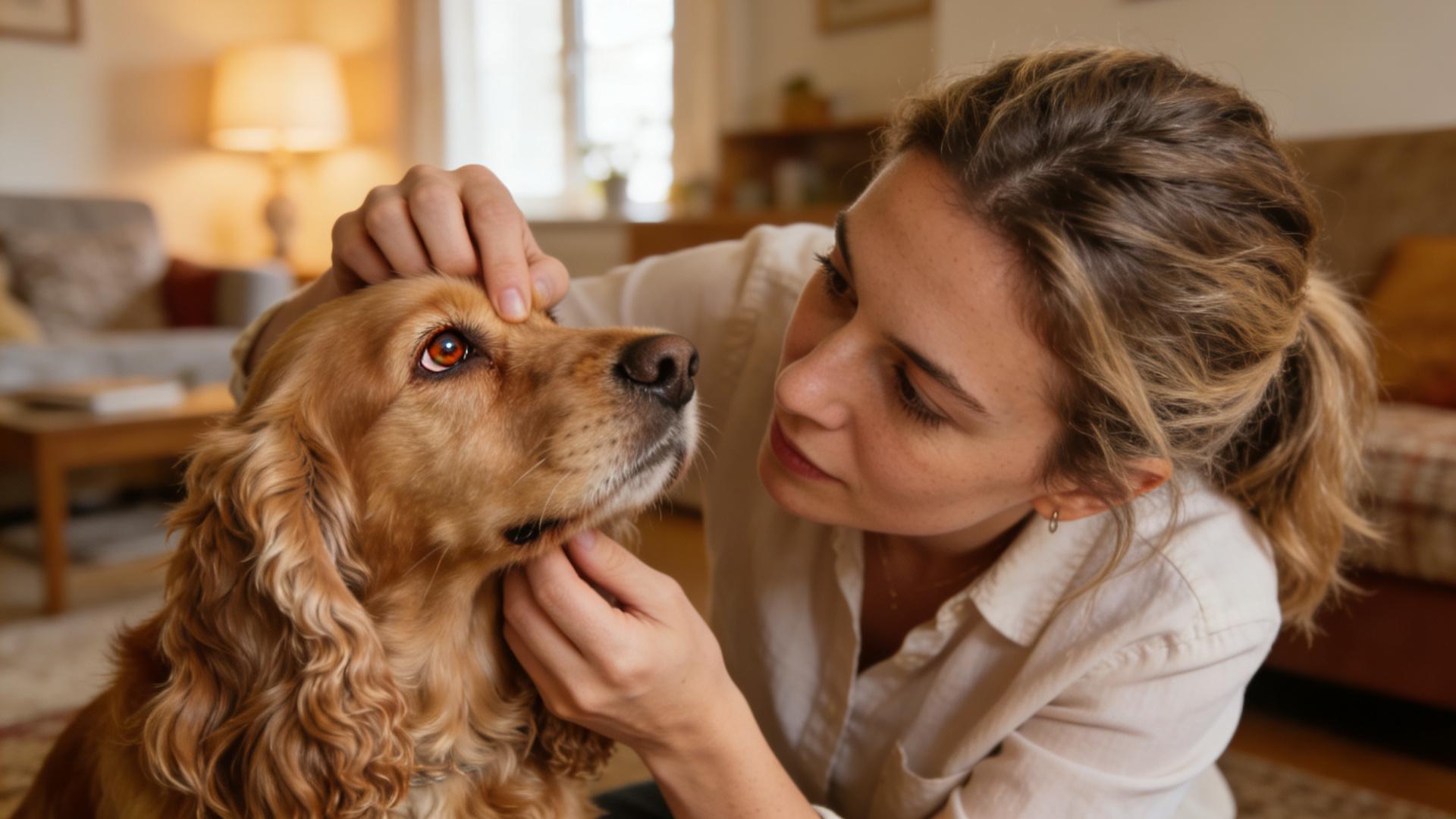
Underlying Pain or Medical Issues: Arthritis, dental pain, urinary tract infections, or cognitive dysfunction in seniors can severely disrupt sleep.
When to Seek Help & Calming Techniques
Special Reminder: If your dog's sleep disturbances are sudden, severe, or accompanied by other symptoms (limping, whining, excessive thirst), consult your veterinarian immediately to rule out medical causes.
For mild anxiety or settling issues, try these solutions:
- Dedicated Bedtime Chew: A long-lasting chew (like a lick mat or a safe dental chew) releases calming endorphins.
- Scent Therapy: An item with your scent (a worn t-shirt) in their bed can be profoundly reassuring.
- Calming Supplements/Aids: Discuss options like pheromone diffusers (Adaptil), calming supplements with L-Theanine or melatonin, or pressure wraps (Thundershirt) with your vet.
❓ Frequently Asked Questions
How many hours of sleep does my dog need?
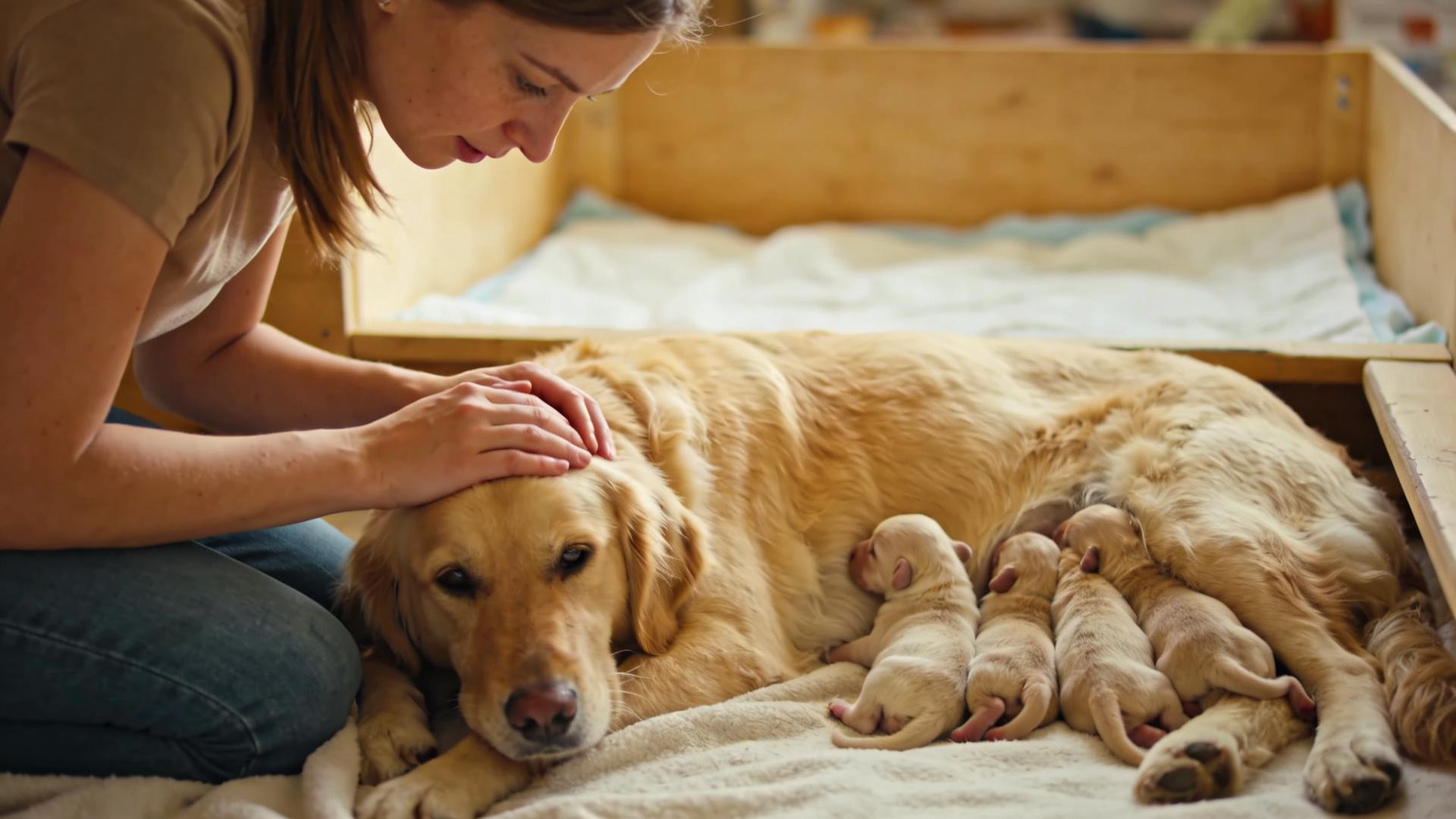
This varies dramatically. Adult dogs typically sleep 12-14 hours per day. Puppies and senior dogs can require 18-20 hours of daily sleep (including naps). Large/giant breeds and lower-energy breeds also tend to sleep more. It's a range, so focus on the quality and restfulness of their sleep, not just the clock.
What does my dog's sleeping position mean?
Positions offer clues to their comfort and sense of security.
- The Side Sprawl: Lying flat on their side, legs extended. This is a sign of deep relaxation, trust, and efficient cooling. It indicates very comfortable sleep.
- The Curled Up (Donut): Conserves body heat and protects vital organs. Common in cooler environments or in dogs who feel they need to "guard" themselves.
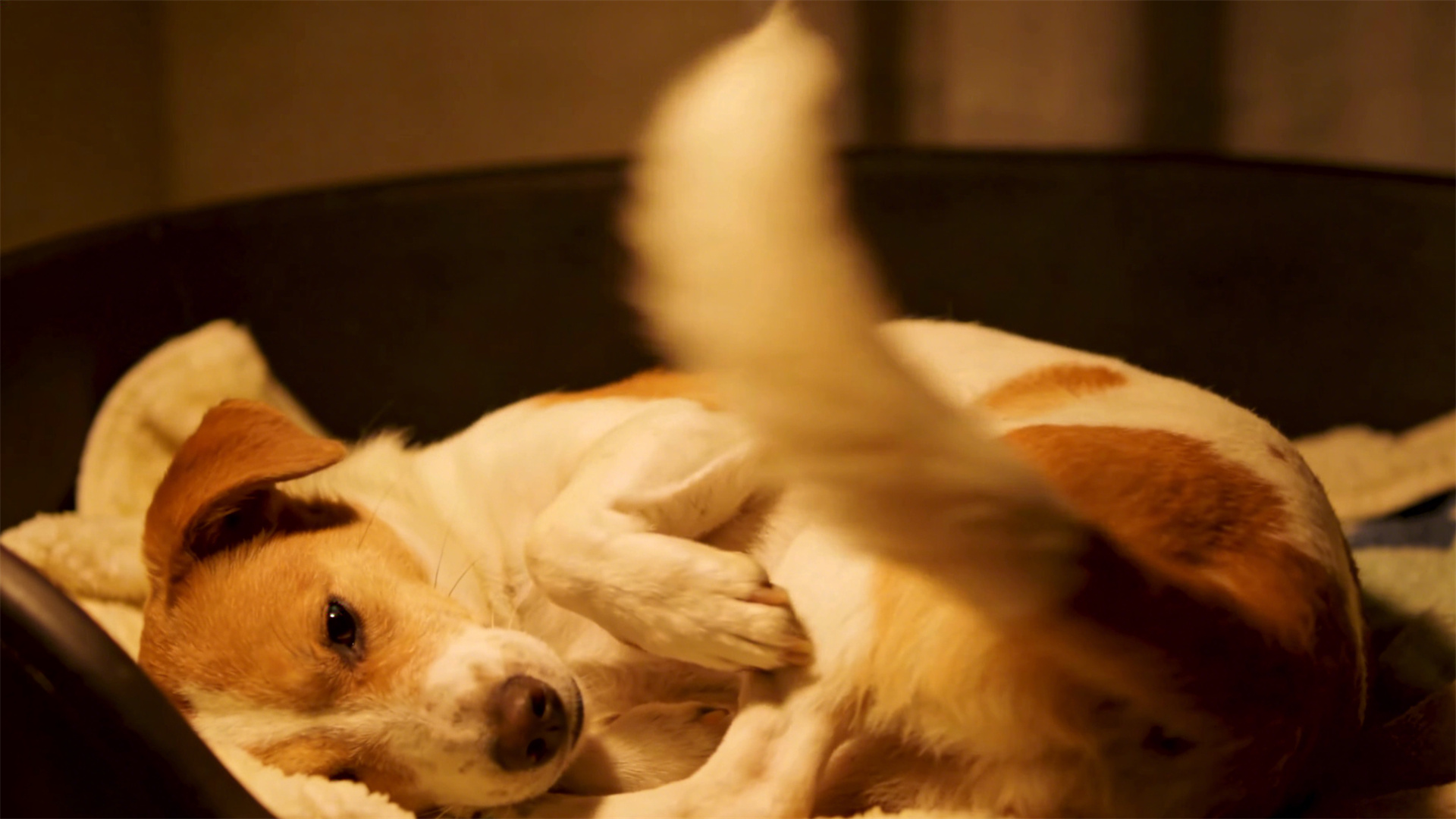
- On the Back, Paws in the Air: The ultimate vulnerable position. This shows extreme comfort, trust in their environment, and a need to cool down their belly.
Should I let my dog sleep in my bed?
This is a personal choice with pros and cons. Pros: Strengthens bonding, can be calming for both pet and owner, and provides warmth. Cons: Can disrupt human sleep (snoring, movement), may reinforce dependency or resource guarding behaviors, and is not advised for dogs with significant behavioral issues. The decision should be based on what promotes the best, most uninterrupted sleep for everyone in the household. If you choose co-sleeping, ensure your dog has a designated spot and respects boundaries.

Conclusion
Ensuring your dog achieves truly comfortable sleep is a multifaceted act of love. It rests on four key pillars: investing in the right supportive bed, tailoring a peaceful sleep environment, establishing a consistent, calming routine, and being an attentive observer ready to solve any disturbances. Each snore, each contented sigh, and each morning of bright-eyed readiness is a testament to the success of your care. By prioritizing this fundamental aspect of their life, you are doing far more than helping them rest—you are actively investing in their long-term health, happiness, and vitality. Here's to many peaceful nights and joyful, well-rested days ahead for you and your cherished companion.