As a devoted dog owner, noticing your furry friend squinting or constantly dealing with goopy eyes can be deeply concerning. One common yet often misunderstood culprit behind such discomfort is ingrown eyelashes, a condition veterinarians call distichiasis. This occurs when eyelashes, known as cilia, grow from an abnormal spot on the eyelid margin and turn inward, brushing against the sensitive surface of the eye with every blink. Imagine the persistent irritation of a single grain of sand in your eye. Now, imagine that feeling is caused by your own eyelashes. That is the daily reality for dogs with this condition. This physical abrasion leads directly to eye strain, inflammation, and excessive eye discharge as the eye tries to protect and lubricate itself. It is crucial to understand from the outset that distichiasis is a medical condition requiring a definitive diagnosis from a veterinarian or a veterinary ophthalmologist. Daily care is a vital component of management, but it starts with professional confirmation.
👁️ Recognizing the Signs: Is Your Dog in Eye Discomfort?
Dogs are stoic creatures and may not cry out in pain, but they communicate distress through clear behavioral and physical signs. Early recognition is key to preventing more serious complications like corneal ulcers or chronic infections. If your dog exhibits any of the following symptoms, particularly if they belong to a prone breed like a Shih Tzu, Poodle, Bulldog, or Cocker Spaniel, ingrown eyelashes should be considered.
Key Symptoms of Ingrown Eyelash Irritation
- Squinting or Blinking Excessively: This is often the first sign, as your dog tries to shield the eye from the irritating lash.
- Epiphora (Excessive Tearing): Constant wetness or staining below the eye, which may appear clear or reddish-brown.
- Mucus or Pus-Like Discharge: The eye may produce a thick, green, or yellow discharge, indicating a possible secondary infection.
- Pawing or Rubbing at the Face: Your dog may scratch at the eye with a paw or rub its face along furniture or carpets.
- Redness and Inflammation: The white of the eye (sclera) or the eyelid lining may appear bloodshot and swollen.
- Visible Eyelashes on the Eye Surface: In well-lit conditions, you may see tiny hairs resting directly on the cornea, especially near the inner corner of the eye.
- Sensitivity to Light: Your dog may shy away from bright sunlight or seem reluctant to go outside during the day.
💖 The Daily Care Routine: Your Action Plan for Comfort
Once your veterinarian has diagnosed distichiasis, a consistent daily care routine becomes your most powerful tool. This routine does not cure the condition but is essential for managing symptoms, reducing your dog's discomfort, and preventing secondary issues. Always perform these steps with clean hands and in a calm, well-lit environment.
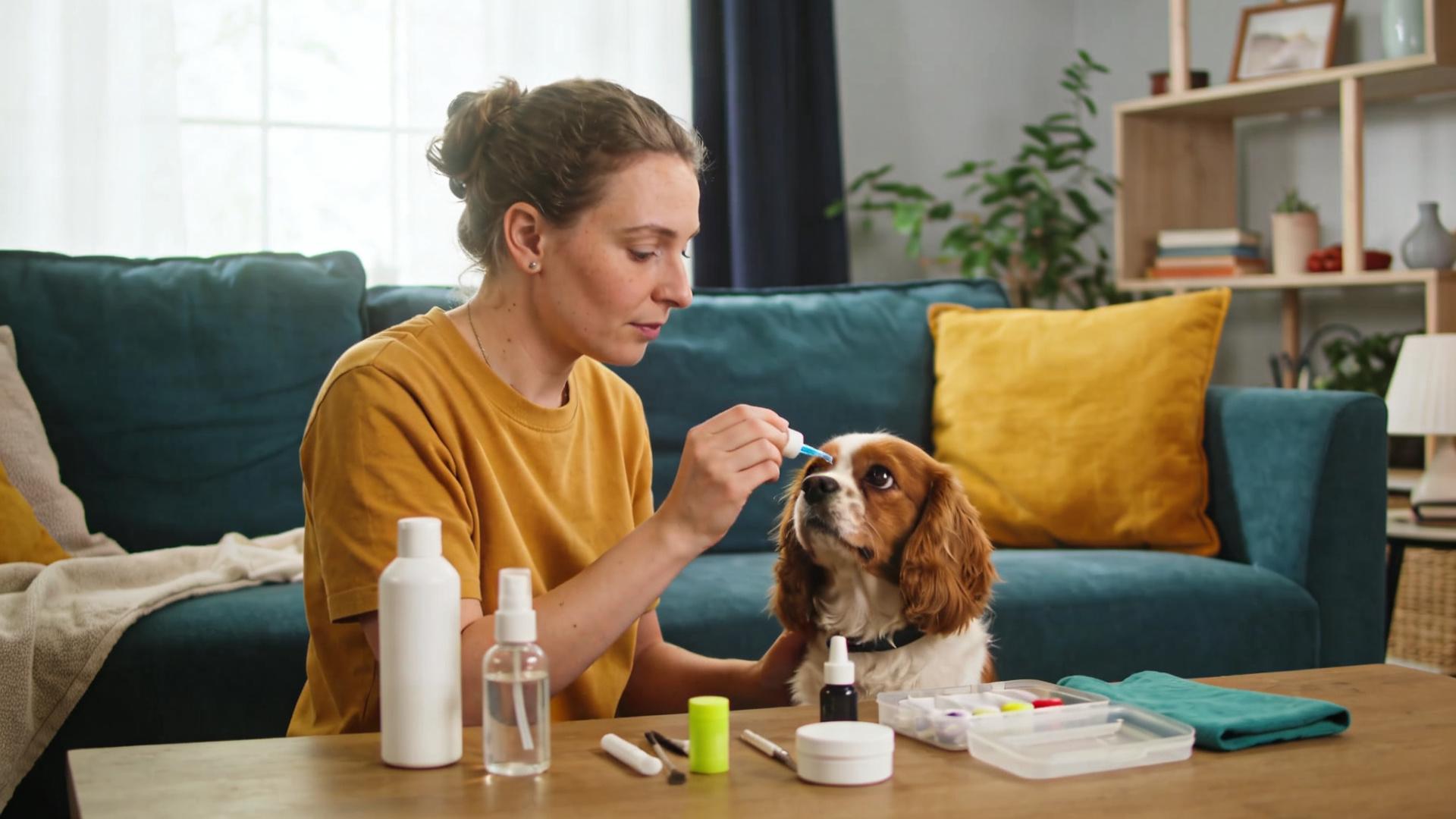
Step 1: The Gentle Inspection
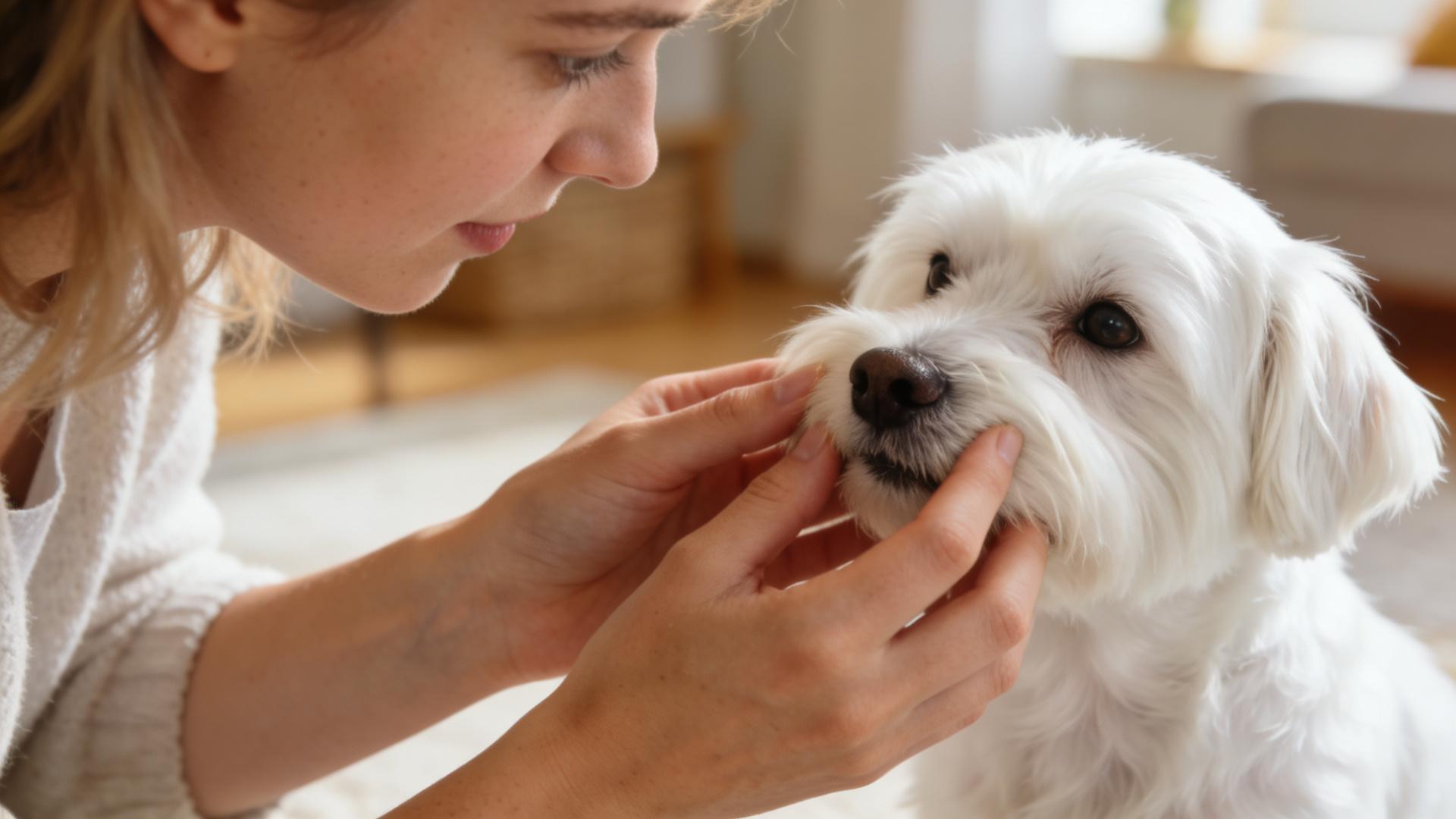
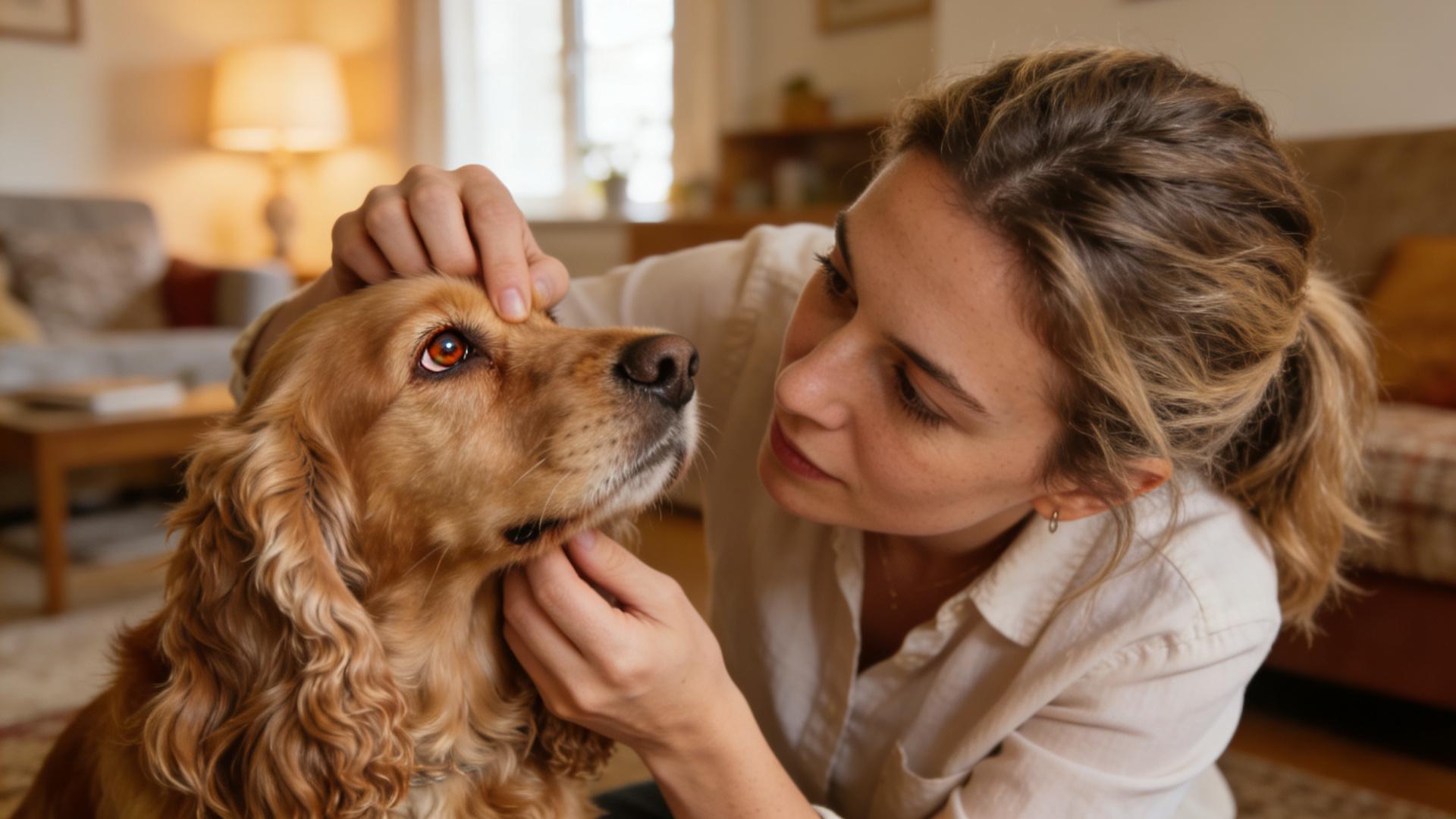
Begin each day with a calm visual check. In natural light or with a good lamp, gently hold your dog's head and lift the upper eyelid while lowering the lower lid. Look for any new or worsening signs: increased redness, a change in the discharge type, or any visible lashes touching the eyeball. This familiarizes you with your dog's normal eye appearance, making it easier to spot subtle changes.
Step 2: Meticulous Cleaning
Cleaning removes irritants and discharge that can harbor bacteria. Never use cotton balls, as loose fibers can stick to the eye and cause further irritation.
- Gather Supplies: Use a vet-approved saline solution (sterile and preservative-free) and soft, lint-free gauze pads.
- Moisten the Gauze: Soak a section of the gauze with the saline solution.
- Wipe Gently: With your dog's eye closed, wipe from the inner corner of the eye outward, using a fresh part of the gauze for each swipe. Never wipe back toward the nose.
- Repeat as Needed: Use a new gauze pad for the other eye to prevent cross-contamination.
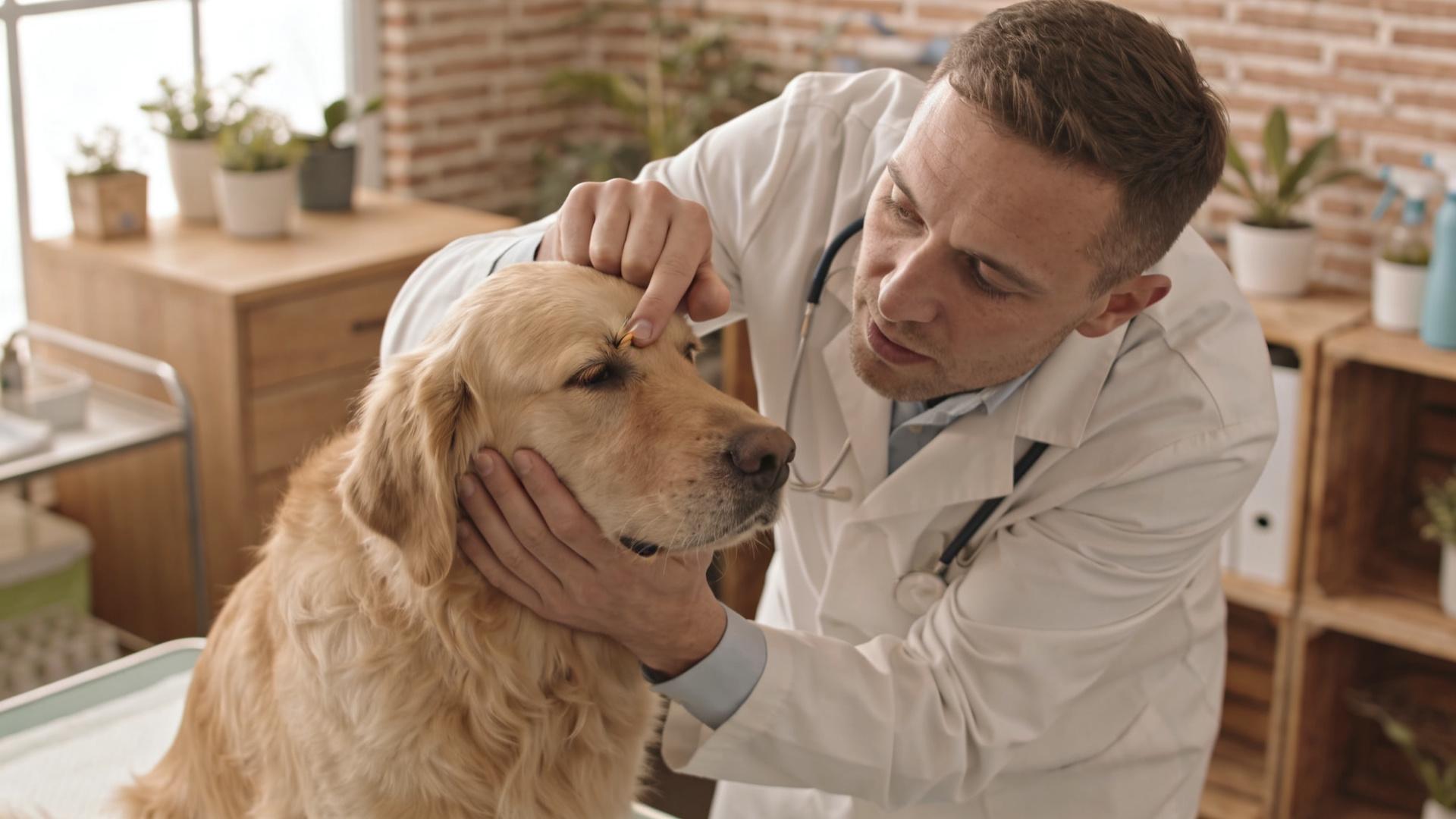
Step 3: Strategic Moisture Management
Constant moisture from tearing creates a perfect environment for yeast and bacterial growth on the skin. Carefully trim the fur around the eyes (using blunt-nosed scissors with extreme caution, or have a groomer do it) to keep it short. After cleaning, gently pat the area completely dry with a clean, dry gauze pad. For breeds with deep facial folds, ensure these folds are also cleaned and dried to prevent dermatitis.
Step 4: Diligent Observation and Logging
Keep a simple daily log. Note the date, the eye's appearance (e.g., "mild redness, left eye"), the type and amount of discharge (e.g., "small amount of clear tearing"), and your dog's behavior (e.g., "rubbed face once after breakfast"). This objective record is invaluable for your veterinarian to assess the condition's progression and the effectiveness of any treatments.
⚠️ What Not to Do: Critical Warnings for Safety
In your desire to help, it is imperative to avoid actions that can cause severe harm. This section cannot be stressed enough.
- Never, ever attempt to pluck or cut the ingrown eyelashes yourself. Plucking is intensely painful, can cause the lash to grow back thicker, and risks breaking the hair shaft below the skin, leading to an abscess. Cutting the lash leaves a sharp stub that can scratch the cornea even more severely.
- Avoid human eye drops or medicated washes unless explicitly prescribed by your veterinarian. Many contain steroids or other agents that can be dangerous for canine eyes, especially if a corneal ulcer is present.
- Do not use harsh cleansers, baby wipes, or tap water for cleaning, as they can disrupt the eye's natural pH and introduce contaminants.
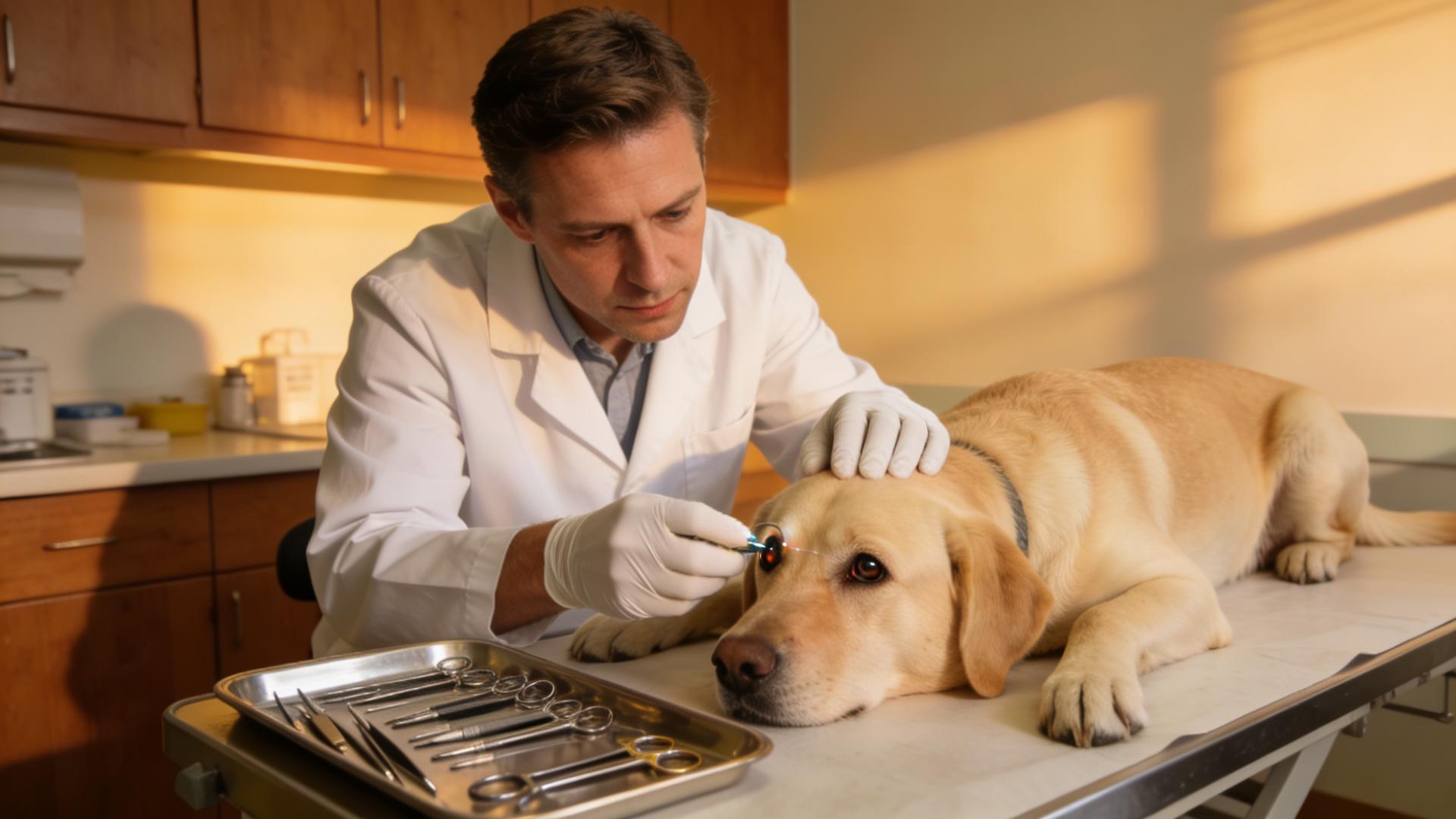
🏥 Professional Veterinary Treatment: The Path to a Permanent Solution
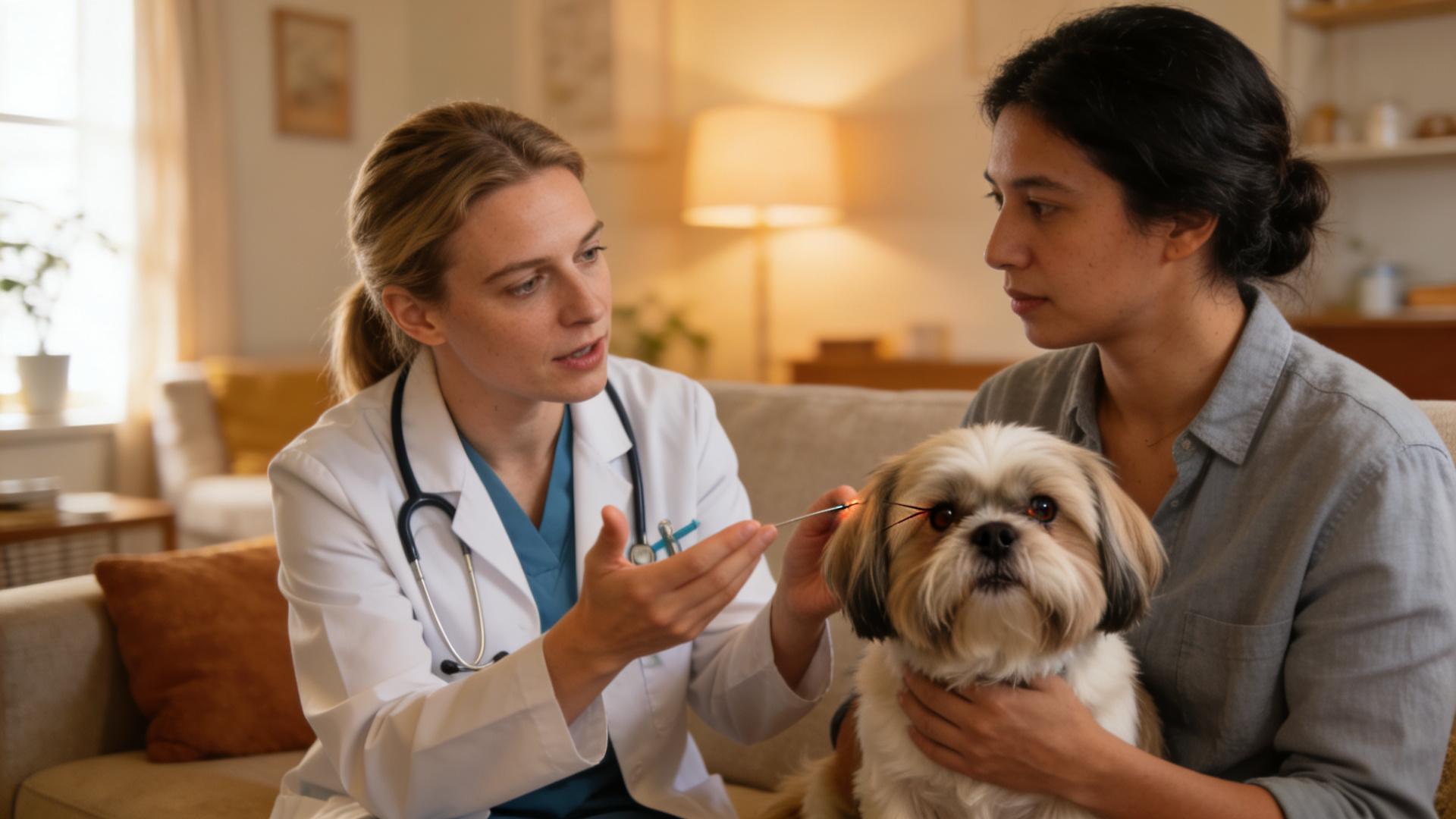
Daily care manages the problem, but veterinary intervention provides the potential cure. Your veterinarian will discuss definitive treatment options, which are typically minor surgical procedures performed under anesthesia. These are the domain of veterinary ophthalmology and aim to permanently destroy the abnormal hair follicle.
- Electrolysis: A fine needle applies electrical current to destroy the follicle. Highly precise for individual lashes.
- Cryotherapy (Freezing): Uses extreme cold to destroy the follicles. Effective for treating multiple lashes at once.
- Radiofrequency Ablation: A advanced technique using radio waves to remove follicles with minimal damage to surrounding tissue.
- Surgical Resection: For severe cases, a small wedge of the eyelid containing the abnormal follicles may be removed.
These procedures offer a high success rate and can dramatically improve your dog's quality of life.
🌟 Conclusion and Prevention: A Partnership for Eye Health

Managing your dog's ingrown eyelashes is a testament to the bond you share. It is a partnership between your diligent daily care and the expertise of your veterinary team. While distichiasis is often a hereditary condition you cannot prevent, the severity of its consequences can be managed. Consistent, gentle cleaning, vigilant observation, and proactive communication with your vet are the pillars of keeping your dog's eyes comfortable and healthy. This routine not only reduces immediate eye strain and discharge but also safeguards against painful secondary infections and ulcers, preserving your dog's vision and comfort for years to come.
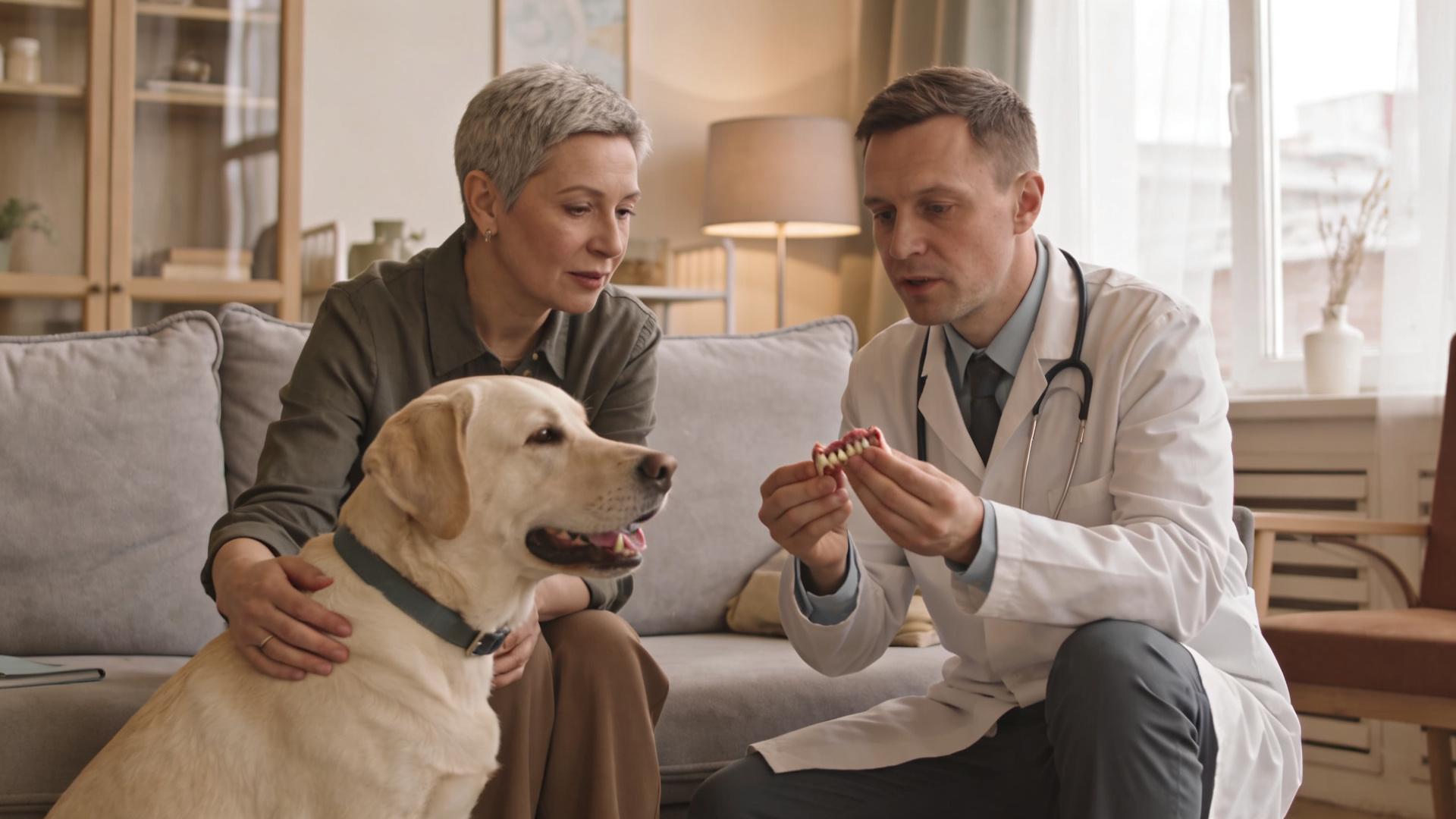
Your most important step is the first one: seeking professional guidance. If you notice any signs of eye irritation in your dog, do not delay. Schedule an appointment with your veterinarian today for a proper diagnosis and a tailored treatment plan. Your dog's clear, comfortable vision is worth it.