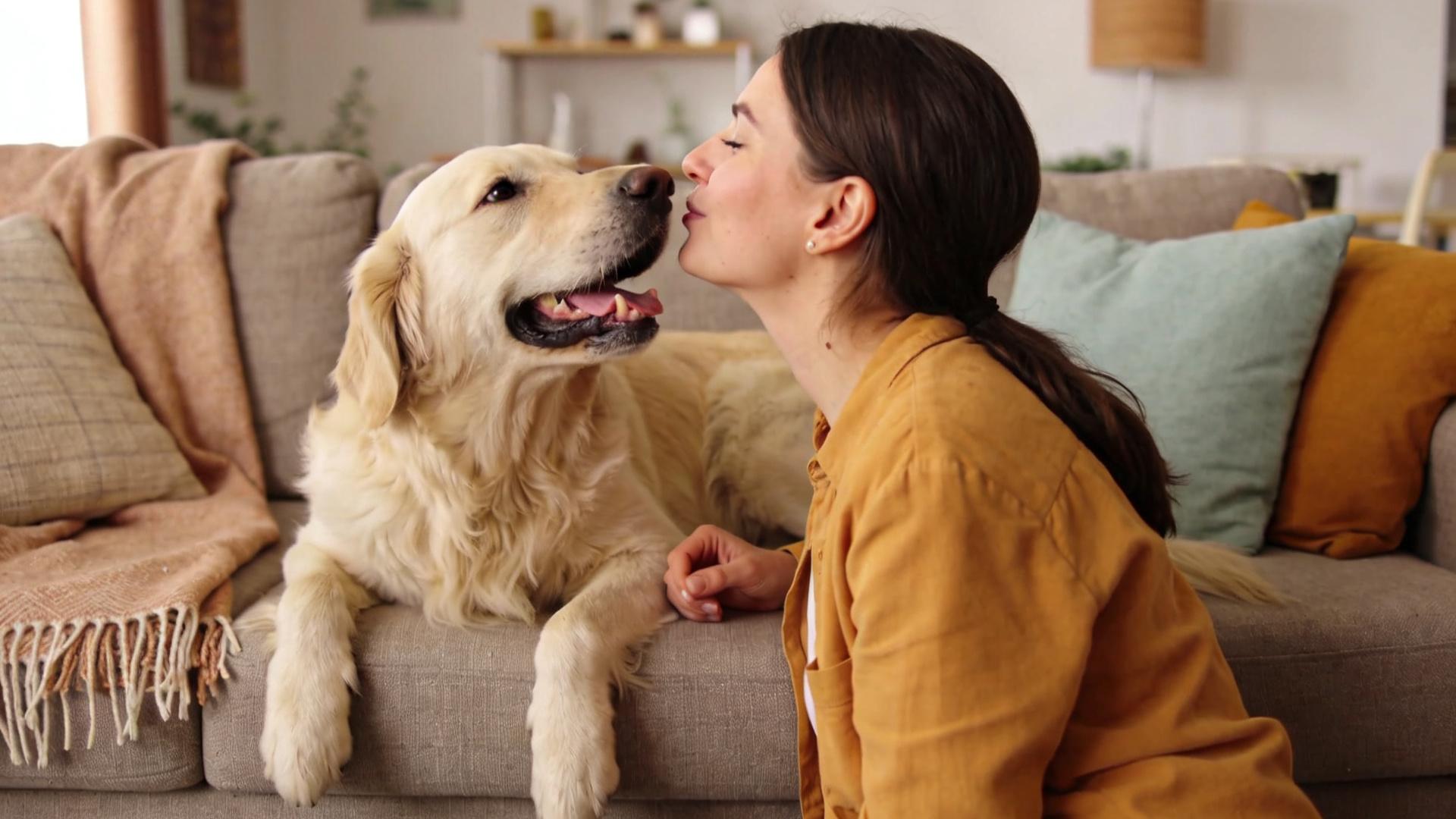
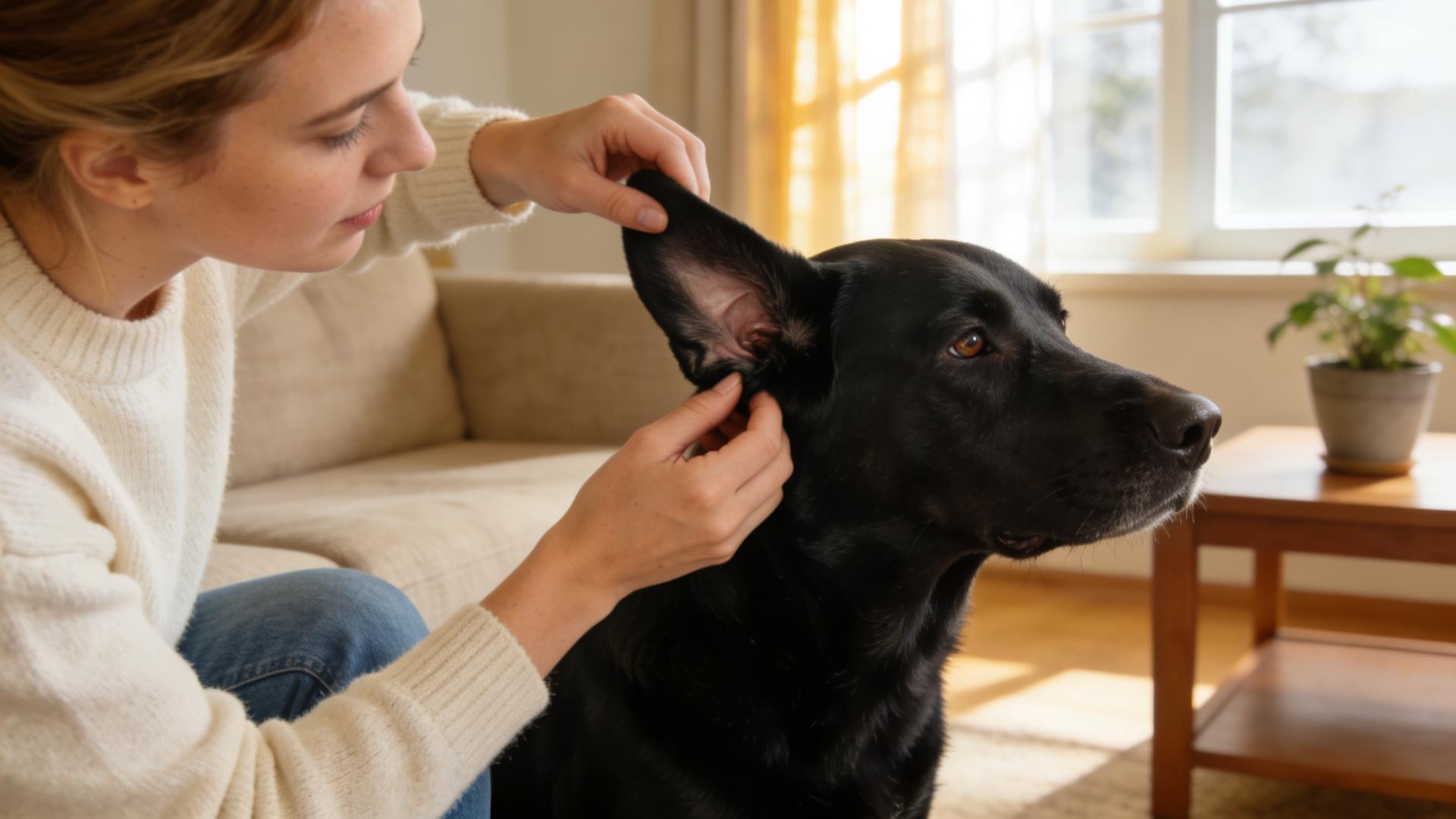
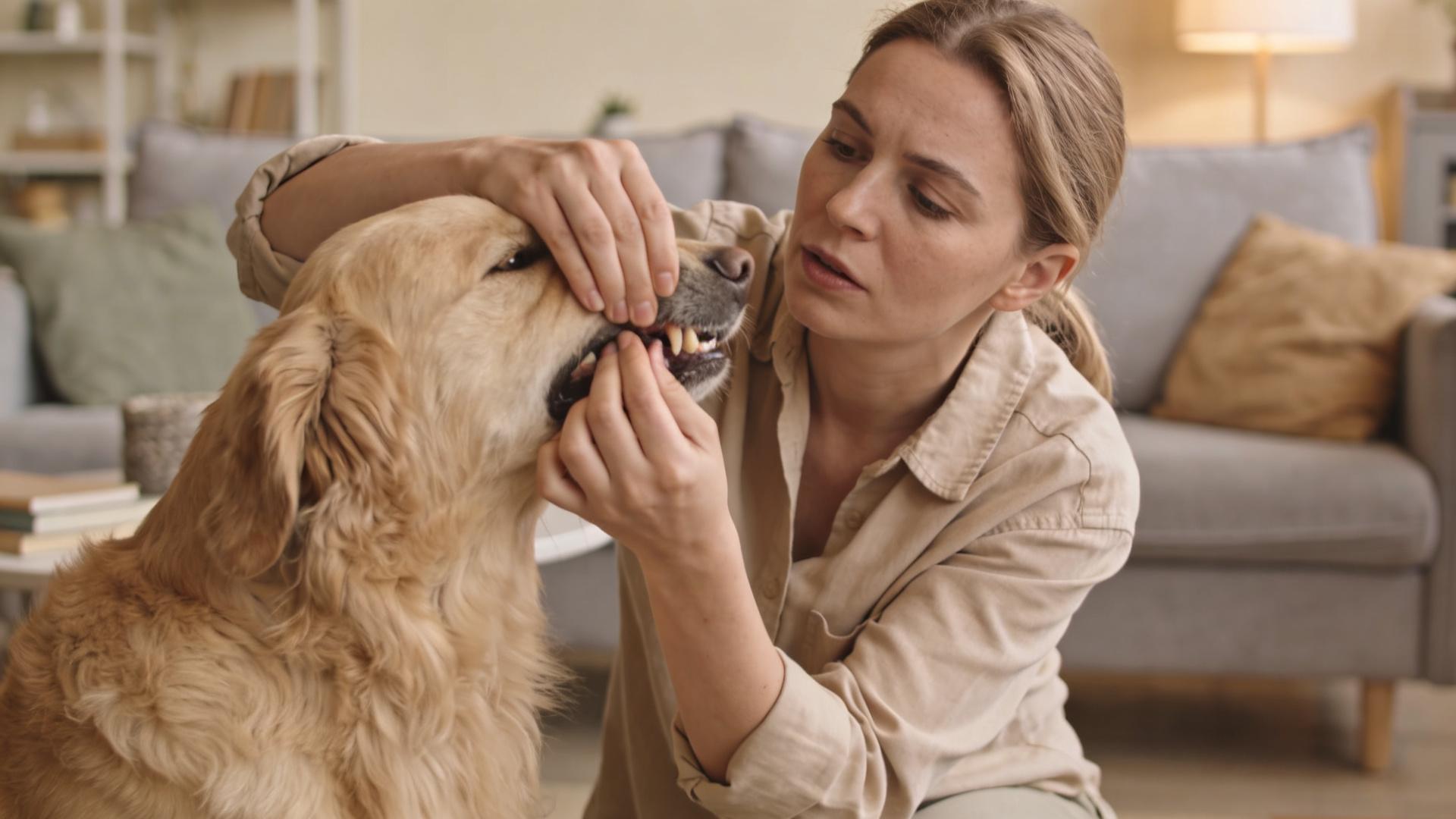
As a devoted dog owner, you notice every little detail about your furry friend. So, when that cold, wet nose you love to boop starts feeling dry, rough, or even loses its rich black pigment, it’s natural to feel concerned. You’re not alone. A dry or faded nose is a very common observation, and the good news is that it’s often harmless. However, understanding why it’s happening is the first and most crucial step toward restoring your dog’s nose to its healthy, shiny black dog nose glory. This guide will walk you through the common causes, safe home care strategies, and the clear signs that it’s time to call your vet.
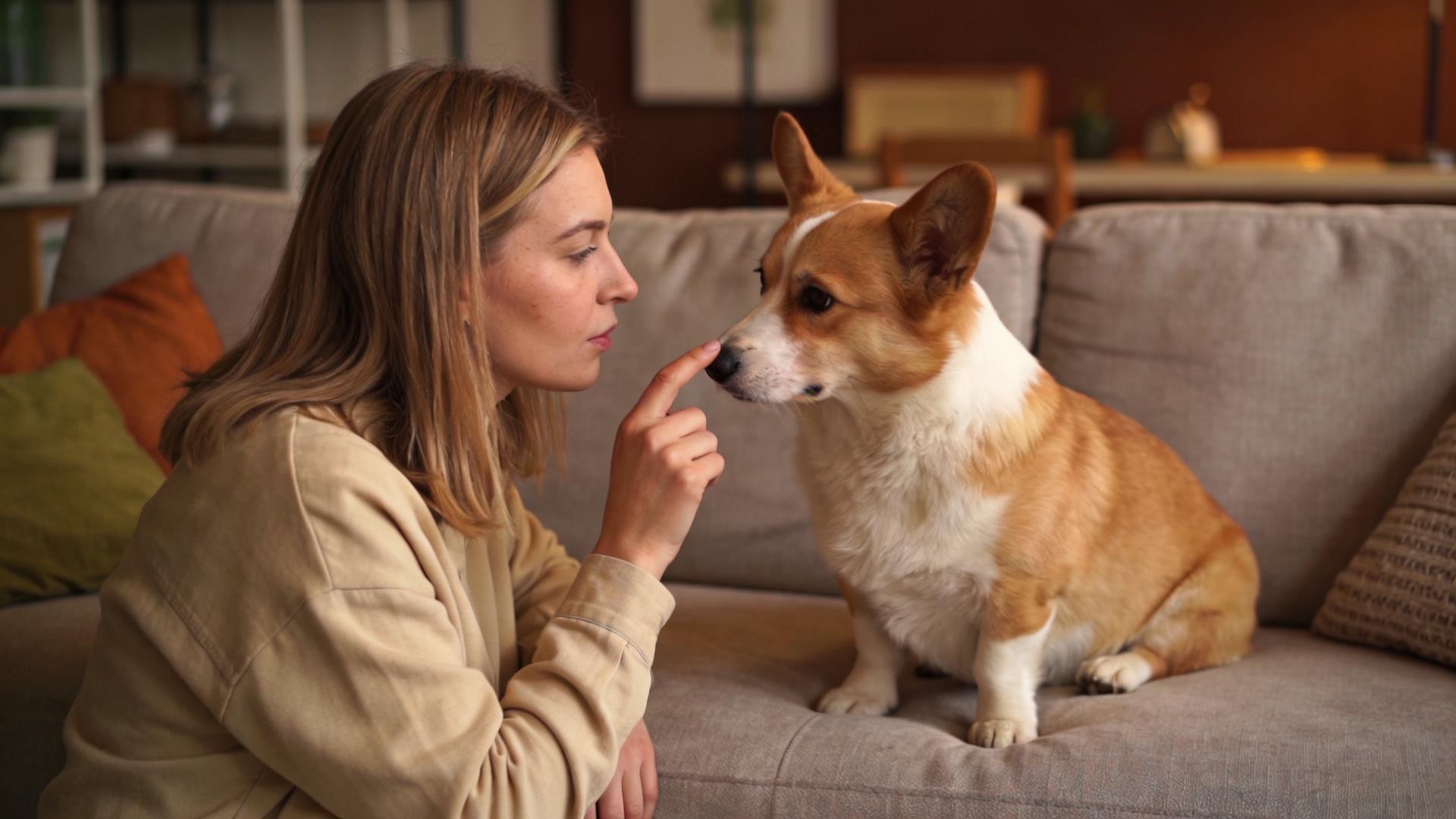
🐾 Section 1: Why Noses Change – From Harmless Quirks to Health Signals
A dog’s nose is a complex organ, and its texture and color can change for a variety of reasons. It’s essential not to panic but to play detective. Let’s break down the potential causes into two main categories.
Common and Often Harmless Causes:
- Sleep: Just like us, dogs don’t lick their noses while sleeping. A dry, warm nose upon waking is perfectly normal and will usually moisten up within 10 minutes of activity.
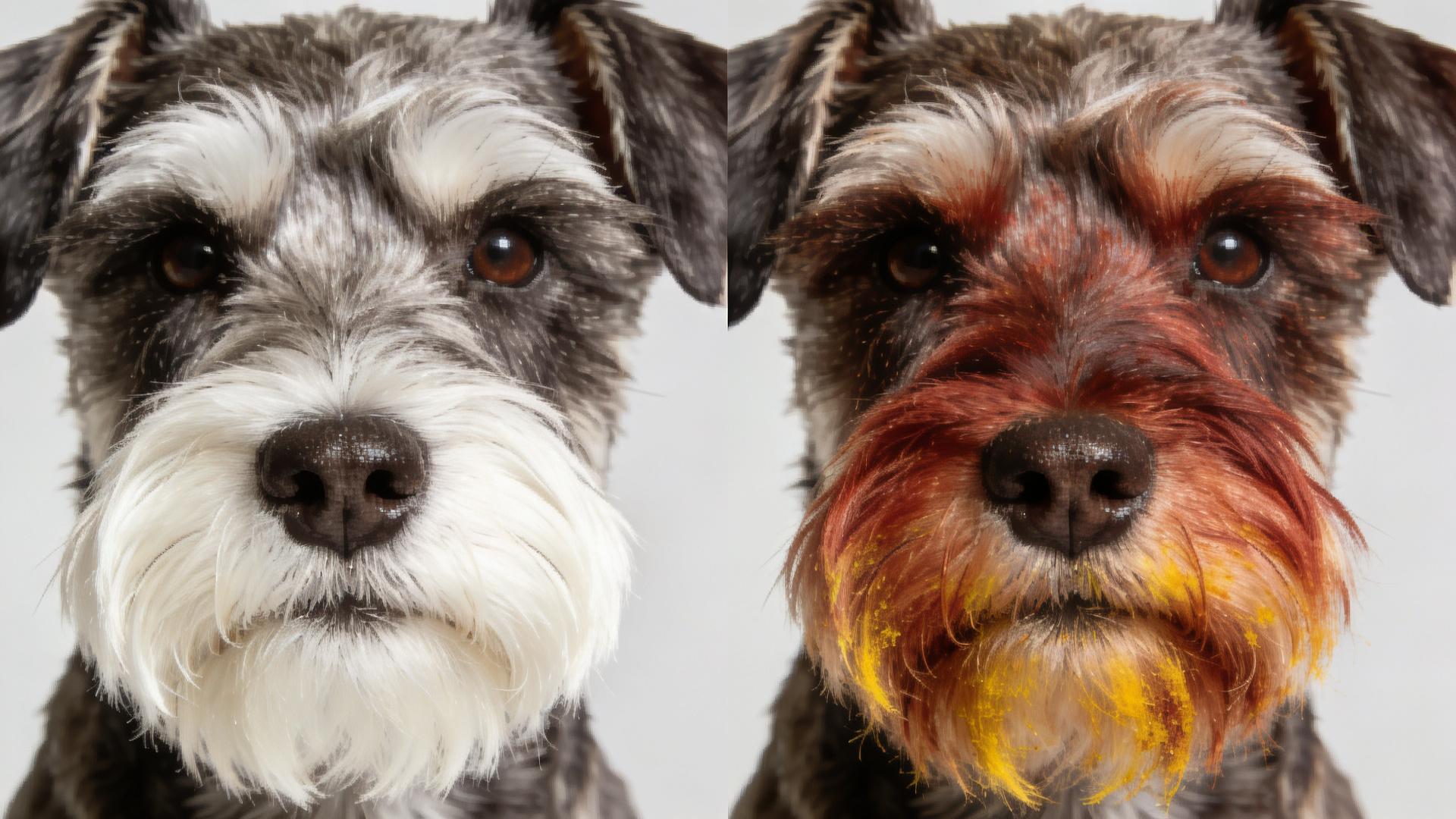
- Aging: As dogs get older, it’s common for their nose leather to become drier and for some pigment (faded dog nose) to fade, similar to how humans get gray hair.
- Mild Dehydration: If your dog hasn’t drunk enough water, one of the first places it may show is in a lack of nose moisture.
- Weather Exposure: Cold, dry winter air, wind, and excessive summer heat can all sap moisture from your dog’s nose, leading to temporary dryness or chapping.
Potential Health Signals Requiring Attention:
- Sunburn: Dogs with light or thin fur on their noses are susceptible to sunburn, which can cause dryness, peeling, and long-term pigment loss. This can also increase the risk of skin cancer.
- Autoimmune Disease: Conditions like Discoid Lupus Erythematosus (DLE) specifically target the nose, causing loss of pigment, ulceration, and crusting.
- Hyperkeratosis: This is a condition where the body produces too much keratin, leading to a thick, hard, crusty layer on the nose or paw pads. It can look like dry, cracked skin but is actually an overgrowth.
- Allergies: Contact allergies (to plastic food bowls, for example) or environmental allergies can manifest as dry dog nose, irritation, or redness.
- Nutritional Deficiencies: A lack of essential fatty acids, zinc, or certain vitamins (like E) can impact skin and nose health.
Important Note: A changing nose is not a definitive diagnostic tool. It is a valuable cue to observe your dog more closely and consider their overall health.
🔬 Section 2: The Path to a Shiny Black Nose – Practical Home Care Strategies
For most cases of simple, environmental dryness, proactive at-home dog nose care can work wonders. Here is your step-by-step guide to promoting a healthy, moisturized nose.
1. Prioritize Hydration
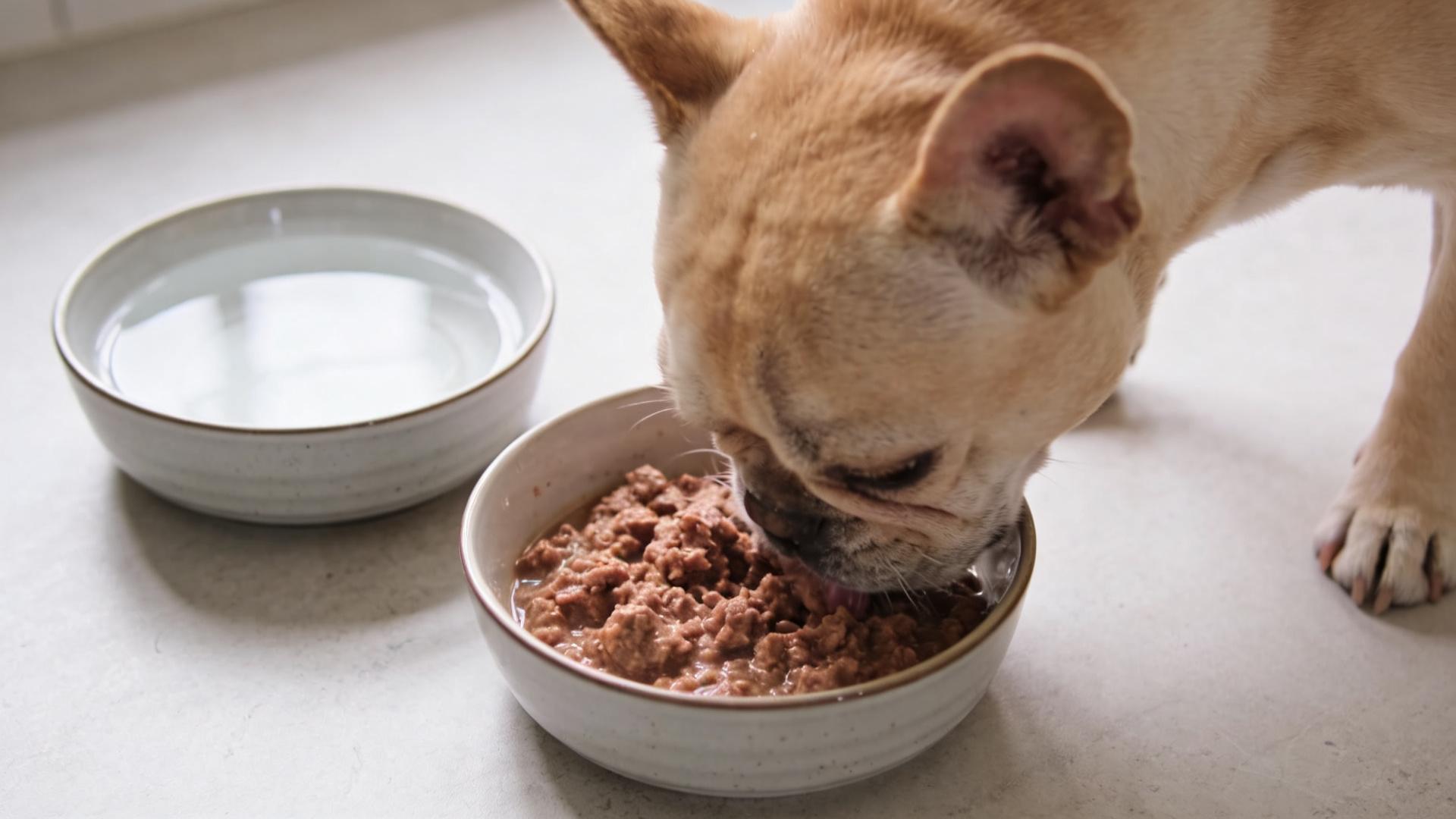
Internal hydration reflects externally. Ensure fresh, clean water is always available. Consider adding water to kibble or offering wet food to increase fluid intake, especially for reluctant drinkers.
2. Optimize Balanced Nutrition
Diet is foundational. Look for high-quality dog foods rich in Omega-3 and Omega-6 fatty acids (from fish oil, flaxseed), which are building blocks for healthy skin. Vitamins E and A also support skin integrity. A word with your vet about supplements can be beneficial.
3. Implement Sun Protection
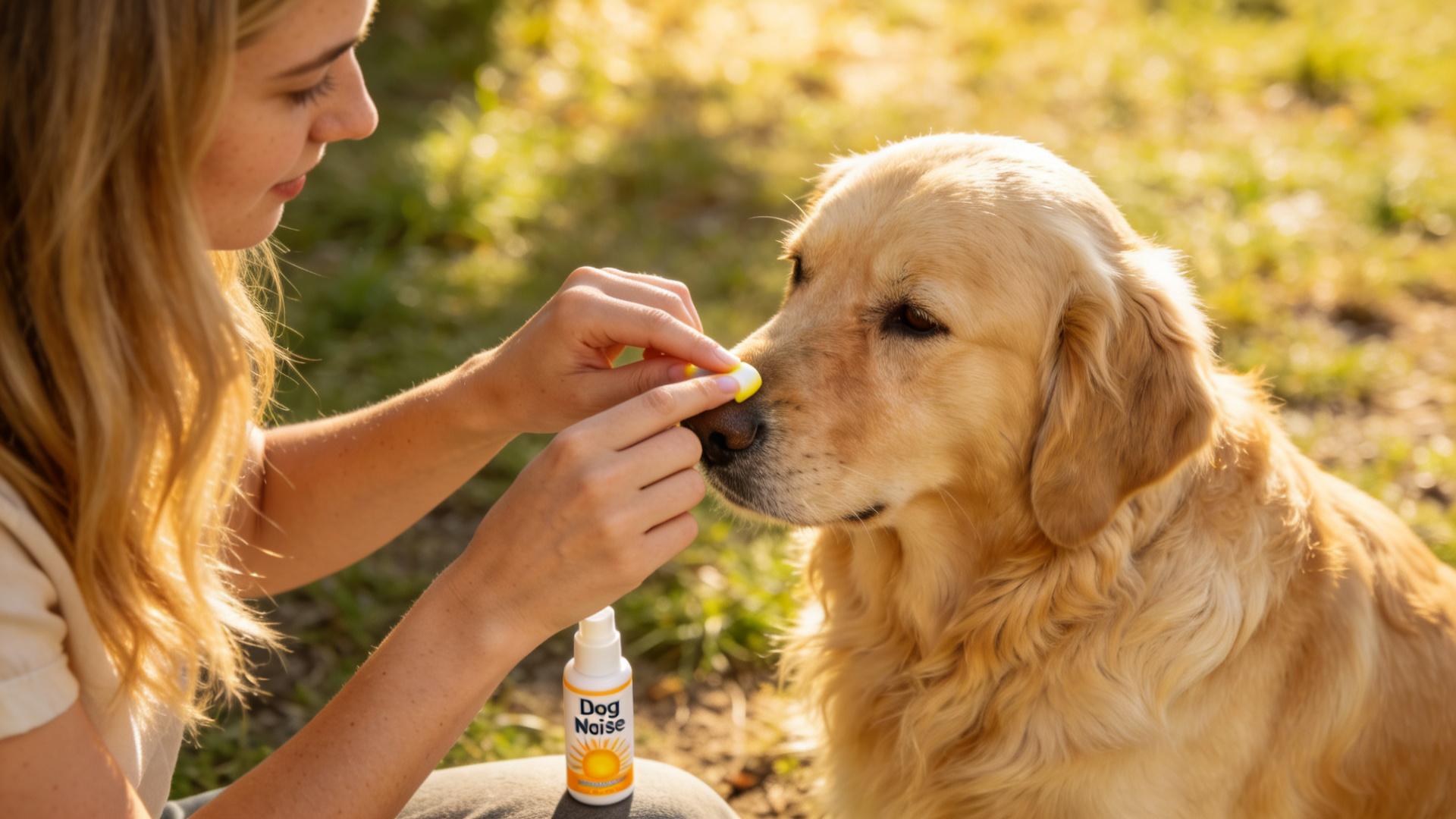
If your dog has a light nose or spends lots of time outdoors, sun protection is non-negotiable. Use a pet-safe sunscreen or a dog nose balm with SPF. Reapply as directed, especially after swimming or licking.
4. Moisturize Safely and Effectively
Special Reminder: Never use human lotions, vaseline, or chapsticks on your dog's nose. They often contain ingredients that can be toxic if ingested.
Safe dog nose moisturizer options include:
- Organic, Unrefined Coconut Oil: A natural, safe moisturizer with antibacterial properties. Apply a thin layer.
- Shea Butter: Excellent for deep moisturizing and creating a protective barrier.
- Commercial Dog Nose Balms/Butters: Formulated specifically for canine use, often containing a blend of safe, nourishing oils and butters. These are your best bet for targeted dog nose treatment.
5. Practice Gentle Cleaning
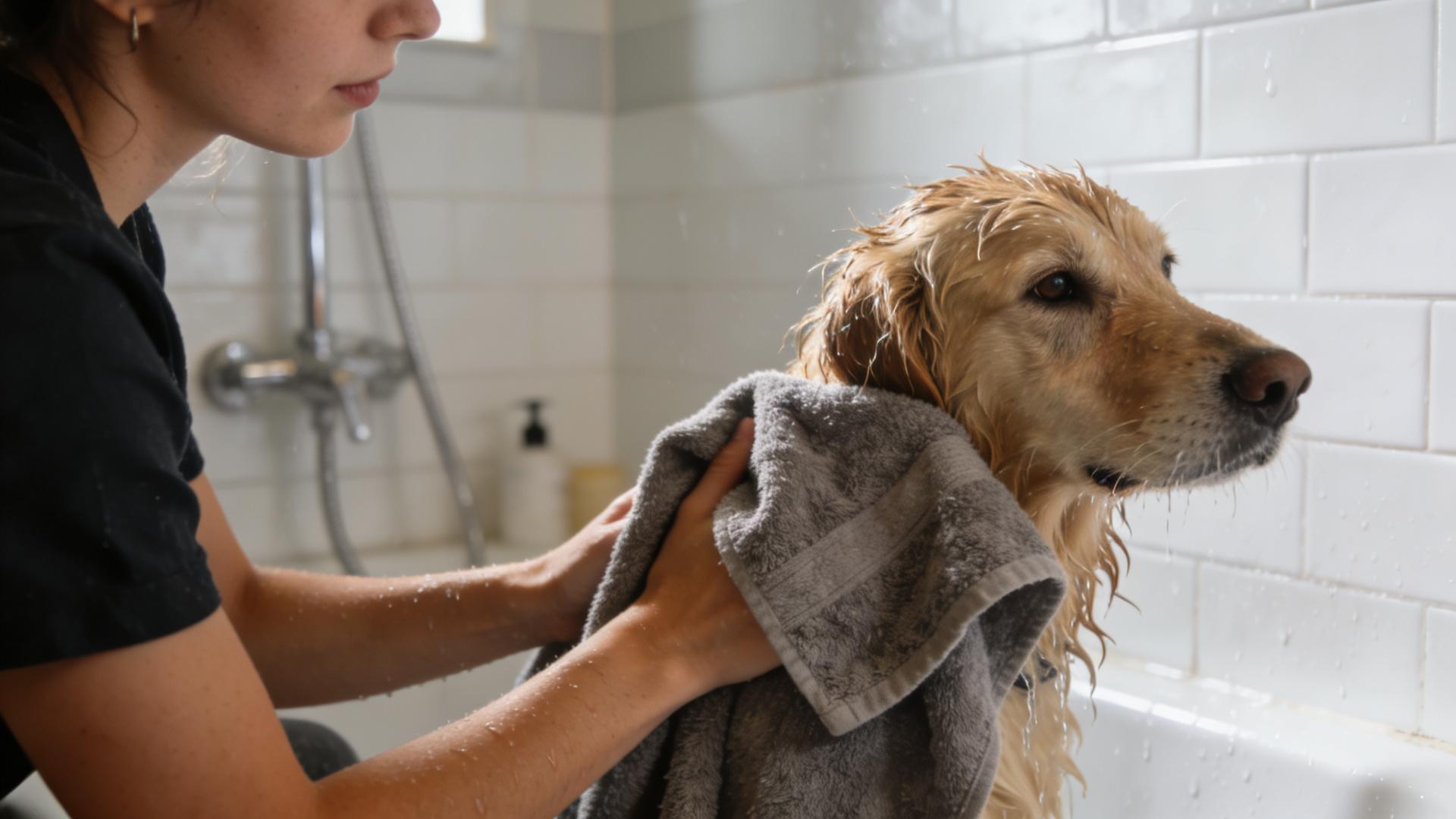
Gently wipe your dog’s nose daily with a soft, damp cloth to remove dirt, food, and environmental debris that can cause irritation. Pat dry—don’t rub.
🚑 Section 3: When to See the Vet – Clear Red Flags
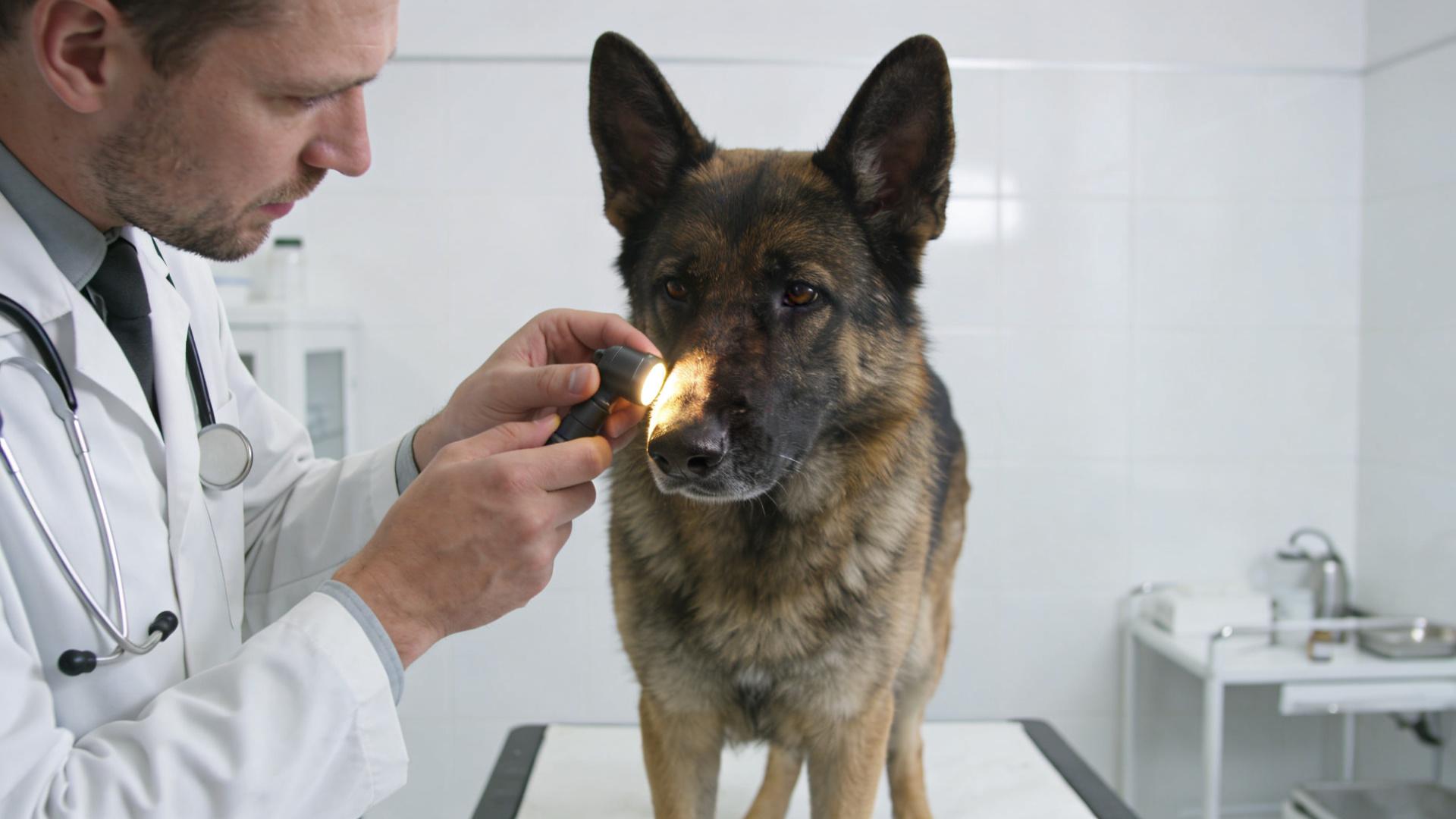
While home care is great for maintenance, some symptoms demand professional evaluation. Do not attempt to treat these at home without a diagnosis.
- Cracking or Bleeding: Deep cracks or any bleeding indicate significant damage or an underlying condition.
- Sores or Ulcers: Open wounds on the nose are painful and prone to infection.
- Thick, Hard Crusts: This is a hallmark sign of hyperkeratosis, which requires veterinary management to safely trim and treat.
- Persistent Color Loss with Other Symptoms: If a faded dog nose is accompanied by lethargy, changes in appetite, or skin issues elsewhere, it could signal a systemic problem like a thyroid issue or autoimmune disease.
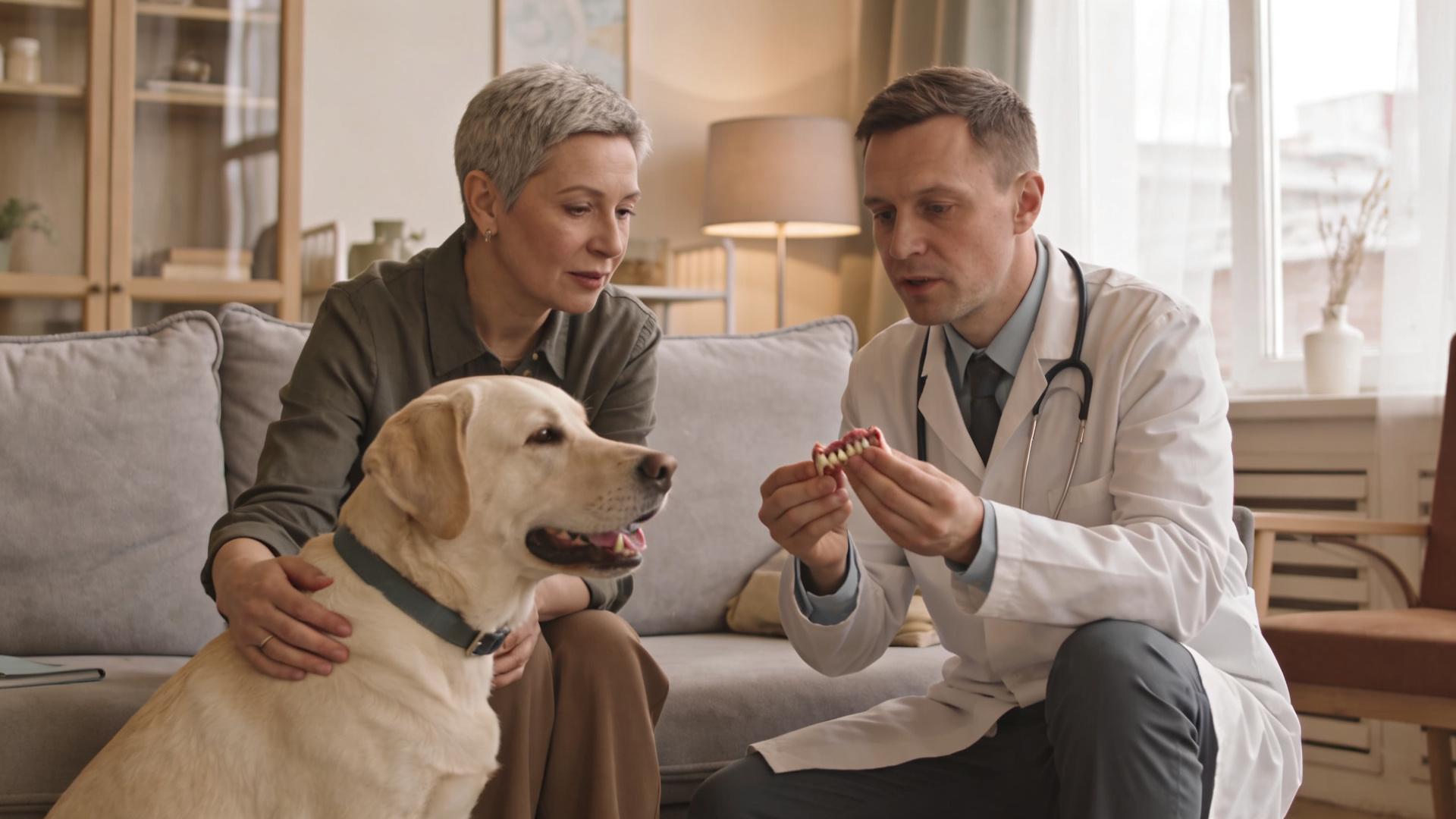
Your veterinarian can provide an accurate diagnosis, which may involve tests, and prescribe appropriate treatments such as immunomodulating ointments, antibiotics for infection, or specific supplements.
💖 Conclusion: The Goal is Health, Not Perfection
Every dog is unique, and a picture-perfect shiny black dog nose isn’t always possible—especially for our senior pups. The true goal is a healthy nose: comfortable, free of pain, and functioning well. By understanding the causes, implementing gentle, proactive canine nose care, and partnering with your veterinarian when needed, you are providing the best possible support for your companion. Your observant eye is your dog’s first line of defense. With a little knowledge and care, you can help ensure those beloved nose boops remain a joyful part of your life together.