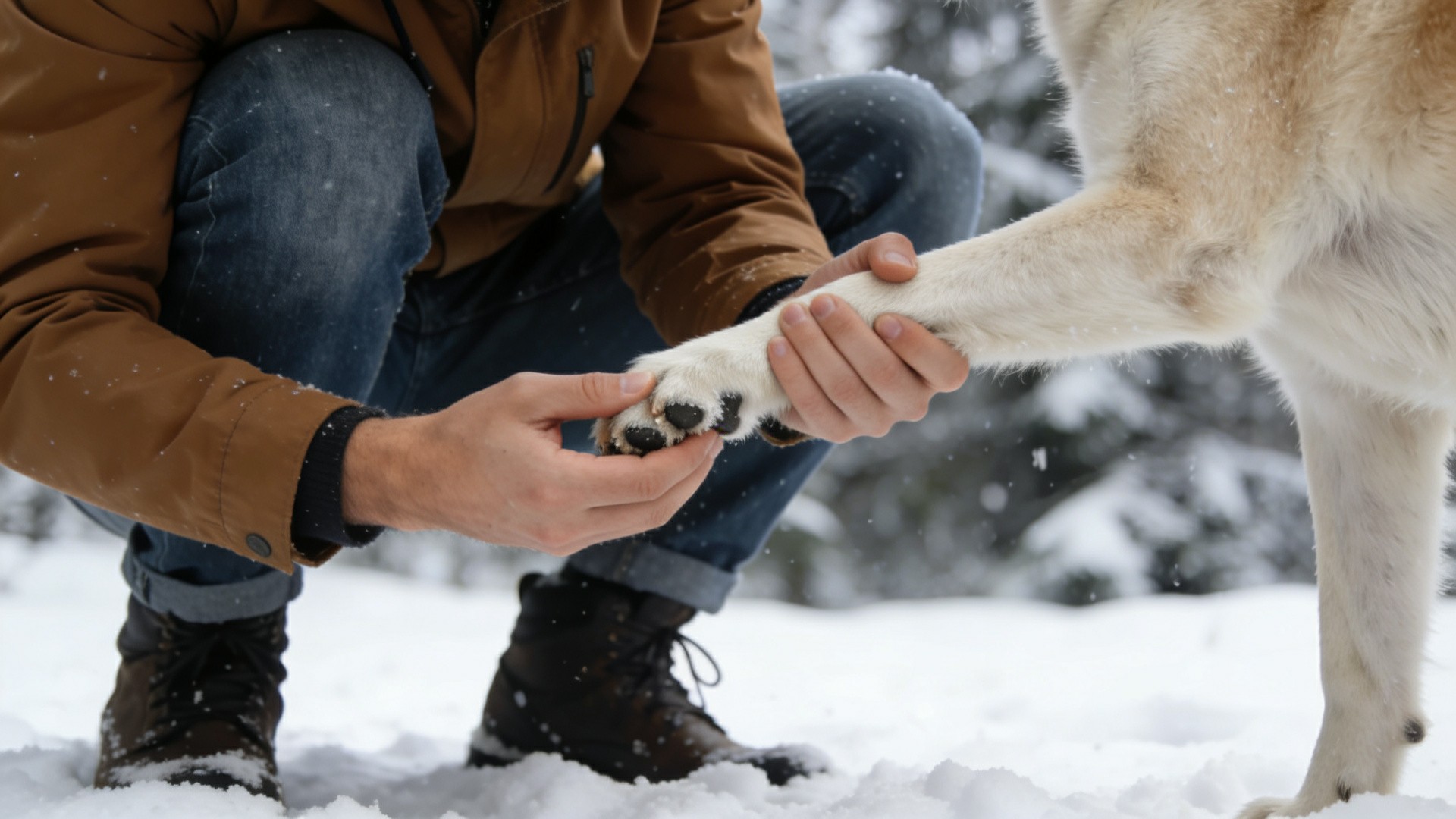
Caring for a canine companion who requires long-term bed rest is one of the most profound expressions of the human-animal bond. Whether due to paralysis, degenerative conditions, surgery, or severe weakness, this journey transforms you into a dedicated nurse, advocate, and source of unwavering comfort. While the path is demanding, a structured, informed approach can prevent complications and ensure your dog’s quality of life remains as high as possible. Two of the most critical and intertwined challenges in this care are preventing painful pressure injuries and managing incontinence with dignity. This comprehensive guide delves into the meticulous, loving routine required to master both.
Core Principles of Bed Rest Care:
- Consistency is King: Establish and adhere to a strict daily schedule for repositioning, feeding, cleaning, and medication.
- The Calm Cornerstone: Your demeanor sets the tone. Handle your dog with gentle, confident, and reassuring movements.
- Dignity Above All: Every action, especially during hygiene care, should prioritize your dog’s comfort and self-respect.
- Veterinary Partnership: Your vet is your co-pilot. Schedule regular check-ins and communicate any changes in skin condition, appetite, or behavior immediately.

🛡️ Section One: The Battle Against Bedsores - Prevention of Pressure Sores and Ulcers
Pressure sores, also known as decubitus ulcers or bedsores in dogs, are not mere skin irritations. They are serious, localized injuries to the skin and underlying tissue, primarily caused by prolonged pressure, friction, and moisture. For an immobile dog, the weight of their own body against a surface can cut off blood flow to vulnerable areas, leading to tissue death. These wounds can develop with alarming speed and, once established, are painful, prone to infection, and challenging to heal.
🎯 Understanding the High-Risk Zones
The areas most susceptible are bony prominences where there is minimal muscle or fat padding. Constant vigilance is required for:
- Hips (greater trochanter)
- Elbows (olecranon)
- Hocks (point of the hock joint)
- Shoulders
- Ribs and side of the knee (if lying consistently on one side)
Add moisture from urine, feces, or even perspiration, and the skin’s protective barrier breaks down exponentially faster, a condition known as moisture-associated skin damage (MASD).

⚙️ The Four Pillars of Prevention
1. Frequent and Strategic Repositioning
This is the single most effective action in dog pressure sore prevention. The goal is to eliminate sustained pressure on any single point.
- Schedule: Reposition your dog at least every 2-4 hours, around the clock. Set alarms during the night.
- Technique: Gently log-roll your dog from one side to the other. Use the "clock method": position limbs differently each time (e.g., at 2 o'clock, then 4 o'clock).
- Support: Use foam wedges, snuggle pillows, or rolled towels to prop them in a 30-degree side-lying position, relieving pressure on the hips and shoulders.
2. Investing in Specialized Bedding
An ordinary dog bed is insufficient. The right surface is a medical device for bedridden dog care.
- Orthopedic Memory Foam: A high-quality, dense memory foam bed distributes weight evenly. Look for a minimum 4-inch thickness.
- Alternating Pressure Pads: For high-risk dogs, these medical-grade pads have air cells that systematically inflate and deflate, constantly shifting pressure points. They are a gold standard in canine paralysis care.
- Layering System: Start with a waterproof, breathable mattress protector, add the specialty bed or pad, then top with a soft, washable, absorbent pad or veterinary bedding. This keeps moisture away from the skin and allows for quick changes.

3. Meticulous Skin and Coat Surveillance
Become a detective of your dog’s skin. SPECIAL REMINDER: Early detection is everything.
- Twice-Daily Inspections: In good light, run your hands over every inch of your dog’s body. Feel for warmth, look for persistent redness (that doesn't fade when you press it), and check for broken skin, scabs, or thinning hair.
- Dryness is Non-Negotiable: After any cleaning, pat—don’t rub—the area thoroughly dry. A blow dryer on a cool, low setting can be used with caution.
- Coat Maintenance: Brush daily to prevent mats, which create uneven pressure. Consider a sanitary clip around the hindquarters, belly, and tail for easier cleaning and better air circulation.
- Barrier Protection: Apply a thin layer of veterinarian-recommended barrier cream or ointment (like those containing dimethicone or zinc oxide) to high-risk areas after they are completely dry.
4. Foundation of Nutrition and Hydration
Skin is the body’s largest organ, and it needs the right building blocks to stay resilient.
- Protein & Diet: A balanced, high-quality diet rich in digestible protein is crucial for tissue maintenance and repair. Your vet may recommend a therapeutic diet.
- Hydration: Ensure fresh water is always available. Proper hydration maintains skin elasticity and promotes circulation. Subcutaneous fluids may be advised for some patients.
- Supplements: Omega-3 fatty acids (fish oil), Vitamins A, C, E, and Zinc can support skin health. Always consult your vet before adding any supplement.

🚿 Section Two: Hygiene Management - Cleaning Up Urine and Feces with Compassion
Managing incontinence is a practical and emotional cornerstone of paralyzed dog hygiene. A clean, dry dog is a comfortable dog, free from the burning irritation of urine scald and the risk of infection.
📦 Essential Supplies for Your Hygiene Station
Being prepared streamlines the process. Have these items within arm’s reach:
- Absorbent, Washable Pads (Chux/Vetbeds): For lining the bed.
- Dog Diapers or Belly Bands: Well-fitting disposable or washable options.
- Pet-Safe Enzymatic Cleaner: Breaks down urine and feces molecules to eliminate odors at the source.
- Gentle, Unscented Pet Wipes or Soft Washcloths: For quick clean-ups.
- pH-Balanced Dog Shampoo & Rinseless Bath Foam: For thorough cleaning without stripping natural oils.
- Skin Barrier Ointment: The same used for bedsore prevention.
- A Dedicated Basin of Warm Water.
💧 The Step-by-Step Cleaning Routine for Incontinence
Frequency: Check for wetness or soiling at minimum every 4 hours, and immediately after you suspect a bowel movement.
- Remove the Dog from the Soiled Area: Gently lift or slide your dog onto a clean, dry temporary surface.
- Strip and Clean the Bedding: Immediately remove and replace soiled bedding pads. Wash soiled linens with a fragrance-free, hypoallergenic detergent and an enzymatic additive.
- Clean the Dog:
- For Urine: Wipe the affected skin (belly, groin, inner thighs) with a damp washcloth or pet wipe. Pat thoroughly dry.
- For Feces: Carefully remove solid waste. Wash the area gently with a cleanser and warm water. Rinse all soap residue completely, as it is irritating. Pat thoroughly dry.
- Protect the Skin: Once the skin is perfectly dry, apply a thin layer of barrier cream to the perineum, belly, and hind legs.
- Redress and Return: Put on a fresh diaper or belly band if used, and return your dog to their clean, dry bed.

👖 Managing Dog Diapers and Belly Bands Effectively
These dog incontinence products are tools, not solutions. They must be managed actively.
- Fit is Critical: They should be snug but not tight. Check frequently for chafing or redness along the edges.
- Change Immediately: A soiled diaper creates a hot, wet, bacteria-rich environment. Change it the moment you know it's wet or dirty.
- Air Time: Whenever possible, allow your dog some time without a diaper on a clean, absorbent pad to let the skin breathe.
🍃 Environmental Maintenance for Health and Comfort
Your dog’s immediate environment must support your hygiene efforts.
- Odor Control: Use enzymatic cleaners on floors and surfaces. An air purifier with a HEPA/charcoal filter can significantly aid in odor control for incontinent dogs.
- Ventilation: Ensure the room has good air flow (avoid direct drafts on your dog) to reduce dampness and ammonia fumes.
- Easy-Clean Surfaces: Surround the bed area with washable rugs or waterproof flooring for quick cleanup of accidents.

❤️ Section Three: Supporting the Whole Dog - Beyond Physical Care
True dog rehabilitation care addresses mind and spirit as well as body.
🤲 Physical Support and Therapy
- Passive Range of Motion (PROM): As directed by your vet or rehab therapist, gently move each joint through its natural range of motion 2-3 times daily. This prevents contractures, maintains joint health, and stimulates circulation.
- Massage: Gentle stroking and kneading muscles improves blood flow, reduces stiffness, and provides comforting touch.
- Assistive Devices: Slings, harnesses, or carts (if appropriate) can provide supported standing or mobility, offering immense psychological and physical benefits.
😊 Mental and Emotional Enrichment
A bedridden dog is still a thinking, feeling dog. Boredom and frustration must be countered.
- Cognitive Games: Use puzzle toys, snuffle mats, or slow feeders that can be used while lying down. Practice low-impact training commands like "look," "touch," or gentle paw shakes.
- Social Inclusion: Position the bed so your dog can see family activities. Spend time sitting with them, reading, or just petting.
- Sensory Stimulation: Offer new, safe smells (herbs, a worn t-shirt), play soft music, or provide different textured toys to chew.
🌟 Conclusion: A Journey of Love and Diligence
Providing long term bed rest care for paralyzed dogs or weak companions is a marathon, not a sprint. It demands unwavering patience, organization, and empathy. By implementing the rigorous, proactive routines outlined here—centered on the twin pillars of pressure sore prevention and immaculate hygiene management—you are doing more than just tasks. You are actively shielding your dog from pain, preventing dangerous infections, and safeguarding their dignity.
FINAL REMINDER: Your veterinary team is your indispensable partner. From recommending specific dog bedsore treatment protocols to advising on nutrition and therapy, their guidance is crucial. In your daily dedication, you are offering the purest form of love: the commitment to comfort, security, and quality of life, no matter the challenge. Your bond is the foundation upon which all this care is built, and it is what makes every effort profoundly worthwhile.