The sun is high, the air is thick, and there lies your best friend: tongue lolling, sides heaving, a picture of pure summer exhaustion. Your first instinct might be to reach for the clippers or hose. But what if the most common "solutions" are working against your dog's natural design? This article cuts through the noise with clear, physiological logic. We will explain how dogs cool down, and from that foundation, build a complete, actionable strategy for summer dog cooling that truly works.
❄️ Section One: The Canine Cooling Engine – How Your Dog's Body Actually Works
To cool effectively, you must first understand the machine. A dog's cooling system is elegant in its simplicity but has critical limitations humans don't face.
🏭 The Primary Mechanism: Panting and Vasodilation
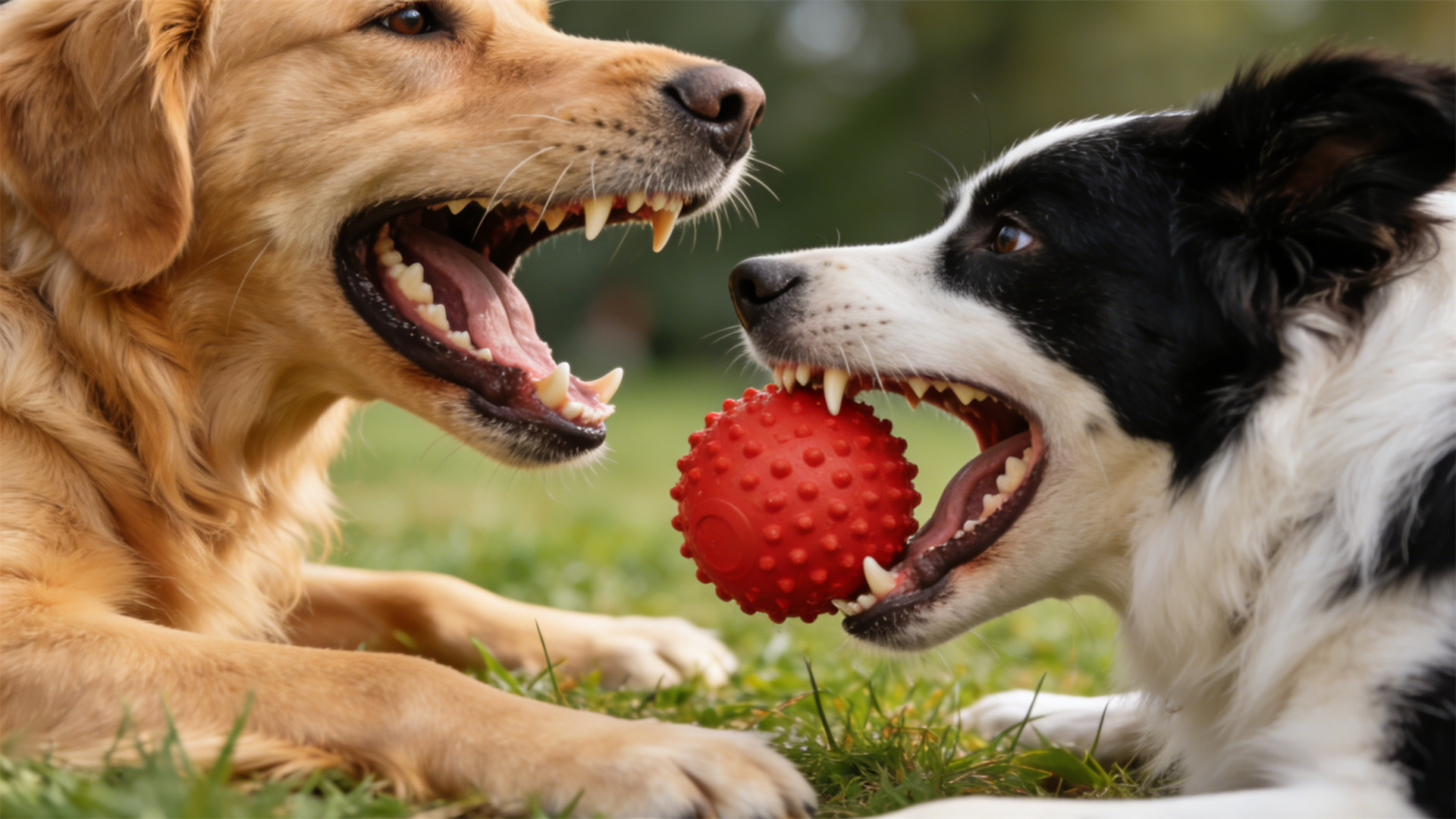
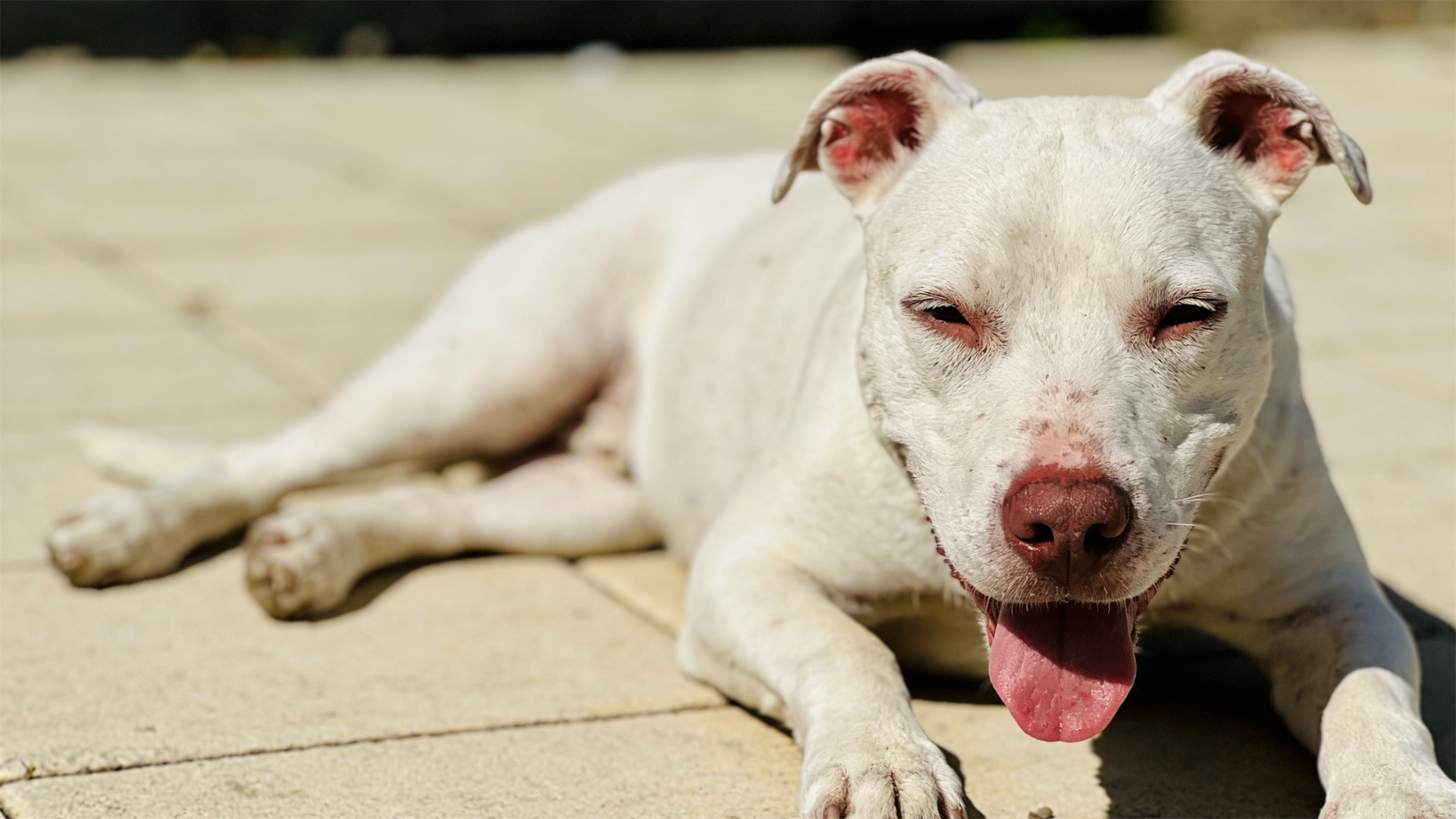
Unlike humans, who are covered in sweat glands, a dog's main cooling method is panting. This isn't just fast breathing. It's a sophisticated evaporative cooling system. As air rapidly moves over the moist surfaces of the tongue, mouth, and upper respiratory tract, moisture evaporates, carrying heat away from the blood in those tissues.
Simultaneously, vasodilation occurs. Blood vessels, especially in the face, ears, and skin, widen to bring hot blood from the core closer to the surface to be cooled. This is why you might see reddened skin or ears on a hot dog.
👣 The Supporting Role: Paw Sweat Glands
Dogs do possess sweat glands, but they are primarily located in their paw pads. Their contribution to overall temperature regulation is minimal. You might see damp paw prints on a hot day, but this is a minor player, not the main event.
🚫 What is Inefficient or Dangerous: Working Against the Engine
This biological blueprint makes certain common assumptions not just ineffective, but risky.
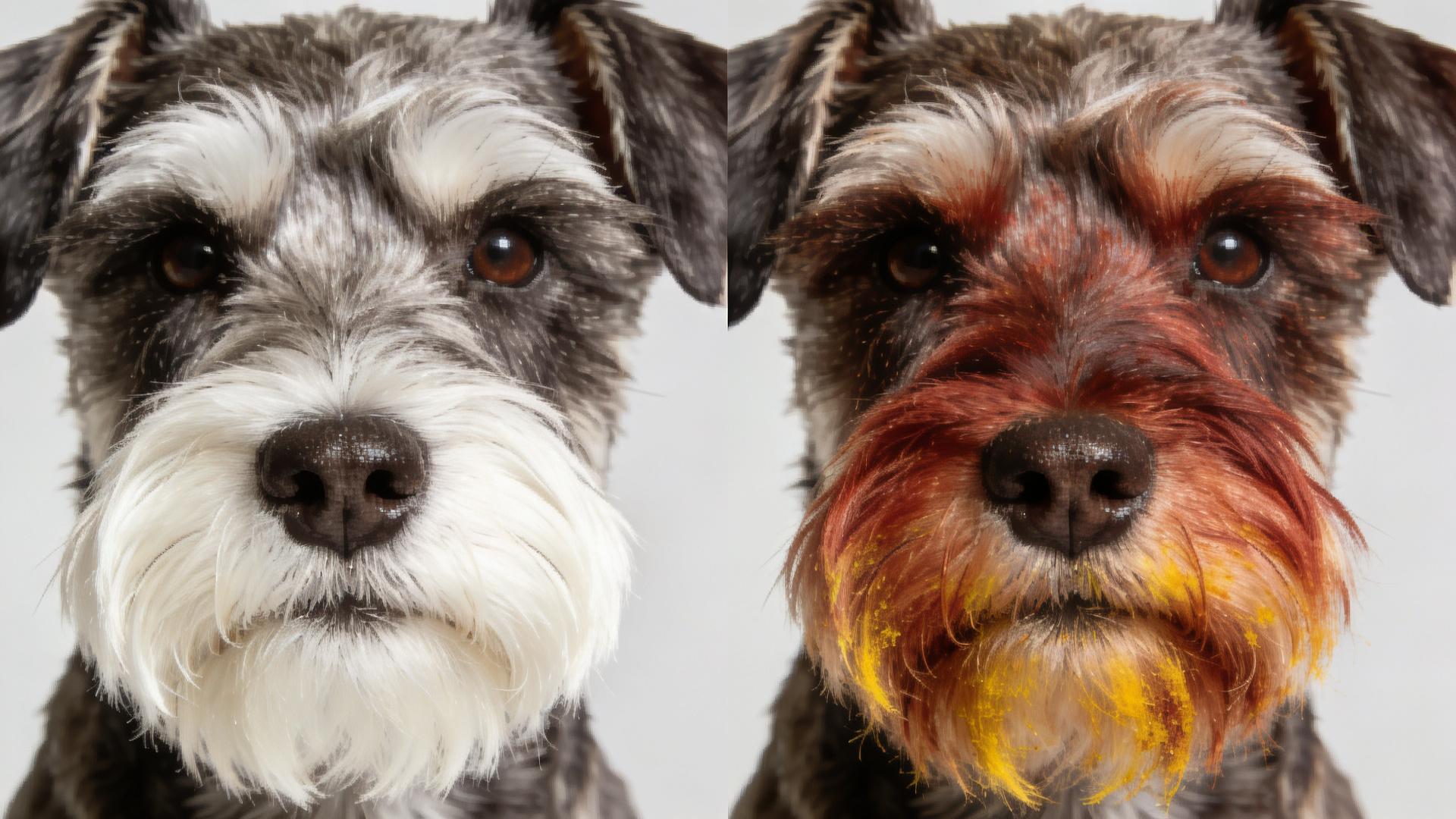
Fur Removal Fallacy: Shaving a double-coated breed (like Huskies, Golden Retrievers, or Samoyeds) destroys their insulating layer. This coat traps cool air close to the skin in summer and warm air in winter. Removing it can lead to overheating, sunburn, and permanent coat damage.
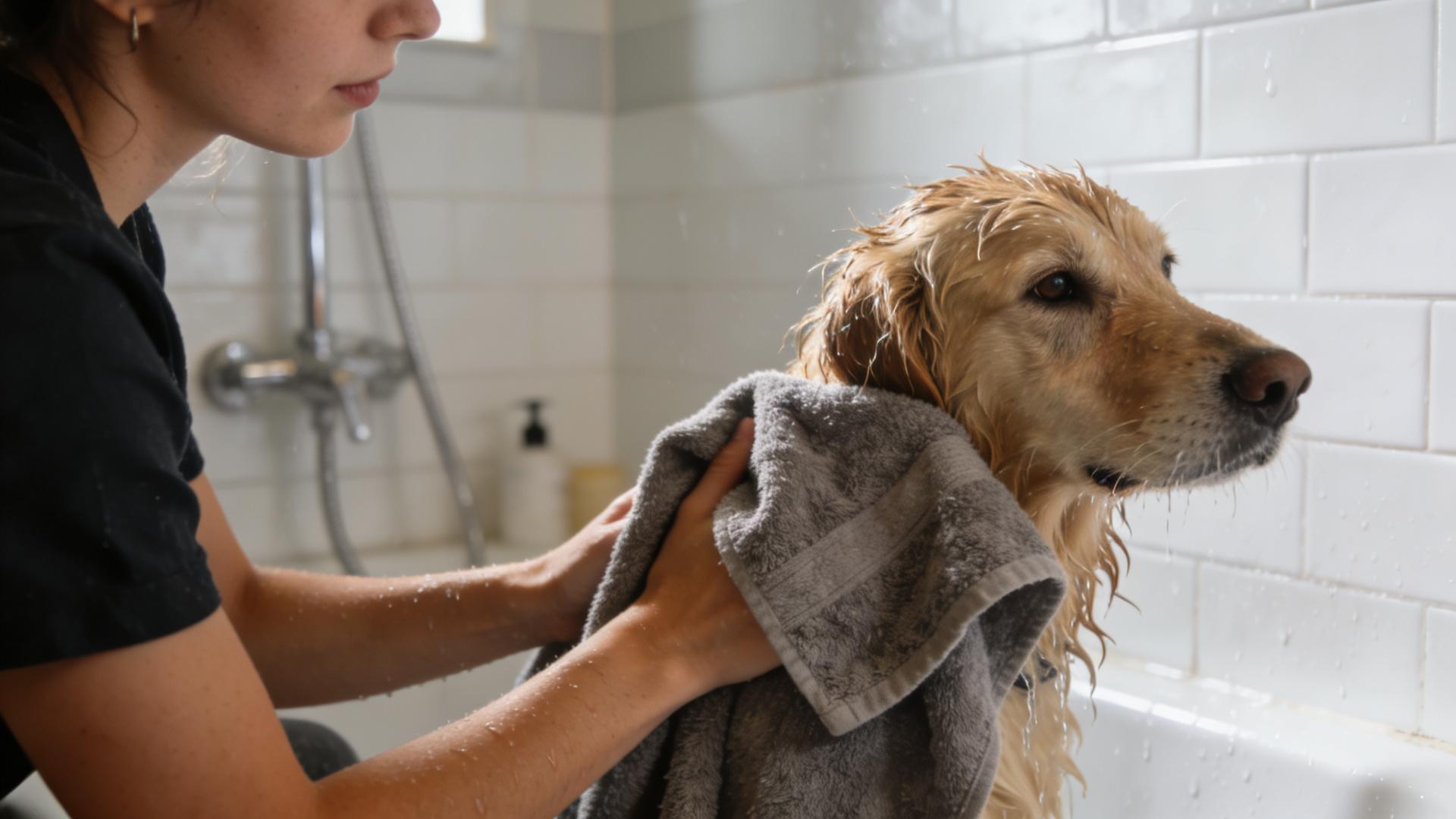
Swimming Assumptions: Not all dogs are natural swimmers, and water safety is not a given. Furthermore, a dip in a stagnant, warm pond does little for canine summer care and can expose dogs to harmful bacteria.
💡 Section Two: Applied Cooling Logic – Practical Strategies Derived from Physiology
Now, let's apply this logic. Effective dog cooling tips support or enhance your dog's natural systems.
🧊 The Logic of Hydration: More Than Just a Water Bowl
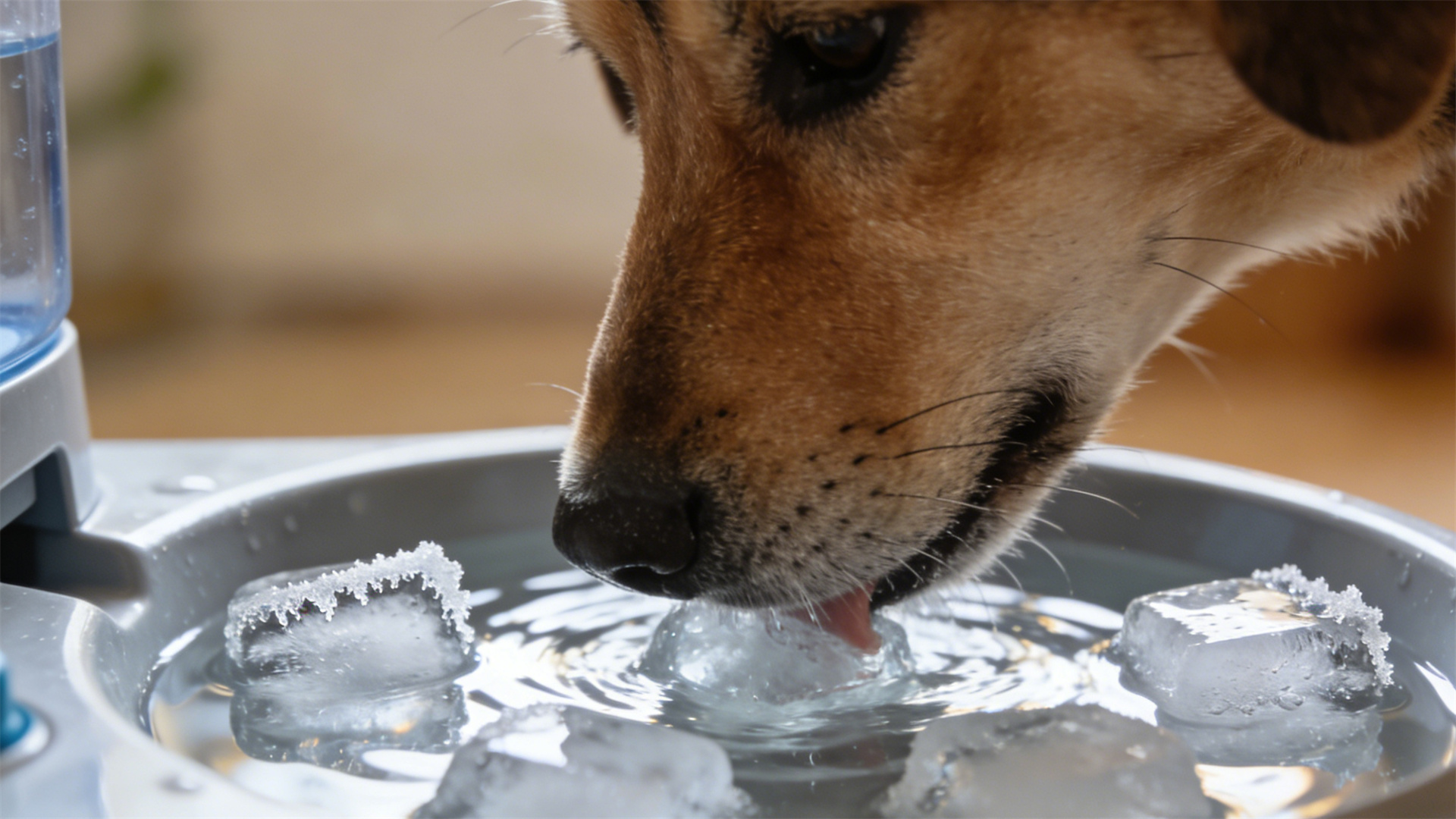
Evaporative cooling requires moisture. Dehydration cripples the panting system. Logic dictates constant access to fresh, cool water. Enhance this with dog water fountains to encourage drinking, or create frozen dog treats (like broth ice cubes) to provide hydration and core cooling simultaneously.
🌳 Why Shade is an Active Cooling Strategy
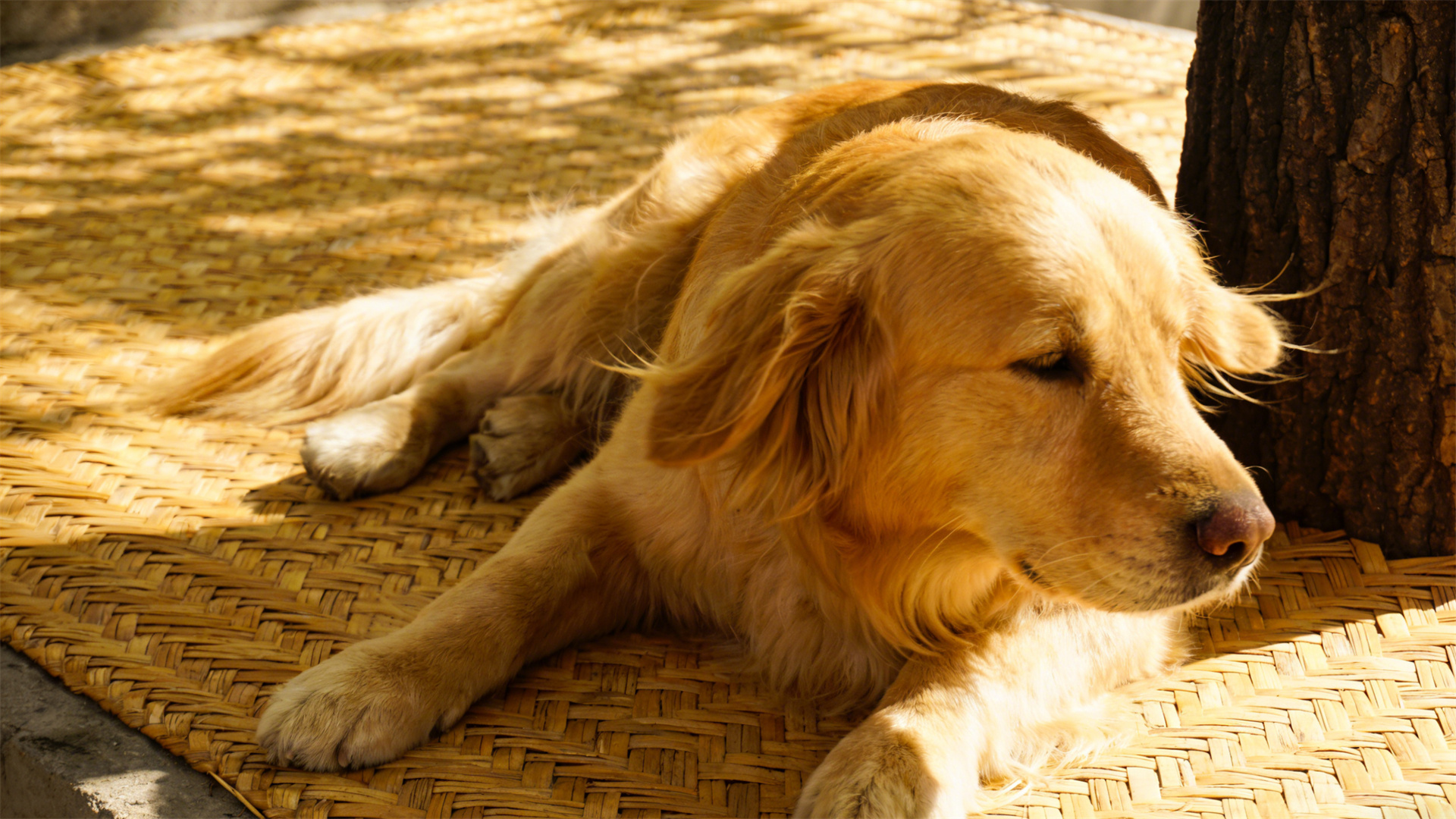
Shade isn't just about avoiding sunburn. It prevents solar radiation from directly heating your dog's body, reducing the thermal load their panting system must overcome. A shaded, breezy spot leverages convection (air moving heat away) to aid their physiology.
🕒 The Critical Timing of Walks
Asphalt and sand can burn paw pads in minutes. The logical practice for the best time to walk dog in summer is early morning or late evening. Use the "seven-second test": place the back of your hand on the pavement. If you can't hold it for seven seconds, it's too hot for paws.
🛠️ Using Cooling Products Correctly
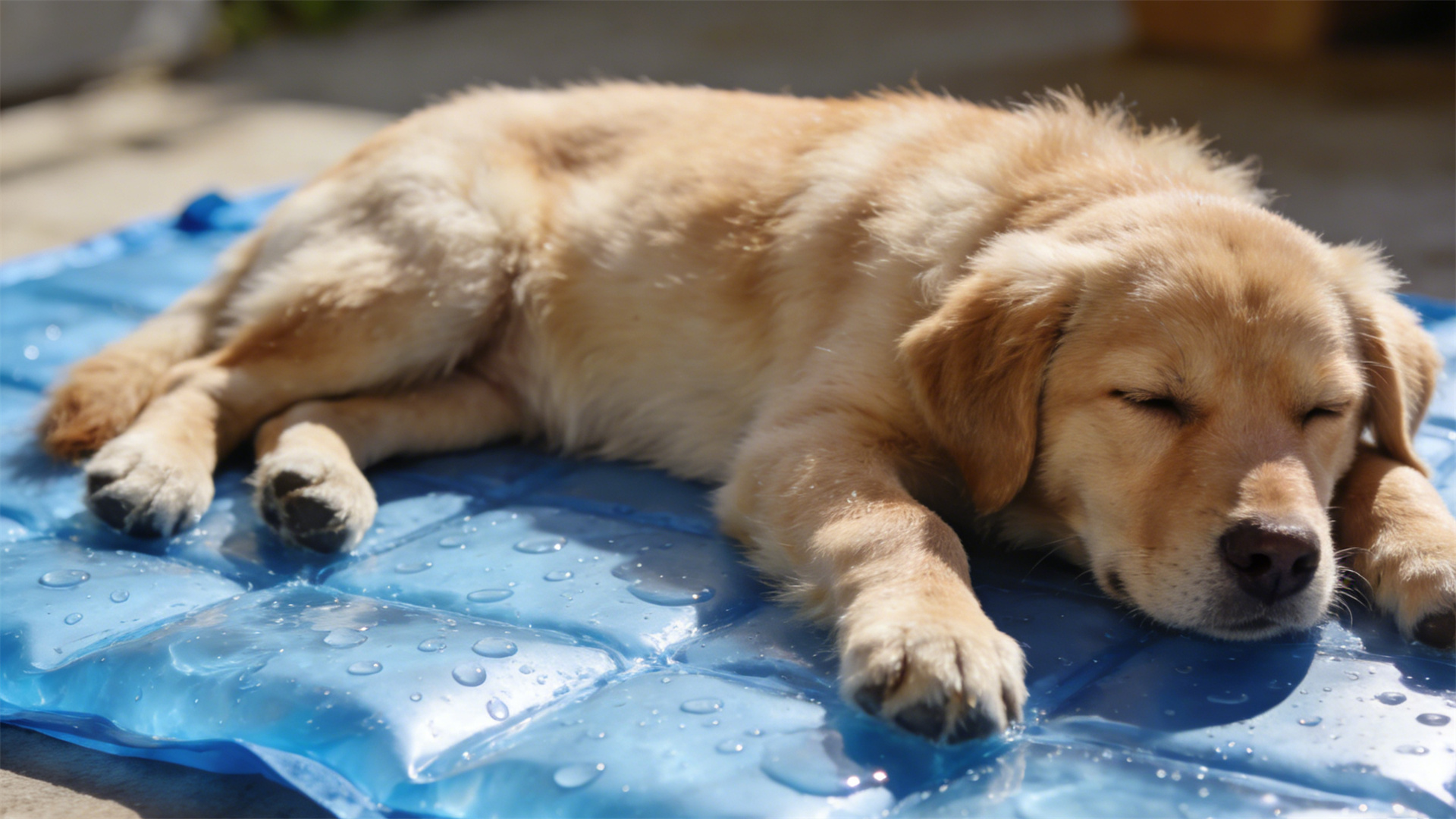
Products like cooling mats for dogs or dog cooling vests work by conduction, drawing heat directly from the body. The logic is sound: they provide a cool surface for vasodilated blood vessels to release heat into, supplementing panting. Always follow manufacturer instructions for safe use.
⚠️ Section Three: Critical Warnings and Myths – The Essential Logic of Prevention
Understanding your dog's limits is the most crucial part of dog heat safety.
🚨 Recognizing Heatstroke: A Medical Emergency
Heatstroke occurs when the cooling engine fails. Know the signs of overheating in dogs: excessive panting, bright red gums, thick drool, lethargy, vomiting, diarrhea, stumbling, or collapse. This is a RED ALERT. Immediate action is required: move to a cool area, use cool (not ice-cold) water on the groin, armpits, and paws, offer small water sips, and seek veterinary care immediately.
🔥 The Absolute Danger: Hot Cars
Never, ever leave a dog in a parked car. Even with windows cracked, the temperature inside can become lethal in minutes. This is non-negotiable logic.
✂️ Debunking Common Cooling Myths
Myth: "Shaving my furry dog will keep him cooler." Logic: As explained, this often harms double-coated breeds. A better strategy is regular brushing to remove the dense undercoat.
Myth: "My dog will stop playing if he gets too hot." Logic: Many dogs, especially retrievers or herding breeds, are drive-oriented and will play to the point of collapse. It is the owner's responsibility to enforce breaks in the shade.
✅ Conclusion: The Logical Path to a Cool, Safe Summer
The most effective approach to summer cooling for dogs isn't about fighting their nature, but partnering with it. By understanding the logic of their panting-based system, you can implement strategies—from smart hydration to timed walks—that genuinely enhance their comfort and safety. Let this be your guiding principle: prioritize your dog's biological needs over summer fun. A cool dog is a happy, healthy companion all season long.