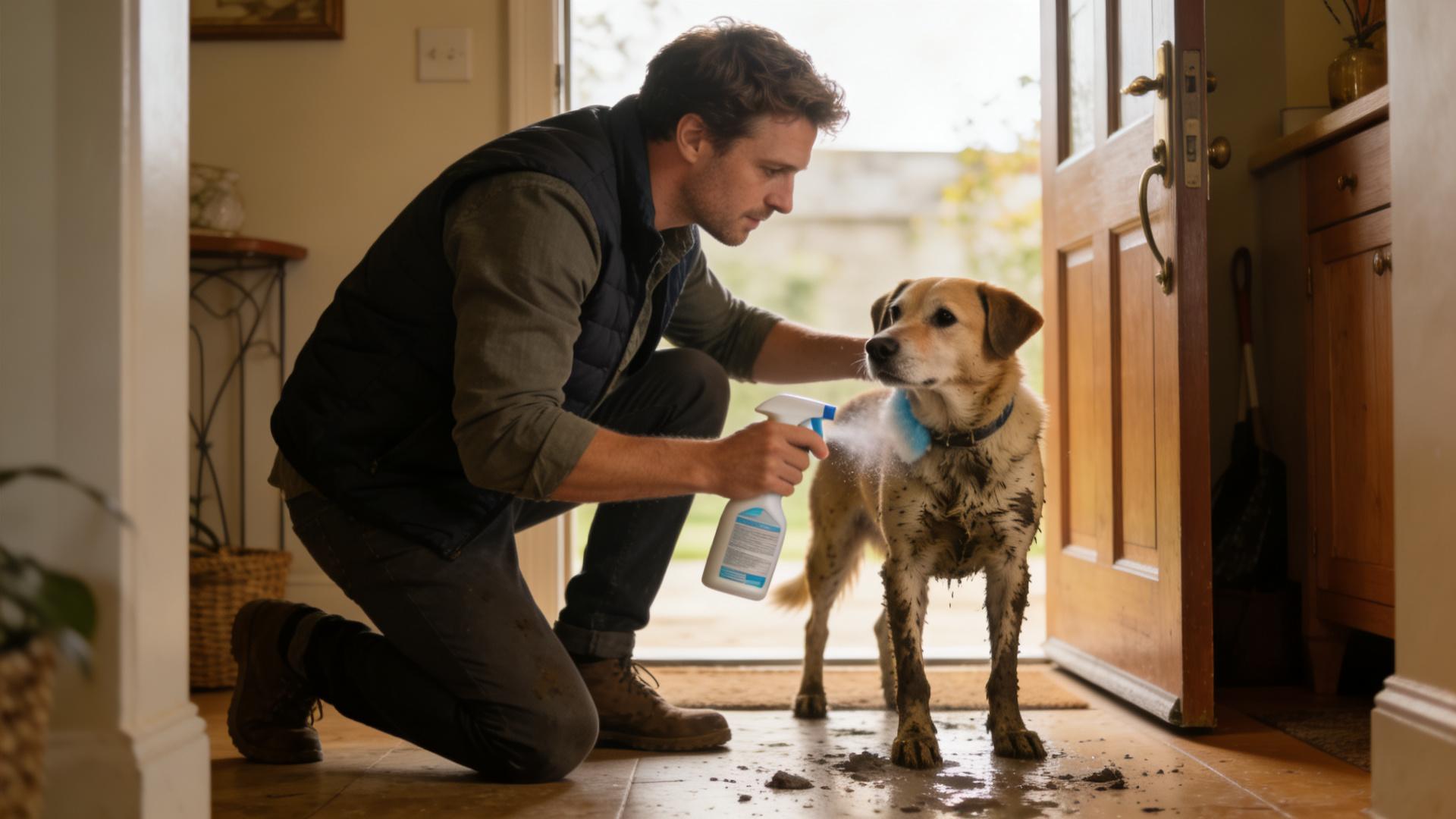
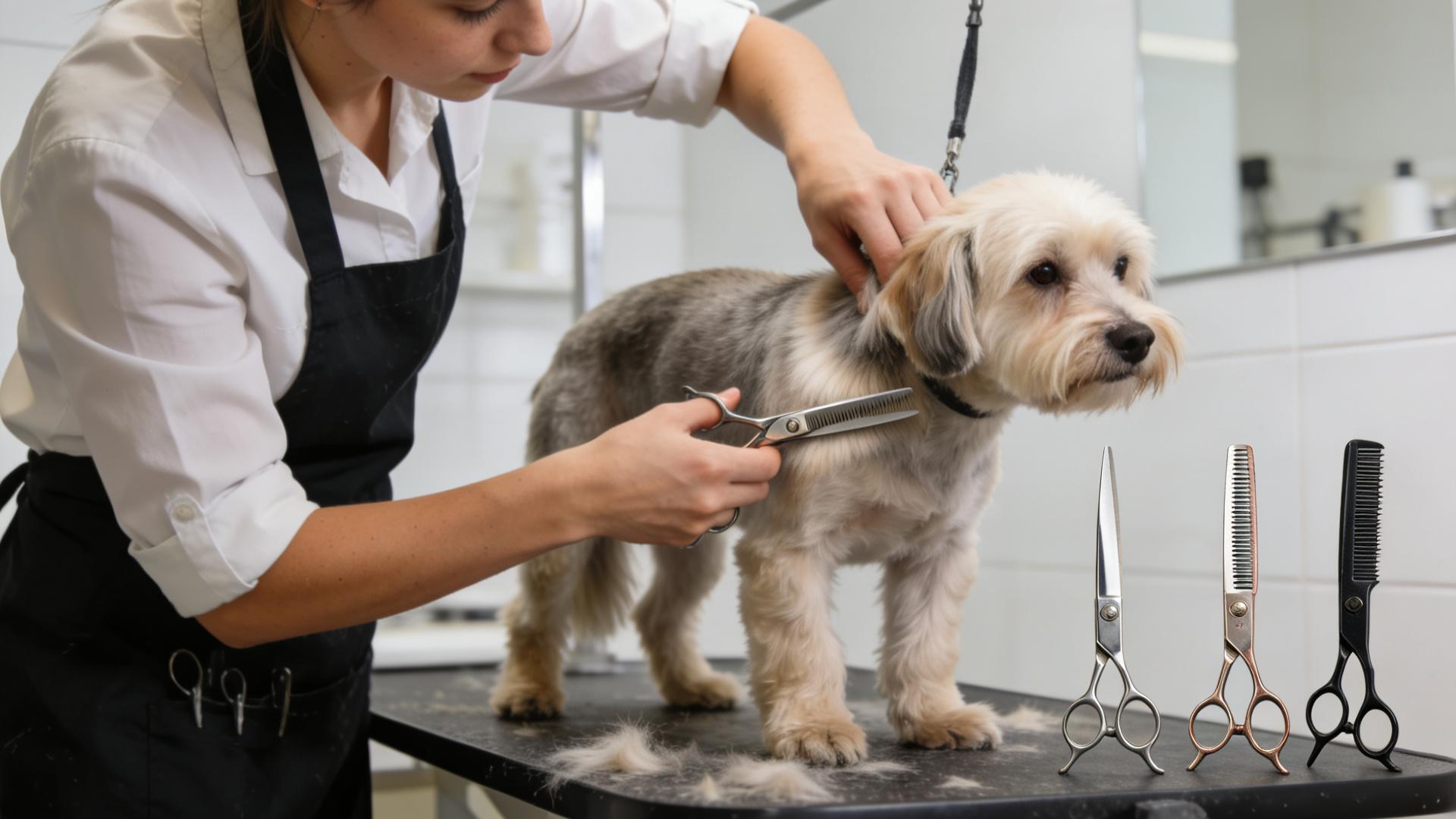
If you live in a tropical, coastal, or simply muggy area, you're no stranger to the dampness that hangs in the air. While you might find it uncomfortable, for your dog, this persistent humidity can pose a serious, hidden threat to their paw health: paronychia. This painful nail bed infection is more than just a minor irritation; it's a condition where bacteria or fungi invade the sensitive skin around the claw, leading to swelling, redness, and significant discomfort for your furry friend. Humidity acts as an incubator, creating the perfect warm, moist environment for these pathogens to thrive. This article is your comprehensive, step-by-step manual on preventing paronychia in dogs through diligent, daily maintenance, ensuring your dog's paws stay healthy and happy, no matter the weather.
🐾 Why Humidity is the Hidden Enemy of Canine Nails
Before diving into the routine, it's crucial to understand the "why." A dog's nail isn't just a solid piece of keratin. The quick (the living part) and the nail fold (the skin surrounding the nail) are vulnerable. In humid environments, paws don't dry efficiently after walks on wet grass, after swimming, or even after a potty break on dewy mornings. This trapped moisture softens the keratin and the skin, making it easier for microscopic cracks to form and for bacterial and fungal spores, ever-present in the environment, to take hold. As renowned veterinarian Dr. Sarah Wooten explains, "Paronychia is often a secondary problem. The primary issue is chronic moisture that breaks down the skin's natural defenses. In humid climates, we see a much higher incidence of these stubborn infections." Proactive daily maintenance for canine nails is not an overreaction; it's a necessary defense.
🔍 Your Daily Defense: The Essential Paw Inspection & Drying Routine
Consistency is your most powerful tool. This daily routine should become as habitual as feeding your dog.
Step 1: The Post-Outdoor Wipe-Down
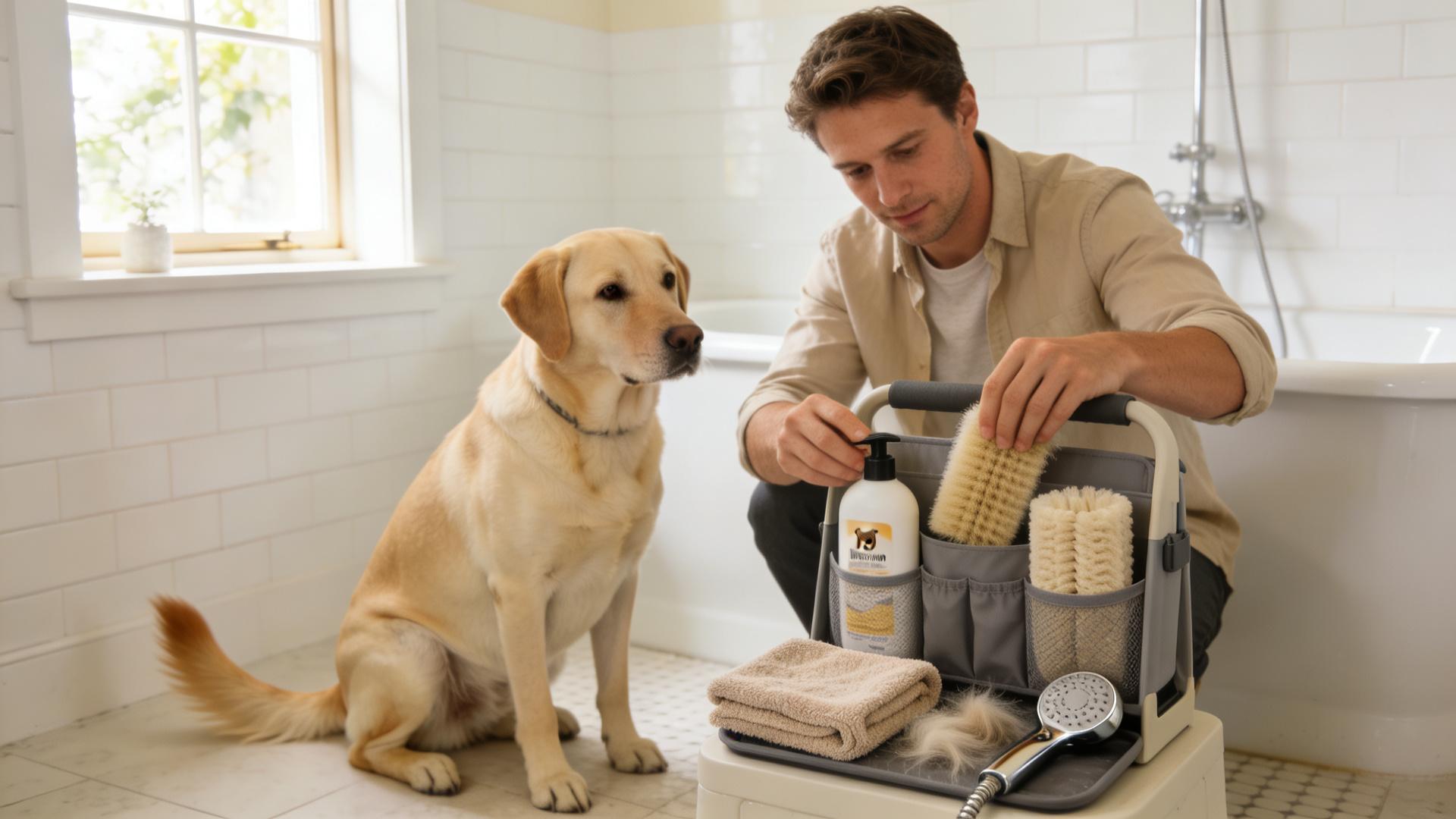
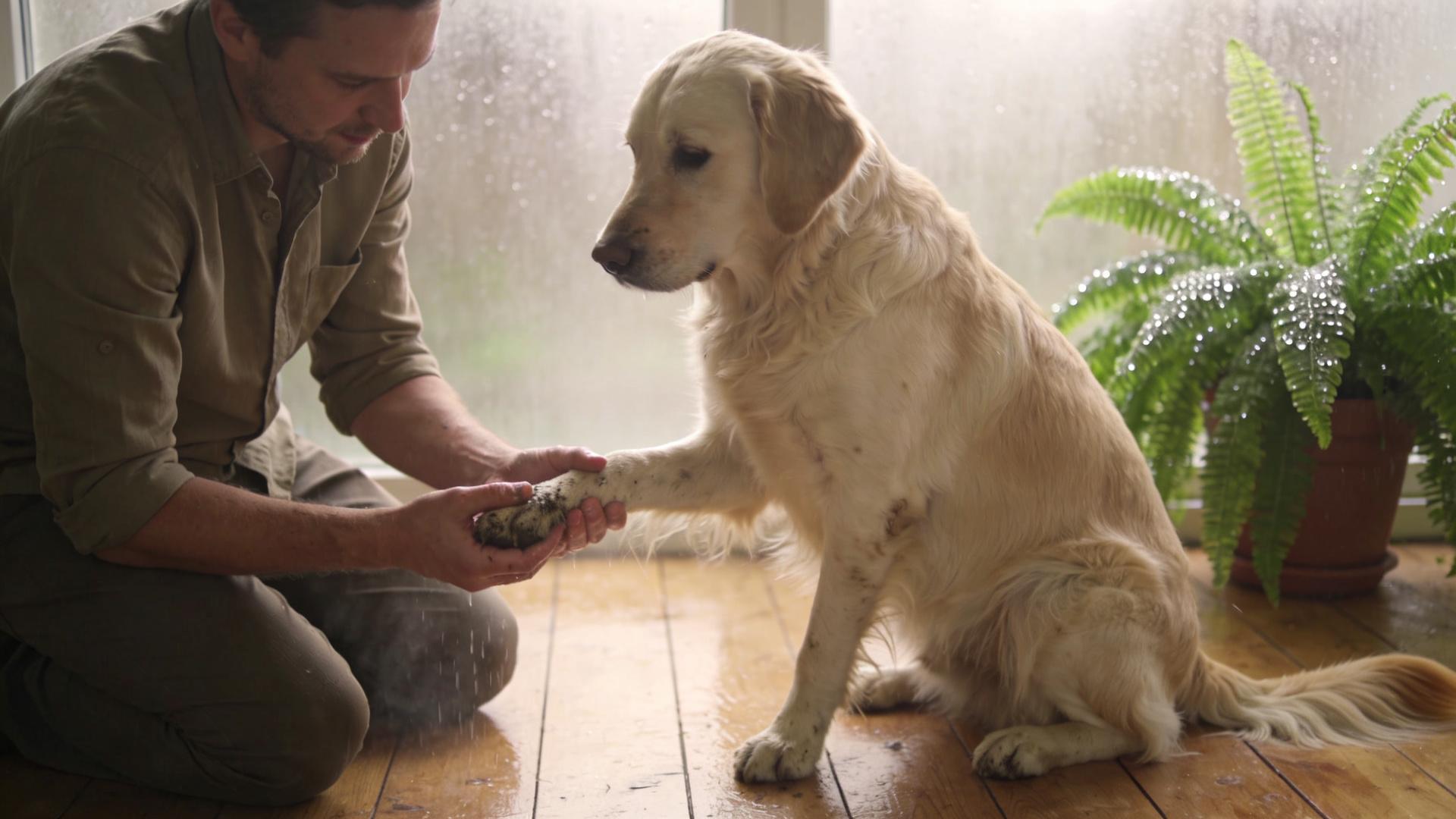
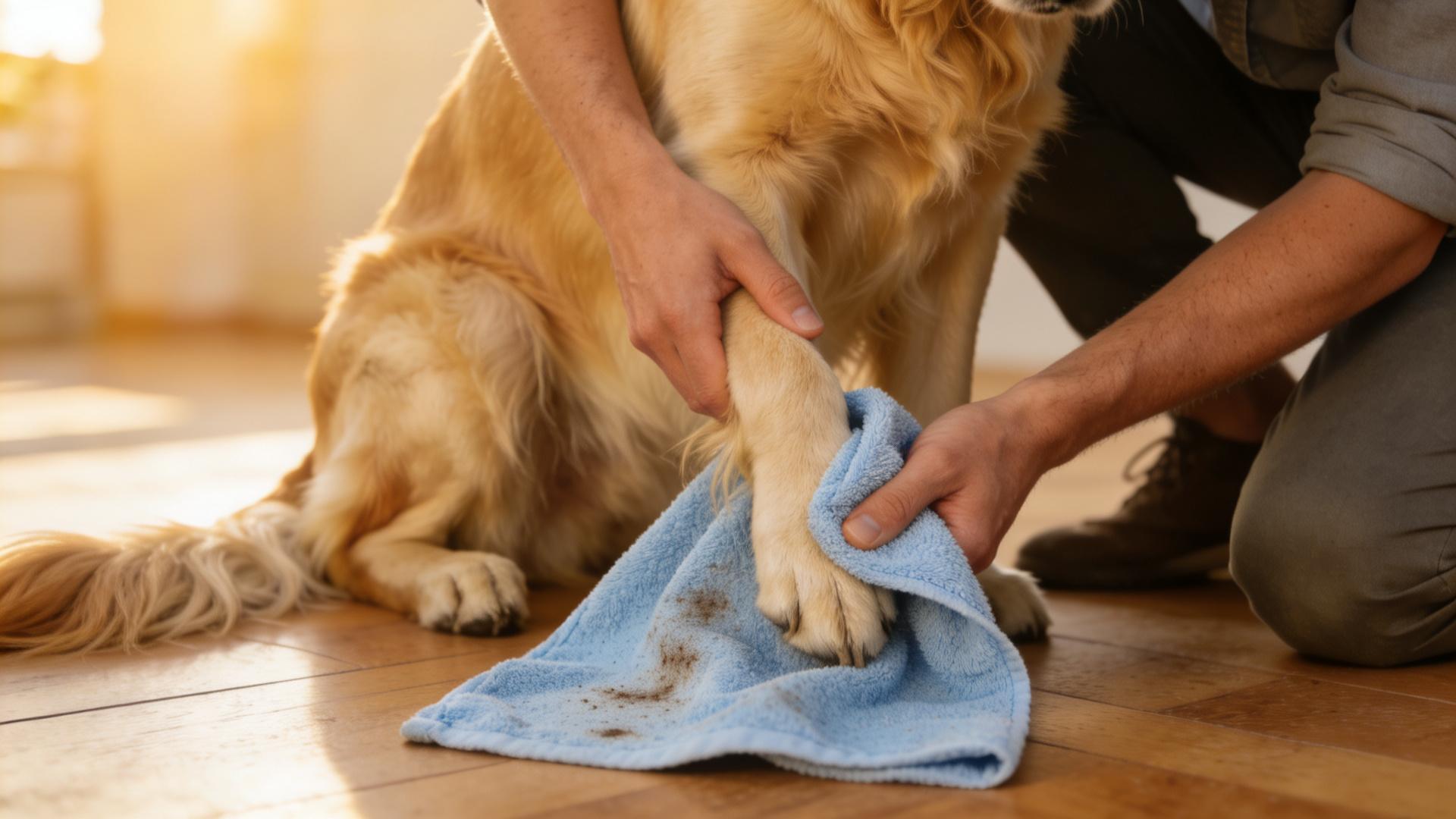
Every single time your dog comes inside from a humid or wet environment, this is your first step. Don't just use any towel—opt for a super-absorbent microfiber cloth. Thoroughly wipe each paw, paying special attention to the spaces between the toes and pads, and crucially, around each individual nail and nail fold. The goal is to remove visible mud, but more importantly, surface moisture and environmental allergens.
Step 2: The Thorough Dry
Wiping isn't enough. You must ensure the paws are completely dry. Gently part the fur between the toes and use the dry side of your towel or even a hairdryer on the cool, low setting, held at a safe distance. Never use warm or hot air, as this can cause discomfort and dry out the skin excessively. Run your fingers through the fur to feel for any lingering dampness.
Daily Inspection: What to Look For
As you dry, transform the task into a meticulous inspection. Look for the earliest warning signs of trouble:
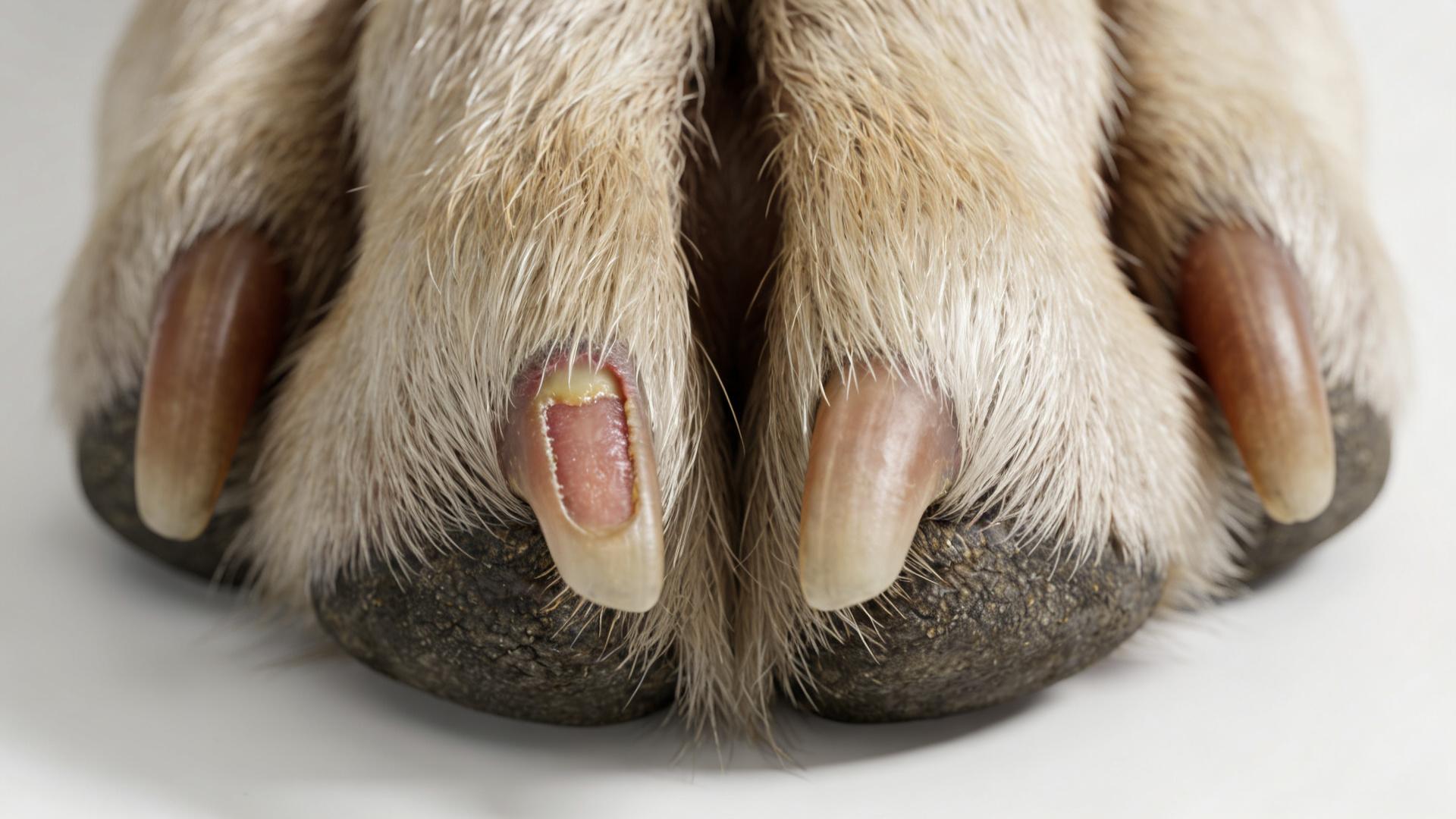
• Redness or Swelling: Around the base of the nail (the nail fold).
• Discoloration: A brownish or greenish tint on the nail or surrounding skin.
• Tenderness: Your dog flinches, licks, or pulls the paw away when you touch a specific nail.
• Unusual Odor: A foul, cheesy, or musty smell from the paw.
Spotting these signs early is the key to stopping a full-blown infection in its tracks.
🛡️ Proactive Barrier Protection & Environmental Control
Beyond drying, creating physical and environmental barriers dramatically reduces risk.
Moisture-Wicking Dog Boots
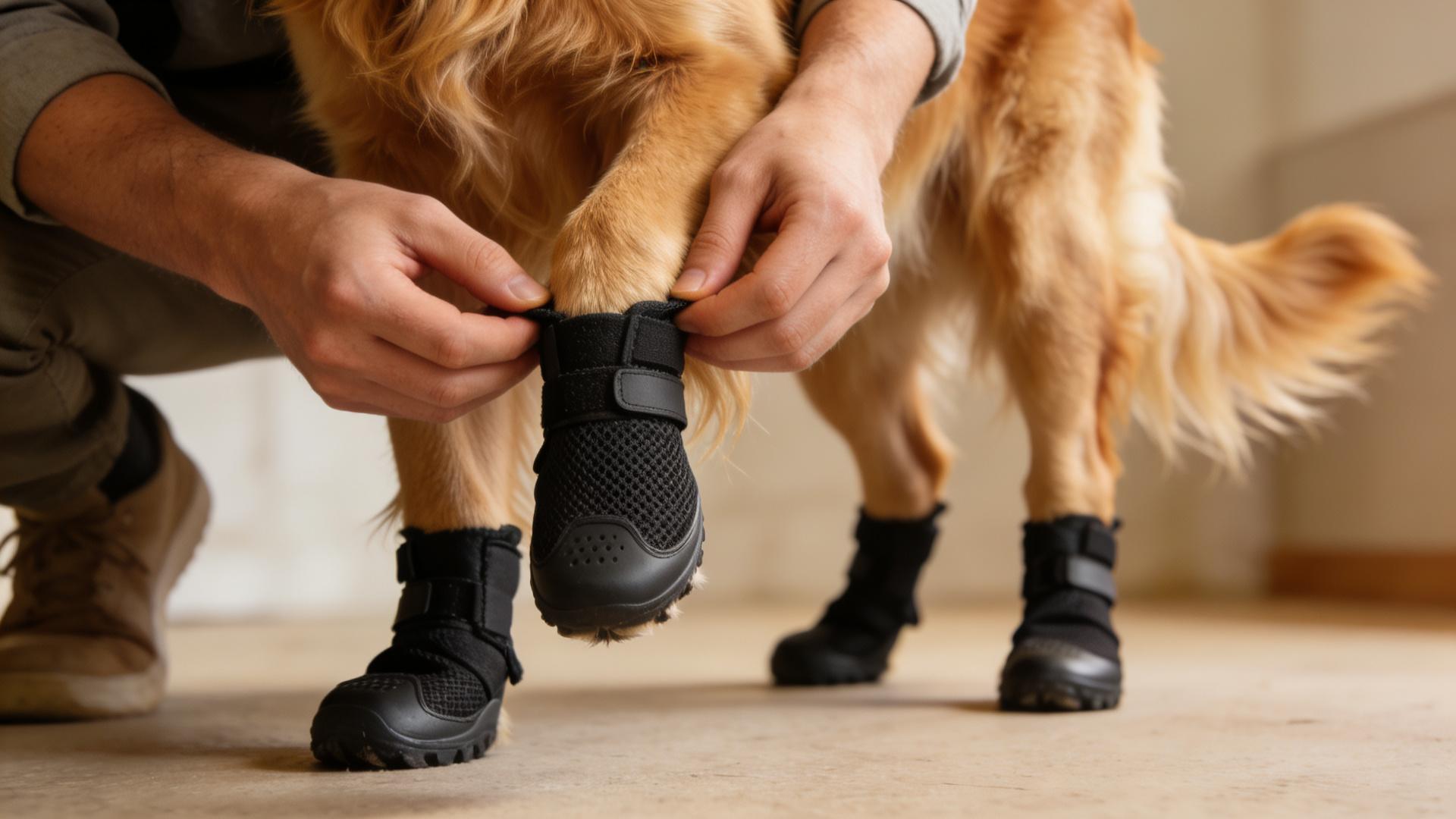
For walks in consistently wet conditions or on hot, humid pavement, well-fitted moisture-wicking dog boots are an excellent investment. They act as a literal shield, preventing moisture from contacting the paws in the first place. Ensure they fit snugly but not tightly, and always remove them and dry the paws immediately after use.
Protective Paw Balms
Applying a vet-recommended, natural paw balm (containing ingredients like beeswax, shea butter, or coconut oil) can create a water-repellent, moisturizing barrier. This helps prevent cracking and keeps the nail beds supple. Apply a thin layer to the pads and around the nails after drying, especially before outdoor excursions.
Mastering the Nail Trim: Your First Line of Structural Defense
Long nails are a major risk factor. They change the foot's posture, putting pressure on the nail bed, and are more prone to cracking and splitting—creating direct entry points for moisture and pathogens.
Frequency: A good rule is that you should not hear your dog's nails click on the floor. For most dogs, a trim every 3-4 weeks is necessary.
Technique: Use sharp, guillotine or scissor-style clippers. Trim small amounts at a 45-degree angle, avoiding the pink quick (which contains nerves and blood vessels). If your dog has dark nails, shine a flashlight from behind to see the quick's shadow. "A clean, smooth cut is far less likely to harbor moisture and bacteria than a ragged, split nail," advises professional groomer Michael Rodriguez.
🌿 Holistic Prevention: Diet and Home Environment
True prevention extends beyond the paws themselves.
Dietary Support for Stronger Nails
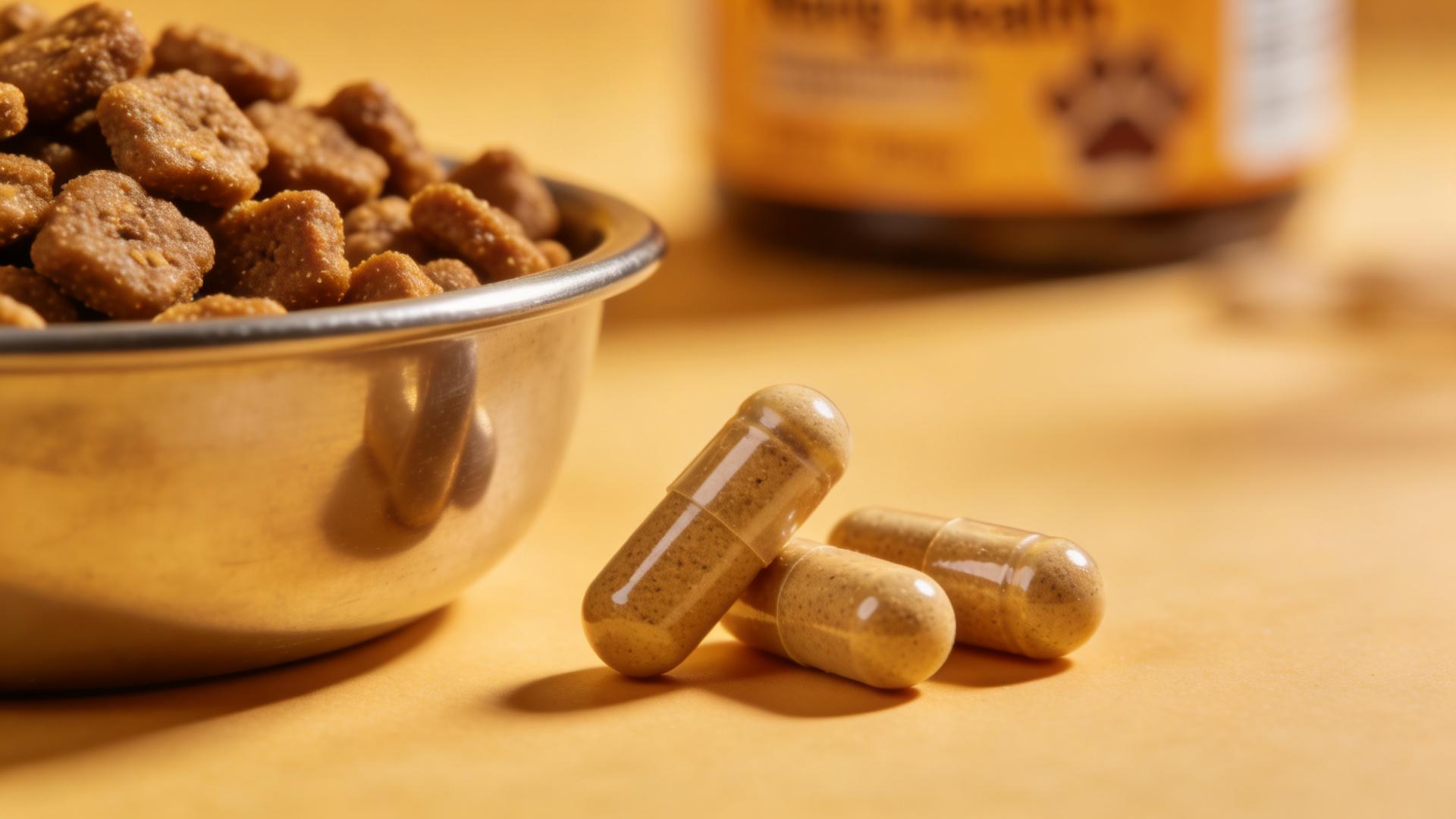
You can build resilience from the inside out. Supplements that promote healthy keratin production include:
• Biotin (Vitamin B7): Essential for healthy skin, fur, and nail strength.
• Omega-3 & 6 Fatty Acids: Found in fish oil, these reduce inflammation and improve overall skin health, creating a more robust barrier.
• Zinc and Methionine: Important minerals and amino acids for nail structure.
Always consult your vet before starting any new supplement regimen.
Controlling the Indoor Climate
Your dog spends most of its time indoors. Using a dehumidifier in your home, particularly in the room where your dog sleeps, can significantly lower the ambient moisture level, giving paws a chance to fully recover and stay dry. Aim for an indoor humidity level between 30-50%.
🚨 Recognizing Trouble: When to Call the Vet
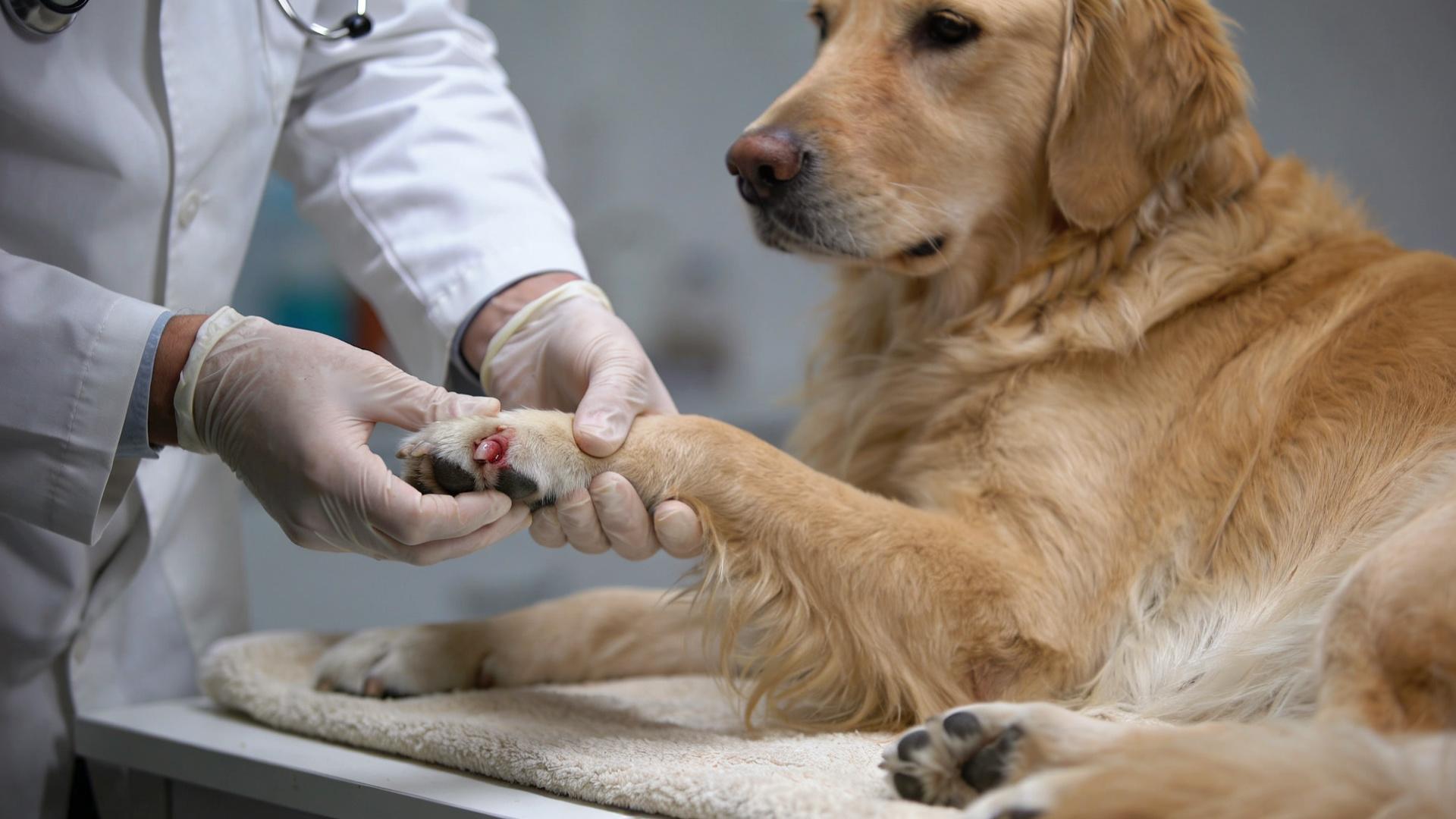
Despite your best efforts, infections can sometimes start. Knowing when to seek professional help is critical. If you notice any of the following, schedule a veterinary appointment immediately:
• Persistent licking or chewing at one paw.
• Obvious pus or discharge from around the nail.
• Significant swelling or a visible abscess.
• Limping or reluctance to bear weight.
• Any sign of pain coupled with the symptoms above.
Early veterinary intervention with appropriate antibiotics or antifungals will resolve the issue faster and with less suffering for your dog.
💪 Conclusion: Consistency is the Cure
Preventing paronychia in dogs in a humid climate is a manageable task, but it demands unwavering consistency. It's the cumulative effect of daily drying, vigilant inspecting, regular trimming, and smart environmental control that builds an impenetrable fortress around your dog's paw health. By integrating these steps into your daily life, you're not just avoiding a painful infection; you're actively contributing to your dog's long-term comfort and mobility.
📋 Your Call to Action: Pledge to Protect Those Paws
Don't let humidity compromise your dog's well-being. Start tonight by performing a full paw inspection and establishing your post-walk drying ritual. Bookmark this guide as your go-to reference, and share it with fellow dog owners in your community who face the same humid challenges. Most importantly, partner with your veterinarian. At the very first sign of redness or discomfort, seek their expert opinion. Your dog's happy, healthy steps are worth every moment of care.