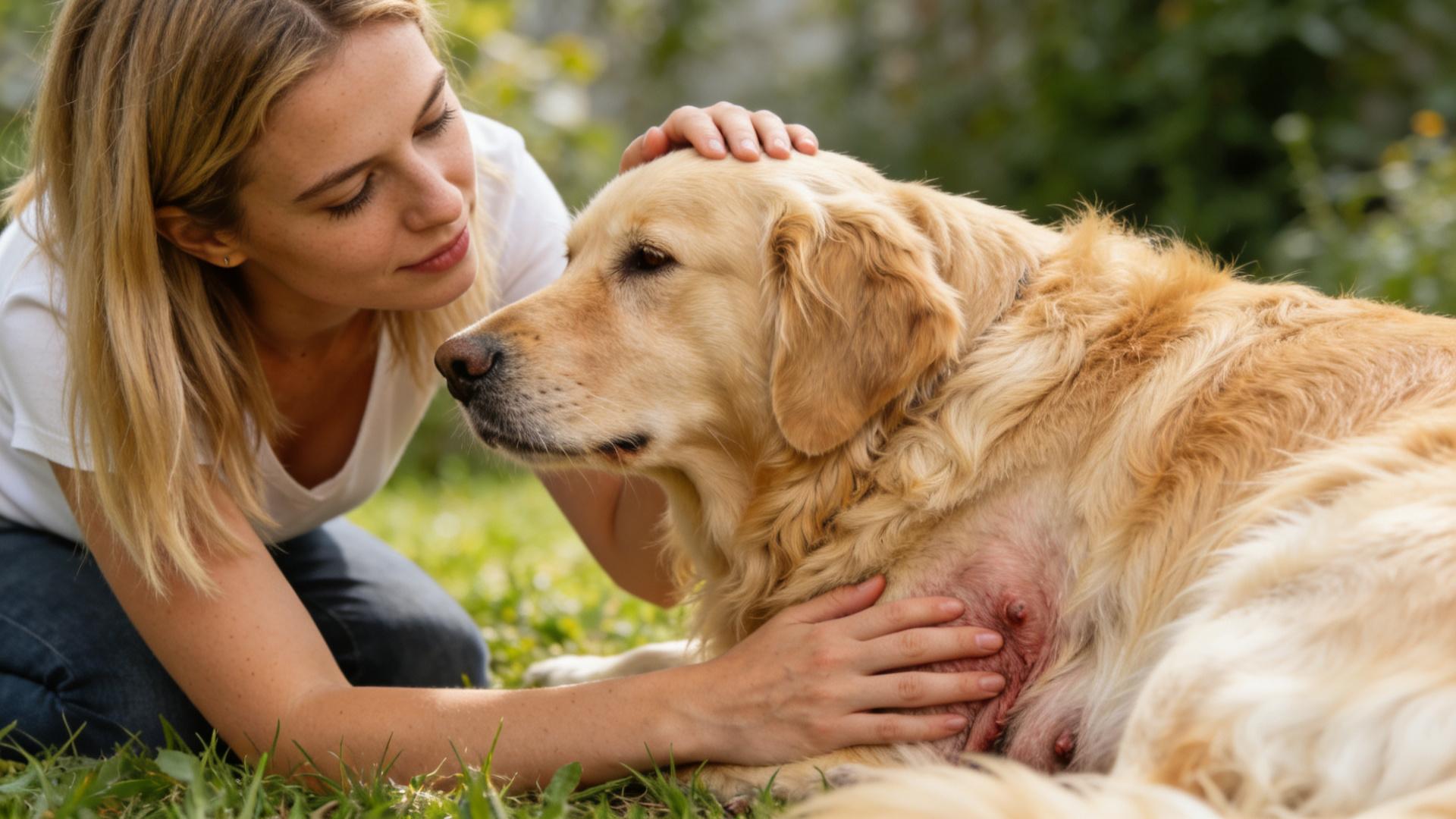
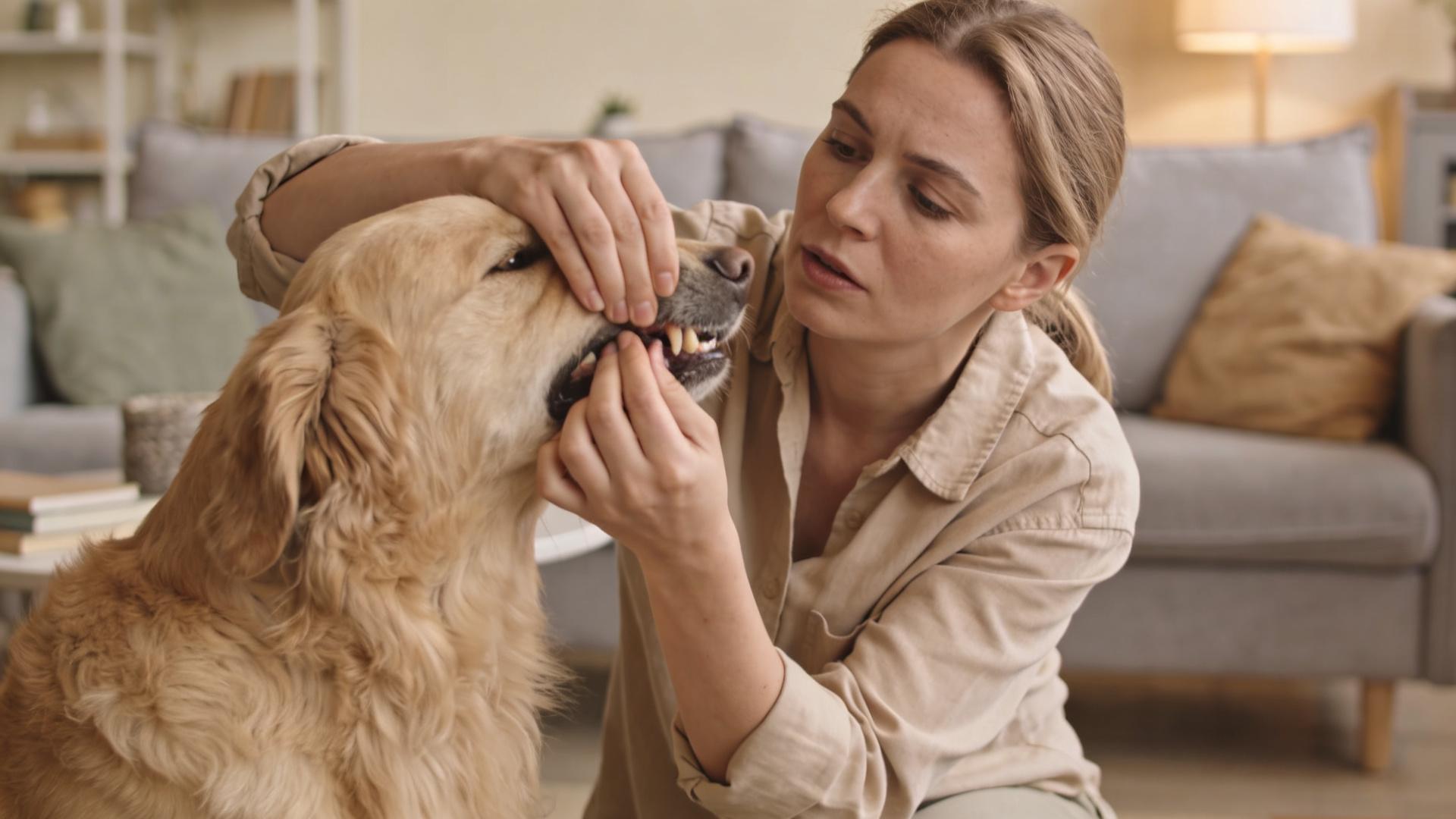
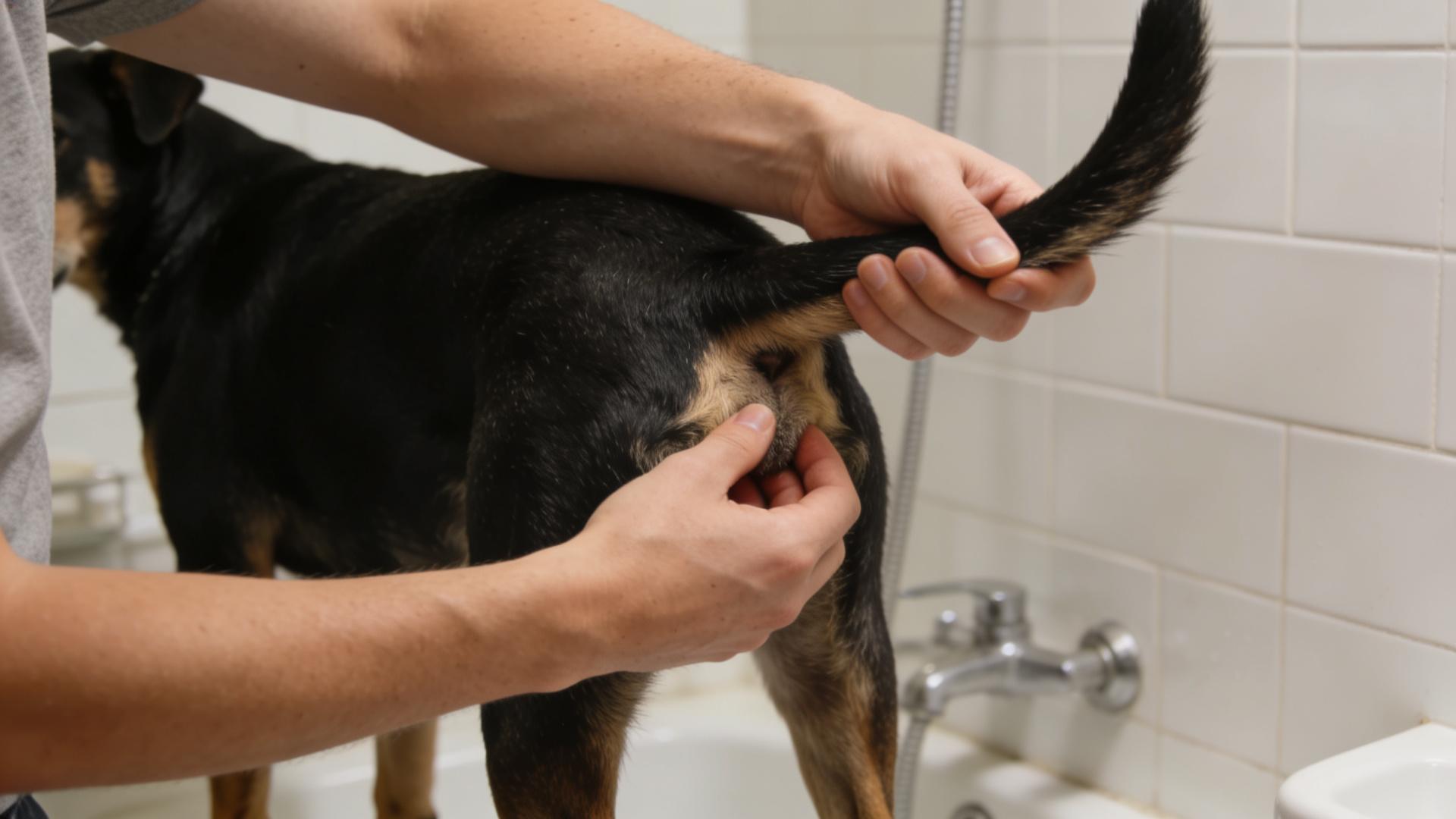
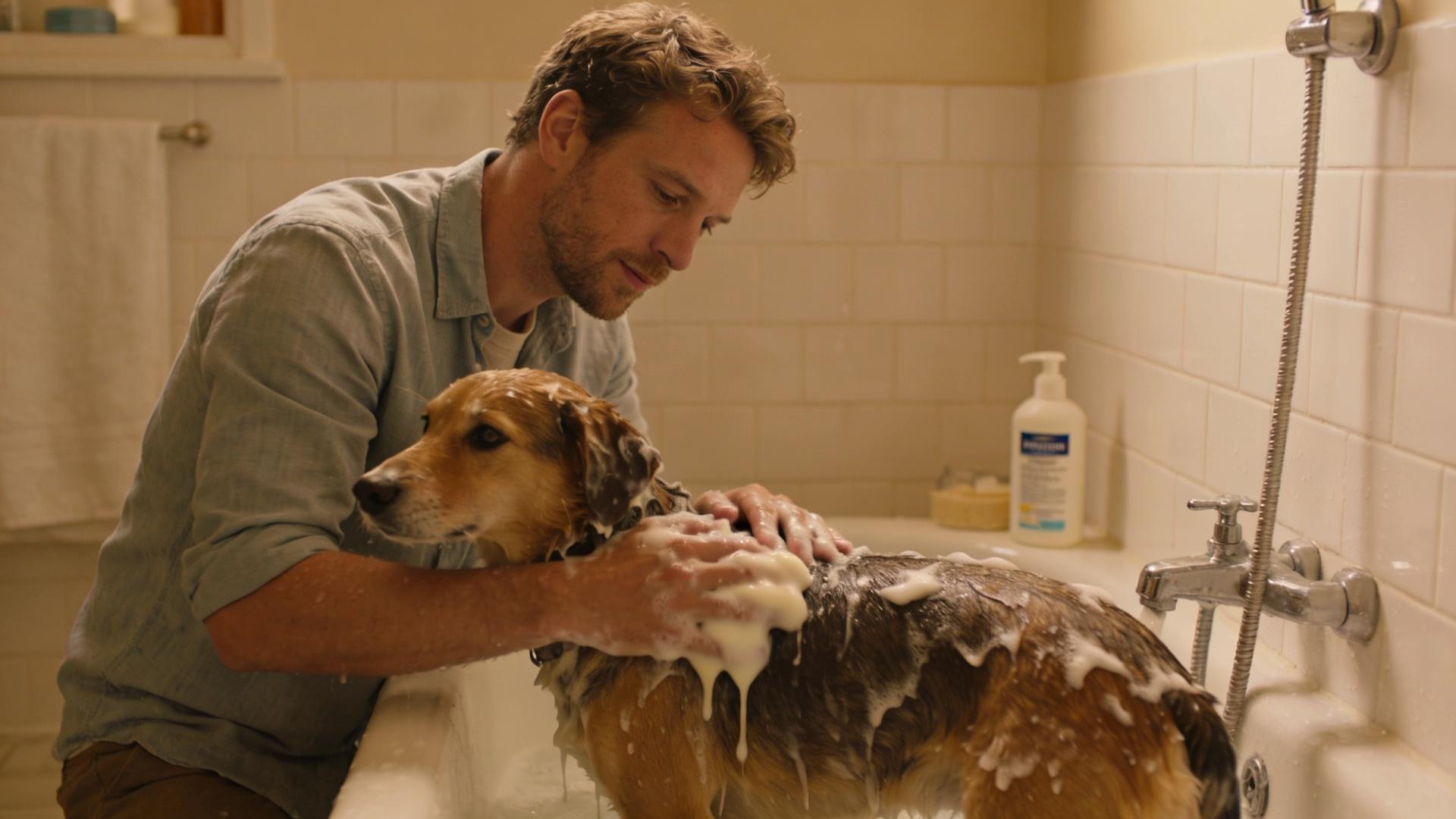
For owners of squish-faced companions and dogs with expressive, droopy lips, that adorable face comes with a unique grooming responsibility. The very folds that give breeds like Bulldogs and Spaniels their charming expressions can become a hub for hidden problems. Canine lip fold inflammation, clinically known as lip fold pyoderma or intertrigo, is a common but often overlooked condition. When moisture, food, saliva, and bacteria become trapped in these deep skin crevices, it creates a perfect storm for irritation, infection, and discomfort. Proactive and informed care is not just an aesthetic choice—it's a crucial component of your dog's overall health and wellbeing. This comprehensive guide will walk you through understanding, treating, and preventing this condition, ensuring your furry friend stays happy and comfortable.
🐶 Understanding Lip Fold Pyoderma: More Than Just a "Fold"
At its core, lip fold dermatitis in dogs is a skin infection caused by the constant friction and maceration (softening) of skin within a deep fold. Imagine wearing a perpetually damp, tight bracelet; the skin underneath would quickly become red, sore, and prone to infection. For dogs, the environment is even more challenging.
The fold acts as a warm, dark, and humid pocket—an ideal incubator. Key irritants include:
- Saliva: Constant drippage, especially in breeds prone to drooling.
- Food & Debris: Kibble crumbs, wet food, and even dirt get lodged and decompose.
- Bacteria & Yeast: Naturally occurring microbes like Staphylococcus and Malassezia proliferate rapidly in this environment.
While any dog with a facial fold can be affected, certain breeds are genetically predisposed:
- Brachycephalic (Brachynose) Breeds: English & French Bulldogs, Pugs, Boston Terriers, Boxers. Their facial structure often includes deep nasolabial folds directly beside the nose and mouth.
- Breeds with Large, Pendulous Lips: Spaniels (Cocker, Springer), Saint Bernards, Newfoundlands, Mastiffs, Bloodhounds, and notably, the Shar-Pei with its profuse wrinkles.
🔍 Recognizing the Signs: Don't Ignore the Sniff Test
Early detection is paramount. Catching lip fold inflammation in its initial stages prevents a simple irritation from becoming a painful, deep infection. Be vigilant for these symptoms:
- Redness & Swelling: The skin inside the fold will appear inflamed, often a brighter pink or red than the surrounding skin.
- Foul Odor: A distinct, musty, cheesy, or sour smell is a classic sign of yeast or bacterial overgrowth. This is often the first clue owners notice.
- Moisture & Discharge: You may see yellowish or brownish exudate (pus) or simply find the area is always wet.
- Behavioral Cues: Your dog may paw at its face, rub its muzzle on the floor or furniture, or show reluctance to have its face touched.
- Hair Loss & Skin Changes: Chronic cases can lead to hair loss (alopecia) within the fold, and the skin may become thickened or ulcerated.
⚕️ The Cornerstone of Care: A Step-by-Step Cleaning Routine
Consistency is your most powerful tool in combating lip fold dermatitis. A daily, or at minimum every-other-day, routine is non-negotiable for at-risk breeds. Here’s how to establish an effective dog lip fold cleaning routine.
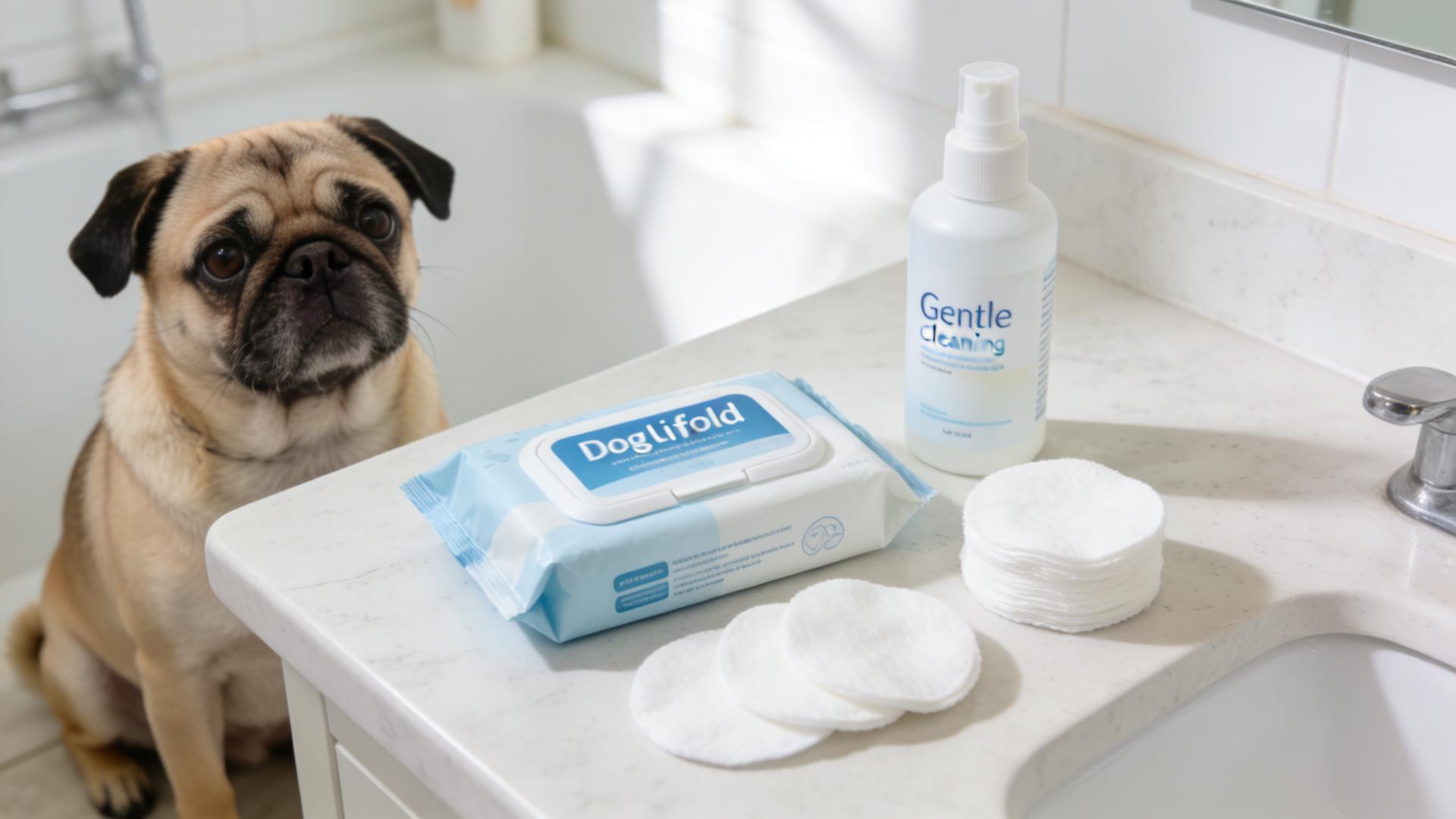
🧰 Gathering Your Supplies: The Right Tools for the Job
Using inappropriate products can worsen the problem. Never use human facial wipes, baby wipes with fragrance, or products containing alcohol, as these can severely dry out and irritate your dog's sensitive skin.
- Cleaning Agent:
- Vet-Recommended Antiseptic Wipes/ Solution: Chlorhexidine gluconate (0.5%-2%) or ketoconazole wipes are gold standards. Chlorhexidine is antibacterial and antifungal.
- Diluted Vinegar Solution: A homemade option of 50% white vinegar, 50% lukewarm water can create an acidic environment that discourages yeast. Always patch test first and avoid on broken skin.
- Hypoallergenic Canine Wipes: Look for ones specifically formulated for skin folds or sensitive skin.
- Drying & Application Tools:
- Soft, Lint-Free Cloths or Cotton Rounds: For applying solution and, crucially, for drying.
- Medicated Powder or Ointment (if prescribed): Your vet may recommend a drying powder like Gold Bond medicated powder (ensure it's zinc-free, as zinc is toxic if ingested) or a topical antibiotic/antifungal ointment.
✋ The Cleaning Process: A Gentle, Thorough Approach
Turn this into a calm, positive experience for your dog, perhaps after a walk when they are relaxed. Offer treats and speak soothingly.
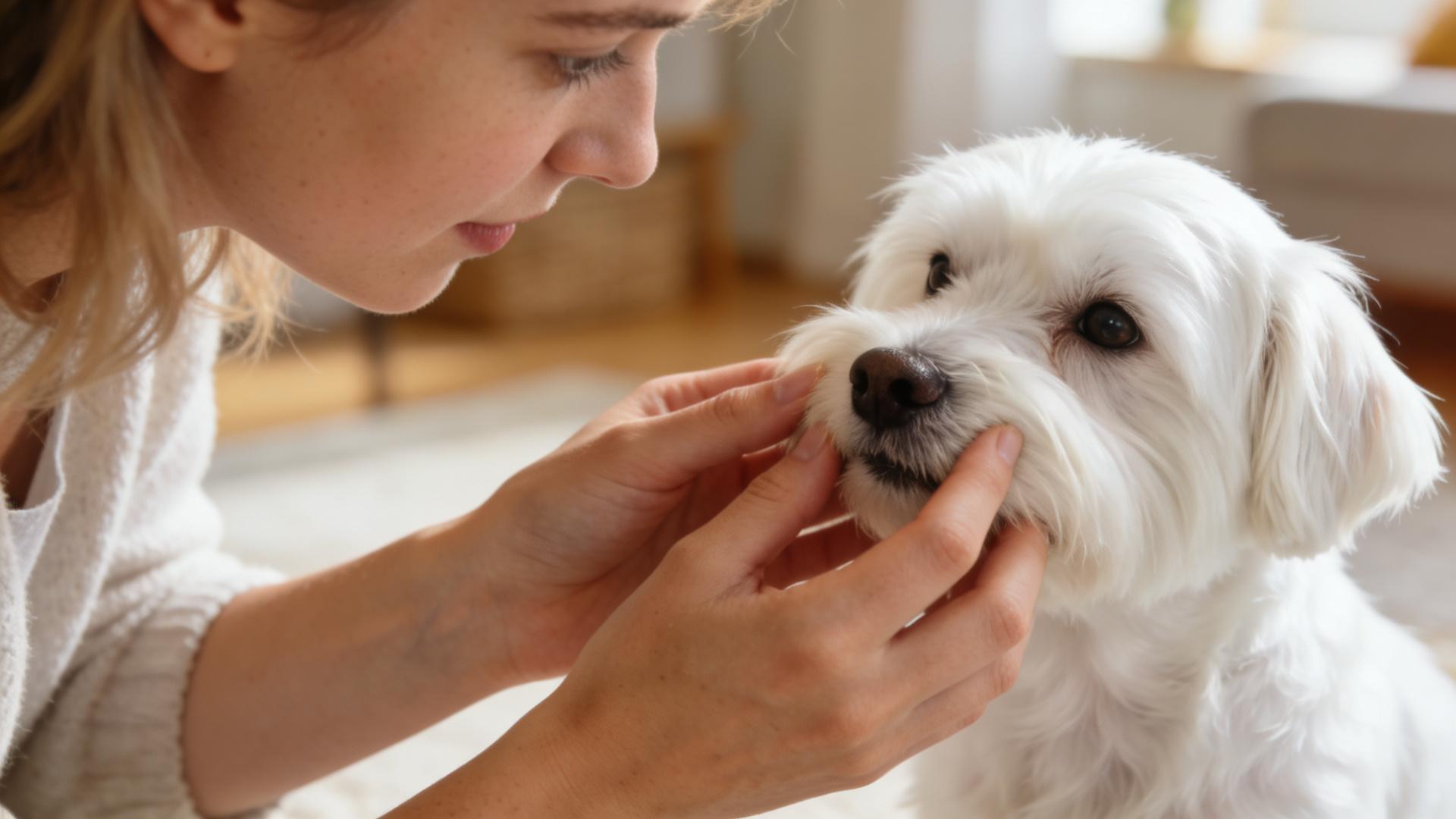
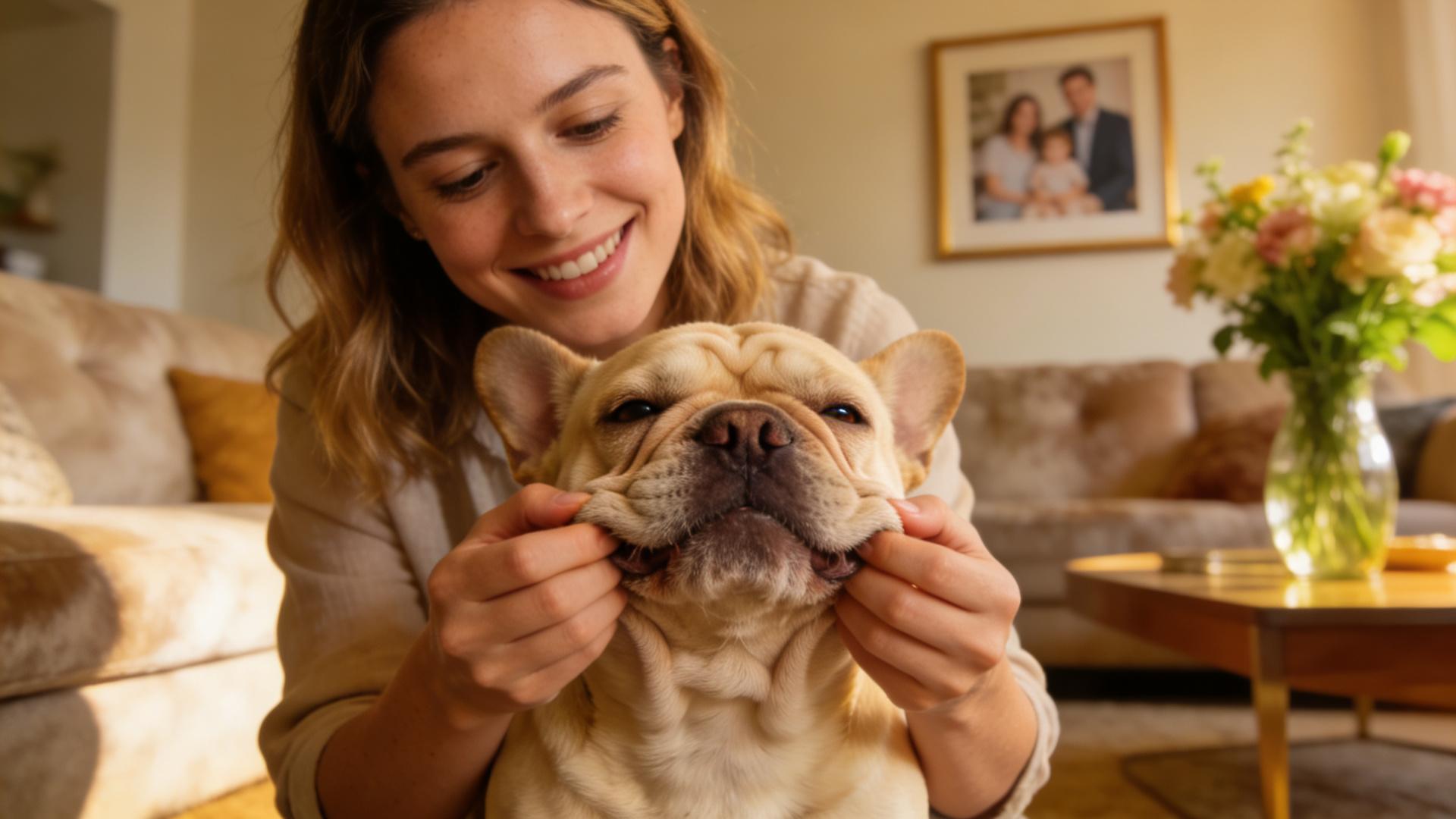
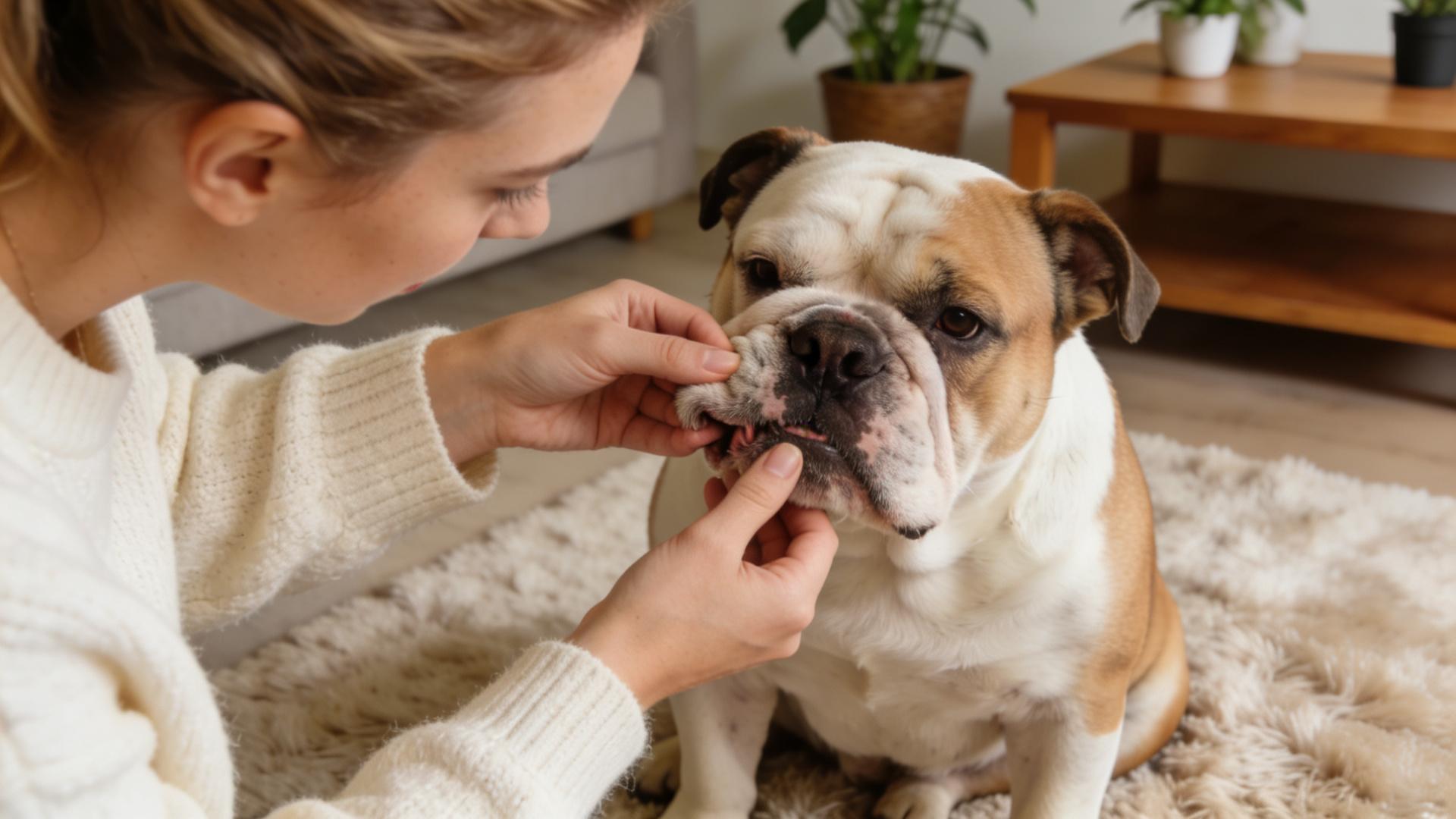
- Lift and Expose: Gently lift your dog's lip or pull back the fold to fully expose the entire crevice. Good lighting is essential.

- Wipe and Clean: Using your chosen wipe or a cloth dampened (not soaked) with cleaning solution, thoroughly wipe the entire fold. Apply gentle pressure to remove all adhered debris, dried saliva, and food particles. You may need multiple wipes until they come away clean.
- The Critical Step: DRY COMPLETELY: This is the most important part of cleaning brachycephalic lip crevices. Use a fresh, soft, dry cloth or cotton round to pat and gently daub the fold until it is completely moisture-free. You can even gently "fluff" the area with the cloth to ensure air reaches the skin. Leaving any moisture behind negates the entire cleaning process.
- Apply Preventatives (if applicable): If your vet has prescribed an ointment, apply a thin layer. For maintenance, a tiny amount of vet-approved drying powder can help keep the area dry. Avoid over-application, as clumping can cause irritation.
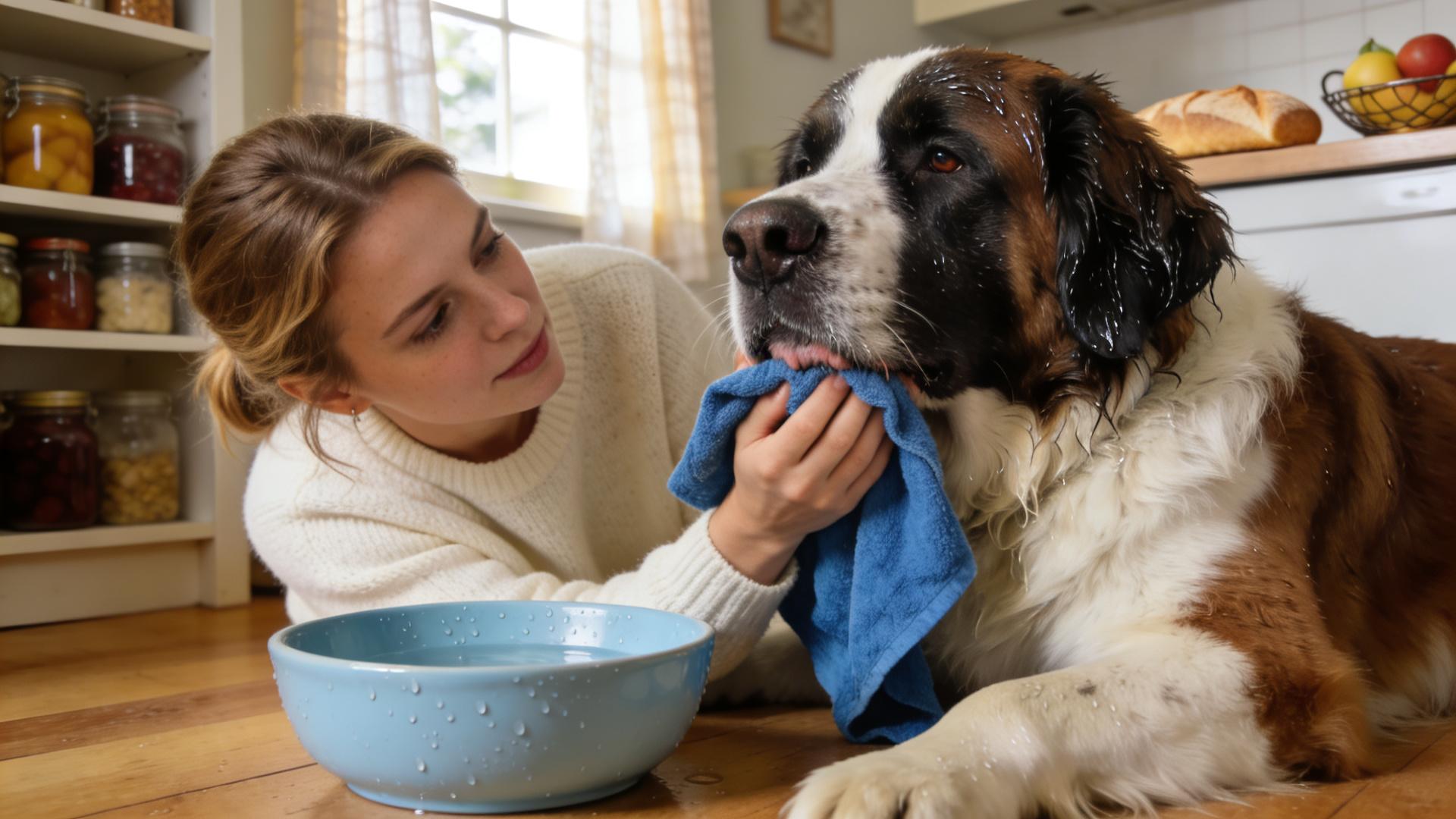
Frequency: For healthy folds in a prone breed, clean every other day. At the first sign of redness or odor, increase to once or twice daily. For dogs with active infections or severe folds, cleaning after every meal and drink may be necessary.
🛡️ Proactive Prevention: Strategies Beyond Cleaning
While cleaning is vital, a holistic prevention strategy will significantly reduce the frequency and severity of flare-ups.
💧 Meticulous Moisture Management
- Post-Drink Wipe-Down: Keep a "slobber cloth" handy to gently dry your dog's lips and chin after they drink water.
- Bowl Selection: Use a wide, shallow water bowl (like a pasta bowl) to minimize submersion of the lower lip and chin. Stainless steel or ceramic bowls are best as they are less porous and easier to keep bacteria-free.
- Fur Trimming: For very hairy-lipped breeds like Cocker Spaniels, carefully trimming the hair around and within the lip folds can improve airflow and reduce debris trapping.
🥗 Dietary and Environmental Considerations
- Skin-Health Diet: A high-quality diet rich in Omega-3 and Omega-6 fatty acids can support healthy skin barrier function. Some dogs with recurrent yeast issues may benefit from a diet lower in simple carbohydrates.
- Spot-Check Routine: Make inspecting the lip folds part of your daily cuddle time. Catching the faintest pink hue early allows for immediate intervention.
- Allergy Management: Environmental or food allergies can exacerbate skin inflammation, including in the folds. Work with your vet to identify and manage any underlying allergies.
🚨 When to Seek Veterinary Help: Beyond Home Care
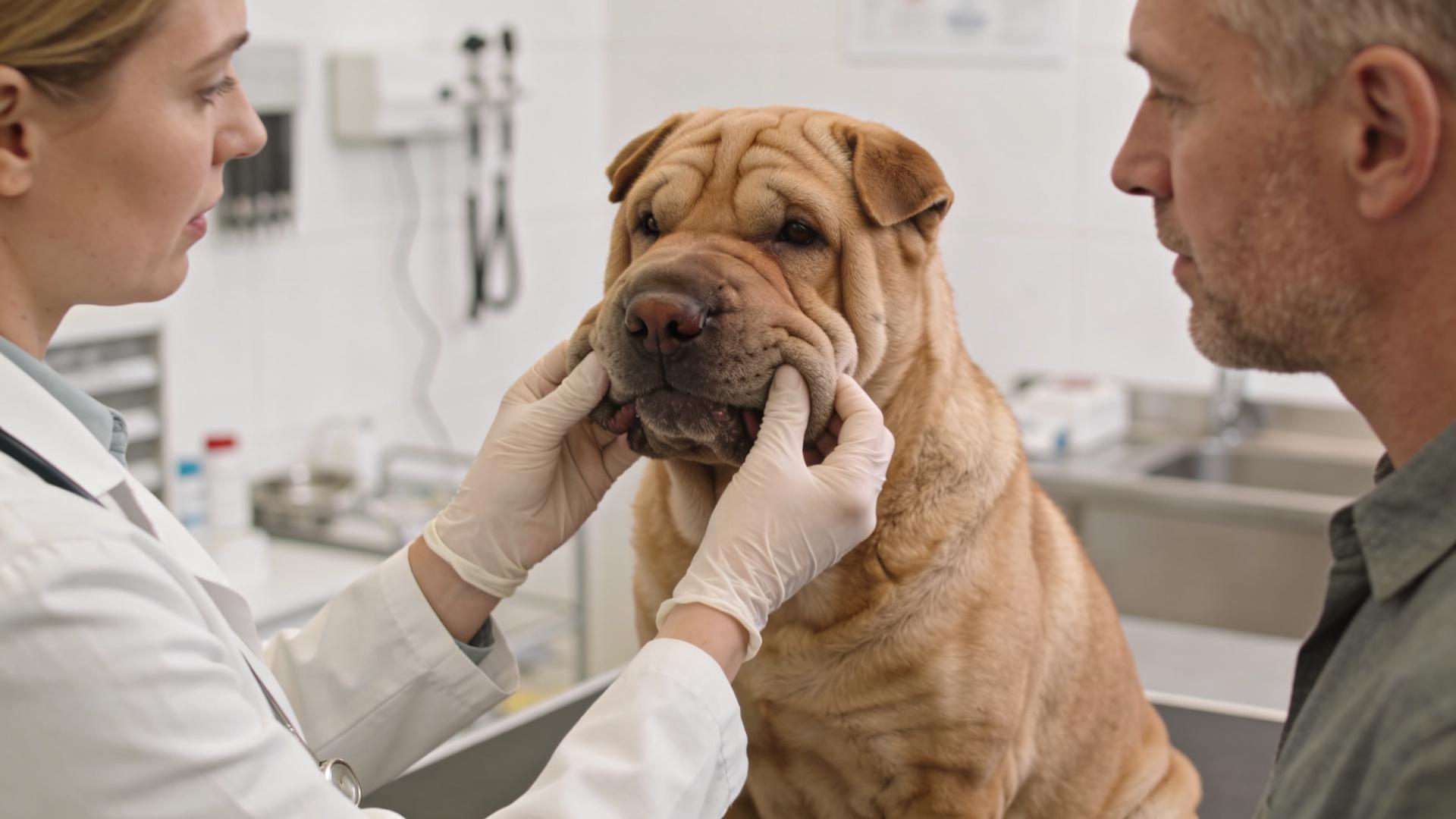
Despite your best efforts, some cases require professional intervention. Special Reminder: Do not delay veterinary care if you observe any of the following:
- Persistent redness, swelling, or odor that does not improve with 2-3 days of intensified home care.
- The presence of open sores, ulcers, or bleeding.
- Signs of pain: yelping when the area is touched, head-shyness, or reduced appetite.
- Thickened, blackened, or leathery skin changes.
- Systemic signs like lethargy or fever, indicating the infection may have spread.
Your veterinarian may need to perform a skin cytology (looking at cells under a microscope) to determine if the infection is bacterial, yeast, or both. Lip fold infection treatment at this stage typically involves:
- Prescription Topicals: Stronger antibiotic/antifungal creams, sprays, or mousses.
- Oral Medications: Antibiotics (for bacteria) or antifungals (for severe yeast).
- Medicated Shampoos: For whole-body treatment if the issue is part of a broader skin condition.
- Surgical Intervention (Fold Resection): In severe, chronic cases that drastically impact the dog's quality of life, a veterinarian may recommend a surgical procedure to permanently remove the problematic skin fold. This is often a highly effective last resort.
❤️ Commitment to Comfort: A Lifelong Labor of Love
Caring for a dog prone to canine lip fold inflammation is a commitment, but one that pays immeasurable dividends in your dog's comfort and health. By integrating a simple cleaning ritual into your daily routine—whether for your Bulldog, Pug, or Shar-Pei—you are actively preventing pain and infection. Remember the mantra: Clean, Dry, Check. Your vigilance is the key to ensuring those charming, wrinkly smiles remain symbols of happiness, not hidden discomfort. With knowledge, the right tools, and consistent care, you can master large lip fold breeds grooming and enjoy many healthy, joyful years with your beloved companion.