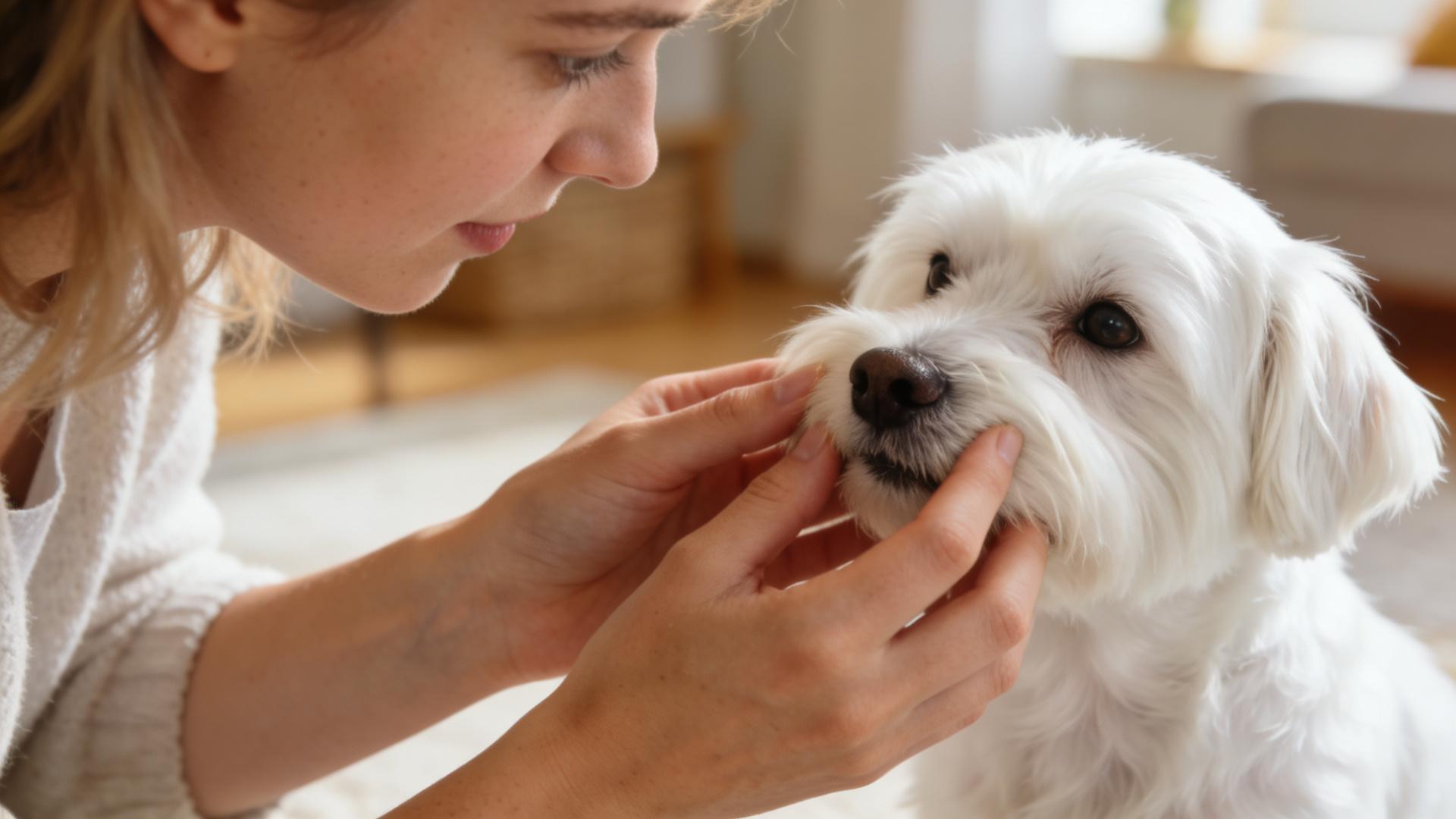
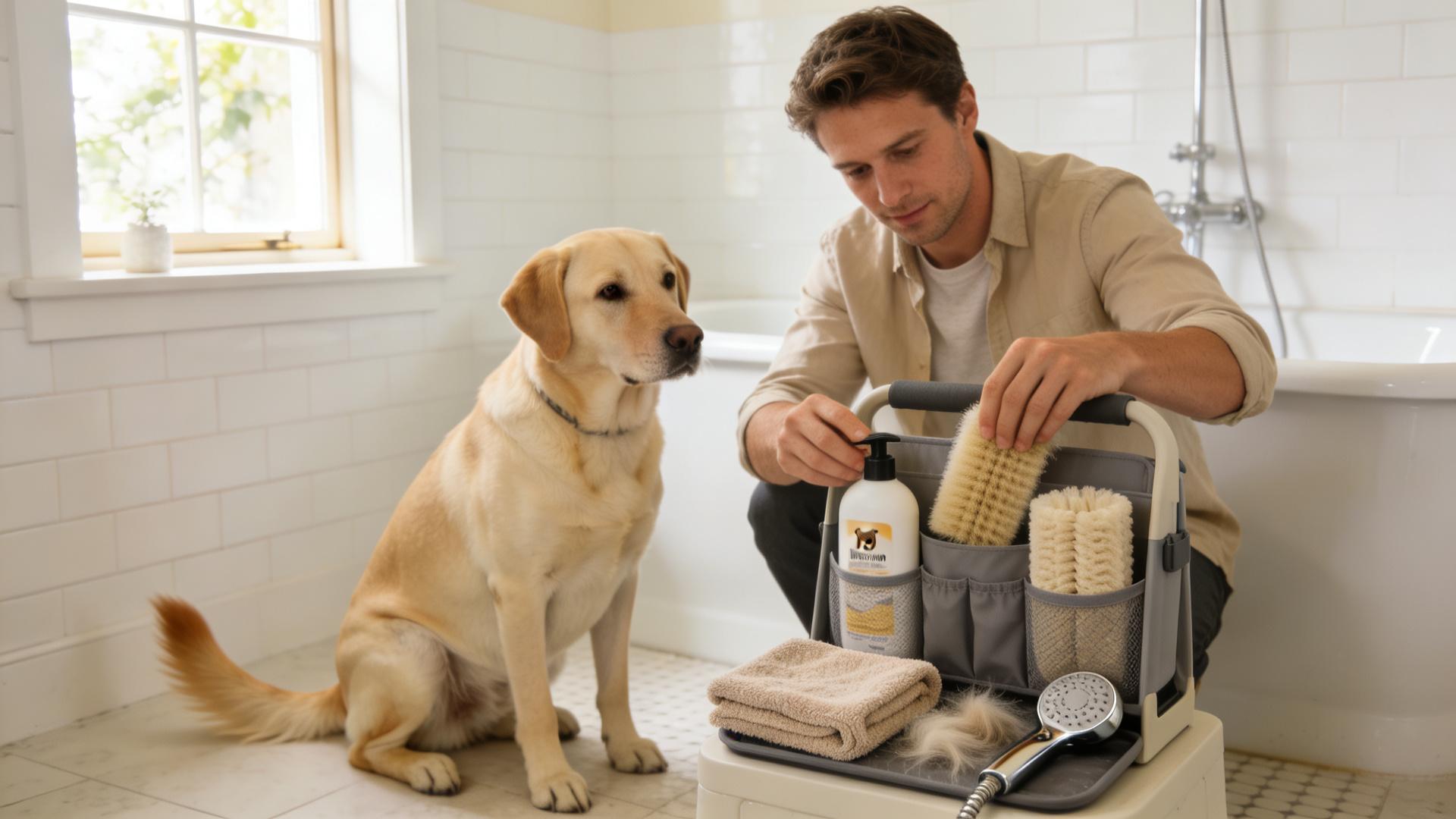
As a dedicated dog owner, you pride yourself on your pet's sparkling coat, clean paws, and fresh breath. You have the grooming routine down to a science—or so you think. Yet, in the intricate map of canine hygiene, there lies a territory often left uncharted, a zone hidden in plain sight: the base of the tail. This crucial junction is a frequent casualty of grooming oversight, a secret hotspot where minor neglect can seed major discomfort for your beloved companion. Let's shine a light on this shadowy area, understand why it's forgotten, and master the art of keeping it healthy. 🐕
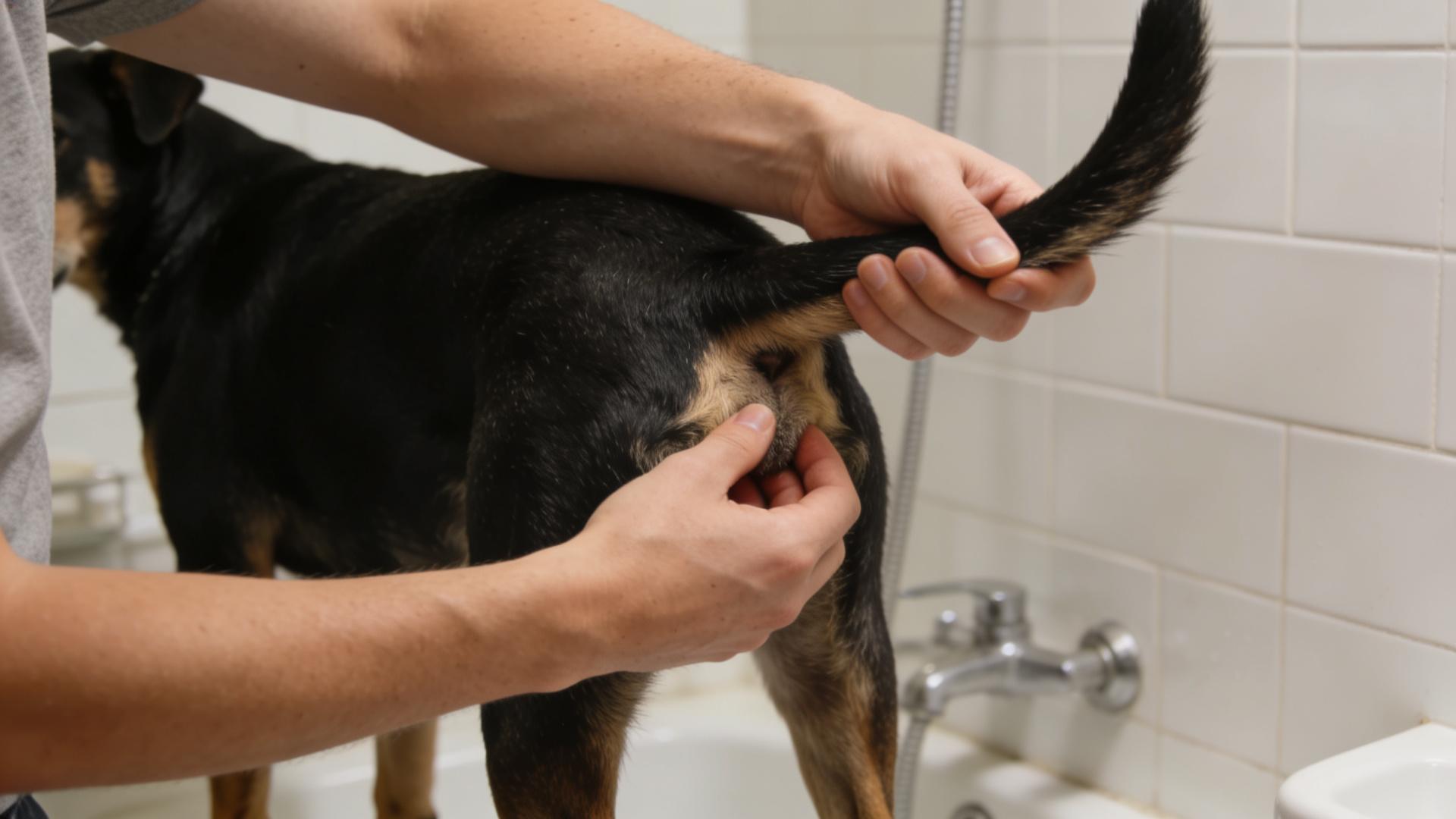
🔍 The Blind Spot Explained: Anatomy of a Hidden Zone
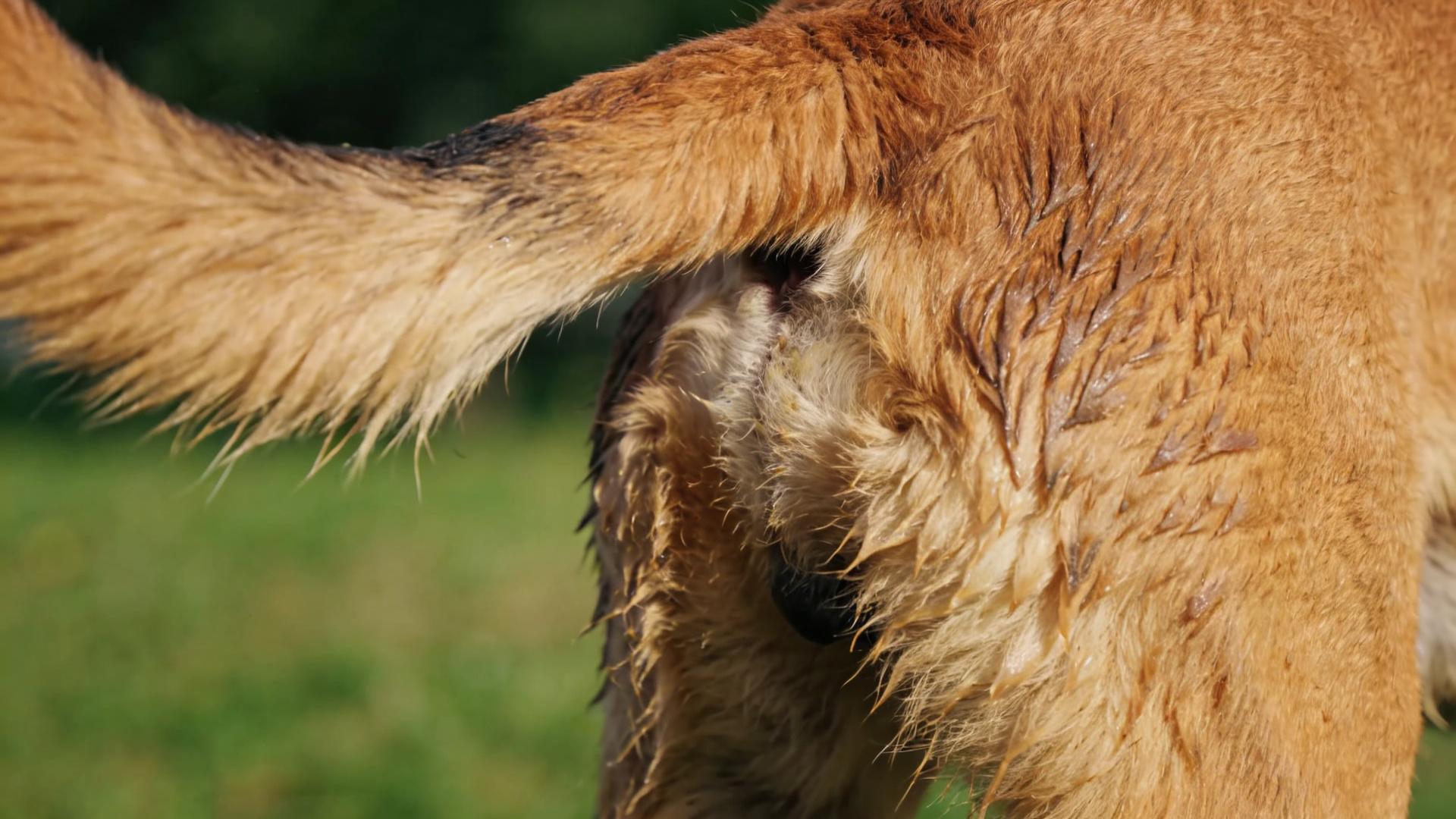
The base of the tail is precisely where it sounds: the point where the tail connects to the dorsal spine. It's not just a simple seam; it's a dynamic, folded area of skin that experiences constant movement and friction. Think of it as a natural crevice. When your dog sits, wags its tail, or curls up to sleep, this skin folds and can create a warm, dark, and poorly ventilated microenvironment.
Its location is the primary reason for its "blind spot" status. During a casual bath or brush-down, the area is partially obscured by the tail itself and the surrounding fur. For many breeds, especially those with thicker coats or a tail that curls over the back (like Spitz breeds or Pugs), visual inspection is nearly impossible without a deliberate effort. This lack of direct visibility means dirt, dead skin cells (dander), natural oils (sebum), and environmental debris can accumulate unnoticed, transforming this spot into a silent sanctuary for potential problems.
Why It's More Than Just "Out of Sight"
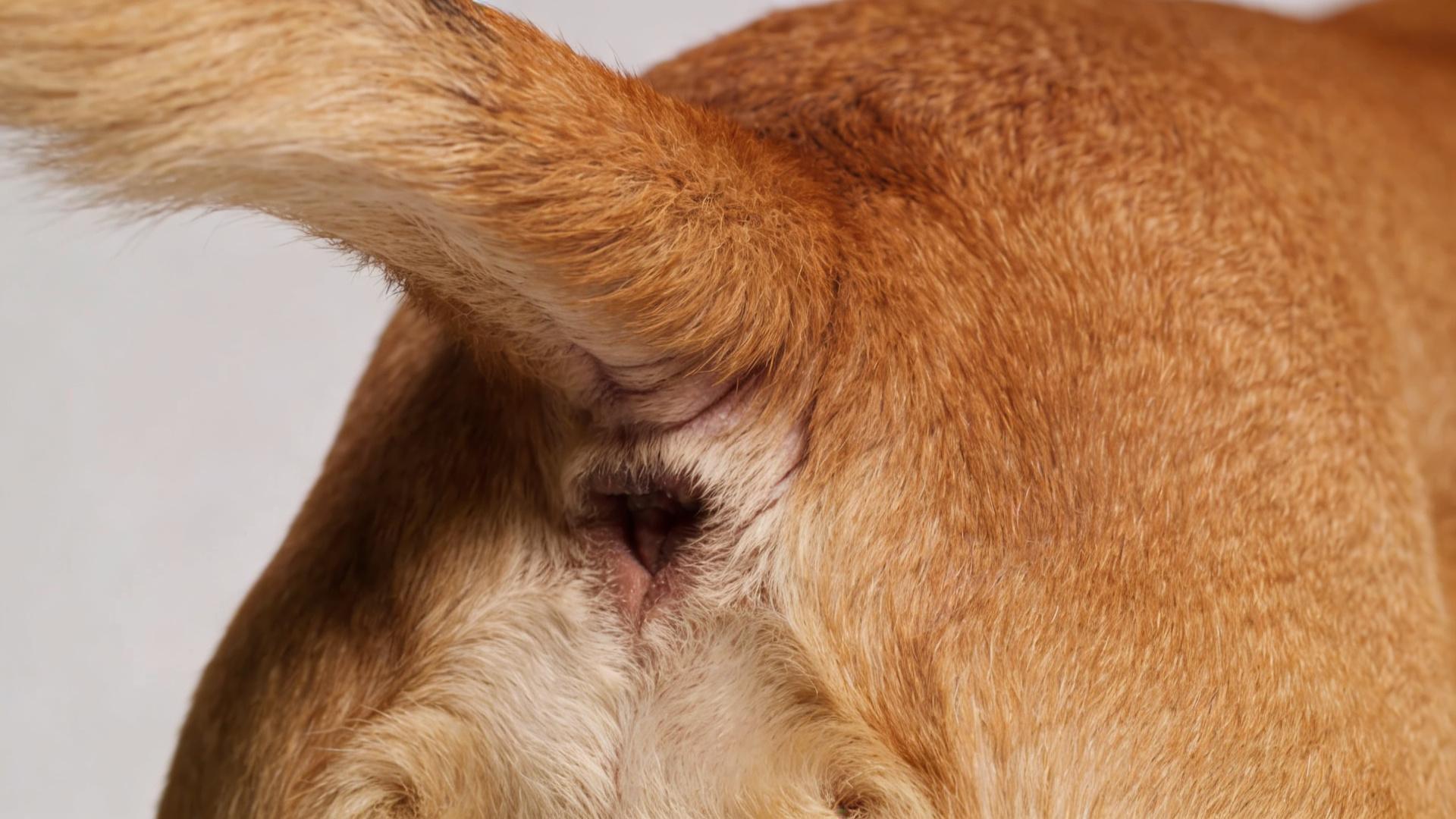
Beyond visibility, the skin here has unique properties. It is often thinner and can be more sensitive than skin on the back or flanks. The presence of sebaceous glands is also significant. These glands secrete oils that are vital for skin and coat health but, when trapped and mixed with debris, become a rich culture medium for microorganisms.
🤔 Why It Is Overlooked: The Triple Threat of Neglect
Understanding why this area is missed is the first step to correcting the habit. The oversight is typically a result of three converging factors:
1. Accessibility & Routine Grooming Gaps: Standard grooming practices focus on large surface areas. Quick brushes glide over the topcoat; baths rinse the obvious regions. The precise, manual lifting of the tail and parting of fur to access the base is a step that simply doesn't occur in a hurried routine. It's an "extra" step that often gets skipped.
2. Canine Sensitivity and Communication: Many dogs are particularly sensitive around their hindquarters and tail. A touch in this area might cause them to sit down quickly, move away, or even exhibit a mild startle response. Owners, misinterpreting this as pain or severe discomfort, may instinctively avoid the area to keep the grooming session peaceful. It’s crucial to distinguish between protective sensitivity and actual pain.
3. Lack of Emphasis in Common Guidance: Most generic grooming guides and checklists highlight ears, teeth, nails, and the general coat. The specific tail base is rarely called out as a critical point unless discussing specific conditions like stud tail (tail gland hyperplasia) or flea infestations (a prime flea habitat). This lack of mainstream attention allows it to slip through the cracks of common knowledge.
⚠️ The Importance of Cleaning: Consequences of Ignoring the Base
Neglecting this area isn't a harmless oversight. The consequences can range from mild irritation to severe medical issues, impacting your dog's quality of life.
- Bacterial & Yeast Infections: The warm, moist, and nutrient-rich environment is ideal for the overgrowth of Malassezia yeast and bacteria like Staphylococcus. This leads to itching, redness, and a distinctive, often musty or cheesy odor.
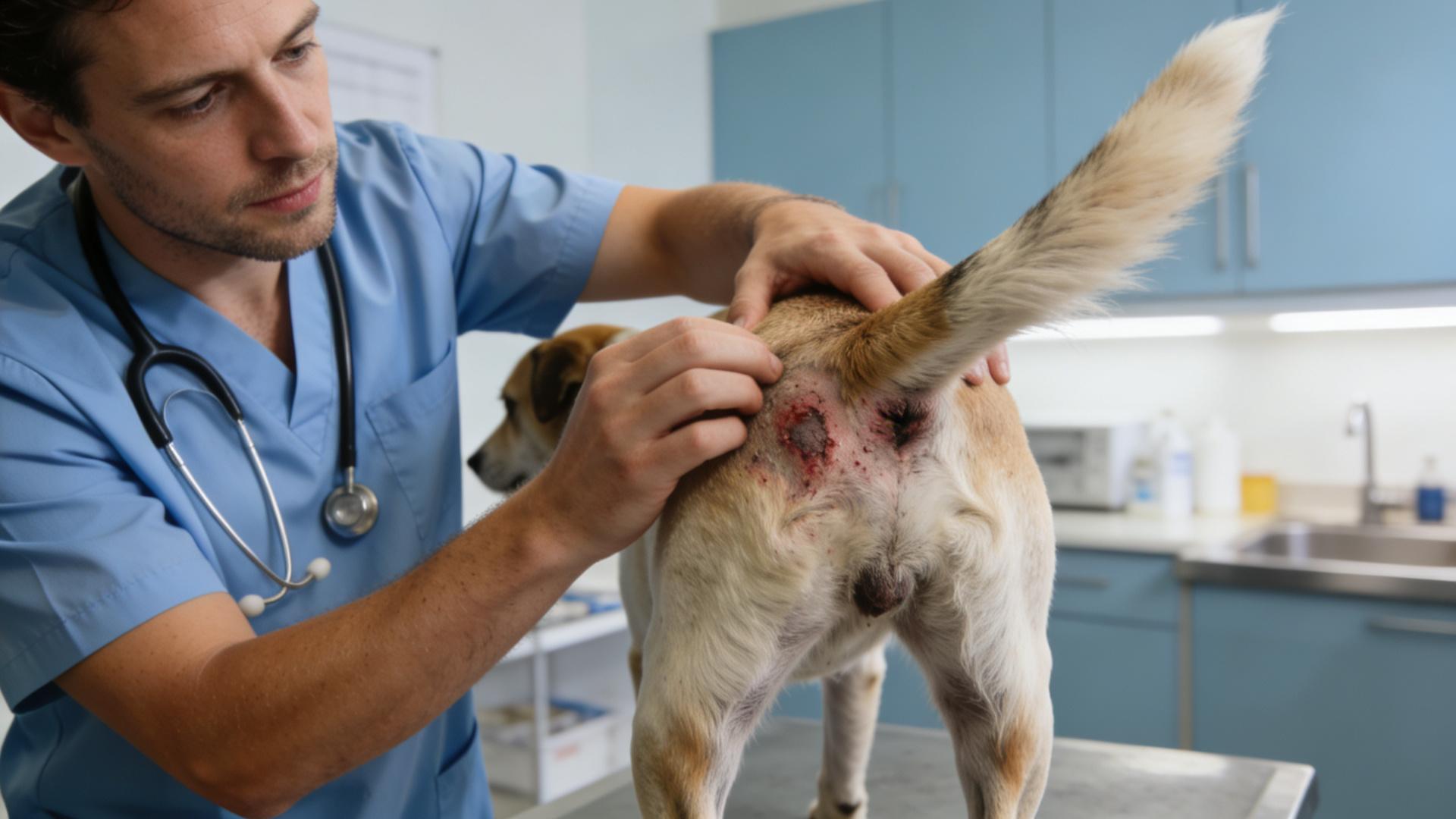
- Hot Spots (Acute Moist Dermatitis): Initial itching can lead to vigorous scratching or biting. This self-trauma breaks the skin barrier, creating a painful, oozing, and rapidly expanding lesion known as a hot spot. The base of the tail is a classic location for these distressing sores.
- Folliculitis and Furunculosis: Infected hair follicles (folliculitis) can deepen into more painful boils (furunculosis), often requiring veterinary intervention with antibiotics or anti-inflammatories.
- Parasite Proliferation: Fleas love this area. It's protected and difficult for the dog to scratch effectively. A neglected tail base can become ground zero for a flea infestation.
- Stud Tail: Common in intact males but possible in any dog, this condition involves the clogging and infection of the tail gland's pores, leading to greasy, hairless, and infected patches at the tail's top surface.
Special Reminder: For breeds prone to skin fold dermatitis (e.g., English Bulldogs, Pugs, Shar-Peis), the tail base is an extension of that risk profile and demands daily attention.
🧼 Step-by-Step Cleaning Guide: Your Action Plan for a Healthy Tail Base
Integrating canine tail base cleaning into your regimen is simple with the right approach. Follow this detailed guide for effective and stress-free maintenance.
Step 1: Preparation is Key
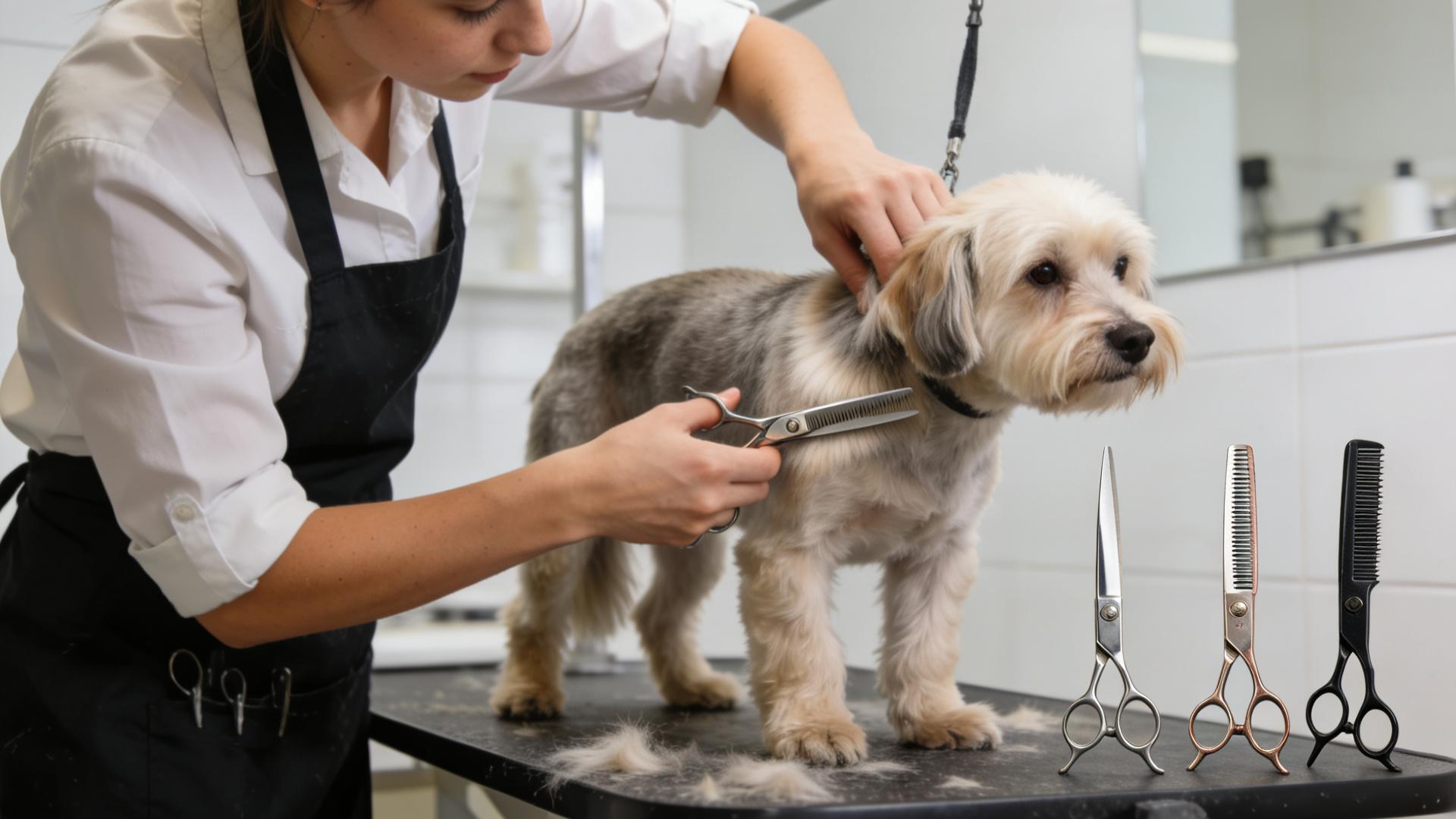
Choose a time when your dog is calm and relaxed, perhaps after exercise. Have all your supplies within reach: pet-safe cleansing wipes or a soft cloth, a gentle, pH-balanced dog shampoo (diluted), cotton balls, and a clean, dry towel. For long-haired breeds, also have blunt-tipped grooming scissors handy.
Step 2: Gentle Exposure and Inspection
Speak to your dog in a soothing tone. Gently lift the tail straight up or to the side—never force it. Take a moment to visually inspect the area. Look for:
- Redness or inflammation
- Excessive grease or dark, waxy debris
- Hair thinning or loss
- Papules, pustules, or any signs of parasites (e.g., "flea dirt")
Step 3: The Cleansing Process
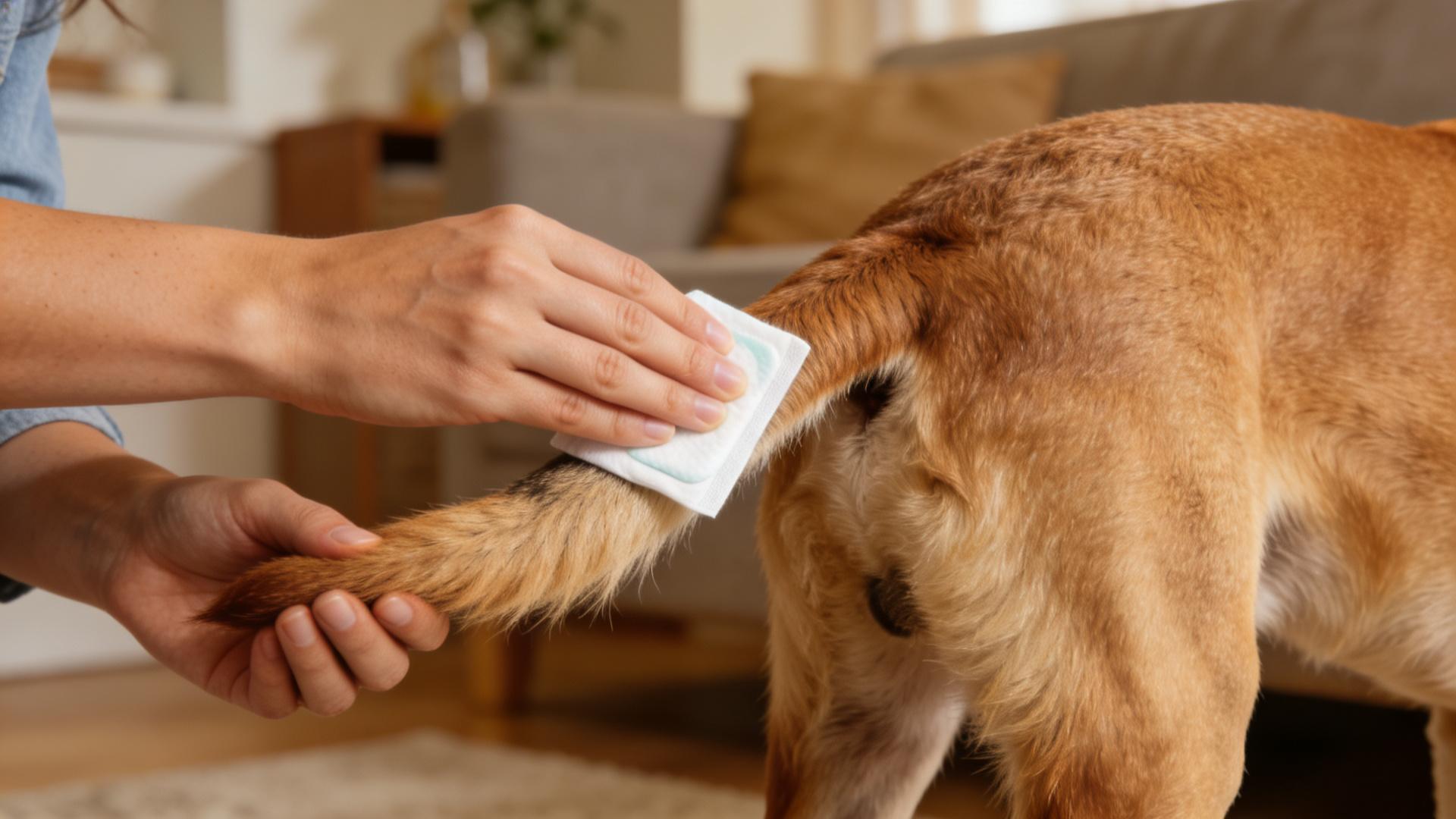
For routine maintenance (weekly), a pet-safe hypoallergenic wipe is sufficient. Gently wipe the exposed skin, including the folds. For a deeper clean during baths:
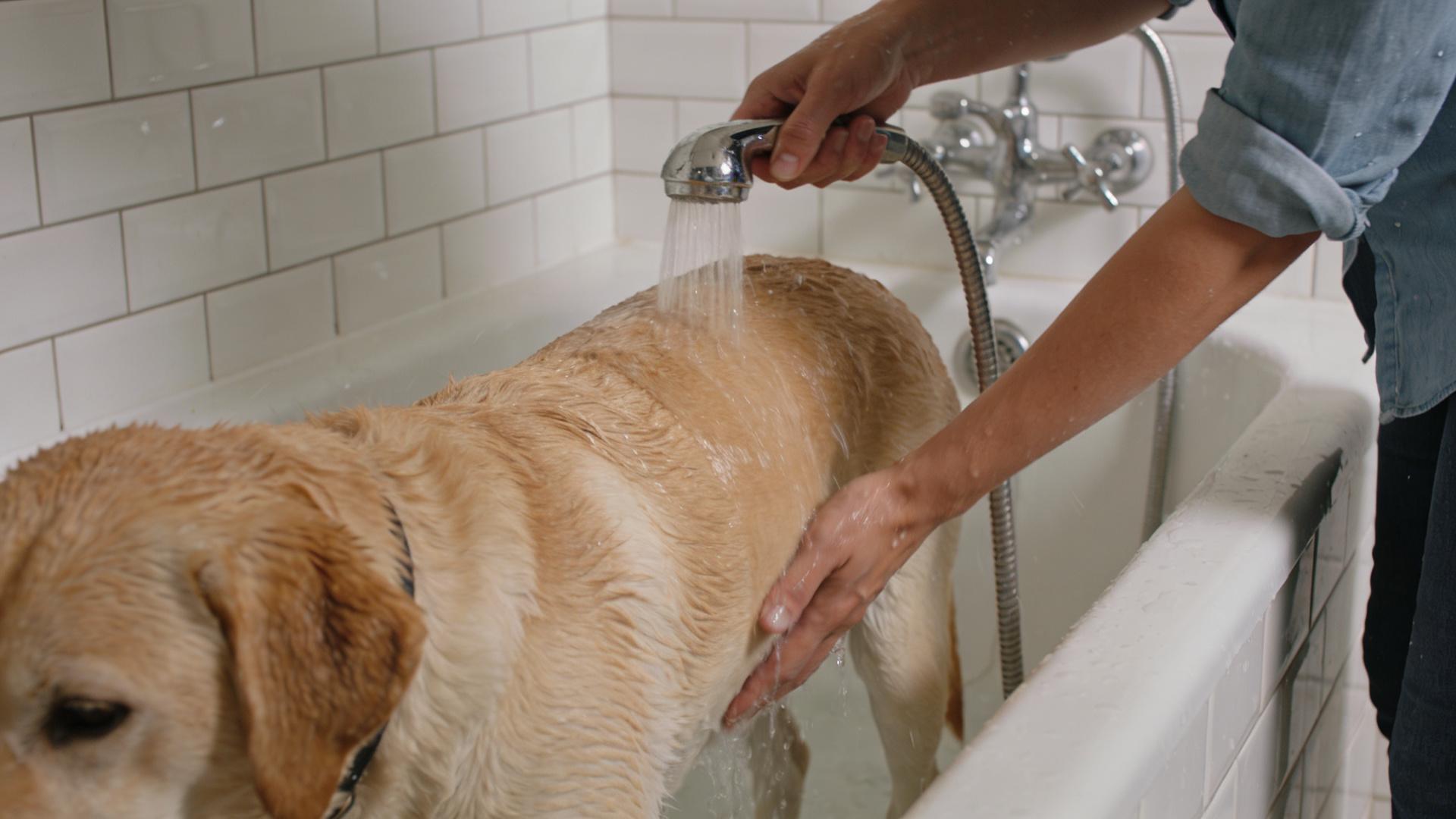
- Thoroughly wet the area with lukewarm water.
- Apply a small amount of diluted dog shampoo and work it into a gentle lather with your fingertips, not nails.
- Rinse incredibly thoroughly until no soap residue remains. Trapped soap is a major irritant.
Step 4: Drying & Finishing Touches
This is the most critical step. Use a soft, absorbent towel to pat the area completely dry. Do not rub. You can even use a hairdryer on the coolest, lowest setting, held at a safe distance, to ensure absolute dryness. For very dense or long fur, consider a sanitary trim around the area to improve airflow and reduce debris accumulation.
❌ Common Mistakes to Avoid
Even with good intentions, errors can happen. Steer clear of these pitfalls:
- Using Human or Harsh Products: Human shampoos and soaps are too acidic for canine skin and strip essential oils. Avoid alcohol, hydrogen peroxide, or tea tree oil wipes unless specifically prescribed by your vet.
- Aggressive Scrubbing: This causes micro-tears and inflammation. Always be gentle.
- Incomplete Drying: Moisture is the enemy. Leaving the area damp invites microbial growth and defeats the purpose of cleaning.
- Ignoring Your Dog's Signals: If your dog shows significant pain (yelping, snapping) versus mild discomfort, stop and consult your veterinarian. There may be an underlying issue like an anal gland problem or injury.
- Over-cleaning: Daily deep cleaning can strip natural oils. Tailor frequency to your dog's needs: weekly for maintenance, more often for active/outdoor dogs or those with existing conditions.
🎯 Conclusion: From Secret to Priority
The base of the tail is a secret no more. By bringing this easily missed dog skin care spot into your regular grooming spotlight, you take a proactive step in safeguarding your pet's comfort and health. This simple, few-minute addition to your routine is a powerful act of preventive care. It’s more than just cleaning; it’s a thorough inspection that can catch minor issues before they escalate. Start paying attention to this critical junction today. Your vigilance will ensure your furry friend remains not just clean, but truly healthy and happy from nose to tail tip. Give your dog the comprehensive, attentive care they deserve. 🐾