Every professional groomer and dedicated pet parent knows that the secret to a flawless dog haircut lies not just in skill, but in the tools. Among the most critical instruments in your arsenal are grooming scissors. Using the wrong type can lead to a choppy, uneven, or even uncomfortable result for your pup. This comprehensive guide will dissect the three essential types—straight, thinning, and backspinning scissors—demystifying their distinct purposes and techniques. By understanding their differences, you can transform your grooming results from amateur to artisan, ensuring both safety and style for your canine companion.
✂️ The Foundation: Understanding Your Grooming Toolkit
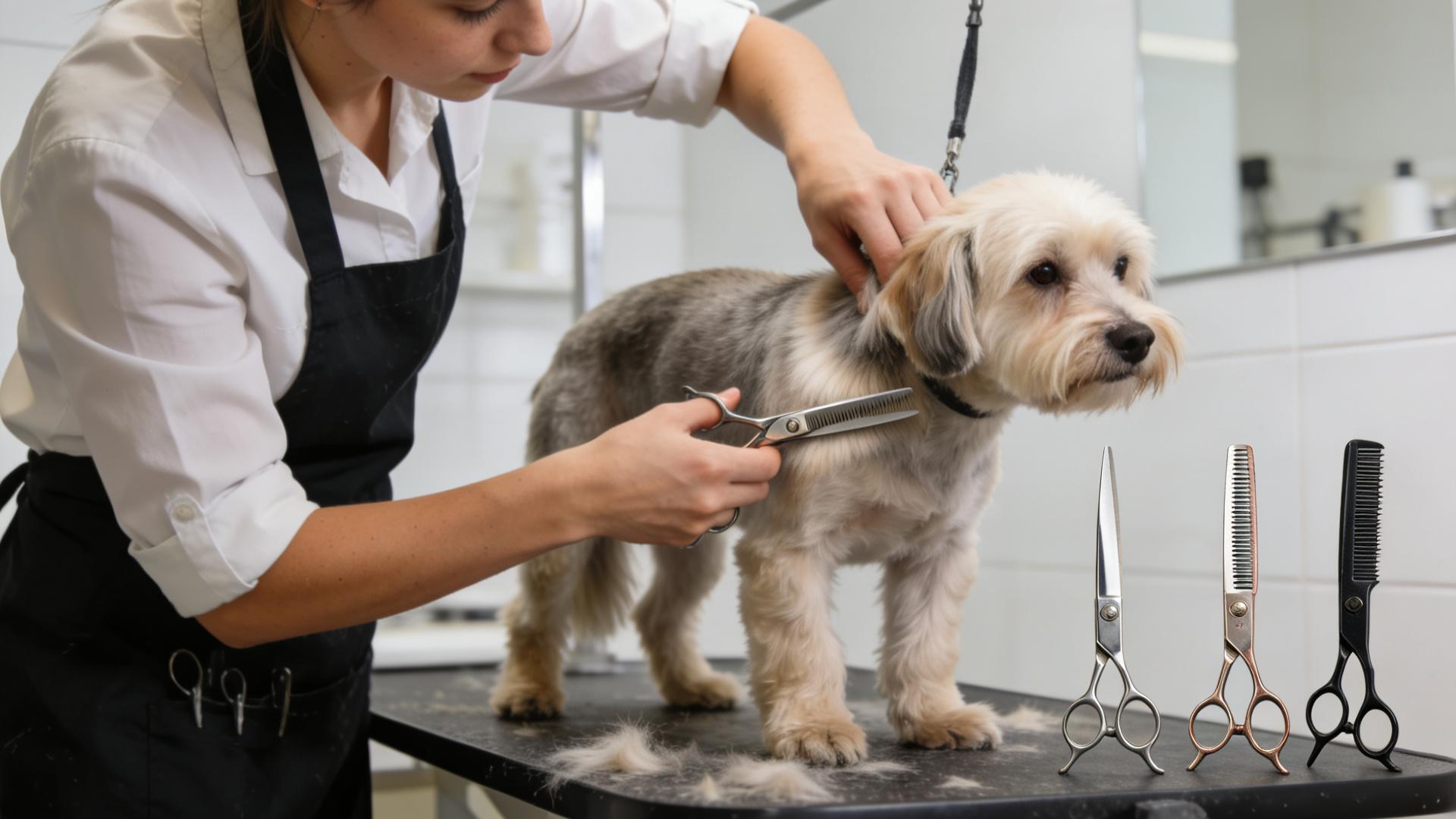
Before diving into specifics, it’s crucial to grasp why a one-scissor-fits-all approach fails in professional dog grooming. A dog's coat varies in texture, density, and growth pattern across its body. The right scissor grooming for dogs allows you to work with the coat, not against it. Investing in a dedicated set is an investment in precision, efficiency, and the overall health of your dog's skin and coat.
Why Scissor Selection Directly Impacts Results
Think of your scissors as paintbrushes: a broad brush for large canvases, a fine liner for details. Similarly, straight scissors carve definition, thinning scissors soften and blend, and backspinning scissors add volume and texture. Using thinning shears where straight shears are needed can result in a frizzy, over-textured coat. Conversely, using straight shears for blending creates harsh, visible lines. The correct tool ensures a smoother, faster grooming process, reducing stress and the risk of accidental nicks.
🔪 Straight Scissors: The Precision Sculptor
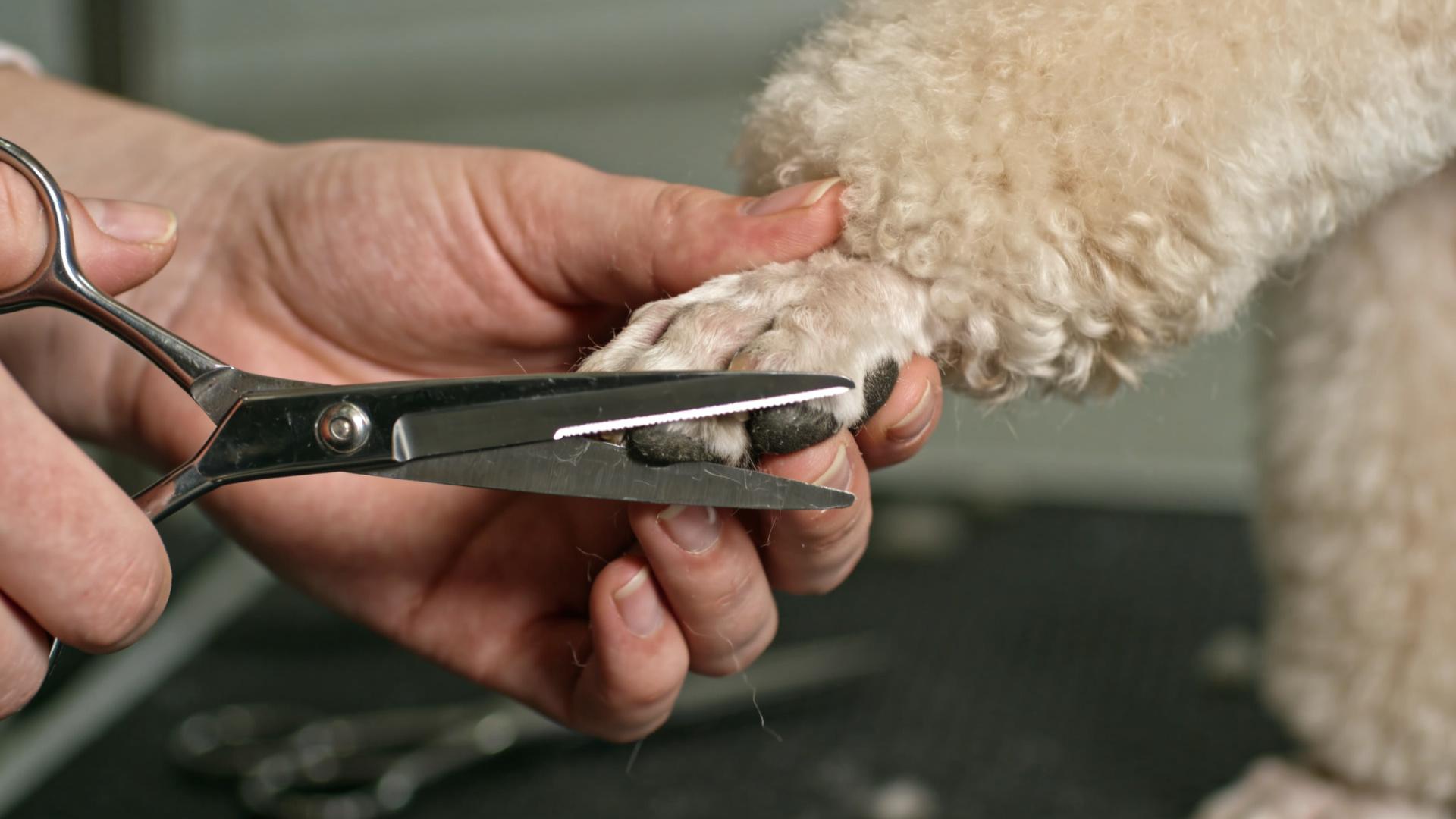
Often called straight shears or finishing shears, these are the workhorses of any dog grooming tools and equipment kit. They feature two perfectly aligned, razor-sharp straight blades. Their primary role is to make clean, precise, and blunt cuts, making them indispensable for creating structure and sharp outlines.
Primary Uses and Techniques for Straight Scissors
How to use straight scissors on dogs effectively requires a steady hand and a clear vision. They are used for:
- Bulk Removal & Sculpting: After clipping, straight shears are used to shape the overall silhouette of the haircut, such as creating a rounded puppy cut or a squared profile on a Poodle.
- Defining Lines & Edges: Trimming the clean, crisp lines around the paws, ears, tail, and skirt. For example, creating a sharp "poodle foot" or a tidy beard outline.
- Final Finishing: Executing the last pass over the coat to ensure every hair is uniform and any stray strands are eliminated.
A pro tip: Always cut with the entire length of the blade, not just the tips, for a smoother cut. For reference, a typical 7.5" or 8.5" straight shear offers optimal control for most tasks.
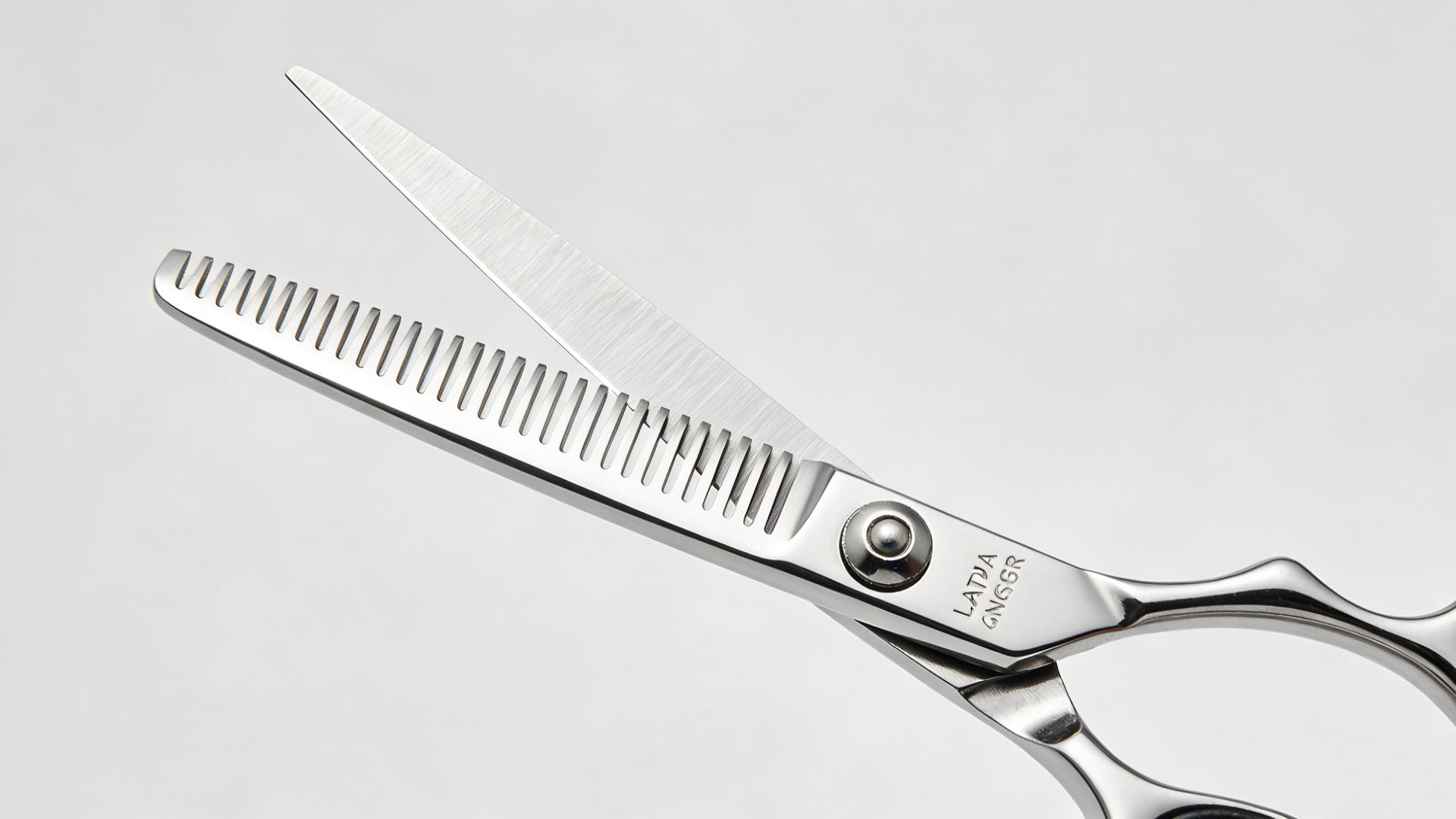
Choosing the Best Straight Scissors
When buying dog grooming shears, look for:
- Material: Japanese or German stainless steel (e.g., ATS-314, VG-10) offers superior sharpness and corrosion resistance.
- Handle: Ergonomic offset handles reduce wrist strain—a health essential for long grooming sessions.
- Length: 7.0" to 8.5" is versatile for most breeds. Longer blades (9.0"+) suit large dogs for sweeping cuts.
✂️ Thinning Scissors: The Master Blender
Also known as thinning shears or texturizing shears, these are the secret weapon for achieving a natural, salon-quality finish. Their design features one straight blade and one notched or serrated blade with 20 to 50 teeth. This configuration removes only 40-50% of the hair in its path, creating a feathered, staggered cut that seamlessly blends lengths.
When and How to Use Thinning Shears
How to use thinning scissors on dogs is all about subtlety. They are perfect for:
- Blending Harsh Lines: Softening the transition between scissored areas and longer hair, such as where the body clip meets the leg furnishings on a Schnauzer.
- Reducing Bulk Without Shortening Length: Ideal for dogs with dense undercoats, like Huskies, where you want to remove dead hair and reduce volume while maintaining the guard hair length.
- Creating a Natural "Faced" Look: Tidying the feathering on ears, tails, and legs without leaving obvious scissor marks. For instance, gently texturizing the cheek fur on a Golden Retriever.
Technique is key: Use a point-cutting method (angling the tips into the coat) or slide-cutting (gliding the shears through the coat) for invisible blending. Avoid using them on already short hair or you'll create a patchy appearance.
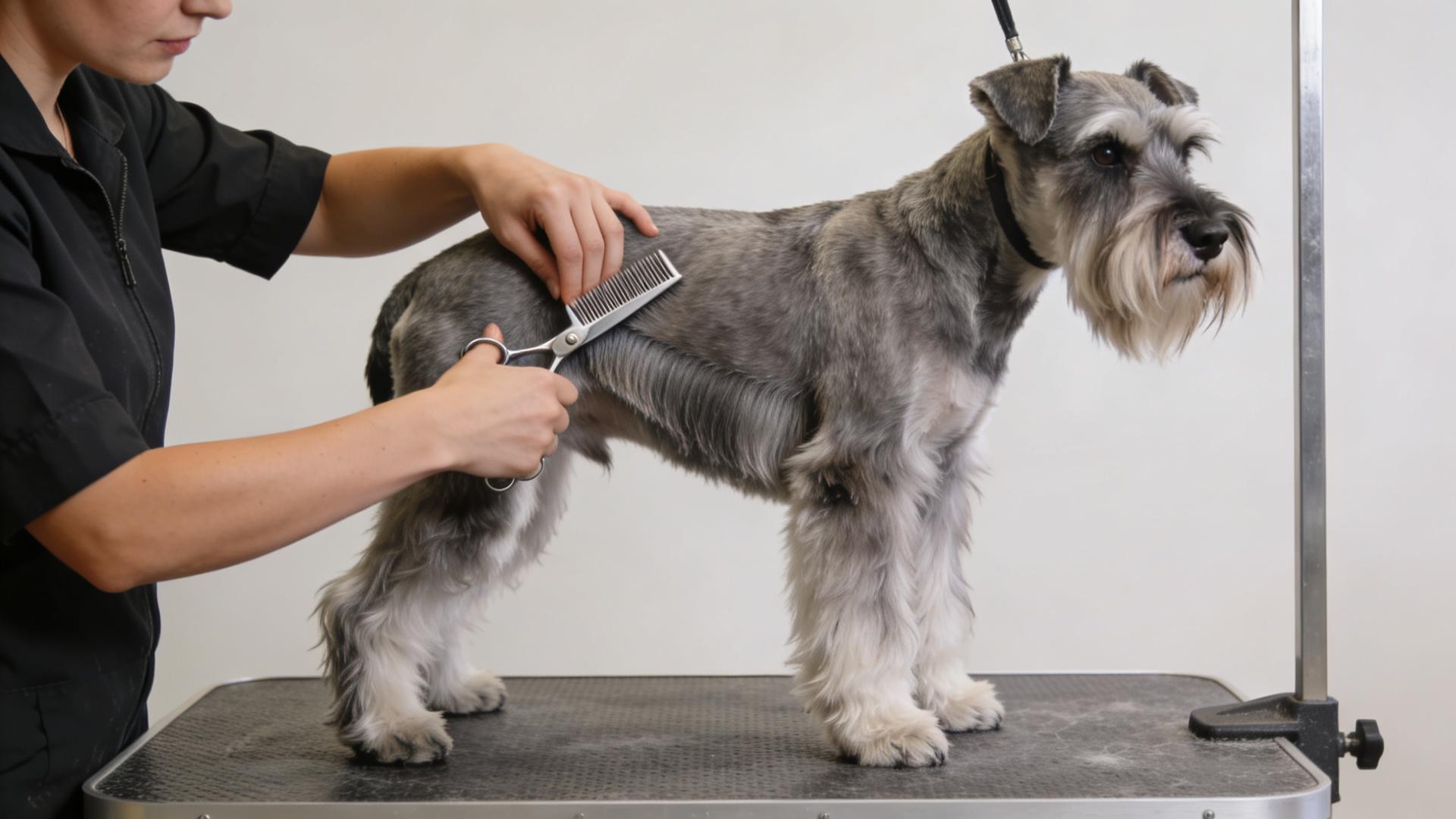
Selecting Quality Thinning Scissors
For effective thinning shears for dogs, consider:
- Tooth Count & Pattern: 30-40 teeth offer a balanced blend. Wider-spaced teeth remove more hair; closer-spaced teeth provide a finer blend.
- Blade Alignment: The teeth should mesh perfectly without catching to ensure a smooth, comfortable cut that doesn't pull the coat.
- Weight & Balance: Lighter shears improve control for detailed blending work on sensitive areas like the face.
🌀 Backspinning Scissors: The Texture Artist
Backspinning scissors, often called chunkers or curved thinning shears, are a specialized subset of thinning shears. They feature a dramatically curved straight blade paired with a notched blade. This design allows them to "scoop" or "carve" out sections of hair, removing up to 70-80% of the hair in one pass while leaving a deeply textured, airy finish.
Creating Volume and Drama with Backspinning Shears
How to use backspinning scissors on dogs involves more artistic flair. They are not for beginners but are transformative in advanced styling:
- Adding Maximum Volume & Lift: Essential for creating the full, rounded "ball" look in Pomeranian or Bichon Frise cuts. They undercut layers to make the hair stand away from the body.
- Creating Defined Texture & Layering: Carving out "chunks" or channels in the coat to break up solid blocks of color or weight, often used in creative grooming or on terrier breeds.
- Rapid Debulking: Quickly removing large amounts of hair from very dense, plush coats while maintaining a soft, textured edge rather than a hard line.
Use them with a twisting or rolling wrist motion to follow the contours of the dog's body. They are typically used after clipping and before final finishing with straight shears.
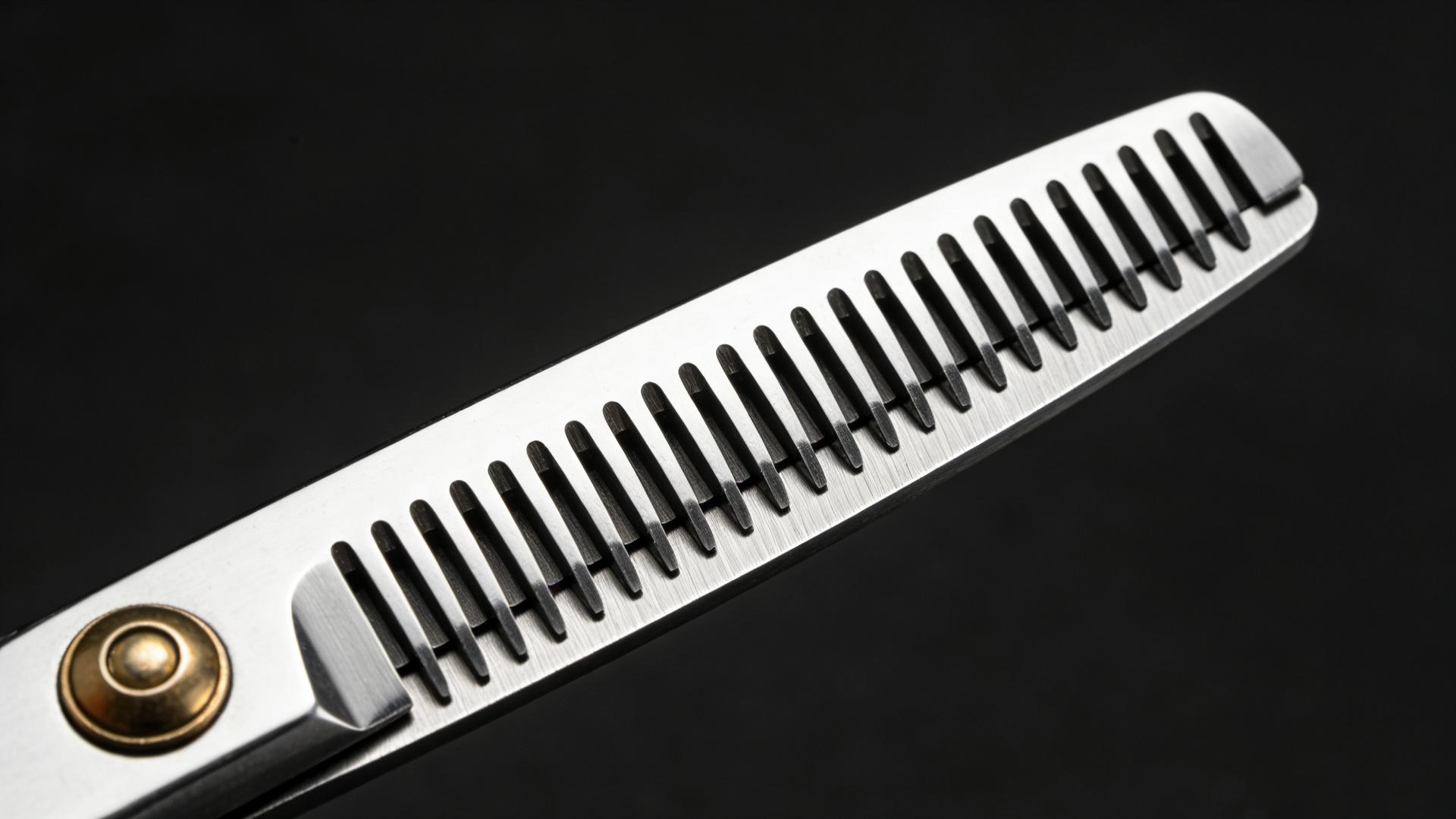
Investing in Backspinning Shears
When choosing backspinning shears for dogs, prioritize:
- Curve Radius: A pronounced curve (e.g., 30-40 degree arc) is more aggressive for dramatic texture. A milder curve is more versatile.
- Build Quality: Given the stress on the curved blade, look for forged, one-piece construction from high-carbon steel to prevent bending.
- Specialization: Some are designed specifically for rounding heads, while others are for body work. Choose based on your most common needs.
🛠️ The Complete Grooming Scissor Kit: Integration and Practice
Mastering dog grooming scissors techniques involves knowing not just how to use each tool, but when to switch between them in a single session. A synergistic approach yields the best results.
Step-by-Step Grooming Session Example: The Bichon Frise
Let's apply our knowledge to a popular style, using specific data points:
- Pre-Clip & Bath: The dog is bathed, dried, and pre-clipped with a #4F blade to establish a base length of approximately ¾ inch.
- Backspinning for Volume: Using backspinning shears, the groomer carves out the leg pompons and head, removing about 50% of the hair mass to create a round, buoyant shape. This takes the legs from a cylinder to a sphere.
- Straight Scissors for Sculpting: Straight scissors (8.5") are used to define the round head, trim the eye corners, and shape the tail into a tight plume. This creates the sharp, clean outlines characteristic of the breed.
- Thinning Scissors for Seamless Blending: Finally, thinning scissors (40 teeth) are used to blend the junction where the head round meets the neck, and to soften the edges of the leg pompons, ensuring no harsh lines are visible. This final step adds the "fluffy cloud" effect.
This integrated process, which might take a professional 60-90 minutes, ensures a balanced, polished, and comfortable finish.
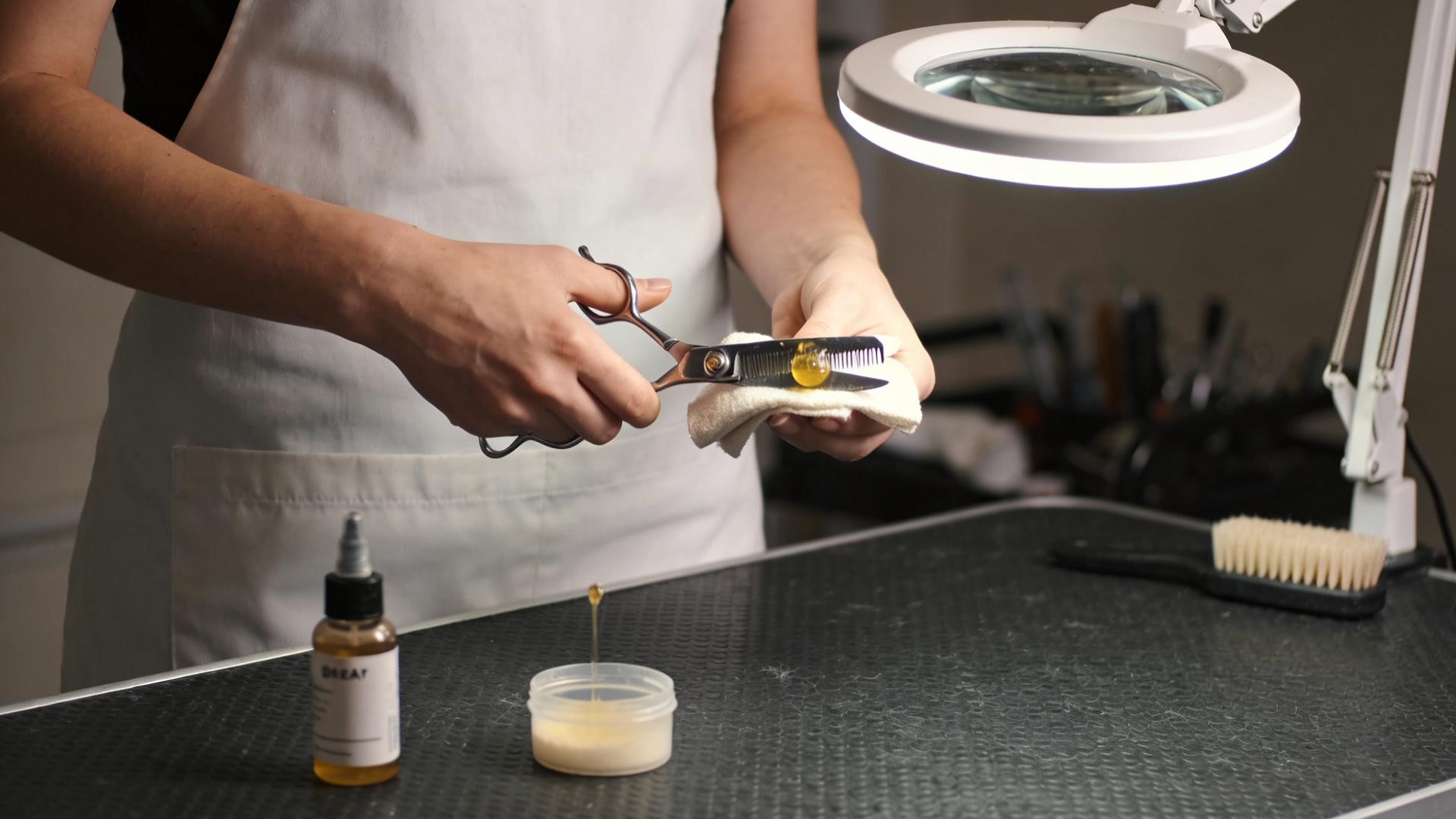
⚙️ Maintenance and Care: Keeping Your Shears in Peak Condition
A professional dog grooming scissor is a precision instrument. Proper care is non-negotiable for performance, longevity, and safety.
Sharpening, Cleaning, and Storage Protocol
- Daily Cleaning: Wipe blades with a soft, oiled cloth after every use to remove hair, oil, and moisture. This prevents corrosion and keeps the pivot smooth.
- Regular OilingApply a drop of high-quality scissor oil to the pivot screw and blade joint weekly to reduce friction and wear.
- Professional Sharpening: Have your shears sharpened by a certified professional every 4-6 months with regular use. Thinning and backspinning shears require a specialist due to their complex teeth.
- Proper Storage: Always store in a protective case or roll, separate from clippers and other hard tools to prevent nicks on the cutting edge.
A dull scissor will tear hair instead of cutting it, leading to split ends and a ragged coat appearance, and requires more force, increasing the risk of injury.
✅ Special Reminder: Safety and Comfort First
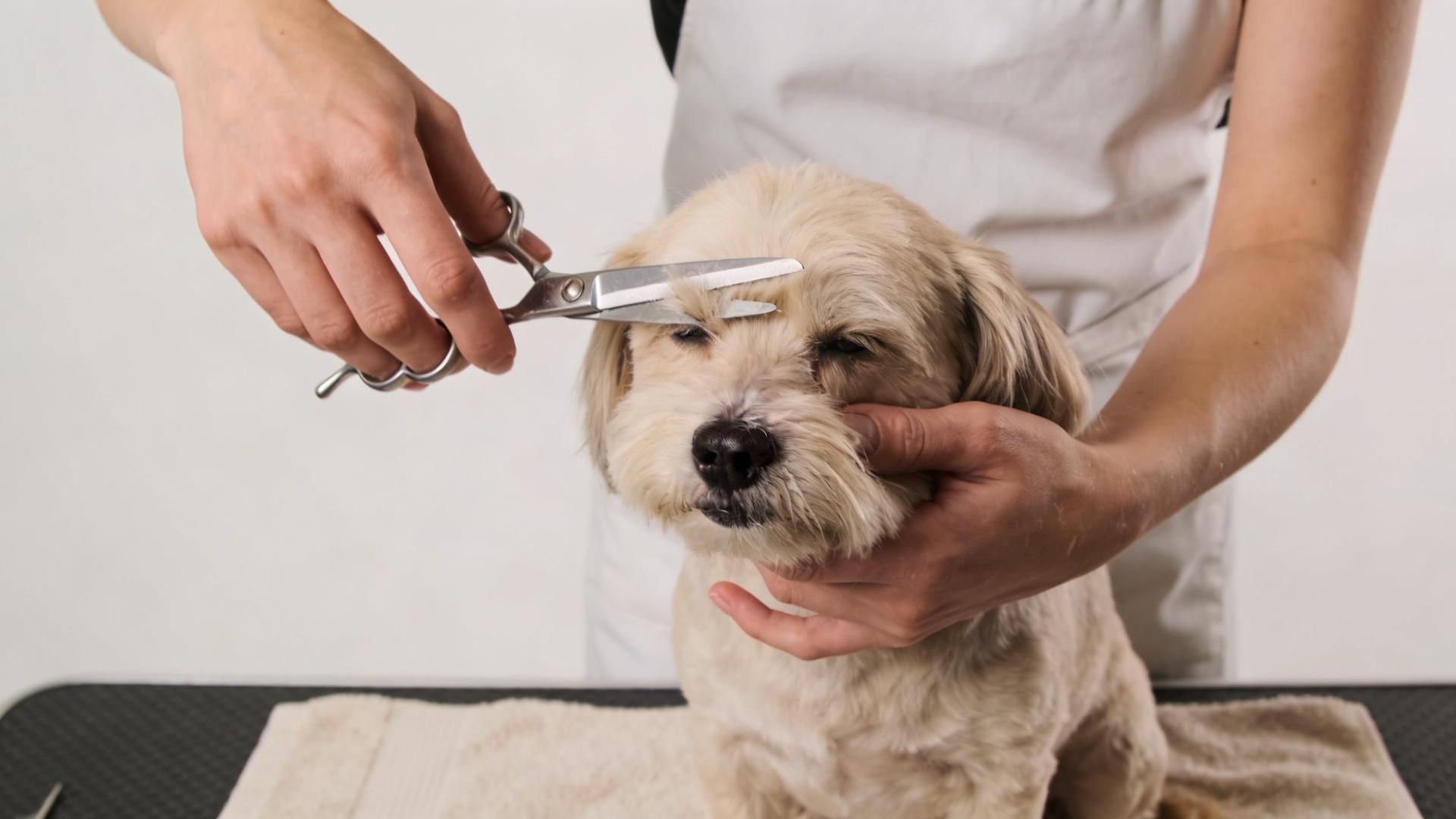
No discussion on dog grooming scissors comparison is complete without emphasizing safety. Always:
- Keep your fingers and the dog's skin out of the blade path by using your off-hand to stretch and flatten the skin.
- Work in a well-lit, calm environment to avoid sudden movements.
- Choose scissors with rounded tip options for anxious dogs or when working near delicate areas like the groin or armpits.
- Stop immediately if the dog shows signs of stress. A comfortable dog is a still dog, which is the foundation of safe scissor work.
🎯 Conclusion: Elevate Your Grooming Game
Understanding the differences in usage of grooming scissors is the cornerstone of professional-quality pet grooming. Your straight scissors for dog grooming provide the essential structure and crisp lines. Your thinning scissors for dog grooming masterfully blend and soften for a natural look. Your backspinning scissors for dog grooming inject artistry, volume, and dynamic texture. Together, they form the essential dog grooming scissors trio. By investing in quality tools, maintaining them diligently, and practicing these targeted techniques, you will not only achieve stunning, salon-worthy results at home but also ensure a safer, more pleasant experience for your beloved dog. Remember, the right cut is not just about beauty—it's about health, comfort, and the bond you strengthen with every careful snip.