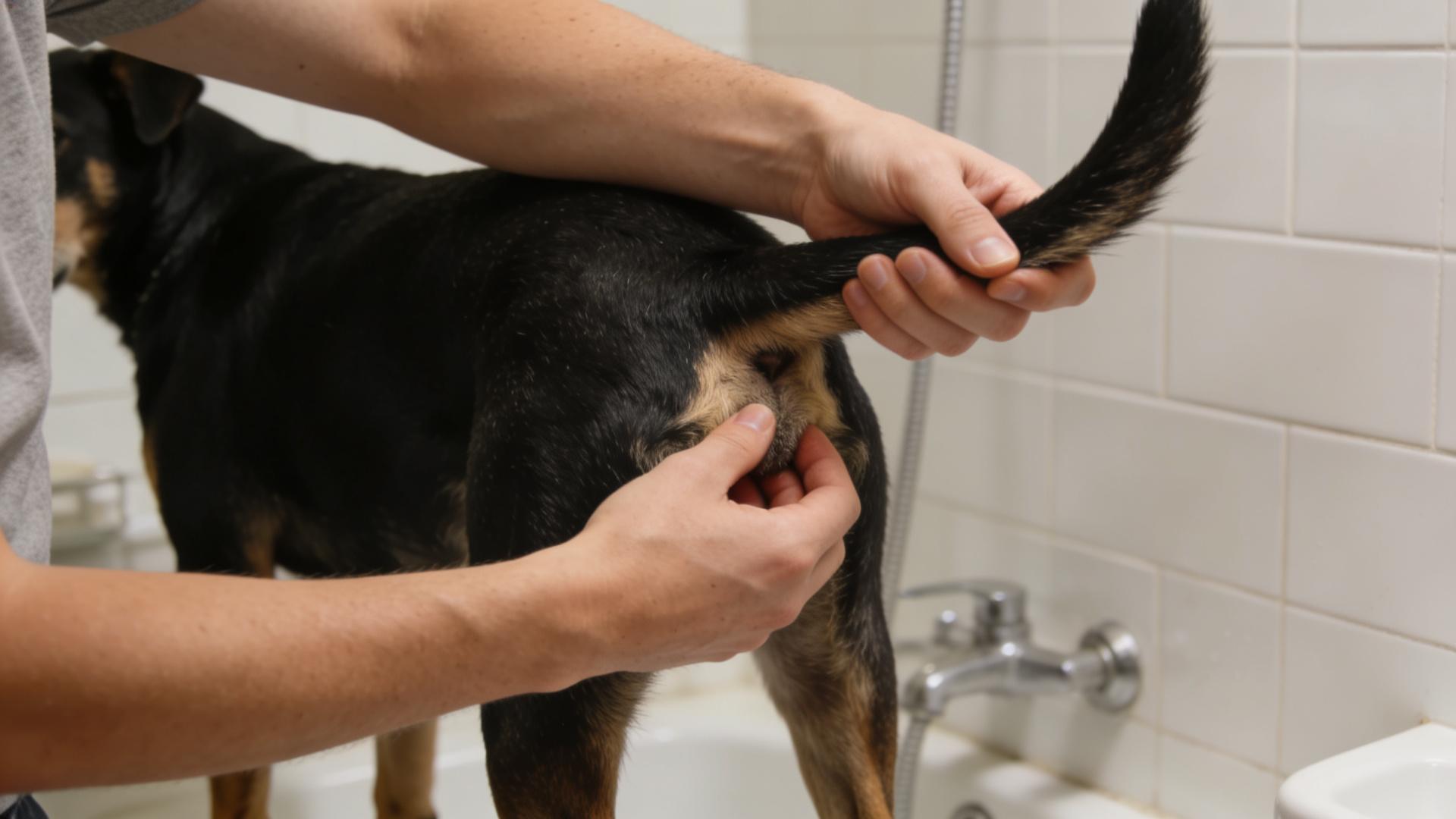
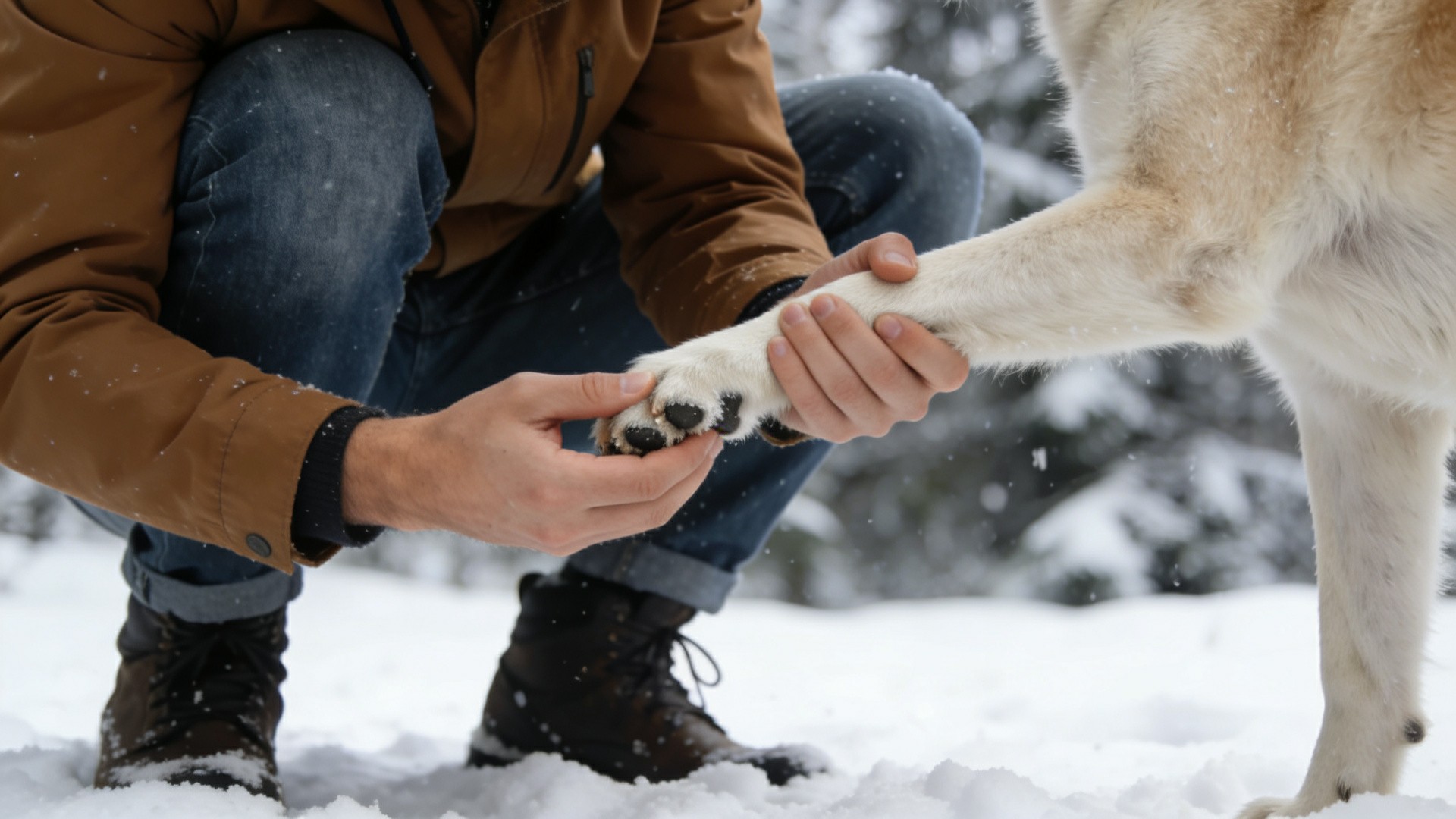
Watching your beloved dog navigate the world with fading eyesight is an emotional journey filled with concern and a deep desire to help. As their vision dims, their eyes often become more vulnerable, turning daily care into a critical pillar of their comfort and health. This guide is your compassionate resource, blending practical steps with expert insight to help you master eye hygiene for dogs experiencing vision loss in dogs. By focusing on meticulous care, you can play a pivotal role in reducing eye infection in dogs and protecting residual vision in dogs, ensuring their golden years are safe and vibrant.
👁️ Understanding Canine Vision Decline: Causes and Signs
Vision loss in our canine companions is not a single disease but a symptom of various underlying conditions. Understanding the "why" behind your dog's declining vision in dogs is the first step toward targeted and effective care. Special Reminder: Any sudden change in your dog's eyes or vision warrants an immediate veterinary visit.
Common Culprits Behind Canine Vision Loss
Senile Cataracts: A leading cause, where the eye's lens becomes cloudy. While often age-related, diabetes can accelerate their formation.
Glaucoma: A painful, sight-threatening condition caused by increased pressure inside the eye. It's a medical emergency.
Progressive Retinal Atrophy (PRA): An inherited, degenerative disease that slowly destroys the photoreceptor cells in the retina.
Dry Eye (Keratoconjunctivitis Sicca): Insufficient tear production leads to chronic irritation, ulcers, and secondary vision impairment.
Uveitis: Inflammation of the eye's middle layer, which is painful and can cause severe complications if untreated.
Recognizing the Signs of Vision Impairment in Dogs
Dogs are masters of adaptation, making early signs subtle. Watch for: bumping into furniture, hesitation on stairs or in dim light, cloudy or bluish eye appearance, excessive redness, squinting, pawing at the face, or a newfound clumsiness. Regular observation is key to early intervention.
🛡️ Essential Eye Hygiene Practices: Daily Care Routines
For a dog with compromised sight, a consistent and gentle canine eye hygiene routine is non-negotiable. This daily ritual does more than clean; it monitors health, provides comfort, and strengthens your bond.
The Daily Check-Up: What to Look For
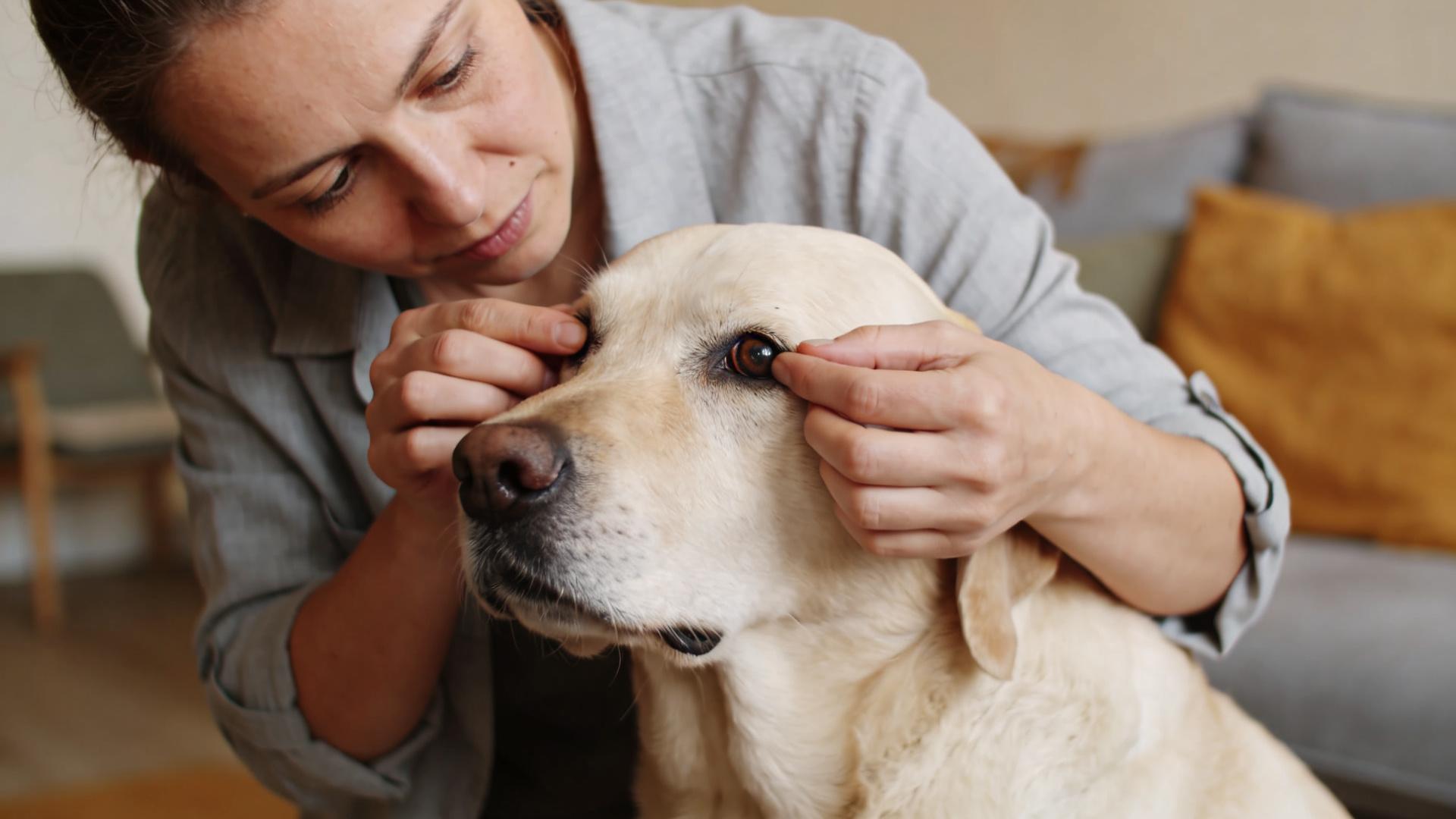
In a well-lit area, calmly examine your dog's eyes. Look for discharge (color and consistency matter), excessive tearing, redness in the whites of the eyes or eyelids, swelling, noticeable cloudiness, or any visible discomfort. Documenting changes can be invaluable for your vet.
Step-by-Step Guide to Safe Dog Eye Cleaning
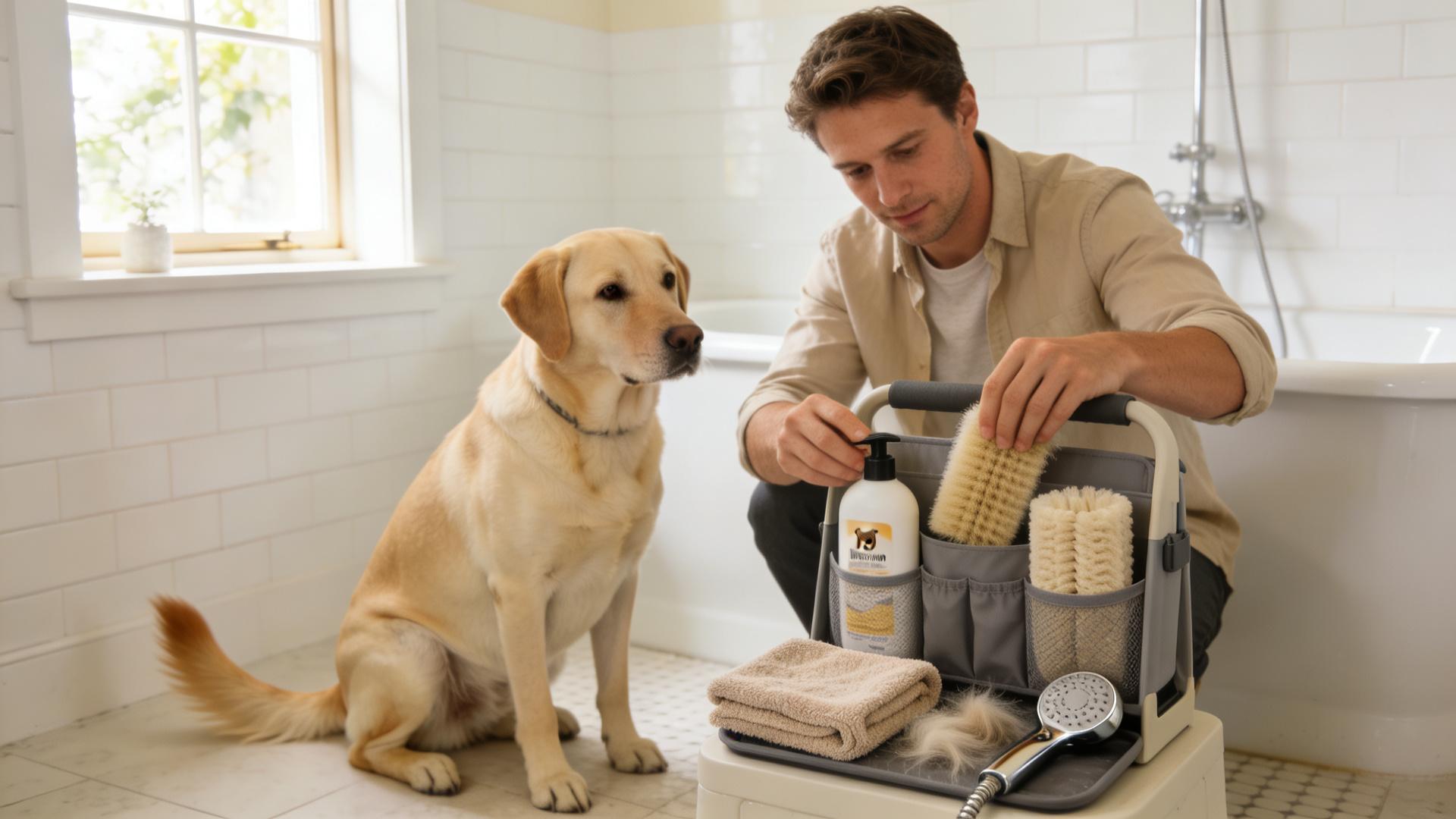
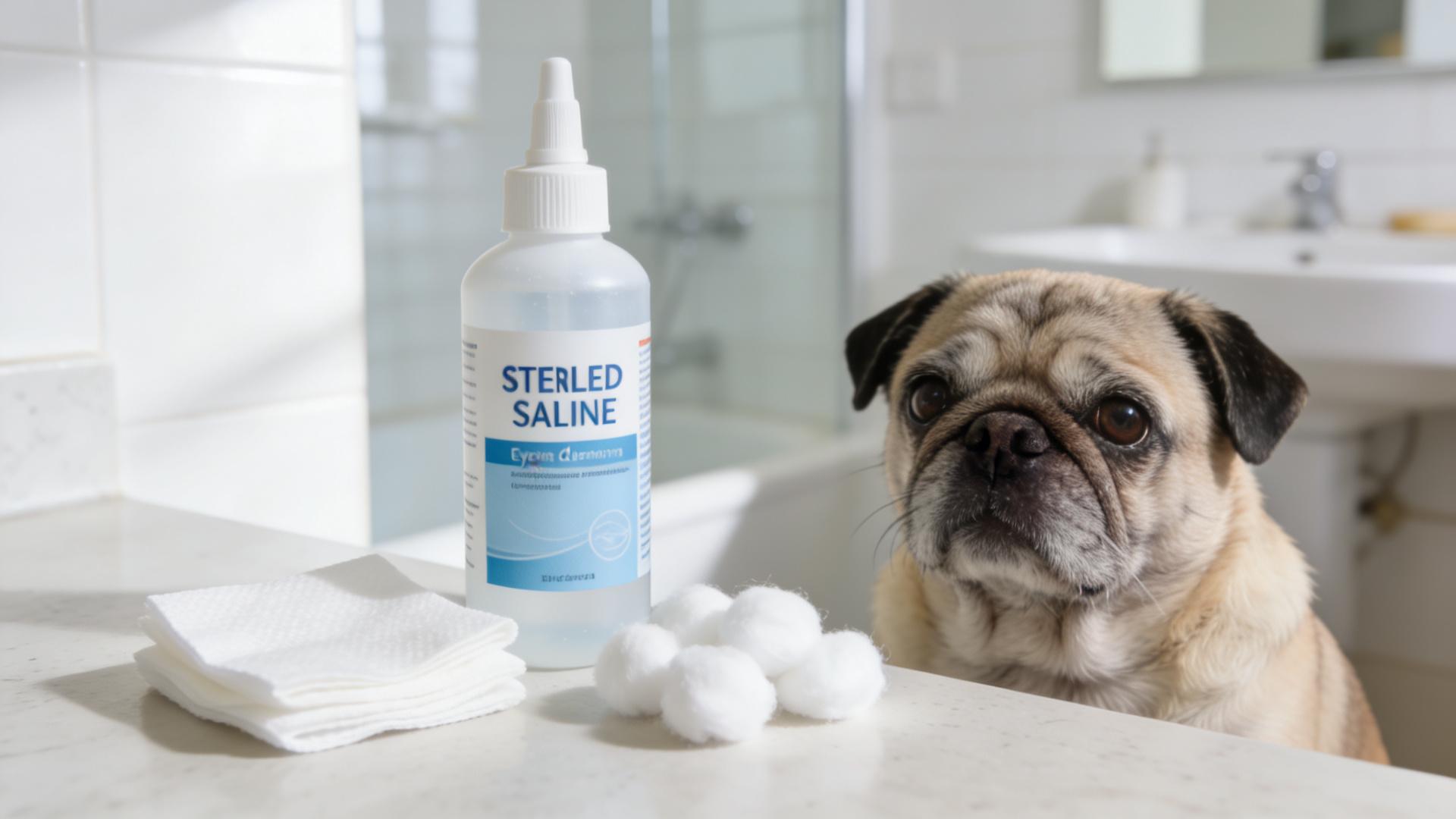
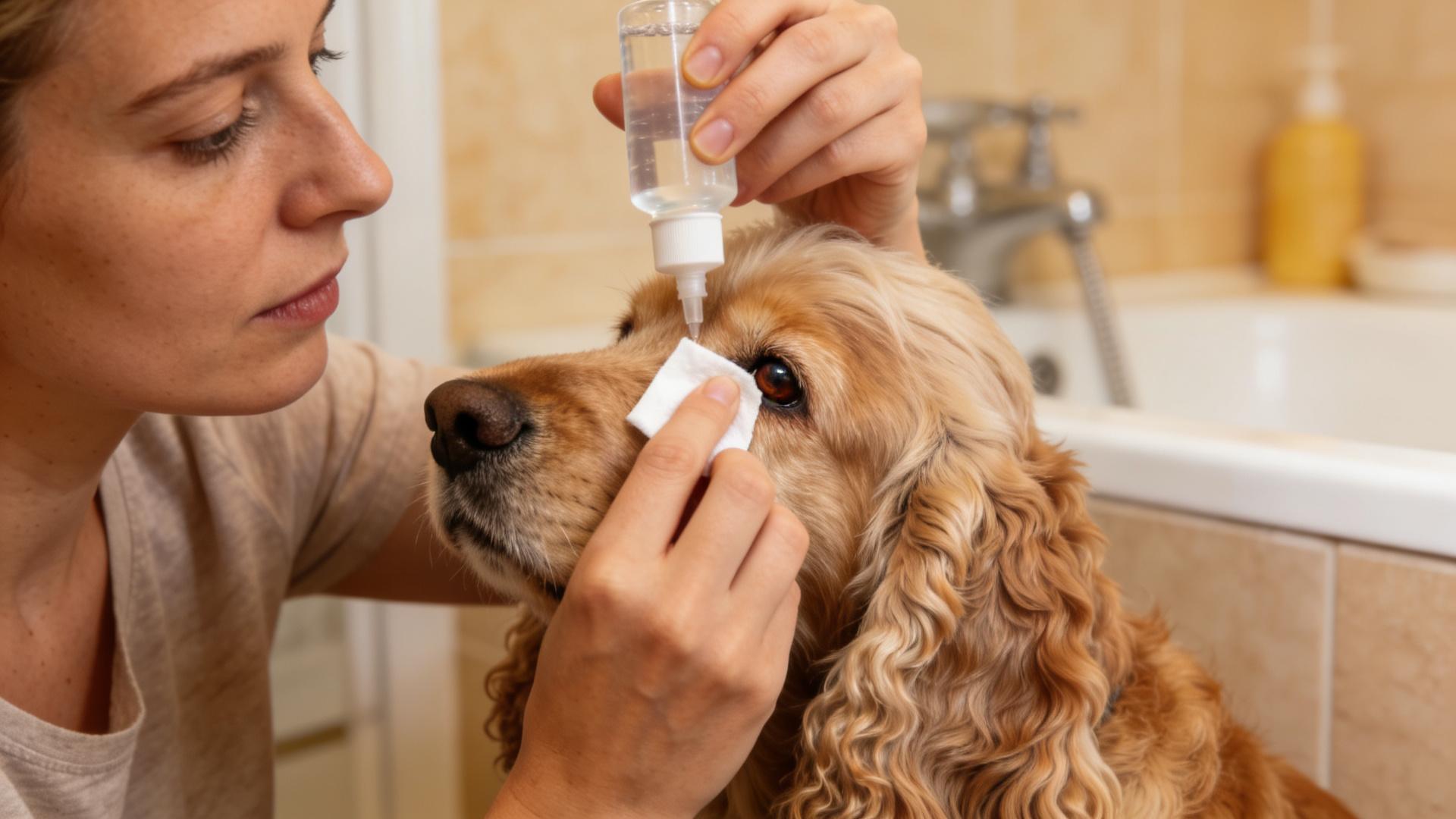
1. Gather Your Supplies: Sterile saline solution (the best and safest choice), soft gauze pads or cotton balls (avoid loose cotton wool), and tasty treats.
2. Create a Calm Environment: Choose a quiet time. Speak softly and reassure your dog throughout.
3. The Cleaning Motion: Moisten the gauze with saline. Gently wipe from the inner corner (near the nose) outward. Use a fresh gauze pad for each eye to prevent cross-contamination.
4. Drying and Rewarding: Pat the surrounding fur dry with a clean, soft cloth. Immediately follow with praise and a treat to build positive associations.
🚫 Reducing Infection Risk: Cleaning Techniques and Products
Dogs with declining vision have weakened ocular defenses. Proper hygiene is your primary tool for preventing eye infections in dogs.
What to Use (and What to Avoid)
Safe Choices: Preservative-free sterile saline is the gold standard for routine cleaning. Veterinarian-prescribed eye washes or wipes for specific conditions are also excellent.
Danger Zone: Avoid human contact lens solution, hydrogen peroxide, or homemade salt water mixtures. These can disrupt the eye's delicate pH and tear film, causing more harm. Never use alcohol-based products near the eyes.
Symptoms of Eye Infections in Dogs
Recognizing infection early is crucial. Be alert for: yellow, green, or thick mucoid discharge; intense redness; pronounced swelling; frequent squinting or holding the eye closed; obvious pain (flinching, whimpering); or a sudden worsening of vision clarity. These require prompt veterinary diagnosis and treatment, often with prescription antibiotic or anti-inflammatory drops.
🌍 Protecting Residual Vision: Environmental Adjustments and Veterinary Care
Protecting residual vision in dogs is a two-part mission: optimizing veterinary medical management and creating a safe home habitat. This is the heart of blind dog care and senior dog eye health.
Partnering with Your Veterinarian
Regular, specialized veterinary eye exams (often by a veterinary ophthalmologist) are essential. They can monitor conditions like cataracts or glaucoma, prescribe sight-preserving medications, and discuss surgical options if appropriate (e.g., cataract removal). Consistent follow-up is a cornerstone of managing dog vision loss effectively.
Home Modifications for Safety and Confidence
Consistency is Key: Avoid moving furniture. Use baby gates to block stairs or dangerous areas.
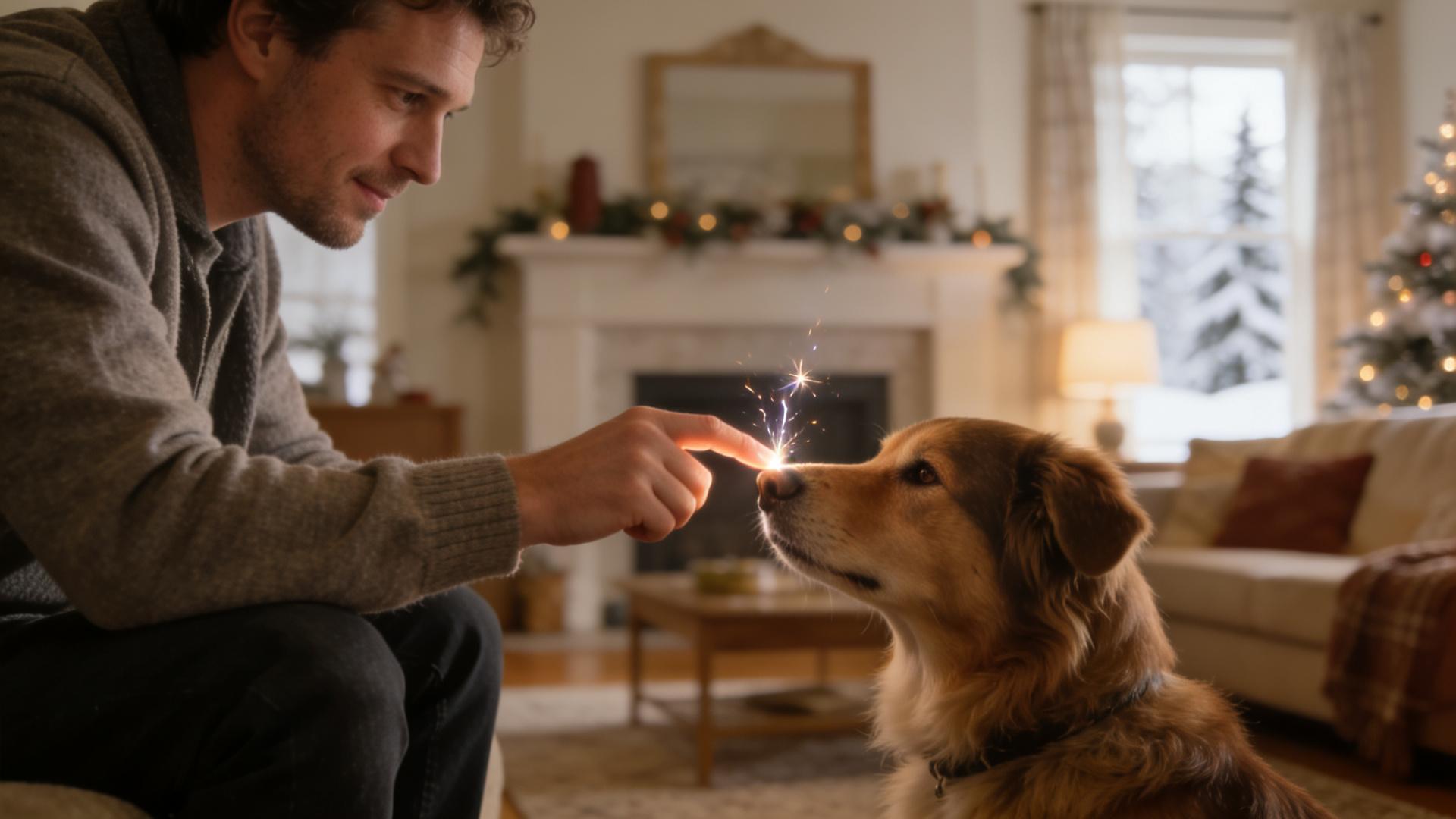
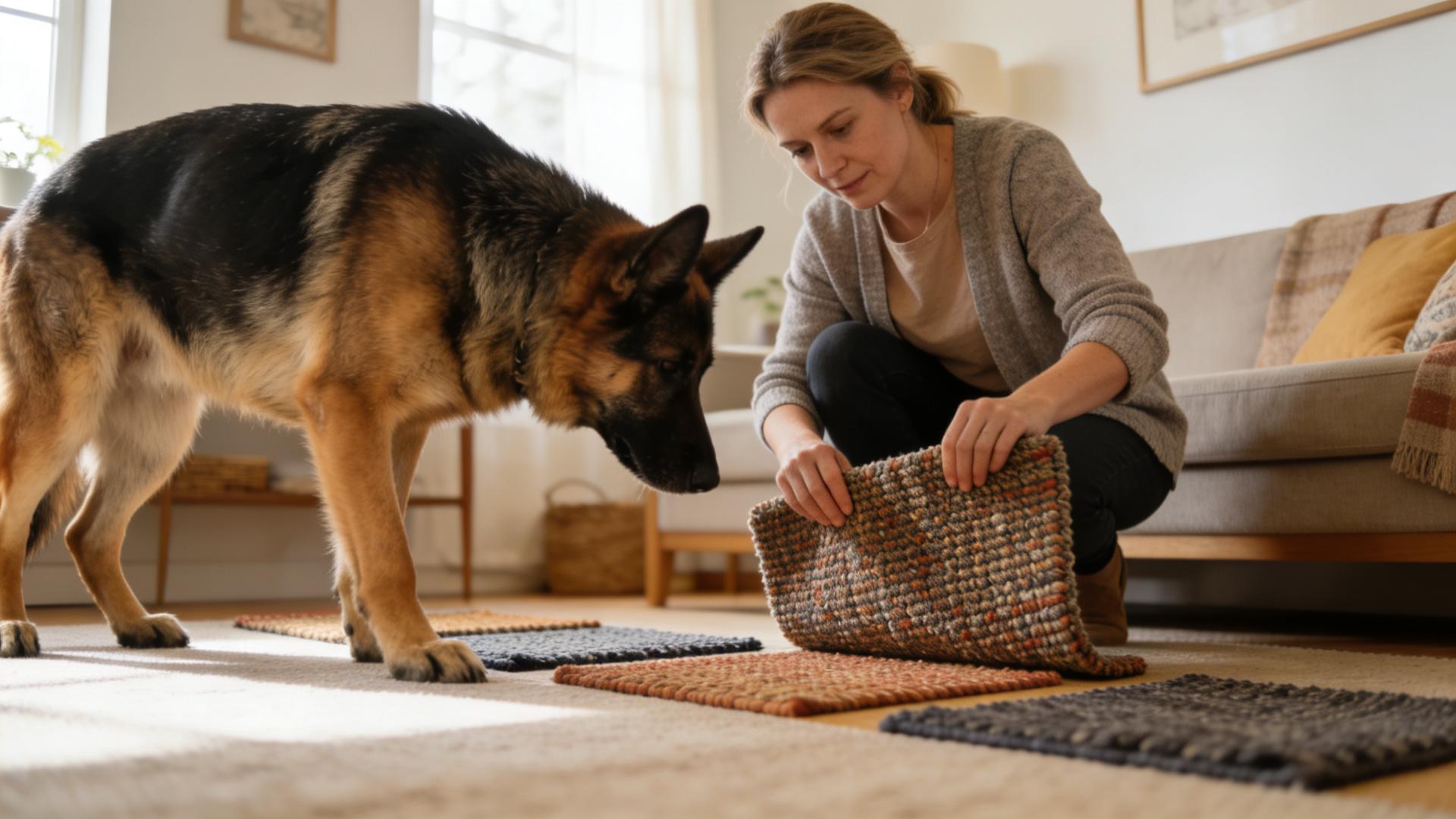
Engage Other Senses: Use textured rugs as markers for doorways. Scent markers (a drop of vanilla on furniture legs) can help with navigation.
Sound Guidance: Use verbal cues and clicker training to build confidence. Talk to your dog as they move around.
Safety-Proof: Cushion sharp table corners, secure loose wires, and always keep water bowls and pathways clear.
💡 Actionable Dog Eye Health Tips and Final Reminders
Mastering eye hygiene for dogs with vision challenges is an act of love. Keep these final, actionable tips in mind:
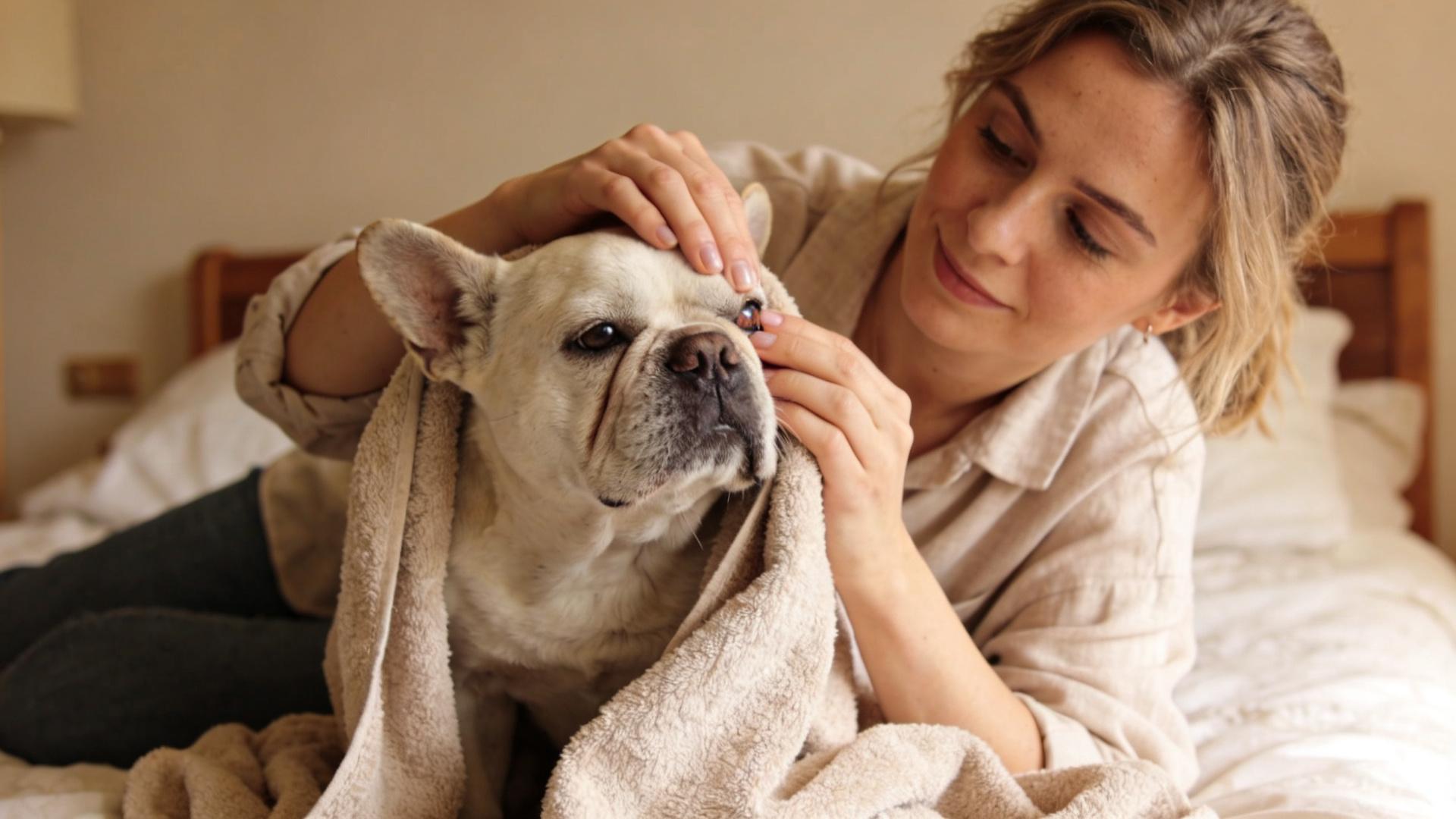
Handling During Care: If your dog is anxious, try applying care from behind or the side, gently supporting their chin. For small dogs, wrapping them in a towel (a "puppy burrito") can provide security.
Diet and Supplements: Discuss with your vet the role of antioxidants like Vitamin C, E, and lutein, which may support overall senior dog eye health.
The Ultimate Call to Action: This guide empowers you with knowledge, but it is not a substitute for professional veterinary advice.
Conclusion: A Clear Path Forward
Navigating your dog's journey with vision impairment in dogs can feel daunting, but you are not alone. By implementing a disciplined routine of dog eye care, you become their most powerful ally in reducing eye infection risk and safeguarding their remaining world view. Your vigilance and compassion directly contribute to their quality of life. Special Reminder: Schedule a check-up with your veterinarian to create a personalized eye care plan for your unique companion. If you found this guide helpful, please share it with other dog lovers who might be on a similar path. Together, we can ensure our sight-compromised pups live fully and comfortably.