Did you know that by the age of three, over 80% of dogs show signs of periodontal disease? 🦷 It’s the most common clinical condition occurring in adult dogs, yet it’s also one of the most preventable. The thought of adding another lengthy task to your daily routine can be daunting. But what if effective prevention wasn't a chore? This guide delivers on a powerful promise: building a healthy mouth for your dog with habits that take just 30 seconds a day. By investing half a minute now, you can save your dog from pain, protect their overall health, and avoid costly veterinary dental procedures down the line.
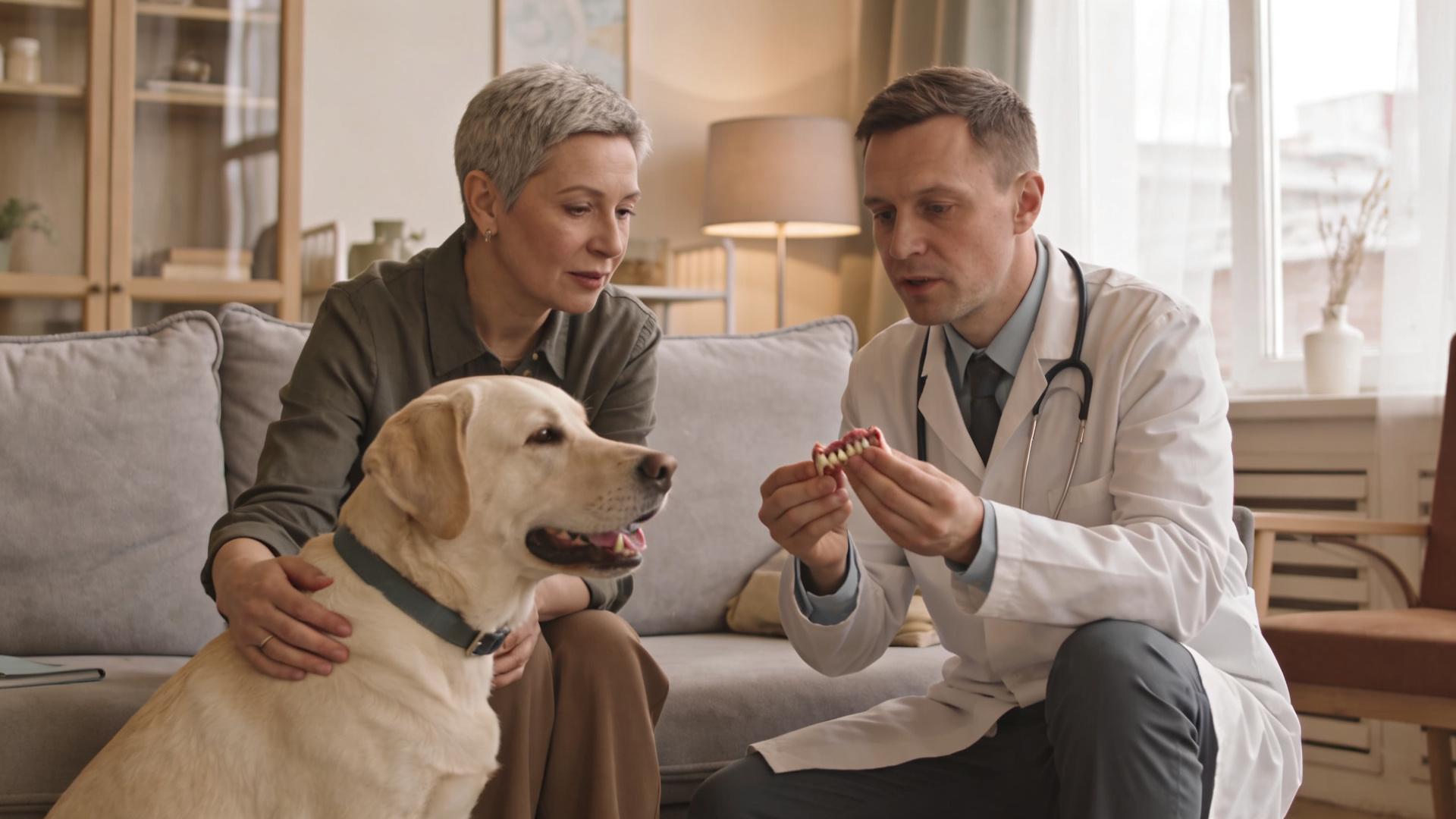
🦠 What is Canine Periodontal Disease?
Periodontal disease is a progressive inflammation and infection of the tissues surrounding the tooth—the gums (gingiva) and bone. It begins when bacteria in the mouth form a sticky film called plaque on the teeth. If not removed within about 24-48 hours, plaque hardens into tartar (calculus), which acts as a rough scaffold for more bacteria to accumulate.
This bacterial invasion triggers the body's immune response, leading to inflamed gums (gingivitis), which is the earliest and reversible stage. Left unchecked, the infection progresses beneath the gumline, destroying the supportive structures of the tooth, including bone. This stage, periodontitis, is irreversible and can lead to tooth loss, chronic pain, and abscesses.
The impact extends far beyond bad breath. The constant shower of bacteria from the infected mouth enters the bloodstream, a condition known as bacteremia. This can strain the immune system and has been linked to microscopic damage to major organs. Studies show a clear association between severe periodontal disease and an increased risk of heart disease (endocarditis), liver inflammation, and kidney dysfunction. Preventing oral disease is a direct investment in your dog's systemic health.
⏱️ The 30-Second Defense Strategy
The cornerstone of prevention is daily disruption of plaque before it mineralizes into tartar. The "30-second" concept is designed for realism and consistency—it’s not about a single perfect, lengthy cleaning session, but about brief, effective daily interventions that fit into even the busiest schedule. You don't need to do all these every day; rotating through them or combining a couple for 30 seconds total can create a robust defense. Think of it as a toolkit of micro-habits.
- Efficient Tooth Brushing Technique.
- Using Dental Wipes Effectively.
- Incorporating a VOHC-Approved Water Additive.
- Selecting the Right Dental Chew.
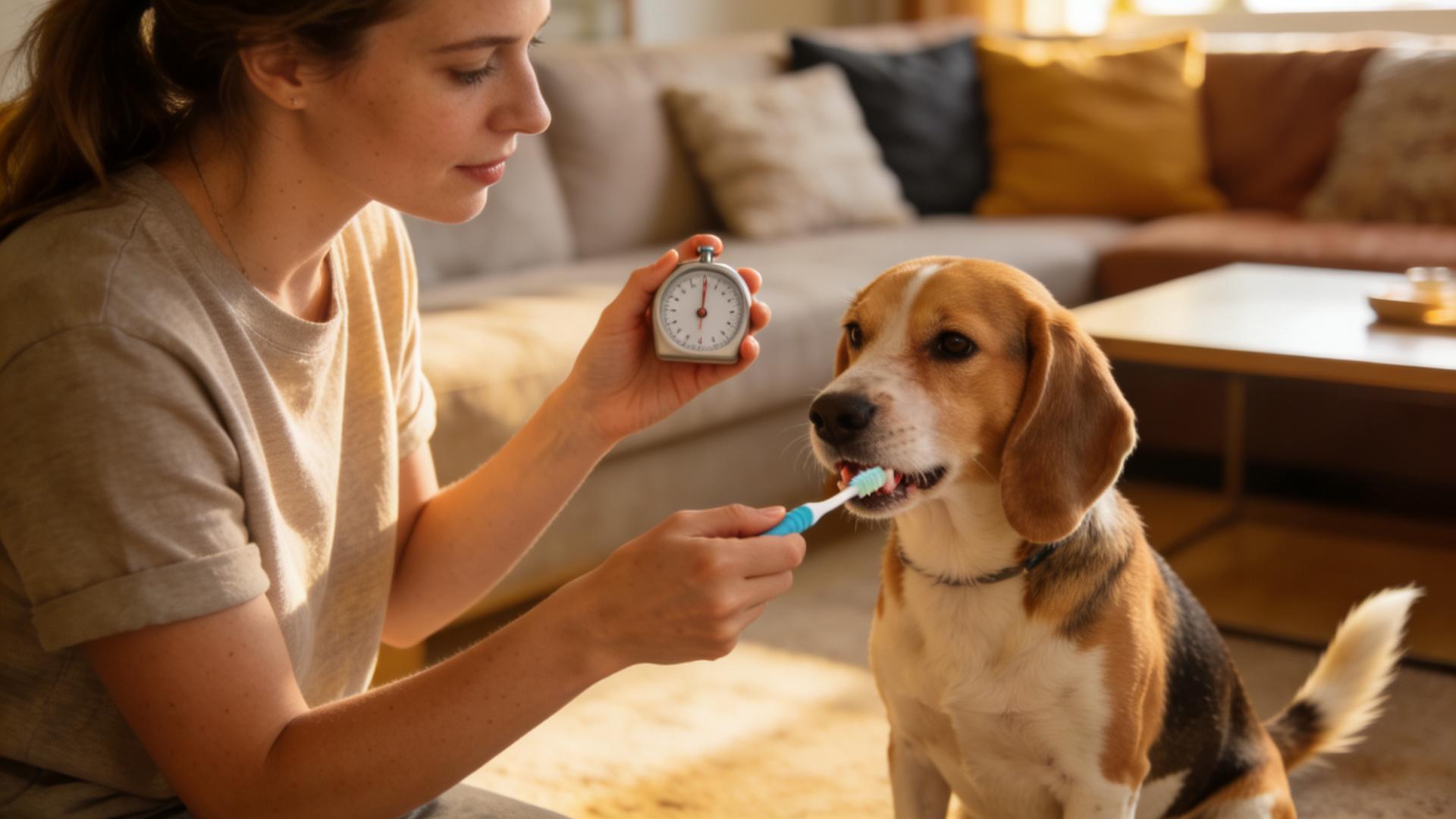
🪥 Habit One: The 30-Second Brush
Brushing is the gold standard, and it can be done efficiently. The goal is coverage, not perfection.
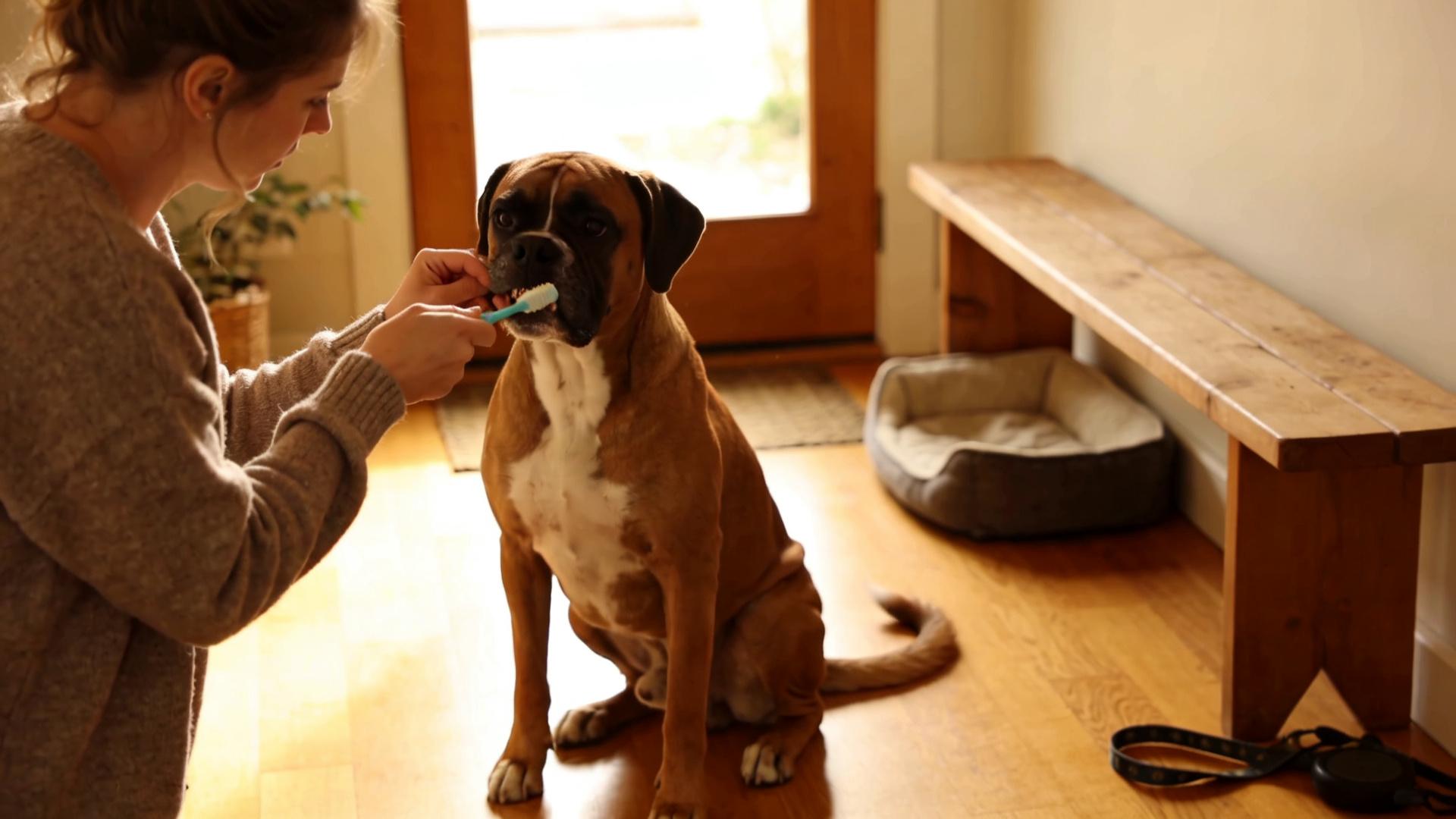
Instructions: Use a soft-bristled toothbrush or finger brush and dog-specific enzymatic toothpaste (never human toothpaste, as it contains xylitol and fluoride which are toxic to dogs). Lift your dog's lip to expose the teeth. Focus on the outside surfaces of the teeth, especially the upper molars and canines where plaque builds up fastest. Use a gentle circular motion. You don't need to scrub hard or get the inner surfaces meticulously. Aim for 20-30 seconds of brushing, praising your dog throughout. Consistency with this short, positive interaction is far better than an occasional 5-minute struggle.
🧻 Habit Two: The Quick Wipe-Down
For dogs resistant to a brush, dental wipes are an excellent alternative or starting point.
Instructions: Choose dental wipes impregnated with plaque-fighting ingredients like chlorhexidine or enzymes. Wrap the wipe around your finger, lift your dog's lip, and firmly wipe it along the outer gum line and tooth surfaces. The mechanical action of the wipe physically removes plaque biofilm. This can often be done even more quickly than brushing and is a great way to acclimate a dog to oral handling.
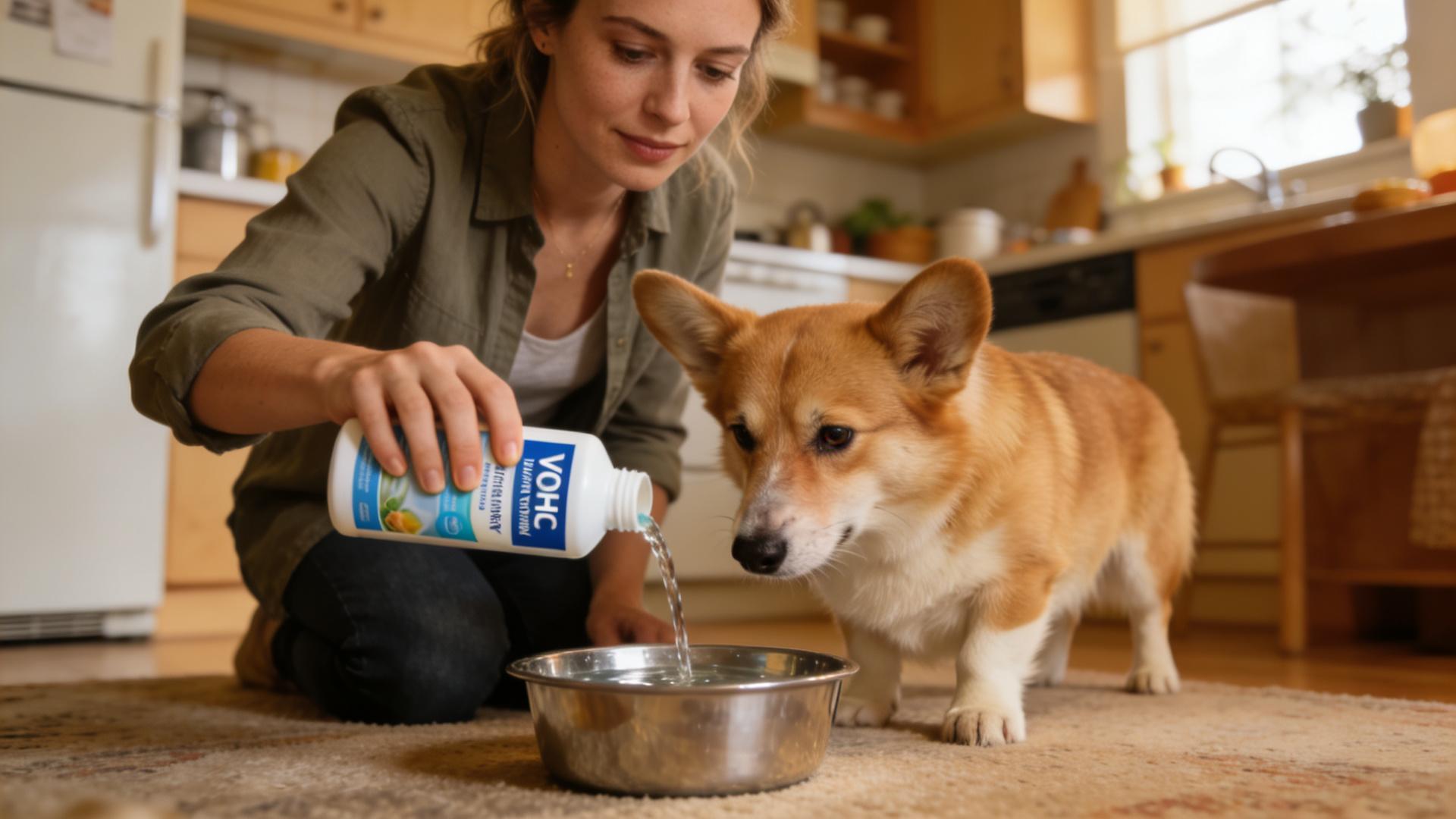
💧 Habit Three: The Effortless Additive
This habit literally takes zero seconds of active work from you once set up.
Instructions: Add a Veterinary Oral Health Council (VOHC) accepted water additive to your dog's fresh drinking water daily. These additives contain safe, non-foaming ingredients that help reduce plaque-forming bacteria in the mouth every time your dog takes a drink. It’s a seamless supplement to mechanical cleaning. Always follow dosing instructions on the label.
🥩 Habit Four: The Strategic Chew
Not all chews are created equal. The right chew can provide a beneficial 30-second to several-minute cleaning action.
Instructions: Select chews that carry the VOHC seal of acceptance for plaque and tartar control. Look for a texture that encourages gnawing and scraping, such as certain dental-specific rawhide alternatives, prescription dental diets, or chew toys. The key is supervision. Always monitor your dog with any chew to prevent choking or aggressive ingestion. A properly selected chew provides both mental enrichment and a mechanical cleaning boost.
🔧 Building Unbreakable Consistency
The biggest hurdle isn't knowledge; it's habit formation. Here’s how to make your 30-second routine stick.
Pair it with an existing routine: Do it right after you take your dog for their last pee before bed, or as you're preparing their breakfast. Habit stacking is powerful.
Keep supplies visible and accessible: Store the toothbrush, paste, and wipes on the bathroom counter or next to the dog treats—not buried in a cupboard.
Make it positive: End every session with praise and a small, non-dental treat. You want your dog to associate mouth handling with good things.
Start small and celebrate wins: If 30 seconds feels like too much, start with 5 seconds of brushing or just one wipe on a front tooth. The goal is to do something daily.
Special Reminder: The habits outlined here are preventive and supplemental. They are not a substitute for professional veterinary dental care, which may include assessment, scaling, and polishing under anesthesia. The American Veterinary Dental College (AVDC) recommends regular oral examinations by your veterinarian.
💚 A Lifetime of Healthy Smiles
Preventing periodontal disease in your dog doesn't require Herculean effort—it requires smart, consistent, 30-second investments. By integrating one or more of these micro-habits into your day, you are actively safeguarding your dog from a painful, silent disease and protecting their vital organs from systemic inflammation. The payoff is immense: fresher breath, a happier, pain-free companion, and potentially significant savings on future veterinary bills.