The dream of a home filled with the joyful chaos of multiple dogs is a beautiful one. The synchronized wagging tails, the cuddle puddles on the couch, the symphony of happy snores—it’s a canine lover’s paradise. Yet, the reality can sometimes include tension, jealousy, or even outright conflict. If you’ve ever felt like a full-time referee, you are not alone. Achieving harmony in multi-dog families is not about eliminating all disagreement; it's about cultivating a state of managed balance, mutual respect, and security. This comprehensive guide will walk you through the art and science of transforming your home from a potential battlefield into a sanctuary of peaceful coexistence. Your journey to a truly peaceful multi-dog home starts here.
🏡 Introduction: Understanding the Modern Pack Dynamic
Dogs are social animals, but the complex dynamics of a human-managed, multi-dog household are far from the natural wolf packs of lore. We mix breeds, ages, and personalities, expecting them to share space and resources under our rules. Dog pack dynamics in a home are less about dominance and more about resource security and communication. When harmony breaks down, it's often a signal that one or more dogs feel insecure about their access to life’s goodies—food, space, toys, or your attention. The core thesis is this: Harmony is built, not born. It is constructed through proactive management, a deep understanding of canine communication, and your calm, consistent leadership.
What Does Harmony Really Look Like?
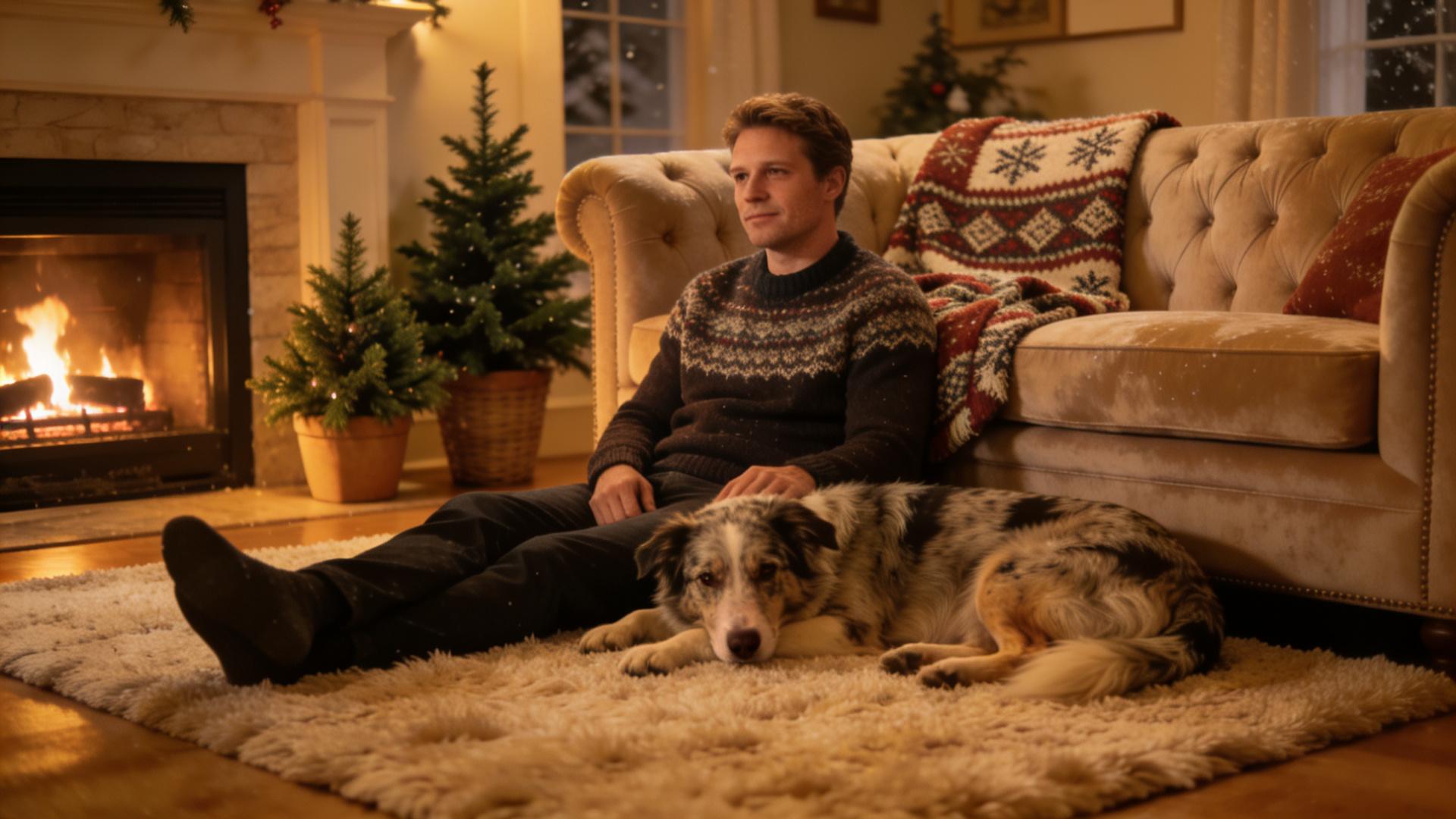
It’s not a silent home. It’s a home where dogs can relax in each other’s presence, resolve minor disputes with a look or a lip lick, and trust that their needs will be met. It’s the foundation for canine family harmony.
🧱 Pillar One: Laying the Unshakable Foundation for Peace
Before addressing specific behaviors, you must ensure your household’s basic infrastructure supports peace. This is the non-negotiable bedrock of managing multiple dogs successfully.
🐕 Meeting Individual Needs: The Cornerstone of Calm
A tired, stimulated, and healthy dog is a less reactive dog. Treat your dogs as individuals first, and pack members second.
- Exercise & Mental Stimulation: Walk dogs separately or in carefully managed pairs. A solo walk allows for focused training and meets individual energy needs without competition. Provide separate puzzle toys or chews.
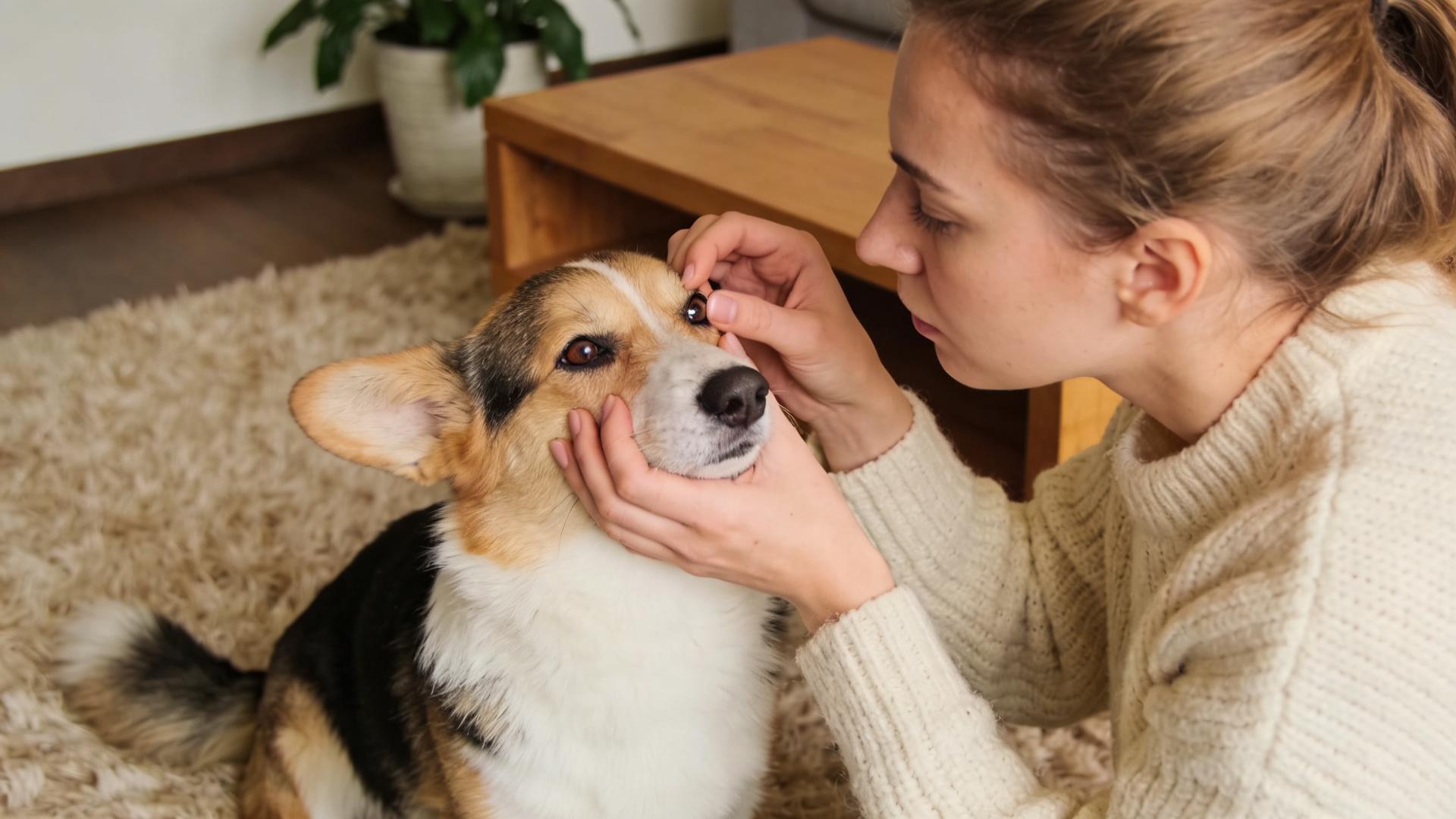
- Veterinary Care: Sudden aggression or tension can be pain-based. Regular check-ups are crucial for dog aggression prevention rooted in medical issues.
⚖️ Fairness Over Sameness: The Critical Distinction
Giving each dog the identical thing at the identical time often creates competition. Fairness means giving each dog what they need based on age, temperament, and health.
- The senior dog may need a softer bed and a shorter walk.
- The anxious dog may need more one-on-one quiet time.
- The puppy needs more frequent potty breaks and training sessions.
🧘 The Human as the Calm, Proactive Leader
Dogs crave leadership that is predictable and calm. Your emotional state sets the tone. Pack leadership is not about being alpha; it’s about controlling resources calmly and consistently, making decisions that keep everyone safe, and being the anchor in the storm. When you are anxious, your dogs will be too.
🏠 Pillar Two: Strategically Managing the Household Environment
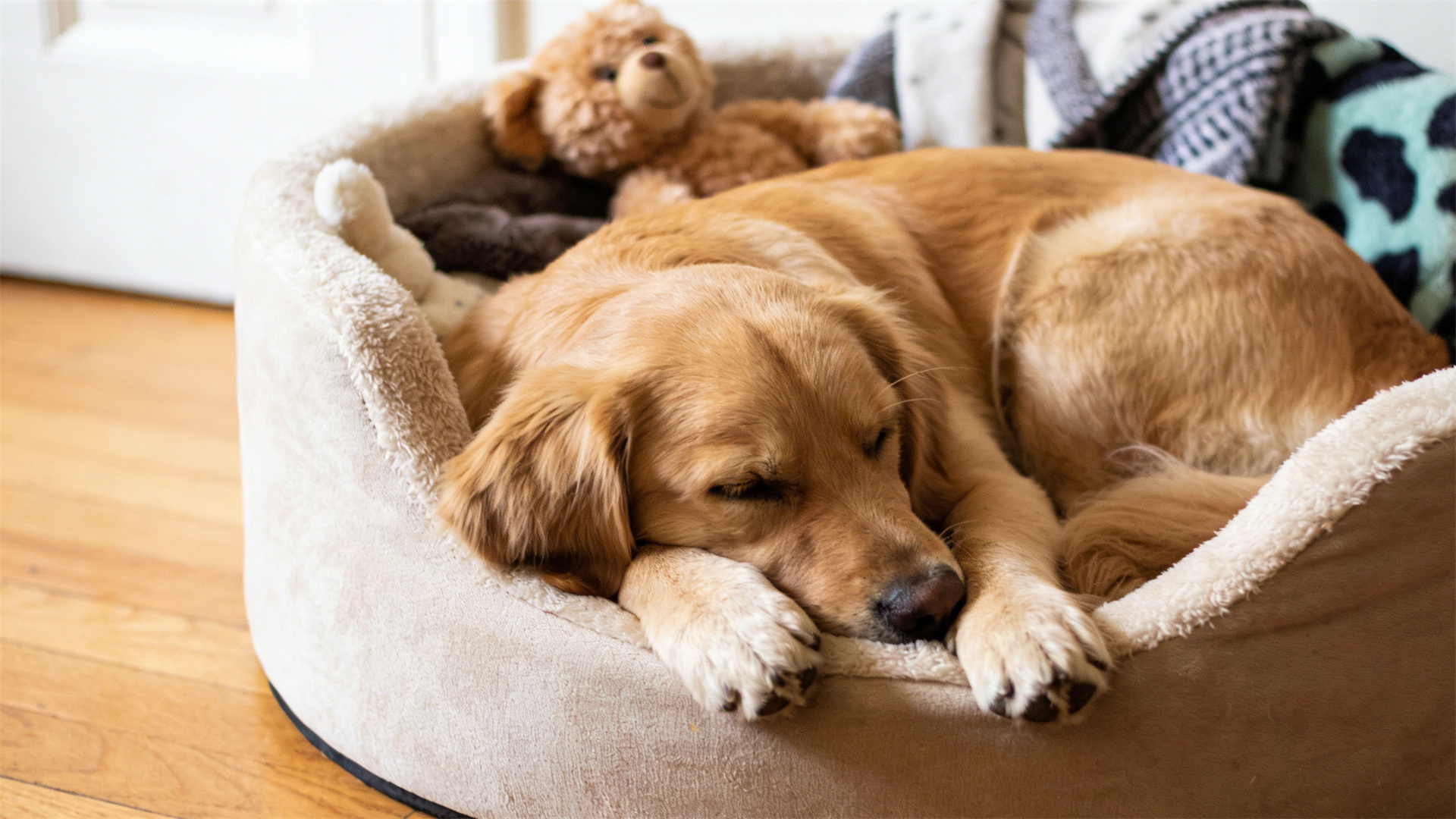
Your home’s setup can either provoke conflict or promote peace. Think like a environmental designer for canine harmony.
🦴 Masterful Resource Management
Most conflicts stem from canine resource guarding—of food, toys, beds, or people.
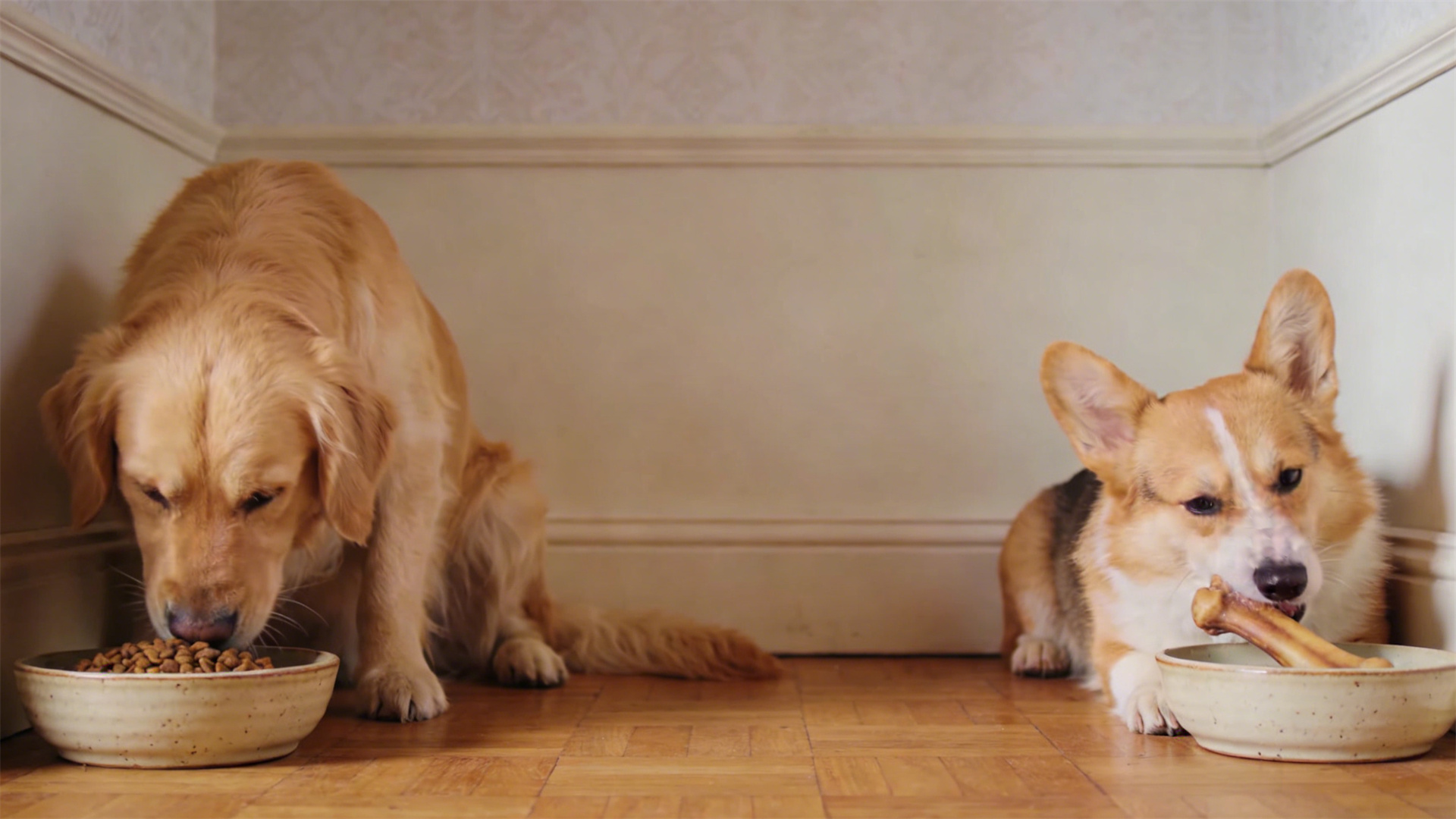
- Food: Always feed in separate, safe zones. Use crates, different rooms, or baby gates. This is non-negotiable for preventing dog fights.
- Toys & Chews: High-value items should be given in separate spaces or only during supervised, calm times. Pick them up afterwards.
- Human Attention: Be mindful of triggering jealousy. Greet the calmer dog first, or ask for a simple "sit" from both before doling out affection.
🚪 Creating Space and Sanctuary
Every dog needs a personal retreat where they are never bothered. This is vital for stress reduction.
- Provide separate crates or beds in different corners of a room, or even different rooms.
- Use baby gates to create temporary separate zones, not as punishment, but as a management tool to give dogs a break.
📅 The Power of Structured Routines
Predictability reduces anxiety. Knowing when meals, walks, and quiet time happen removes the uncertainty that fuels competition. A structured day is a secure day.
🗣️ Pillar Three: Becoming Fluent in Canine Communication
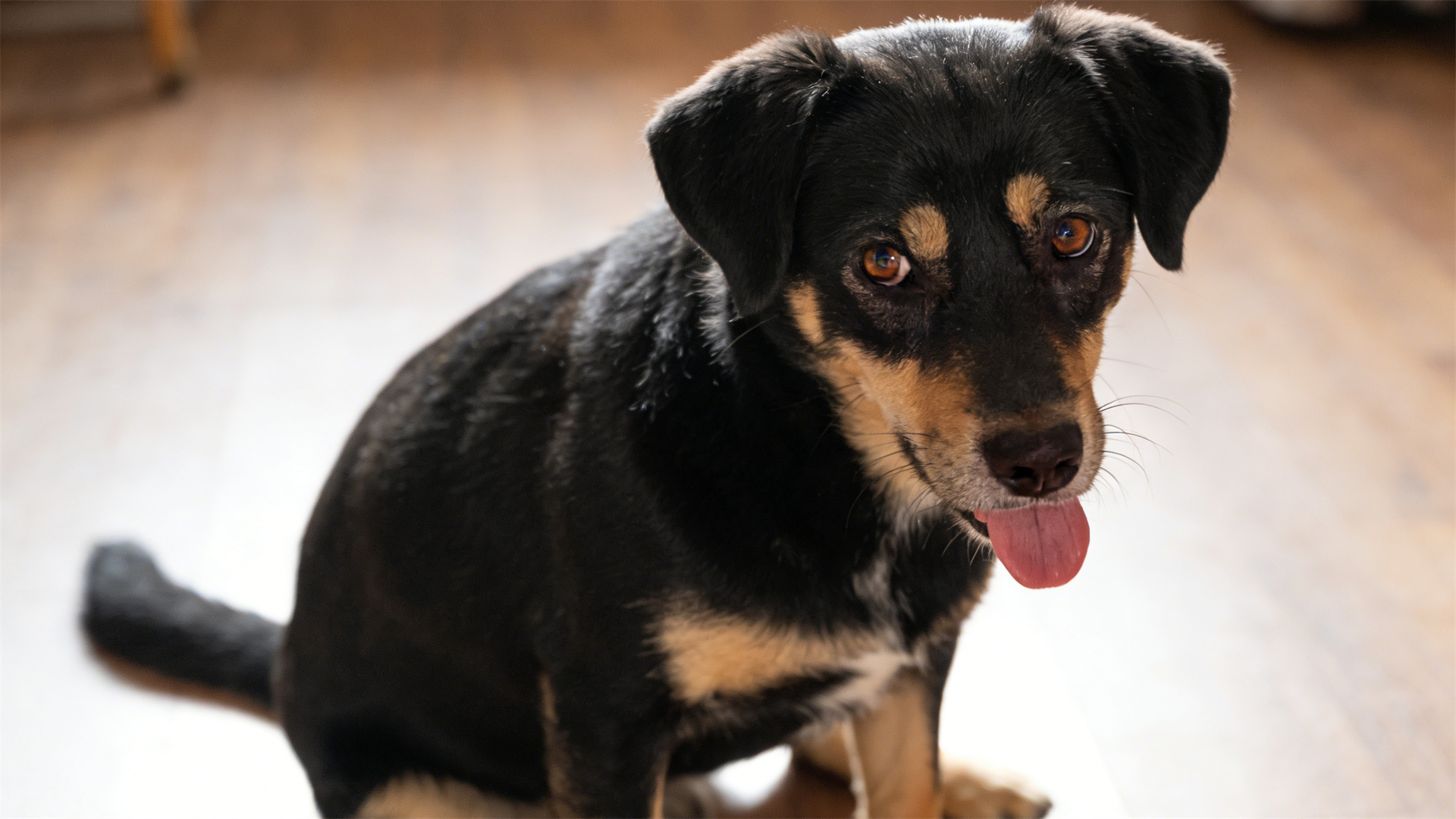
To prevent conflict, you must see the world through your dogs’ eyes and understand their subtle language. What are your dogs trying to tell you and each other?
😟 Reading Calming Signals and Stress Signs
These are the early warning signs that a dog is uncomfortable. Intervening at this stage prevents escalation.
- Lip licks, yawning, turning the head away: "I'm feeling stressed. Please give me space."
- "Whale eye" (showing the whites of the eyes): Anxiety or tension.
- A stiff, frozen body posture: A major red flag that conflict may be imminent.
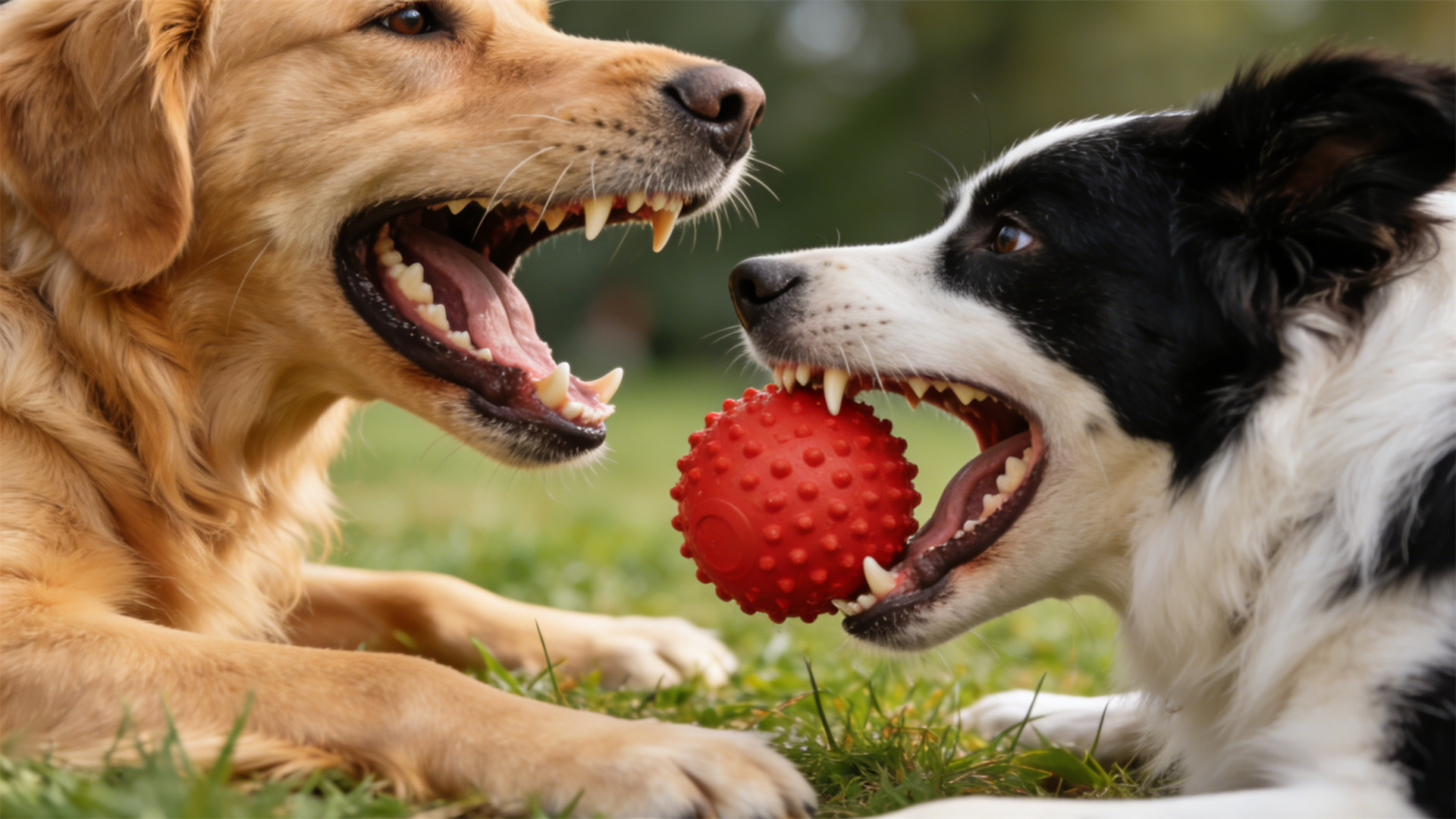
🎾 Differentiating Play from Rising Tension
Healthy play is loose, bouncy, and includes role reversals (who’s on top) and soft, open mouths. Play that is escalating shows:
- Bodies becoming stiff and focused.
- Vocalizations shifting to higher-pitched, repeated barks or growls.
- One dog consistently pinning the other without breaks.
🛡️ When and How to Intervene Safely
If you see stress signals or escalating play, interrupt calmly and immediately.
- Never reach into a scuffle or grab collars.
- Do: Use a cheerful, calm voice ("Hey, let's go!"), a hand target command, or create a sudden distraction (like a loud clap or tossing treats away from each other). Then, separate the dogs calmly with a barrier.
❤️ Pillar Four: Building Individual Bonds and Group Cohesion
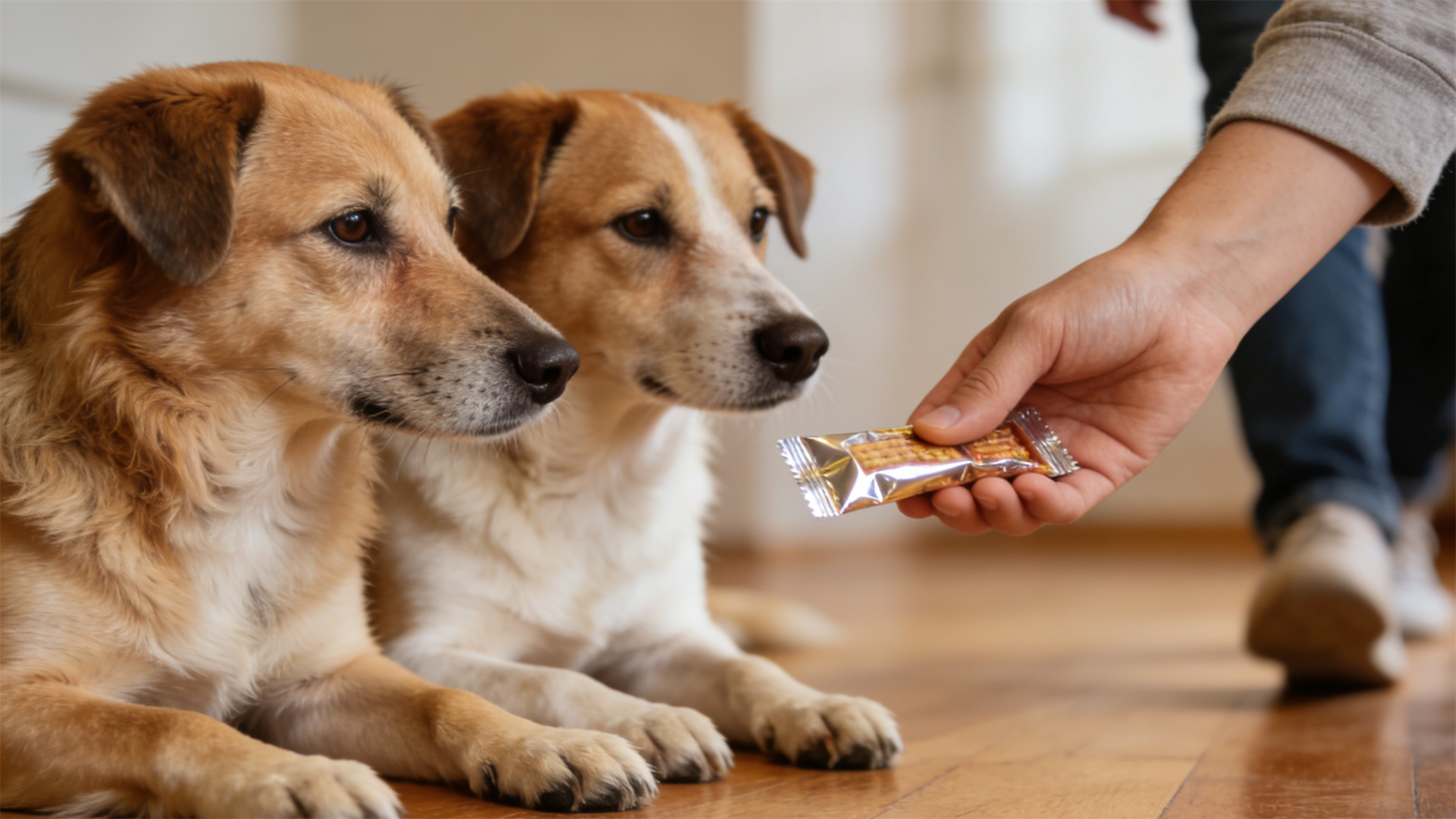
Positive reinforcement isn't just for obedience; it's for building relationships—between you and each dog, and between the dogs themselves.
⏳ The Non-Negotiable: Daily One-on-One Time
Spend at least 10-15 minutes alone with each dog every day. This could be a solo walk, a training session, or just cuddling on the floor. This satisfies their need for a unique connection with you, drastically reducing jealousy and multi-dog behavior problems.
🤝 Group Training for Teamwork
Practice simple behaviors like "sit" or "go to your bed/mat" as a group. Reward them for cooperating and being calm next to each other. This builds a sense of working together under your guidance, a key to establishing pack harmony.
🎉 Celebrating Calmness
The most powerful behavior you can reinforce is quiet coexistence. When your dogs are lying calmly in the same room, casually walk over and drop a treat between them. You are telling them, "This peaceful behavior is what earns the good stuff."
⚠️ Pillar Five: Addressing and Resolving Conflict
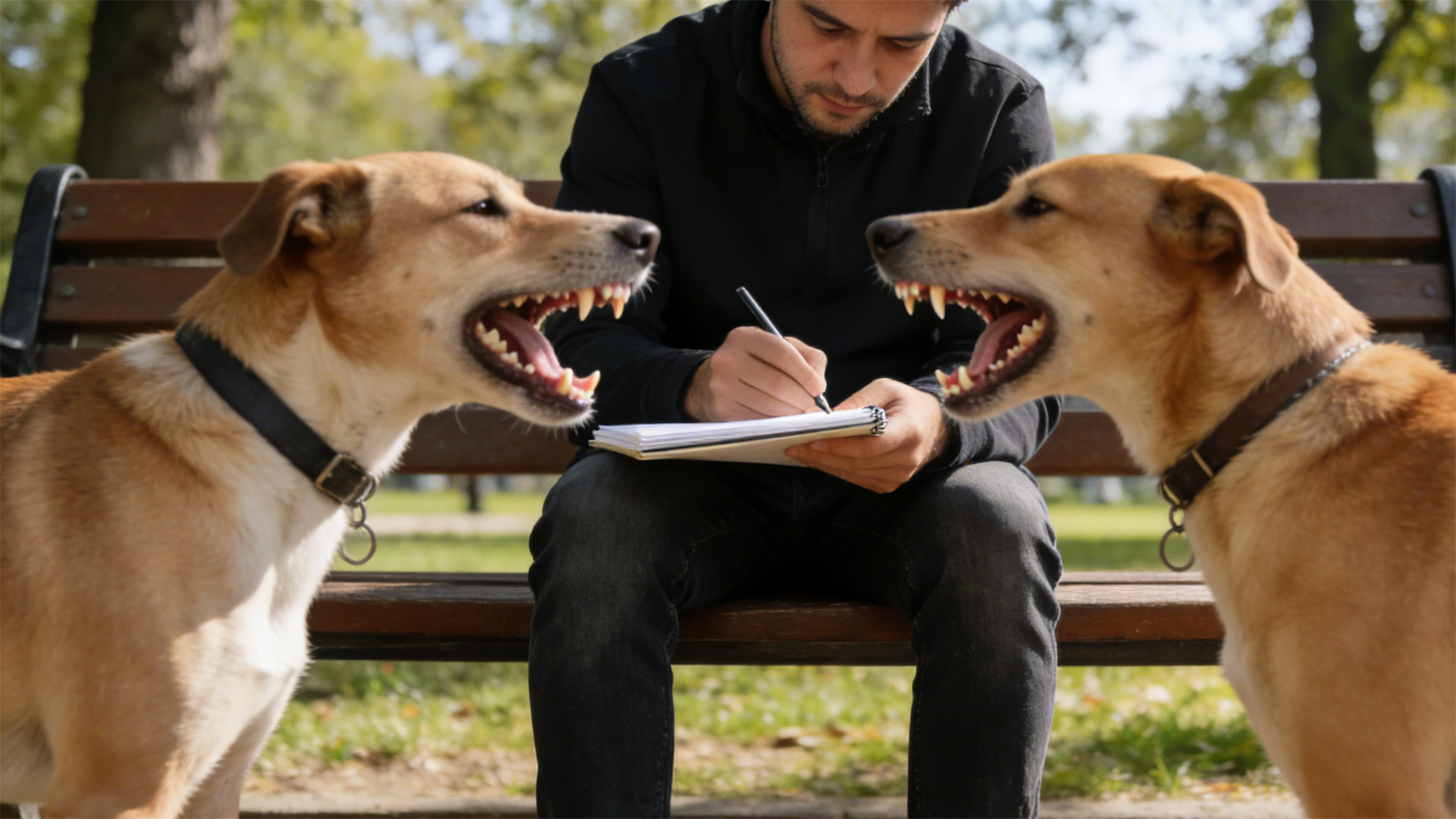
Even with the best prevention, conflicts can occur. Here’s your action plan for troubleshooting and dog conflict resolution.
🔒 Safe Separation Protocols: If a Fight Breaks Out
Your priority is safety. Do not scream or panic.
- Create a loud distraction if possible (slamming a door, shaking a can of coins).
- If safe, use a barrier like a large board, blanket, or baby gate to separate them.
- Special Reminder: Never use your body to separate fighting dogs.
- Once separated, give both dogs a long, complete cool-down period in separate rooms.
- Later, assess the triggers and environment to prevent a recurrence.
🧠 When to Seek Professional Help
You are not a failure for needing help. Red flags that require a certified professional (like a veterinary behaviorist or a Certified Applied Animal Behaviorist) include:
- Fights resulting in punctures or severe injuries.
- Constant, pervasive tension where dogs cannot relax around each other.
- Fear-based aggression that is escalating.
- Issues related to introducing a new dog that do not improve with slow, proper protocols.
✨ Conclusion: The Rewarding Journey to Harmony
Building a peaceful multi-dog home is a journey of patience, observation, and consistent action. It requires you to be part behaviorist, part referee, and all-heart. Remember the core principles: meet individual needs, manage resources, become a student of dog language, build individual bonds, and always lead with calmness.
Your Actionable First Steps Today:
- Start a Trigger Log: Note what, when, and where tensions arise. Patterns will emerge.
- Implement Separate Feeding: If you don’t already, start tonight.
- Schedule Solo Time: Block 10 minutes in your calendar tomorrow for each dog, alone.
Reflect on your dogs’ unique personalities. What does each one need to feel truly secure? By providing that security through structure, understanding, and love, you are not just managing multiple dogs—you are curating a family. The symphony of contented sighs, the sight of intertwined paws during nap time, the united front at the window against the menace of the mailman… this harmonious life is not just possible; with this roadmap, it is within your reach.