As the summer sun beats down, a hidden and often underestimated danger lurks beneath our feet: scorching asphalt. For our canine companions, a simple walk can turn painful in minutes. As a seasoned content creator in the canine space, I cannot emphasize this enough: protecting your dog's paws from hot pavement is a non-negotiable aspect of summer pet care. This article delves deep into the science of the threat, scrutinizes one popular solution—anti-scalding spray—and arms you with a comprehensive, actionable strategy to keep your dog's paws safe all season long.
🔥 The Hidden Furnace: The Science of Asphalt Heat
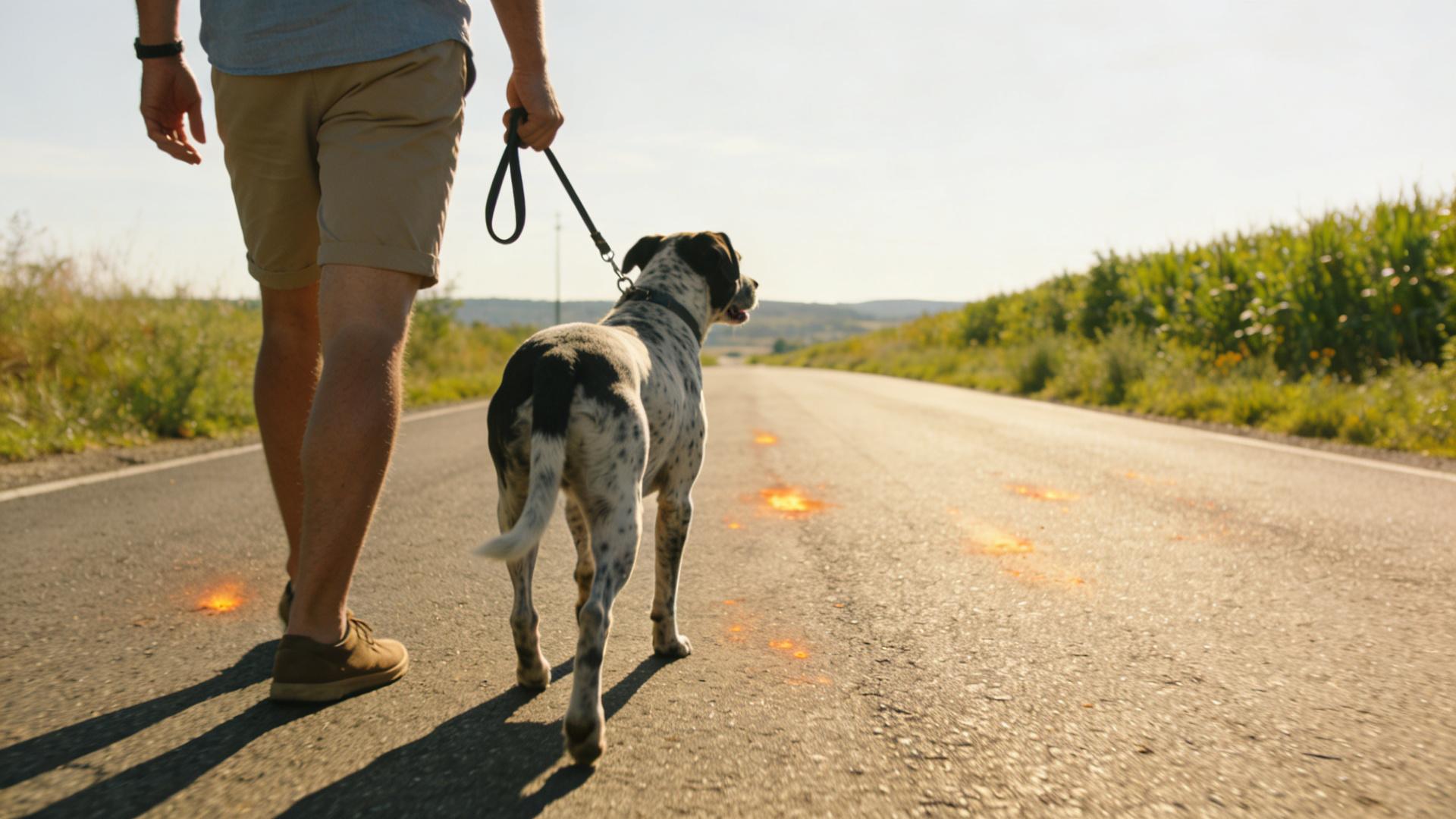
Many owners mistakenly gauge the ground temperature by the air temperature. This is a critical error. Asphalt and concrete are excellent at absorbing and radiating solar heat. On a seemingly mild 85°F (29°C) day, asphalt can skyrocket to a staggering 140°F (60°C) or higher. At that temperature, a painful burn can occur in as little as 60 seconds.
Dog paw pads, while tougher than human skin, are not armor. They are sensitive tissue. Prolonged contact with extreme heat causes damage akin to a human walking barefoot on hot coals: first-degree burns (redness, tenderness) can quickly progress to second-degree burns (blisters, swelling) and even third-degree burns (severe tissue damage). Recognizing this invisible hazard is the absolute first step in prevention.
🚨 A Quick Reference: Asphalt vs. Air Temperature
Air Temperature: 77°F (25°C)
Asphalt Temperature: ~125°F (52°C)
Air Temperature: 86°F (30°C)
Asphalt Temperature: ~135°F (57°C)
Air Temperature: 95°F (35°C)
Asphalt Temperature: ~145°F (63°C)
❄️ What Exactly Is Anti-Scalding Spray?
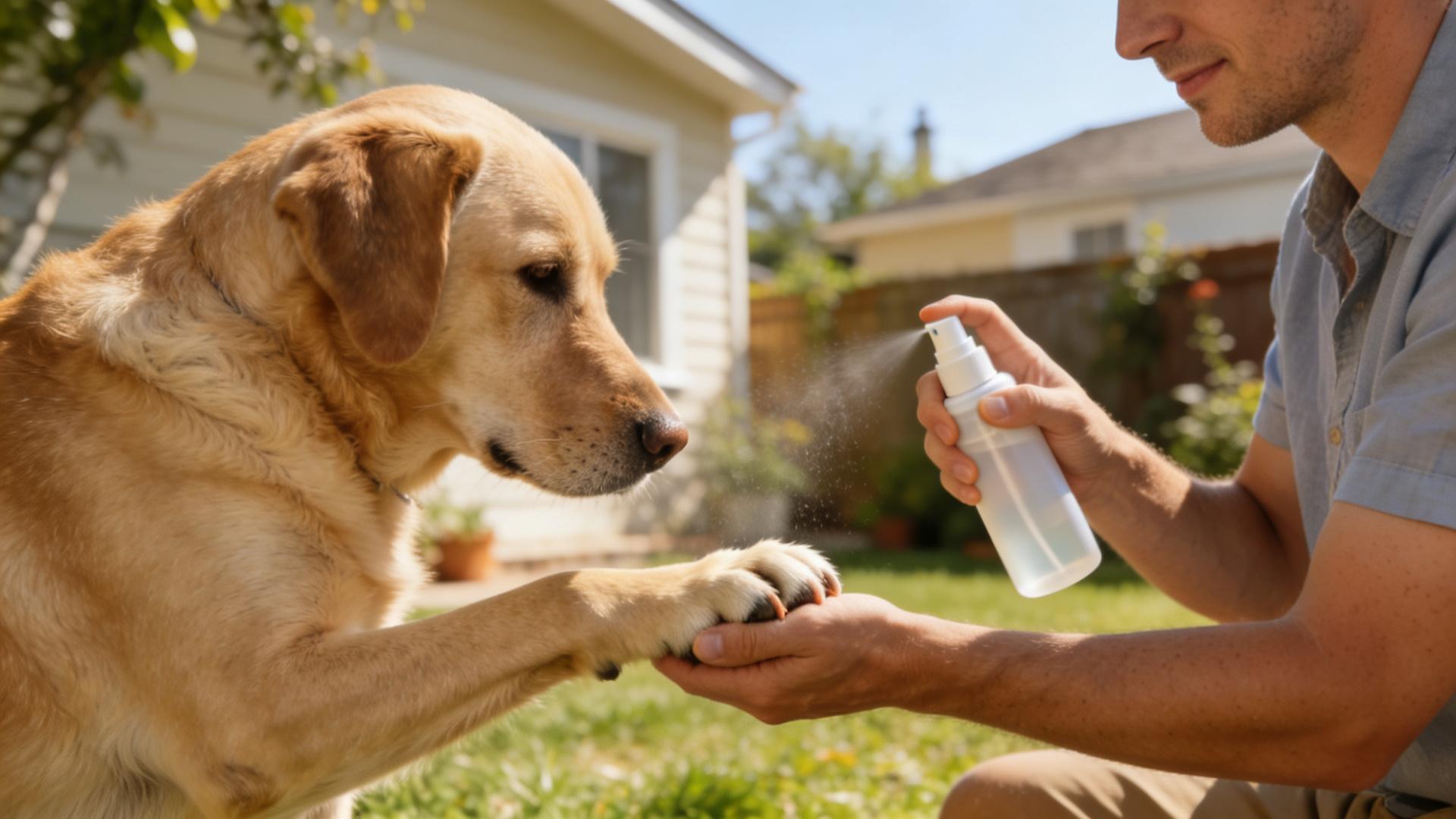
Amid growing awareness, the pet product market has responded with solutions like anti-scalding spray for dog paw pads. This is a topical product, usually in a spray or mist format, designed specifically for application to a dog's foot pads before venturing onto potentially hot surfaces.
Its purported dual-action formula typically aims to:
- Create a Temporary Protective Film: This thin, often wax or polymer-based layer aims to act as a barrier between the sensitive pad and the hot ground.
- Provide a Cooling Sensation: Many sprays include ingredients like aloe vera, menthol, or other cooling agents designed to offer immediate, soothing relief.
In essence, it's marketed as a convenient "invisible bootie" – a quick spritz for instant protection. But does it live up to the hype?
🔬 The Burning Question: Evaluating Effectiveness of Anti-Scalding Spray
The short, honest answer is: it's not a magic shield. Its effectiveness is situational and conditional. Let's break down the reality.
✅ Potential Benefits & How It *Can* Help
A high-quality anti-scalding spray, applied correctly, can offer some value:
- Moderate Short-Term Barrier: For very brief contact with warm (not scorching) surfaces, like crossing a short stretch of pavement to get to a grassy park, it may provide enough insulation to prevent discomfort.
- Soothing and Moisturizing: The ancillary ingredients can help soothe pads that are dry or mildly irritated from summer heat, functioning similarly to a paw balm.
- Psychological Comfort for Owners: It serves as a tangible reminder to be mindful of ground heat, promoting a more cautious approach.
❌ Key Limitations & The Crucial "Fine Print"
This is where dog owners need to manage expectations critically:
- Not for Prolonged Exposure: The protective film is thin and will wear off quickly with walking, especially on abrasive surfaces like asphalt. It is not designed for a 30-minute midday walk.
- No Immunity to Extreme Heat: On asphalt exceeding 140°F, no spray can provide adequate protection. The thermal transfer is simply too great.
- Application is Key: Effectiveness plummets if not applied evenly to all pads and allowed to dry properly. A hurried spritz is largely ineffective.
- Variable Formulations: Not all sprays are created equal. Look for reputable brands with transparent ingredient lists and realistic marketing claims.
Special Reminder: Anti-scalding spray is a supplementary aid, not a primary prevention method. Relying on it alone is a gamble with your dog's health and comfort.
🛡️ Superior Prevention Strategies: Your First Line of Defense
The most effective strategy is avoidance and physical protection. Here is your actionable summer safety protocol:
🌅 1. Time Your Walks Strategically
Walk during the coolest parts of the day: early morning or late evening. If you must go out during the day, seek out shaded paths, grass, or dirt trails exclusively.
✋ 2. The Infalible 7-Second Touch Test
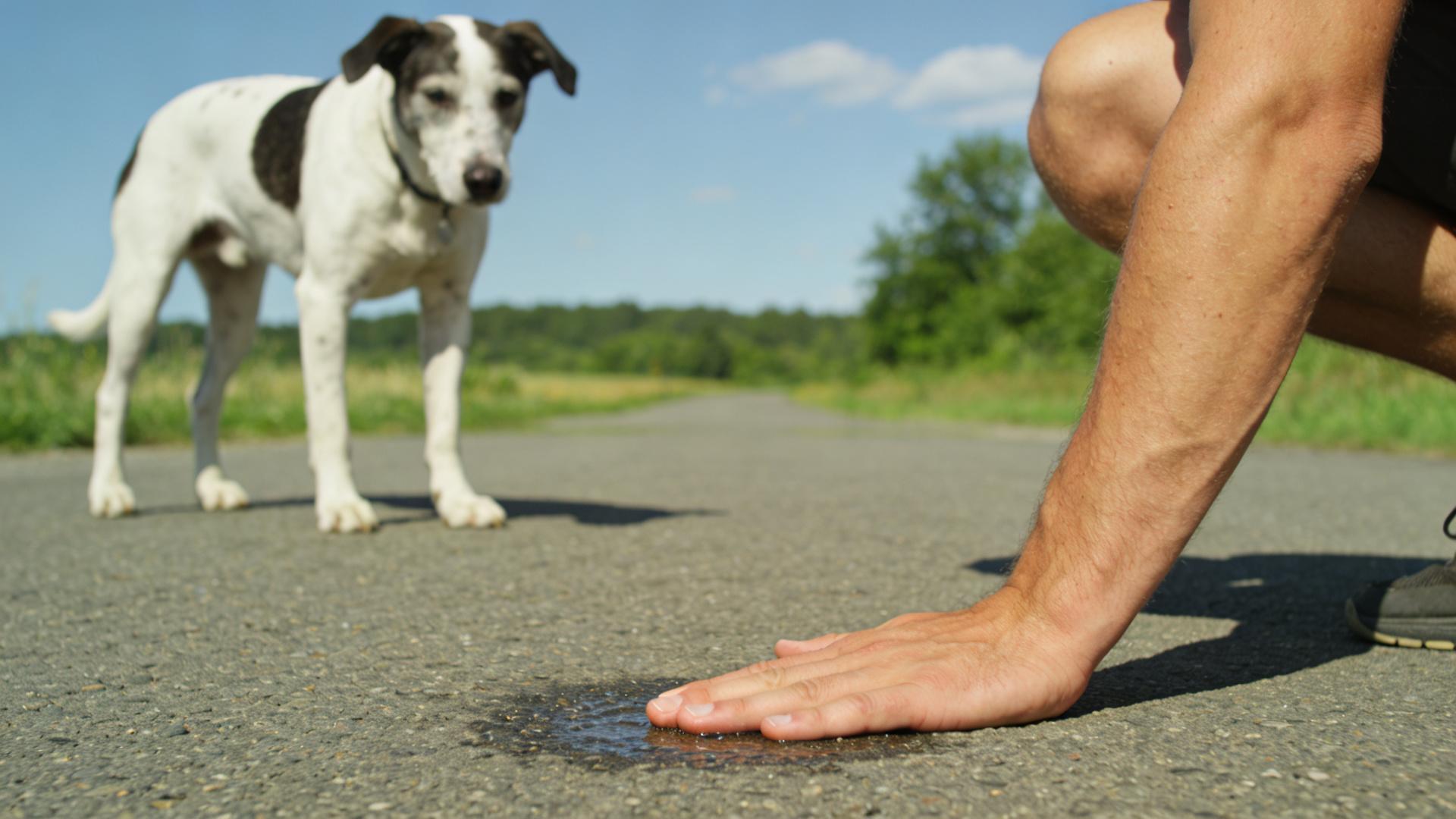
This is the golden rule. Place the back of your hand firmly on the asphalt for a full seven seconds. If you cannot hold it there comfortably, it is absolutely too hot for your dog's paws. This test accounts for both temperature and heat retention.
👢 3. Invest in Quality Dog Boots
For situations where hot surfaces are unavoidable (city living, emergency walks, hiking on hot rocks), fitted dog booties are the most reliable solution. Look for breathable, flexible soles designed for hot weather. Proper fit is crucial to prevent chafing.

🩹 4. Maintain Paw Pad Health
Healthy, supple pads are more resilient. Regularly use a paw pad moisturizer or balm (like ones containing natural waxes and butters) to prevent cracking. Trim interpad hair to allow better heat dissipation.
🚑 Paw Care After Suspected Exposure
Vigilance is key. After any summer walk, inspect your dog's paws. Look for:
- Limping or reluctance to walk
- Excessive licking or chewing at the paws
- Redness, discoloration, or blistering
- Parts of the pad lifting or peeling
If you suspect a burn:
- Immediately cool the paws with gently running cool water (not ice cold) for several minutes.
- Pat dry gently. Do not pop any blisters.
- Prevent your dog from licking the area.
- Consult your veterinarian immediately for proper assessment and treatment. Burns can become infected and are very painful.

🎯 Final Verdict: A Tool, Not a Solution

So, is anti-scalding spray for dog paw pads effective? It can be a useful tool in your summer safety kit for very short-term, low-risk scenarios and for providing supplementary moisture. However, it is not fully effective against prolonged or extreme heat.
Your action plan should be hierarchical:
- PRIORITIZE AVOIDANCE: Use the 7-second test and walk during cool hours.
- USE PHYSICAL BARRIERS: Invest in well-fitted dog booties for unavoidable hot surfaces.
- SUPPLEMENT WITH CARE: Use anti-scalding spray or paw balm as a secondary measure for pad health and minor thermal buffering.
Your dog's trust and comfort are in your hands. By understanding the severe risk of summer asphalt road burns, critically evaluating products like sprays, and implementing a robust prevention strategy, you can ensure every walk is a safe and happy one. Stay cool, stay vigilant, and protect those precious paws. Your furry friend is counting on you. 🐾