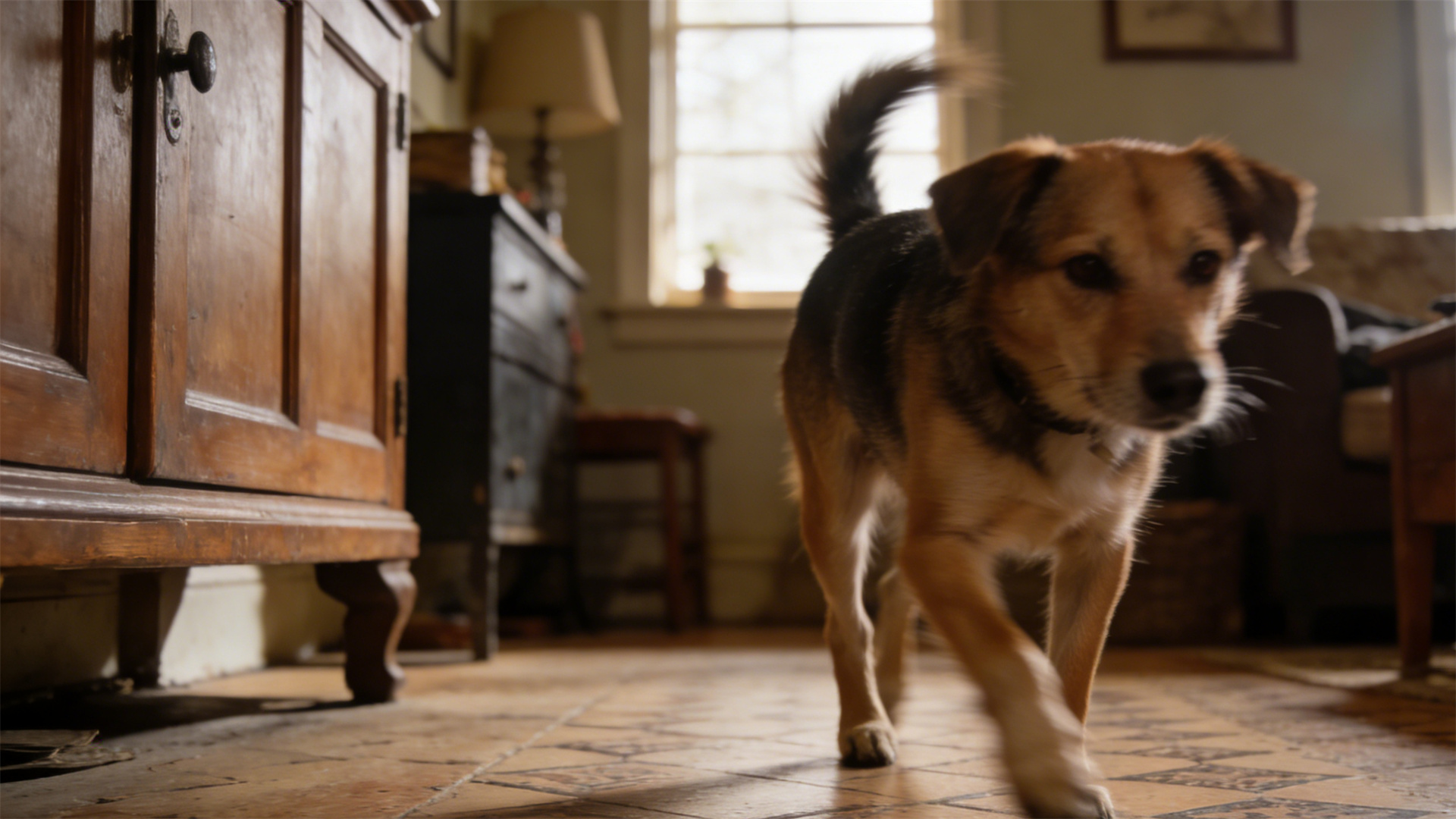
Imagine this: Boxes are everywhere, strange people are bustling in and out, and the familiar scents of home are slowly being replaced by the smell of tape and cardboard. In the corner, your usually cheerful dog is panting heavily, hiding under the table, or following you from room to room with worried eyes. This scene is all too common for families during a move. Relocation is a major life event for humans, but for our dogs, it can be a profoundly confusing and stressful experience. Their entire world—the sights, sounds, and smells they depend on for security—is being dismantled. This article is your comprehensive, step-by-step guide to using desensitization to transform this stressful ordeal into a manageable transition, ensuring your furry family member feels safe and secure every step of the way.
🐕 What is Desensitization in Dog Training?
At its core, desensitization is a gentle, systematic training process that reduces a dog's fearful or anxious reaction to a specific trigger. It involves exposing the dog to the trigger at such a low intensity that it doesn't provoke fear, and then gradually increasing the intensity as the dog remains comfortable. Paired with positive reinforcement (like treats, praise, or play), it teaches the dog that the once-scary thing predicts good outcomes. In the context of dog desensitization during relocation, we apply this principle to all the novel and unsettling stimuli associated with moving: boxes, packing tape, suitcases, car rides, and the new home itself. It’s not about forcing adaptation but about building confidence through predictable, positive experiences.
😟 How Relocation Affects Your Dog: Understanding Canine Stress
Dogs are creatures of habit and territory. Their sense of stability is tied to routine and environment. A move disrupts both abruptly. Common signs of canine relocation anxiety include:
- Behavioral Changes: Excessive barking, whining, or howling; clinginess or, conversely, hiding; loss of appetite.
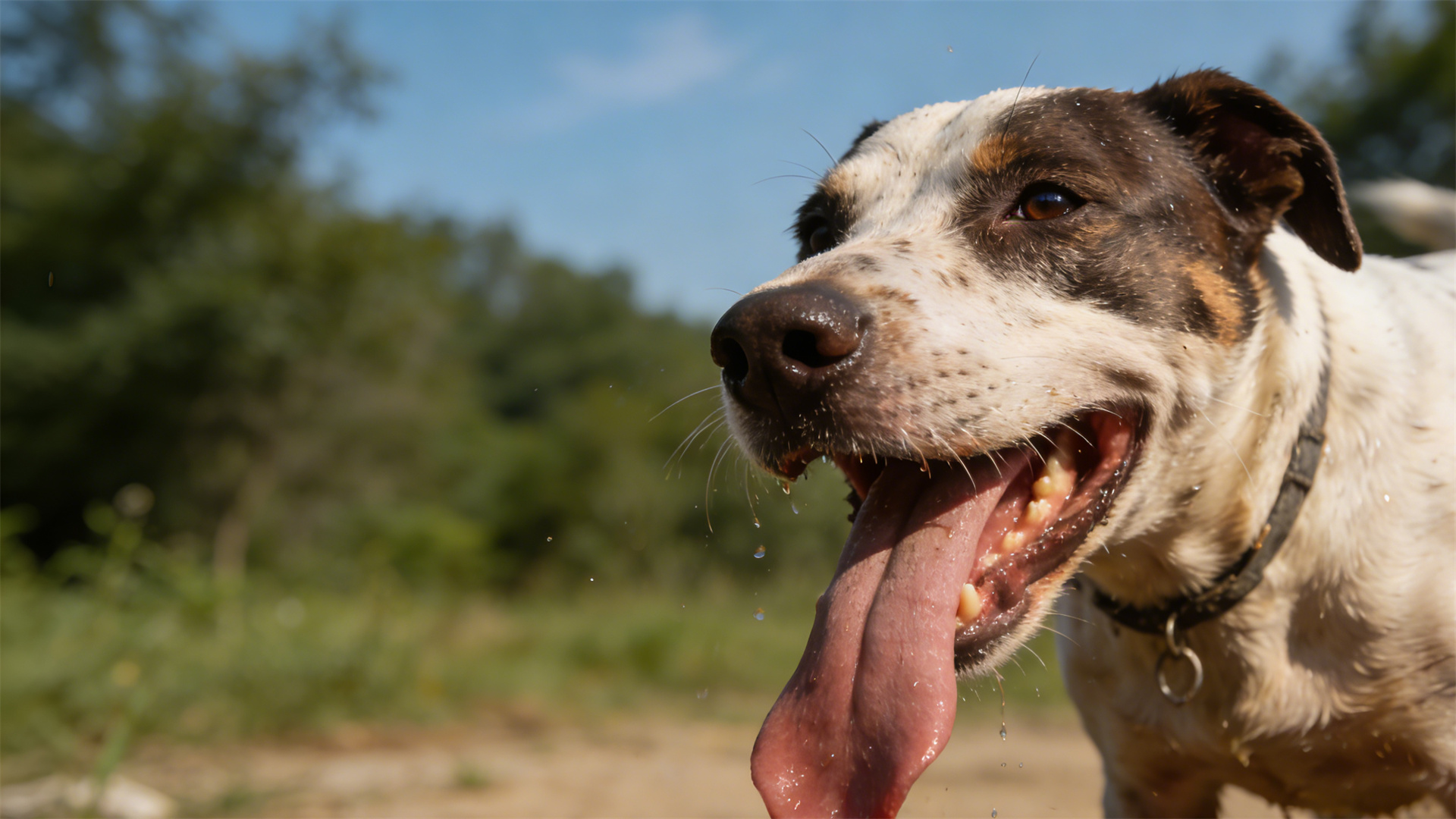
- Physical Symptoms: Pacing, drooling, panting, trembling, dilated pupils.
- Regression in Training: House soiling, destructive chewing (on boxes or furniture), or leash pulling.
Understanding that this is a normal response is the first step in helping them. Their world is changing, and they look to you for cues on how to feel. Proactive desensitization training for moving dogs is the key to providing those cues of safety and calm.
📦 Pre-Move Desensitization Exercises: Laying the Groundwork
Start these exercises weeks, if not months, before moving day. The goal is to make the unfamiliar familiar.
📦 Introducing Moving Supplies
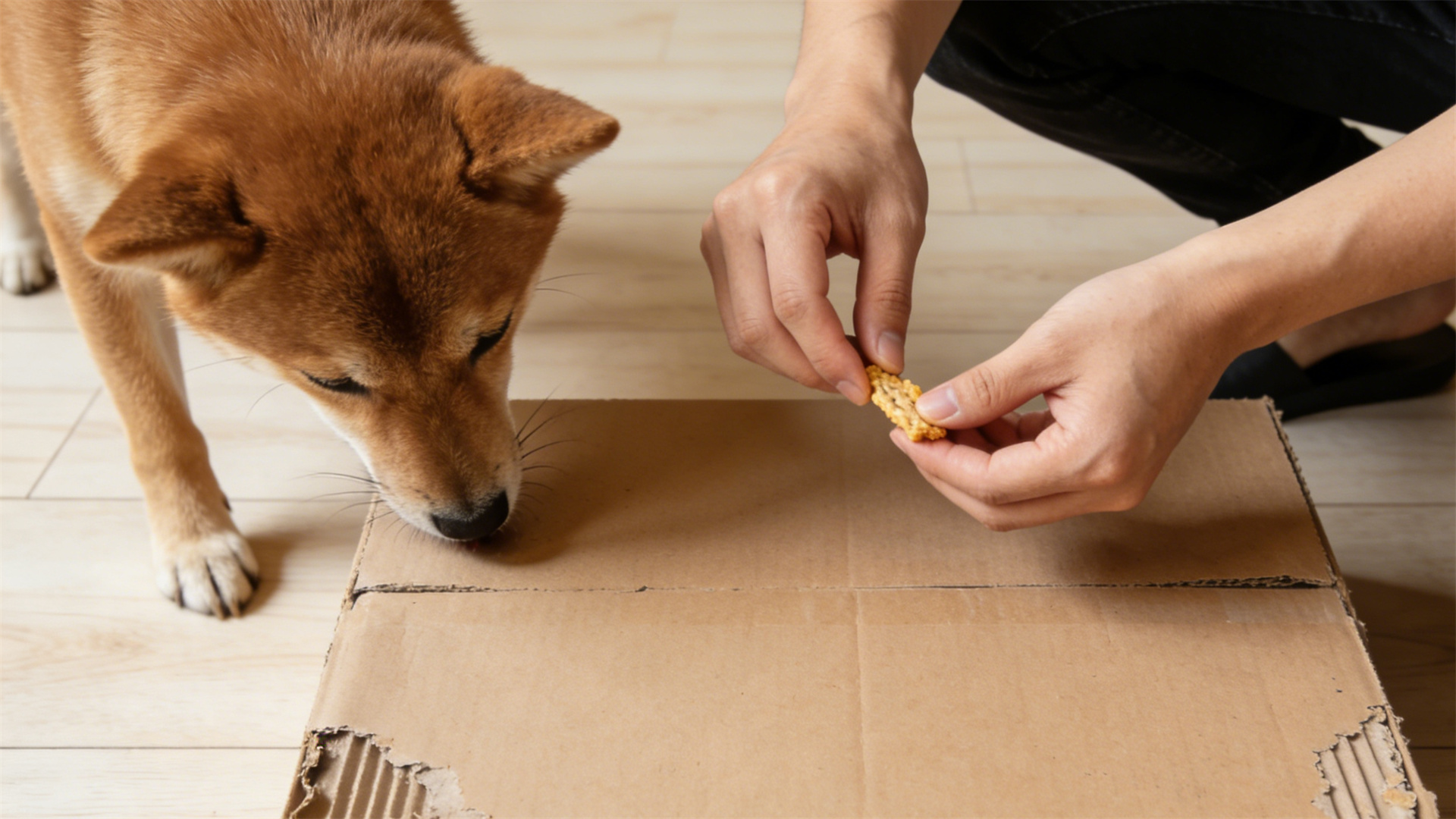
Leave empty boxes, packing tape rolls, and bubble wrap around the house for your dog to investigate. Scatter treats on and around these items. Let them sniff and explore without pressure. This turns scary objects into potential treasure troves.
🎭 Simulating Packing Activities
Begin packing non-essential rooms early. While packing, maintain a calm demeanor. Periodically, call your dog over for a quick play session or a treat break in the midst of the activity. This breaks the association between packing and your absence or stress.
🚗 Short Trips and Crate Training
If your move involves a car journey, begin calm dog during move techniques now. Take short, positive drives that end in a fun destination like a park. Simultaneously, ensure your dog is comfortable in a travel crate or harness. Feed meals in the crate, and create a cozy den with familiar blankets.
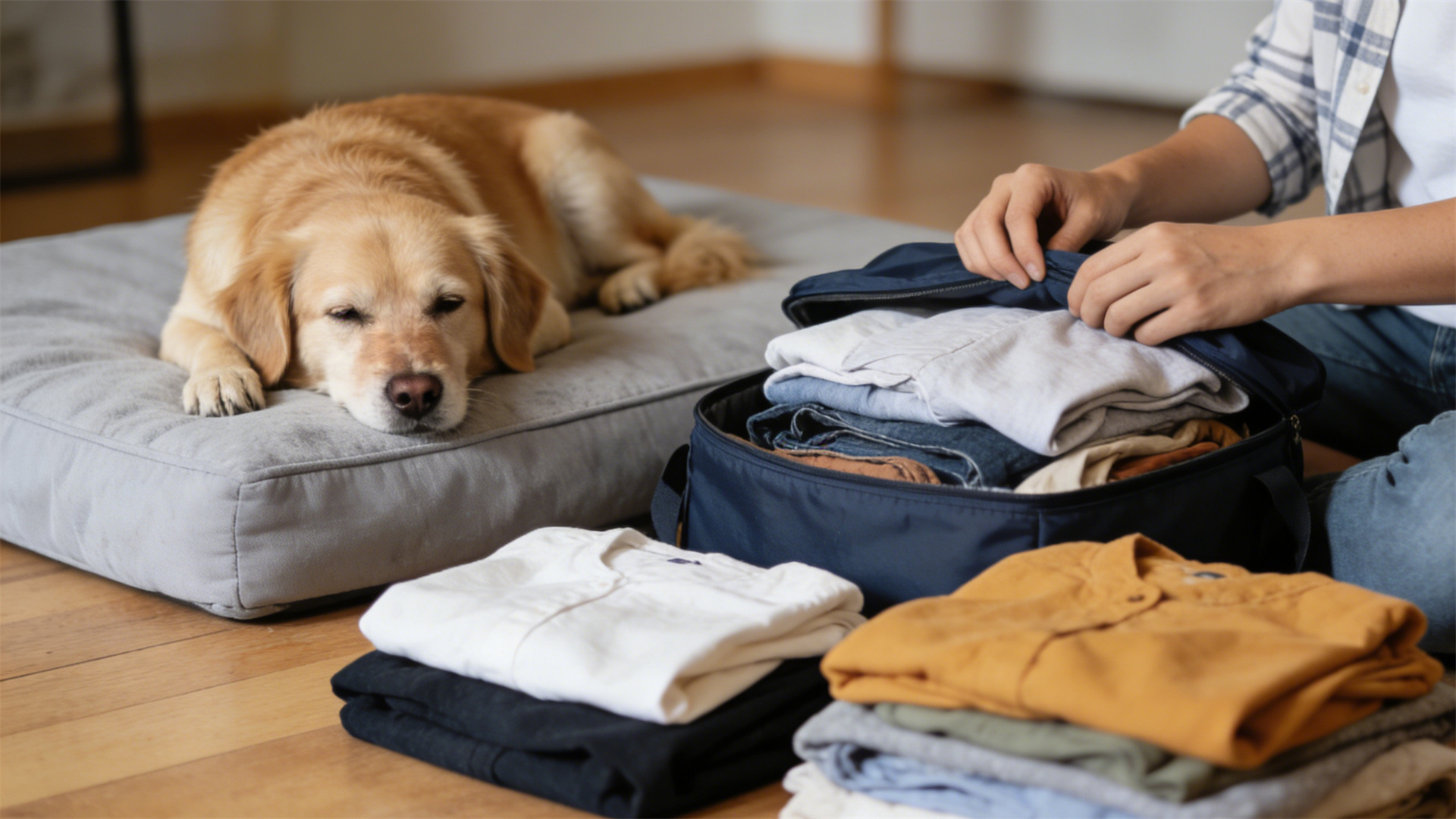
🧳 Packing and Traveling Desensitization: Navigating the Chaos
As moving day approaches, the pace quickens. Your desensitization efforts should intensify but remain positive.
🔄 Maintaining Routines Amidst Packing
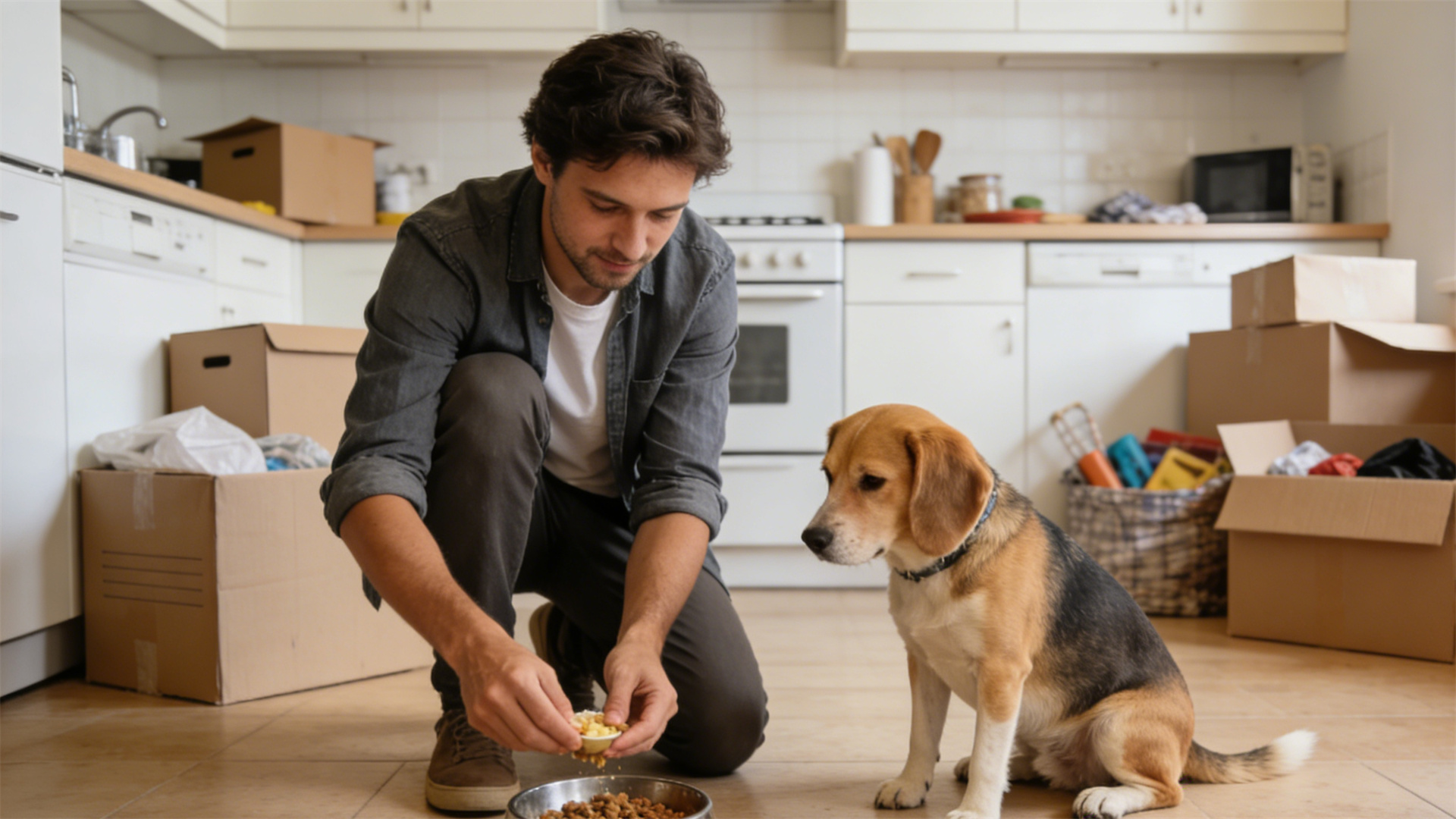
As much as possible, stick to your dog's regular schedule for feeding, walks, and playtime. This provides islands of predictability in a sea of change. Use meal times as training opportunities near packed boxes.
🚐 Desensitizing to Car Rides and Carriers
Practice loading into the vehicle with all the travel gear you'll use. For long moves, acclimate your dog to rest stops. Special Reminder: Never leave your dog alone in a parked vehicle, and always use a secure crate or harness for safety. The key to moving with a dog safely is gradual exposure and supreme patience.
🏠 Settling into the New Home: The Final Phase of Adjustment
Unpacking doesn't mean the desensitization process is over. Your new house is full of new stimuli.
🛡️ Creating a Safe Space First
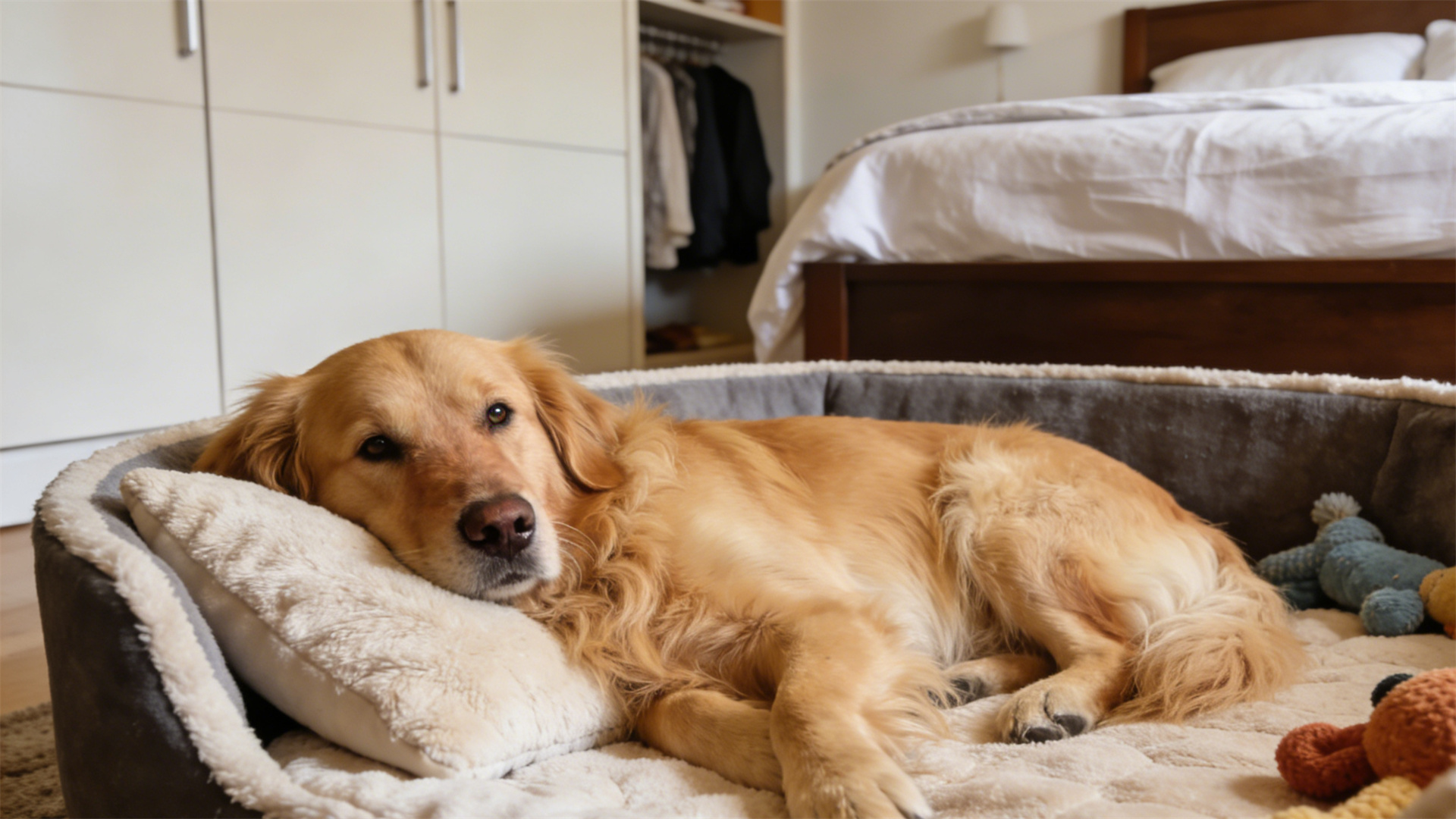
Before you unload a single box, set up one room (like the bedroom or a quiet corner) with your dog's familiar bed, toys, water bowl, and an item with your scent. Use a baby gate to confine them to this safe zone while you move in. This minimizes overwhelm and provides a refuge. This is crucial for helping dogs adjust to new home environments.
🐾 Gradual Introduction to New Environments
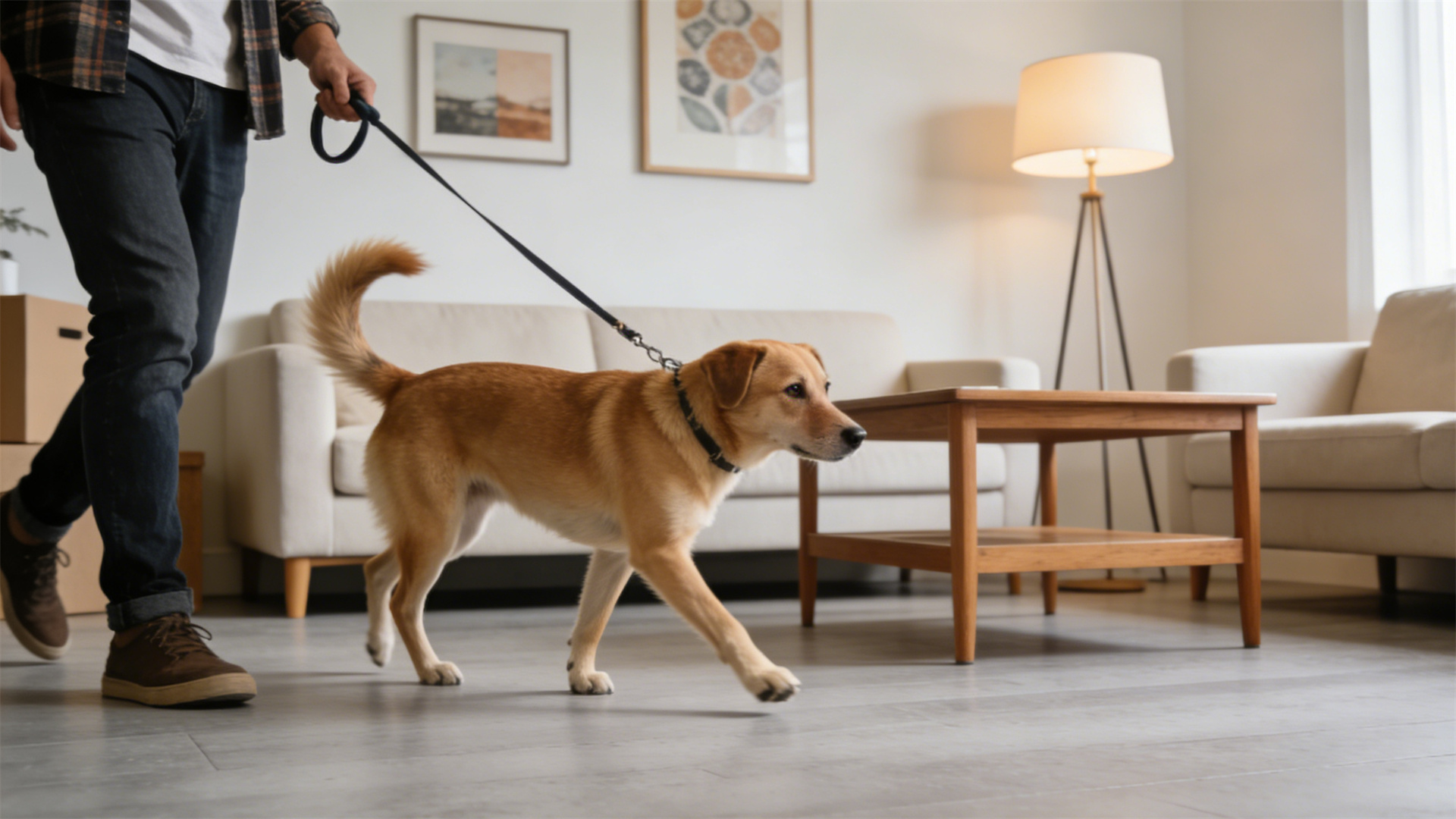
Over several days, slowly introduce your dog to other rooms on-leash. Let them explore at their own pace, rewarding calm behavior. Re-establish routines immediately—walk the same morning route, feed at the same time. Consistency rebuilds their map of the world.
⚠️ Addressing Common Behavioral Issues and Solutions
Even with preparation, some issues may arise. Here’s how to handle them with understanding:
🗣️ Excessive Barking or Whining
This is often anxiety-driven. Instead of scolding, which can increase anxiety, redirect their focus. Ask for a simple command like "sit" and reward compliance. Ensure they are getting enough physical exercise and mental stimulation to burn off nervous energy.
💧 House Soiling Accidents
Regress to basic potty training. Take them out frequently to the new potty spot, especially after eating, waking, and playing. Praise and treat lavishly for success. Clean indoor accidents with enzymatic cleaner to remove scent markers.
🦷 Destructive Chewing
Provide a plethora of appropriate chew toys. If they chew on baseboards or furniture, interrupt calmly, redirect to a toy, and reward. Consider using taste deterrents on forbidden items. This behavior is often a sign of boredom or anxiety, so increasing structured activities is key.
💖 Conclusion: Patience, Preparation, and Partnership
A successful move with your dog hinges on the principles of proactive dog desensitization during relocation. By breaking down the monumental event of moving into tiny, positive experiences, you shield your dog from the brunt of the stress and fortify your bond. Remember, your calmness is their cue. They are not giving you a hard time; they are having a hard time. Your guided, patient support through this transition is the greatest gift you can give them.