If you share your life with a dog, especially a light-colored breed like a Maltese, Shih Tzu, or Poodle, you've likely encountered those reddish-brown streaks beneath their eyes. These are dog tear stains, a common and often frustrating Grooming concern for pet parents. More than just a beauty issue, they can signal underlying factors worth addressing. This article cuts through the clutter of misinformation to provide a clear, actionable, and trustworthy guide. Our core thesis is that effective, long-term management of tear stains requires a dual-pronged strategy: addressing potential internal triggers through dietary adjustments and implementing a consistent, gentle localized cleansing routine. We must emphasize from the outset: sudden, severe, or persistent staining should always prompt a visit to your veterinarian to rule out medical issues like eye infections, blocked tear ducts, or anatomical problems.
🩺 Section One: Internal Adjustments. Dietary Influences.
Before you reach for a cleansing wipe, it's crucial to look at what your dog is consuming. The old adage "you are what you eat" applies to our canine companions, too. Tear production and composition can be directly influenced by diet, making internal adjustment a foundational step in tear stain removal.
The Role of Diet in Tear Production
Excessive tearing, or epiphora, is the primary source of stains. Tears contain a pigment called porphyrin, which is rich in iron and is also present in saliva and urine. When tears overflow and sit on light fur, porphyrin oxidizes and creates those characteristic stains. Certain dietary components can increase tear production or the iron content in tears.
Key Dietary Culprits and Solutions:
Food Ingredients and Additives: Low-quality fillers such as corn, wheat, and soy are common food allergies tear stains triggers. An undiagnosed food sensitivity can cause systemic inflammation, including in the ocular area, leading to increased tear production. Switching to a high-quality diet with a novel, single-source protein (like salmon, duck, or lamb) and easily digestible carbohydrates can make a dramatic difference for some dogs. Look for diets marketed as limited ingredient or formulated for sensitive skin.
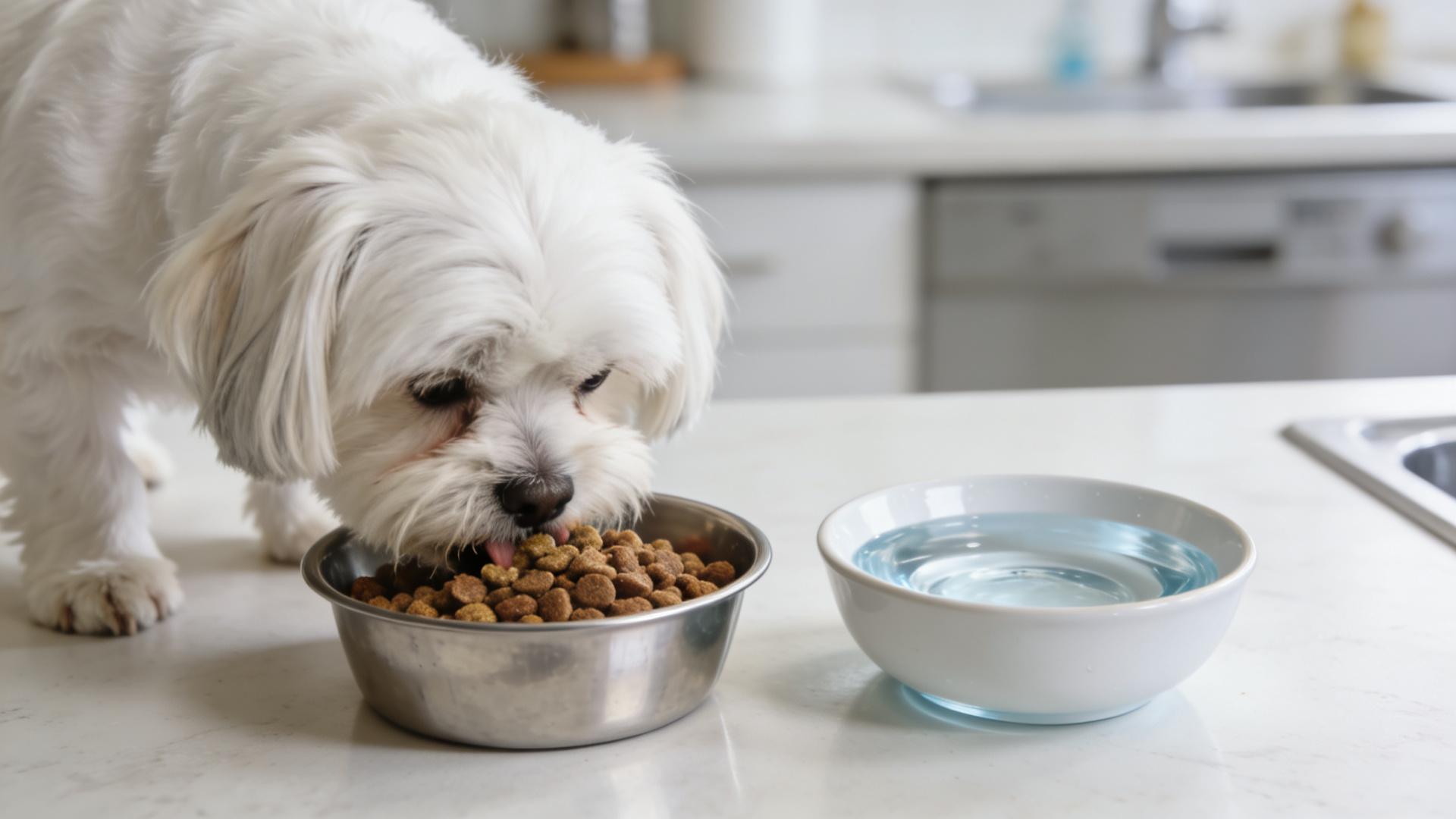
Water Quality: This is often overlooked. High mineral content (like iron or magnesium) in tap water can contribute to the mineral load in your dog's system. Providing fresh, filtered water daily in a clean, stainless steel or ceramic bowl is a simple yet powerful step. Plastic bowls can harbor bacteria and cause chin acne, which can worsen facial irritation.
The Supplement Question: You'll find many claims about tear stain supplements containing ingredients like oregano, parsley, or probiotics. The idea is that these act as natural antioxidants or improve gut health to reduce staining. While some owners report success, the evidence is largely anecdotal. Never administer any supplement without consulting your veterinarian, as some ingredients can interact with medications or be unsuitable for certain health conditions. A vet-approved probiotic for overall gut health may be a sensible part of a holistic approach.
🧼 Section Two: External Management. Localized Cleansing Routines.
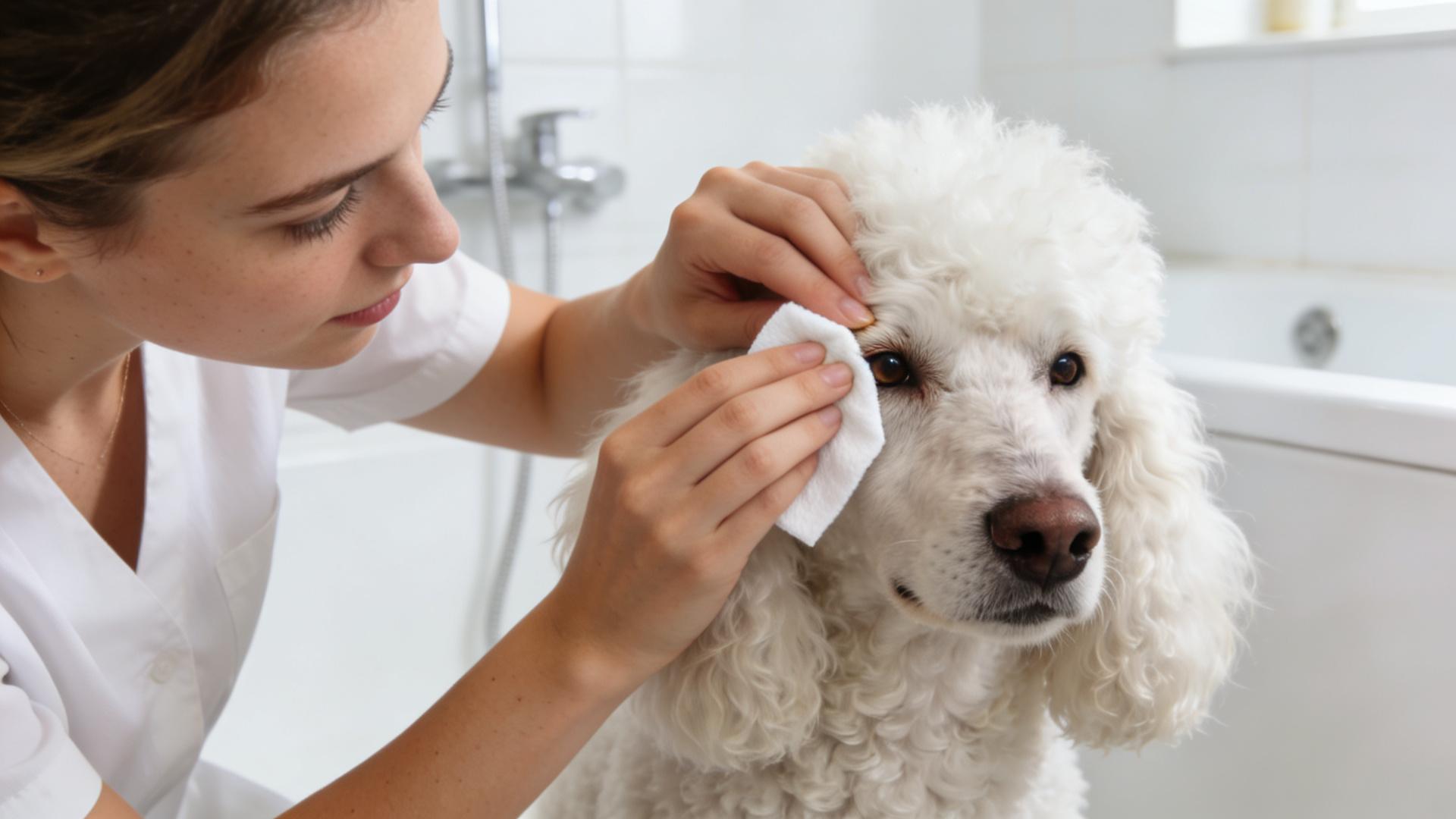
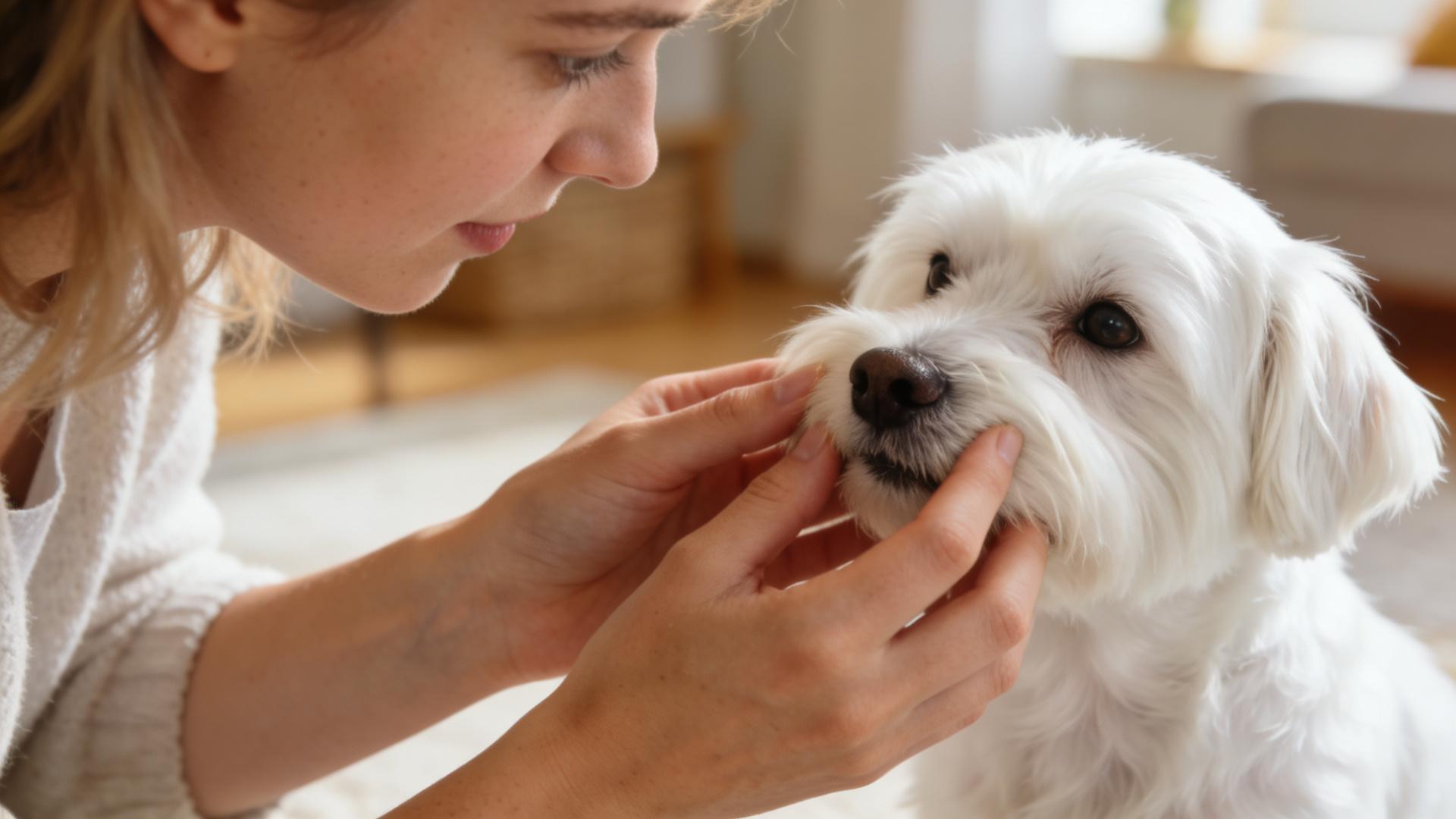
While diet works from the inside, you must also manage the stains on the outside. A proper dog eye cleaning routine physically removes the tear film, porphyrin, and bacteria before they have a chance to set in and stain. This is the most direct form of tear stain removal.
Safe and Effective Cleaning Practices
Gather Your Supplies: You will need a super-soft cloth, cotton pads, or tear stain wipes specifically formulated for dogs. The best choice is a tear stain solution or eye wash for dogs recommended by your vet. For a mild homemade option, you can use sterile saline solution (the same used for contact lenses).
Special Reminder: NEVER use human products like hydrogen peroxide, vinegar, or makeup removers near your dog's eyes. These are far too harsh and can cause severe irritation, chemical burns, or damage the cornea.
The Step-by-Step Technique:
1. Gently saturate your cloth or pad with the cleanser.
2. With one hand, softly hold your dog's head steady.
3. Using your other hand, wipe from the inner corner of the eye outward, following the direction of fur growth. Never wipe back toward the eye.
4. Use a fresh section of the cloth or a new pad for each eye to avoid cross-contamination.
5. This is critical: After cleaning, take a dry, soft cloth or pad and thoroughly pat the area completely dry. Moisture left on the fur is a breeding ground for bacteria and leads to more staining.
6. Make this a calm, positive experience with plenty of praise and treats.
Facial Grooming Maintenance: For breeds with long hair or deep facial folds, regular trimming is non-negotiable. Hair wicks moisture into the fur and holds it against the skin. Keeping the hair around the eyes and muzzle short allows the area to stay drier and makes cleaning face folds much easier. This is one of the most effective tear stain prevention tips.
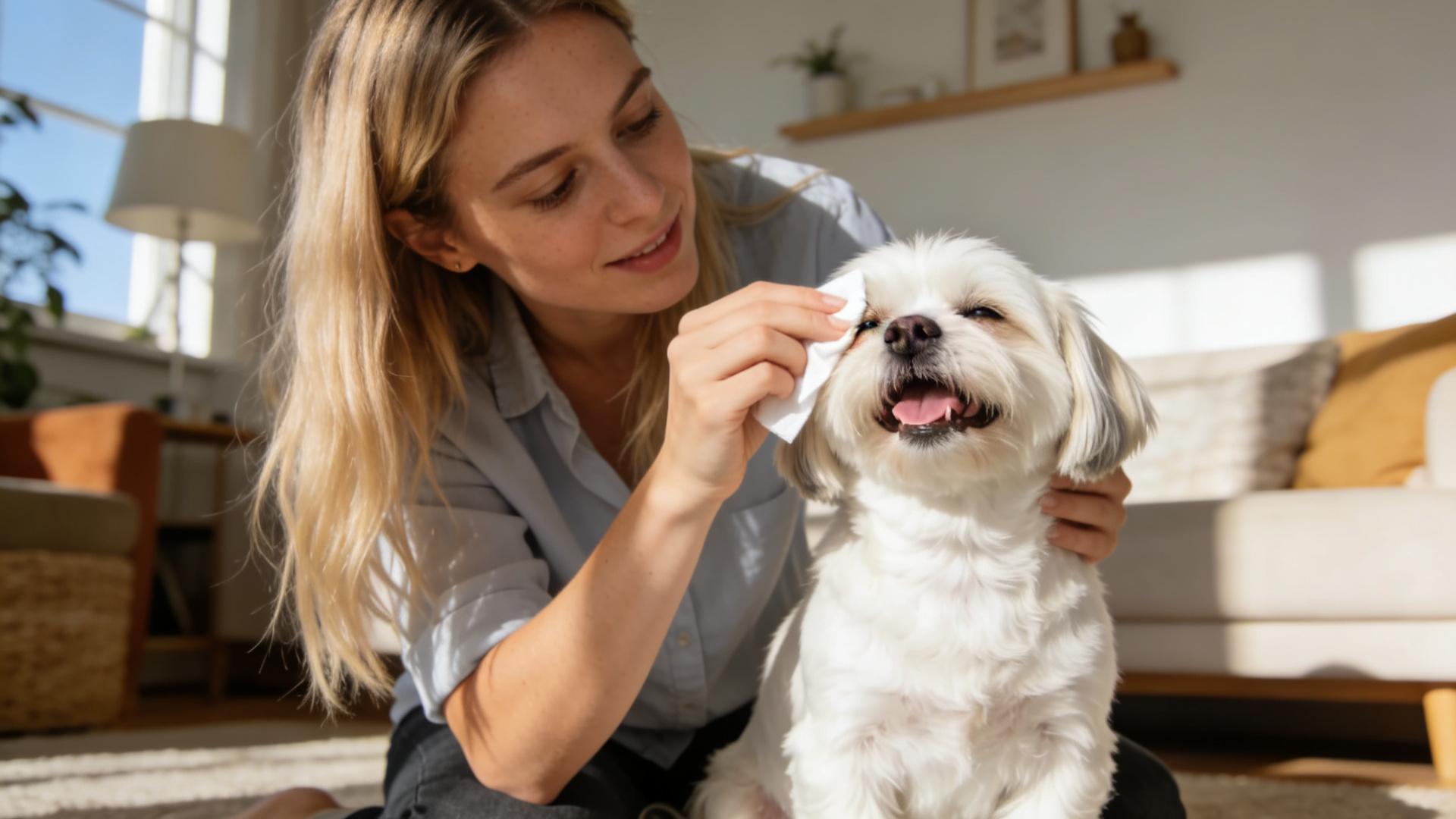
⚙️ Section Three: Integration and Consistency.
True success in managing dog tear stains under eyes comes from combining internal and external strategies. Think of it this way: dietary adjustments may help reduce the source and volume of tears, while diligent cleansing manages the outcome on the fur. Relying on just one method is rarely the complete solution.
Combining Approaches for Best Results
To make this manageable, establish a simple weekly care schedule. For example:
Daily: Wipe eye area during your morning or evening petting session. Ensure fresh filtered water is always available.
Weekly: Perform a more thorough cleansing with a vet-approved solution. Check and trim any facial hair obstructing the eyes.
Ongoing: Monitor your dog's response to any dietary changes over 8-12 weeks.
Managing Expectations: Patience is essential. How to remove tear stains is a question with a gradual answer. Existing stains will lighten as new, clean fur grows in. The goal is to prevent new stains from forming. You may not achieve perfection, but you will significantly improve your dog's comfort and appearance. This is especially true for the quest for the best way to remove tear stains from white dogs—it's a marathon, not a sprint.
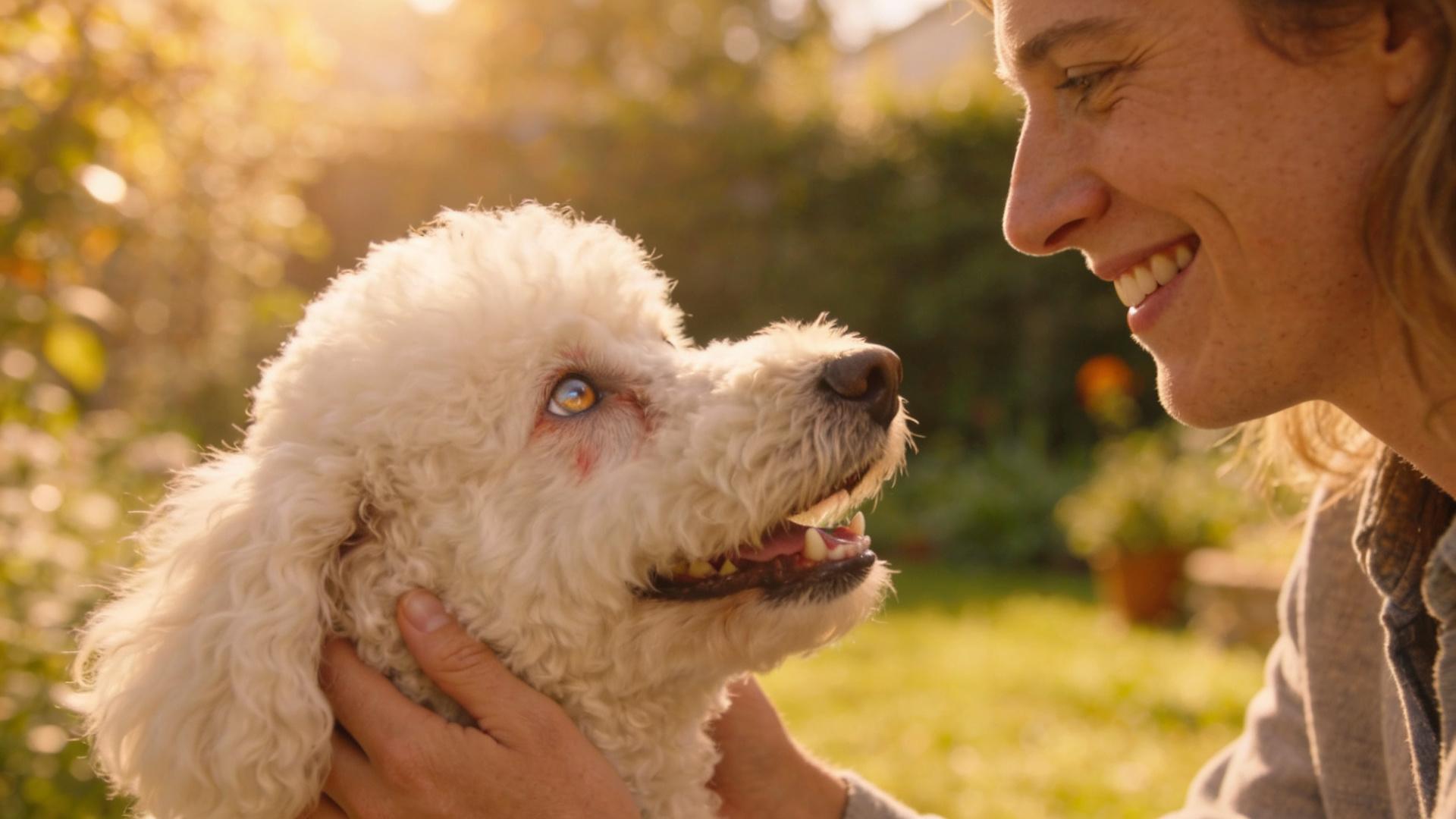
Conclusion: A Clearer Path Forward
Successfully addressing dog tear stains is rooted in a holistic, two-part strategy: investigating potential dietary contributors like food allergies and water quality from the inside, and committing to a gentle, consistent cleansing routine on the outside. Remember, your veterinarian is your most important partner in this process, especially to eliminate primary medical causes. With knowledge, the right tear stain removal techniques, and a healthy dose of patience, you can help your furry friend look and feel their absolute best, revealing the bright, beautiful eyes you love.
Disclaimer: This article is for informational purposes only and is not a substitute for professional veterinary advice. Always consult with your veterinarian before changing your dog's diet, starting new supplements, or if you have any concerns about your dog's eye health.