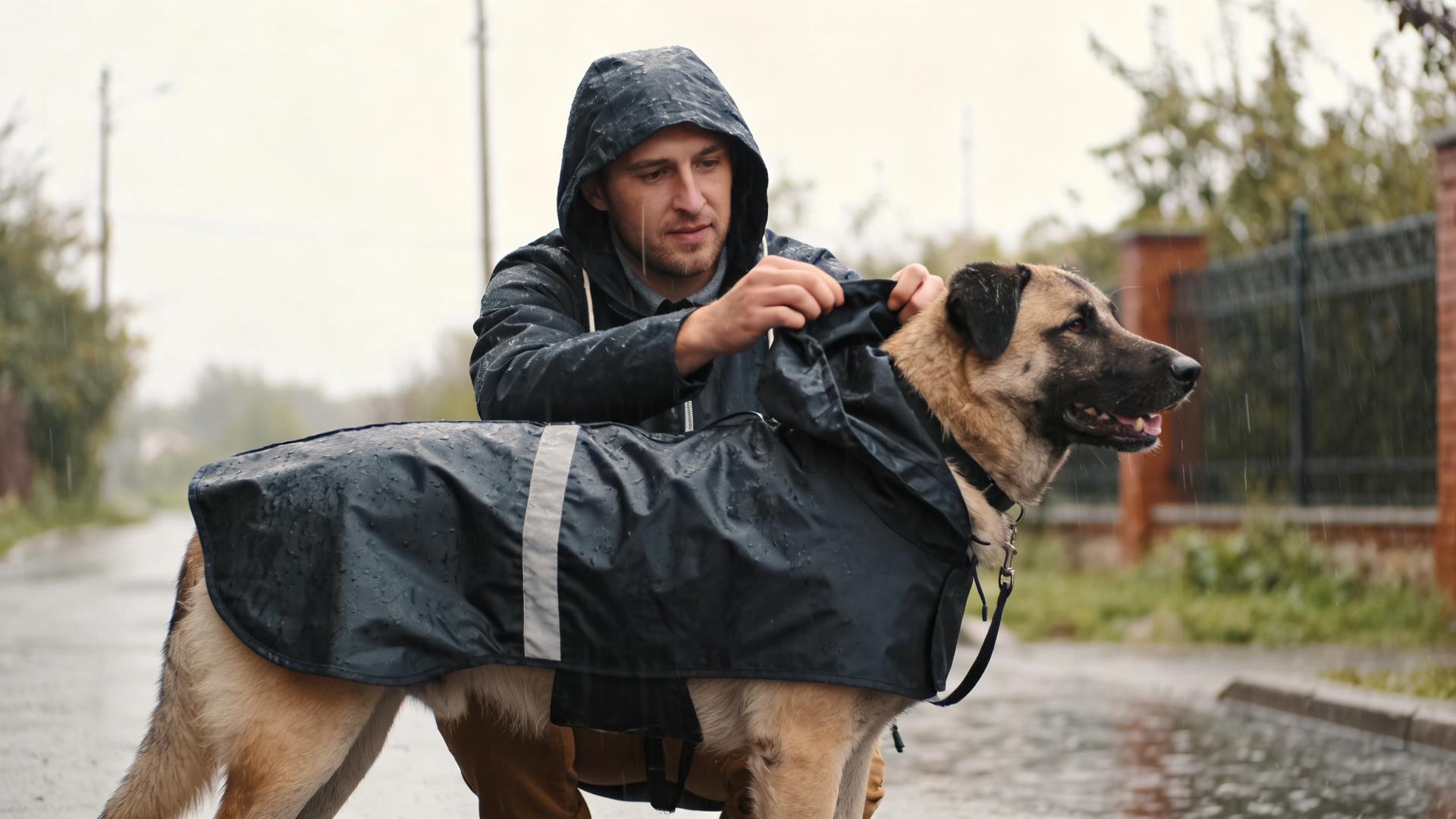
In the bustling world of dog ownership, between playtime and training sessions, grooming can sometimes feel like a chore—a necessary task to check off the list. But what if we reframed this essential care? Gentle cleaning is more than a routine; it is a profound cornerstone of canine well-being that actively fosters deep-seated trust and lifelong health. Harsh, rushed, or forceful methods do more than just get the job done poorly; they can seed anxiety, cause physical discomfort, and even damage the precious bond you share with your dog. This comprehensive guide moves beyond basic instructions to detail gentle techniques for maintaining your dog's hygiene, emphasizing compassion as the most effective tool in your care kit. Let’s transform grooming from a struggle into a series of peaceful, connecting moments.
🛁 The Philosophy of Gentle Grooming: Why Softness is Strength
Before we reach for the shampoo, it's crucial to understand the why behind the how. A dog's skin has a different pH balance (around 6.5-7.5) compared to human skin (approximately 5.5). Using harsh, human-grade soaps or aggressive scrubbing can strip their coat of essential oils, leading to dryness, irritation, and a compromised skin barrier. Furthermore, dogs process the world profoundly through sensory experiences. A gentle grooming session communicates safety and care, while a rough one can trigger a stress response, making every future session more difficult. This isn't just about cleanliness—it's about respecting your dog's entire health ecosystem, both physical and emotional.
Core Principles of a Gentle Approach:
- Patience is Non-Negotiable: Never rush. Allow time for your dog to acclimate to each step.
- Positive Association is Key: Pair every step with high-value treats, calm praise, and a relaxed demeanor.
- Respect Boundaries: Watch for signs of stress (licking lips, yawning, whale eye, trembling) and pause or adjust your approach.
- Tool Quality Matters: Invest in the right, soft tools designed for canine gentle hygiene.
🚿 Bathing Your Dog Gently: A Ritual of Relaxation
A bath doesn't have to be a splashy battle. With preparation and a calm mindset, it can become a soothing ritual.
1. Mise en Place: The Calm Before the Bath
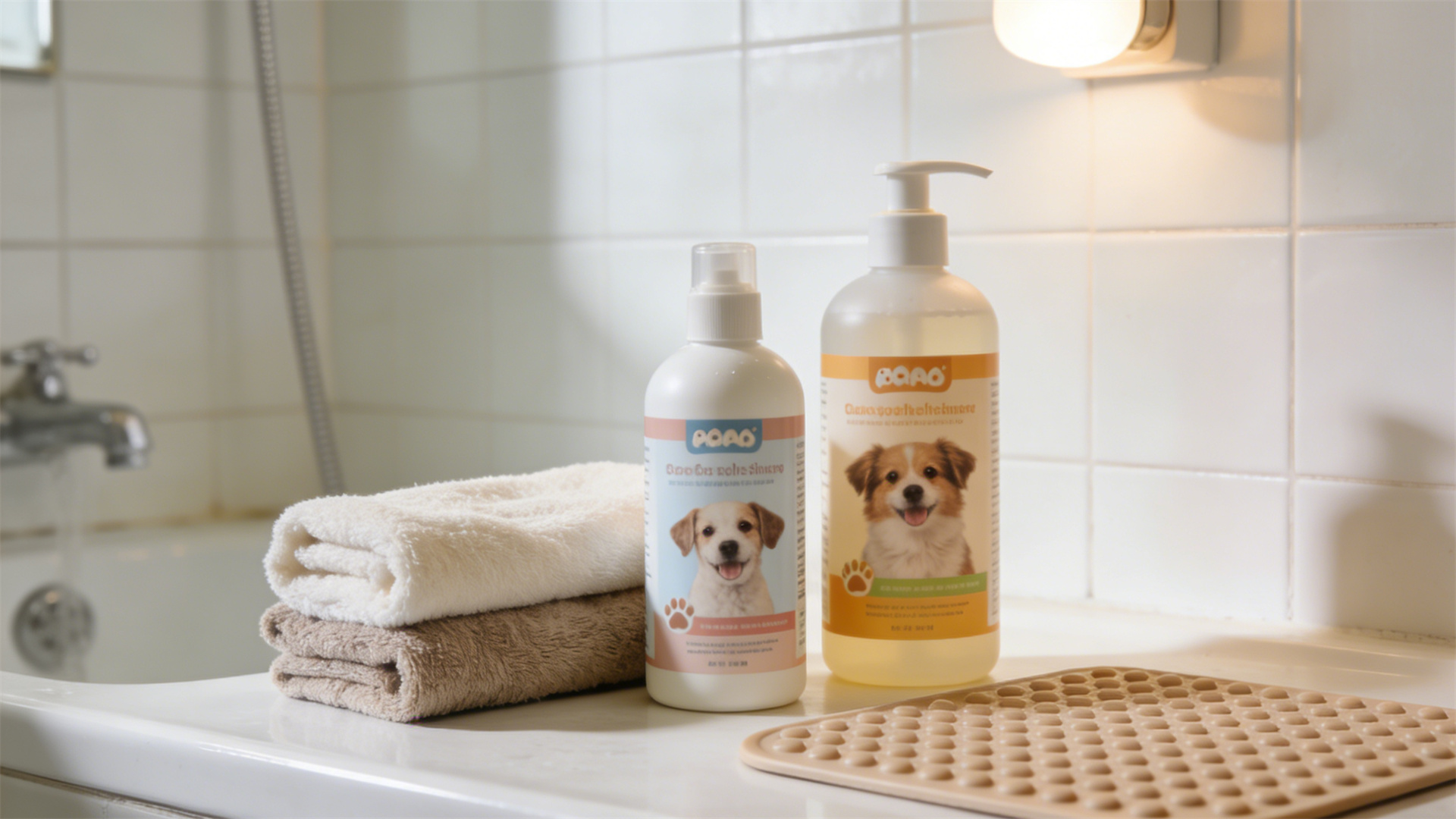
Gather all supplies beforehand to maintain a seamless, quiet flow. You'll need:
- A mild dog shampoo formulated for your dog's skin type (e.g., oatmeal for sensitive skin).
- Conditioner if recommended for their coat.
- Several soft, absorbent towels.
- A non-slip mat for the tub or sink.
- A handheld sprayer or a large jug for rinsing.
- Treats within easy reach.
2. The Gentle Washing Process, Step-by-Step
Step 1: The Prelude. Brush your dog thoroughly before the bath to remove loose hair and mats, which get worse when wet. Place the non-slip mat and have lukewarm water ready (test on your inner wrist—it should feel warm, not hot).
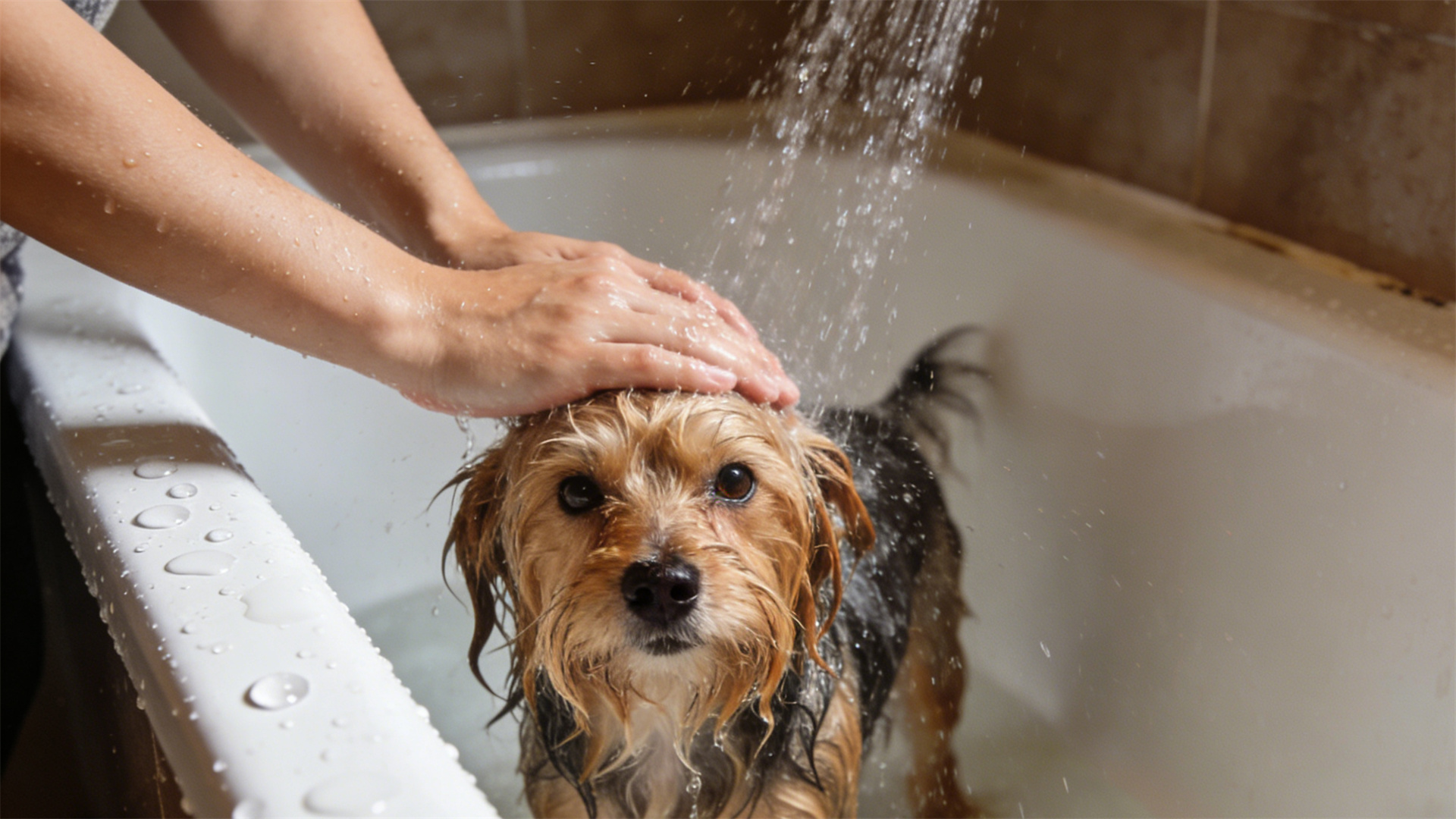
Step 2: The Soak. Use a gentle stream or pour water to thoroughly wet the coat, starting from the neck down. Avoid spraying directly on the head initially. Speak in a low, reassuring tone.
Step 3: The Lather. Dilute shampoo with water in your palm. Apply and massage in calm, circular motions along the body, akin to a gentle massage. Special Reminder: Avoid the face and ears. For these areas, use a damp washcloth wiped gently over the muzzle and around the eyes.
Step 4: The Rinse. This is the most critical step for preventing itchiness. Rinse, rinse, and rinse again until the water runs absolutely clear. Any residual shampoo is a common irritant.
Step 5: The Dry. Do not vigorously rub. Instead, use a towel in a gentle patting and squeezing motion to absorb water. For dogs tolerant of it, a blow dryer on the lowest, coolest setting held at a safe distance can be used. Praise your dog lavishly throughout!
👂 Ear Cleaning with Care: Navigating Delicate Terrain
Canine ears are delicate, L-shaped, and prone to trapping moisture and debris. Weekly inspection is a key health habit.
Gentle Ear Cleaning Protocol:
- Inspect: In good light, look inside the ear. Healthy ears are pale pink, have minimal wax, and no odor. Redness, dark discharge, or a foul smell signal a vet visit.
- Apply Cleaner: Use only a veterinarian-recommended ear cleaner. Fill the ear canal as directed (do not insert the bottle tip deeply).
- Massage: Gently massage the base of the ear for 20-30 seconds. You'll hear a squishing sound.
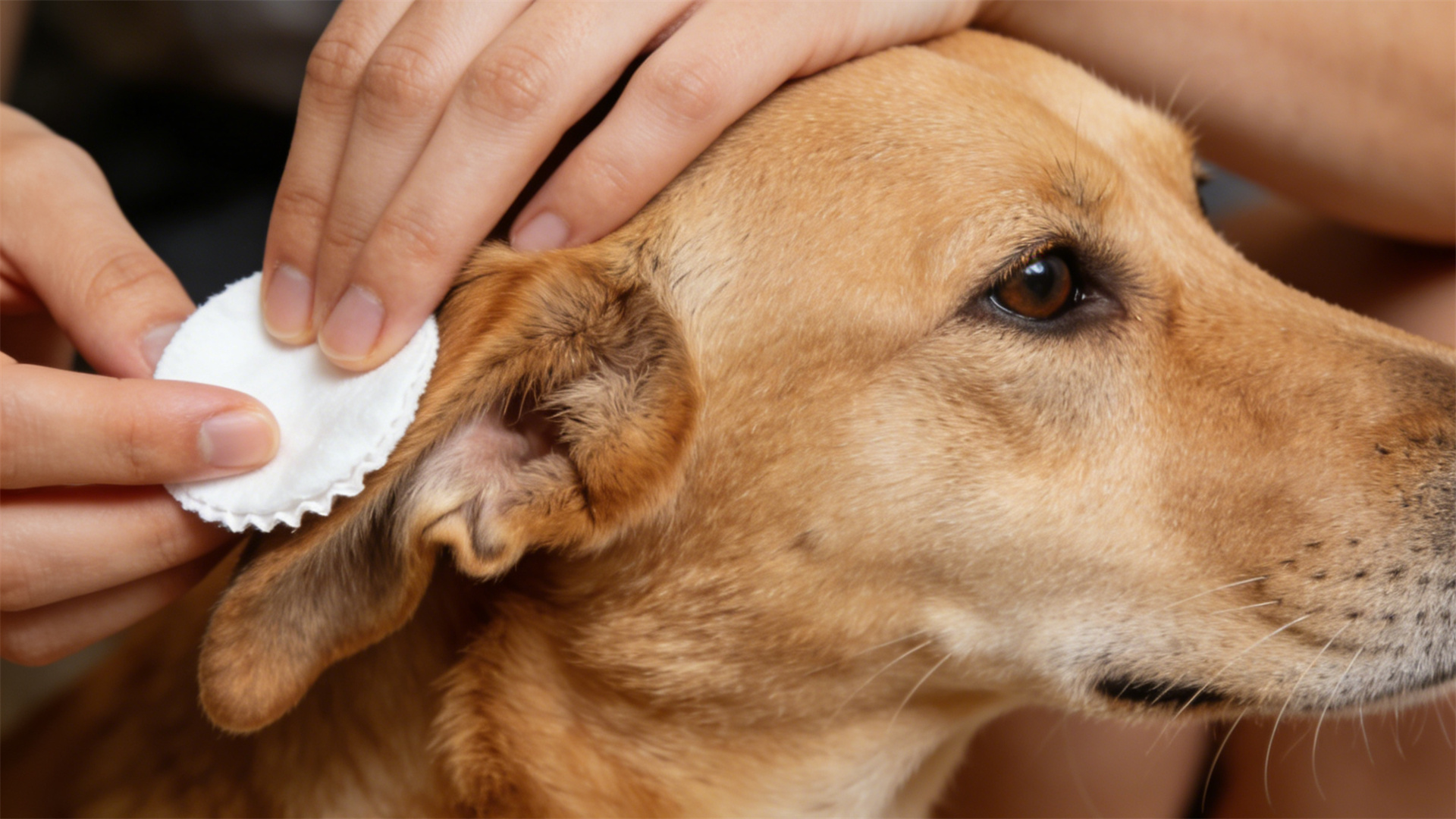
- Wipe: Let your dog shake. Then, use a soft cotton pad or gauze (never cotton swabs/Q-tips!) to wipe away loosened debris from the visible parts of the inner ear fold. Do not probe into the ear canal.
This gentle pet cleaning method prevents infections by maintaining a clean, dry environment without causing trauma.
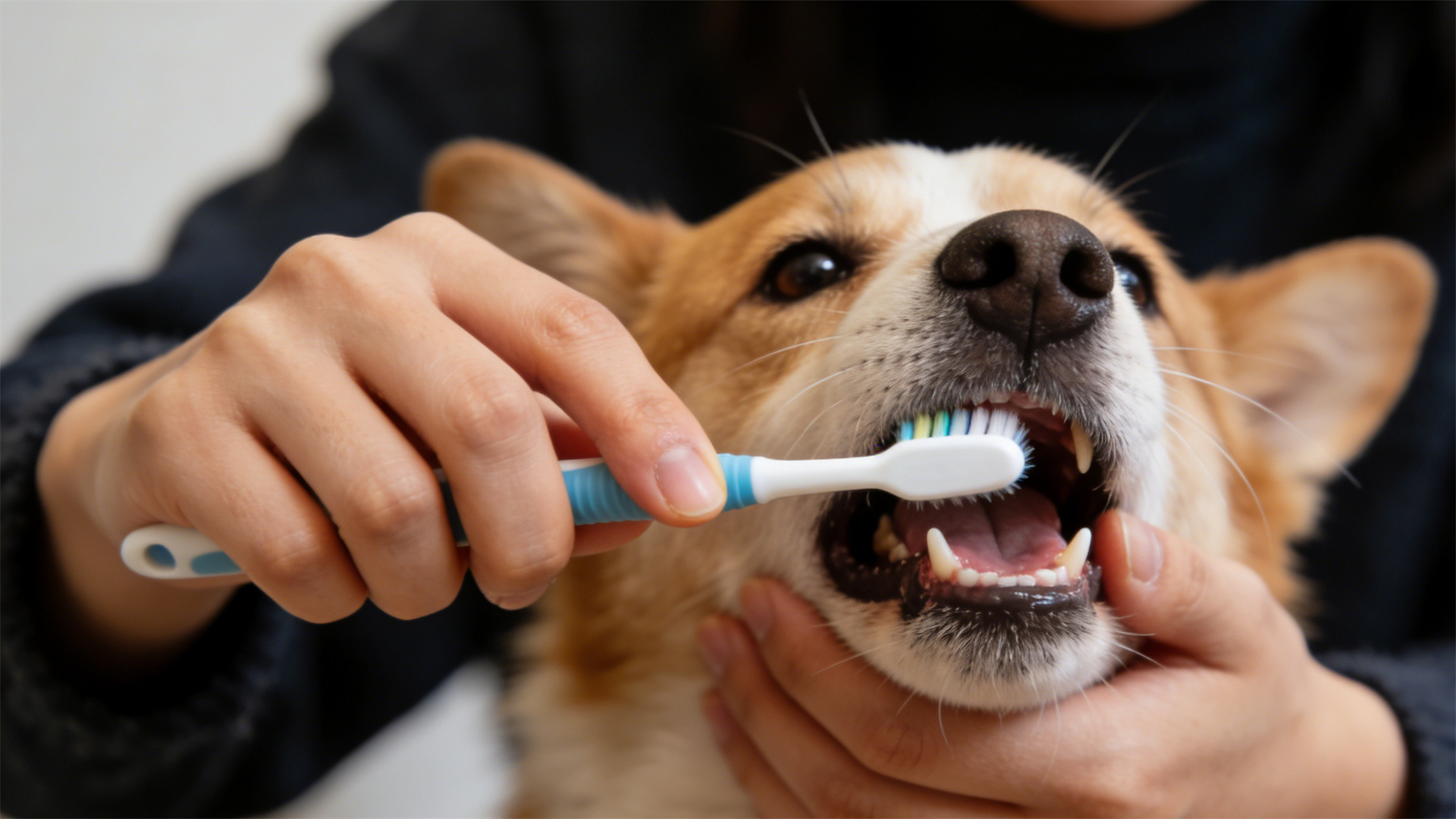
🦷 Brushing Teeth Tenderly: For a Healthy Smile & Body
Oral health is directly linked to systemic health, affecting the heart, liver, and kidneys. Daily brushing is ideal, but even 3-4 times a week makes a dramatic difference.
Desensitization & Brushing Technique:
Phase 1: Acquaintance. Over several days, let your dog taste a bit of dog-specific toothpaste (never human toothpaste, which contains xylitol and fluoride). Praise and treat.
Phase 2: Touch. Gently rub your finger along their gums and teeth. Follow with a treat.
Phase 3: Introduction of the Brush. Use a soft-bristled canine toothbrush or a finger brush. Put a small amount of paste on it and let them lick it.
Phase 4: The Gentle Brush. Lift the lip and, at a 45-degree angle to the gum line, use soft, circular strokes. Focus on the outer surfaces where plaque accumulates most. Start with 10 seconds and gradually build to 30-60 seconds. Keep it positive and end with a favorite game or treat.
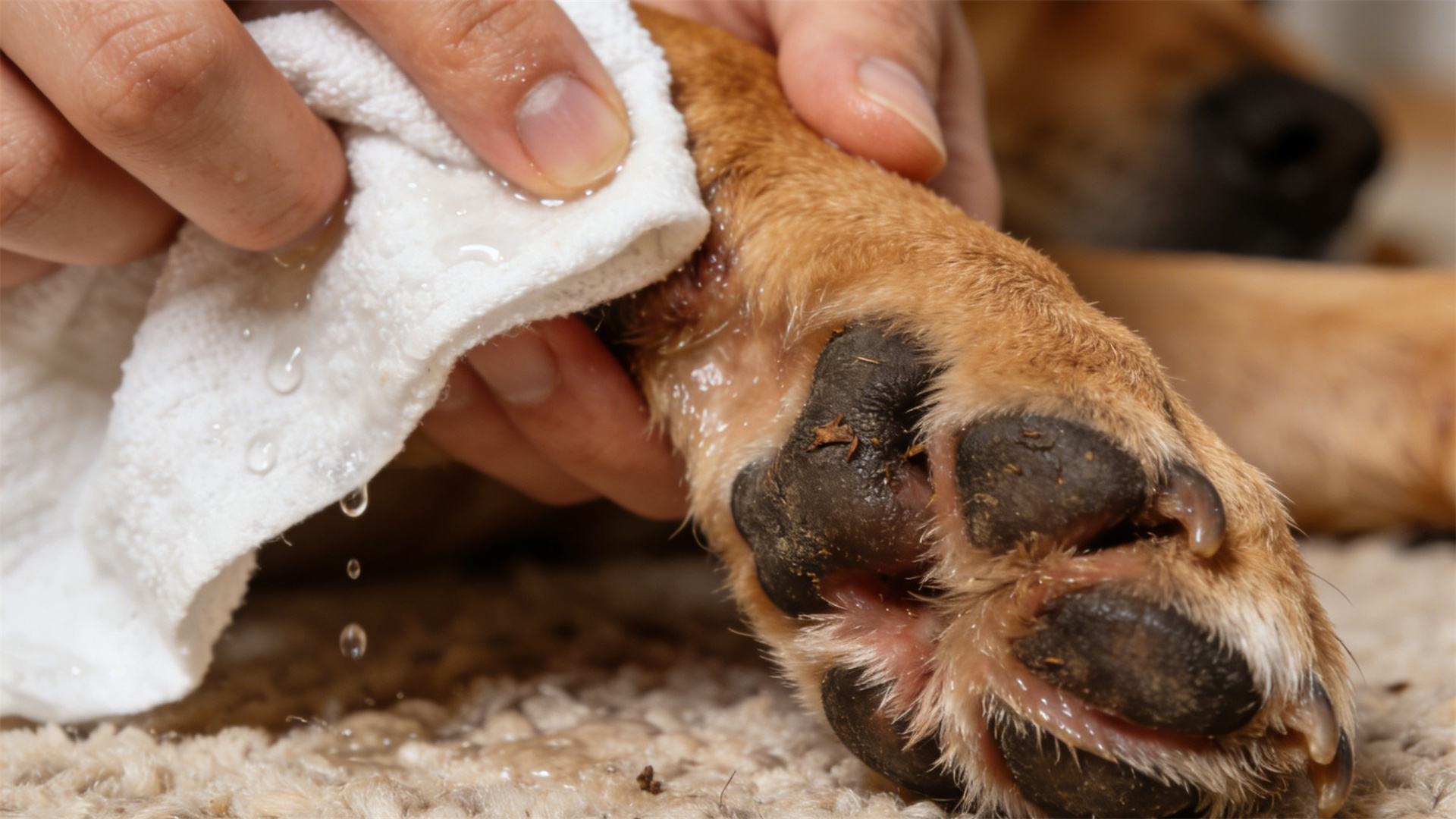
🐾 Paw and Nail Maintenance: The Foundation of Comfort
Paws are in constant contact with the world, and nails impact posture and joint health.
Paw Care:
After walks, gently wipe each paw with a damp cloth to remove dirt, allergens, and potential toxins (like road salt). Check between the pads for lodged debris like pebbles or "tar balls." Regularly trim the hair between pads to prevent matting and improve traction.
Gentle Nail Trimming:
For dogs with clear nails, the "quick" is the pink, blood-supplying area inside. For black nails, trim tiny slivers at a time.
- Use a sharp, scissor- or guillotine-style clipper designed for dogs. Dull clippers crush the nail.
- Have styptic powder on hand in case of bleeding.
- Hold the paw firmly but gently. Trim a small bit of the nail at a 45-degree angle.
- Look at the cut end. If you see a whitish/grayish circle, you can trim a bit more. If you see a blackish or pinkish dot in the center, you are nearing the quick—stop.
- If anxious, a professional groomer or vet tech can demonstrate or handle it. Alternatively, use a rotary nail file (Dremel) which gently sands the nail down, often with less risk of hitting the quick.
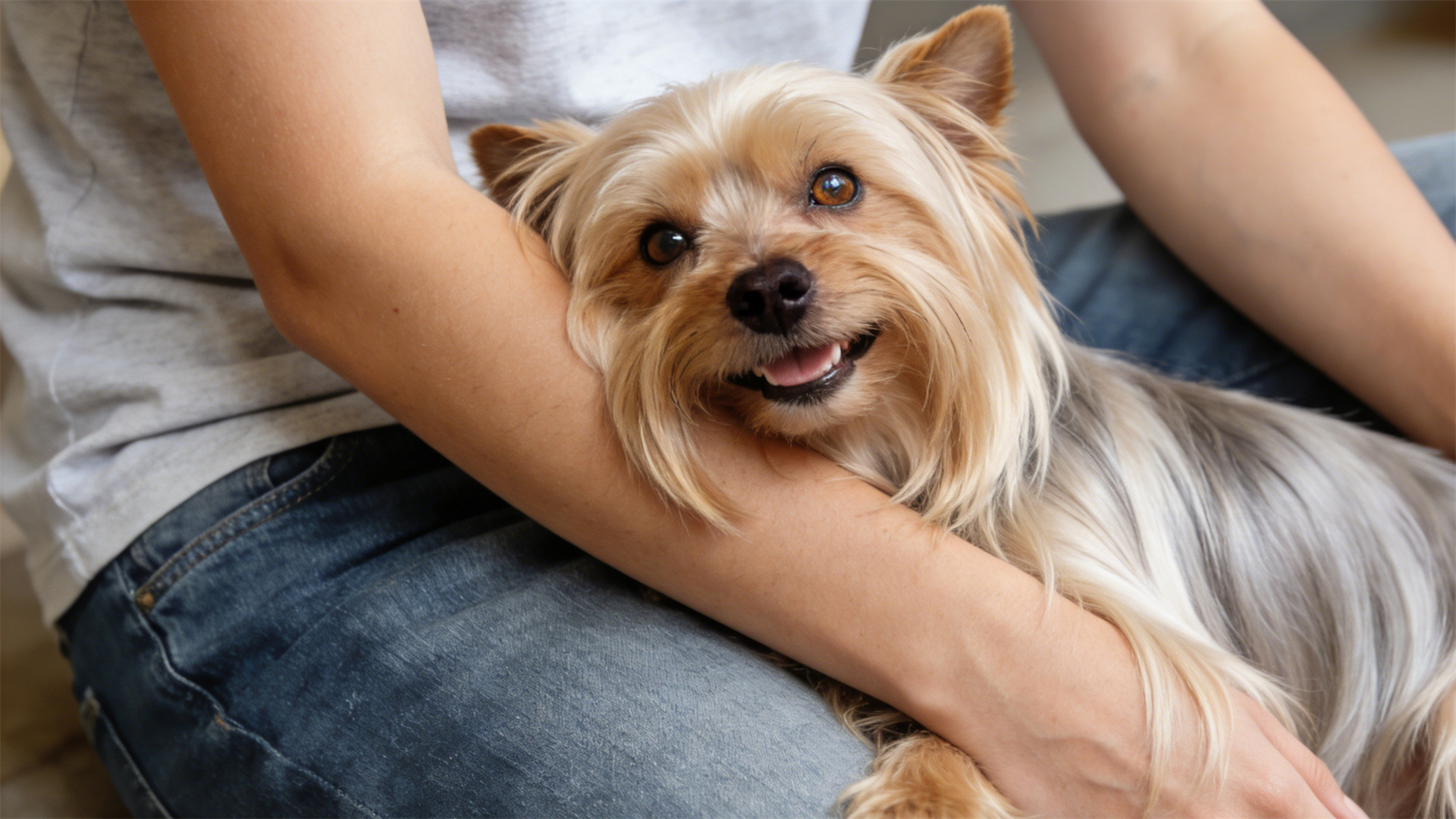
💝 Conclusion: The Bond Forged in Gentleness
Adopting gentle cleaning practices does more than maintain hygiene; it deeply enriches the bond you share with your dog. It transforms necessary care from a top-down task into a sideways dialogue of trust and respect. You are learning their language of comfort, and they are learning that your hands are always safe. Always proceed with immense patience, celebrate small victories, and use plenty of praise. In return, your dog's vibrant health, relaxed demeanor, and unwavering trust will be the beautiful reflection of your consistent, gentle efforts. Remember, in the world of safe dog grooming, the softest touch often leaves the deepest imprint. 🐾