
You May Have Missed
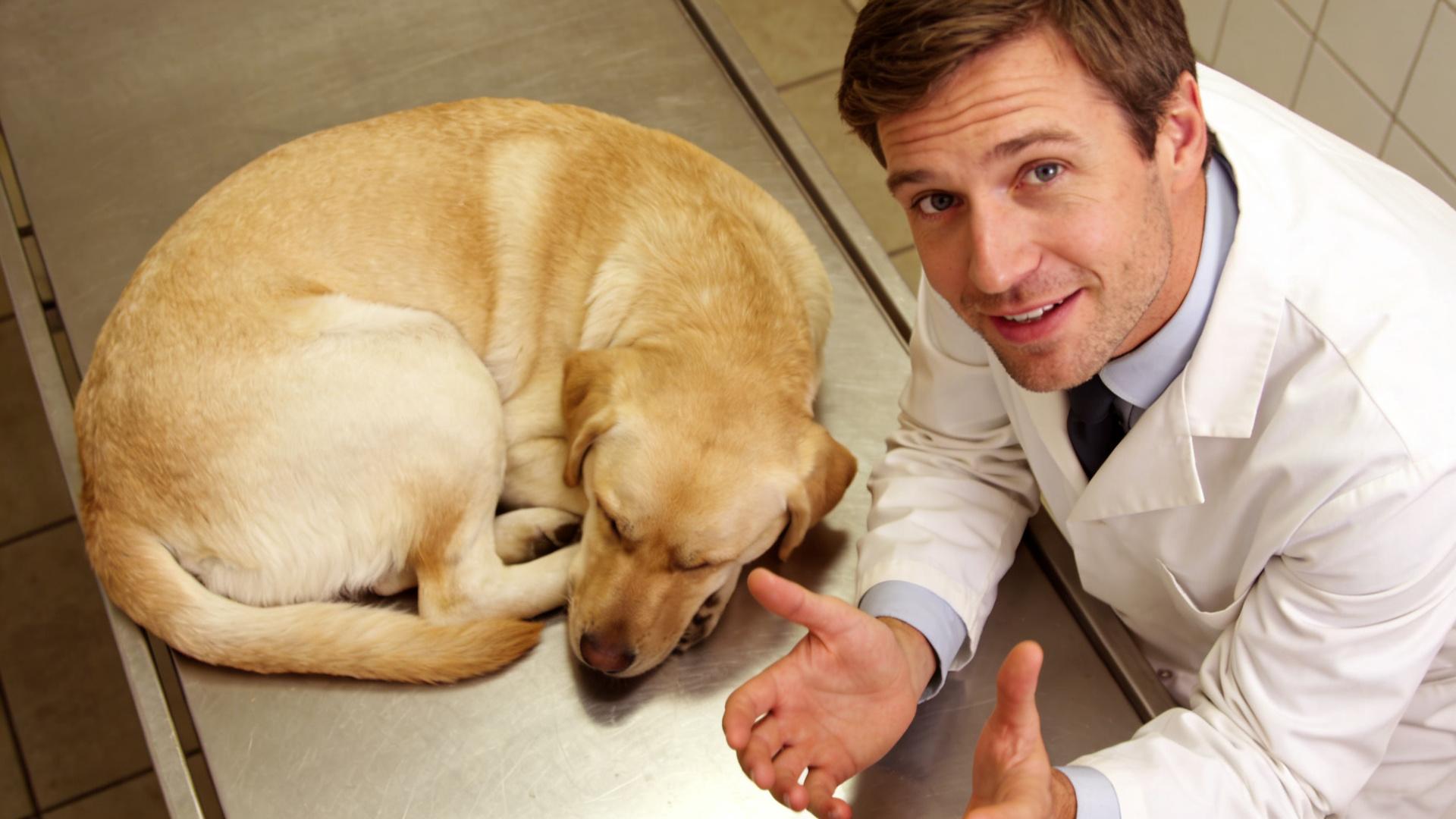
Dog sleeping position and bone health: How to choose a memory foam mattress with proper support
Welcome, dedicated dog parent! Have you ever watched your furry friend snooze, curled up like a cinnamon bun or sprawled out like a starfish, and wondered if they’re truly comfortable? Your dog's sleeping position is more than just a cute quirk. It can be a revealing window into their comfort, personality, and, most importantly, their long-term bone health. Just like humans, our canine companions require proper spinal alignment and joint support during their extensive hours of rest. Inadequate support can exacerbate or even lead to issues like arthritis, hip dysplasia, and general mobility discomfort. This comprehensive guide will decode the connection between your dog’s sleep posture and their skeletal well-being, and equip you with the knowledge to select the ideal memory foam mattress—a cornerstone of proactive, supportive care.
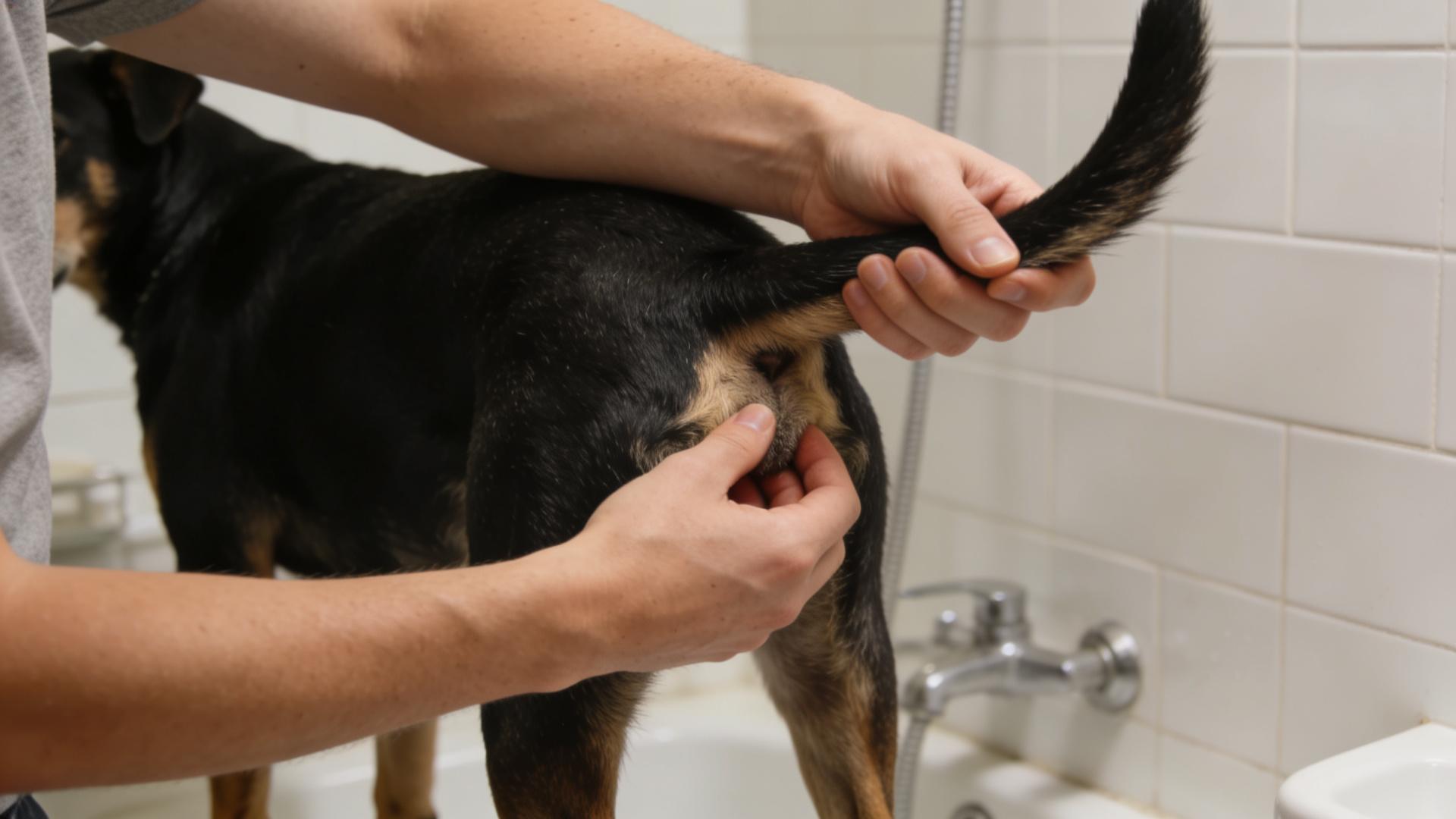
The secret at the base of the tail: an easily overlooked blind spot for skin cleaning.
As a dedicated dog owner, you pride yourself on your pet's sparkling coat, clean paws, and fresh breath. You have the grooming routine down to a science—or so you think. Yet, in the intricate map of canine hygiene, there lies a territory often left uncharted, a zone hidden in plain sight: the base of the tail. This crucial junction is a frequent casualty of grooming oversight, a secret hotspot where minor neglect can seed major discomfort for your beloved companion. Let's shine a light on this shadowy area, understand why it's forgotten, and master the art of keeping it healthy. 🐕
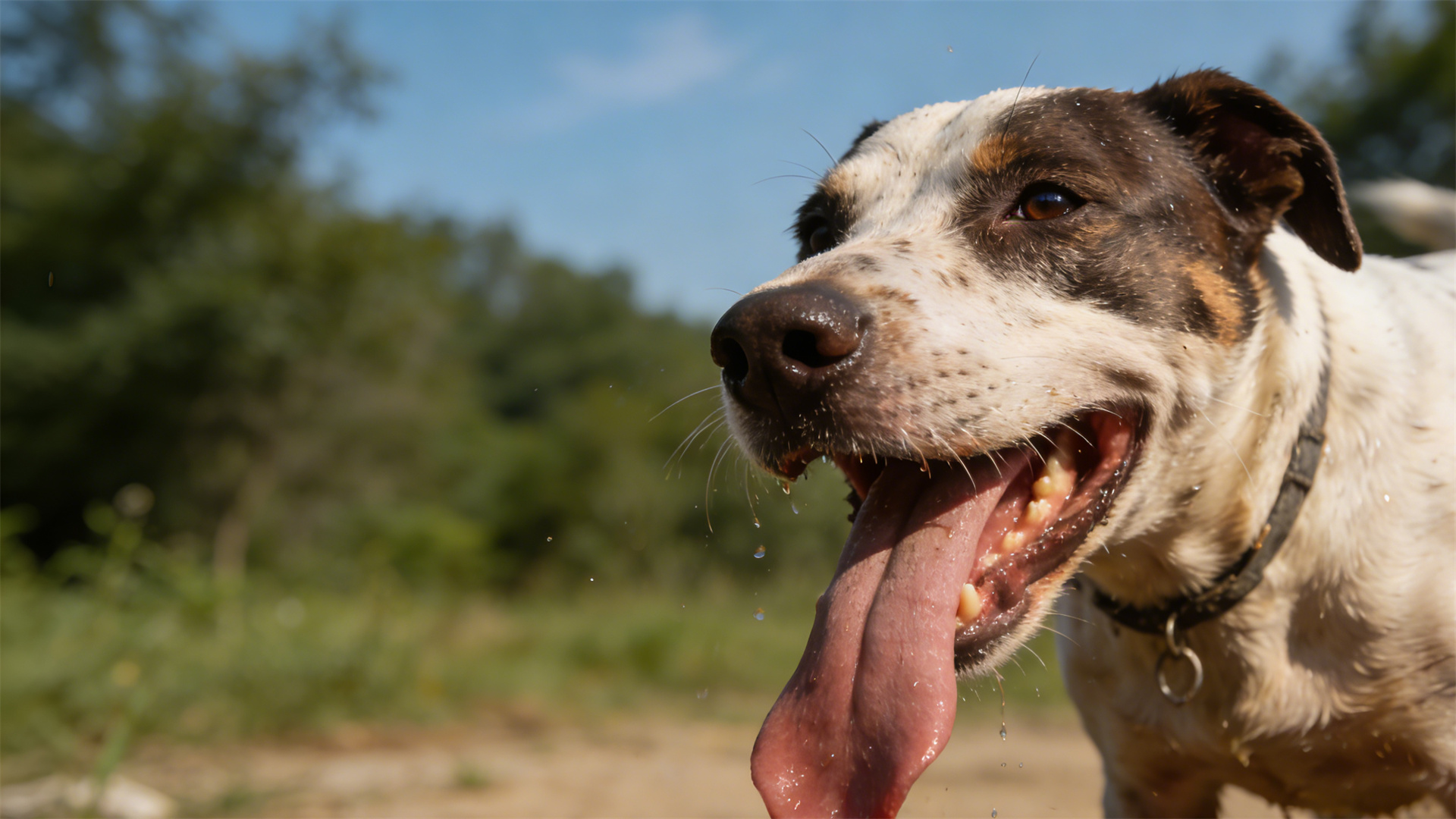
Extreme weather protection
As a devoted dog owner, you’re likely attuned to your furry friend's every whimper and tail wag. But when extreme weather strikes—be it blistering heat, bone-chilling cold, or violent storms—our canine companions rely entirely on us for their safety and well-being. Extreme weather protection for dogs isn't a luxury; it's a fundamental aspect of responsible pet ownership. This comprehensive guide merges essential veterinary knowledge with practical, actionable steps to equip you for anything Mother Nature throws your way. Whether you're a new puppy parent or a seasoned dog handler, understanding these health and safety principles is crucial for your pet's long-term vitality.

Environmental Safety Guidelines: Which common household plants are toxic to dogs?
Your home is a sanctuary, a place of comfort and safety for your entire family—including your canine companion. However, hidden amidst the décor and greenery that brings life to your rooms may lurk unexpected dangers. Dogs are inherently curious creatures, exploring the world with their noses and mouths, and the prevalence of popular houseplants can turn this natural curiosity into a serious health emergency. This comprehensive guide serves a critical purpose: to identify the most common household plants that are toxic to dogs, empower you with an immediate action plan, and provide you with the knowledge to create a beautiful and safe environment for everyone.

Temperature and humidity monitoring in pet rooms: using smart sensors to prevent respiratory diseases.
For dog owners, creating a safe and nurturing home environment is a paramount concern. We meticulously plan their diets, ensure they get ample exercise, and shower them with affection. Yet, one critical aspect of their well-being often goes unnoticed: the very air they breathe. The microclimate of your home—specifically the temperature and humidity in the rooms where your dog sleeps and plays—can be a silent contributor to respiratory distress and long-term health issues. This comprehensive guide delves into the vital link between indoor climate control and canine respiratory health, and demonstrates how modern, affordable smart sensor technology provides a powerful, proactive solution to safeguard your furry family member's wellness.
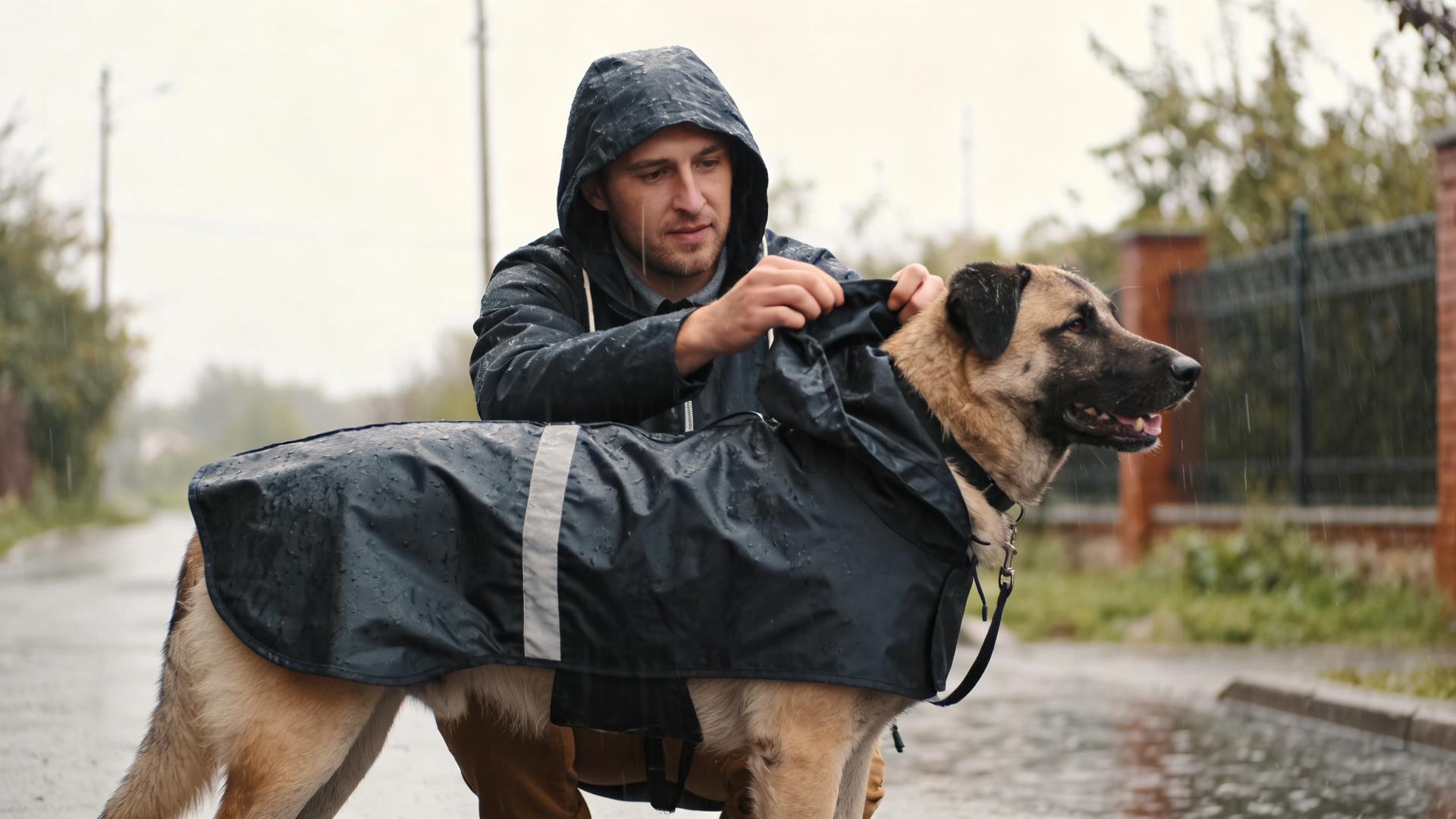
The importance of wearing a raincoat when walking your dog in the rain: Breathability is more important than waterproofness.
As a responsible dog owner, you see the clouds gathering and instinctively reach for your dog’s raincoat. The goal is simple: keep your furry friend dry and make the wet-weather walk tolerable for both of you. For years, the prevailing wisdom has been to seek out the most waterproof dog raincoat available, often equating a higher waterproof rating with superior protection. However, this approach misses a critical and often overlooked piece of the canine comfort puzzle. The true hallmark of a functional, healthy, and effective raincoat isn't just its ability to lock water out—it's its capacity to let moisture vapor escape from within. In the world of canine outerwear, breathability consistently trumps absolute waterproofness.