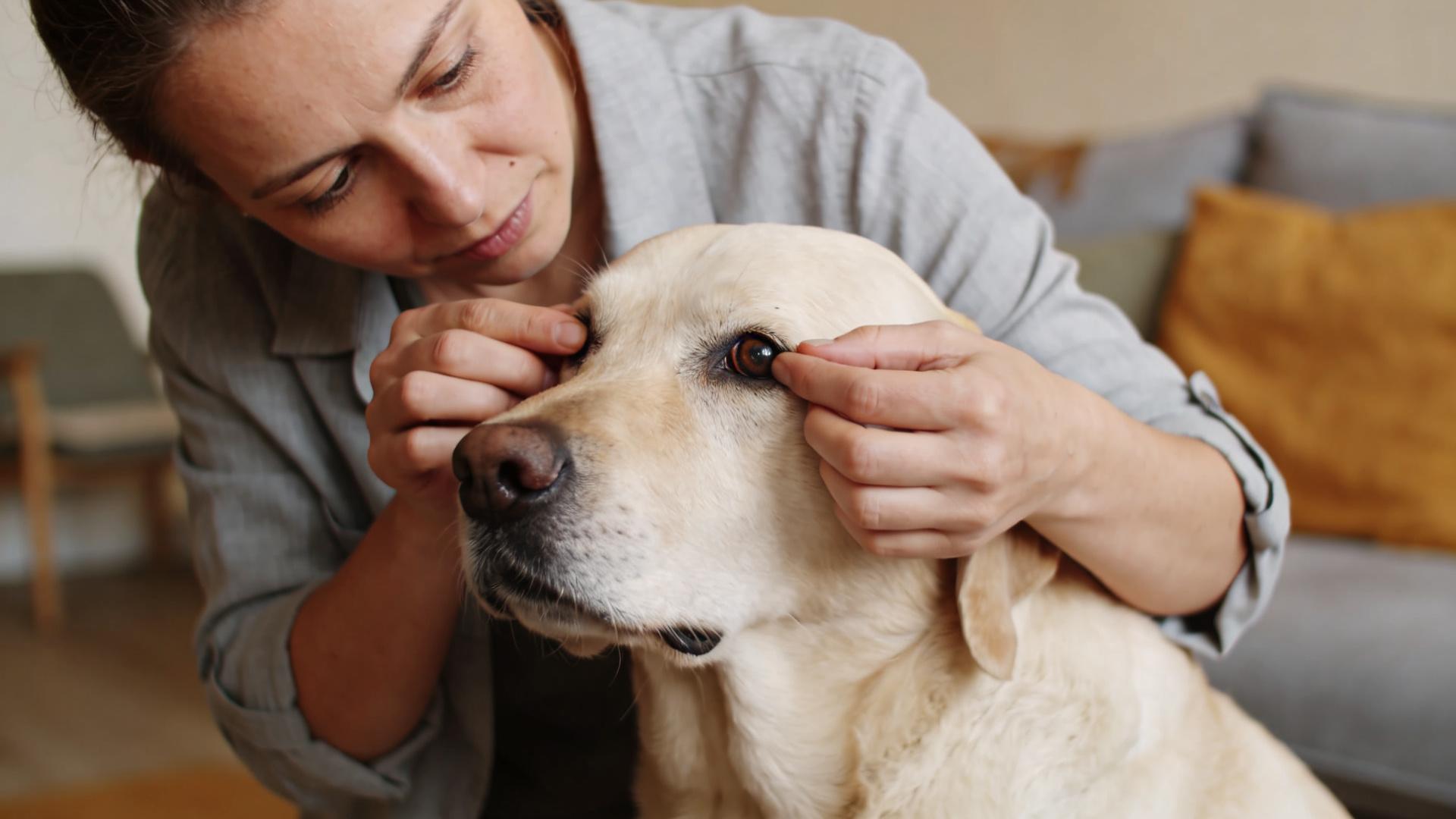
For dog owners, creating a safe and nurturing home environment is a paramount concern. We meticulously plan their diets, ensure they get ample exercise, and shower them with affection. Yet, one critical aspect of their well-being often goes unnoticed: the very air they breathe. The microclimate of your home—specifically the temperature and humidity in the rooms where your dog sleeps and plays—can be a silent contributor to respiratory distress and long-term health issues. This comprehensive guide delves into the vital link between indoor climate control and canine respiratory health, and demonstrates how modern, affordable smart sensor technology provides a powerful, proactive solution to safeguard your furry family member's wellness.
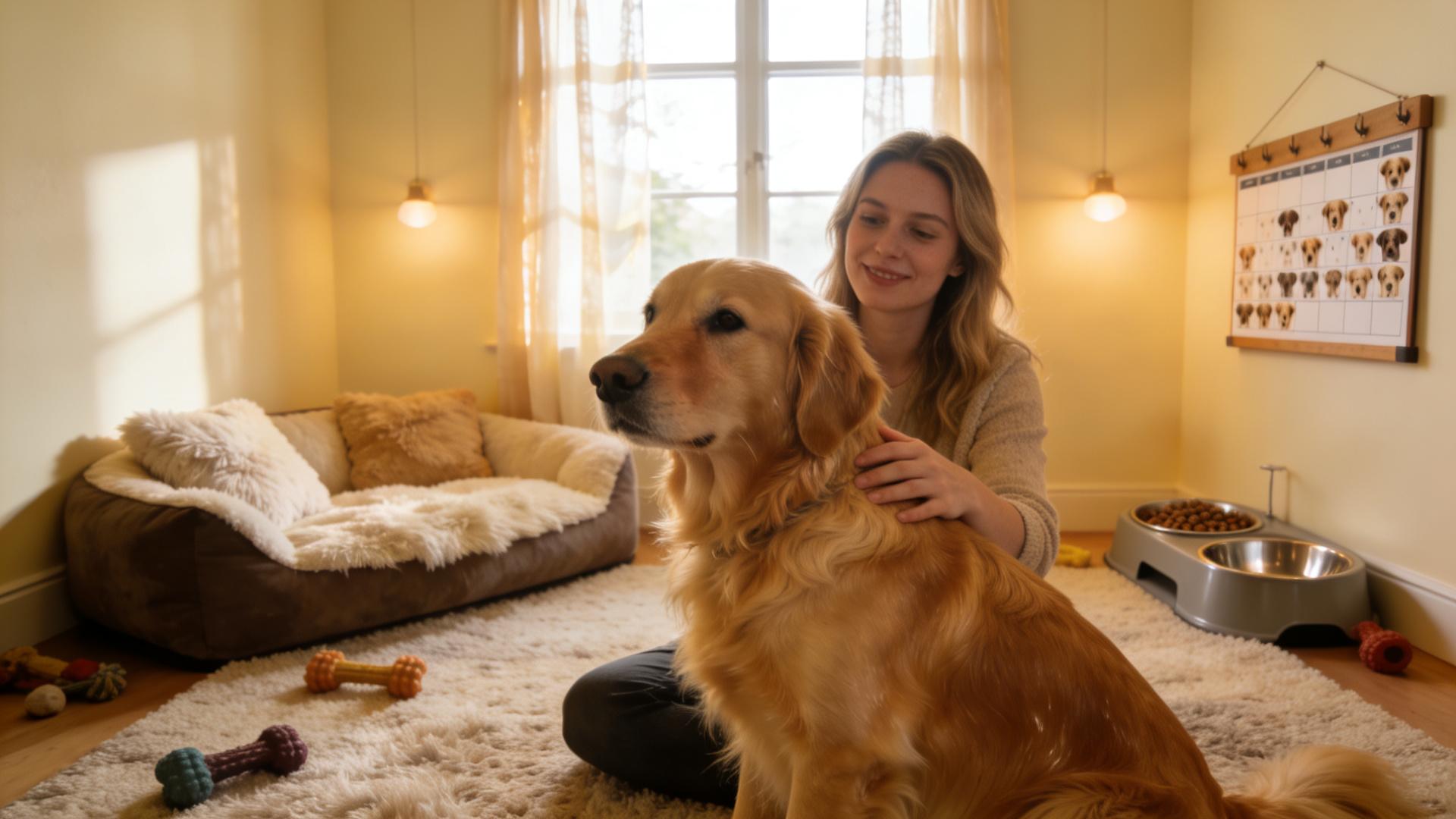
🫁 The Canine Respiratory System and Environmental Stress
Unlike humans who sweat efficiently, dogs primarily regulate their body temperature through panting. This biological reality makes them exquisitely sensitive to their environmental conditions. Understanding this is key to preventing respiratory diseases in pets.
The Hidden Dangers of Imbalanced Humidity
High Humidity (typically above 60%): When the air is saturated with moisture, your dog's primary cooling mechanism—panting—becomes ineffective. Evaporative cooling fails, trapping heat in their body and leading to rapid overheating, exhaustion, and in severe cases, heatstroke. Furthermore, a damp environment is a breeding ground for mold, mildew, and dust mites, whose airborne spores are potent respiratory irritants and allergens.
Low Humidity (typically below 30%): Common in winter due to heating systems, dry air desiccates the delicate mucous membranes lining your dog's nasal passages and throat. These membranes are a first line of defense, trapping dust, viruses, and bacteria. When dried out, this barrier is compromised, making your dog more susceptible to infections like kennel cough, and exacerbating chronic conditions such as canine bronchitis or tracheal collapse.
Temperature Extremes and Vulnerable Breeds
While all dogs are affected, some are at heightened risk. Brachycephalic breeds (like Bulldogs, Pugs, and French Bulldogs) already struggle with compromised airways. Adding the stress of high heat or humidity can quickly lead to a life-threatening respiratory crisis. Similarly, very young, old, or dogs with pre-existing heart or lung conditions require a meticulously controlled environment.

📟 Smart Sensors: Your 24/7 Climate Watchdog
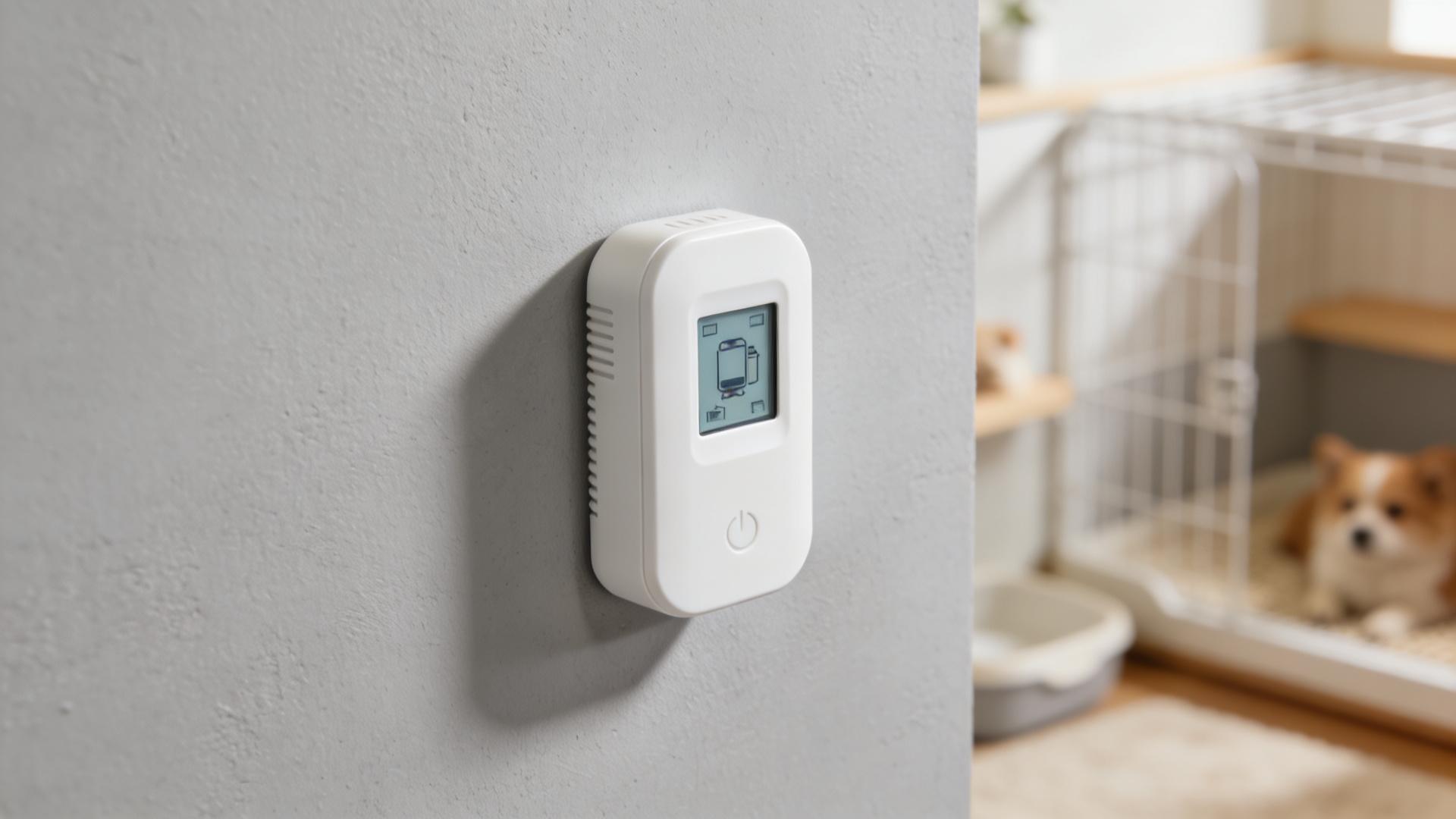
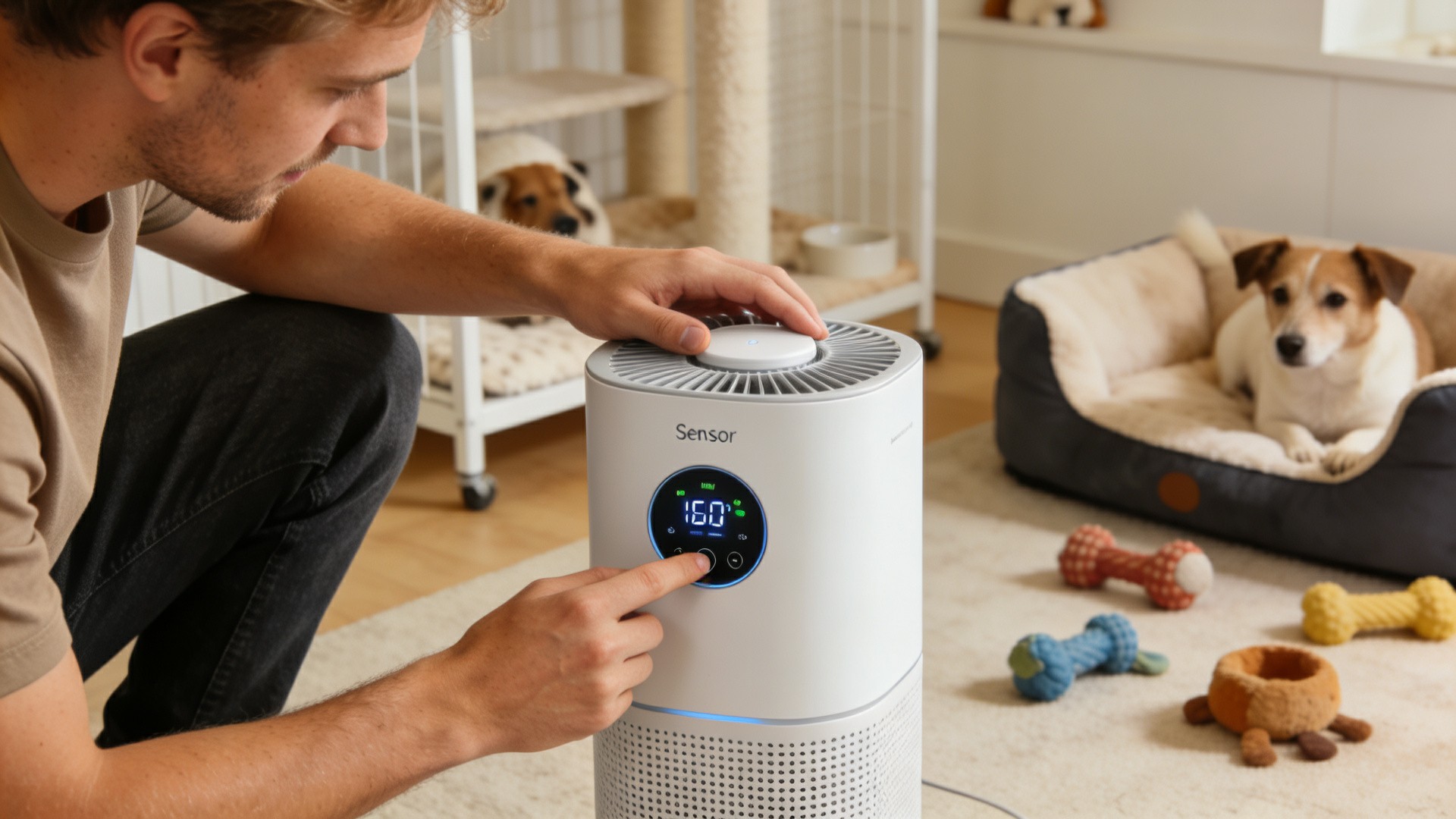
A simple wall thermometer gives you a fleeting snapshot. Modern smart sensors for pet rooms offer a dynamic, connected, and intelligent monitoring system. These compact devices are the cornerstone of modern pet health monitoring systems.
Key Features That Empower Pet Owners
- Real-Time Monitoring & Alerts: View current temperature and humidity from your smartphone, anywhere. Set custom thresholds (e.g., alert me if humidity exceeds 55%) and receive instant push notifications if conditions stray from the safe zone.
- Historical Data Logs & Trends: This is where true prevention lies. The sensor logs data over time, allowing you to see patterns. You might discover that your sunroom spikes in heat every afternoon or that the basement becomes dangerously damp overnight. This insight is invaluable for proactive pet room climate control.
- Smart Home Ecosystem Integration: The true power of IoT sensors for pet health is automation. Many sensors can integrate with platforms like Google Home, Amazon Alexa, or Apple HomeKit. You can create "routines": "If the living room temperature exceeds 76°F, turn on the smart air conditioner." This creates a self-regulating healthy environment.
📍 Selecting and Placing Your Sensors for Maximum Accuracy
Not all sensors are created equal, and placement is critical for accurate data that reflects what your pet actually experiences.
Choosing the Right Device
Look for sensors with a clear reputation for accuracy (±1°F and ±2% RH is good). A clear onboard display is a bonus for at-a-glance checks. Ensure the companion app is user-friendly and offers the features mentioned above. Many top-tier smart home devices for pet care come from brands like Govee, SensorPush, Eve, and Ecobee.
Strategic Placement for True Microclimate Monitoring
- Primary Zones: Place sensors in the rooms where your dog spends 80% of its time—often the bedroom where they sleep and the main living area.
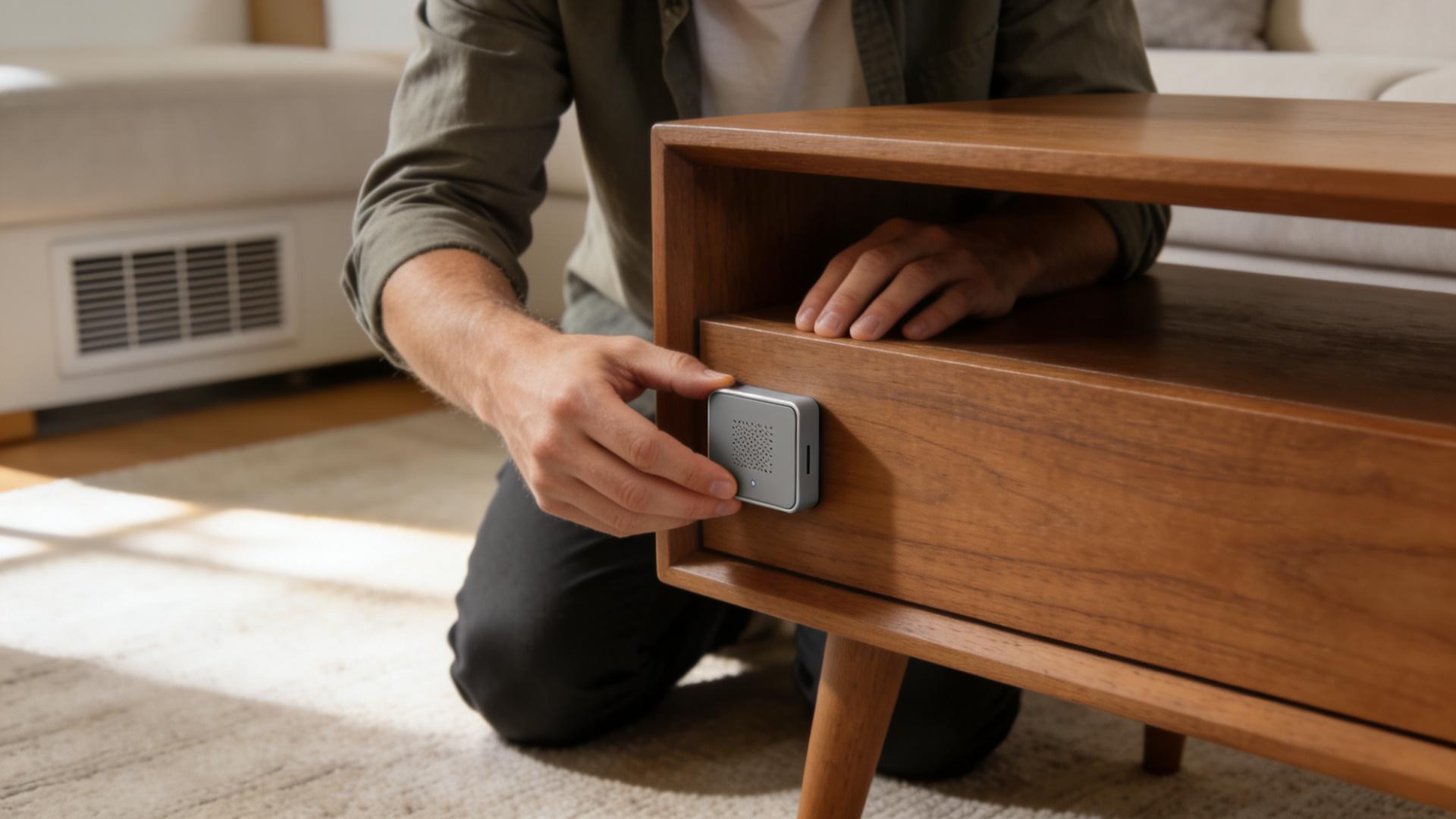
- Avoid Distortions: Keep sensors away from direct sunlight, heating/cooling vents, drafty windows, and behind furniture. These create localized conditions that don't represent the room's overall climate.
- Multi-Level Homes: Heat rises. If your home has multiple stories, consider a sensor on each level, especially if your dog has free access. The upstairs can be significantly warmer.
- Consider "Problem" Areas: Damp basements, sun-drenched conservatories, or poorly ventilated bathrooms (if your pet goes there) are prime candidates for additional environmental monitoring.
⚙️ Actionable Steps for a Healthier Pet Environment
With your smart sensors in place, it's time to translate data into action.
Establish Your Target "Goldilocks Zone"
While individual needs vary, a widely accepted optimal range for canine comfort and health is:
Temperature: 68°F to 75°F (20°C to 24°C)
Relative Humidity: 30% to 50%
Special Reminder: Always consult your veterinarian for breed-specific or condition-specific guidance. A Siberian Husky and a Boston Terrier may have different ideal settings.
Create a Responsive Action Plan
- For High Humidity: Use sensor alerts to trigger the use of a dehumidifier. Improve ventilation with fans or by opening windows (when outdoor conditions permit). Fix any source of water intrusion.
- For Low Humidity: Employ a cool-mist humidifier. You can even use smart plugs to turn a humidifier on/off based on sensor readings, preventing pet respiratory issues from dry air.
- For High Temperature: Use smart thermostat integration or standalone AC units. Ensure fresh, cool water is always available. Create cool zones with tile flooring.
- Review and Adapt: Weekly, glance at your sensor's history. Correlate climate spikes with household activities. This knowledge empowers you to make lasting adjustments for a consistently healthy pet room environment.
🛡️ Conclusion: Breathe Easier Together
Proactive climate control for pet disease prevention is no longer a luxury of the future; it's an accessible, essential component of modern, responsible pet care. By deploying smart sensor technology, you move from passive worrying to active knowing. You transform your home into a scientifically supported sanctuary that actively promotes respiratory health and overall vitality for your canine companion. This simple, one-time investment delivers immeasurable peace of mind, knowing you are preventing discomfort, reducing veterinary risks, and enhancing your dog's quality of life. Start monitoring your pet room conditions for health today, and truly breathe easier together.