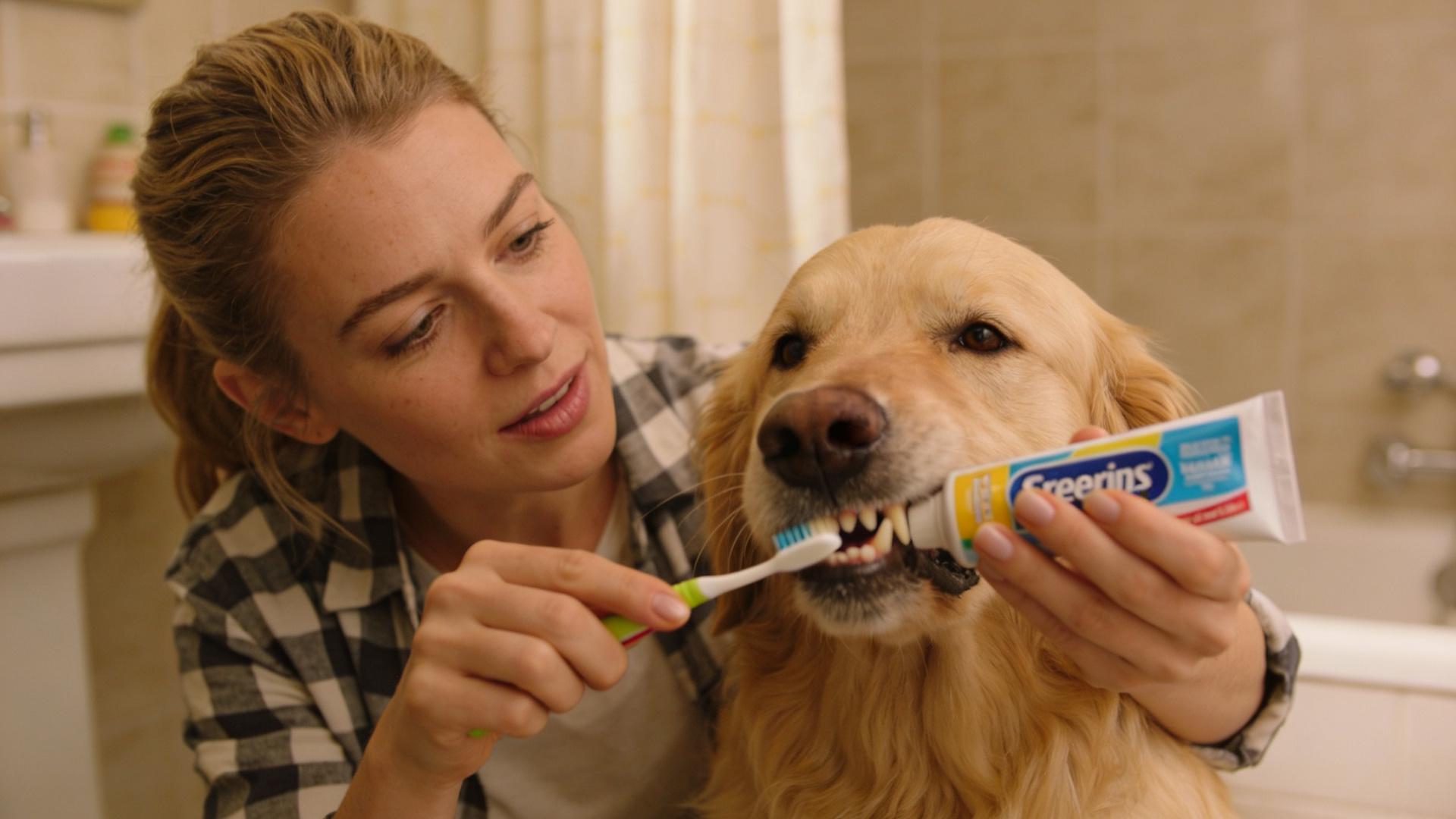
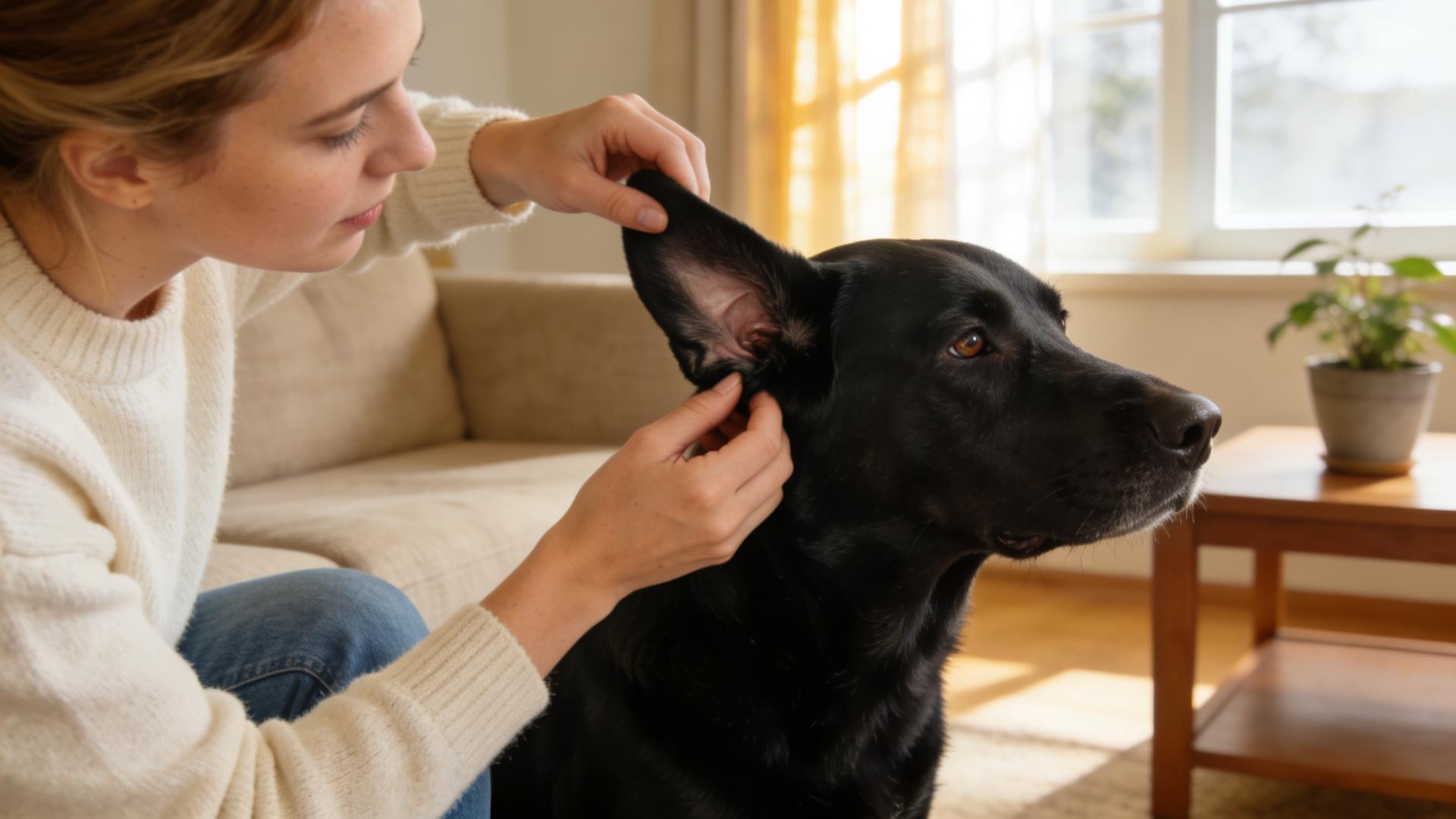
As the winter chill sets in or we rely on constant heating to stay cozy, a hidden discomfort often plagues our canine companions. Have you noticed your dog scratching more frequently, perhaps with flaky skin or a dull coat? You're not alone. The same artificial heat that keeps us warm can create an arid indoor environment that wreaks havoc on your dog's skin health. This article delves into the root causes of this common issue and provides a detailed, actionable plan centered on two powerful tools: humidifiers and moisturizing sprays. Let's restore comfort to your furry friend's life.

🐾 Section One: Unraveling the Causes of Canine Dryness and Itchiness
To effectively combat the problem, we must first understand the enemy. A dog's skin is its largest organ and a vital barrier against infection and environmental stressors. When this barrier is compromised, trouble begins.
The Science of Dry Air and Skin:
Heating systems, whether forced air, radiators, or space heaters, work by warming the air. However, warm air can hold more moisture than cold air. As these systems run, they do not add moisture; they simply circulate the existing dry air, causing relative humidity levels to plummet. Ideal indoor humidity for both humans and pets is between 40% and 60%. In winter, levels can drop below 30%, creating an atmosphere as dry as a desert.
Impact on Your Dog's Skin and Coat:
This dry air acts like a sponge, pulling moisture from anything it touches, including your dog's skin and coat. The natural oils that keep the skin supple and the coat shiny are stripped away. The skin's outer layer becomes dehydrated, leading to:
- Impaired Barrier Function: Cracked, flaky skin becomes a gateway for allergens and bacteria.
- Increased Sensitivity: Nerve endings in the skin become more exposed, making your dog feel persistently itchy.
- Special Reminder: Certain breeds, like those with double coats or skin folds, and older dogs, are even more susceptible to these harsh conditions.
💧 Section Two: The Humidifier – Your First Line of Defense
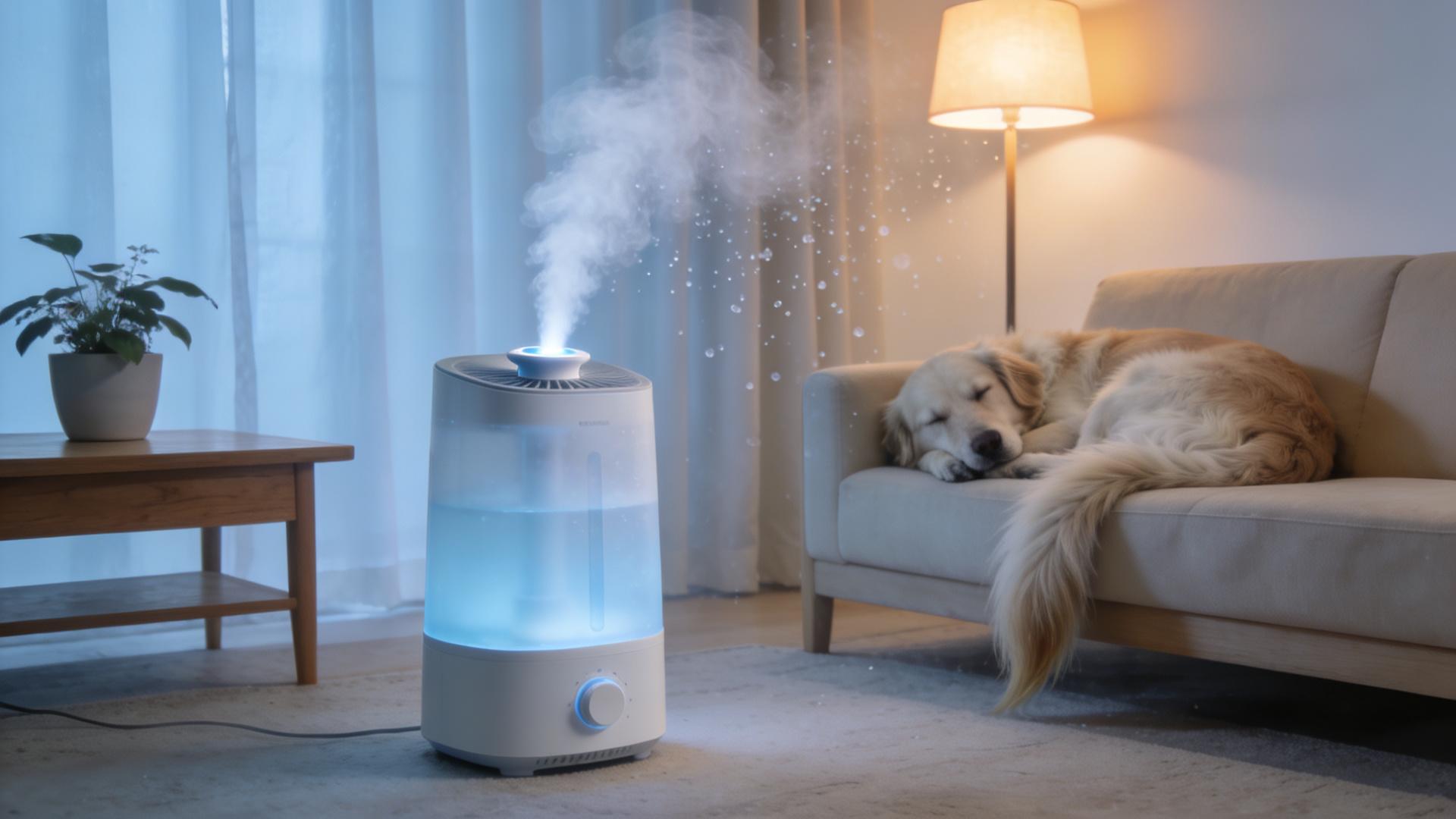
A humidifier is not just a human comfort device; it's a foundational tool for preventing dryness in dogs indoors. By reintroducing moisture into the air, you tackle the problem at its environmental source.
Benefits of Humidifiers for Dogs:
Consistently maintaining proper humidity helps rehydrate your dog's skin from the outside in, soothe nasal passages, and can even reduce static electricity in their fur. It's a proactive solution that benefits the entire household.
Choosing the Right Humidifier:
For pet households, safety and ease of cleaning are paramount.
- Cool Mist vs. Warm Mist: Cool mist ultrasonic humidifiers are generally recommended. They are energy-efficient, quiet, and pose no burn risk to curious pets. Warm mist models can be a hazard if knocked over.
- Features to Look For: Seek models with a built-in hygrometer (to monitor humidity), automatic shut-off, and a large tank for less frequent refills. An essential oil diffuser function is not recommended, as many essential oils are toxic to dogs.
Usage and Safety Guidelines:
Place the humidifier in a central location, like a living room, or in the room where your dog sleeps most often. Keep it elevated and out of direct reach. Clean it rigorously according to the manufacturer's instructions—often with vinegar or a recommended solution—to prevent mold and bacteria buildup, which would then be aerosolized into the air. Aim to keep indoor humidity consistently between 40-50%.
🌿 Section Three: Moisturizing Sprays – Targeted, Soothing Relief
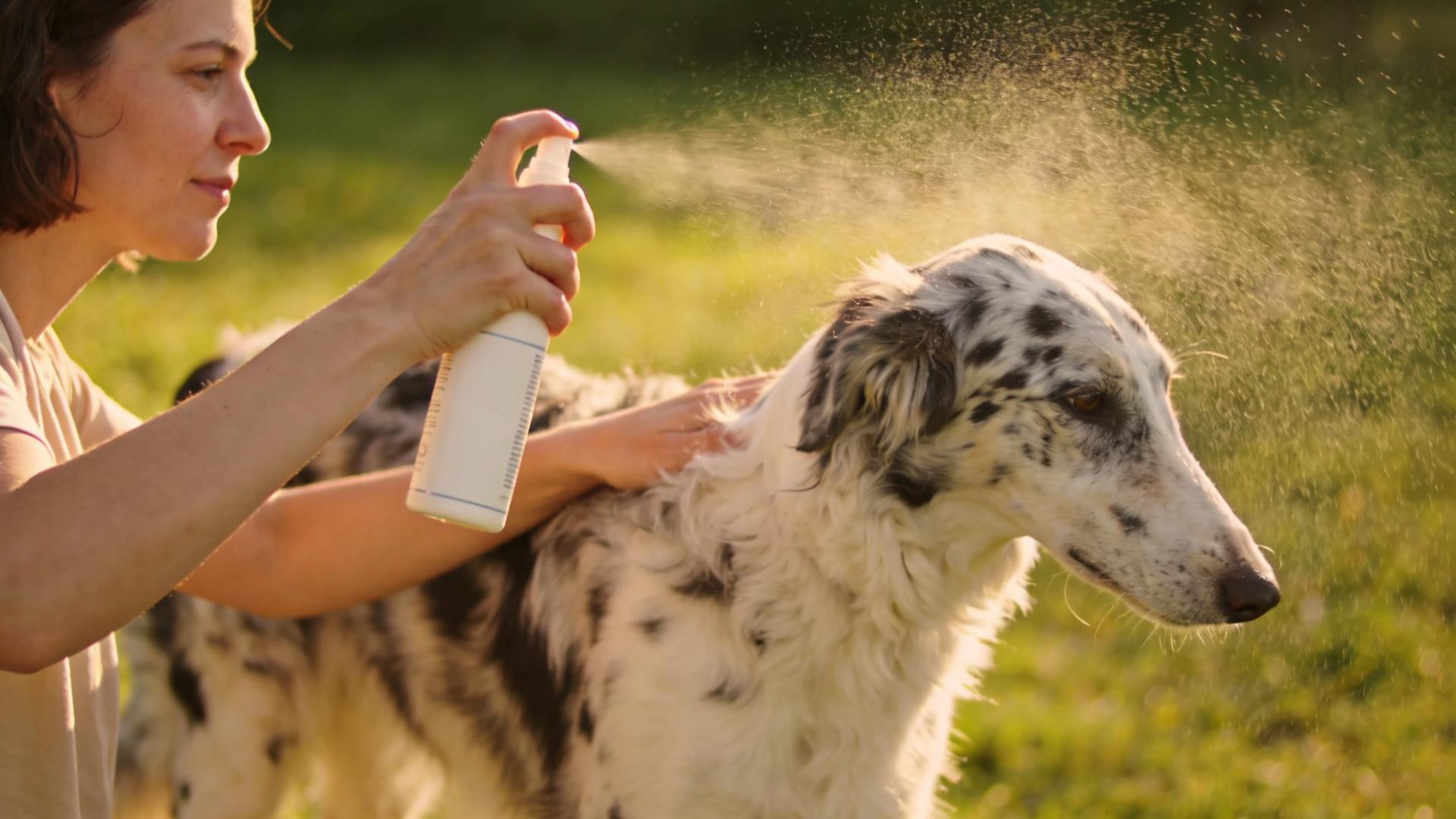
While a humidifier addresses the air, a moisturizing spray for dogs provides direct, localized care to your dog's skin and coat. Think of it as a hydrating top-up treatment.
The Role of Quality Moisturizing Sprays:
These sprays are formulated to deliver moisture and beneficial nutrients directly to the epidermis. They can provide immediate relief from itchiness, help repair the skin's barrier, and add a healthy shine to the coat between baths.
Ingredients: What to Seek and What to Avoid:
- Seek: Look for natural, soothing ingredients like oatmeal colloidal, aloe vera, chamomile, coconut oil, vitamin E, and shea butter. Hyaluronic acid is a superb hydrator. Ensure the product is explicitly labeled for canine use and is pH-balanced for dog skin.
- Avoid: Steer clear of sprays containing alcohol, artificial fragrances, parabens, or phthalates. These can further dry out and irritate sensitive skin.
Correct Application Technique:
1. Part the fur to expose the skin. 2. Hold the bottle 6-8 inches away and mist lightly. 3. Gently massage the spray into the skin with your fingers or a soft brush, focusing on dry, flaky, or itchy areas like the back, elbows, and belly. 4. Avoid the eyes, nose, and inner ears. Use as directed, often 2-3 times per week, or as needed.
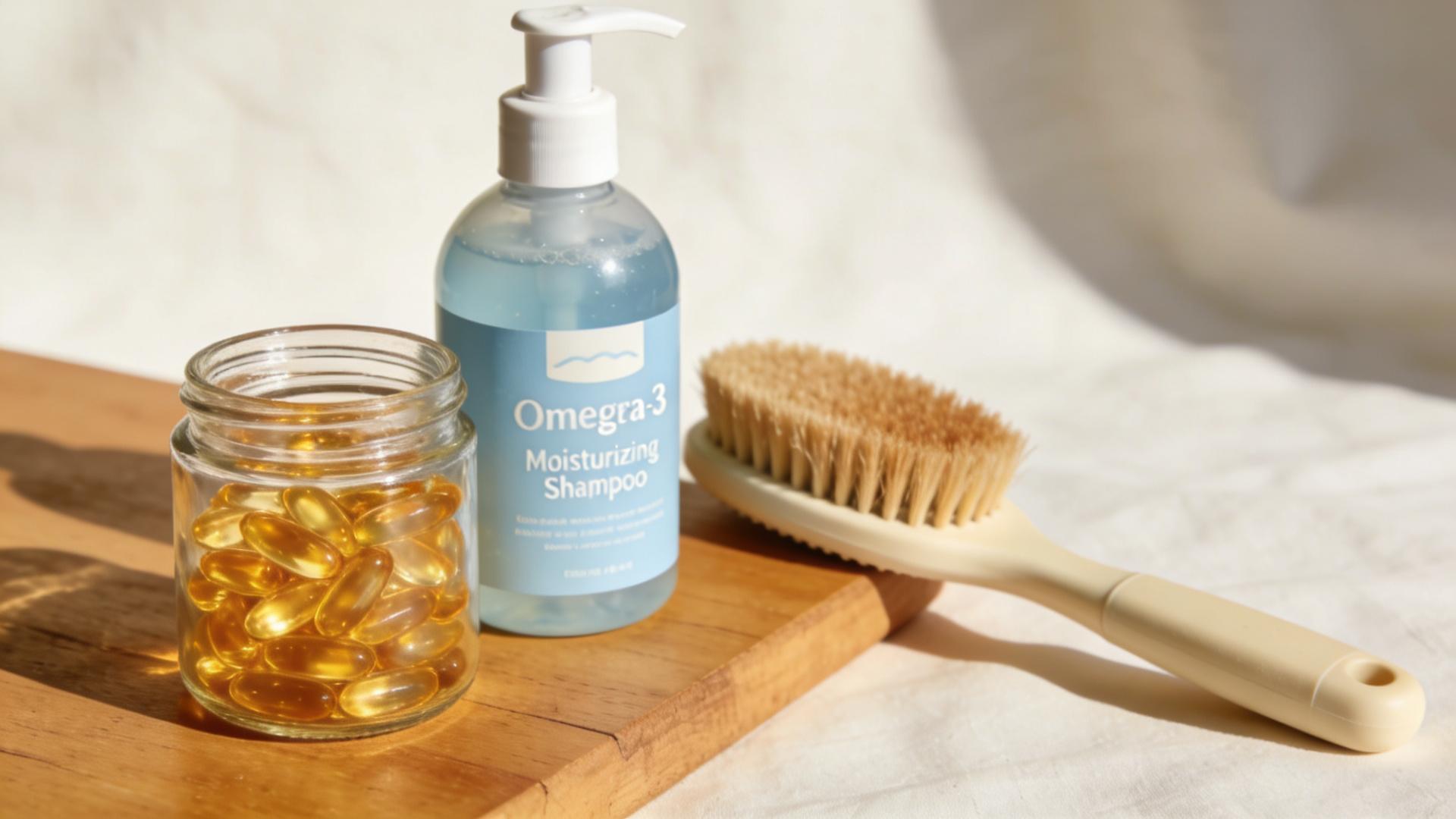
✨ Section Four: Holistic Care – Beyond Humidifiers and Sprays
A comprehensive approach yields the best results. Integrate these practices to support your dog's skin health from the inside out and through routine care.
Grooming and Bathing Adjustments:
Over-bathing strips essential oils. In dry months, extend the time between baths and always use a hypoallergenic, moisturizing oatmeal or aloe shampoo. Follow with a conditioner. Regular brushing with a suitable brush distributes natural oils and stimulates the skin.
Dietary Support:
Nutrition is the foundation of healthy skin. Consult your veterinarian about adding dietary supplements like:
Omega-3 and Omega-6 fatty acids (from fish oil or flaxseed oil) which are powerful anti-inflammatories.
Vitamin E, an antioxidant that supports skin repair.
Ensure your dog's main diet is high-quality and rich in digestible protein.
Environmental Tweaks:
Provide a plush, comfortable bed away from direct heat vents. After walks, wipe your dog's paws and belly with a damp cloth to remove drying salts and chemicals. Ensure they always have access to fresh water to support internal hydration.

Conclusion: A Path to Lasting Comfort
Combating dry skin in dogs from heated rooms is a manageable challenge. By understanding the cause—excessively dry air—you can implement a strategic solution. Start by regulating your home's humidity with a pet-safe humidifier. Complement this with the direct, soothing application of a high-quality, natural moisturizing spray. Wrap it all together with supportive grooming, nutrition, and environmental care. This multi-pronged strategy will not only relieve your dog's immediate itchiness but also fortify their skin's resilience against future seasonal challenges.