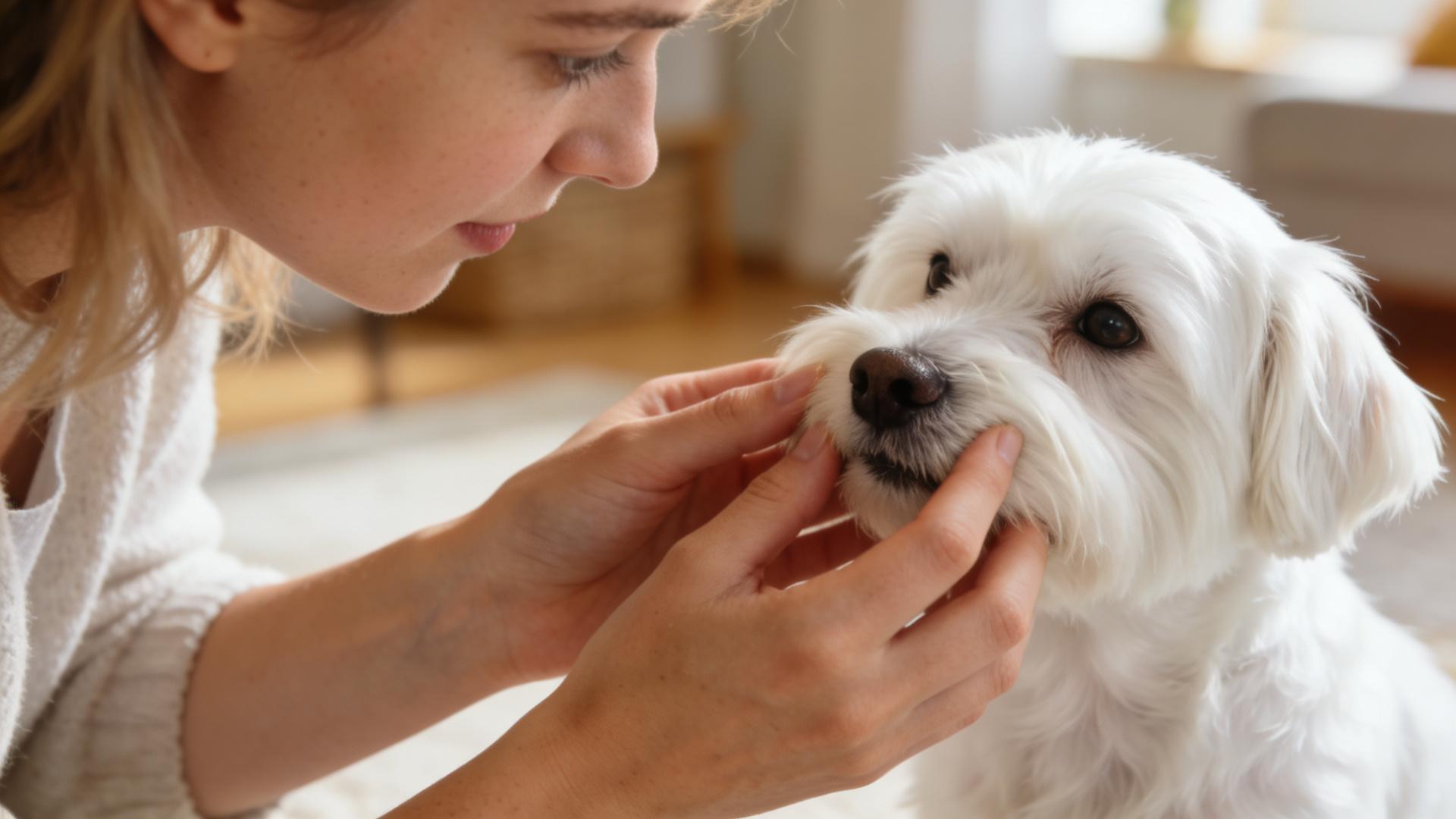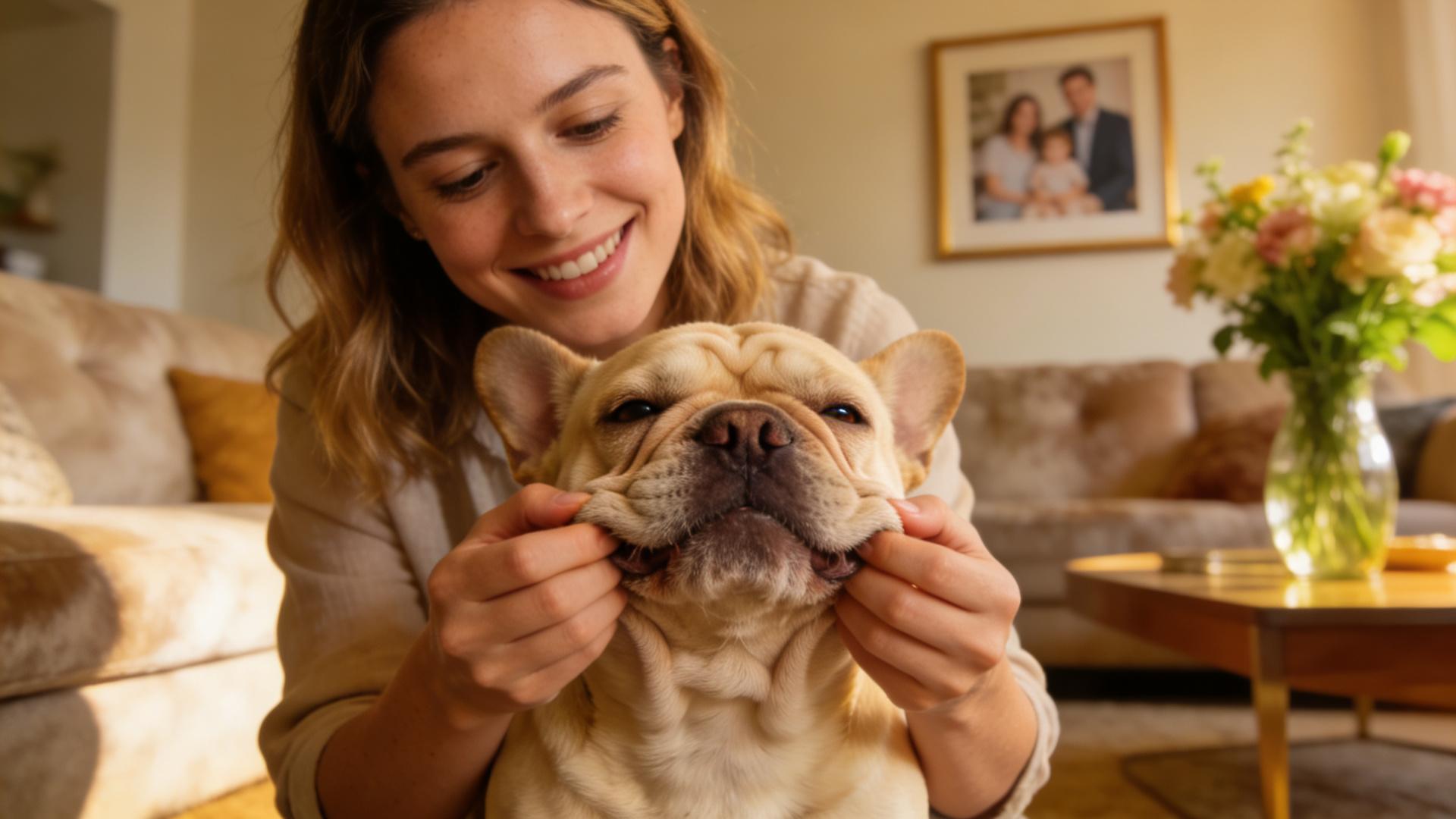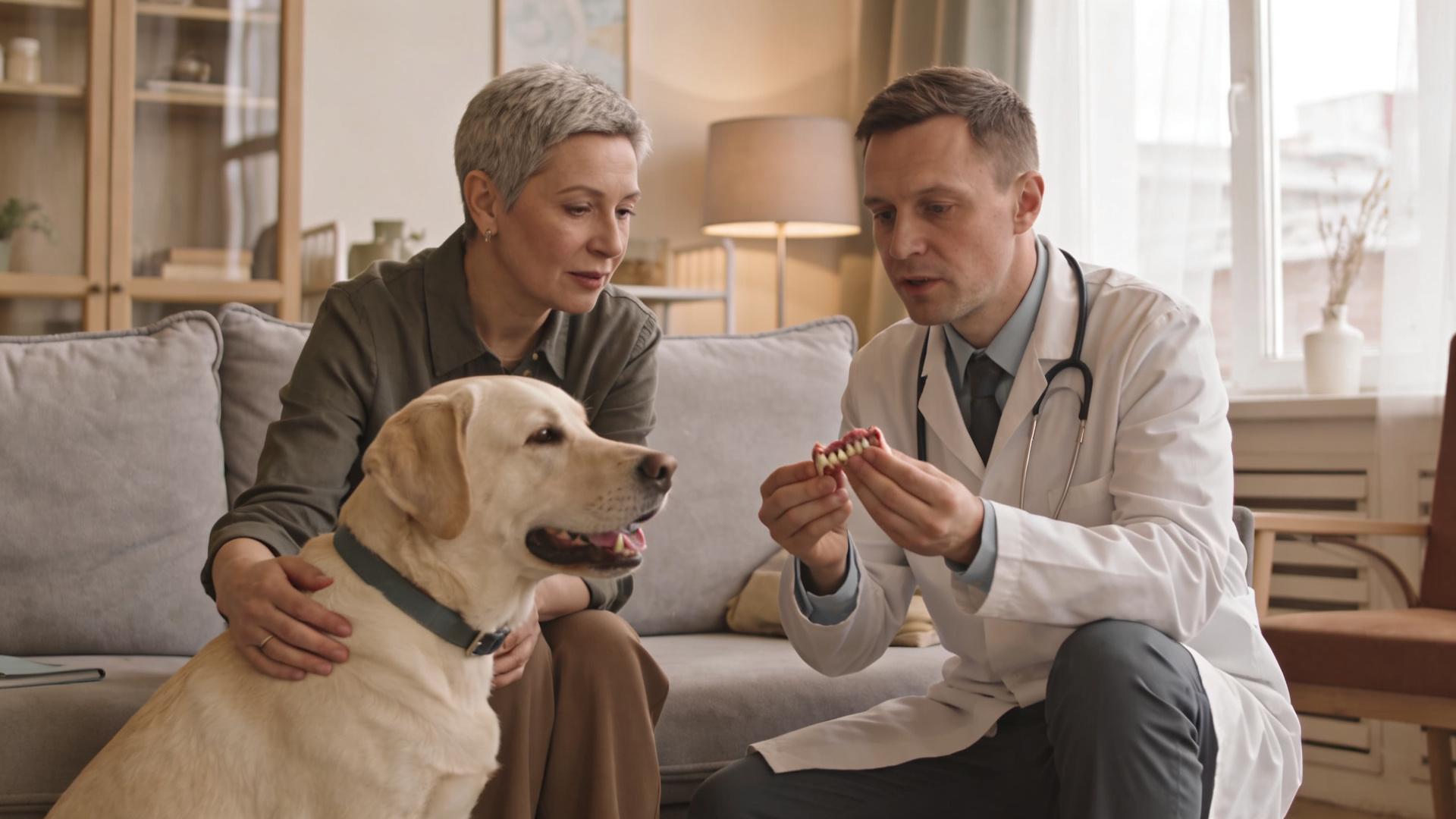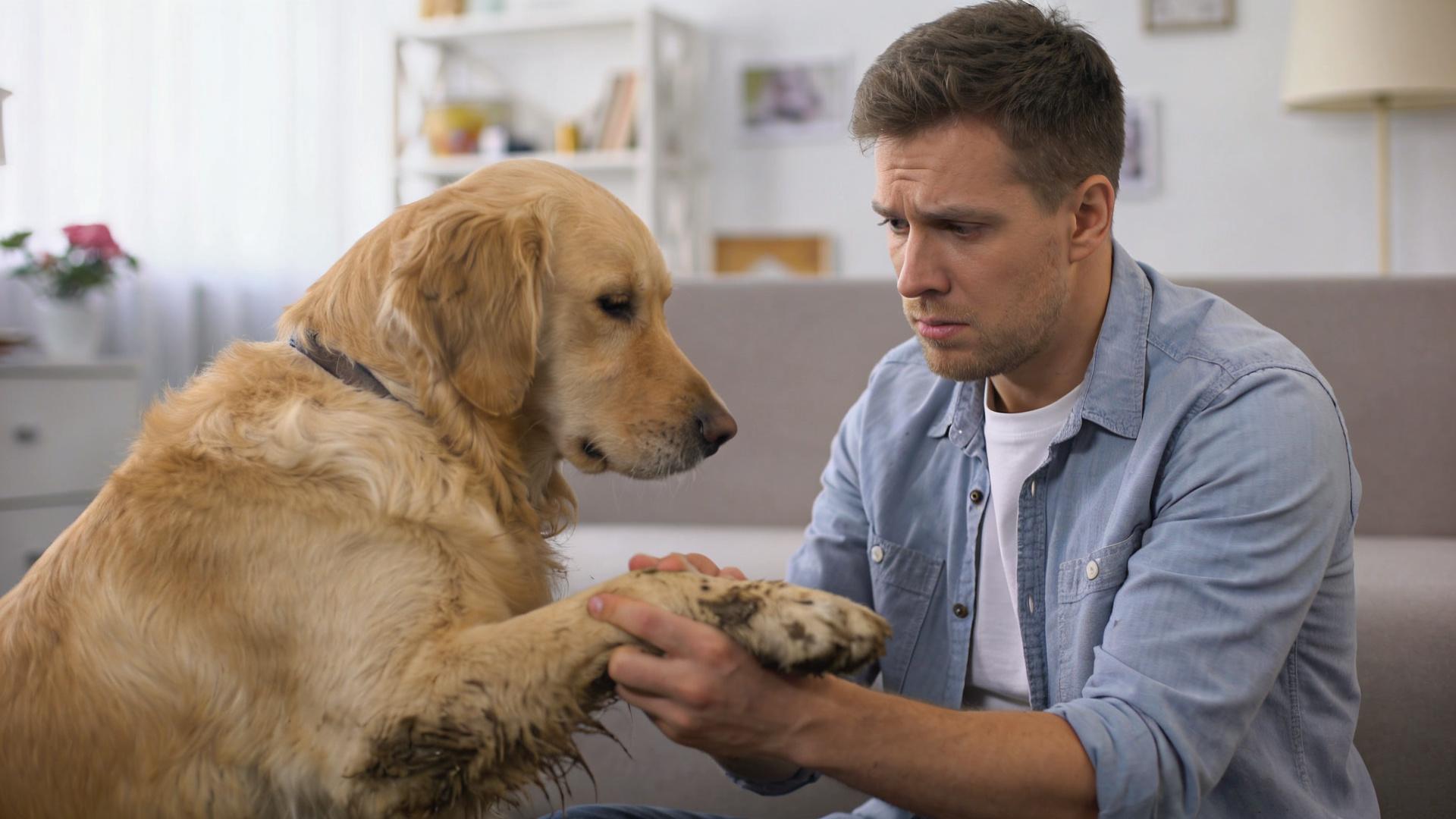
You love your dog, and you want them clean, fresh, and smelling great. It seems logical: a dirty dog gets a bath. But what if your well-intentioned frequent bathing is secretly sabotaging your best friend's health? Imagine this: after a muddy park adventure, you give your pup a thorough scrub. A week later, they're scratching again, so into the tub they go. Soon, you notice dry, flaky patches, a faint odd smell, or persistent itching. This common scenario leads us to a critical question: Can washing your dog too often actually make them sick? This article provides a comprehensive, evidence-based explanation of how frequent bathing disrupts the delicate health of canine skin, leading to diseases, and offers practical guidance for safe, effective grooming.
🐾 The Canine Skin Ecosystem: More Than Just a Coat
To understand why bathing can be harmful, we must first appreciate the sophistication of your dog's skin. It is far more than a simple furry covering; it's a dynamic, multi-layered ecosystem and a vital health barrier.
The Skin's Structure and Barrier Function
Canine skin consists of three primary layers: the epidermis (outermost), dermis (middle), and hypodermis (innermost). The stratum corneum, the top layer of the epidermis, is the body's first line of defense. Think of it as a tightly knit brick wall, where skin cells (bricks) are held together by lipids, or fats (mortar). This "lipid barrier" is crucial for keeping moisture in and allergens, bacteria, and irritants out.
The Role of Natural Oils (Sebum)
Produced by sebaceous glands, natural oils or sebum are the skin's natural moisturizer and protector. This oily secretion:
· Coats each hair shaft, providing waterproofing and luster.
· Helps maintain skin elasticity and pliability.
· Contains antimicrobial properties that support a healthy microbial balance.
It is a fundamental component of a functional skin barrier.
The Skin Microbiome: An Invisible Army
Your dog's skin hosts a vast community of beneficial bacteria, yeast, and other microorganisms—the skin microbiome. This ecosystem exists in a careful balance, outcompeting harmful pathogens and training the immune system. A diverse, stable microbiome is essential for preventing infection and inflammation.
⚖️ The Impact of Frequent Bathing: Stripping the Defense
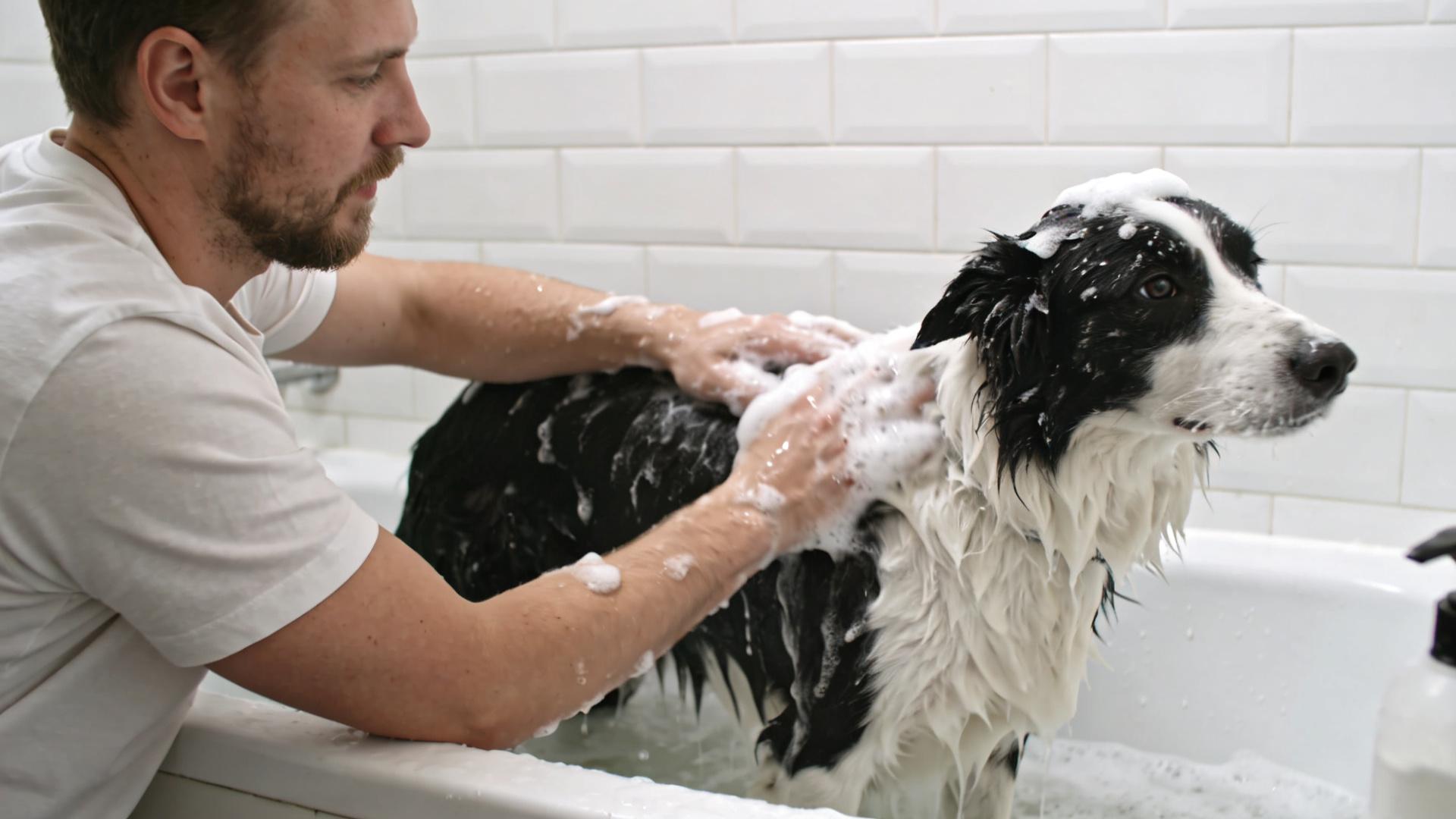
Every bath, no matter how gentle the shampoo, intervenes in this carefully balanced ecosystem. Here’s how over bathing dogs systematically causes damage.
1. Stripping Protective Oils
Most shampoos, even mild ones, are detergents designed to lift oil and dirt. With frequent bathing, the sebaceous glands cannot replenish natural oils quickly enough. This leaves the skin dehydrated and the hair coat dry and brittle, directly compromising the skin barrier. An analogy: washing your hands with harsh soap constantly leads to chapped, cracked skin; the same happens to your dog.
2. Compromising the Lipid Barrier
The repeated removal of intercellular lipids weakens the "mortar" between skin cells. This compromised skin barrier becomes permeable, allowing moisture to escape (causing dryness) and enabling irritants, allergens, and pathogens to penetrate more easily, leading to inflammation and infection.
3. Disrupting the Microbial Balance
Bathing washes away both good and bad microbes. While harmful bacteria can rebound quickly, beneficial ones may not, creating an opportunity for pathogenic species like Staphylococcus pseudintermedius (bacteria) or Malassezia pachydermatis (yeast) to overgrow. This dysbiosis is a primary trigger for skin diseases.
🚨 Specific Skin Diseases Linked to Over-Bathing
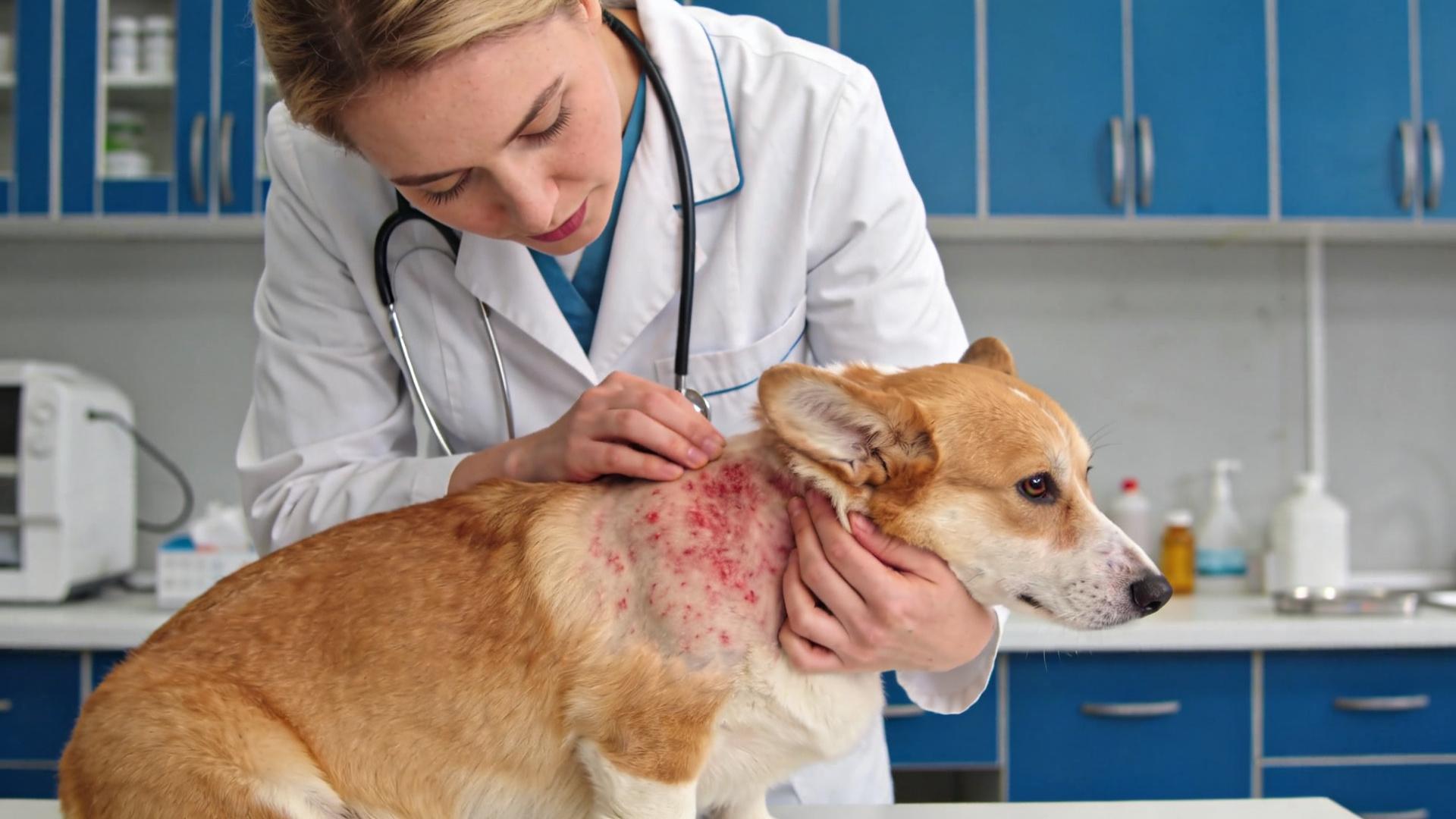
The cascade of barrier damage and microbiome disruption manifests in several clinical conditions. Recognizing these is key to understanding the consequences of dog grooming mistakes.
Contact Dermatitis
This is an inflammatory reaction to direct contact with an irritant or allergen. Frequent bathing itself can be physically irritating. More commonly, it's caused by:
· Harsh or human shampoos (which have a different pH).
· Residual shampoo left on the skin.
· Fragrances or chemicals in grooming products.
Symptoms: Redness, itching, bumps, or rash localized to areas where the product was applied.
Bacterial Pyoderma
Literally "pus in the skin," this is a bacterial infection often secondary to a damaged skin barrier. When the barrier is compromised from over bathing, normal skin bacteria invade deeper layers, causing:
· Papules (small red bumps) and pustules (pimples).
· Circular crusts, often likened to "moth-eaten" fur.
· Excessive itching and discomfort.
Yeast (Malassezia) Infections
Yeast thrives in warm, moist, lipid-rich environments. Ironically, while bathing removes oils, it can create micro-abrasions and alter skin pH, promoting yeast overgrowth. Symptoms include:
· Intense itching, especially in ears, paw pads, armpits, and skin folds.
· A distinctive sweet, musty odor.
· Greasy, red, or darkened skin with possible thickening.
Generalized Dry, Flaky Skin (Seborrhea)
Chronic removal of oils can lead to the skin overproducing poor-quality sebum (seborrhea sicca) or, conversely, becoming excessively oily (seborrhea oleosa) as glands work overtime. This results in widespread dandruff, scales, and a dull, unhealthy coat.

🔍 Influencing Factors: One Bath Schedule Does Not Fit All
The question "how often should you bathe a dog?" has no single answer. Several factors dictate the ideal dog bathing frequency.
Breed & Coat Type:
· Oily Coats (e.g., Basset Hounds, Cocker Spaniels): May need bathing every 1-2 weeks with specific shampoos to prevent oil buildup.
· Water-Repellent Coats (e.g., Siberian Huskies, Golden Retrievers): Bathing too often strips essential oils; every 6-8 weeks or even less frequently is often sufficient.
· Hairless Breeds (e.g., Chinese Crested): Require more frequent cleansing (weekly) but with ultra-mild, moisturizing products.
· Double-Coated Breeds: Over-bathing can ruin the insulating properties of the undercoat.
Age, Lifestyle & Health:
· Puppies and Seniors often have more sensitive skin.
· Active, outdoor dogs will need baths more often than sedentary indoor pets.
· Dogs with existing allergies or hormonal conditions (e.g., hypothyroidism) have inherently compromised skin barriers and require veterinarian-guided bathing protocols as part of their treatment.
✨ Correct Bathing Protocol: The Art of the Safe Bath
Preventing dog skin problems from bathing revolves around moderation, technique, and product choice.
Optimal Bathing Frequency: A General Guide
For the average dog with normal skin and a typical lifestyle, a bath every 4 to 6 weeks is often adequate. This interval allows the skin to replenish its oils and microbiome. When in doubt, "less is more" is a good rule. Spot cleaning paws and coats with damp towels between full baths is highly effective.
Choosing the Right Products
Special Reminder: Never use human shampoo. Human skin is more acidic (pH ~5.5) than dog skin (pH ~6.2-7.4). Human products can drastically alter the canine skin's acid mantle.
Always select:
· pH-balanced, dog-specific shampoos.
· Oatmeal, aloe, or ceramide-based formulas for soothing and barrier support.
· Medicated shampoos only under veterinary direction. Check out our detailed dog shampoo reviews for product recommendations.
Proper Bathing Technique
1. Brush thoroughly before the bath to remove loose hair and debris.
2. Use lukewarm water—never hot.
3. Dilute shampoo as directed and lather gently, massaging it into the coat. Avoid the eyes and inner ears.
4. Rinse, rinse, rinse! Incomplete rinsing is a major cause of contact dermatitis. Rinse until the water runs completely clear.
5. Pat dry with a towel; use a blow-dryer on a cool, low setting if necessary, held at a distance to avoid overheating the skin.
⚠️ Recognition and Response: When to See the Vet
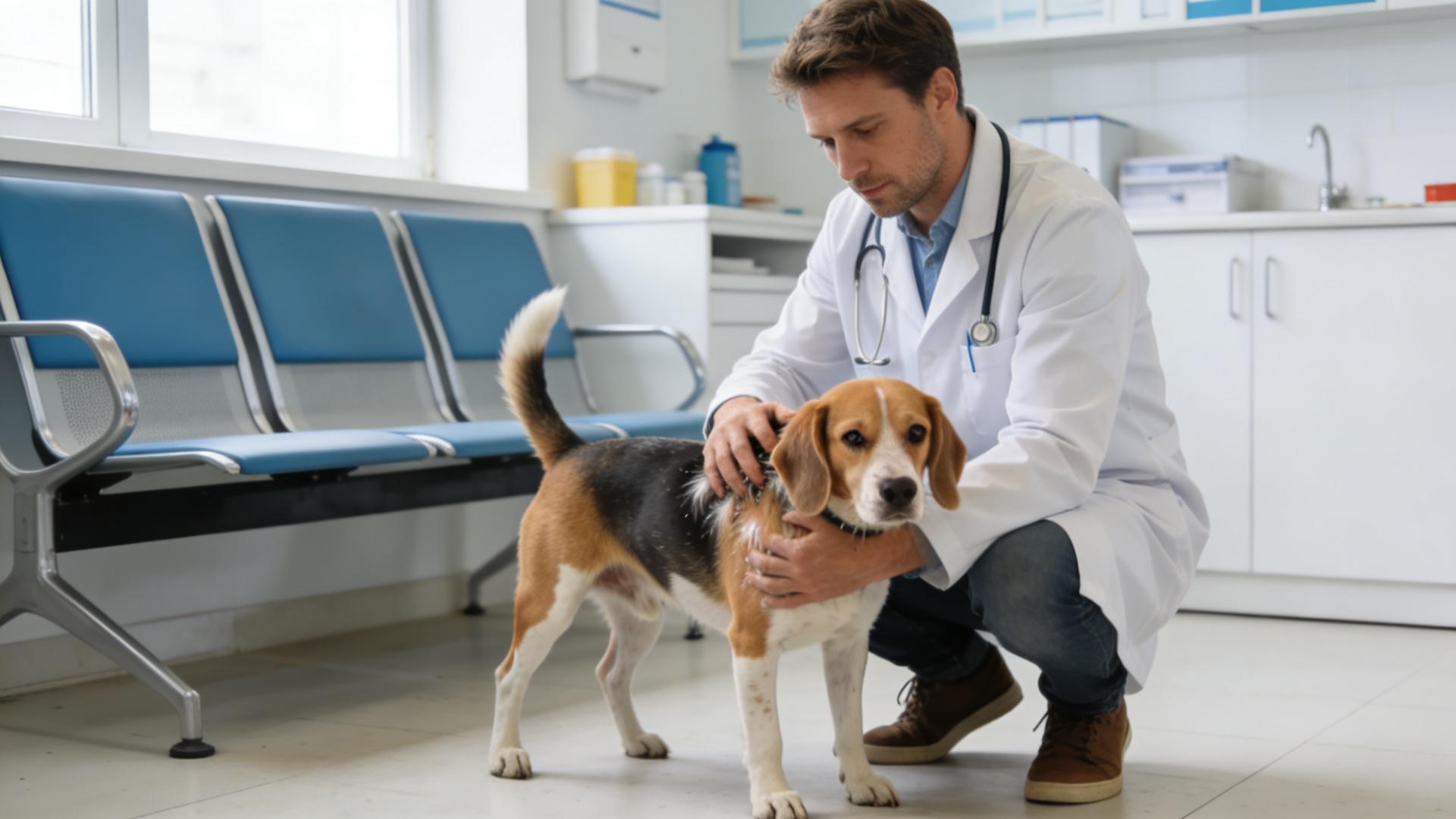
Even with perfect care, skin diseases can develop. Early recognition prevents worsening. Consult your veterinarian if you observe any of the following signs of skin disease in dogs:
· Persistent or excessive scratching, licking, or chewing at the skin.
· Redness, inflammation, or hot spots.
· Unusual odors (musty, foul, or sweet).
· Hair loss (alopecia) beyond normal shedding.
· Visible lesions: bumps, pustules, scales, crusts, or thickened skin.
· Behavioral changes like restlessness or lethargy due to discomfort.
Your veterinarian can diagnose the specific condition (e.g., canine dermatitis from bathing or an underlying allergy) and prescribe appropriate treatment, which may include medicated baths, antibiotics, antifungals, or immunosuppressants. Citing authoritative sources like the American Veterinary Medical Association (AVMA) or studies in journals like Veterinary Dermatology underscores the importance of professional care.

💡 Conclusion: Balance is the Key to Healthy Skin
In summary, frequent bathing disrupts the canine skin's delicate balance by stripping essential natural oils, compromising the skin barrier, and destabilizing the protective microbiome. This cascade can lead to a range of issues, from simple dryness to complex infections like bacterial pyoderma and yeast overgrowth. The path to maintaining dog skin health lies in understanding your individual dog's needs, adopting a moderate bathing schedule, using appropriate products, and employing proper technique. View bathing as a strategic part of grooming, not a routine chore. When in doubt, always err on the side of less frequent washing and consult your veterinarian for personalized advice tailored to your dog's unique profile.
Your Next Steps for a Happier, Healthier Dog
We hope this in-depth analysis has empowered you with knowledge. Proactive skin care is one of the greatest gifts you can give your pet.