You’ve dreamed of this trip for months—the winding coastal highways, the cozy mountain cabin, the city lights of a new destination. But as you glance at your dog curled up on the sofa, a familiar knot tightens in your stomach. How will they handle the long hours in the car? What if they get anxious on the plane? Will we find a place to stay that truly welcomes them? I’ve been there, and I know that blend of excitement and worry all too well. This guide is designed to be your trusted companion—a comprehensive, reassuring resource that transforms long-distance travel with a dog from a source of stress into a rewarding adventure for both of you. Let’s get started, step by step.
🐾 1. Pre-Travel Preparation and Planning: The Foundation of a Stress-Free Trip
Success on the road—or in the air—begins long before you leave your driveway. This phase is where you build confidence, eliminate surprises, and set the stage for a positive experience. Think of it as creating your dog’s travel blueprint.
🩺 1.1 Health and Documentation: Your Dog’s Travel Passport
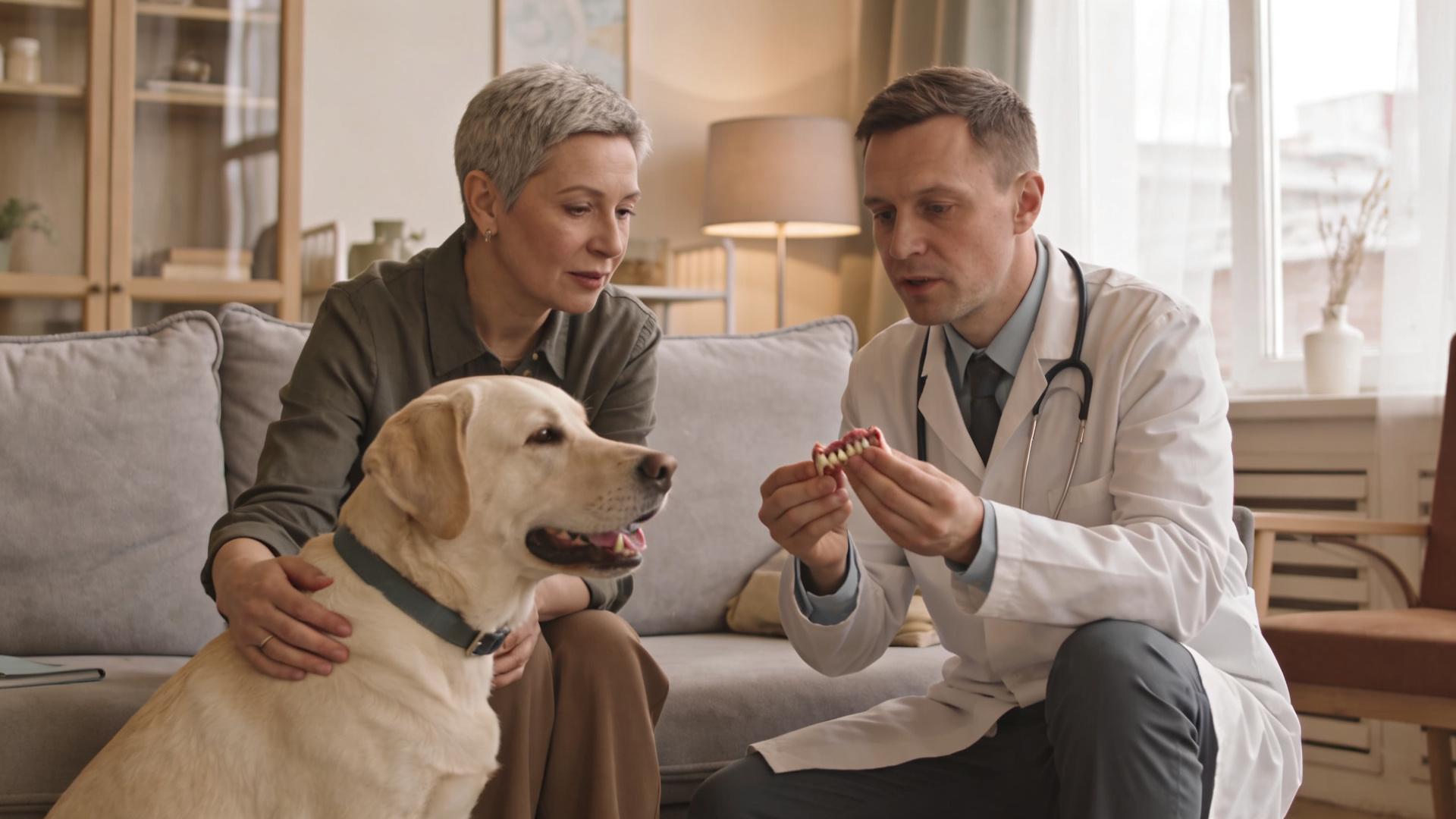
Your dog’s well-being is non-negotiable. A solid health plan protects them and ensures you don’t encounter last-minute legal hurdles. Start by scheduling a veterinary visit at least 4–6 weeks before your departure.
- Veterinary Check-up & Vaccinations: Confirm your dog is fit for travel. Update core vaccines (rabies, DHPP) and any region-specific ones. For international trips, rabies titers often require a 30-day wait post-vaccination. Health certificates from a USDA-accredited vet are mandatory for crossing many borders and are typically valid for 10 days.
- Parasite Prevention: Discuss heartworm, flea, and tick prevention tailored to your destination. If you’re heading to a wooded area or a region with different parasites, your vet might recommend an additional preventative. Tick-borne diseases like Lyme or ehrlichiosis are no joke; a simple chewable tablet can save weeks of misery.
- Medication Supply: Pack enough of any daily medication for the entire trip—plus a 7–10 day buffer for unexpected delays. Keep it in its original prescription bottle to avoid questions at security.
- Microchip & ID: Ensure your dog’s microchip is registered with your current contact info. A sturdy ID tag with your mobile number and destination address is essential. Consider a temporary travel tag if you’re staying in one place for a while.
Pro Tip: Create a digital folder (on your phone and cloud) with scanned copies of all health documents, vaccination records, and your vet’s contact info. This is a lifesaver if a physical copy is lost.
🗺️ 1.2 Destination and Route Logistics: Crafting a Dog-Friendly Itinerary
A little research goes a long way in ensuring you’re not turned away at 10 p.m. with a tired, anxious dog.
- Pet-Friendly Accommodations: Don’t just rely on the “pets allowed” filter. Call ahead to confirm their policy: weight limits, number of pets, fees, and whether dogs can be left unattended in the room. Sites like BringFido and GoPetFriendly offer verified reviews. I once booked a “dog-friendly” hotel only to discover there was a $100 non-refundable fee and a grassy patch the size of a postage stamp—learn from my mistake!
- Route Planning & Rest Stops: For a road trip with a dog, map out pet-friendly pit stops every 2–3 hours. Use apps like PetFriendly Rest Stops to find grassy areas, water spigots, and waste stations. Aim for breaks that allow at least 15 minutes of sniffing, hydrating, and stretching. Remember, a mentally stimulated dog is a calmer traveler.
- Airline & Train Policies: If you’re flying with a dog, understand that each airline has its own set of rules. Some limit the number of pets per flight, and many have seasonal embargoes for cargo travel due to temperature extremes. Book your dog’s spot immediately after buying your ticket. For trains, Amtrak allows small pets on specific routes for a fee, but they must be in carriers at all times.
- Realistic Timeline: Add 30% more time than your GPS estimates. Those extra 20-minute breaks, the unexpected detour, and the “just one more sniff” moments add up. A rushed driver makes for a stressed dog.
🎒 1.3 The Packing List: Your Dog’s Luggage, Perfected
Forgetting your dog’s favorite toy is a recipe for a sad face. Forgetting their heartworm medication is a safety risk. Let’s break this down into categories so nothing gets left behind.
📜 Travel Documents (keep in a waterproof sleeve):
- Health certificate (if required)
- Vaccination records (especially rabies)
- Microchip number and registration info
- List of emergency vets along your route and at destination
🍽️ Food & Hydration:
- Pre-portioned meals in sealed bags (pack 20% extra)
- Collapsible silicone bowls (one for food, one for water)
- Bottled water from home—to prevent stomach upset from unfamiliar water
- High-value, non-greasy treats (dehydrated liver works wonders for calming)
🛡️ Safety & Restraint:
- Crash-tested harness (look for models from Sleepypod or Kurgo that meet CPS standards)
- Airline-approved travel crate (with “Live Animal” stickers and absorbent bedding)
- Zip ties and carabiners for extra crate security
🧸 Comfort & Enrichment:
- Favorite blanket or bed that smells like home
- Two familiar toys (one interactive, one comfort)
- Calming pheromone spray or wipes (e.g., Adaptil)
- Long-lasting chews (yak cheese, bully sticks) for quiet time
🩹 First-Aid & Health:
- Canine-specific first-aid kit (tweezers, gauze, vet wrap, antiseptic wipes)
- Prescription medications (in original bottles)
- Motion sickness meds (only as prescribed by your vet—more on this below)
- Hydrogen peroxide (only if vet instructs for emergency vomiting induction)
🧹 Cleaning Supplies:
- Poop bags (more than you think you need)
- Portable water bowl and a towel
- Enzyme-based cleaner (like Nature’s Miracle) for accidents
- Wet wipes and a roll of paper towels
Health is woven throughout every category. A small oversight in liver medication can become a big problem; double-check your supply before zipping the bag.
🚗 2. Execution: The Journey Itself
Now comes the part where all your preparation pays off. Whether you’re on the road or in the sky, consistency and calm energy are your greatest tools.
🛡️ 2.1 Safety and Security: Non-Negotiable Rules
I’ll be blunt: an unsecured dog in a moving vehicle is a projectile in a crash. Never let your dog ride with their head out the window—debris can cause severe eye injury, and the risk of escape is real.
- Crash-Tested Harness: The best dog travel crate guide will always prioritize safety. A crash-tested harness that attaches to a seatbelt (or via a carabiner to a LATCH system) is the gold standard. Brands like Sleepypod and Kurgo have harnesses that have passed independent crash tests. For large dogs, a well-ventilated, anchored crate is the safest option.
- Never Leave Your Dog Unattended: Even with the windows cracked, a car can reach deadly temperatures in minutes. On a 70°F day, the inside of a car can hit 100°F in under 20 minutes. This is non-negotiable. If you can’t bring your dog with you, they stay in the climate-controlled accommodation.
- Carrier Acclimation for Air/Rail: If flying, your dog must be comfortable in their carrier. Start acclimation training weeks before: leave the carrier open with treats inside, then practice short car rides, then zipping it up for increasing durations. A dog that associates the carrier with safety and treats will be far less stressed during security checks.
🌿 2.2 On the Road: Managing Anxiety and Pit Stops
The open road is romantic, but it can also be anxiety-inducing for a dog used to a predictable routine. Here’s how to keep the vibe relaxed.
- Calm Departures: Exercise your dog vigorously the morning of departure. A tired dog is a calm dog. Do a short, low-key car ride to a fun location (like a park) a few days before to build positive associations.
- Techniques for Anxiety: For dog travel anxiety, try a calming wrap (like the ThunderShirt), play classical music or white noise, and use pheromone sprays 20 minutes before departure. Never give human sedatives— they can have paradoxical effects or dangerously depress breathing. If your dog suffers from severe anxiety, consult your vet about veterinary-prescribed options like trazodone or gabapentin, always tested at home first.
- Pit Stop Protocol: When you stop, leash your dog before opening the door. In unfamiliar areas, never let your dog off-leash, even if they have great recall. Use a long line (15–20 feet) for sniffing and elimination if you’re in a safe, open area. Offer water every stop, but limit food to their regular meal times to prevent upset.
- Car Sickness Solutions: What if your dog gets car sick? Start with withholding food 4 hours before driving. Roll down windows slightly for fresh air and make frequent stops. Ginger treats formulated for dogs can help. If it’s chronic, your vet may prescribe Cerenia—a safe anti-nausea medication—to use as needed.
✈️ 2.3 In the Air or Rail: A Focused Guide
Flying with a dog demands extra layers of planning. Here’s a streamlined checklist.
- Airline-Approved Carrier: The carrier must fit under the seat in front of you. It should be sturdy, well-ventilated, and large enough for your dog to stand, turn, and lie down comfortably. Include an absorbent pad or blanket.
- Navigating Security: You’ll need to remove your dog from the carrier while the carrier goes through X-ray. Practice having your dog on a leash with a secure harness. Carry them through the metal detector while wearing a slip-lead for control. Have high-value treats ready to reward calm behavior.
- Hydration & Schedule: Many airlines require dogs to remain in carriers for the duration of the flight. Use a frozen water bottle in a bowl—it melts slowly and won’t spill. Book non-stop flights if possible to avoid the stress of connections.
- Train Travel: For rail journeys, ensure your carrier is compliant with the train’s size restrictions. Keep your dog on a short leash inside the carrier and avoid peak hours if possible for a quieter experience.
Special Note: For international travel, research quarantine laws. Countries like the UK, Australia, and Japan have strict protocols that can take months to fulfill. Start that process at least 6 months ahead.
🏡 3. Arrival and Post-Travel: Making It Feel Like Home
You’ve arrived! But your dog’s journey isn’t over. The new environment can be overwhelming. Your job now is to help them decompress and settle in.
🛌 3.1 Immediate Settling: Creating a Safe Haven
As soon as you enter your accommodation, resist the urge to let your dog explore everything at once. Instead:
- Set up their bed, blanket, and toys in a quiet corner. This becomes their “home base.”
- Leash-walk them around the space so they can sniff and orient without becoming overstimulated.
- Re-establish routines: feed them at the same time you would at home, and stick to your usual evening walk schedule. Consistency is the anchor that signals safety.
- Monitor for signs of stress: excessive panting, hiding, refusal to eat, or diarrhea. If symptoms persist more than 24 hours, locate the nearest emergency vet using your pre-saved list.
🌞 3.2 Enjoying the Destination: Explore Safely
Now the fun begins. You’re both settled, and it’s time to enjoy your dog-friendly destination.
- Exploring New Places: Research local trails, dog beaches, and pet-friendly patios. Always keep your dog on a leash unless in a designated off-leash area. Identify pet-friendly travel hotspots by using apps like AllTrails with the “dog-friendly” filter.
- Local Vet & Emergency Plan: Program the number of a local 24-hour vet into your phone. I also recommend noting the address of a pet supply store in case you run out of food or need an extra blanket.
- Maintain Training: Use this opportunity to reinforce good manners. A “sit” before exiting the door, a “wait” at crosswalks, and polite greetings with strangers help keep the trip enjoyable for everyone. Reward generously with those high-value treats you packed.
Seasonal Travel Considerations: In summer, avoid mid-day pavement walks—if it’s too hot for your palm, it’s too hot for paws. In winter, protect paws from salt and ice with booties or paw balm. Always have fresh water on hand.
❓ Frequently Asked Questions About Long-Distance Travel with a Dog
Q: Can I give my dog sedatives for travel?
A: Generally, no. Sedatives can affect your dog’s ability to regulate their body temperature and can lead to respiratory issues, especially in flight. Instead, focus on behavioral conditioning, pheromones, and, if absolutely necessary, consult your vet for anti-anxiety medications that have been tested at home. Never use human sedatives or any product not explicitly prescribed for your dog.
Q: What if my dog gets car sick?
A: Motion sickness is common, especially in puppies. Limit food 4 hours before driving, keep the car cool, and stop frequently. For chronic cases, ask your vet about Cerenia. Ginger chews made for dogs can also settle the stomach. And always bring cleaning supplies—accidents happen.
Q: How do I get my dog used to a crate for travel?
A: Start weeks ahead. Make the crate a positive place: feed meals inside, toss treats in randomly, and progress to short trips with the door closed. Never use the crate as punishment. For air travel, practice zipping the carrier and carrying it around the house, then in the car, before the big day.
Q: How can I calm my dog’s anxiety in the car?
A: Combine mental and physical preparation. A solid walk or play session before departure drains excess energy. Use a calming wrap, play soothing music, and cover the crate with a light sheet if they’re visual. If anxiety persists, work with a force-free trainer to desensitize the car environment.
Q: What are the absolute must-have items for a road trip with a dog?
A: A crash-tested harness or crate, a week’s worth of food plus extra, a familiar bed, a collapsible water bowl, your dog’s medical records, and a reliable GPS with pet-friendly stops pre-marked. Don’t forget the poop bags and a small first-aid kit.
Your Journey Awaits—Together
Long-distance travel with a dog isn’t just about getting from point A to point B; it’s about creating shared memories, strengthening your bond, and proving that adventure doesn’t stop when you have a four-legged family member. With the preparation you’ve done—from the veterinary checks to the packed bags, from the safety harness to the settled arrival—you’ve already done the hardest part. Now, take a deep breath, give your dog a scratch behind the ears, and step into the adventure. You’ve got this.
Safe travels, and may the road—or runway—be kind to you both.