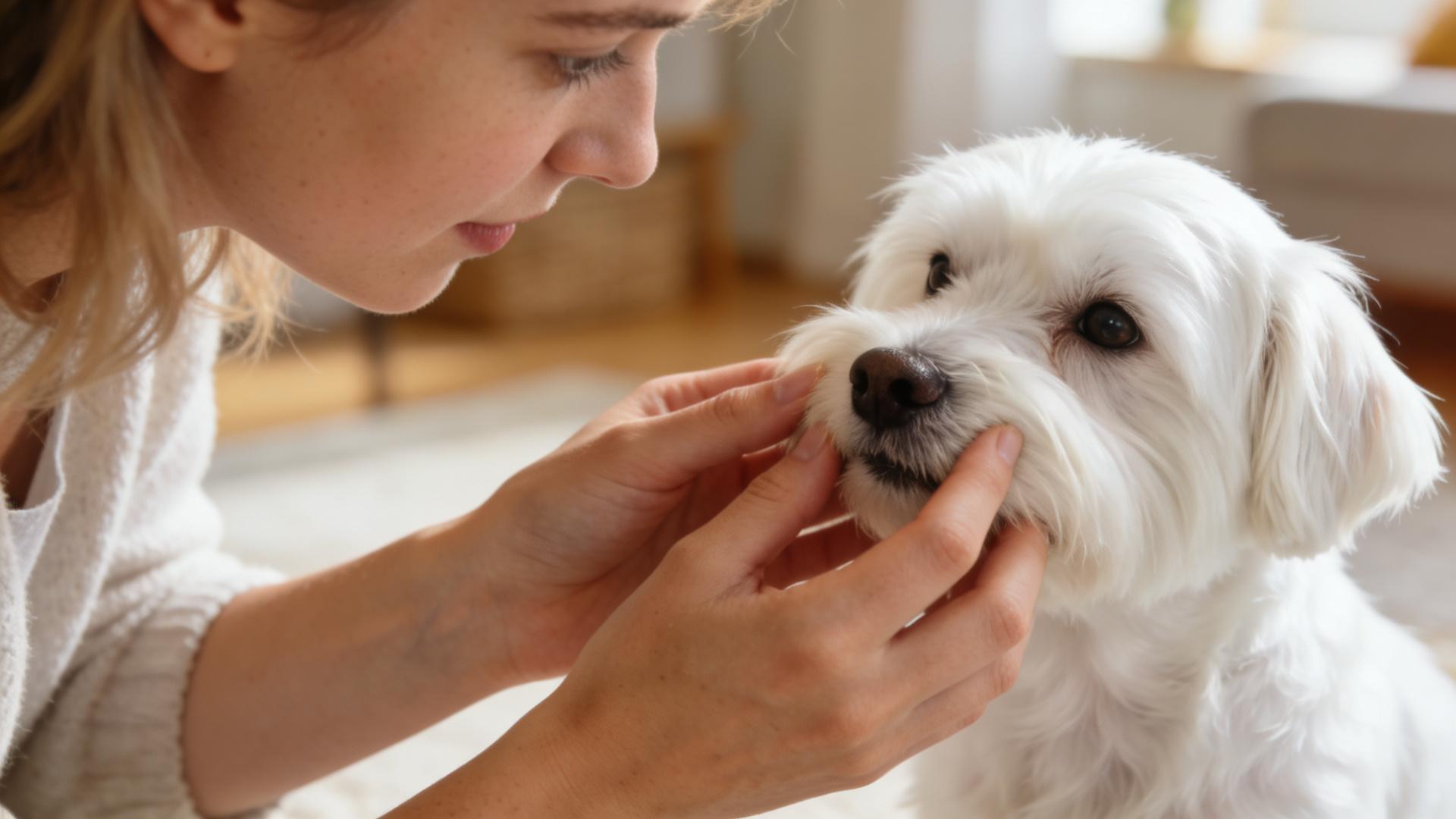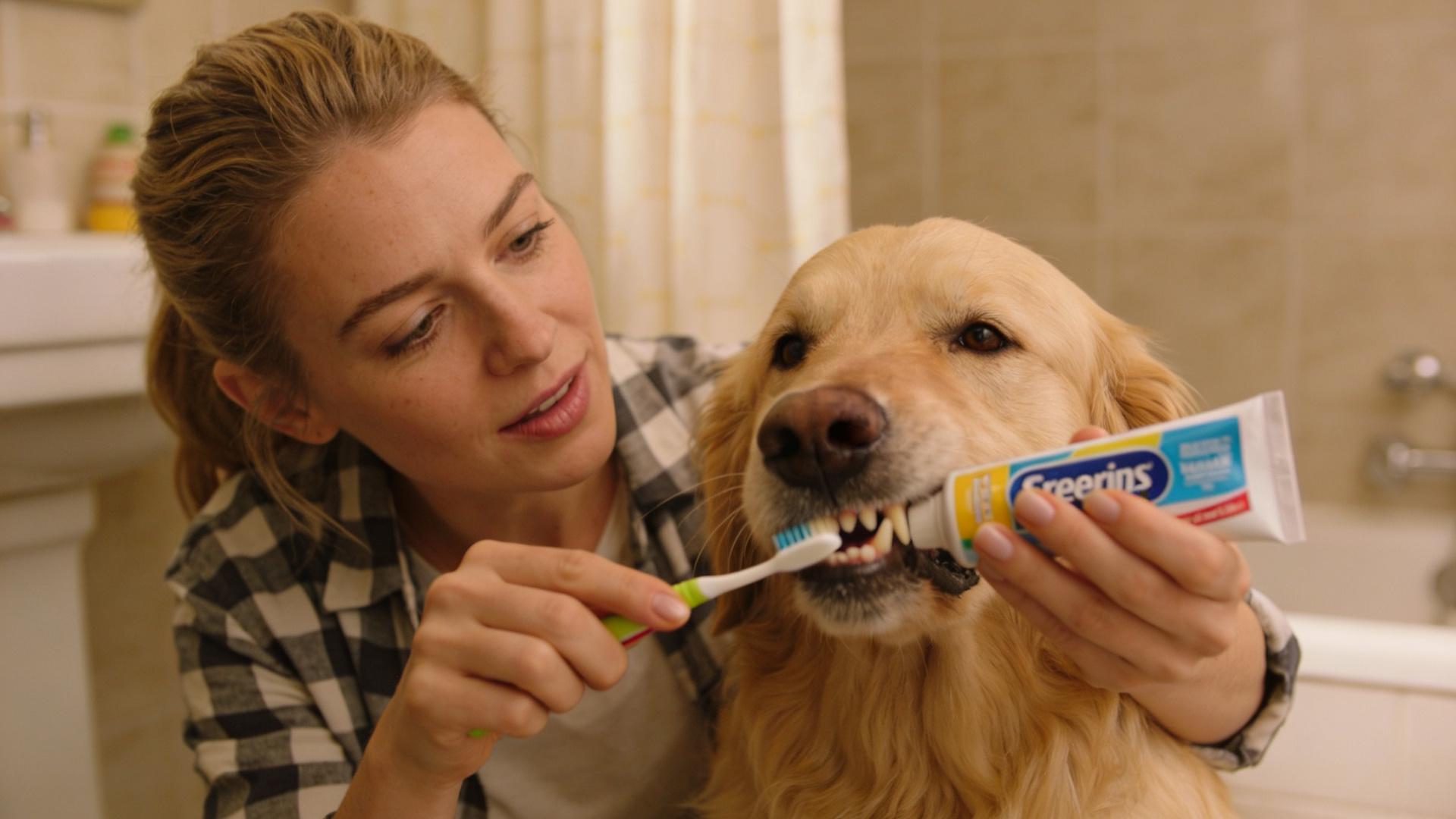
Let’s be unequivocally clear from the start: reaching for your own tube of minty-fresh paste to brush your dog’s teeth is not a harmless shortcut—it is a potentially lethal gamble. As a specialist in canine care and health communication, I encounter this well-intentioned mistake far too often. The core premise is non-negotiable: human toothpaste is formulated for humans, and its use on dogs is categorically dangerous. This article will dismantle the myth of interchangeability and arm you with the knowledge to protect your health from a hidden threat lurking in your bathroom cabinet.
🚨 The Primary Hazard: Xylitol – A Sweetener Turned Silent Killer
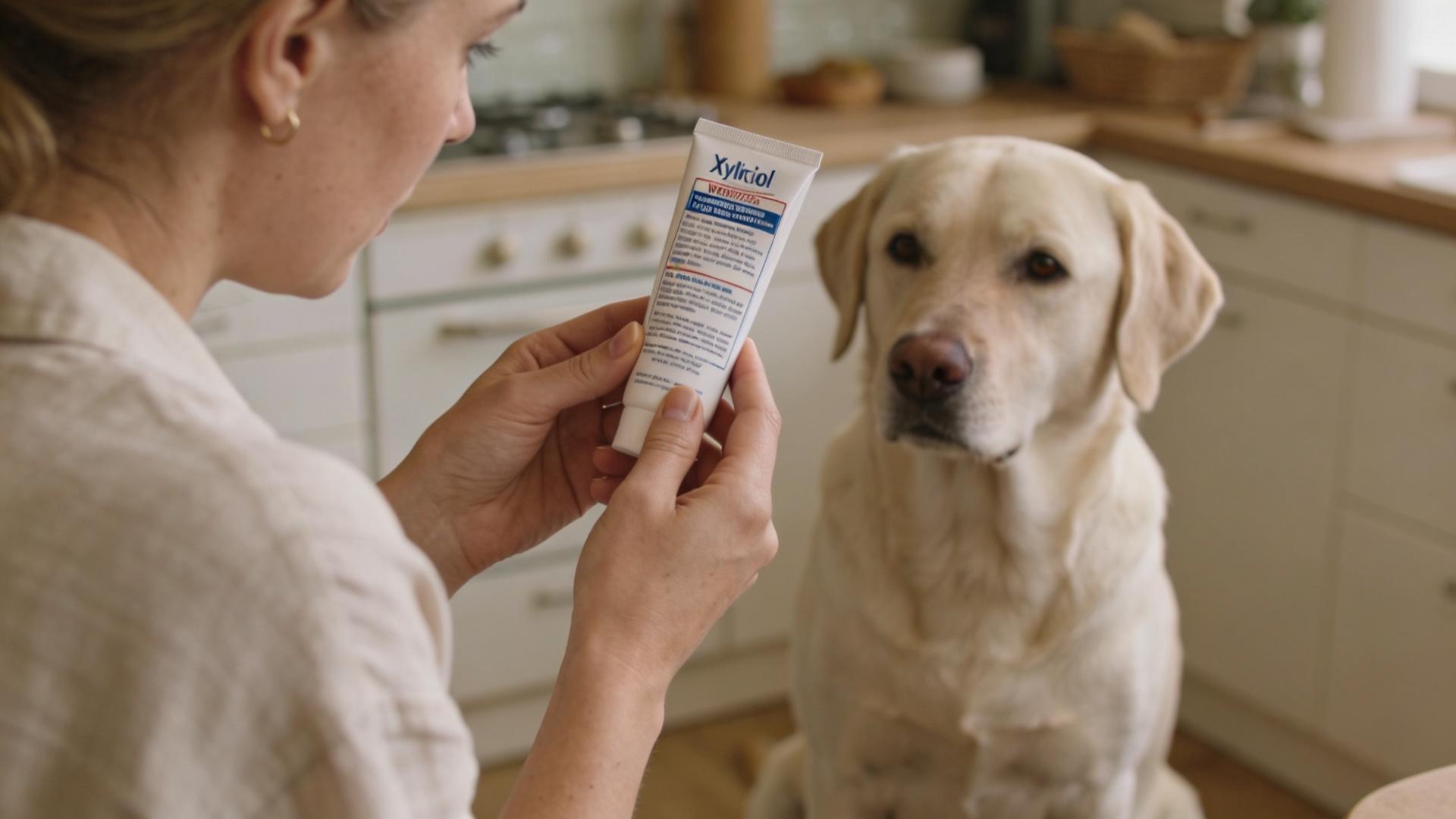
The most urgent and severe reason to never use human toothpaste on a dog revolves around a single ingredient: xylitol. This sugar alcohol is a common sweetener in "sugar-free" human products, prized for its dental benefits in people. For our canine companions, however, it is a rapid-acting poison.
The Biochemical Trap: Insulin Overload and Hypoglycemia
In dogs, xylitol is absorbed quickly into the bloodstream, triggering a massive, inappropriate release of insulin from the pancreas. Insulin's job is to lower blood sugar. This uncontrolled surge causes a drastic drop in blood glucose (hypoglycemia), which can manifest within 10 to 60 minutes of ingestion.
Symptoms of xylitol poisoning include:
- Vomiting
- Weakness, lethargy, or collapse
- Loss of coordination (ataxia)
- Tremors or seizures
- Coma
Even more insidiously, at higher doses, xylitol has been linked to acute liver failure, which can be fatal. There is no safe amount of xylitol for dogs. Special Reminder: Xylitol poisoning is a life-threatening emergency. If you suspect your dog has ingested any product containing xylitol, contact your veterinarian or an emergency animal poison control center immediately.
⚗️ Additional Harmful Ingredients: A Cocktail of Irritants
Even if a human toothpaste is xylitol-free, it remains unsafe due to a suite of other ingredients designed for human physiology, not canine.
Fluoride: A Case of Too Much of a Good Thing
While fluoride strengthens human enamel and prevents cavities, dogs are prone to swallowing the paste. Ingested fluoride can lead to fluoride toxicity. Symptoms include severe gastrointestinal upset (vomiting, diarrhea, drooling), and in chronic cases or large acute doses, it can contribute to organ damage. The margin of safety is far too slim to risk.
Detergents (e.g., Sodium Lauryl Sulfate - SLS): Foam Equals Trouble
These agents create the satisfying foam we associate with brushing. For a dog that doesn't spit, this foam is swallowed, leading to significant gastric irritation, nausea, and diarrhea. The foaming action can also increase the risk of aspiration.
Abrasive Agents & Strong Flavorings
Human pastes often contain abrasives to remove stains. These can be too harsh for dogs' comparatively thinner enamel, leading to wear. Furthermore, potent mint, cinnamon, or citrus flavors are highly unappealing and can cause oral and GI irritation, making the brushing experience negative and training difficult.
🐕 The Canine Physiology Argument: "They Don't Spit!"
This is the fundamental behavioral difference that nullifies any argument for using human products. Dogs do not rinse and spit. Their natural instinct is to swallow whatever is in their mouths. Therefore, every single component of the toothpaste is ingested and enters their system. What is "safe for human ingestion" in the tiny amounts we might accidentally swallow is not safe for a dog who ingests a full dose with every brushing. This turns a dental care routine into a repeated, low-dose exposure to potentially problematic chemicals.
💀 Consequences of Use: From Upset Stomach to Tragedy
Using human toothpaste on a dog is a risk with no reward. The potential outcomes exist on a severe spectrum:
- Immediate Illness: Gastrointestinal distress, including vomiting, diarrhea, and hypersalivation.
- Long-Term Toxicity: Cumulative buildup of substances like fluoride, potentially affecting bones and organs.
- Acute Poisoning & Death: In the case of xylitol ingestion, rapid hypoglycemia and liver failure can lead to death within hours if untreated.
The supposed benefit of "cleaner teeth" is utterly obliterated by these profound risks. It is an entirely unnecessary danger.
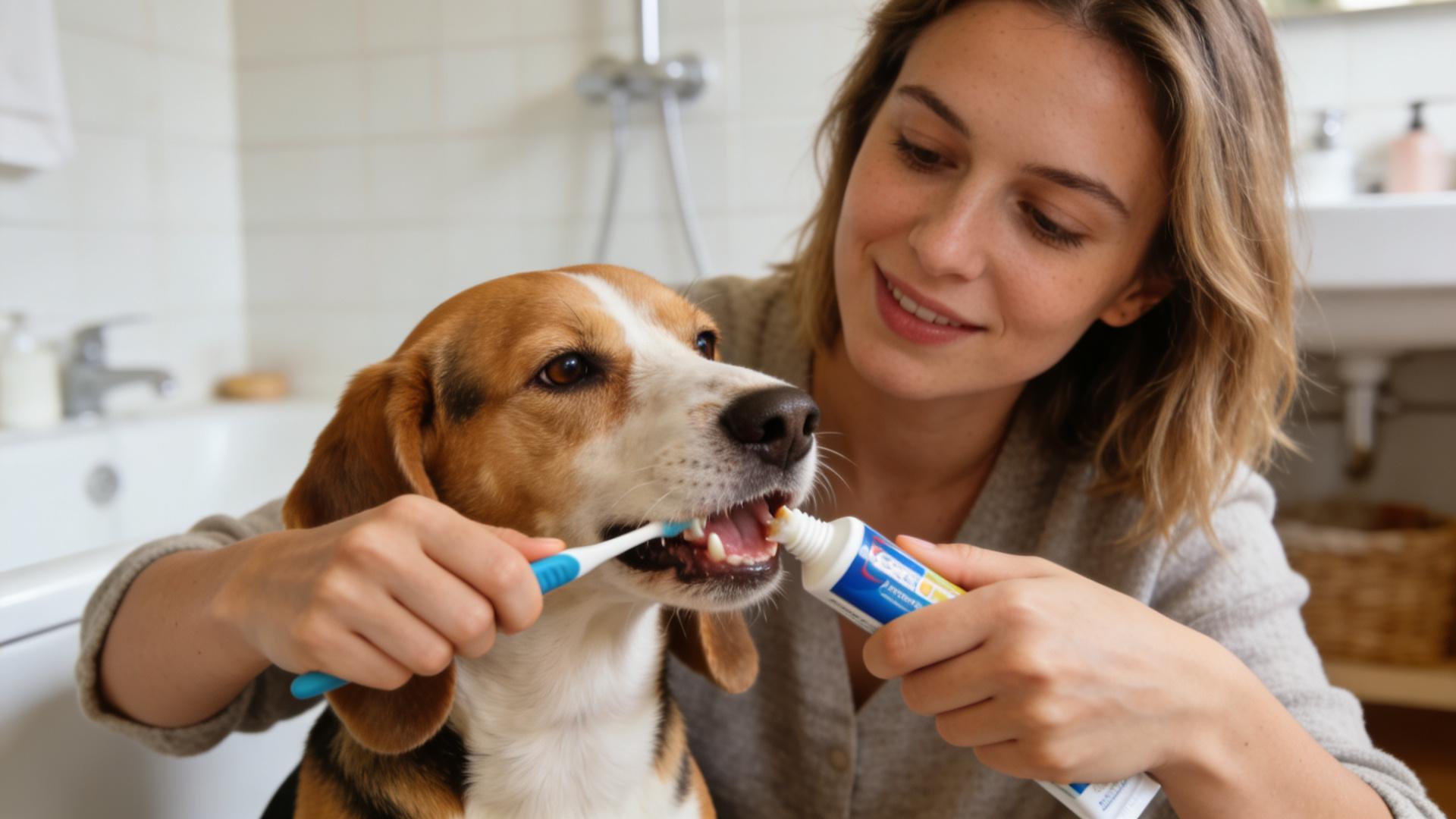
✅ The Safe and Effective Alternative: Dog-Specific Toothpaste
The solution is simple, safe, and effective: use toothpaste formulated specifically for dogs. These products are designed with canine health and behavior in mind.
Key characteristics of quality dog toothpaste:
- Xylitol-Free: This is the non-negotiable first check on the label.
- Low or No Fluoride: Formulated without this risk.
- Safe to Swallow: All ingredients are chosen with ingestion as a certainty.
- Dog-Safe Cleaning Action: Often uses enzymatic systems (like glucose oxidase or lactoperoxidase) to help break down plaque biofilms safely.
- Appealing Flavors: Featuring poultry, beef, peanut, or other flavors dogs love, making the process enjoyable and cooperative.
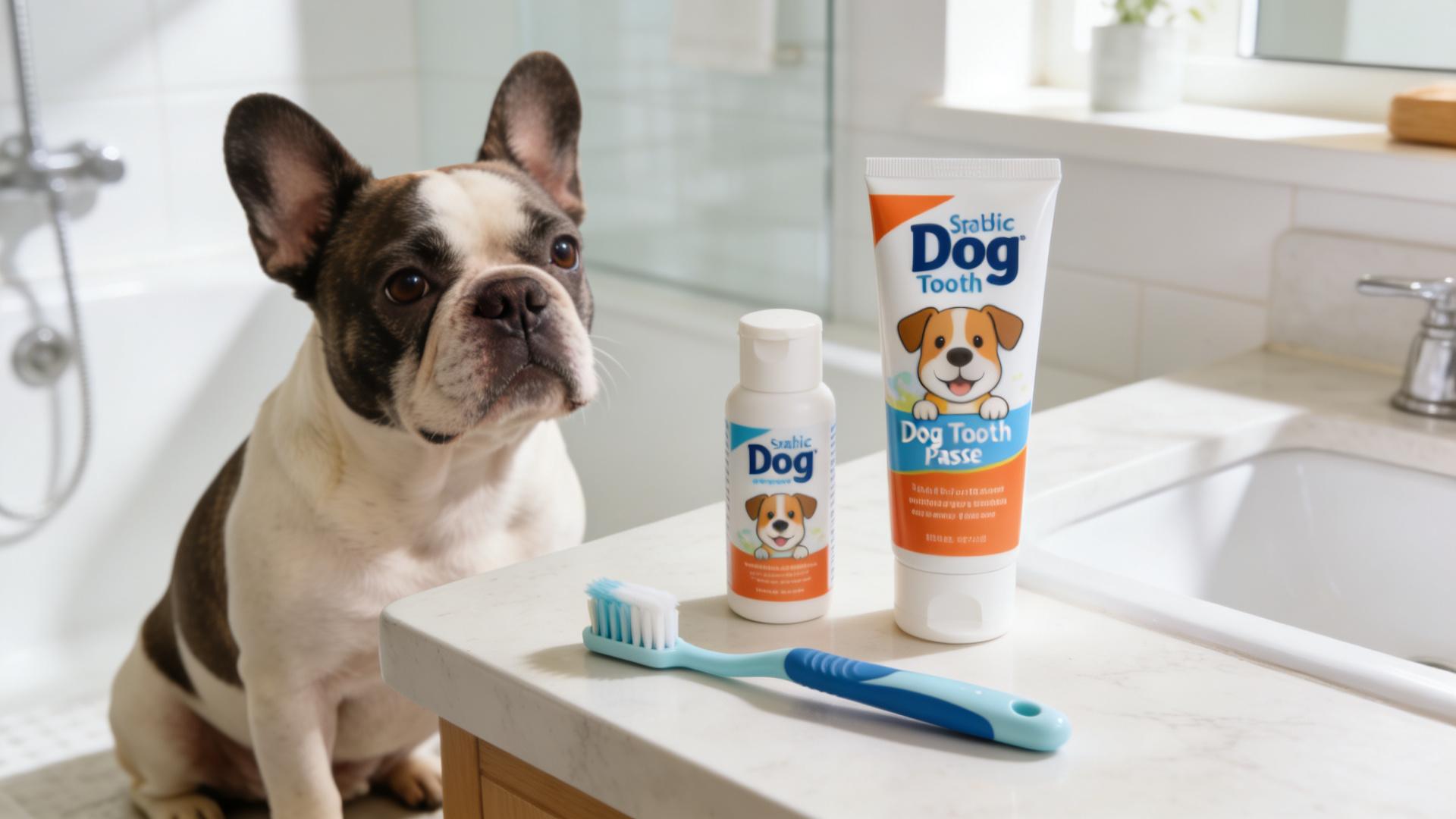
👩⚕️ Actionable Conclusion: Your Canine Dental Care Protocol
Your call to action is clear and critical. To ensure your dog's dental health and overall safety:
- Audit Your Home: Check labels of all human toothpaste, sugar-free gums, baked goods, and peanut butter for xylitol. Keep them securely out of paw's reach.
- Invest in the Right Tools: Purchase a veterinary-recommended dog toothpaste and a suitable toothbrush (canine brush or finger brush).
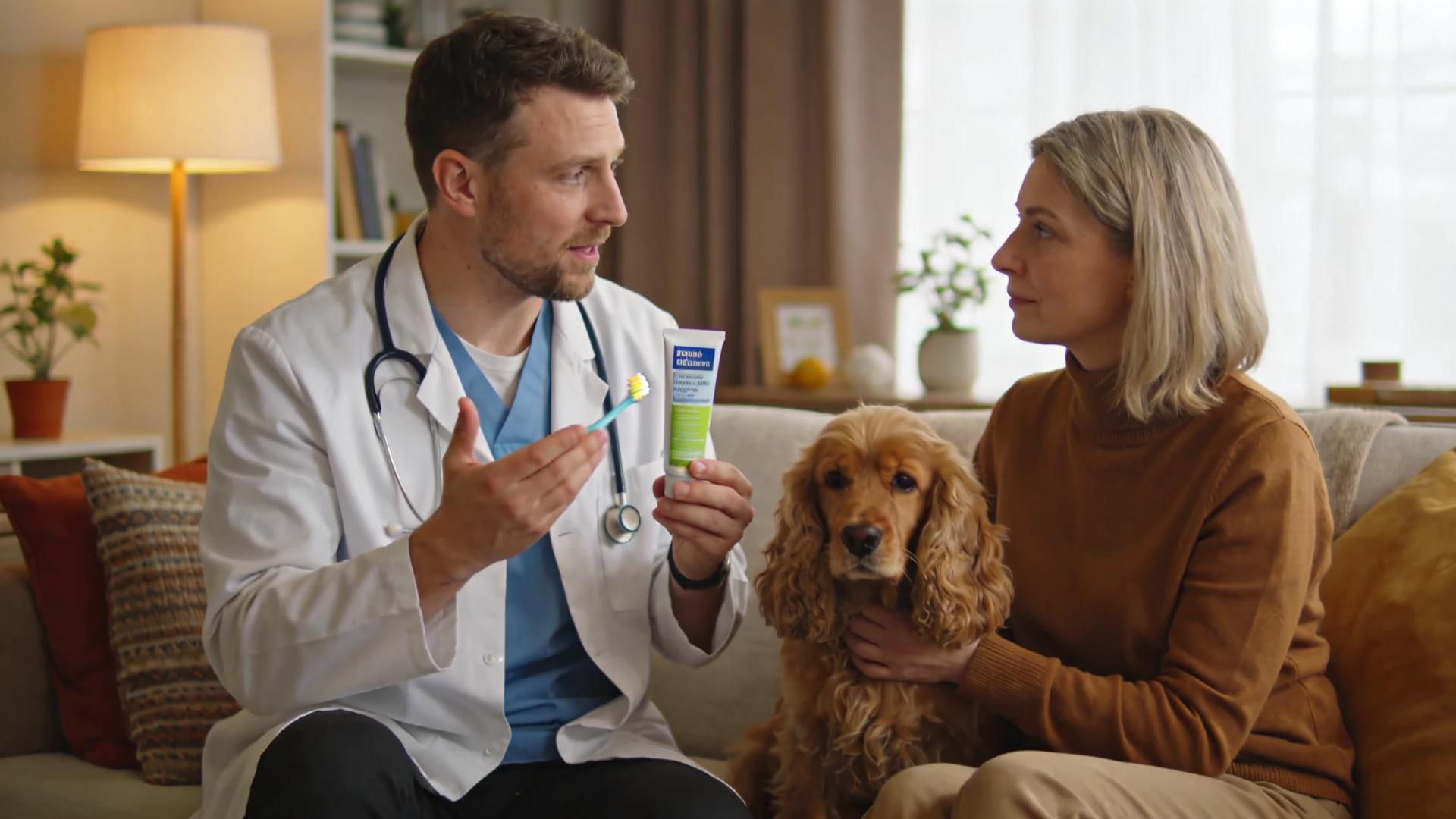
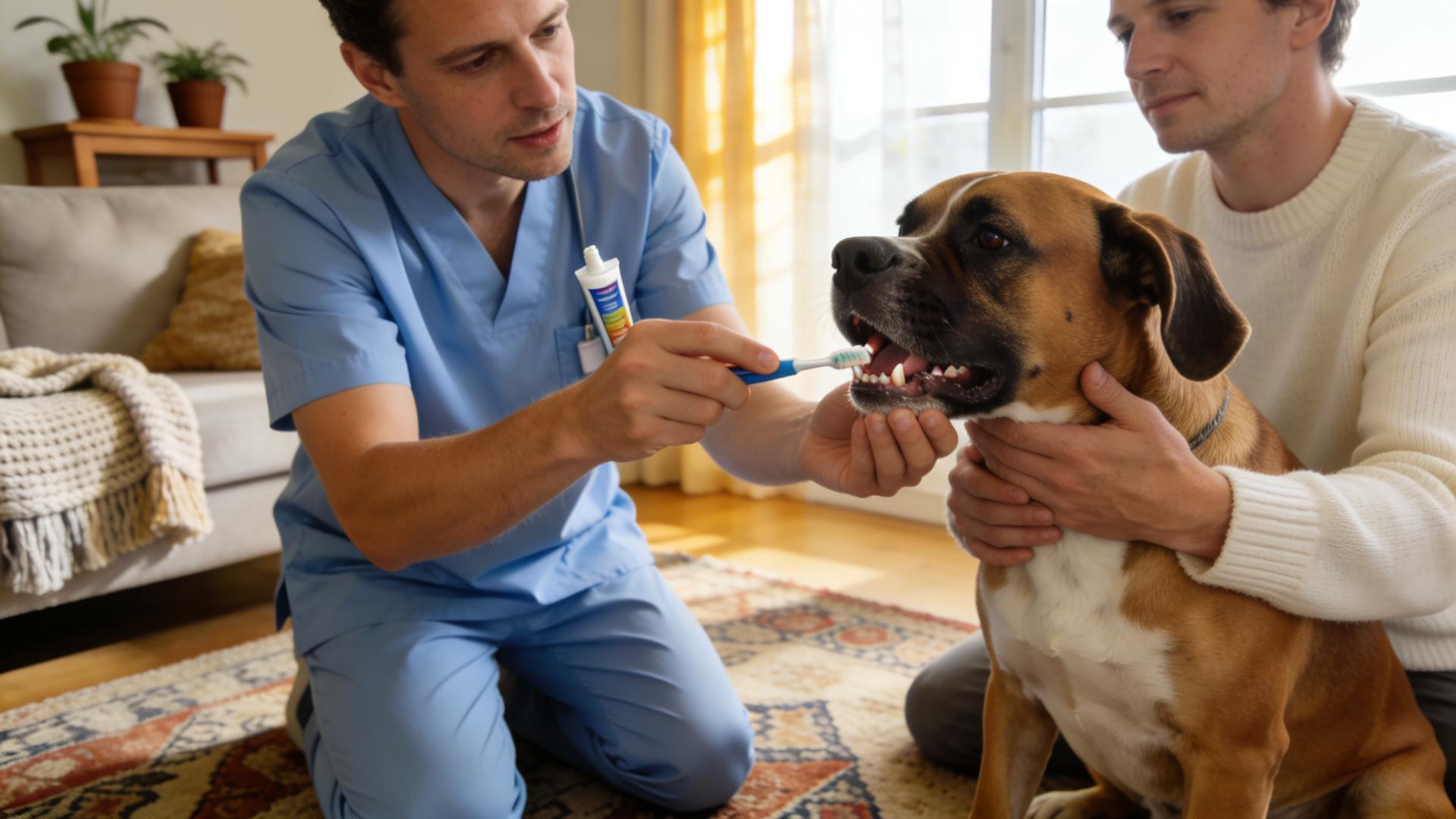
- Seek Professional Guidance: Consult your veterinarian for product recommendations and, most importantly, a hands-on demonstration of proper brushing dog teeth technique. They can show you how to lift the lips, angle the brush, and make it a positive experience.
- Establish a Routine: Aim for daily brushing, as it is the gold standard for preventing plaque buildup and promoting long-term pet dental health.
By understanding the dangers of human toothpaste to dogs and embracing safe, species-specific canine dental care, you move from a position of potential harm to one of empowered, preventative health stewardship. Your dog’s bright smile and vibrant health will be your reward.