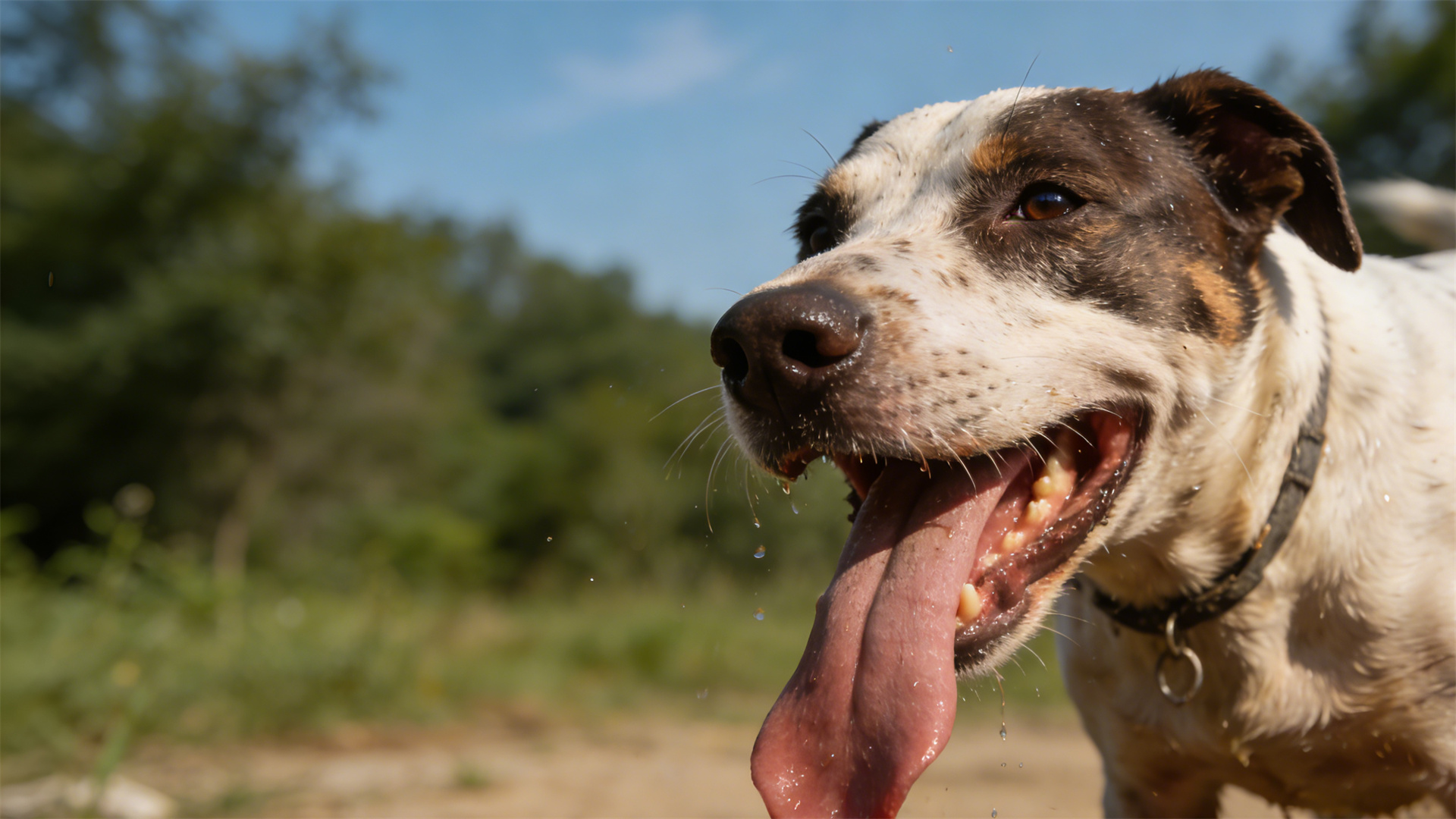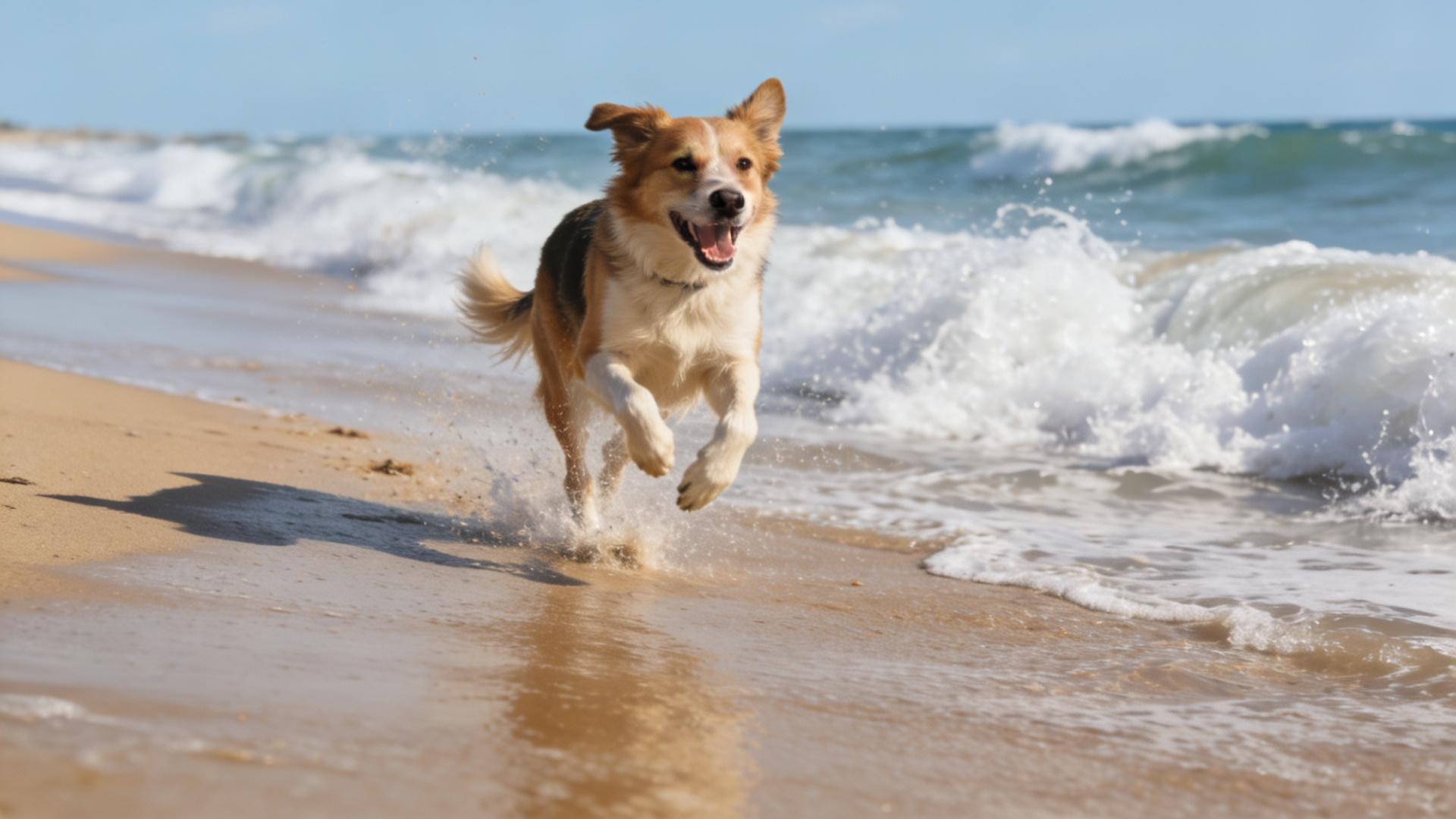
There are few greater joys than watching your dog experience the sheer freedom of a beach. The sprint across the sand, the ecstatic leaps through the waves, the focused digging—it’s a symphony of canine bliss and fantastic exercise. As responsible pet parents, we revel in providing these moments of happiness. However, beneath the surface of this perfect day lurks a silent threat that many well-meaning owners overlook: salt corrosion. That same seawater that brings so much joy can wreak havoc on your dog’s coat and skin. Understanding this risk is the first, and most critical, step in transforming a fun outing into a truly safe and health-positive experience for your four-legged friend.
🏖️ The Hidden Danger: How Saltwater "Corrodes" Canine Coat & Skin
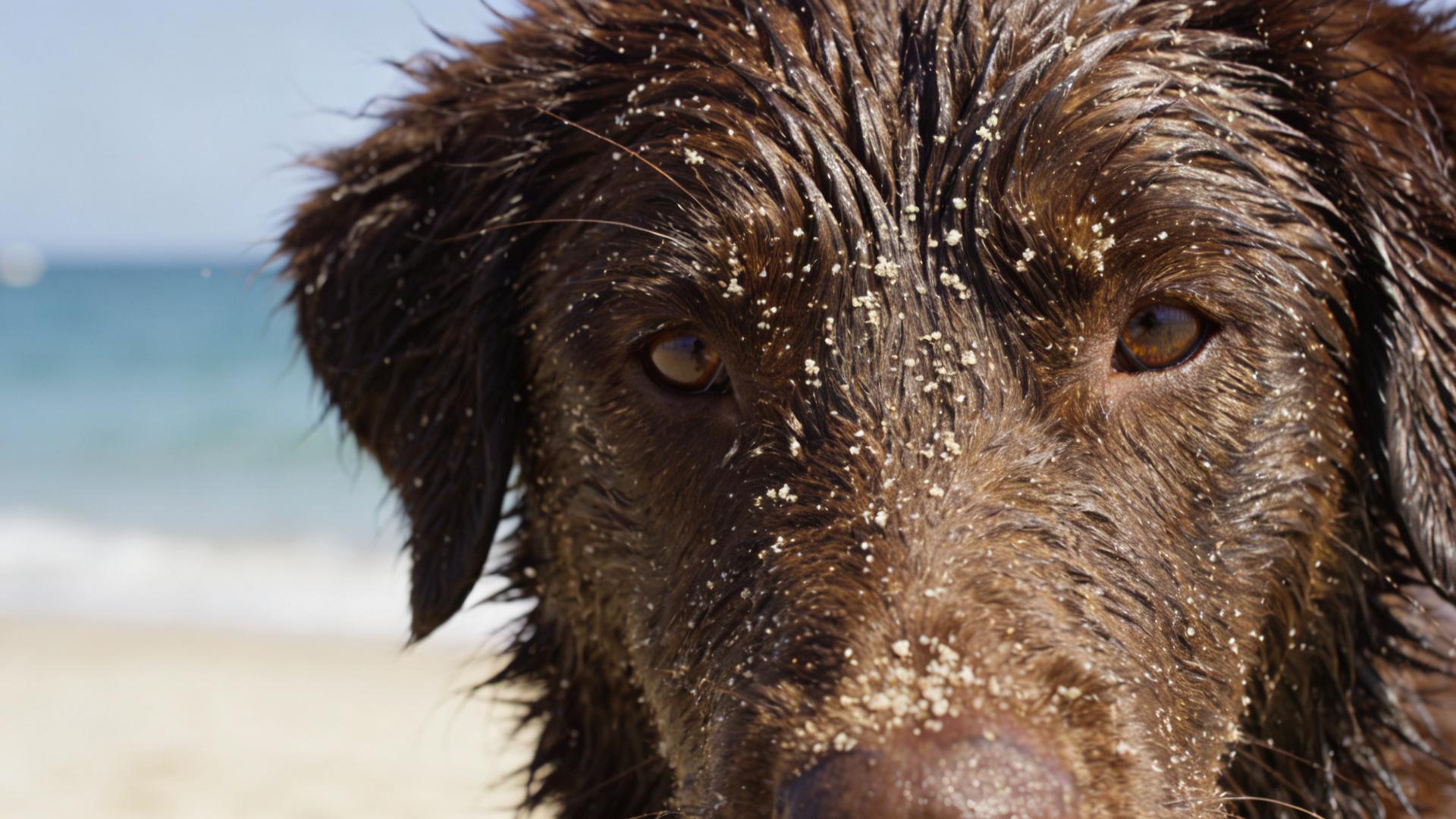
To understand why a simple rinse is so vital, we must first delve into the science of the damage. When your dog swims in the ocean, their fur acts like a sponge, absorbing and trapping saltwater and microscopic salt crystals within the hair shaft and against the skin. The real trouble begins as they dry.
The Corrosion Process: A Microscopic Assault
As the water evaporates, the salt concentration on the fur and skin increases dramatically. These residual salt crystals are hygroscopic, meaning they attract and bind moisture. Instead of drawing moisture from the air, they aggressively pull it from your dog's hair and skin cells. This process strips away the essential, natural oils (sebum) that act as a protective barrier, keeping the coat waterproof, pliable, and shiny, and the skin supple and healthy.
The result is a twofold attack:
- Hair Shaft Damage: The dehydrated hair becomes dry, brittle, and weak. It loses its elasticity, making it prone to breakage, split ends, and a overall dull, lackluster appearance. Think of it like a plant repeatedly watered with saltwater—it eventually withers.
- Skin Irritation and Dermatitis: The skin, now deprived of its oily protection and directly irritated by salt crystals, becomes tight, itchy, and inflamed. Your dog will likely scratch or lick excessively, leading to redness, hot spots, and openings in the skin barrier that invite bacterial or fungal infections. Chronic, repeated exposure without proper aftercare is a direct pathway to developing environmental or contact dermatitis.
💧 The Lifesaving Ritual: The Power of a Fresh Water Rinse
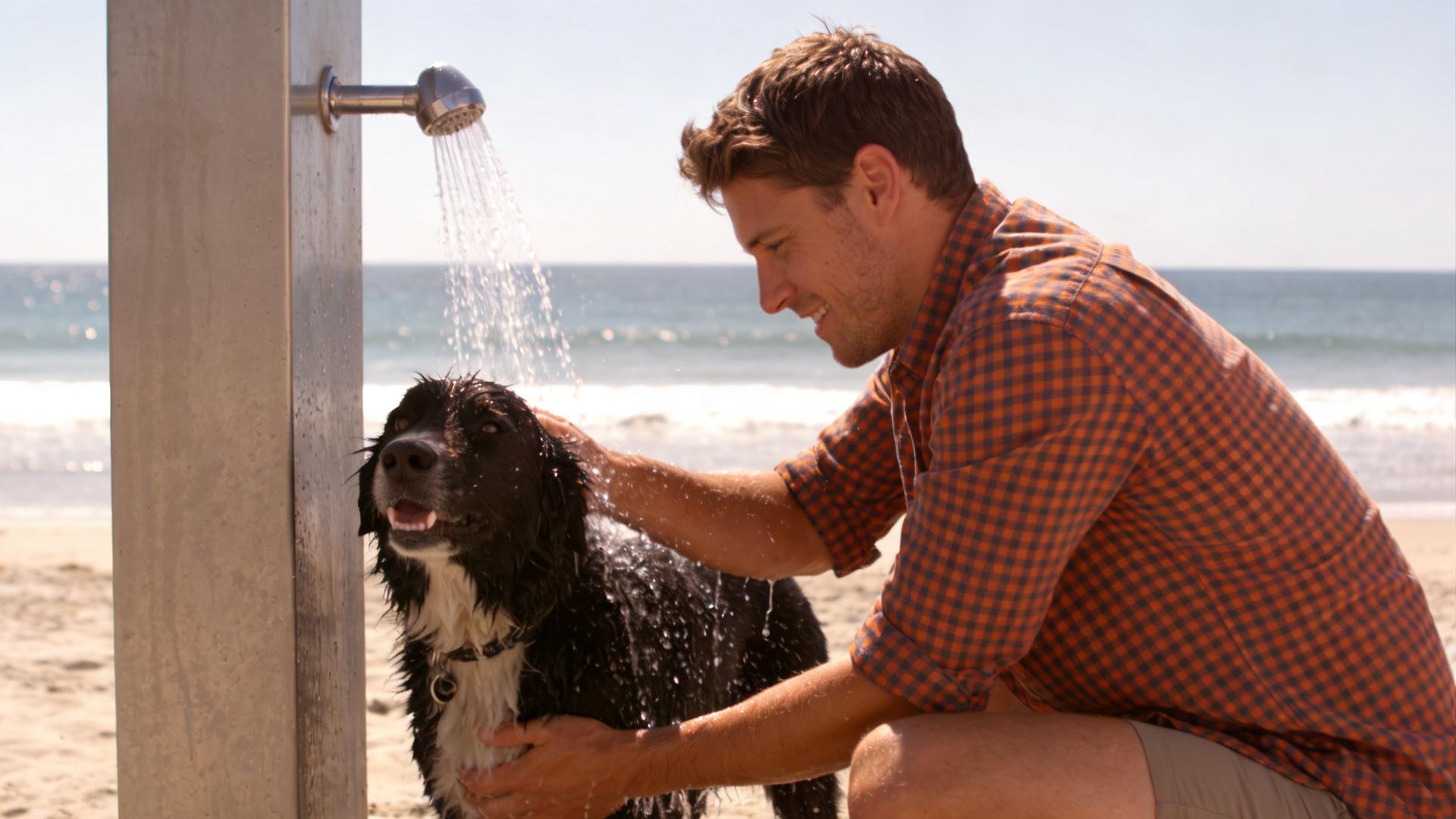
Preventing this cascade of discomfort and potential health issues is beautifully simple, effective, and forms the cornerstone of responsible post-beach care. The fresh water rinse is not just a "nice-to-do"; it is an essential practice.
Its purpose is straightforward: to physically dislodge and dilute the salt crystals before they have a chance to dry and initiate their damaging work. By thoroughly saturating the coat with fresh, preferably lukewarm water, you are resetting the skin's environment, restoring moisture balance, and cleansing away abrasive particles. This one routine is the single most effective action you can take to maintain a vibrant, healthy coat and prevent days of itching and potential vet visits later.
🛁 Master Class: How to Rinse Your Dog Effectively & Stress-Free
An effective rinse is about thoroughness and patience, not force. Follow this step-by-step guide for optimal results.
- Pre-Rinse Preparation: Before leaving the beach, give your dog a good shake-off and remove large sand clumps with your hands. Have your gear ready at home or at a beachside shower: a hose with a gentle spray attachment, a large jug, or access to a bathtub/shower.
- Water Temperature & Pressure: Use lukewarm water. Cold water can be a shock, and hot water can dry the skin. The pressure should be gentle—think soft rainfall, not a power-washer. High pressure can drive sand and salt deeper into the coat and frighten your dog.
- Thorough Saturation: Start at the back and work downwards, ensuring you penetrate the entire coat, especially dense areas like the ruff, chest, belly, and feathering on legs. Lift layers of fur to get to the undercoat and skin. This is where salt hides.
- The Massage Matters: As you rinse, use your fingers to gently massage the skin. This helps dislodge salt and sand particles and stimulates blood flow. Pay special attention to paws, between toes, and under the tail.
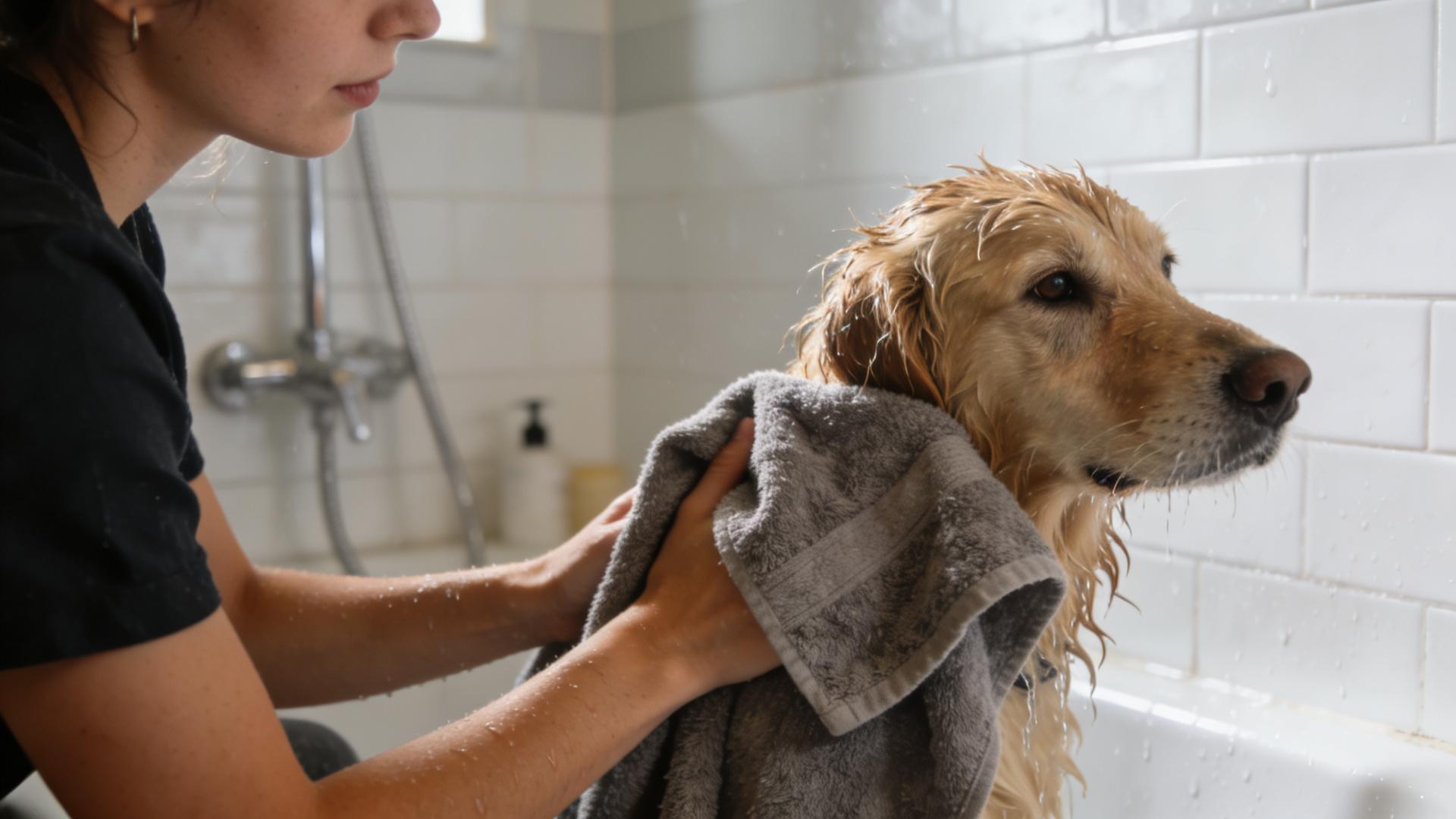
- Drying is Part of the Process: After rinsing, towel dry thoroughly. Use a highly absorbent microfiber towel and press, don't rub, to soak up moisture. For dogs with thick coats, you may need several towels. Ensure they are fully dry in a warm, draft-free area to prevent any chill.
- Shampoo as Needed: A clear water rinse is sufficient after most beach trips. However, for a deeper cleanse or if the coat feels gritty, use a mild, moisturizing dog shampoo once a week or as needed. Look for oatmeal, aloe vera, or coconut oil-based formulas that replenish moisture.
🔍 Beyond the Rinse: Comprehensive Post-Beach Care Checklist
A complete aftercare routine addresses more than just the coat. Here are critical areas to check every time.
👣 Paws and Pads: The Forgotten Frontiers
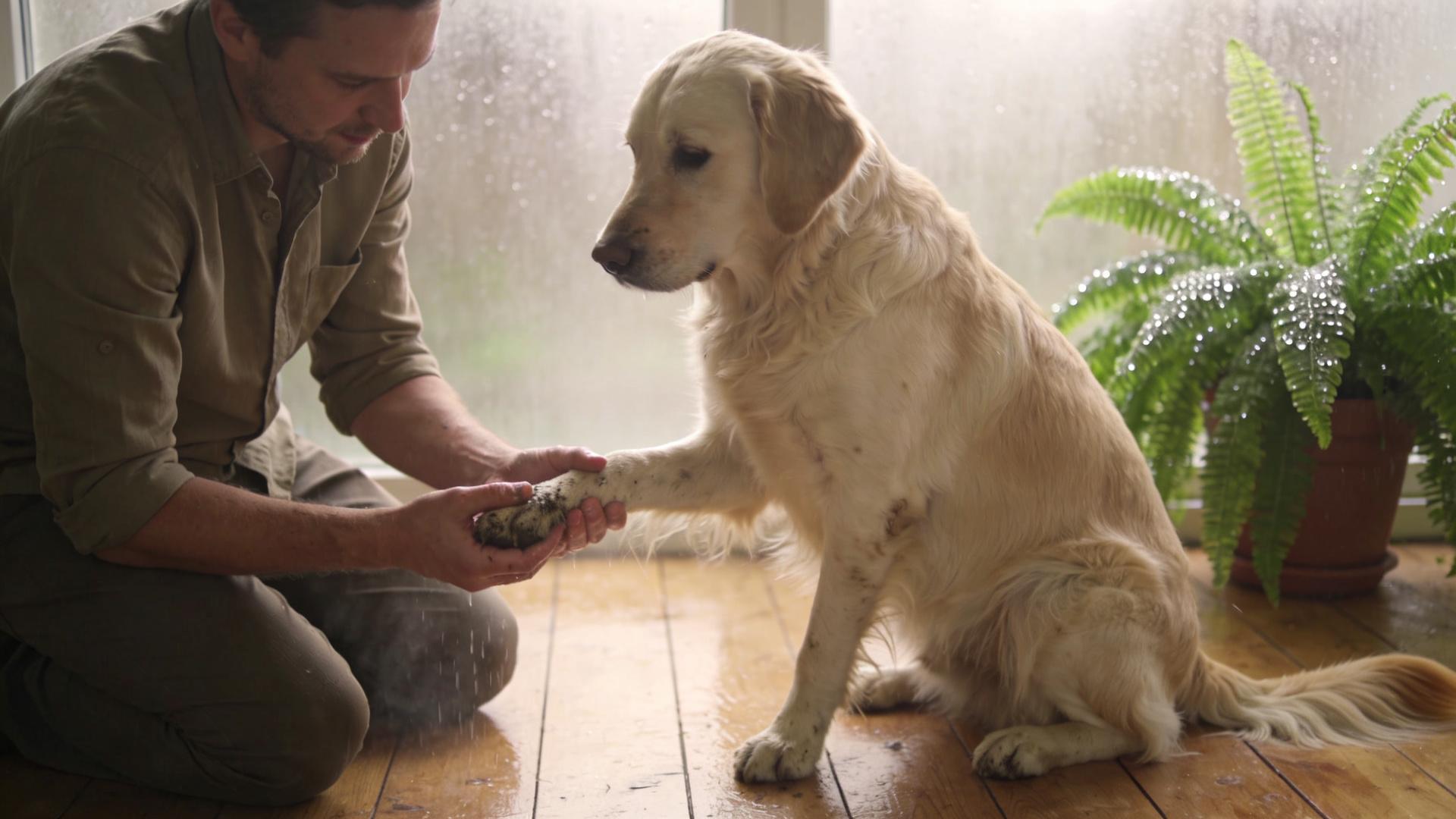
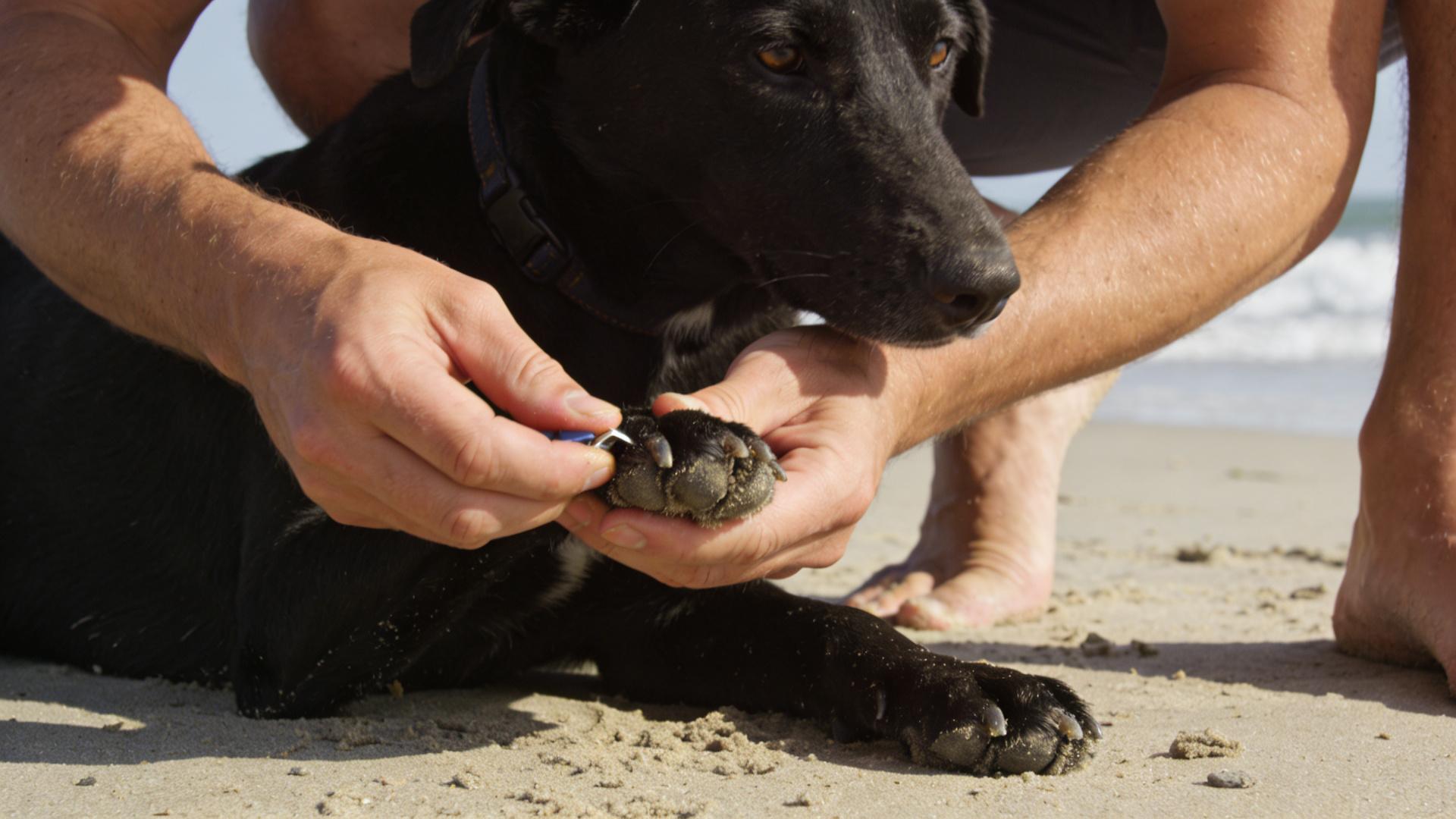
Paws are in direct, prolonged contact with a mix of salt, sand, and potentially hot surfaces. Salt and sand can accumulate between the pads, causing abrasion, dryness, and cracking. After the full-body rinse, lift each paw and rinse between the pads individually. Dry them completely. For added protection, consider applying a pet-safe paw balm to keep pads supple.
👂 Ears: Keeping Them High and Dry
Floppy-eared breeds are particularly susceptible, but any dog can get water in their ears. Moisture in the ear canal creates a perfect environment for yeast and bacterial infections. After rinsing, gently dry the outer ear and the visible part of the inner ear flap with a cotton ball or soft towel. Never insert anything into the ear canal.
💦 Hydration and Ingestion
Your dog will likely ingest some saltwater while playing and may try to lick more salt from their coat. Excessive salt intake can lead to gastrointestinal upset (vomiting, diarrhea) and, in severe cases, salt toxicity, which affects the nervous system. Always offer plenty of fresh, clean drinking water during and after the beach trip to help flush their system.
🪒 The Final Touch: Brushing
Once your dog is completely dry, give them a thorough brushing with a suitable brush for their coat type. This removes any remaining loose sand or salt particles, prevents tangles and mats from forming in damp fur, and redistributes natural skin oils for a glorious, healthy shine.
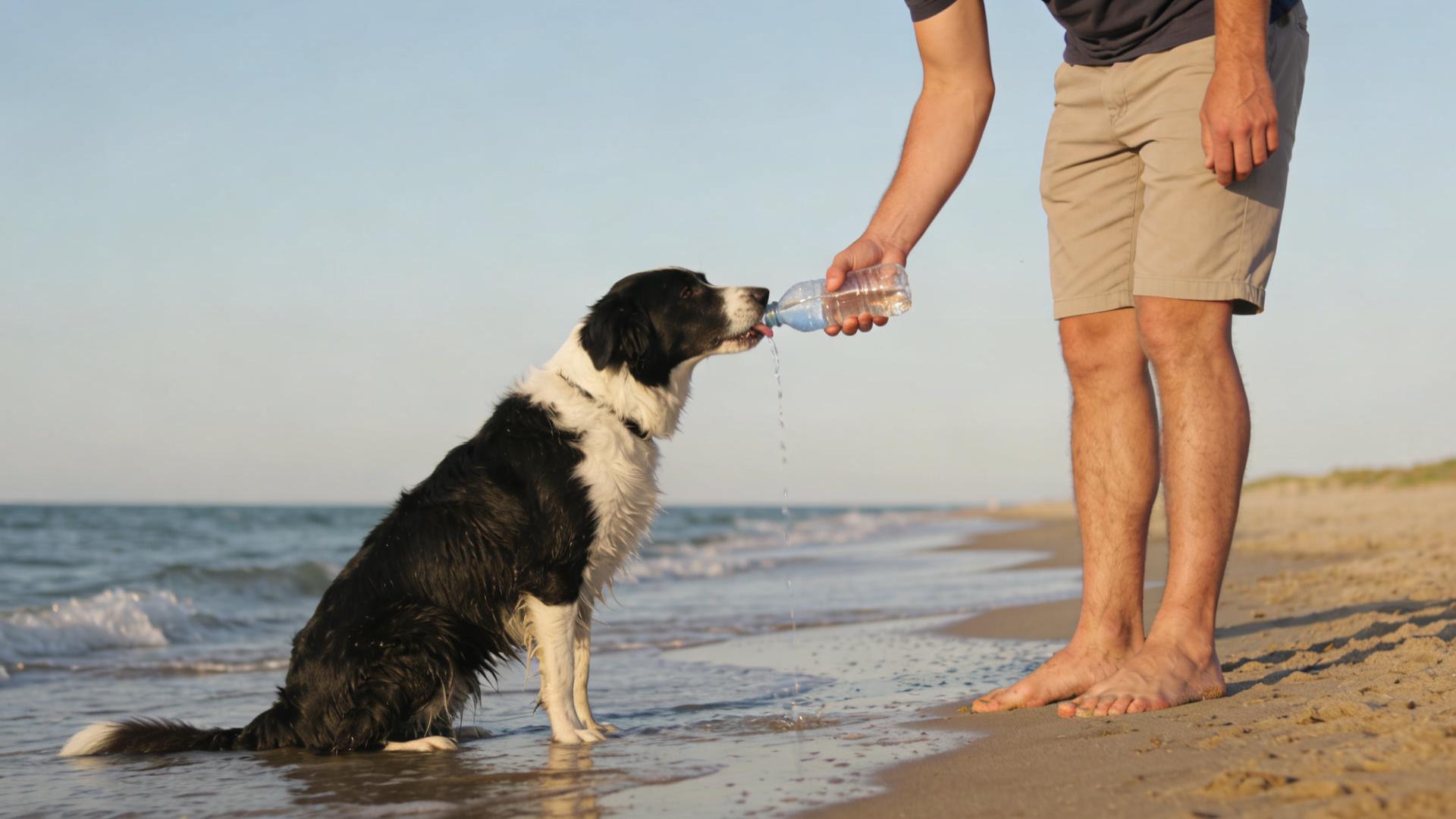

Special Reminder: Not All Dogs Are Beach Dogs
While the focus is on aftercare, pre-beach awareness is key. Dogs with pre-existing skin conditions (allergies, dermatitis), very short or fine coats, or open wounds are more vulnerable to salt irritation. Consult your veterinarian before a beach trip if your dog has health concerns. Always provide shade and fresh water on the beach, and avoid the hottest parts of the day.
🏁 Conclusion: A Simple Habit for a Lifetime of Safe Fun
The image of a happy, sandy, salt-tinged dog is iconic. With the simple, consistent habit of a thorough fresh water rinse, you can preserve that joy while actively protecting your pet's well-being. This practice safeguards against the corrosive effects of salt, prevents skin disorders, maintains a beautiful coat, and ensures your beach memories are filled with nothing but wagging tails and wet-nosed smiles. Make the post-beach rinse an non-negotiable part of your adventure ritual. Your dog's coat, skin, and overall health will thank you after every single splash in the surf.