Imagine a city where your loyal companion isn't left behind. A growing wave of pet inclusive urban policies is sweeping the globe, transforming public transit from a no-go zone to a welcoming space for four-legged residents. This shift isn't just about convenience for dog owners; it's a reflection of a more compassionate, connected, and modern urban lifestyle. Did you know that in some leading metropolises, dog-friendly public transport is now the norm rather than the exception? Let's explore how cities are making this a reality and what it means for you and your pup.
🚌 Global Pioneers: Cities Leading the Way in Dog-Friendly Transit
Around the world, forward-thinking cities are recognizing that dogs are part of the family and their mobility matters. These urban hubs are setting the standard for pet-friendly transit policies, creating blueprints for others to follow.
Berlin, Germany: A Model of Integration
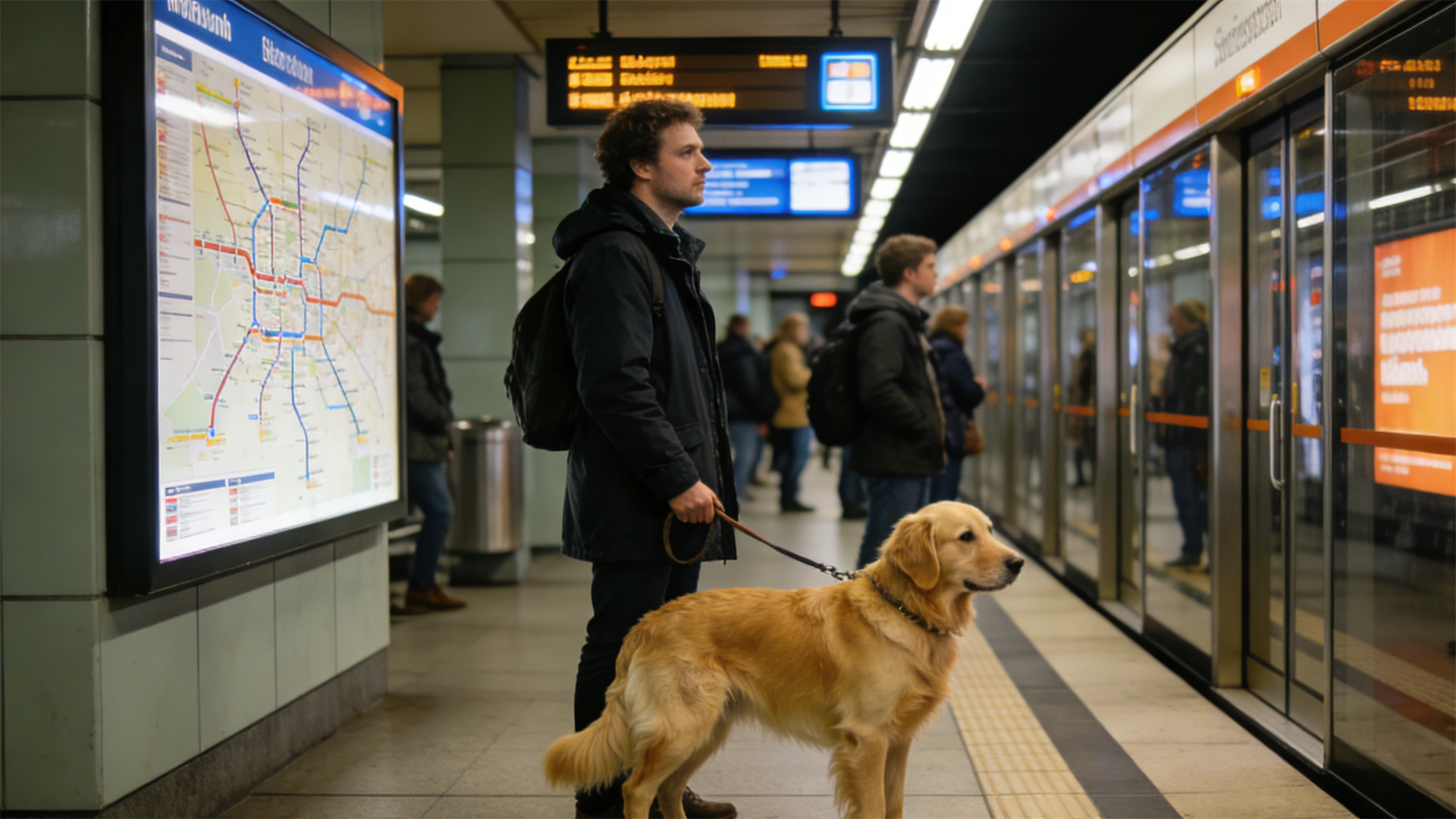
Berlin stands as a European leader. Dogs of all sizes are welcome on U-Bahns, S-Bahns, trams, and buses. Small dogs travel free in a carrier, while larger dogs require a reduced-fare Hundekarte (dog ticket). The system relies on owner responsibility, with clear rules about leashes and behavior, showcasing a high level of public trust and successful integration.
San Francisco, USA: Progressive Pet Policies
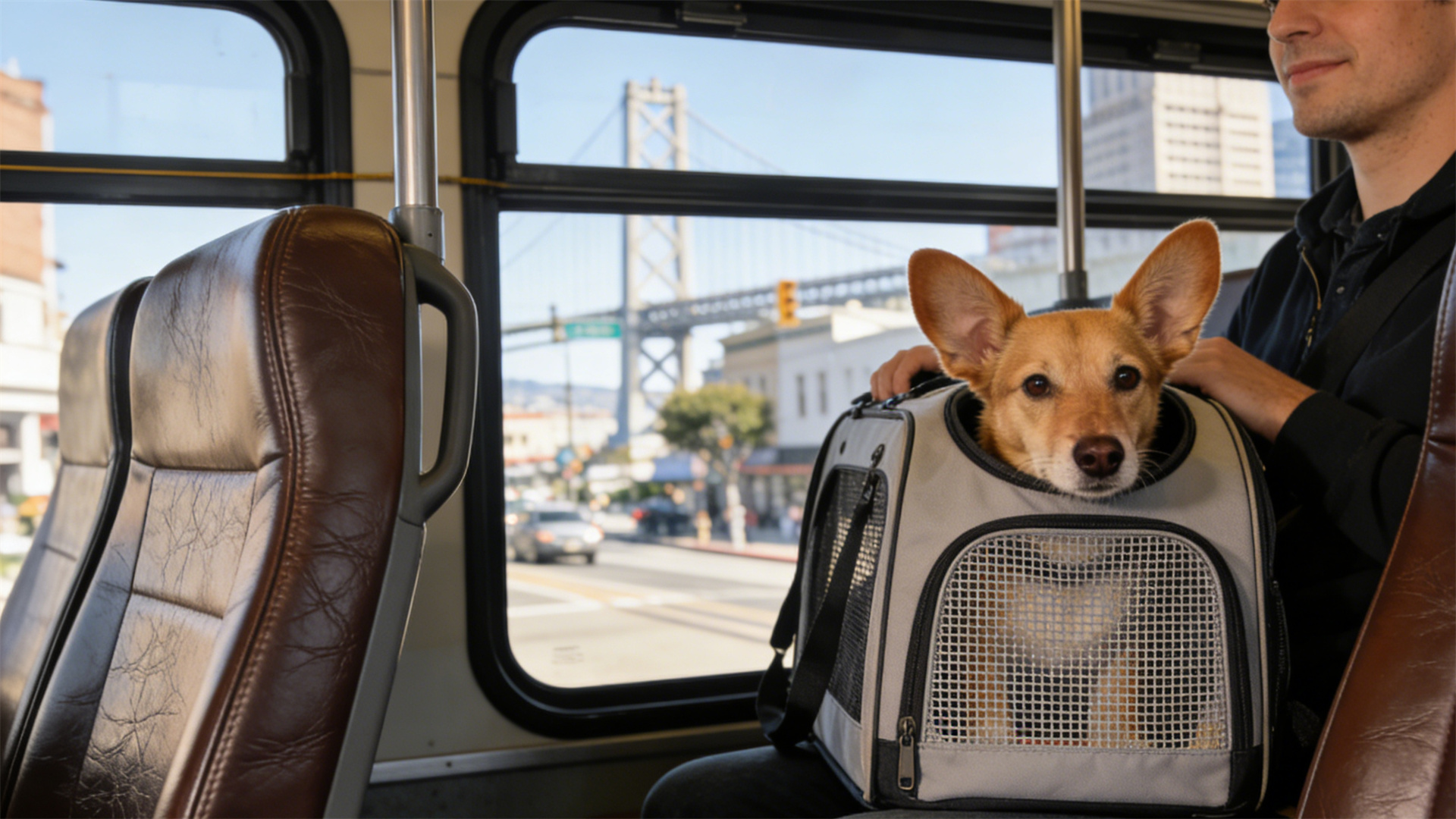
In the Bay Area, Muni buses and streetcars permit dogs at the driver's discretion, typically if they are muzzled or in a carrier. BART (Bay Area Rapid Transit) allows dogs in carriers at all times. This flexible yet regulated approach balances access with safety, a key consideration for traveling with dogs on public transport in busy systems.
London, United Kingdom: Conditional Access
Transport for London (TfL) permits dogs on the Underground, buses, trams, and Docklands Light Railway, provided they are on a lead or in a carrier. The iconic red buses leave it to the driver's discretion, but generally, well-behaved dogs are accepted. This model demonstrates how large, historic transit networks can adapt.
📜 Navigating the Rules: Specific Regulations for Buses, Trains, and Subways
Understanding the specific rules for dogs on buses and trains is the first step for any responsible owner. Policies can vary dramatically between and even within cities.
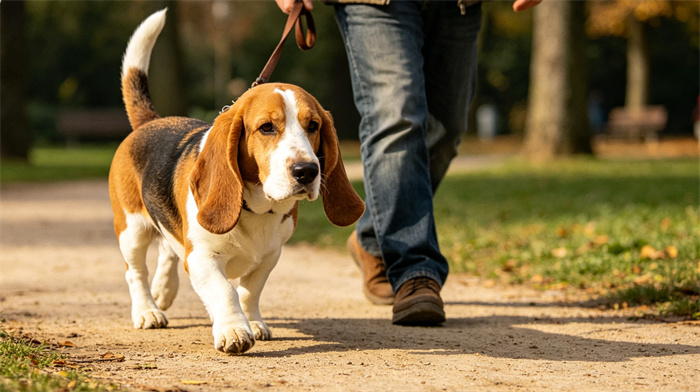
Most systems differentiate between dogs in carriers and those on leashes. Carrier dogs are often treated as luggage and may travel free or at a low cost. For leashed dogs, requirements like muzzles, short leashes, or off-peak travel are common. It is crucial to always check the official transit website of your city before your journey, as rules can change.
🎒 Essential Equipment: Carriers, Leashes, and Muzzles
Being prepared is non-negotiable. The right equipment ensures your dog's safety, comforts fellow passengers, and complies with regulations. Here are the dog-friendly public transport tips for gearing up.
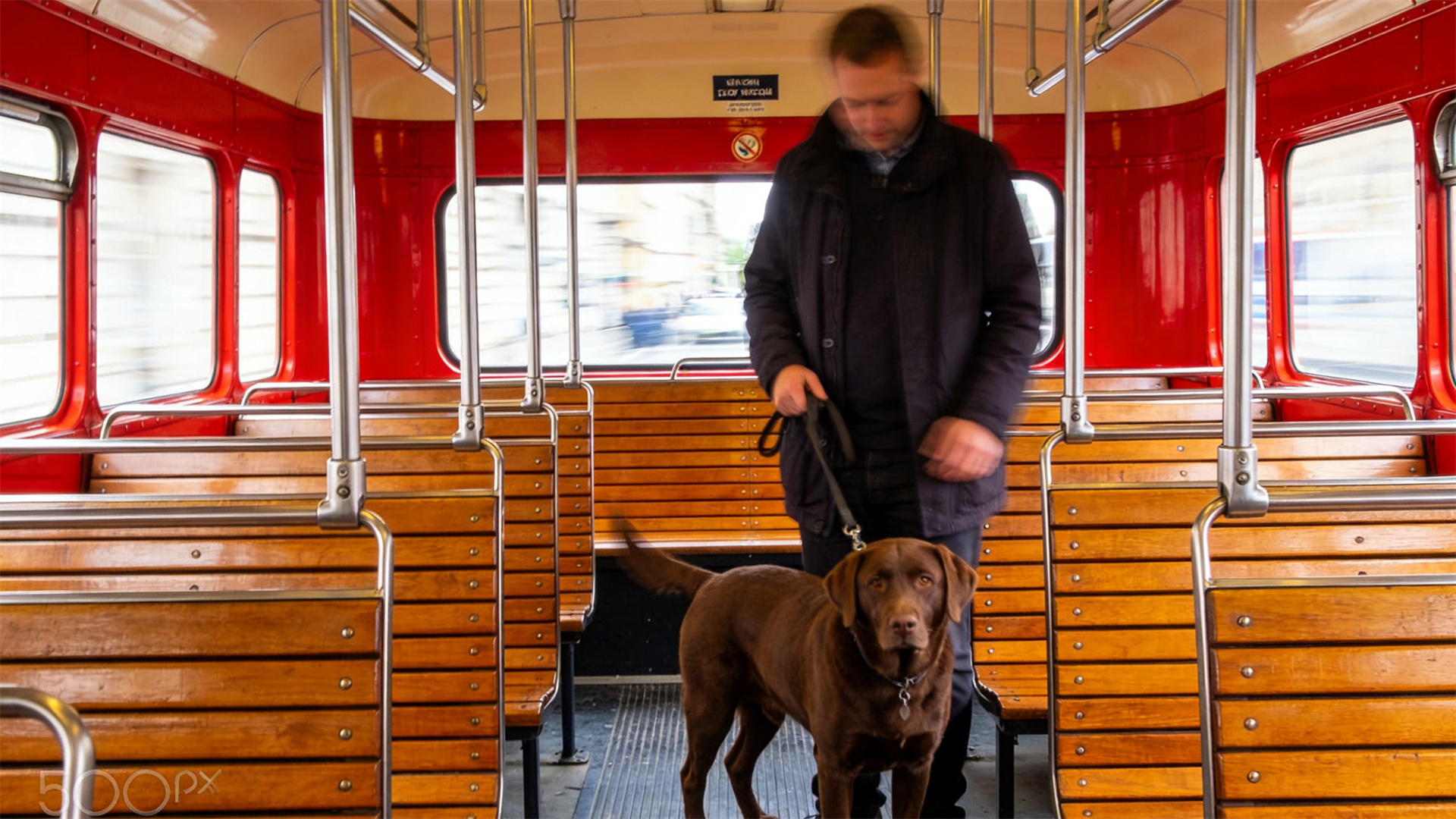
A secure, well-ventilated carrier is essential for small dogs and often required on subways and trains. For larger dogs, a non-retractable leash and a properly fitted basket muzzle (if required) are must-haves. Always carry essentials like waste bags, a small towel, and water.
⏰ Timing and Cost: Understanding Time and Fare Restrictions
Many cities implement time-based restrictions to ease congestion. Traveling during off-peak hours is not only courteous but sometimes mandatory. For instance, some networks prohibit dogs during weekday rush hours.
Fare structures also vary. Some cities offer discounted daily or monthly passes for dogs, while others charge a flat child's fare. Researching these costs is part of responsible trip planning. Knowing which cities allow dogs on public transport is one thing; understanding the financial and temporal logistics is another.
🧼 Hygiene and Safety: Measures for a Pleasant Journey
Transit authorities and responsible owners share the duty of maintaining cleanliness and safety. This is paramount for the long-term success of urban dog transportation initiatives.
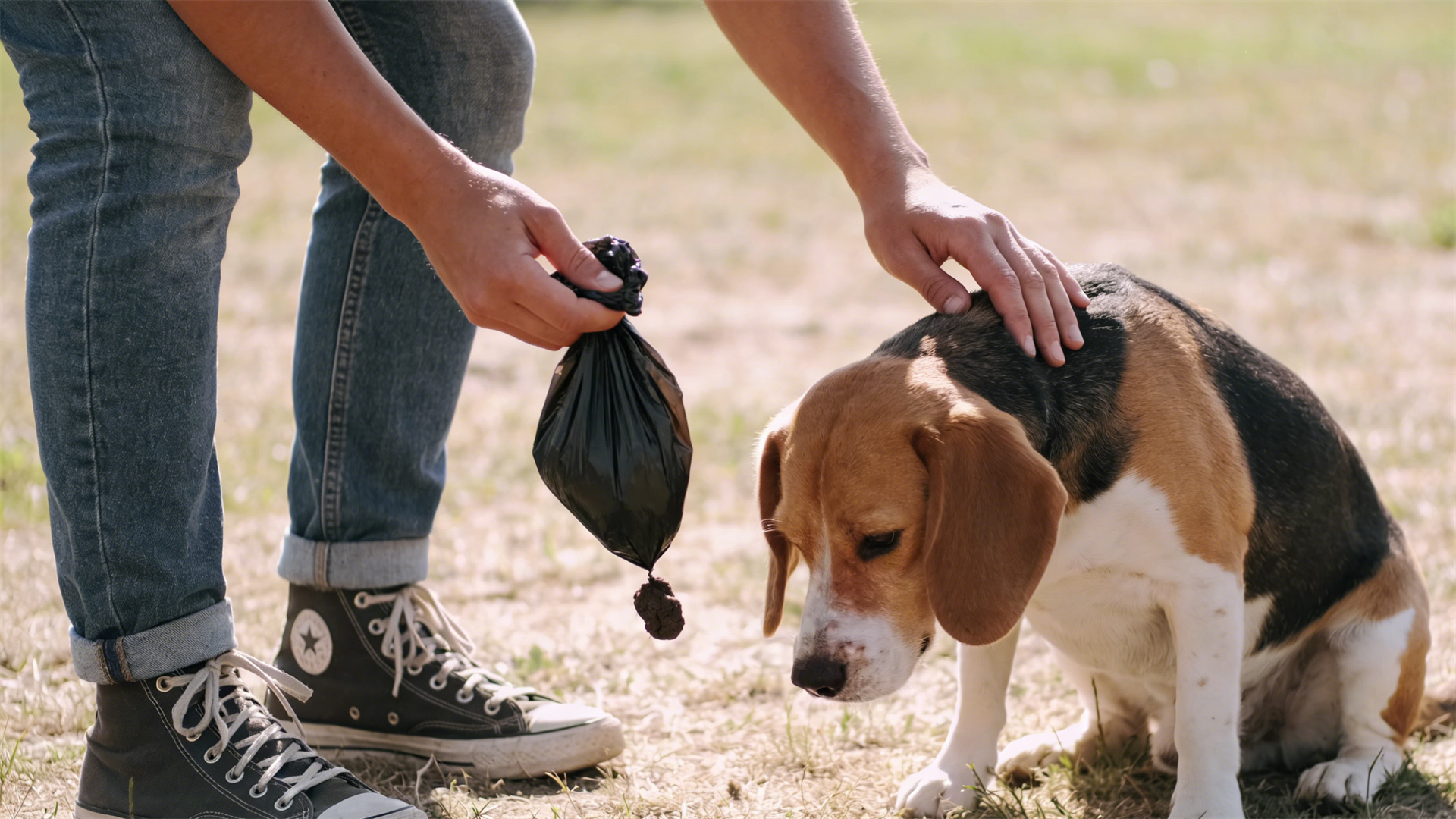
Owners must clean up immediately after their pets and ensure dogs do not occupy seats. Transit agencies often install easy-clean materials and provide sanitizer stations. The collective goal is to ensure all passengers, both human and canine, have a positive experience.
❤️ The Bigger Picture: Societal and Lifestyle Benefits
The benefits of dog-friendly public transport extend far beyond simple convenience. They foster a more inclusive and vibrant urban fabric.
It reduces reliance on private cars, lowering carbon emissions. It enables dog owners to socialize more freely, combating loneliness. It also supports local businesses, as people can bring their pets to dog-friendly cafes and parks without logistical hurdles. Essentially, it makes cities more livable for everyone.
⚖️ Addressing Challenges: Allergies, Fears, and Space
No policy is without challenges. Concerns about allergies, passenger fears, and limited space are valid. However, proactive dog-friendly city initiatives for public transport are finding solutions.
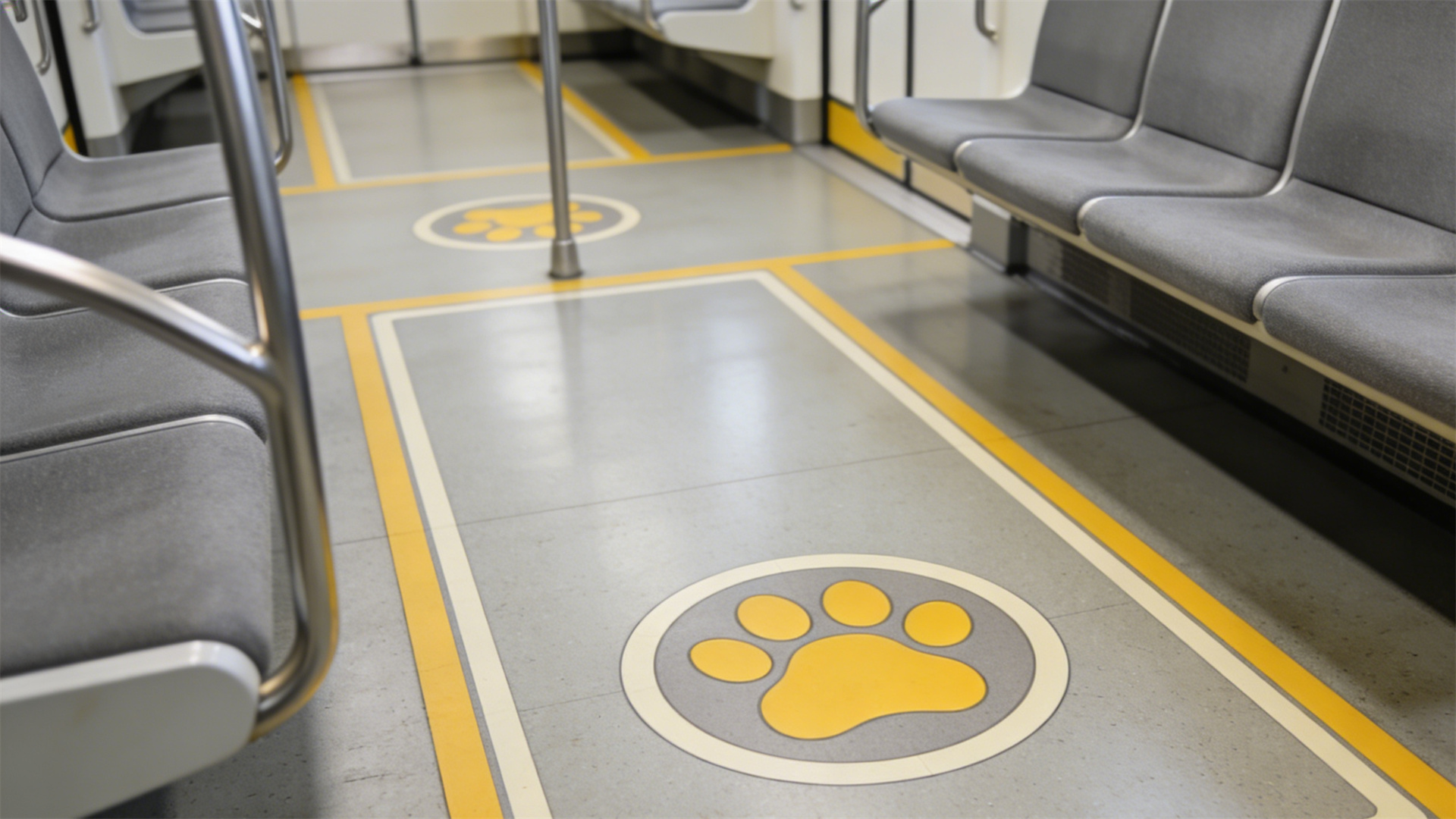
Designated carriages on trains, clear signage, and robust public education campaigns help manage expectations. Many systems also mandate that dogs must be on the floor, not on seats, to maximize space and hygiene. By openly addressing these challenges, cities build broader public support.
Conclusion: Riding Together Into a Friendlier Future
The movement toward welcoming dogs on public transit is a clear indicator of progressive, people-first (and pet-inclusive) urban planning. From the clear dog-friendly public transport guidelines in Berlin to the adaptable policies in San Francisco, we see a global trend toward greater accessibility. These cities improving dog access to transit are proving that with clear rules and shared responsibility, it can work seamlessly.
As a dog owner and community member, you can be part of this change. Use these services responsibly, advocate for sensible policies in your own city, and share positive experiences. Let's work together to ensure our cities are welcoming for all inhabitants.