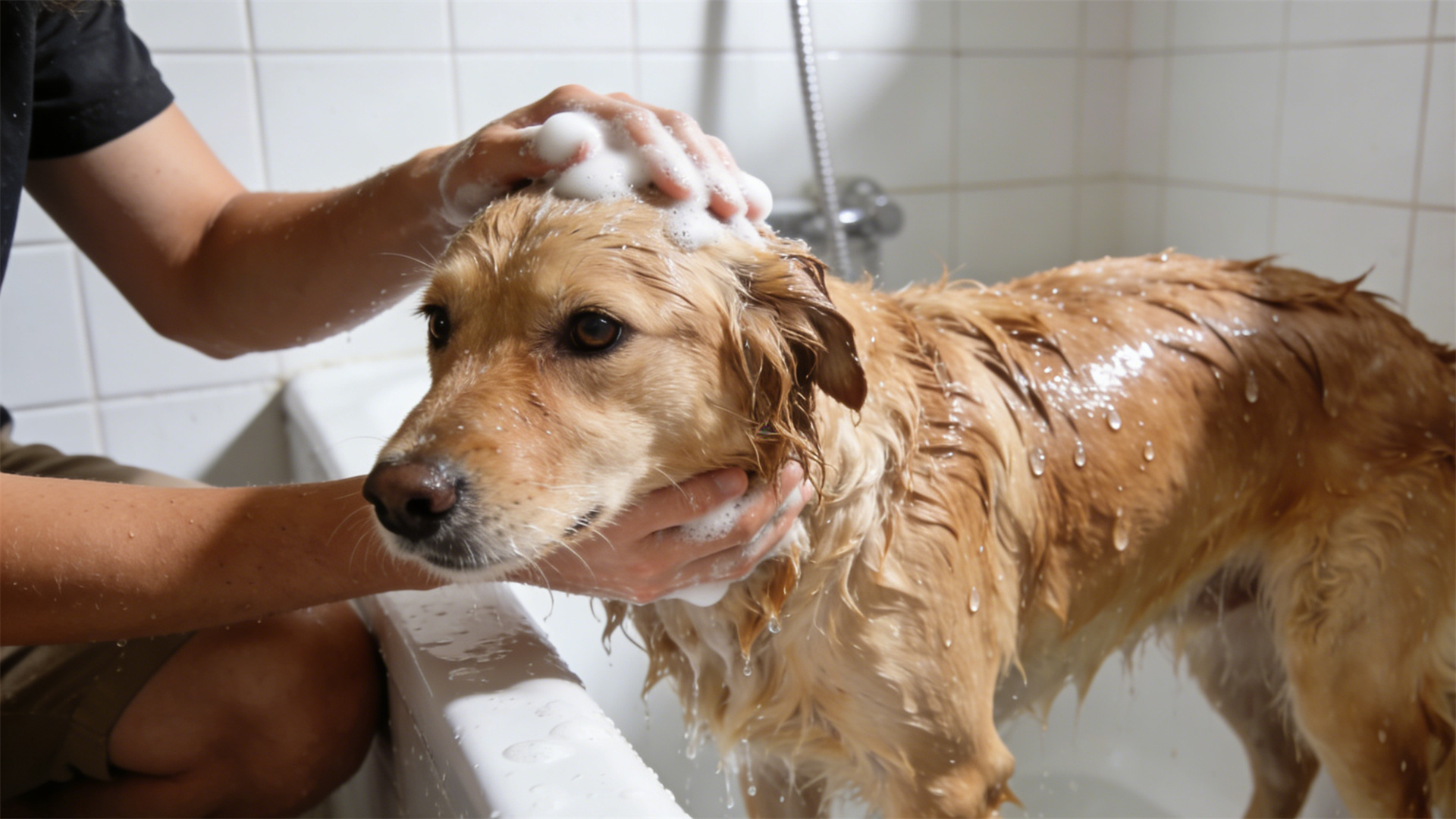
Is your beloved companion constantly scratching, leaving behind a trail of flaky skin and dull fur? That once-glossy coat now looks more like a worn-out rug, and you can see the discomfort in their eyes. Skin irritations and a lackluster coat are among the most common grievances for dog owners, often stemming from seasonal allergies, dry air, or harsh commercial products. But what if the solution wasn't another expensive bottle from the pet store, but a relaxing, natural treatment you could create in your own kitchen? Welcome to the art of the homemade dog spa treatment—a nurturing ritual that combines the healing power of nature with the bonding magic of touch. This guide will walk you through creating a safe, effective, and utterly blissful DIY dog spa experience to soothe dog skin and dramatically enhance coat shine.
🐾 Introduction: The Benefits of a Home Dog Spa
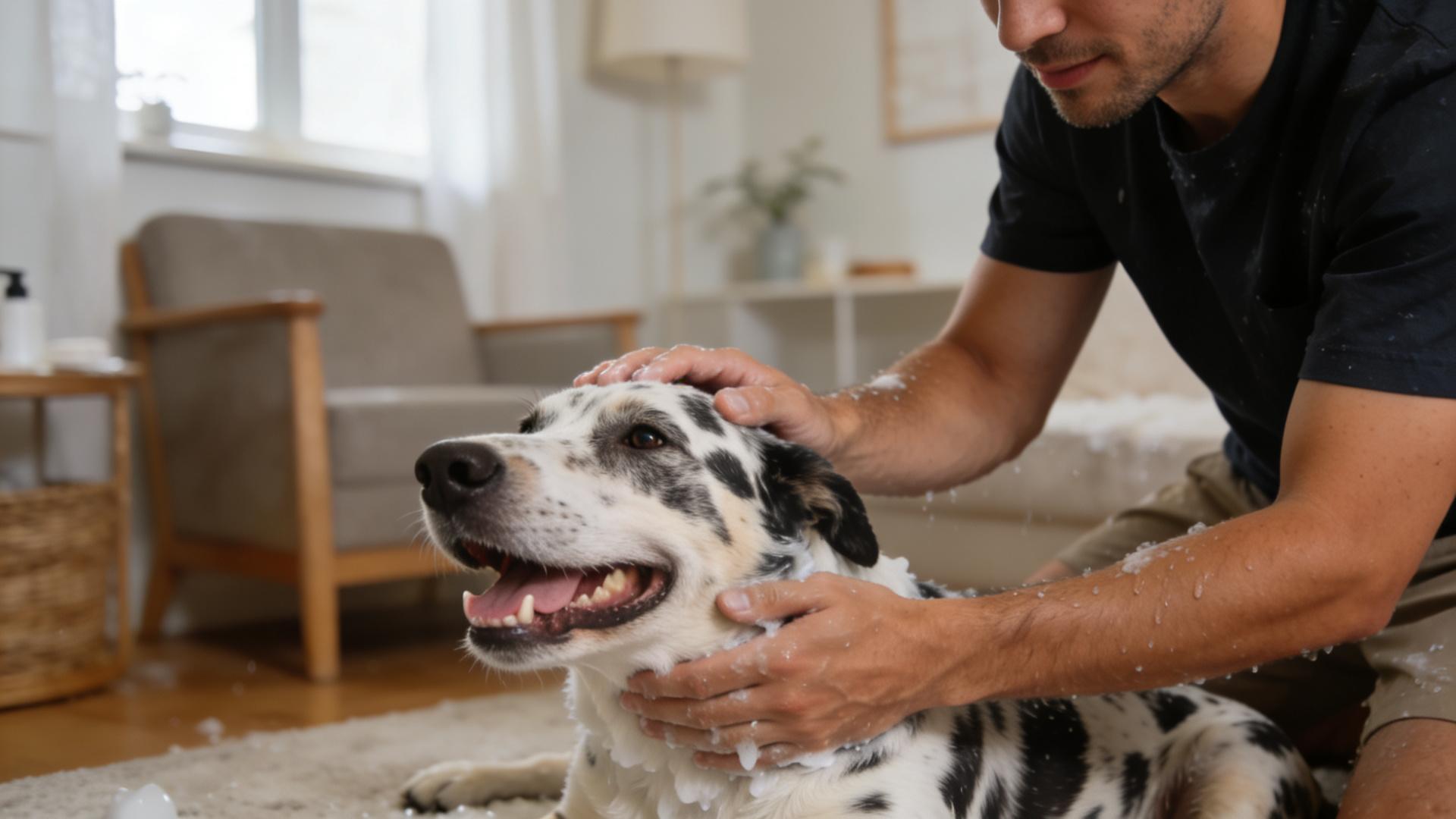
Beyond just a bath, a spa session is a holistic experience. It’s about addressing wellness from the skin out. Regular dog grooming at home with natural ingredients allows you to control exactly what touches your dog’s sensitive skin, avoiding parabens, sulfates, and artificial fragrances found in many products. A dedicated spa treatment provides profound canine skin relief, helps manage shedding, and unlocks a radiant, shiny dog coat. Moreover, the gentle massage and calming scents reduce anxiety, strengthen your bond, and turn a task into a treasured ritual of natural dog care.
🔬 Section One: Understanding the Ingredients and Their Benefits
The efficacy of your homemade dog spa treatment hinges on two star ingredients: sea salt and essential oils. Let's break down why they're so powerful.
The Power of Sea Salt for Dogs
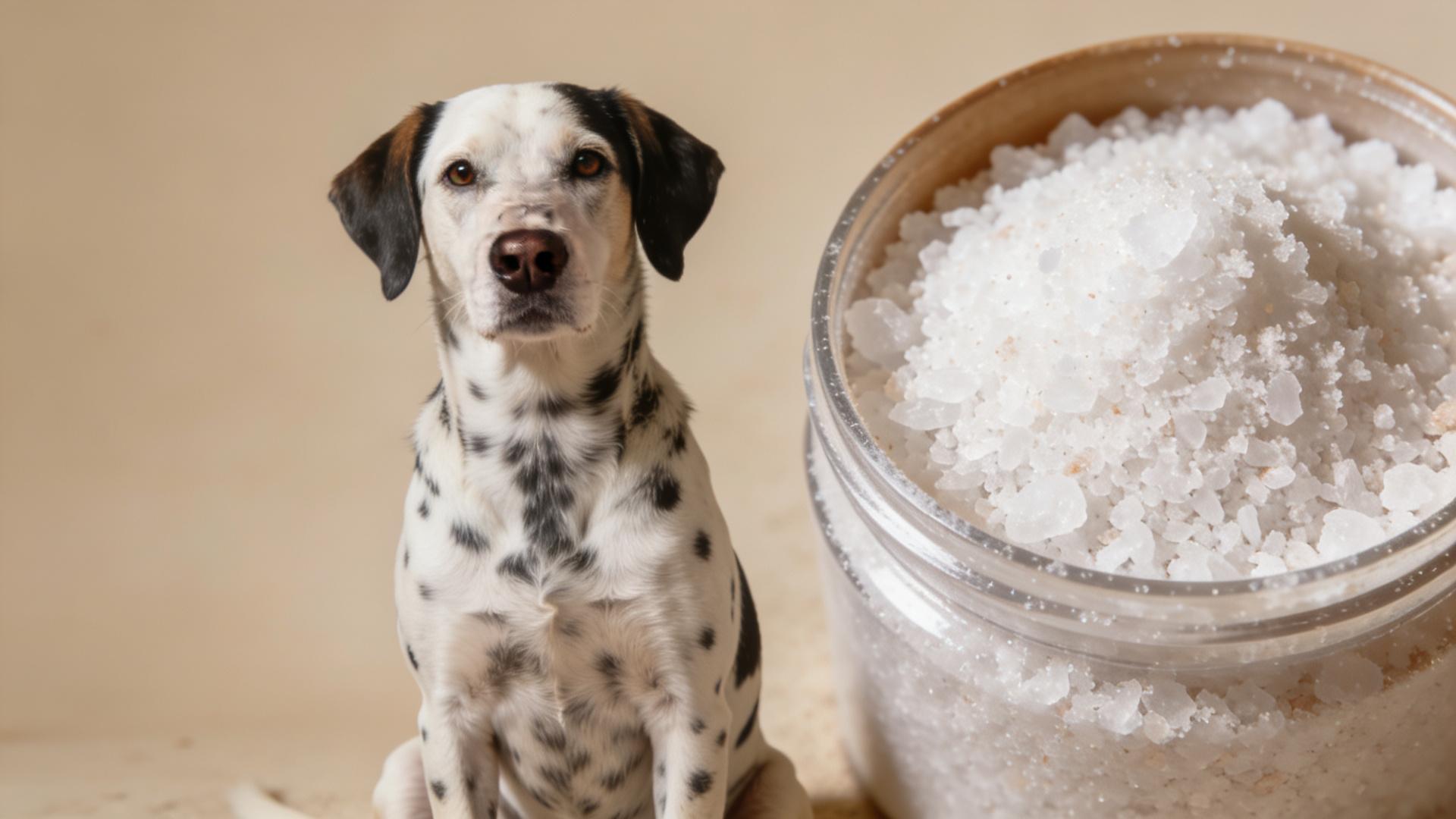
Sea salt for dogs is more than just a coarse grain; it's a mineral-rich therapy. Finely ground, pure sea salt (never table salt with additives) offers multiple benefits for a soothing dog bath: key benefits: provides gentle exfoliation to remove dead skin cells and loose fur, draws out impurities and toxins from the skin, contains natural minerals like magnesium which can reduce inflammation and itching, and can help combat minor bacterial or fungal issues. This makes it a cornerstone for any recipe aimed to soothe dog skin and prepare the coat for conditioning.
The Essence of Aroma: Essential Oils for Dogs
When used correctly, essential oils for dogs can elevate a simple wash into a therapeutic dog aromatherapy session. They are highly concentrated plant extracts, and their benefits are twofold: they promote coat shine by nourishing the skin and hair follicles, and their aromas can create a profoundly calming dog spa atmosphere. For instance, lavender is renowned for its relaxing properties, while chamomile is excellent for sensitive, irritated skin. Cedarwood can act as a natural insect repellent. The goal of using them here is to support overall dog coat health and emotional well-being.
⚠️ Section Two: Safety First: Essential Oil Guidelines for Dogs
Special Reminder: Essential oils are potent and must be used with extreme caution. Incorrect use can lead to toxicity, skin burns, or respiratory distress. Always consult your veterinarian before introducing any new product, especially if your dog is pregnant, nursing, very young, old, or has underlying health conditions.
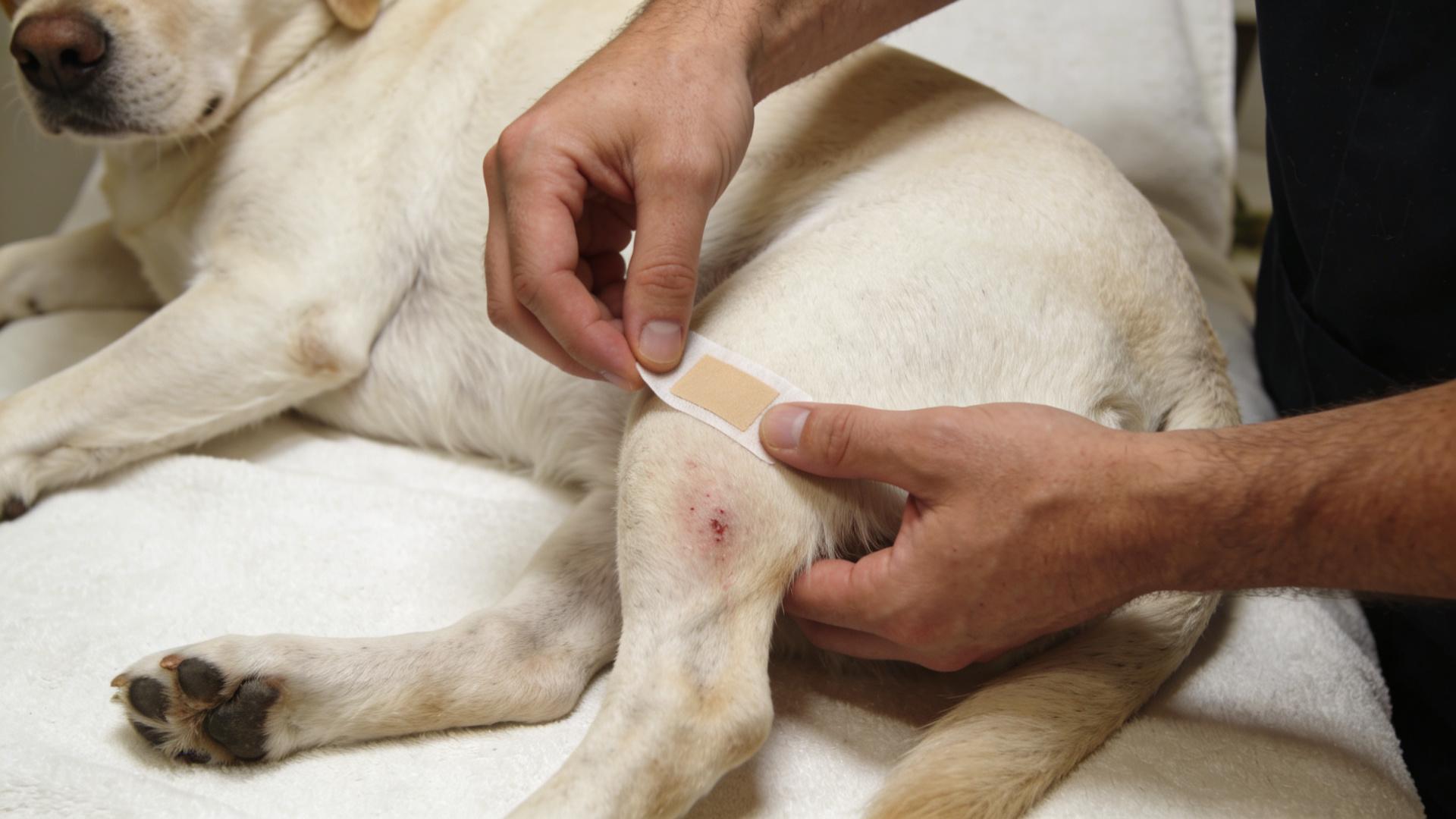
Critical safety rules: only use safe essential oils for dogs—lavender, chamomile, frankincense, and cedarwood are generally considered safer options. Never use tea tree, pennyroyal, wintergreen, or citrus oils casually. always dilute massively: for this spa treatment, we will use a dilution rate of approximately 0.25% or less. That’s just 1-2 drops of essential oil per cup of carrier (in this case, the sea salt mixture). never apply essential oils directly to the skin, ears, eyes, or nose. perform a patch test 24 hours prior: apply a small amount of your diluted mixture to a spot on your dog’s inner leg and monitor for redness or irritation. ensure the room is well-ventilated during your DIY dog grooming session.
🧺 Section Three: Step-by-Step DIY Dog Spa Preparation
Gathering your materials beforehand ensures a smooth, stress-free experience for both you and your pup. Here’s exactly what you’ll need.
Required Materials:
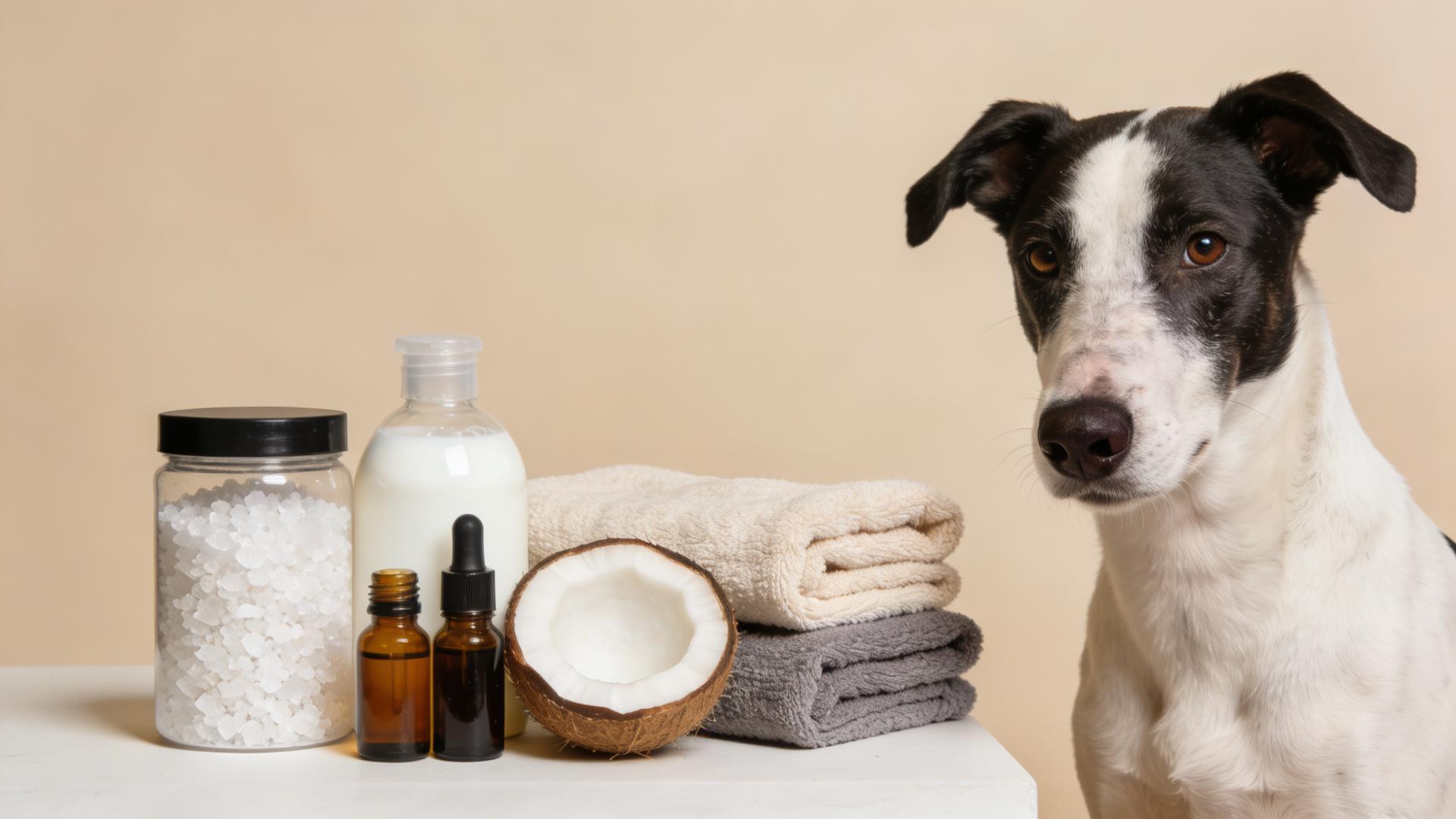
Ingredients: 1 cup of finely ground, pure sea salt (ensure it is fragrance and dye-free). 2-3 drops of a dog-safe essential oil (lavender or Roman chamomile are excellent starters). 1/4 cup of warm water or aloe vera juice (for mixing). 1 tablespoon of organic, unrefined coconut or olive oil (optional, for extra-dry coats). A large basin or tub that comfortably fits your dog. Several old towels. A soft washcloth. A gentle, natural dog shampoo for the rinse (check out our article on dog safe shampoos for recommendations). A quiet, warm room.
Mixing Your Spa Treatment:
Step 1. In a small glass bowl, combine the finely ground sea salt with your 1-2 drops of essential oil. Mix thoroughly to disperse the oil evenly. Step 2. Slowly add the warm water or aloe vera juice while stirring. You want to create a damp, scrub-like consistency, not a runny liquid. If using, stir in the carrier oil at this stage. Step 3. Let the mixture sit for 5 minutes to allow the salt to slightly dissolve and the aroma to meld. Your homemade dog spa treatment base is now ready.
💆 Section Four: Application and Massage Techniques
This is where the magic happens. The application is a gentle, methodical process designed for maximum comfort and benefit.
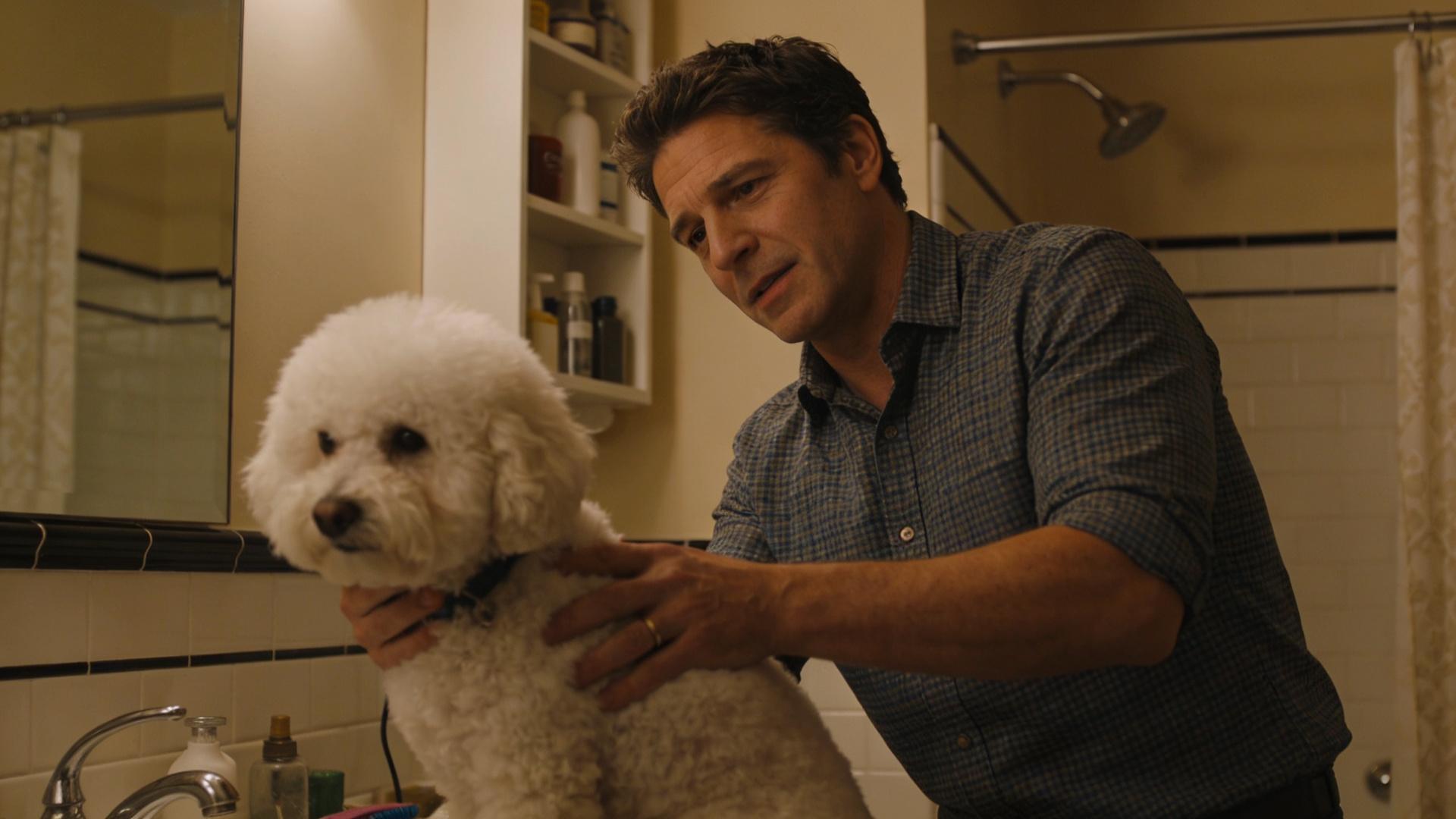
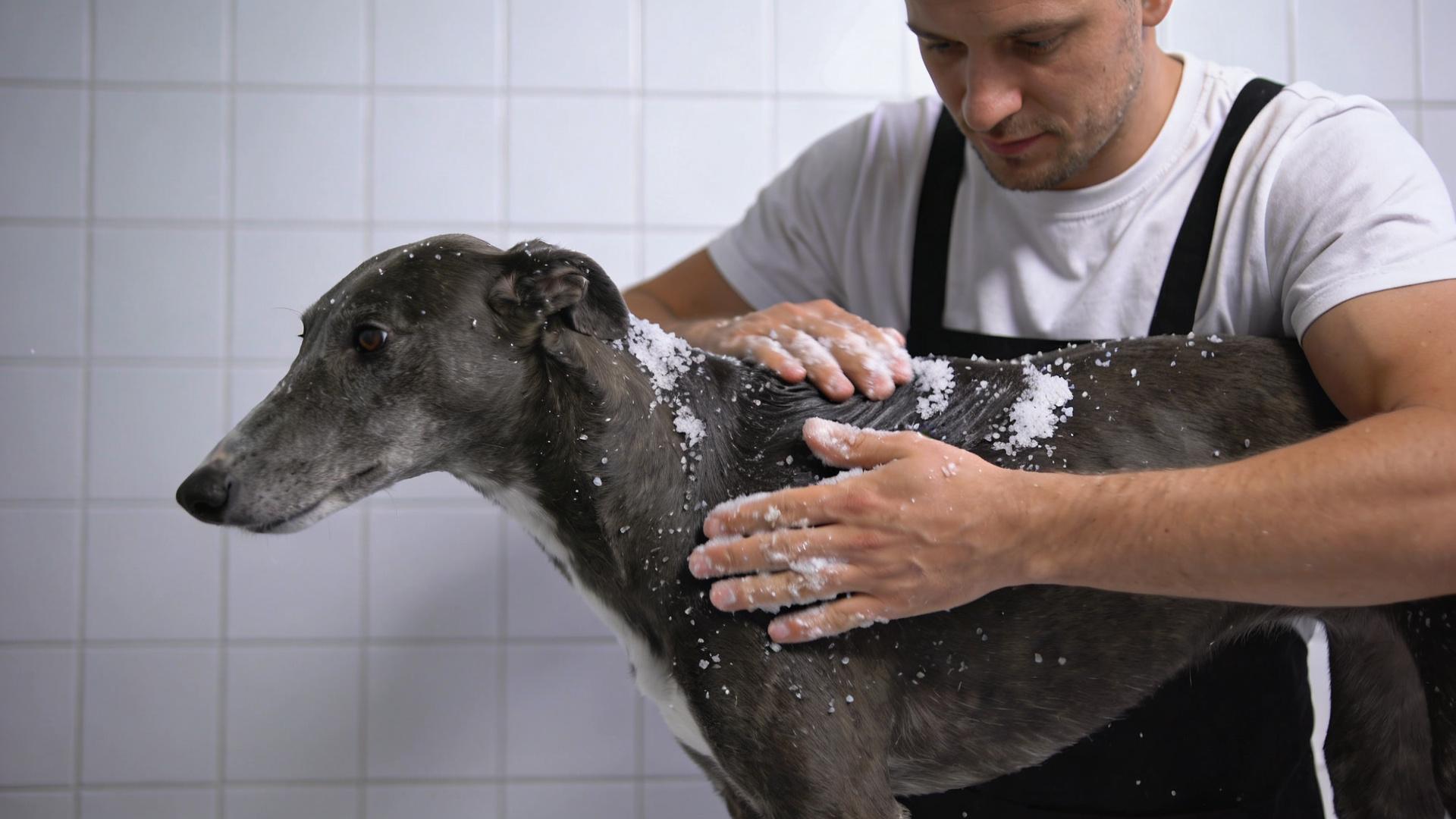
Step 1. Preliminary Bath: First, give your dog a standard rinse with warm water to wet their coat thoroughly. You can use a small amount of their regular shampoo to clean off surface dirt, then rinse completely. This prepares the skin and coat to absorb the spa treatment. For more tips on this initial stage, see our guide to stress-free dog bathing tips. Step 2. Apply the Scrub: Starting from the neck and moving down the back, take small handfuls of your sea salt scrub. Gently massage it into the coat and down to the skin using slow, circular motions. Avoid the face, eyes, ears, and genitals. Focus on areas prone to dryness or irritation. Step 3. The Massage: Apply light pressure as you massage. This stimulates blood flow, which promotes healing and helps distribute natural skin oils for a healthier dog coat shine. Speak to your dog in a calm, reassuring tone throughout. Spend 5-10 minutes on this massage for a truly relaxing dog spa experience. Step 4. Rest and Soak: If using a basin, let your dog sit in the treated coat for another 5 minutes if they are comfortable. This allows the minerals and oils to work. Step 5. Thorough Rinse: Rinse your dog with lukewarm water until all salt granules are completely washed away. Any residue left behind can cause dryness or irritation.
🌿 Section Five: Aftercare and Maintaining Coat Health
The spa doesn't end at the rinse. Proper aftercare seals in the benefits and protects that newfound glow.
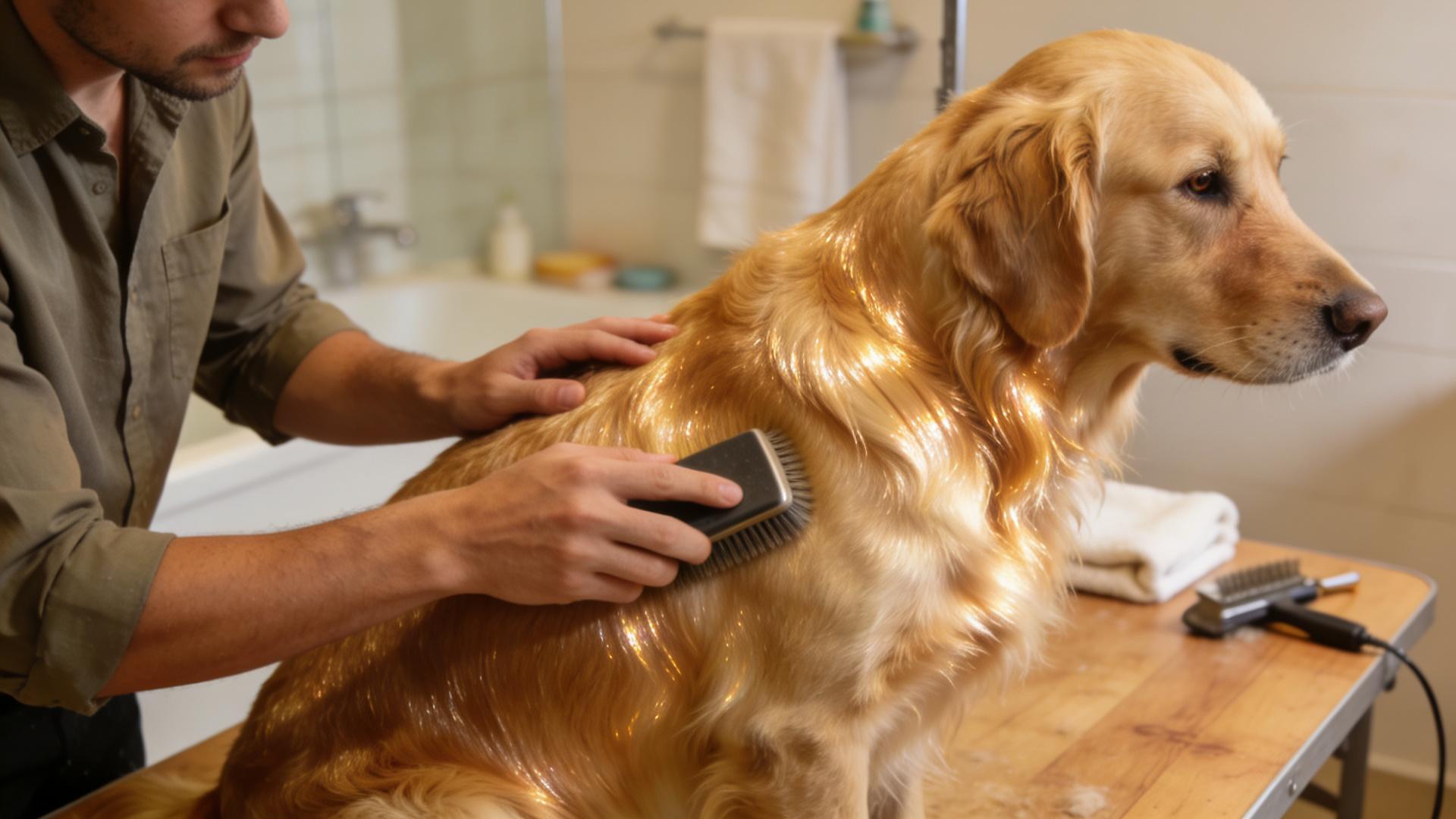
Step 1. Drying: Pat your dog dry with a soft towel—avoid vigorous rubbing. If you use a blow dryer, keep it on the cool, low setting and hold it at a distance. Step 2. Brushing: Once the coat is completely dry, give your dog a thorough brushing with a suitable brush for their coat type. You will notice how much more smoothly the brush glides through and the incredible shine. Step 3. Hydration and Diet: External care is supported by internal health. Ensure your dog has constant access to fresh water and is on a high-quality diet rich in Omega-3 and Omega-6 fatty acids to improve dog coat health from the inside out. Step 4. Frequency: A full sea salt bath for dogs with essential oils should be a monthly treat, not a weekly routine. Overuse can dry out the skin.
Modifications for Sensitive Skin and Different Coats
For dogs with extremely sensitive skin: omit the essential oils entirely for the first session, relying solely on the sea salt and optional carrier oil. You can perform a patch test with the oil separately later. For short-haired breeds: a shorter massage time is sufficient. For long or double-coated breeds: take extra care to rinse all the salt from the undercoat. You may need to slightly increase the quantity of the mixture to cover the larger surface area.
💚 Conclusion: Embracing Natural Dog Care
Creating a DIY dog spa is more than a grooming hack; it's a commitment to mindful, natural dog care. By harnessing the simple powers of sea salt and carefully selected essential oils, you address the root causes of itchiness and dullness while sharing a peaceful, bonding moment with your best friend. This hands-on approach allows you to monitor your dog's skin health closely and provide immediate, chemical-free relief. Remember, consistency is key to long-term dog skin care and a perpetually shiny coat.
Disclaimer: This article is for informational purposes only. It is not a substitute for professional veterinary advice. Always consult with your veterinarian before starting any new treatment, especially involving essential oils, to ensure it is appropriate for your individual dog's health needs.