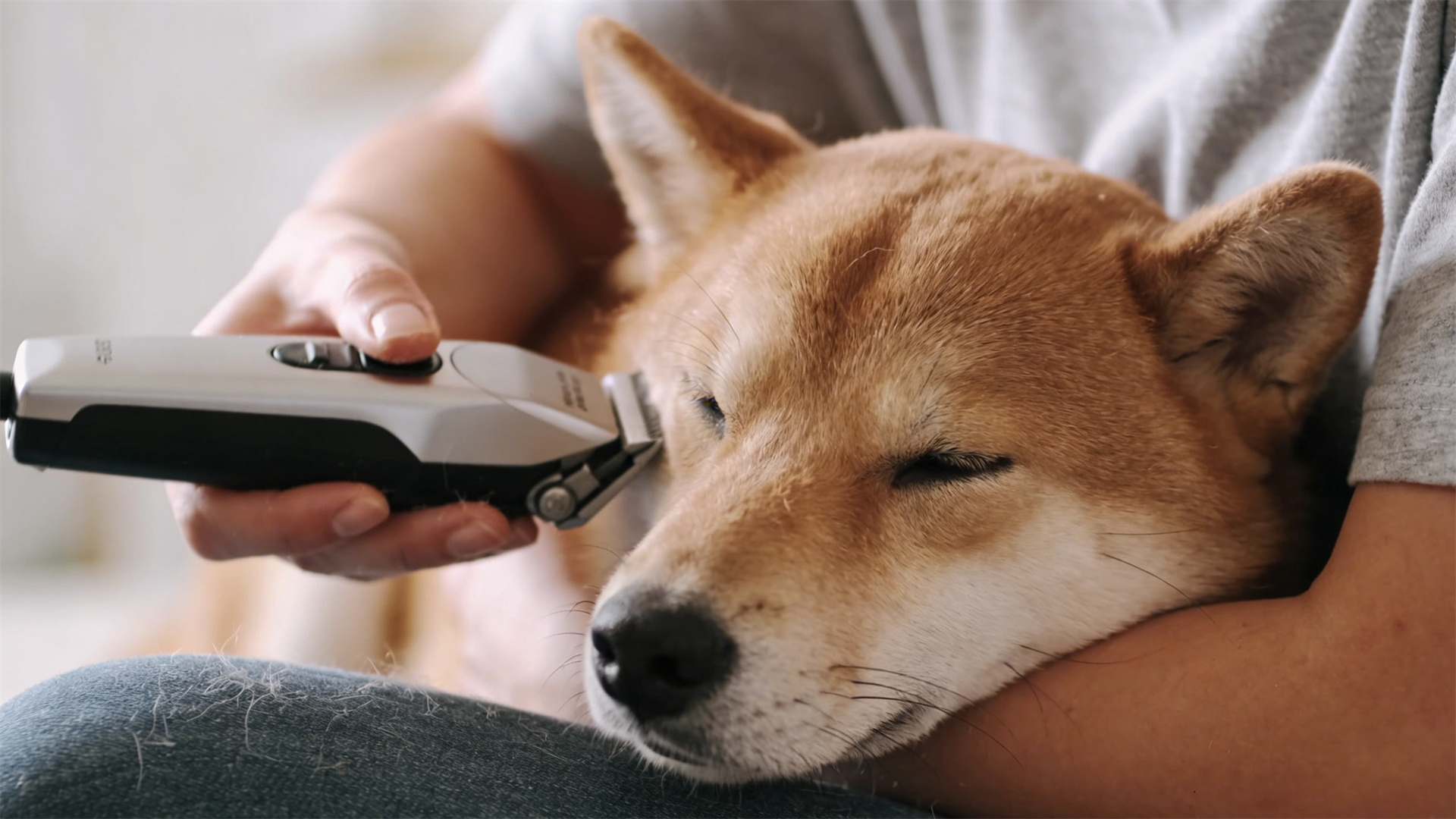
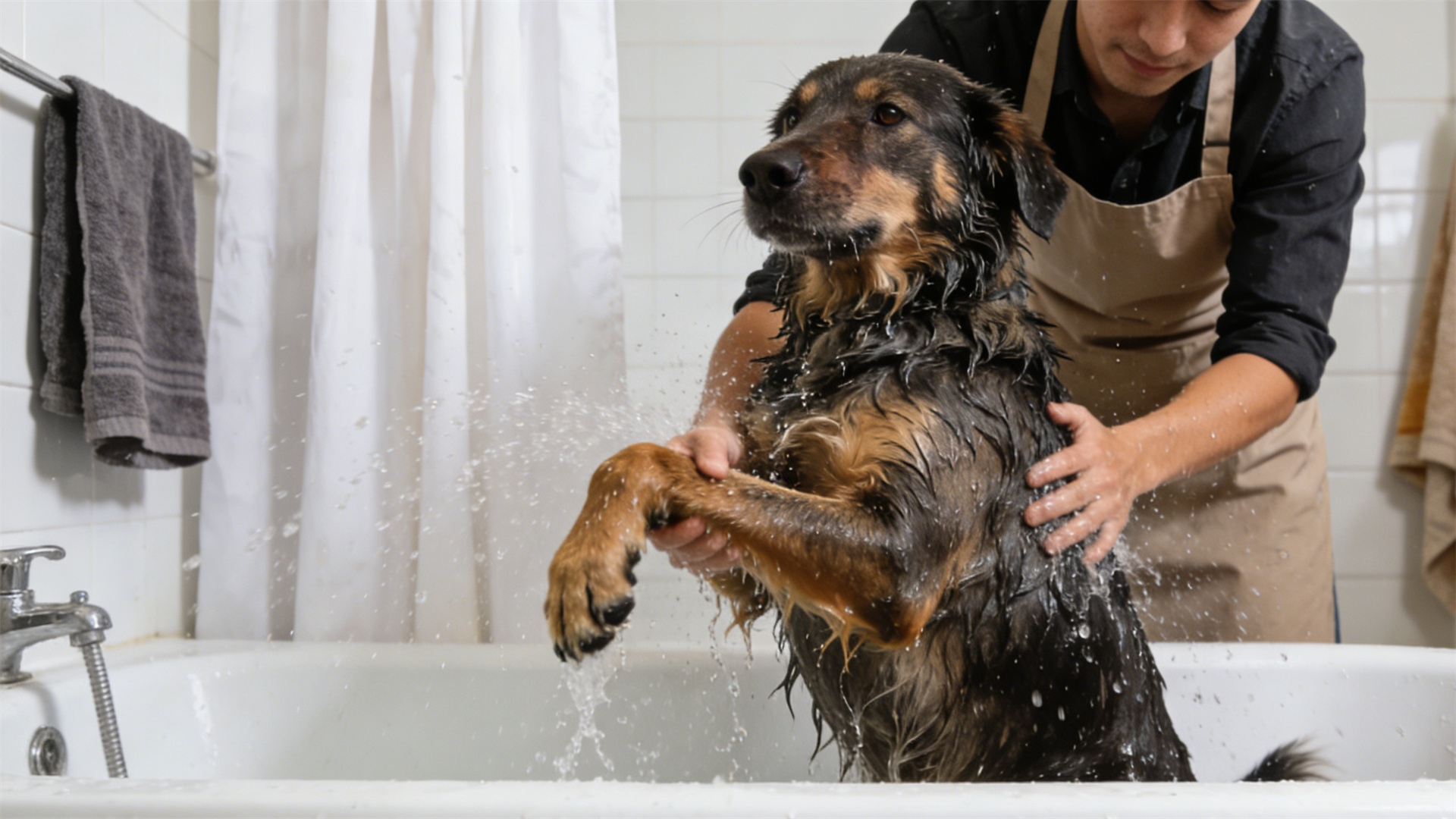
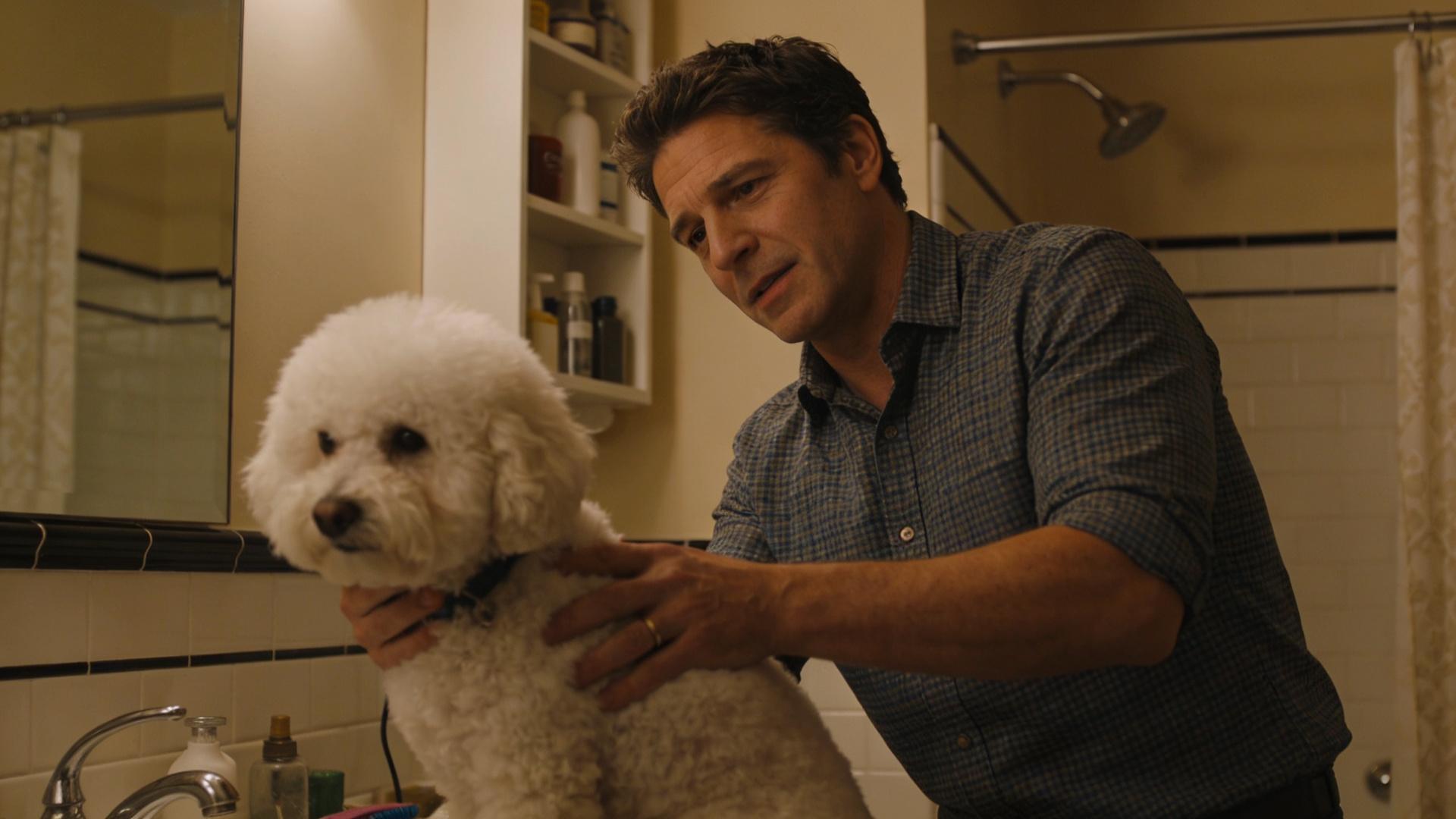
Mastering a basic home Bichon Frise haircut is a rewarding journey that deepens the bond with your fluffy companion. While the prospect of wielding clippers and shears may seem daunting, especially around those expressive eyes, achieving that signature neat face shape is entirely possible with the right guidance. This article is designed to demystify the process, providing you with a detailed, step-by-step manual focused specifically on sculpting a round, tidy visage for your Bichon. We'll equip you with professional home grooming techniques and the confidence to create a beautiful, safe, and comfortable grooming experience right in your own home.
🛠️ Section One: Essential Tools and Preparation for Success
Before you make the first snip, gathering the proper arsenal and setting the stage is 80% of the battle for a successful DIY Bichon Frise grooming for beginners. Rushing in unprepared can lead to a stressed dog and a choppy haircut.
Must-Have Bichon Frise Grooming Tools
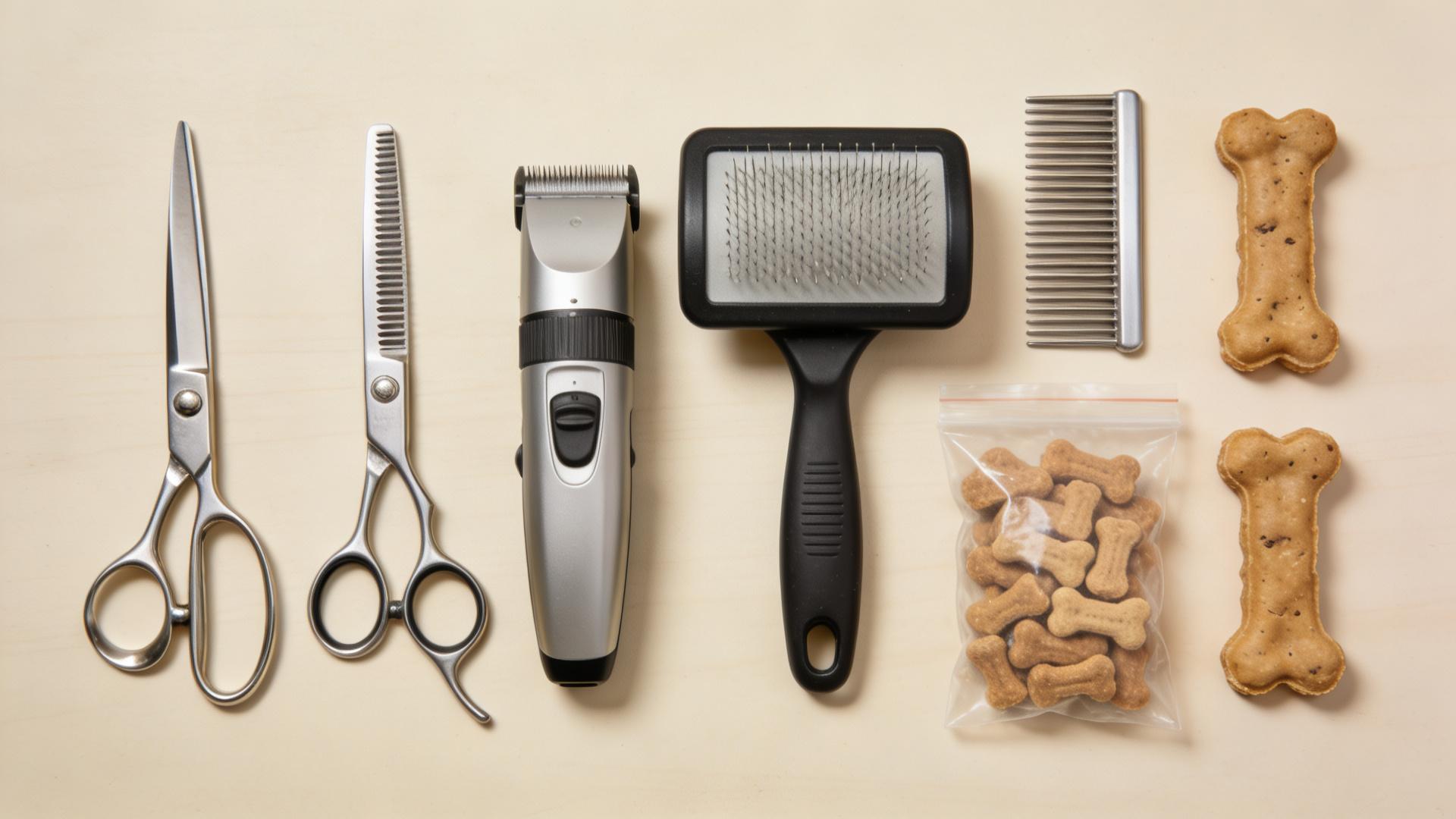
Investing in quality tools makes a world of difference. Your essential kit should include:
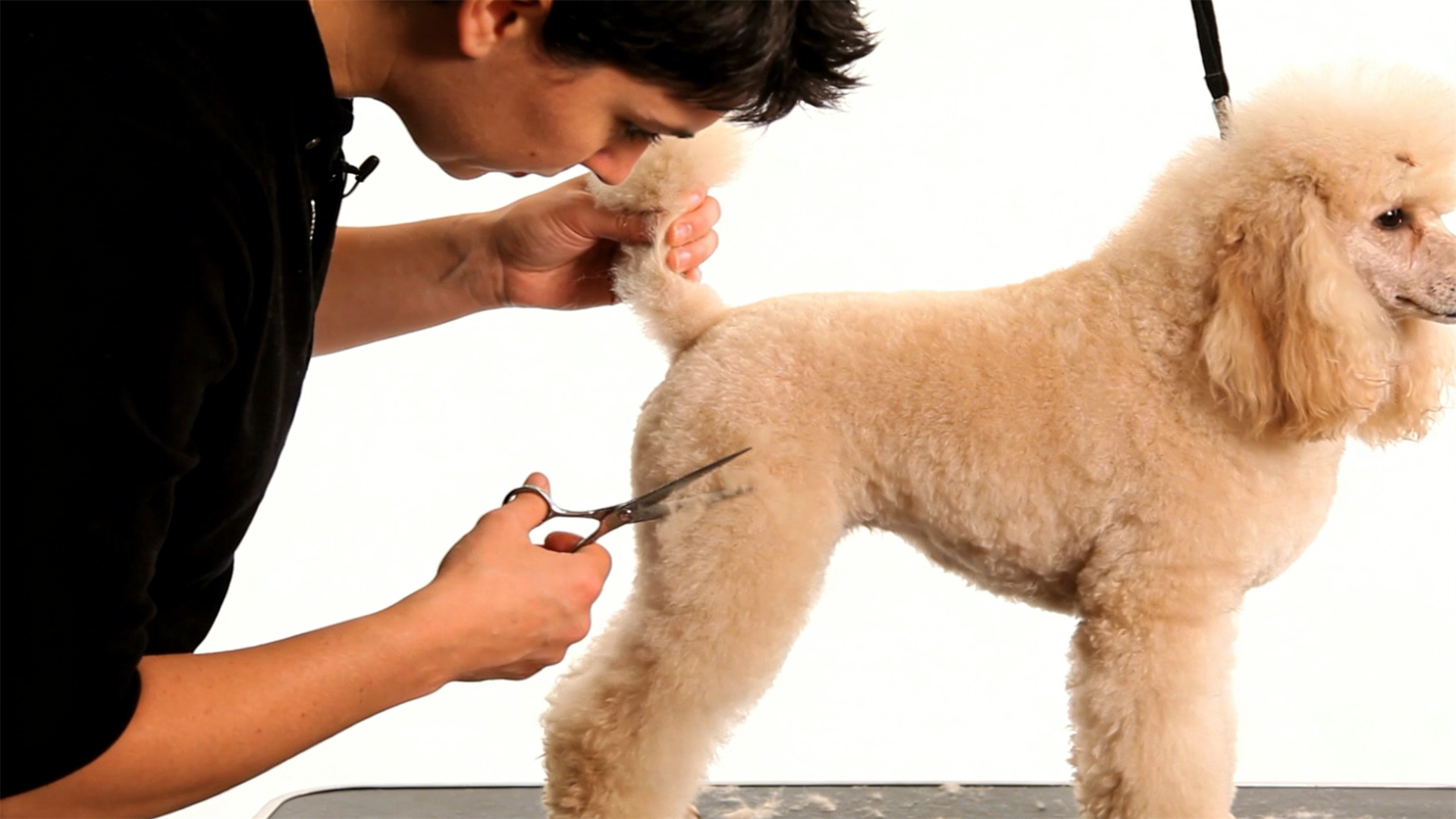
Cutting Tools: A pair of sharp, straight-edge grooming scissors (6-7 inches is ideal for control), thinning shears to blend and remove bulk without harsh lines, and a quiet, adjustable-clipper (with a #10 or #15 blade for sanitary areas and a comb attachment for body work if desired).
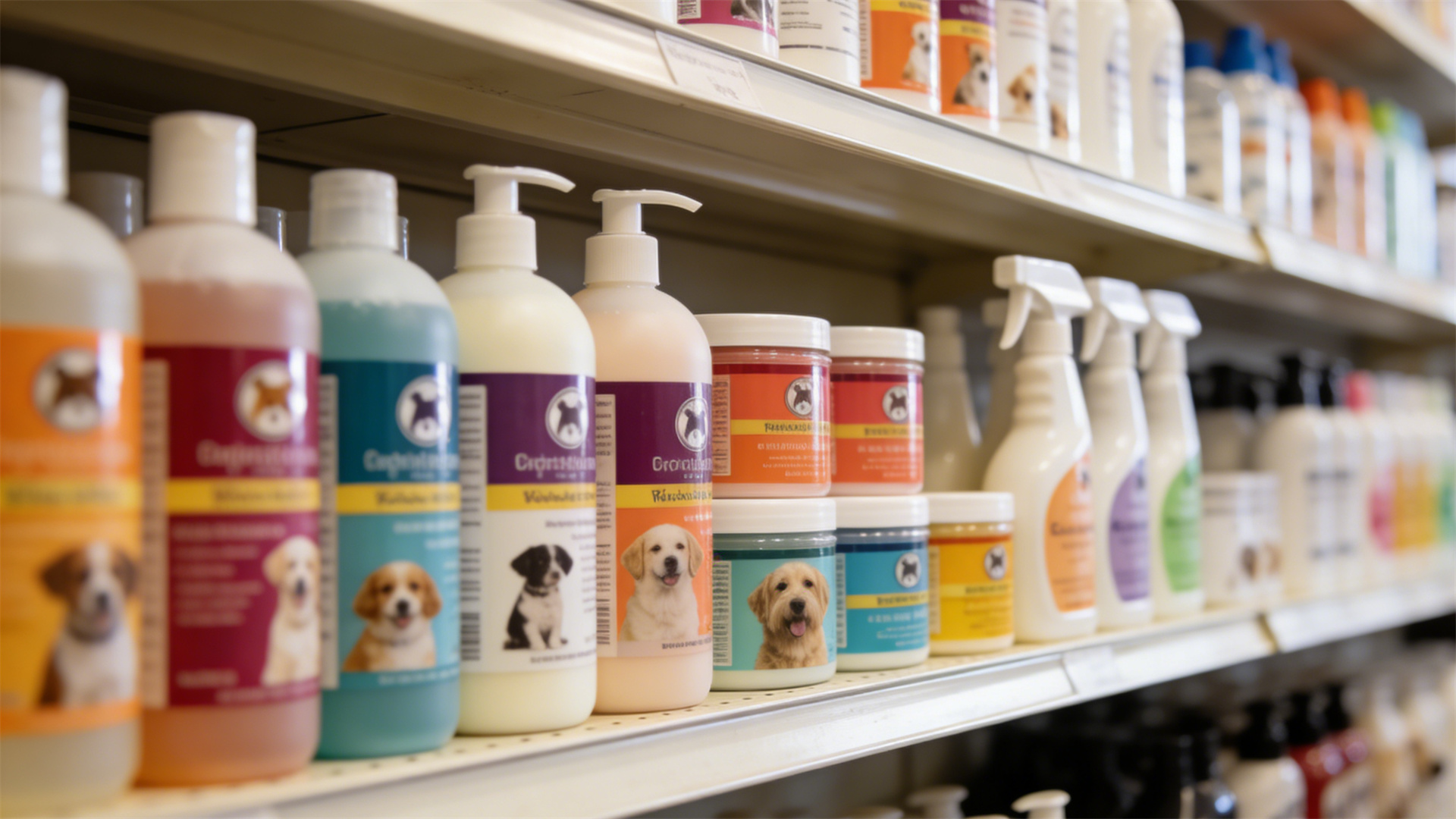
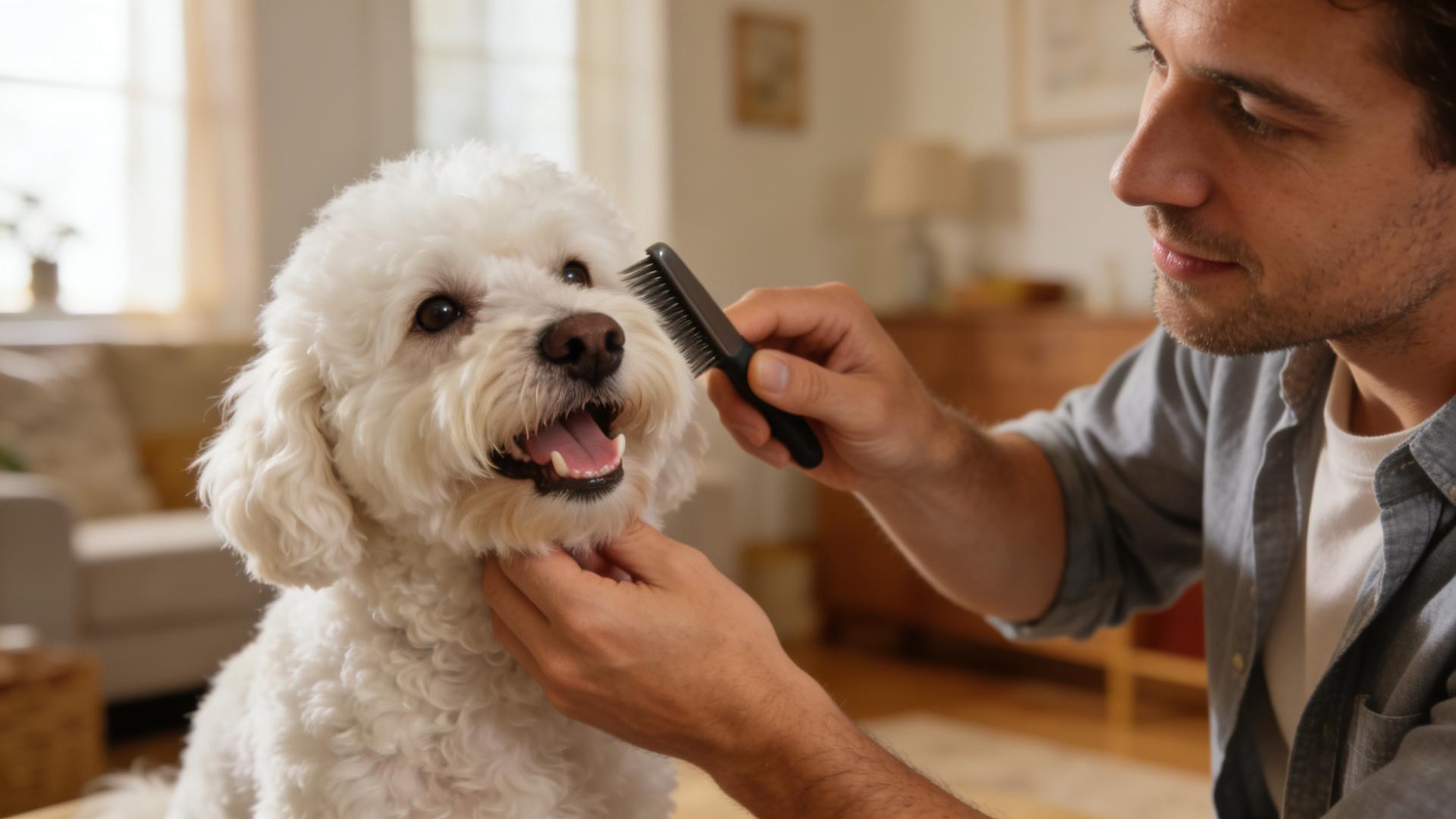
Prepping & Finishing Tools: A sturdy slicker brush and a wide-toothed comb are non-negotiable for tangle-free fur. You'll also need canine shampoo/conditioner, a high-velocity dryer (or a very powerful human hairdryer on cool), and grooming spray or water in a spray bottle to dampen hair for cutting.
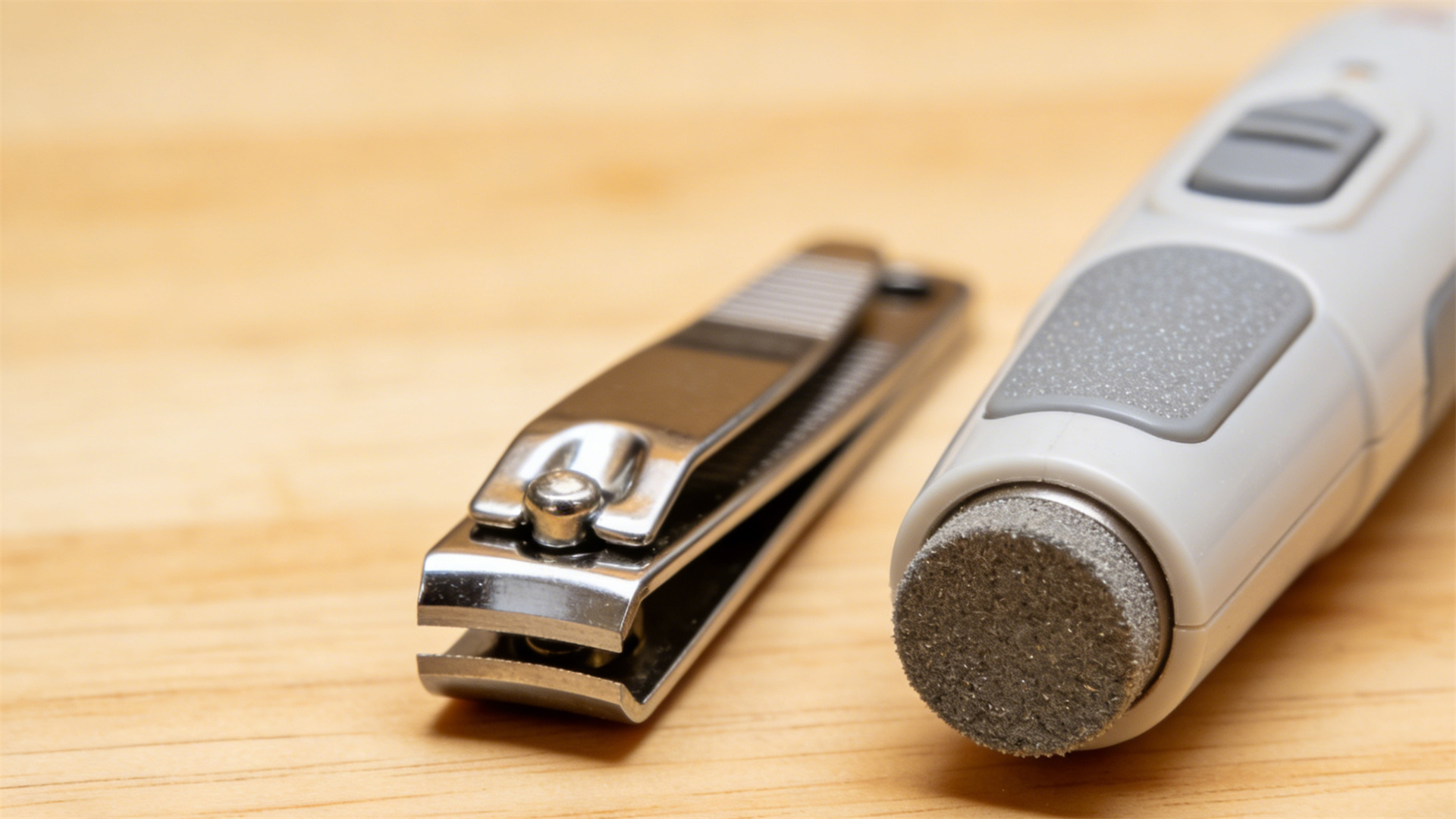
Safety Supplies: Styptic powder or cornstarch for accidental nicks, non-slip matting for your grooming table or surface, and plenty of high-value treats for positive reinforcement.
Pre-Grooming Ritual: Bath, Dry, and Calm
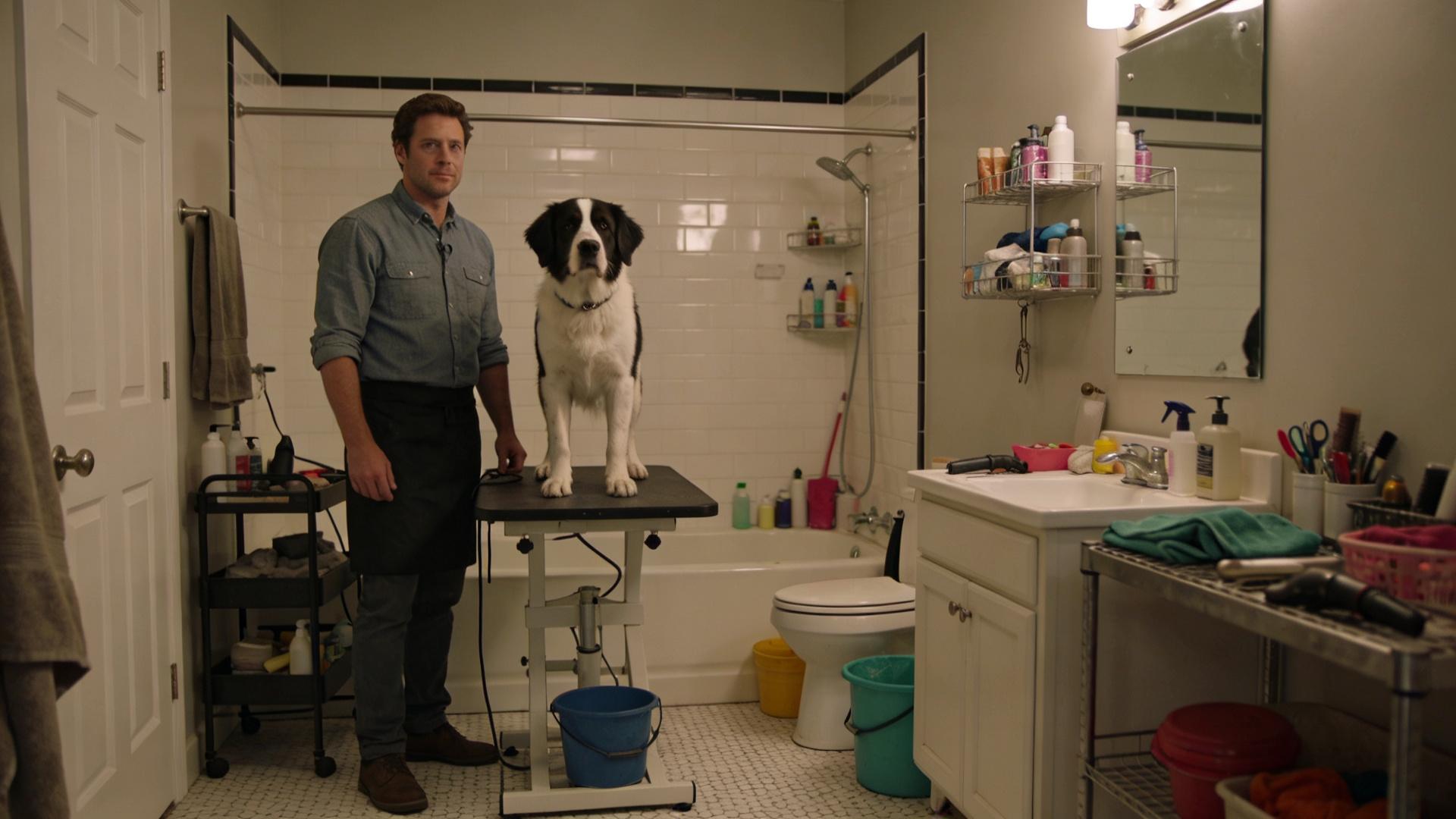
Never cut a dirty or matted coat. Start with a thorough bath using a whitening or conditioning shampoo suitable for the Bichon Frise's sensitive skin. After rinsing, apply conditioner to ease combing later. The drying phase is critical: completely blow-dry the coat while brushing it straight. A damp or air-dried coat will curl and shrink, leading to accidental over-cutting. Ensure your pup is calm, comfortable, and standing steadily on a non-slip surface before you begin the trim Bichon Frise face process.
✂️ Section Two: Step-by-Step Face Trimming Methods
This is the heart of the basic haircut techniques. Patience is your best tool here. Work in good light, take frequent breaks, and always err on the side of caution. The goal is to create a round "halo" effect around the face.
Step 1: Safely Framing the Eyes
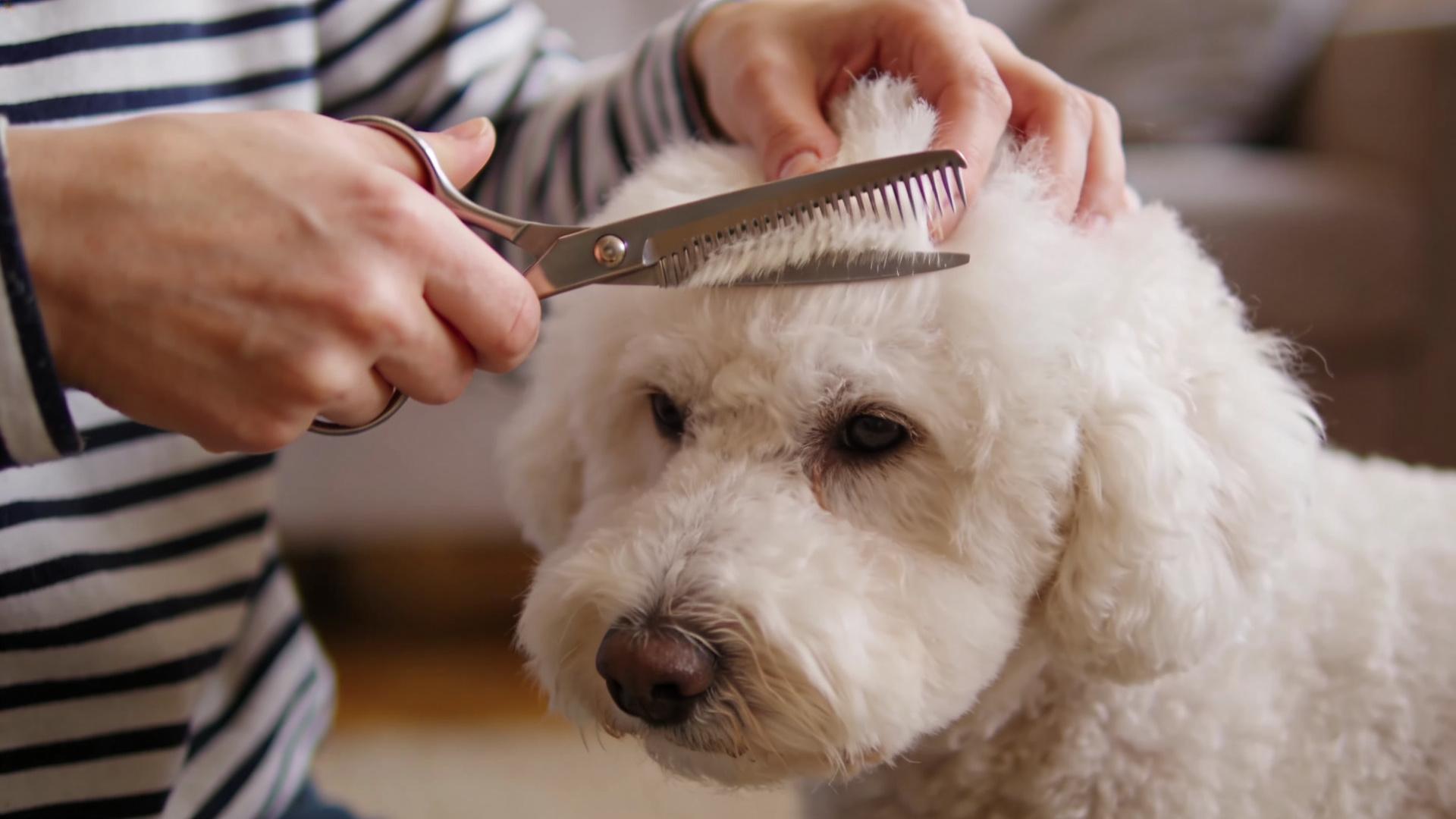
The eyes are the window to the soul and the area requiring the utmost care. Using your blunt-tipped, straight shears, always point the scissor tips away from the eye. Gently hold the longer hair above the eye between your fingers and trim it straight across to just clear the eyelid. Trim the corner of the eye where discharge can collect. The aim is visibility and safety, not necessarily shortness. Special Reminder: If your dog is squirmy, consider having a helper or skipping this step until you're more confident.
Step 2: Sculpting the Cheeks and Muzzle for a Round Face
This is where you shape Bichon hair to achieve that classic look. Start by combing all the facial hair forward. Visualize a circle around the face.
Cheeks: Hold your scissors vertically and carefully trim the hair on the cheeks back towards the corner of the mouth. Your goal is to create a rounded contour from the outer eye down to the muzzle, removing bulk.
Muzzle & Beard: Comb the beard hair down. Trim the length to your preference, ensuring it's even from side to side. To define the muzzle, trim the hair from the bottom of the eyes down towards the beard in a smooth, rounded line. Constantly comb the hair back into place and assess the shape from the front and sides. The key to achieving round face perfection is gradual trimming and frequent combing.
🔗 Section Three: The Art of Blending and Final Finesse
A great haircut is defined by seamless transitions. A choppy, disconnected look often results from neglecting to blend the freshly trimmed face into the head and body fur.
Creating a Cohesive Silhouette
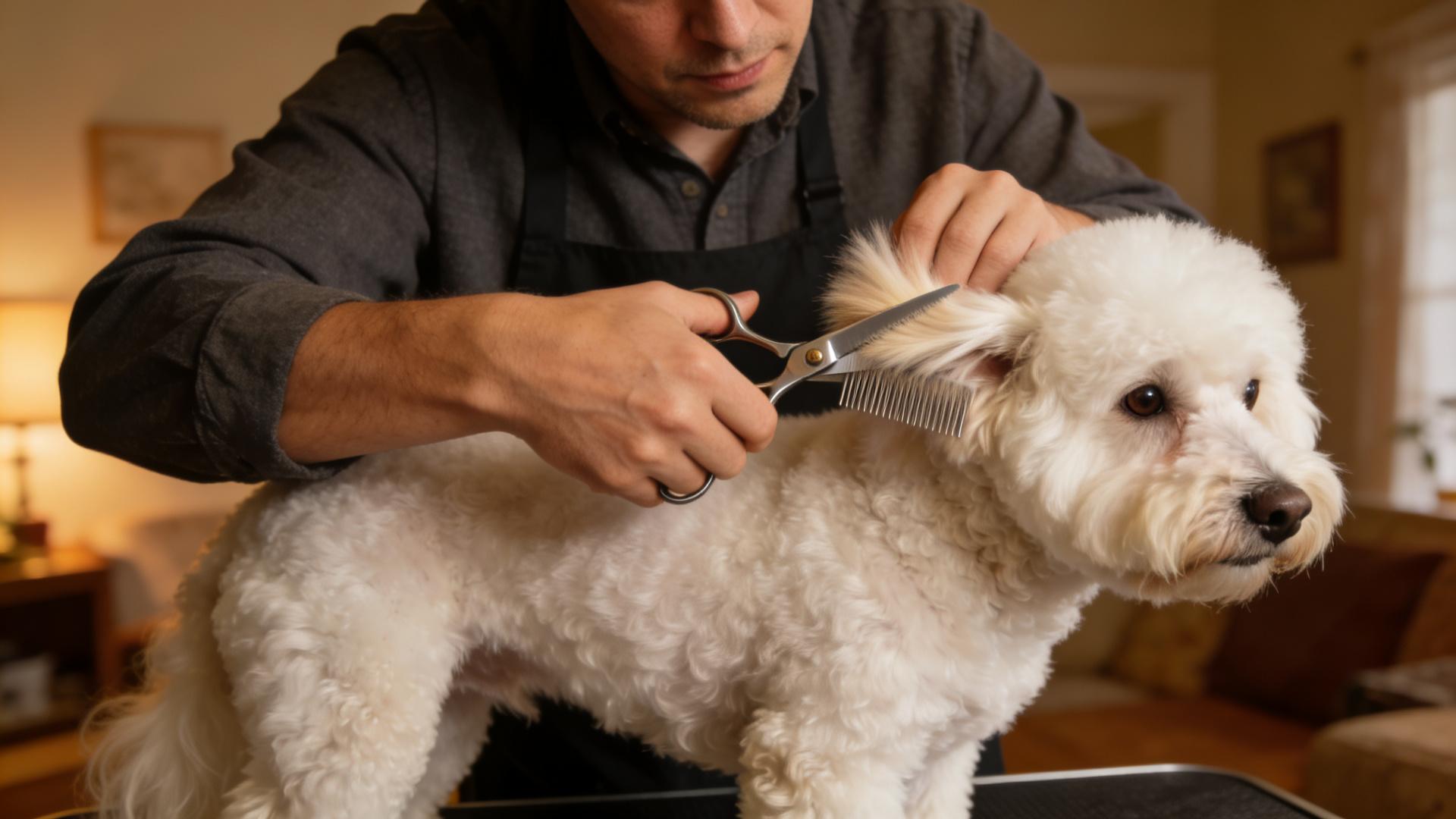
Using your thinning shears is crucial here. Work around the edges where the short face hair meets the longer hair on the top of the head and behind the ears. Snip into the line of demarcation with the thinning shears at a 45-degree angle—don’t close them fully. This technique removes bulk and softens the transition, making it look natural. For more on using thinning tools, see our guide on essential dog grooming basics.
The Symmetry Check and Final Adjustments
Step back and look at your dog from the front, above, and both sides. Check for symmetry: are the cheeks even? Is the beard centered? Use the comb to pull hair up and out, checking for any stray long hairs breaking the round shape. Make tiny, careful snips to correct imbalances. Remember, you can always take more off, but you can't put it back!
⚠️ Section Four: Safety and Maintenance for Lasting Results
Even with the best techniques, knowledge of common pitfalls and aftercare is what separates a good groom from a great one.
Common Mistakes to Avoid
Cutting Too Much, Too Fast: The number one error. Trim millimeter by millimeter.
Using Dull Tools: Dull scissors will pull and tear the hair, causing discomfort and a ragged finish.
Skipping the Brush-Out: Cutting through a small tangle can create a large, hidden bald spot.
Rushing the Process: A stressed groomer makes mistakes. Keep sessions short and positive.
Post-Haircut Care and Upkeep
After the home Bichon grooming session, reward your pup generously! To maintain that neat face shape, implement a daily brushing routine to prevent mats. Clean the eye area daily to avoid staining. A quick "touch-up" trim around the eyes and muzzle every 2-3 weeks will keep the look pristine between full haircuts. For tool care, always refer to the manufacturer's guidelines, such as those from reputable canine organizations, to ensure they stay in top condition.
🎉 Conclusion: Embrace the Journey of Home Grooming
Mastering the basic home Bichon Frise haircut, particularly the art of framing that sweet face, is an immensely satisfying skill. It saves on grooming costs, ensures your dog is comfortable with frequent handling, and strengthens your unique bond. By following these step-by-step Bichon haircut guidelines—prioritizing preparation, practicing precise face trimming methods, and blending with care—you can confidently achieve a beautiful, round, and neat face haircut.