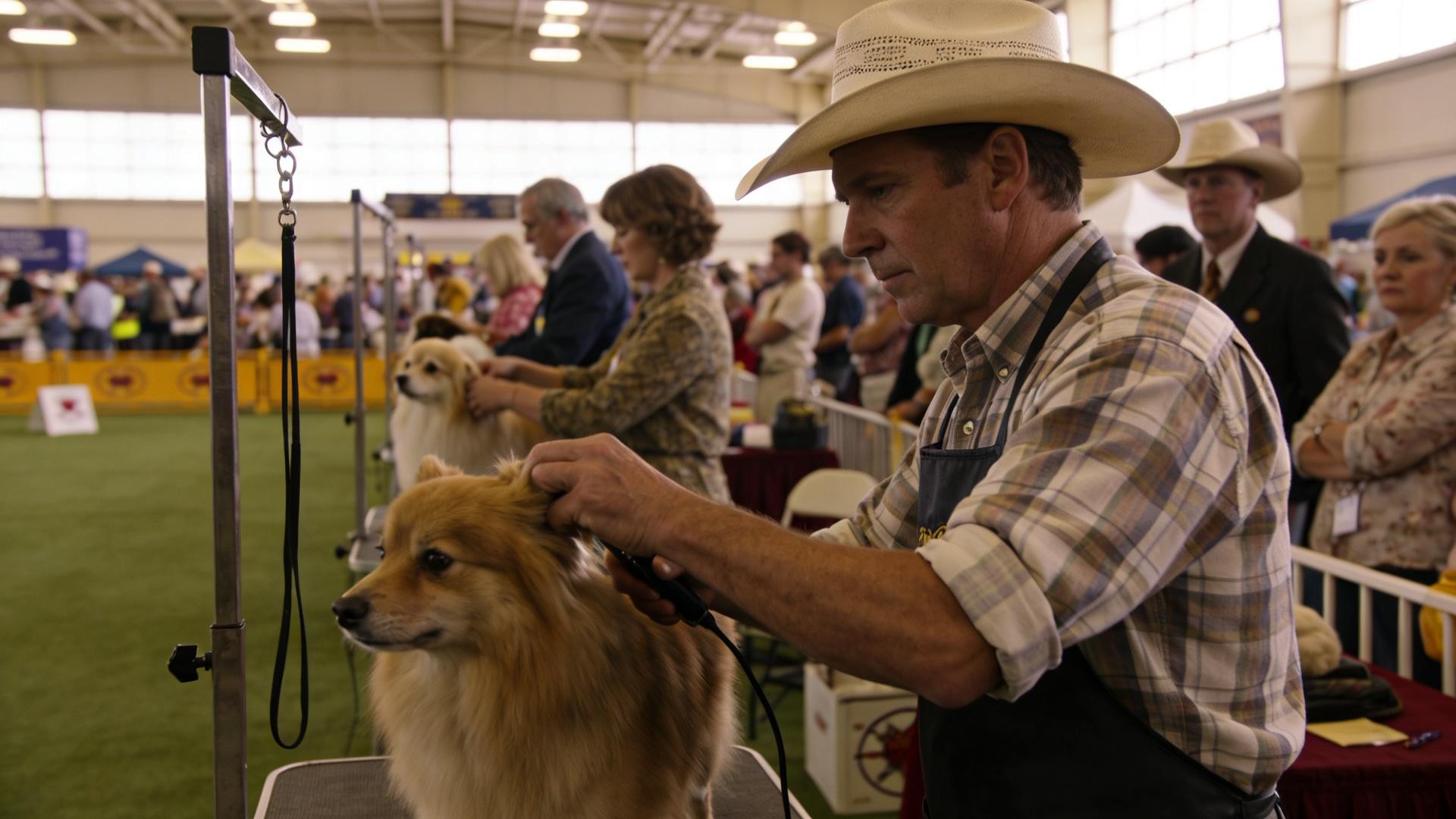
Within the meticulous arena of conformation dog shows, presentation is the final, crucial step in showcasing a breed's ideal structure and type. For a select group of breeds, this presentation includes a practice often misunderstood by the general public: temporary, natural color enhancement. This is not about creating rainbow hues or artistic expression. It is a precise, rule-bound craft aimed at one goal: restoring a coat to its genetically intended, breed-standard shade. Sun-bleached black coats can appear brownish; rich sable points can fade. Compliant enhancement seeks to correct these environmental effects, allowing the judge to evaluate the dog's true color as described in its standard. This guide serves as a definitive resource for exhibitors and professional handlers seeking to navigate this nuanced aspect of high-stakes grooming with integrity, compliance, and technical expertise.
⚖️ Ethical and Regulatory Foundation: The Rule of Law in the Ring
Before a single product is opened, understanding the governing framework is non-negotiable. The line between acceptable grooming and fraudulent alteration is defined explicitly by kennel club rules. Violation is not a minor infraction; it is grounds for immediate disqualification and can damage a handler's or breeder's reputation irrevocably.
Kennel Club Regulations: The Letter of the Law
The American Kennel Club (AKC), the primary governing body for dog shows in the United States, sets the standard. Its rules state that dogs may be "groomed and/or trimmed to enhance their natural appearance." The critical, permitted tools are clarified: "Chalk, powder, or similar substances which can be removed by brushing or washing may be used in the grooming process." This language is deliberate. It permits temporary, non-permanent enhancement that does not change the dog's fundamental pigmentation. Other major kennel clubs, such as The Kennel Club (UK) and the Fédération Cynologique Internationale (FCI), have similar stipulations, though exhibitors must verify specific show regulations.
The Ethical Imperative: Welfare Above All
Compliance is legal; ethics is moral. The ethical exhibitor's first duty is to the dog's health and comfort. This means:
1. Using only products formulated to be safe for canine skin and coat.
2. Prioritizing the dog's comfort during application—no stressful restraining, avoiding sensitive areas.
3. Understanding that this is a finishing touch for the show ring, not a routine Grooming procedure.
The practice is justified only when it honestly reflects the dog's natural coloring and is done without causing the animal any distress.
🎯 Approved Breeds and Established Techniques
This practice is breed-specific, rooted in historical grooming traditions for breeds where color is a key component of the standard and where the coat type (often non-shedding, continuously growing hair) is amenable to such techniques.

Common Breeds for Compliant Enhancement
Poodles: Perhaps the most recognized example. Enhancing the color of the topknot, ears, and tail pompons (e.g., intensifying a faded black or brown) is a long-standing practice to achieve the crisp, defined look required by the standard.
Bichon Frises and Related Breeds: White coat breeds may use pure white chalk or powder to brighten the coat, absorb oil, and provide texture for sculpting, creating a cleaner presentation.
Some Terriers: Breeds like the liver-colored Lakeland Terrier or Welsh Terrier may see enhancement of furnishings on the legs and face to maintain the rich, standard-defined hue against fading.
Other Non-Shedding Breeds: Breeds with similar hair coats, such as certain Water Dogs or Poodle mixes in sanctioned events, may follow similar protocols where permitted.
Approved Methods vs. Prohibited Practices
Approved & Compliant:
• Breed-Specific Chalk & Pastels: Pigmented blocks or powders rubbed directly onto dry hair. They add temporary color and texture, and are brushed or washed out.
• Temporary Color-Enhancing Sprays: Light, aerosolized sprays designed to deposit a fine layer of temporary pigment. Must be clearly labeled as washable.
• Vegetable-Based or Carbon-Based Tints: Natural, semi-permanent rinses that may last a few washes. They subtly enhance depth without a stark, opaque look.
Strictly Prohibited & Unethical:
• Permanent Oxidative Hair Dyes: These use developers (like peroxide) to open the hair cuticle and deposit permanent color. They are never allowed and are harmful.
• Unsafe Human Hair Dyes: Contain chemicals like ammonia and PPD that are toxic to dogs.
• Any Product That Penetrates the Skin or Alters Hair Structure.
📝 Step-by-Step Application Guide for a Flawless, Natural Finish
Precision and a light hand are paramount. The goal is for the judge to see "a dog with excellent color," not "a dog that has been colored."

Phase 1: Preparation is 90% of the Work
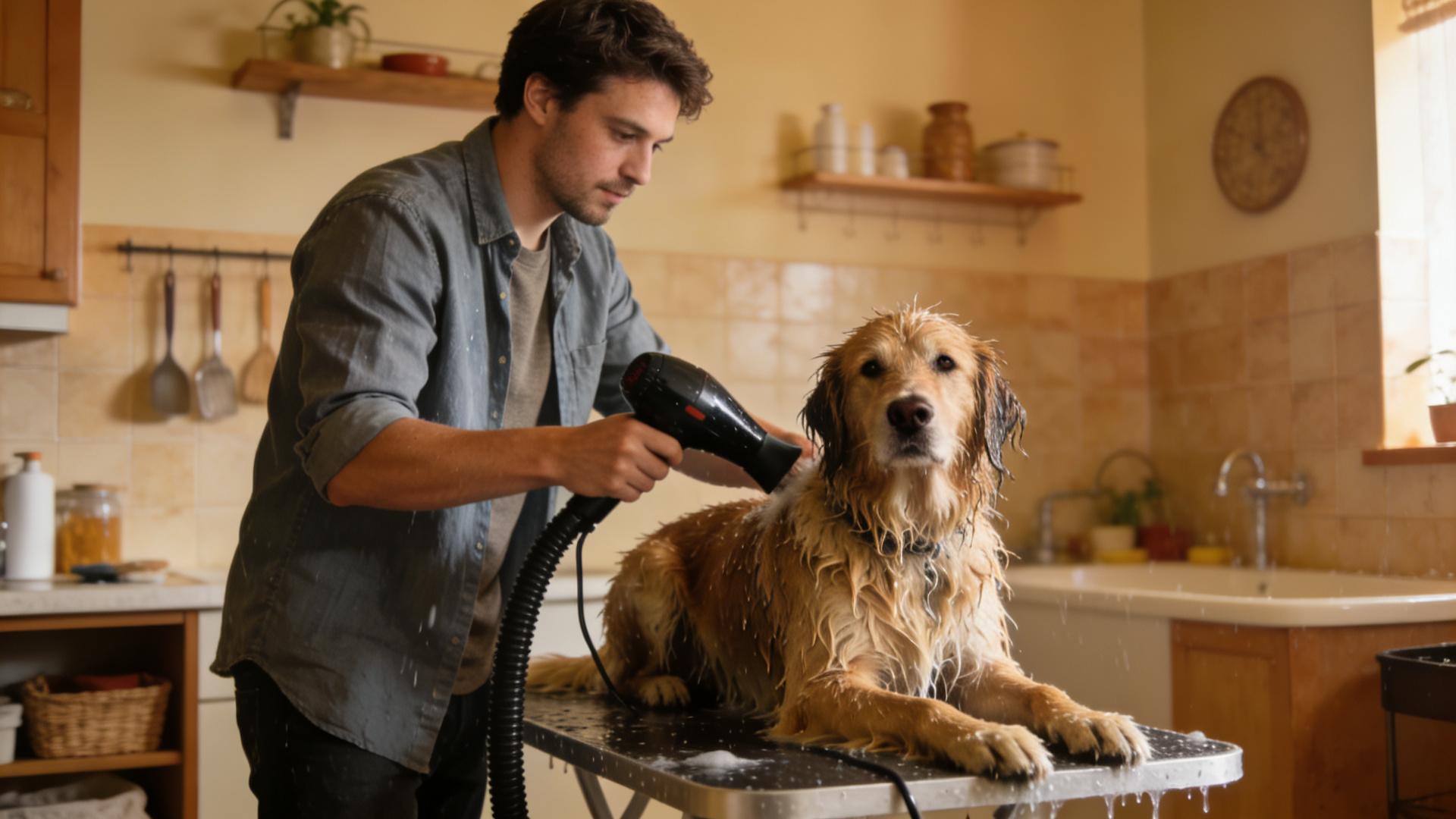
1. Coat Readiness: The dog must be freshly bathed, completely dry, and thoroughly brushed/combd. Product will not adhere evenly to oily, dirty, or tangled hair.
2. Product Selection: Choose the correct shade. For black coats, a blue-black or neutral black is often more natural than a flat jet black. For browns/liver, match the underlying tone (e.g., reddish liver vs. chocolate brown).
3. Workspace & Tools: Have all tools within reach: chalk/powder, application brushes (like a makeup brush), fine mist spray bottle with water, cotton balls, cleansing wipes, and your finishing brush/comb.
Phase 2: Meticulous Application
1. Sectioning: Isolate the area to be enhanced (e.g., the Poodle topknot). Clip the surrounding hair away.
2. Sparing Application: For chalk, lightly rub the block on the hair or onto a brush, then apply from the mid-shaft to the tip, avoiding the root and skin. For spray, hold the can 8-10 inches away and use a quick, light mist. Less is always more.
3. Blending: This is the critical step. Use a fine-tooth comb or brush to distribute the product evenly through the section. The color should be seamless, with no visible lines or patches.
4. Setting (if needed): A very light mist of water or a grooming spray can help set chalk and reduce dust.

Phase 3: Post-Show Removal
Proper removal is part of ethical practice. A thorough brushing post-ring removes excess powder. A full bath with a clarifying or deep-cleansing shampoo after the event is mandatory to remove all product residues, ensuring the coat and skin can breathe and remain healthy.
🔬 Product Recommendations and Safety Protocol
We do not endorse specific brands, but we outline the types of products used by professionals. Look for these features in any product you consider.
Product Categories and Key Features
• Canine Grooming Chalks/Powders: Should be talc-free, non-toxic, and made with natural mineral pigments. They come in a spectrum of breed-specific colors.
• Temporary Color Sprays for Dogs: Must be alcohol-free, quick-drying, and explicitly labeled as "washable in one shampoo."
• Color-Enhancing Coat Conditioners/Rinses: Often contain natural ingredients like walnut shell or vegetable dyes. They provide subtle depth over several applications.
The Non-Negotiable Safety Checklist
⚠️ Patch Test: 24-48 hours before show day, apply a small amount of product to an inconspicuous area (like the inner thigh) and monitor for redness, itching, or irritation.
⚠️ Avoid Mucous Membranes: Never apply near the eyes, nose, mouth, or genitals. Use a barrier like petroleum jelly around the eyes or cotton balls in the ears during application if needed.
⚠️ Work in a Well-Ventilated Area: This is especially crucial for sprays to prevent inhalation by you or the dog.
⚠️ Monitor the Dog: If the dog shows any sign of discomfort (pawing, sneezing, agitation), stop immediately and remove the product.

🏆 Conclusion: The Art of Authentic Presentation
Show-quality coat dyeing, in its compliant form, is a specialized skill that sits at the intersection of artistry, breed knowledge, and unwavering ethics. It is a tool—like proper trimming or conditioning—used by dedicated stewards of their breed to present a dog in its most authentic light, counteracting the unavoidable effects of environment and time. For the professional handler or serious exhibitor, mastering this technique is about pursuing perfection within the strict boundaries of the rules, always with the dog's well-being as the guiding principle. In the end, the aim is for the judge to note the dog's correct, vibrant color as a component of its overall excellence, without the enhancement itself ever being noticed.