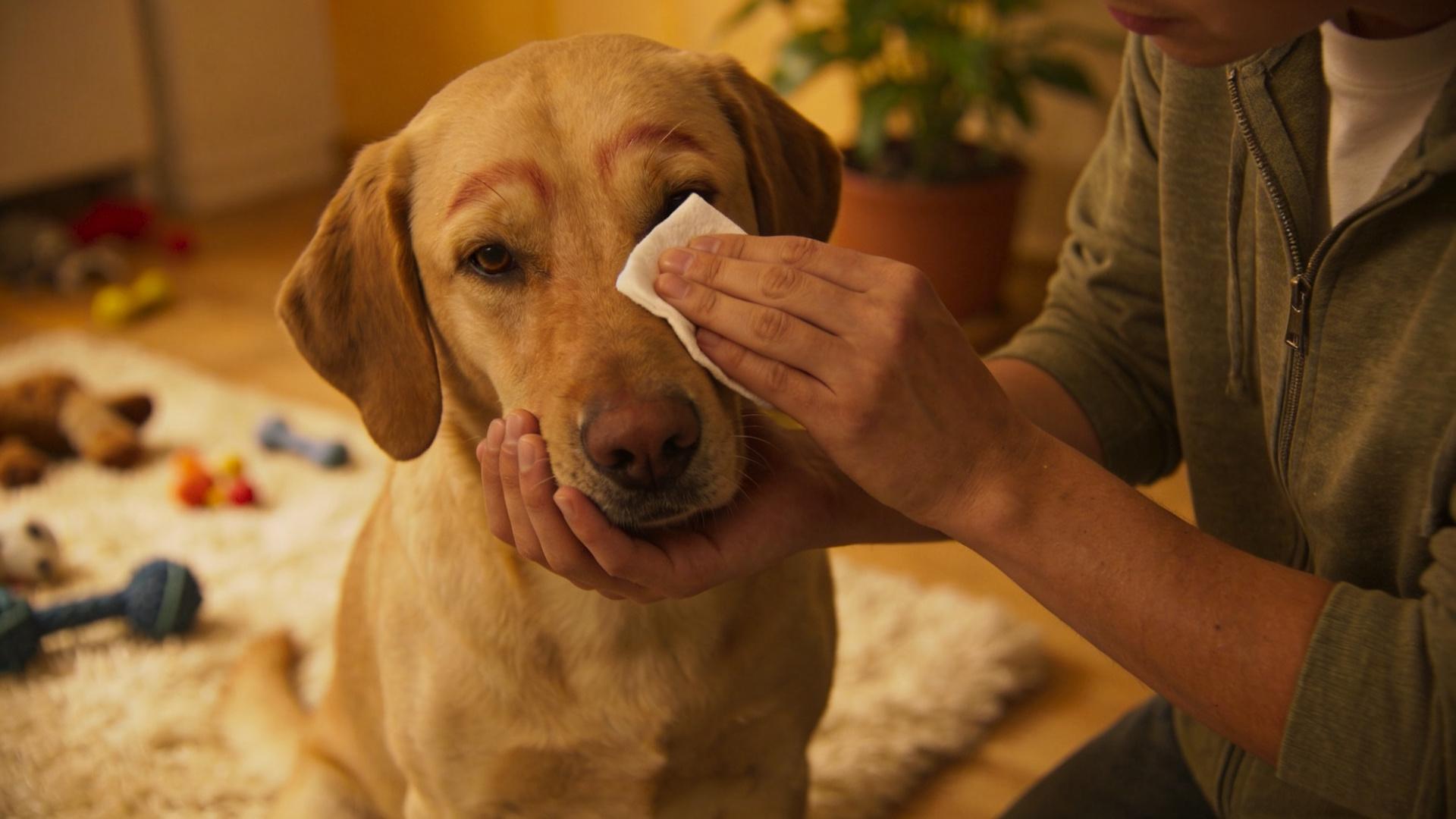
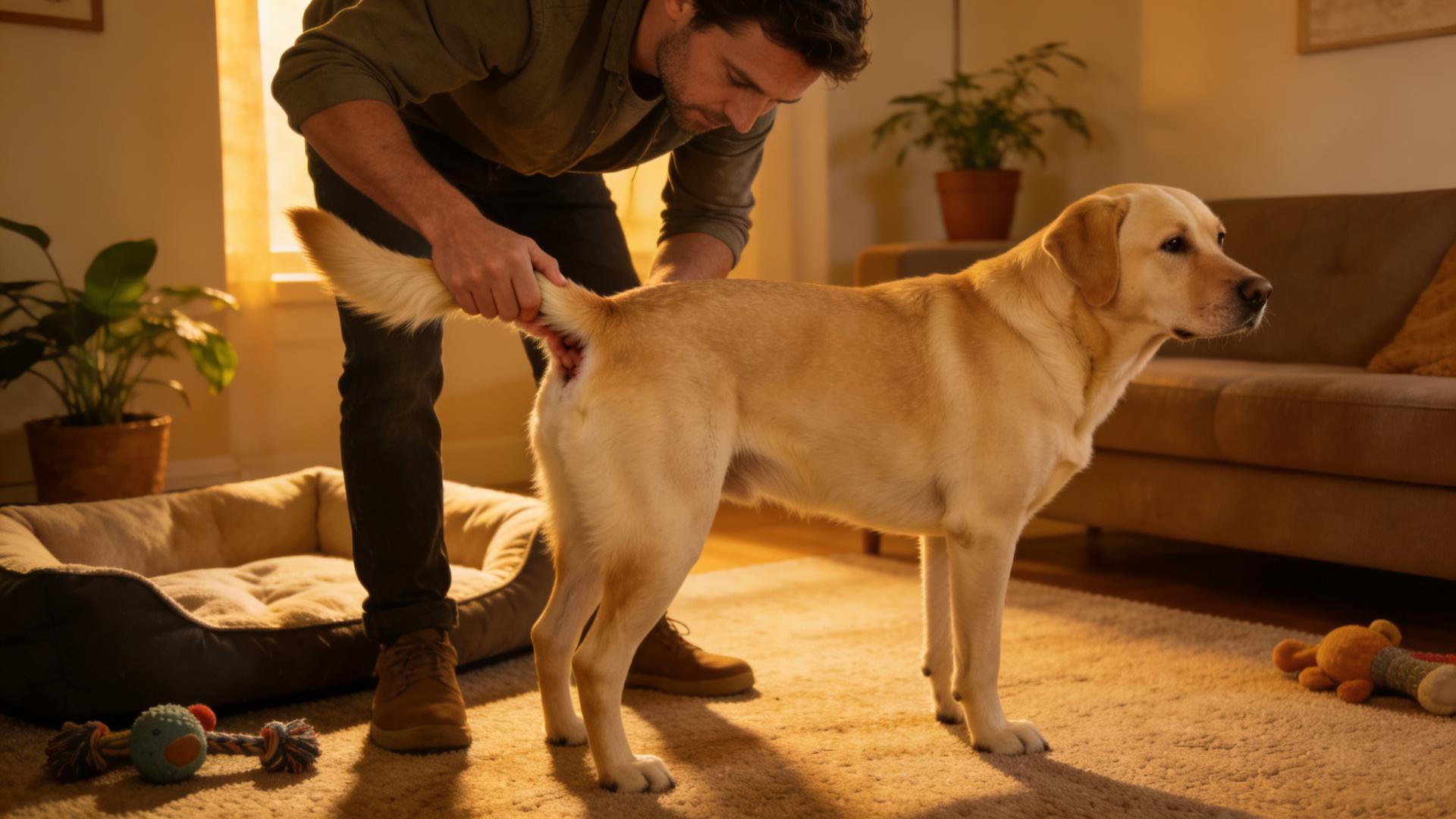
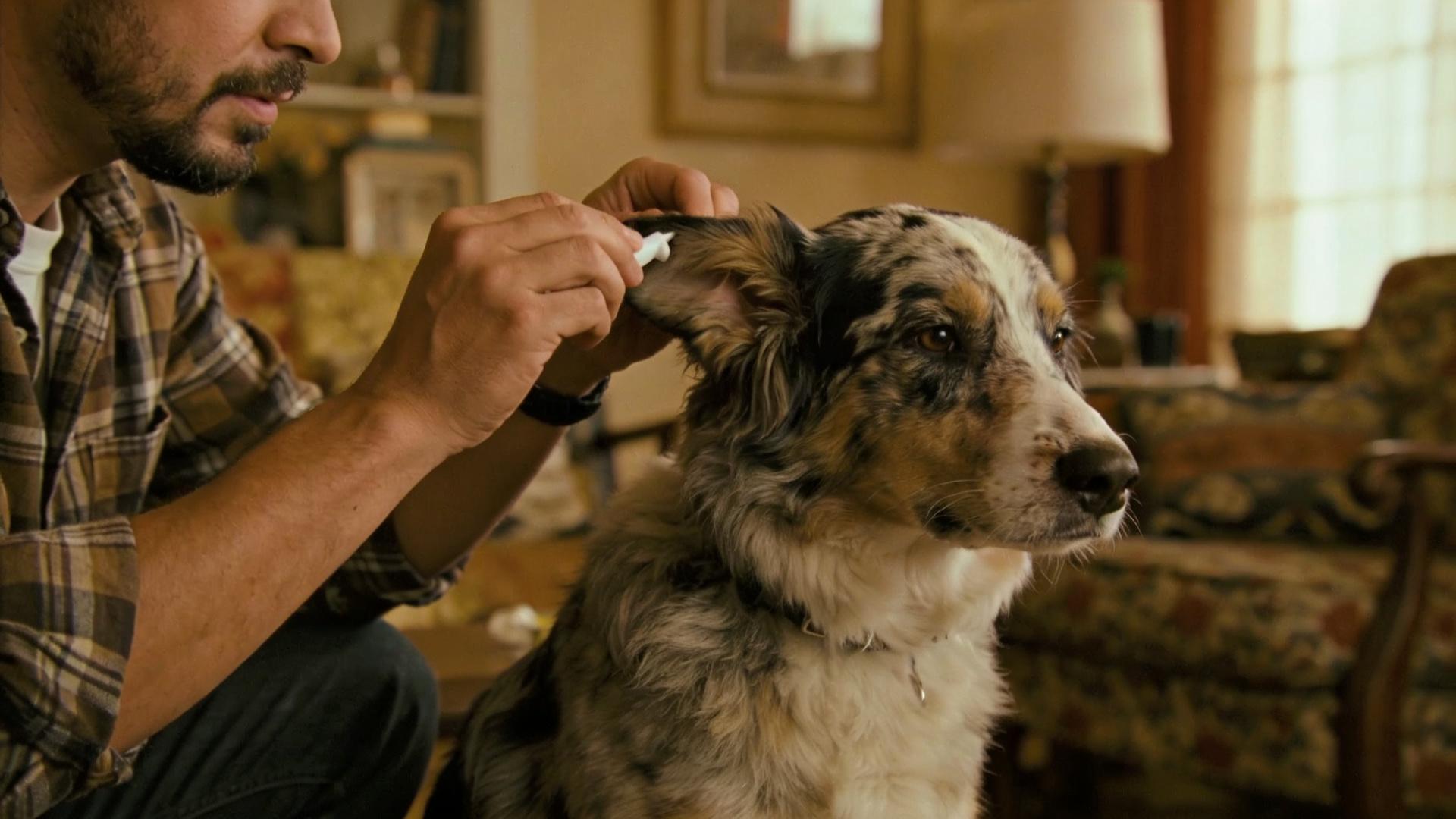
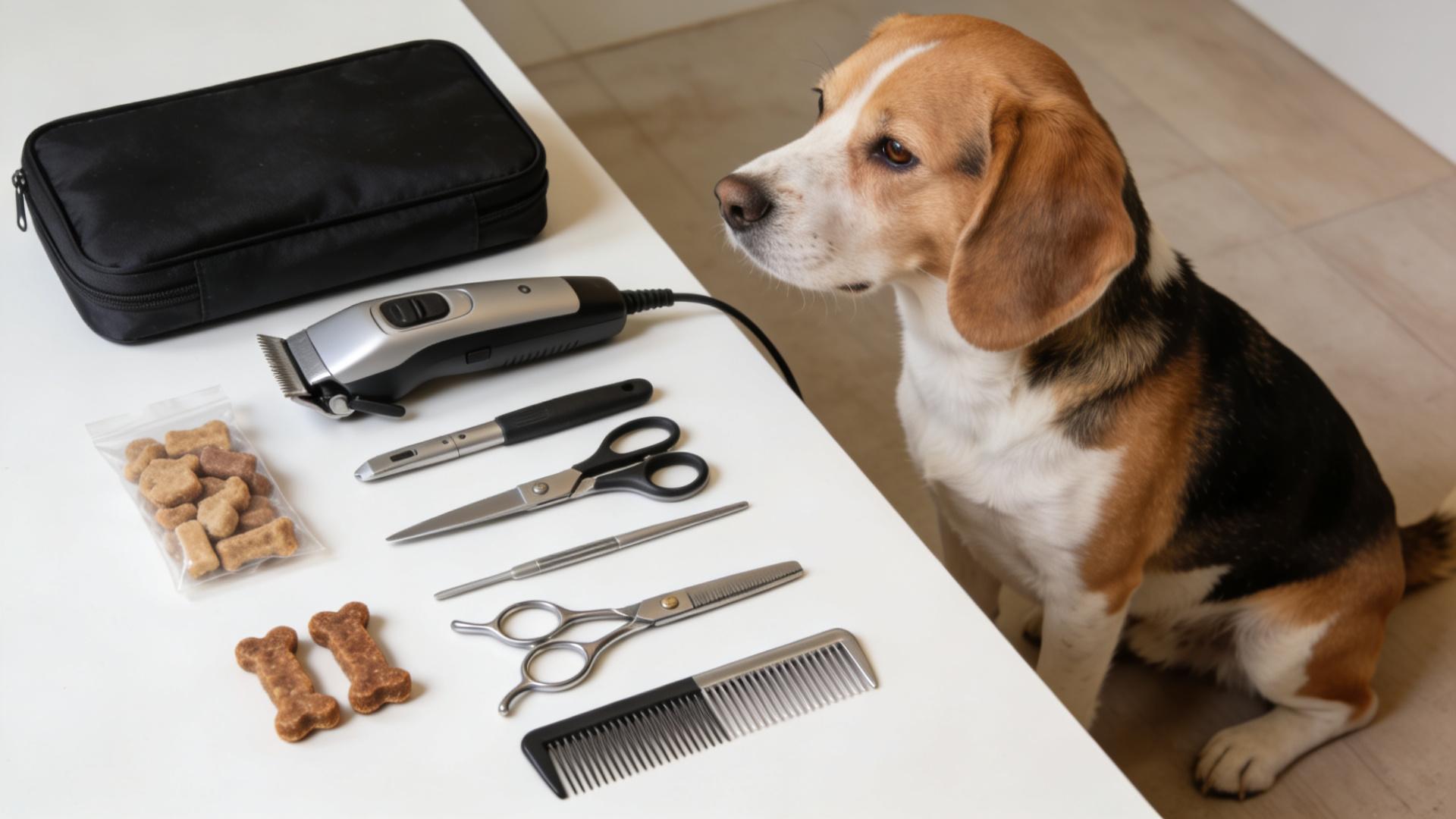
For the dedicated dog owner, bath time is a ritual of care. Yet, the job isn't truly finished when the water stops running. The crucial, often underestimated, final act is thorough drying. This isn't merely about achieving a fluffy appearance; it's a fundamental pillar of preventive healthcare for your canine companion. A damp coat is a breeding ground for trouble, silently setting the stage for discomfort and disease. This comprehensive guide delves into the health-protective art and science of efficient drying. We'll equip you with professional techniques, demystify the proper use of a dog dryer, and provide a clear strategy to shield your pet from common skin ailments, ensuring every bath concludes with well-being and a wagging tail.
🚨 Why Speedy, Thorough Drying is Non-Negotiable for Canine Health
View your dog's wet coat not just as damp fur, but as a potential microenvironment. When moisture is trapped close to the skin—especially in dense undercoats, skin folds, or between toe pads—it creates a warm, humid incubator. This environment is ideal for the proliferation of Malassezia (a common yeast) and various bacteria, such as Staphylococcus pseudintermedius. The consequences are not merely Grooming.
The Direct Link Between Dampness and Disease
- Hot Spots (Acute Moist Dermatitis): These painful, red, oozing lesions can develop with startling speed, often within hours. Damp fur matted against the skin causes irritation and intense itching, leading to a self-trauma cycle of licking and chewing.
- Fungal & Yeast Infections: Fungi like ringworm (despite its name, a fungus) and yeasts thrive in moisture. Infections cause hair loss, scaling, greasy skin, and a distinctive, often musty odor.
- Dermatitis and General Skin Inflammation: Chronic dampness weakens the skin's barrier function, making it more susceptible to allergens and irritants, exacerbating conditions like atopic dermatitis.
Beyond skin health, a chilly, wet dog is uncomfortable and stressed. Efficient drying restores comfort, prevents shaking that soaks your home, and promotes a smoother, shinier coat by aligning hair cuticles as you dry and brush.
📦 Preparation: Setting the Stage for Drying Success
Failing to prepare is preparing for a longer, messier, and more stressful ordeal. Gather your tools and create an optimal environment before you bring your dog out of the bath.
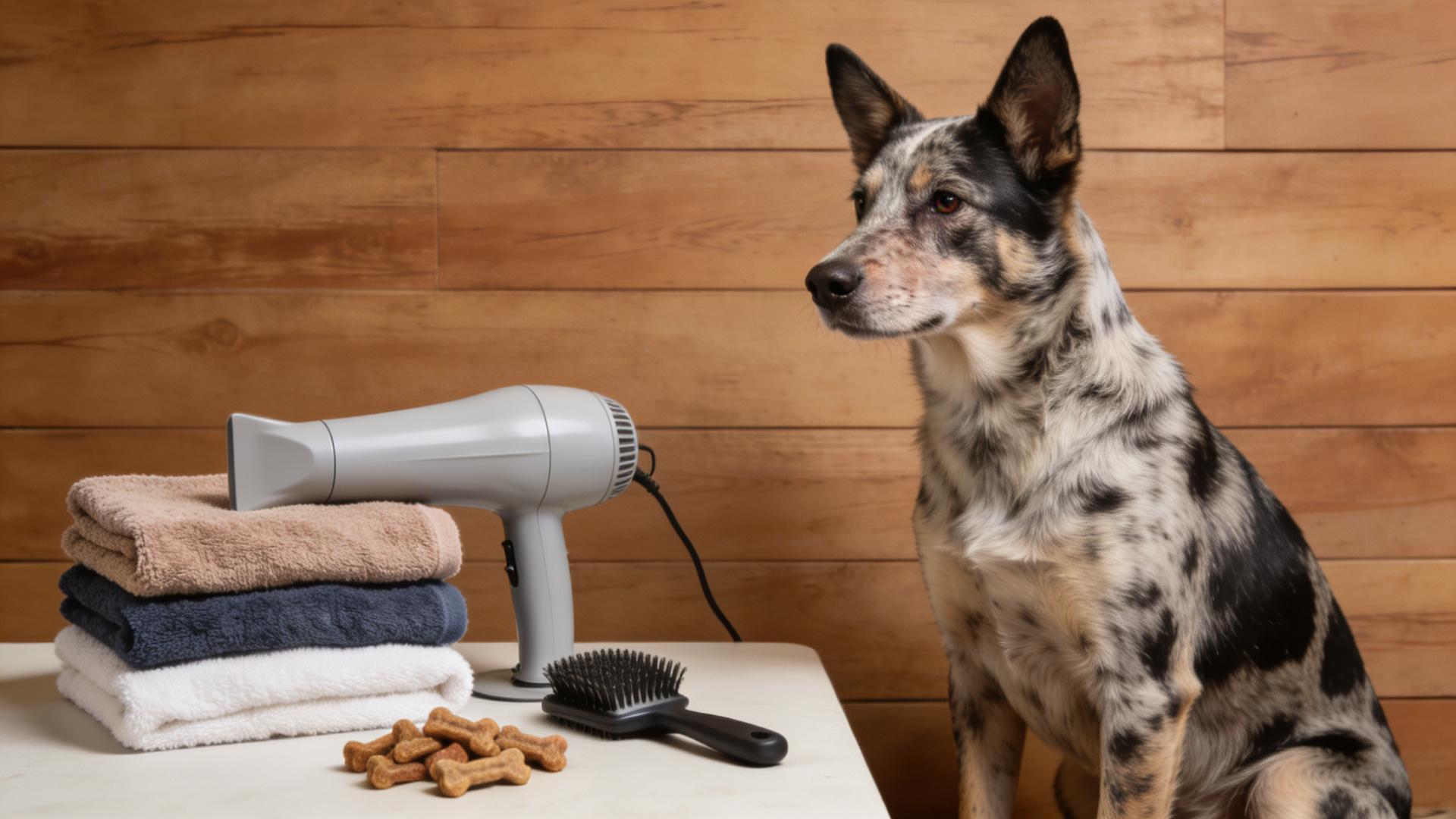
Essential Drying Toolkit:
- Absorbent Towels (Multiple): Invest in high-quality microfiber towels. They can absorb up to 7x their weight in water and are gentler on the coat than terry cloth. Have at least 2-3 on hand.
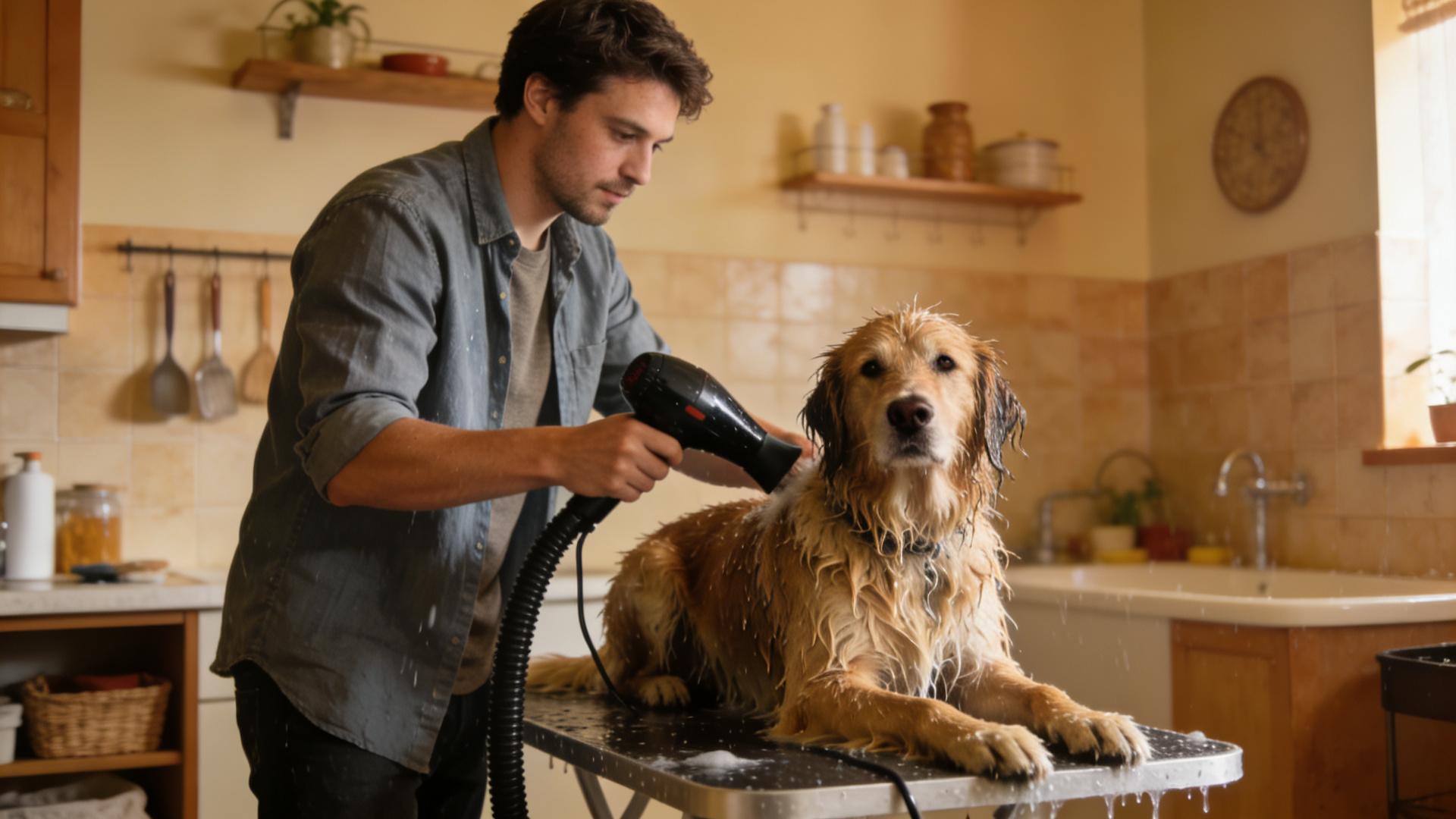
- Dog Dryer (Force Dryer or High-Velocity Dryer): This is your most powerful tool. Unlike human hair dryers, these are designed with pets in mind, offering high airflow at lower, safer temperatures. They are not "hot" dryers but "force" dryers that blast water off the coat and skin.
- Brush or Comb: A suitable brush for your dog's coat type (e.g., undercoat rake for double coats, slicker brush for long hair) is vital for lifting hair during drying.
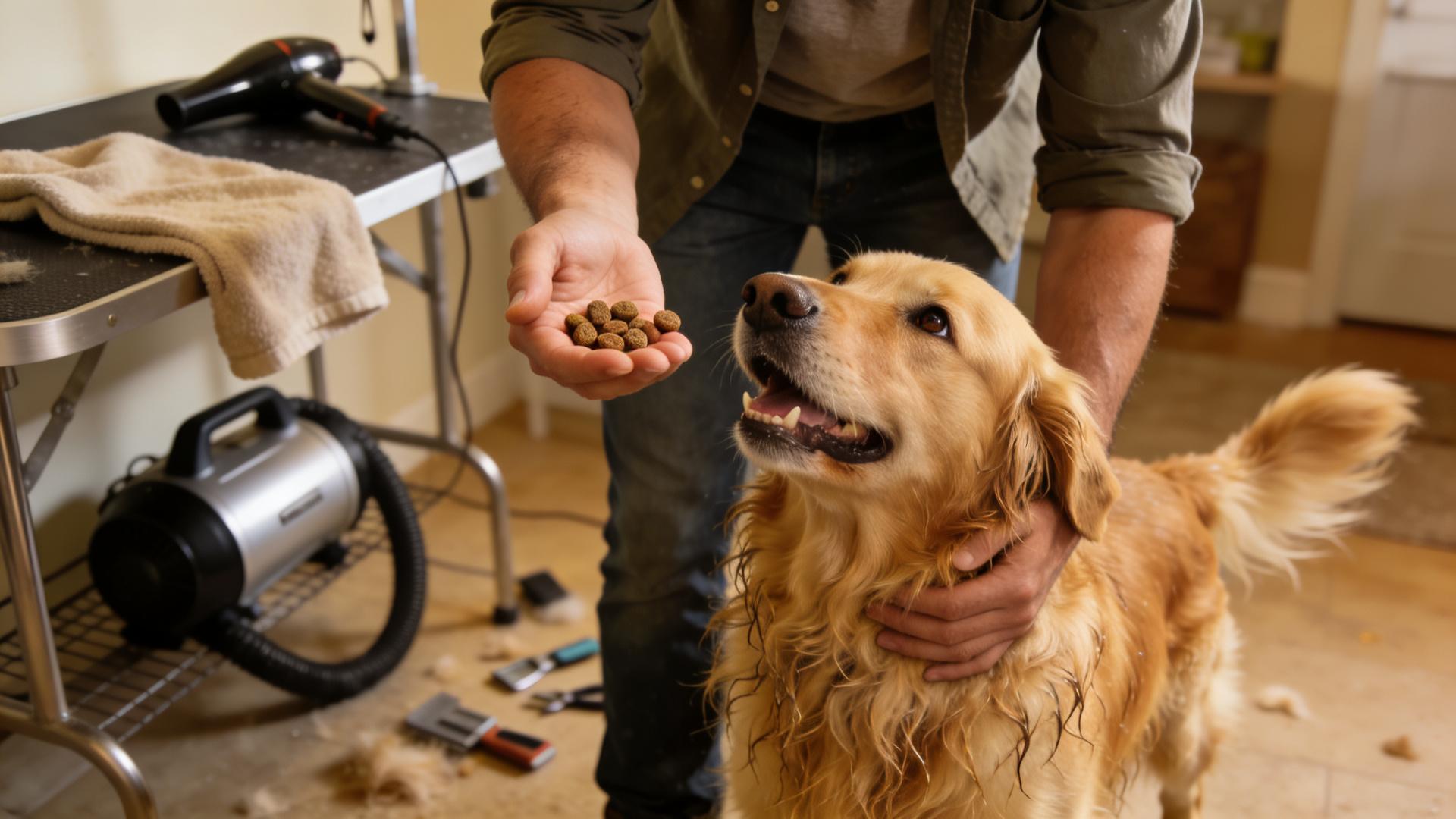
- Treats & Praise: Your dog's positive association with this process is critical for long-term ease.
Environment Matters:
Choose a warm, draft-free, and enclosed space like a bathroom, utility room, or a dedicated grooming table area. This contains the flying water and fluff, keeps your dog from escaping, and prevents them from getting chilled. Placing a non-slip mat on the floor adds safety and comfort.
🧽 Step-by-Step: The Professional Drying Method
Follow this sequenced approach to maximize efficiency and minimize stress for both you and your dog.
🌟 Step 1: The Initial Towel "Squeeze"
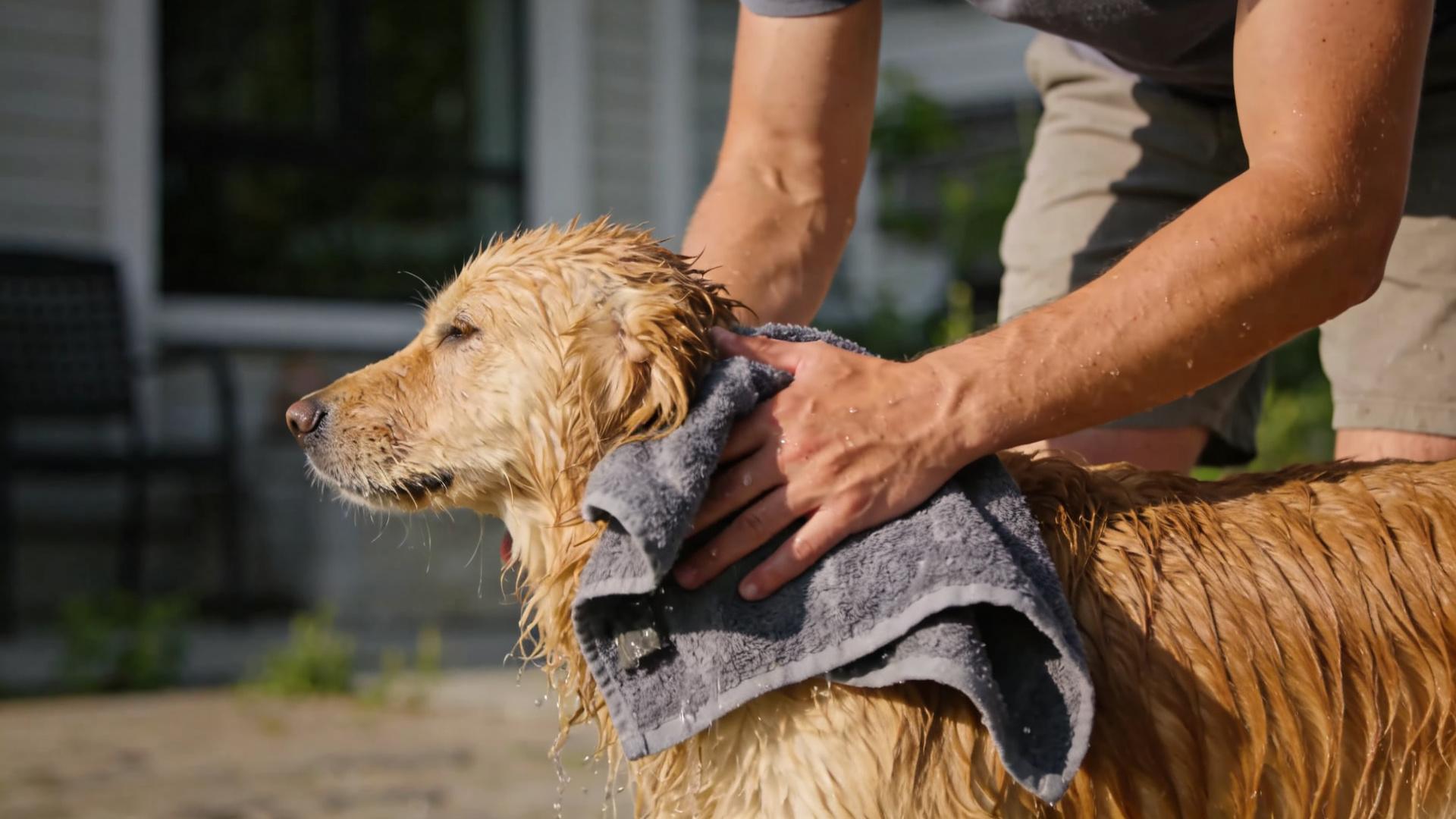
Before your dog even shakes, gently wrap them in the first towel. The goal is to press and squeeze, not rub vigorously. Rubbing creates friction, which can tangle hair, cause matting, and irritate the skin. Work section by section, starting from the head and moving down the back, legs, and belly. Wring out the towel frequently. Repeat with a second dry towel until you're getting minimal water transfer. This step alone can remove 60-70% of the surface water, drastically reducing dryer time.
🌟 Step 2: Strategic Force Drying
Now, introduce the dog dryer. Start on the lowest speed and coolest air setting, holding the nozzle at least 6-8 inches away from the coat. Let your dog acclimate to the sound and sensation, offering treats. Once comfortable, you can increase the speed. The technique is key: keep the dryer moving constantly in a sweeping motion.
- Direction: Begin against the lay of the hair to lift the undercoat and push water out from the skin. Follow up by drying in the direction of hair growth for a smooth finish.
- Problem Areas: Pay meticulous attention to high-retention zones: armpits, groin, under the collar, between toe pads, and the base of the tail. Use your fingers to part the fur in these areas to ensure airflow reaches the skin.
- Brush While Drying: For long-haired or double-coated breeds, use your free hand to brush the area being dried. This simultaneously detangles, lifts the coat for even airflow, and helps you locate any remaining damp patches. This technique, known as "line brushing," is a groomer's secret for a perfectly dry, fluffy finish.
🛡️ Preventing Skin Diseases: The Drying Connection
Thorough drying is your primary mechanical defense against pathogens. It removes the essential element they need to thrive: water. This simple act is more effective than many medicated shampoos for prevention.
The Final Dampness Check
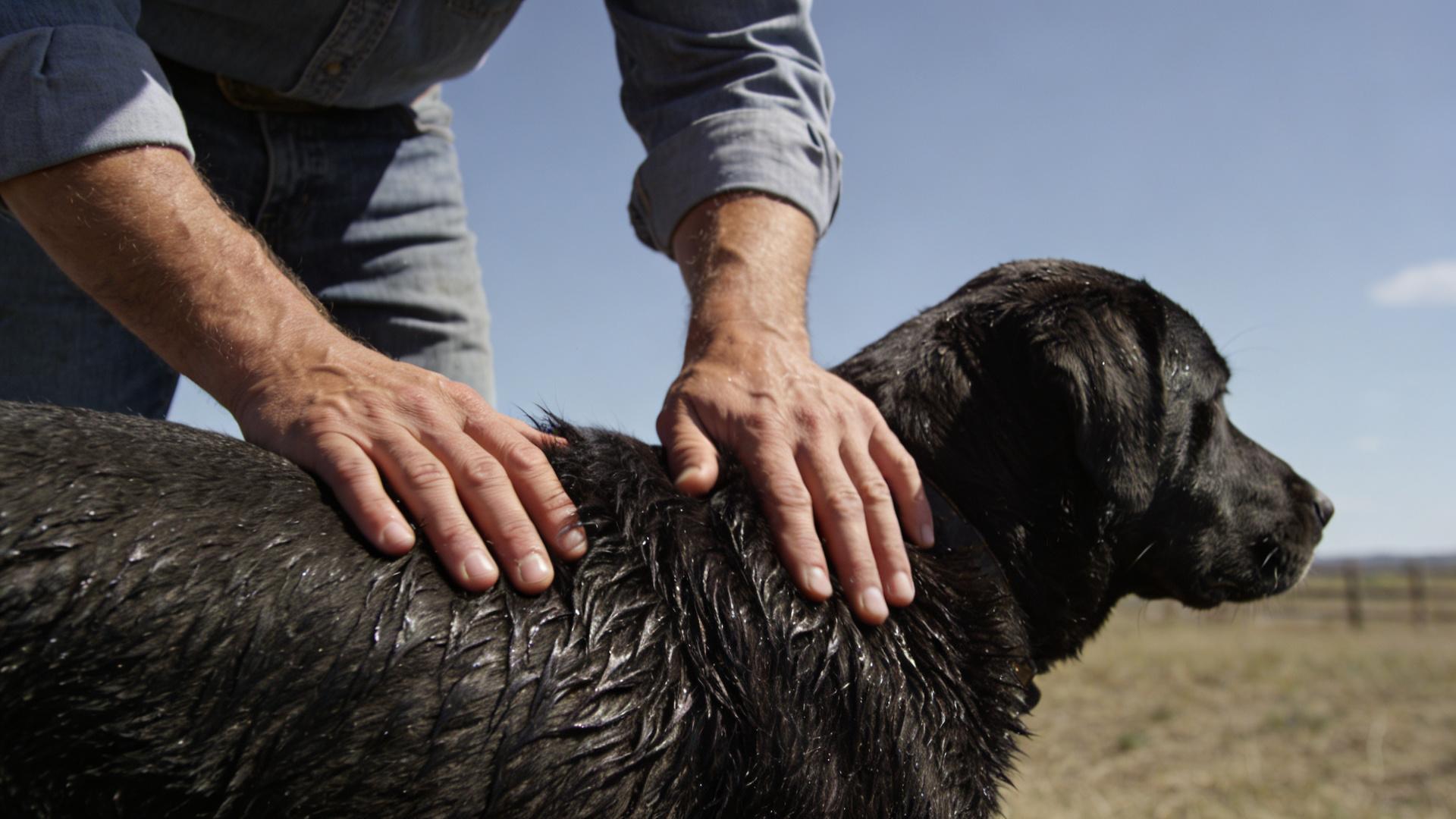
After you think your dog is dry, perform the "skin test." Run your hands deeply through their coat, all the way down to the skin, especially over the chest, rump, and neck. The fur can feel deceptively dry on top while the skin beneath is still moist. If you feel any coolness or dampness, return with the dryer to that specific section.
Special Reminder for Double-Coated Breeds: Breeds like Huskies, Golden Retrievers, and German Shepherds are particularly prone to "false drying." Their dense undercoat can hold water like a sponge for days if not properly addressed, leading to mildew-like smells and hidden hotspots. Patience and systematic section drying are non-negotiable for these dogs.
Post-Dry Grooming
Once completely dry, a final full-body brush-out removes any loose hair and ensures no small tangles have formed during drying. This also stimulates the skin and distributes natural oils for optimal coat health.
💡 Pro Tips for a Calm, Efficient, and Safe Experience
- Desensitization is Key: For puppies or dryer-anxious dogs, practice makes perfect. Over several days, bring out the dryer (turned off), let them sniff it, and give treats. Progress to turning it on low at a distance during play or feeding.
- Consider a Drying Aid: A absorbent drying coat (like a shammy wrap) can be put on your dog after the initial towel squeeze. It contains the shake and continues to absorb moisture as they move around calmly.
- Temperature Caution: Never use a high-heat setting from a human hairdryer. Dog skin is more sensitive, and burns can occur quickly. The power of a dog dryer comes from air velocity, not high heat.
- Safety First: Never leave your dog unattended with a running dryer. Ensure the dryer's intake vent is clear of fur to prevent overheating.
- Ear Care: After the bath and during drying, gently place cotton balls in your dog's ears (don't push them deep) to prevent water from rushing in. Remember to remove them afterward!
🎯 Conclusion: The Foundation of Lifelong Coat and Skin Health
Mastering the post-bath dry is one of the most impactful skills you can develop in your canine care repertoire. It transcends grooming, acting as a direct intervention for skin health preservation. By moving beyond simple toweling to embrace the efficiency of a proper dog dryer, employing strategic techniques like brushing while drying, and conducting meticulous dampness checks, you transform a routine chore into an act of profound care. The result is a happier, more comfortable dog, a stronger bond through positive handling, and the peace of mind that comes from knowing you've actively prevented discomfort and disease. Implement these expert tips, and you'll not only see a difference in your dog's coat but also in their overall vitality and well-being.