Welcome, fellow dog lovers and dedicated caretakers. ✨ In the world of canine companionship, we often focus on walks, nutrition, and cuddles, but there's a nuanced aspect of care that sits right at the intersection of health and aesthetics: home facial grooming. This is not a frivolous activity reserved for show dogs; it is a critical, science-backed hygiene practice that directly impacts your dog's comfort, health, and quality of life. Let's move beyond the simple desire for a photogenic pup and delve into the why and how of maintaining a clean, clear facial region. By understanding the biology at play and mastering safe techniques, you can prevent a host of issues and strengthen the bond with your furry friend.
👁️ The Science of Clean: Why Facial Grooming is a Non-Negotiable Health Protocol
Trimming the hair around your dog's eyes and mouth is often mistakenly labeled as purely Grooming. In reality, it is a preventative health measure rooted in basic anatomy and microbiology. Let's break down the science behind this essential practice.
🦠 The Perilous Zone: Hair Around the Eyes
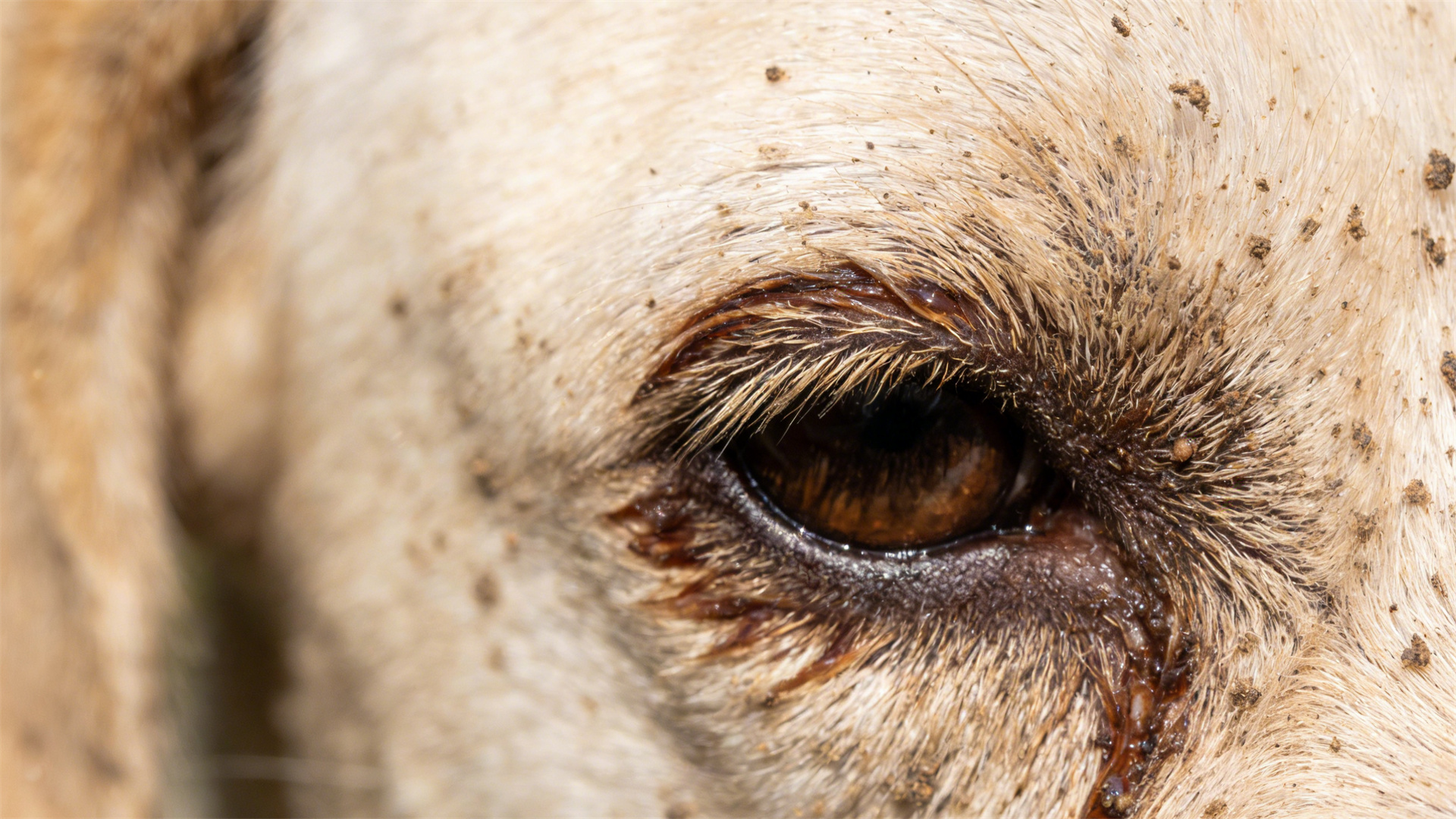
Excessive hair around the ocular region is far more than an aesthetic nuisance; it's a functional liability. Each strand acts as a magnet for debris—dust, pollen, dander, and environmental pollutants. More critically, it wicks and traps moisture from tears (epiphora) and ambient humidity.
This combination of organic material and moisture creates a perfect biofilm for bacterial and fungal growth. The most common consequence is the formation of tear stains, those reddish-brown streaks below the inner eye. These stains are often caused by porphyrins, molecules containing iron that are excreted in tears, saliva, and urine. When hair is constantly wet, bacteria thrive and break down these porphyrins, leading to the characteristic staining and, more importantly, skin irritation.
The risks escalate from there. The damp, dirty environment can lead to:
- Recurrent Conjunctivitis: Bacterial or fungal overgrowth can easily migrate to the conjunctiva, the delicate membrane covering the eye, causing inflammation, discharge, and discomfort.
- Corneal Abrasions: Stiff, untrimmed hairs can physically scratch the cornea with every blink, leading to painful ulcers that require veterinary intervention.
- Impaired Vision: A overgrown "bangs" effect can literally obscure your dog's vision, affecting their confidence and spatial awareness.
Scientifically, keeping this area clear preserves the eye's natural protective mechanisms, allows for proper tear drainage, and promotes optimal visual field clarity.
🍽️ The Breeding Ground: Hair Around the Mouth
The perioral area (around the mouth) is arguably even more prone to issues. Think of it as a constant cycle of contamination: food particles, saliva, water, and any substance your dog investigates with its mouth become lodged in the facial hair.
This creates a persistently moist, nutrient-rich environment ideal for pathogens. Common problems stemming from neglected mouth hair include:
- Canine Acne (Chin Pyoderma): This is a bacterial infection of the hair follicles on the chin and lips, often presenting as red bumps, pustules, and swelling. Trapped debris and bacteria are primary culprits.
- Fungal Infections (e.g., Yeast): Yeast, particularly Malassezia, loves moist, warm, dirty places. An overgrown muzzle can lead to yeast overgrowth, causing intense itching, redness, a musty odor, and black debris.
- Chronic Wetness and Slobber Trails: Long hair on flews (droopy lips) or under the jaw becomes perpetually soaked, macerating the skin and causing irritant dermatitis. This can lead to hot spots (acute moist dermatitis).
- Oral Hygiene Contamination: Dirty mouth hair can reintroduce bacteria into the oral cavity, potentially complicating dental health.
- Matting: Saliva and food cause hair to mat quickly. Mats pull on the skin, restrict movement, and hide serious skin conditions.
A clean muzzle is therefore fundamental to dermatological health and overall hygiene, preventing a cascade of preventable conditions.
🛠️ Your Step-by-Step, Scientifically-Informed Home Grooming Guide
Armed with knowledge, let's transition to safe, effective application. Success lies in preparation, patience, and precision.
📦 Phase 1: Assembling Your Scientific Toolkit
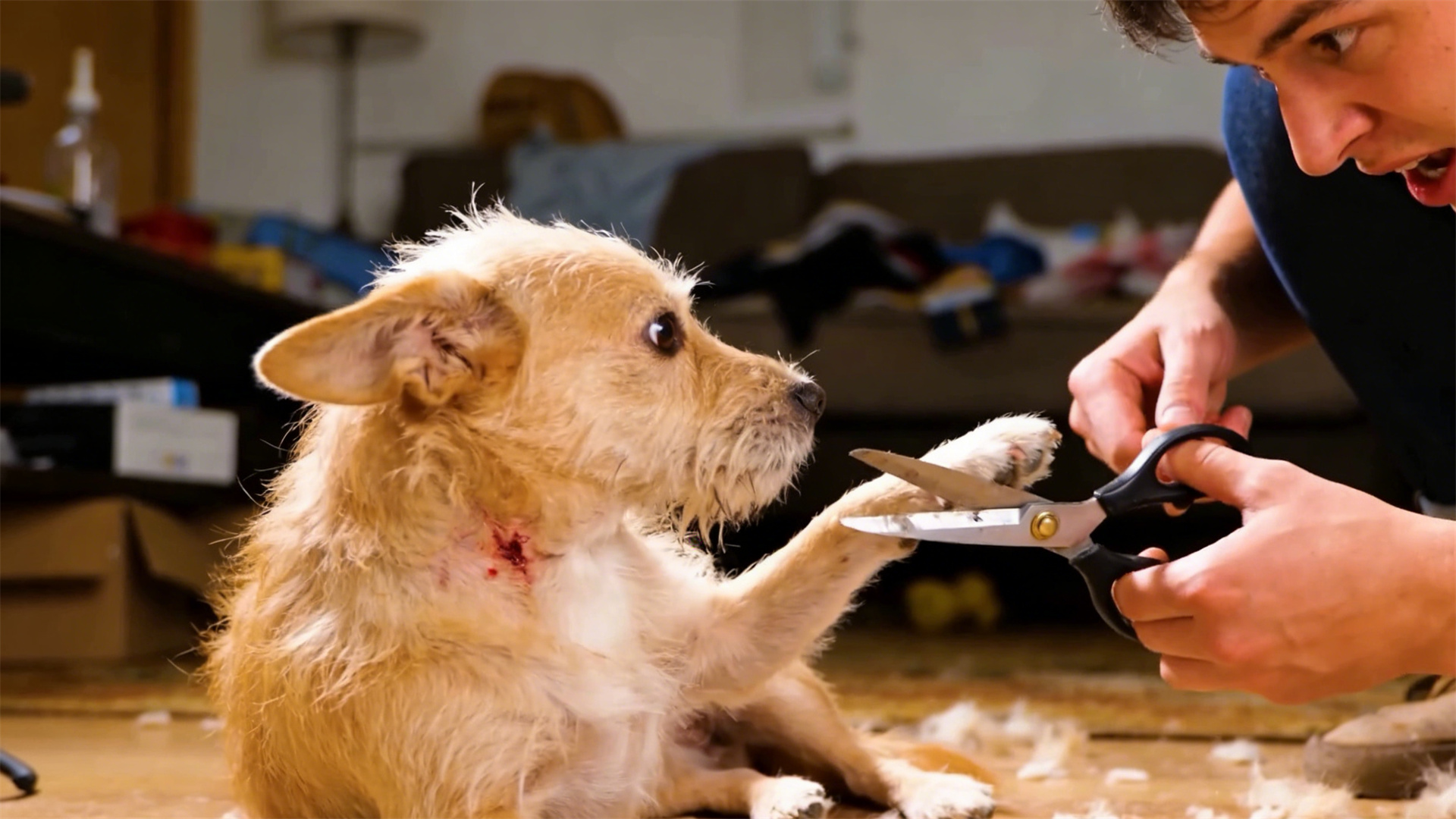
Using the correct tools is non-negotiable for safety and results. Do not improvise with office or kitchen scissors.
- Blunt-Tipped Grooming Scissors: These have rounded ends designed to minimize the risk of stabbing if your dog moves suddenly. A 5-6 inch straight blade is ideal for facial work. Ensure they are sharp; dull scissors pull hair and require more force, increasing danger.
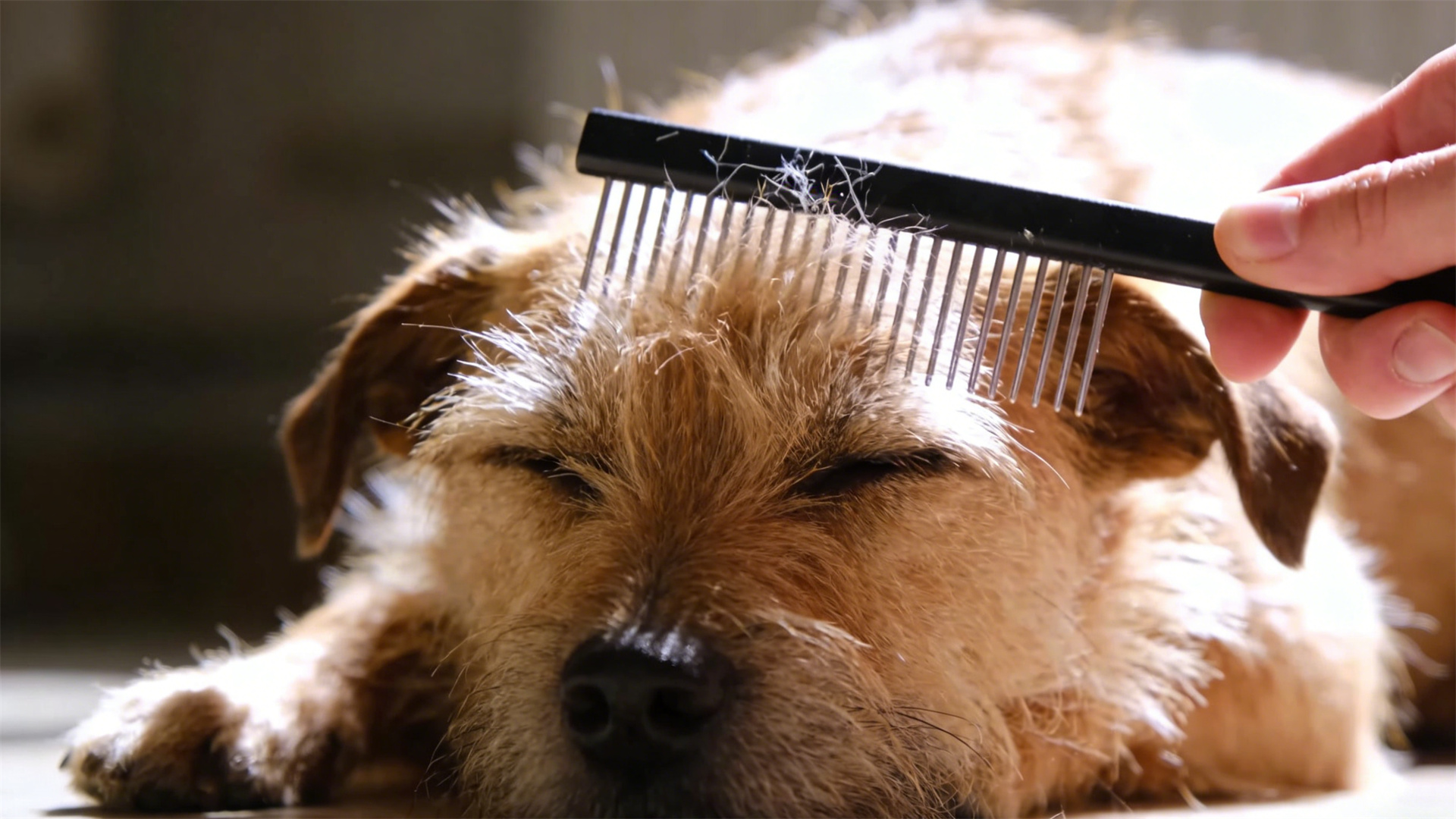
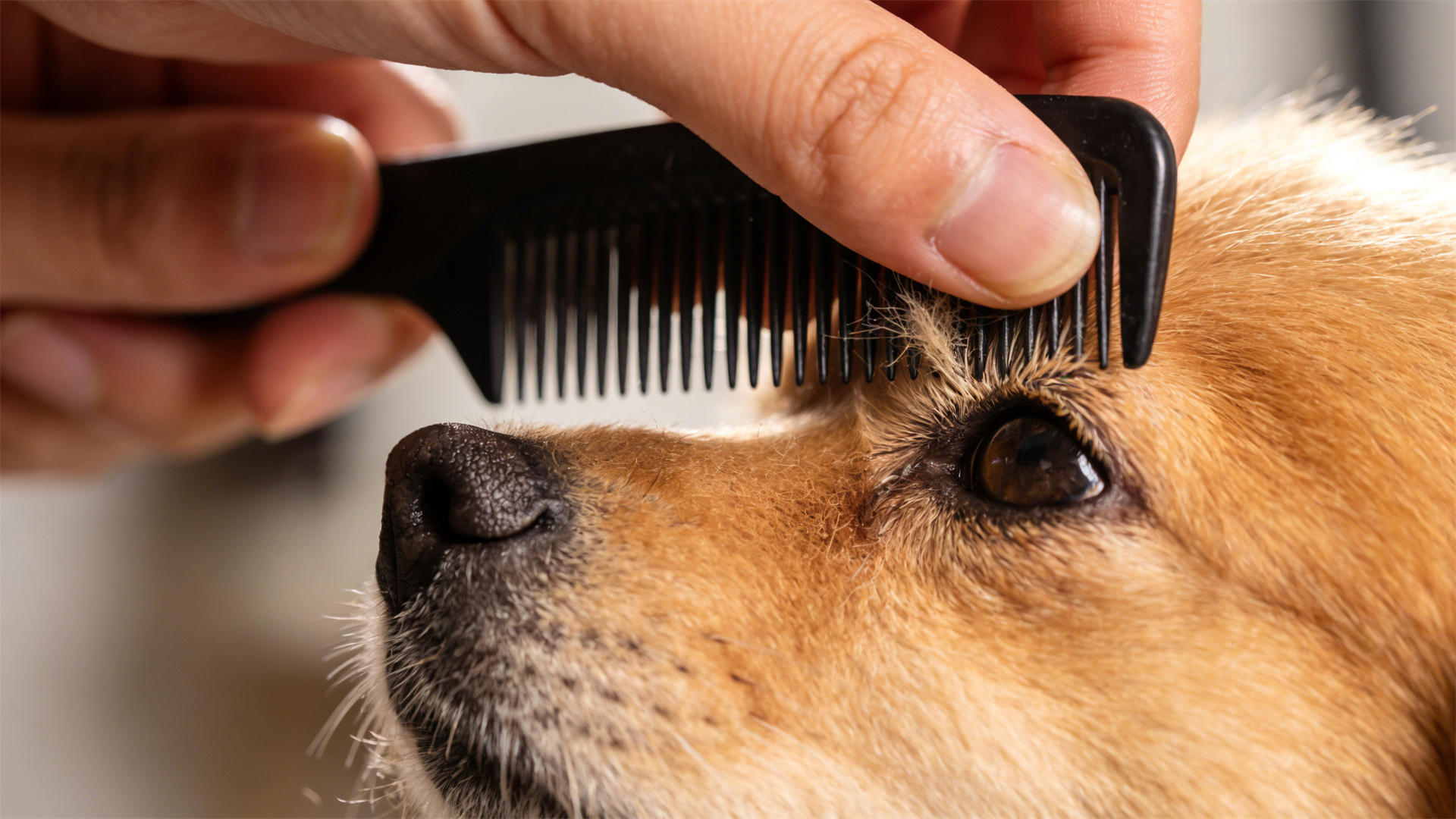
- Fine-Tooth Metal Comb: A comb with teeth close together is essential for detangling, separating hairs, and acting as a protective barrier between the scissors and the skin.
- Canine-Specific Grooming Wipes or Damp Cloth: Use pH-balanced wipes designed for dogs to clean the area before and after trimming. Human products can disrupt the skin's acid mantle.
- High-Value Treats and a Non-Slip Mat: These are behavioral tools to create a positive, secure association with grooming.
🧘 Phase 2: Preparation and Mindset
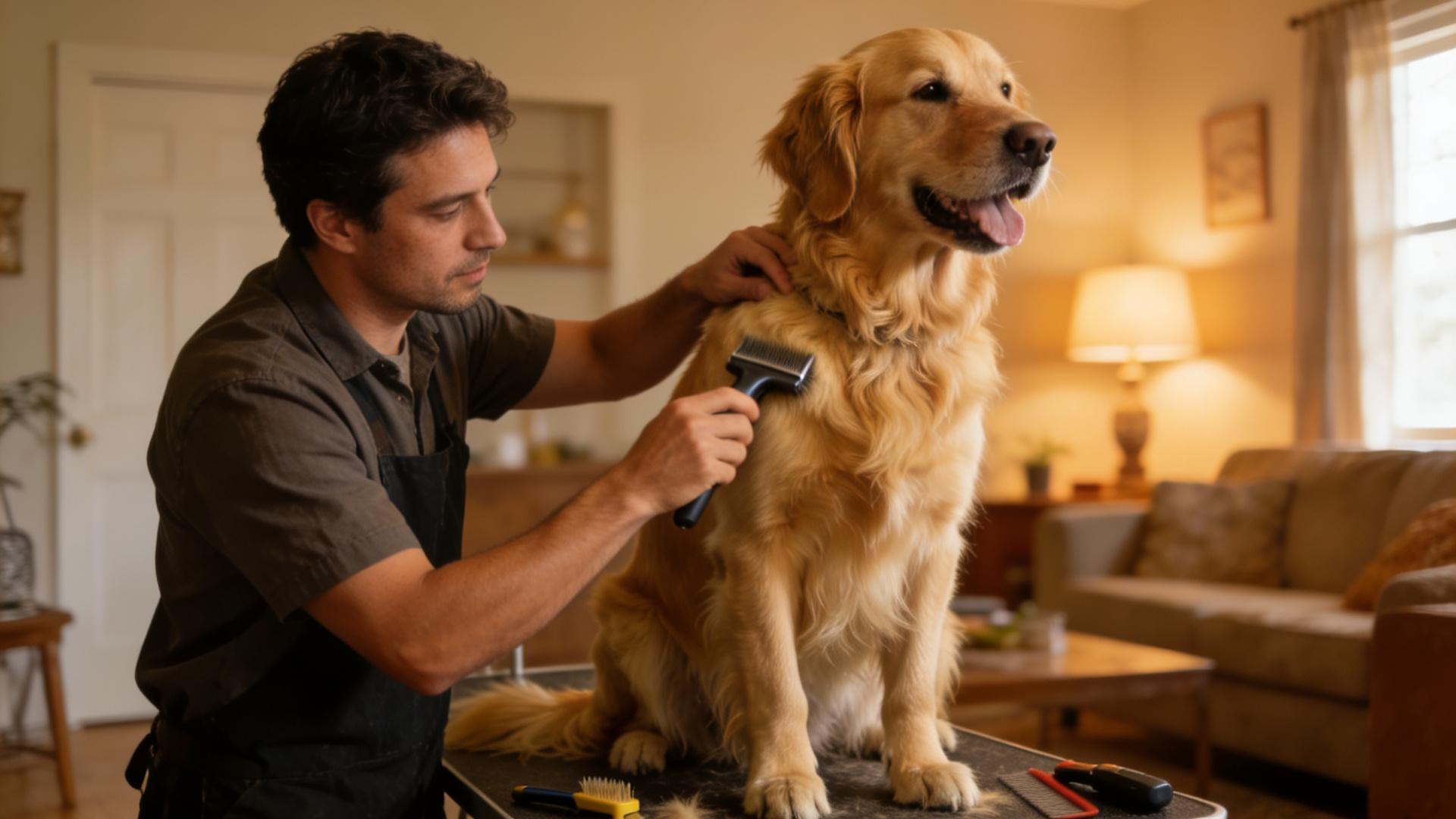
Grooming begins long before the scissors are picked up. Choose a time when your dog is relaxed, perhaps after exercise. Place them on a stable, non-slip surface. Have all tools within reach. Your energy should be calm and confident. Speak in a soothing, praise-filled tone throughout the process. Start with a brief, full-body brush to relax them.
👀 Phase 3: The Eye Area Protocol
Special Reminder: The eye is the absolute priority for safety. When in doubt, trim less.
- Clean: Gently wipe the corners of the eyes with a moist wipe to remove any discharge.
- Comb and Separate: Using your fine-tooth comb, gently comb all the hair around the eye downward. This reveals which hairs actually fall into the eye's line of sight.
- The Comb Shield Technique: This is the gold-standard safety method. Place the teeth of the comb flat against the skin, covering the eyelid and lashes. The hairs to be trimmed will protrude through the comb's teeth.
- With the comb firmly in place as a physical barrier, carefully trim only the hairs extending past the comb. You are cutting the hair that touches the eye or gathers debris, not giving a full fringe trim.
- Direction: Always point the scissors away from the eyeball. Make small, conservative cuts. You can always trim more later.
- Check Both Angles: Look at your dog's face from the front and the side to ensure symmetry and clearance.
👄 Phase 4: The Mouth and Muzzle Protocol
- Thorough Cleaning: Wipe the entire muzzle, chin, and lip folds clean of food and saliva. Let the area dry completely.
- Detangle: Gently comb through all the hair on the chin and sides of the muzzle to remove any tiny mats or food particles.
- Identify the Targets: Look for hair that:
- Dips into the food or water bowl.
- Forms "stained" clumps at the corners of the mouth.
- Creates a "beard" that stays wet.
- Respect the Whiskers: Whiskers (vibrissae) are sophisticated sensory organs. Do not cut them. They help dogs navigate spatial awareness. Carefully comb around them.
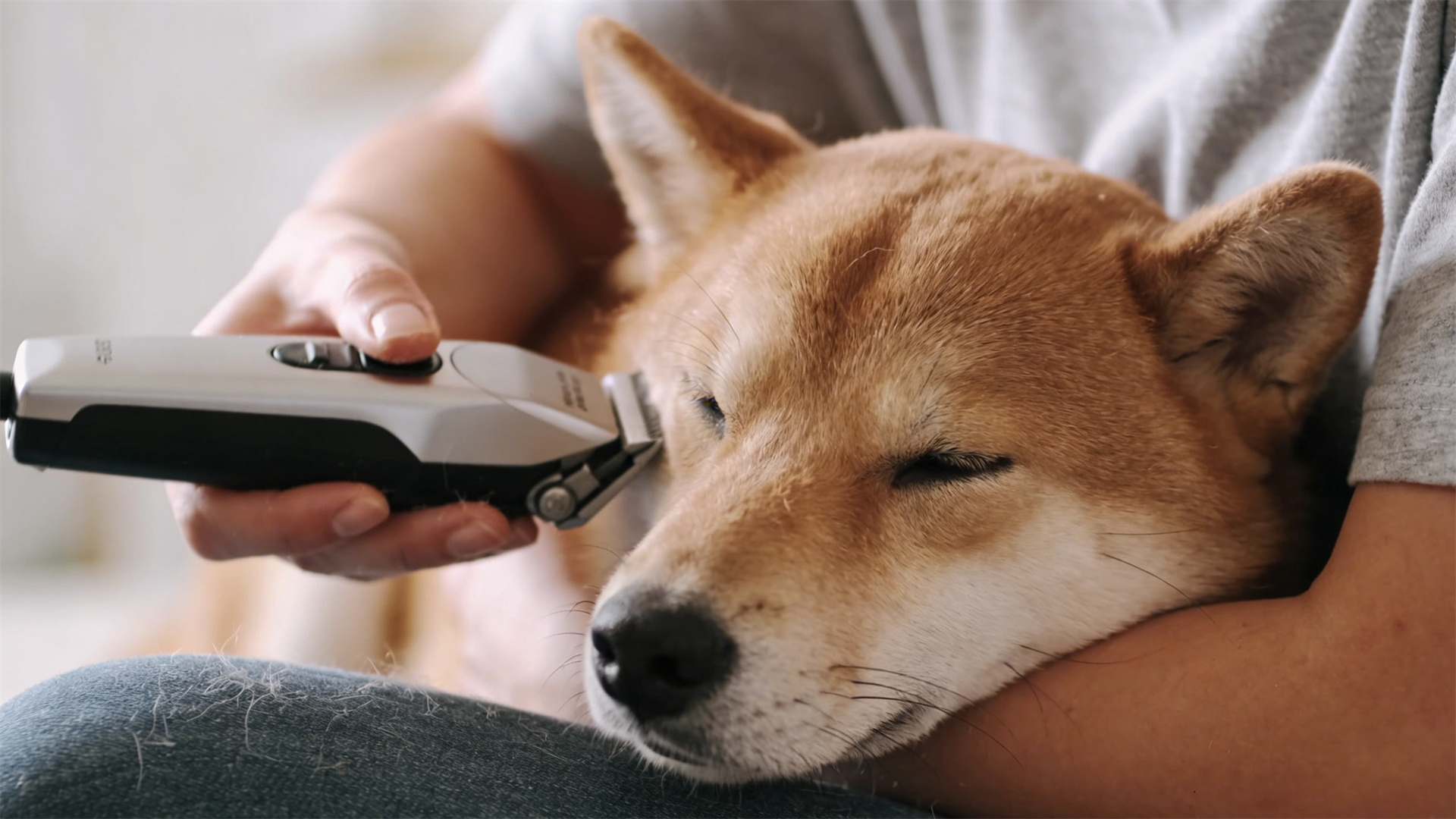
- Contour Trimming: Using your comb to lift and separate hair, trim sparingly. Follow the natural contour of your dog's muzzle. For the chin, you can trim hair shorter to prevent "dirty beard syndrome." For the sides, trim just enough to keep hair from constantly contacting food and water.
- Lip Line Caution: Be exquisitely careful near the delicate lip margins. Use your fingers to roll the lip slightly and trim only the hair that grows over the lip line, avoiding the lip itself.
⚠️ Common Critical Mistakes to Avoid: A Safety Briefing
Even with good intentions, errors can happen. Heed these warnings to ensure every grooming session is safe.
🚫 Rushing the Process
Anxiety is contagious. Rushing startles your dog and turns grooming into a stressful event. This increases the risk of sudden movement and accidents. Dedicate ample time. If you or your dog become frustrated, stop immediately and try again later.
🔪 Using Improper or Dull Tools
Human scissors are too sharp and pointed. Dull grooming scissors require excessive force and can slip. Both scenarios can lead to catastrophic injury. Invest in and maintain proper canine grooming tools.
🙈 Cutting Blindly or Too Close
Never cut hair you cannot see clearly. Always use your comb to separate and expose the hair to be cut. Avoid "clipping" the hair down to the skin, especially on the muzzle, as this can cause irritation, ingrown hairs, and expose sensitive skin to bacteria.
😟 Neglecting Your Dog's Emotional State
If your dog is severely anxious, aggressive, or resistant, do not force it. Forcing the issue can lead to injury and permanently damage trust. The solution is progressive desensitization (touching the face with tools while giving treats) or seeking a professional groomer or veterinarian for a demonstration and/or a sedation-assisted groom.
💝 Conclusion: An Act of Love, Validated by Science
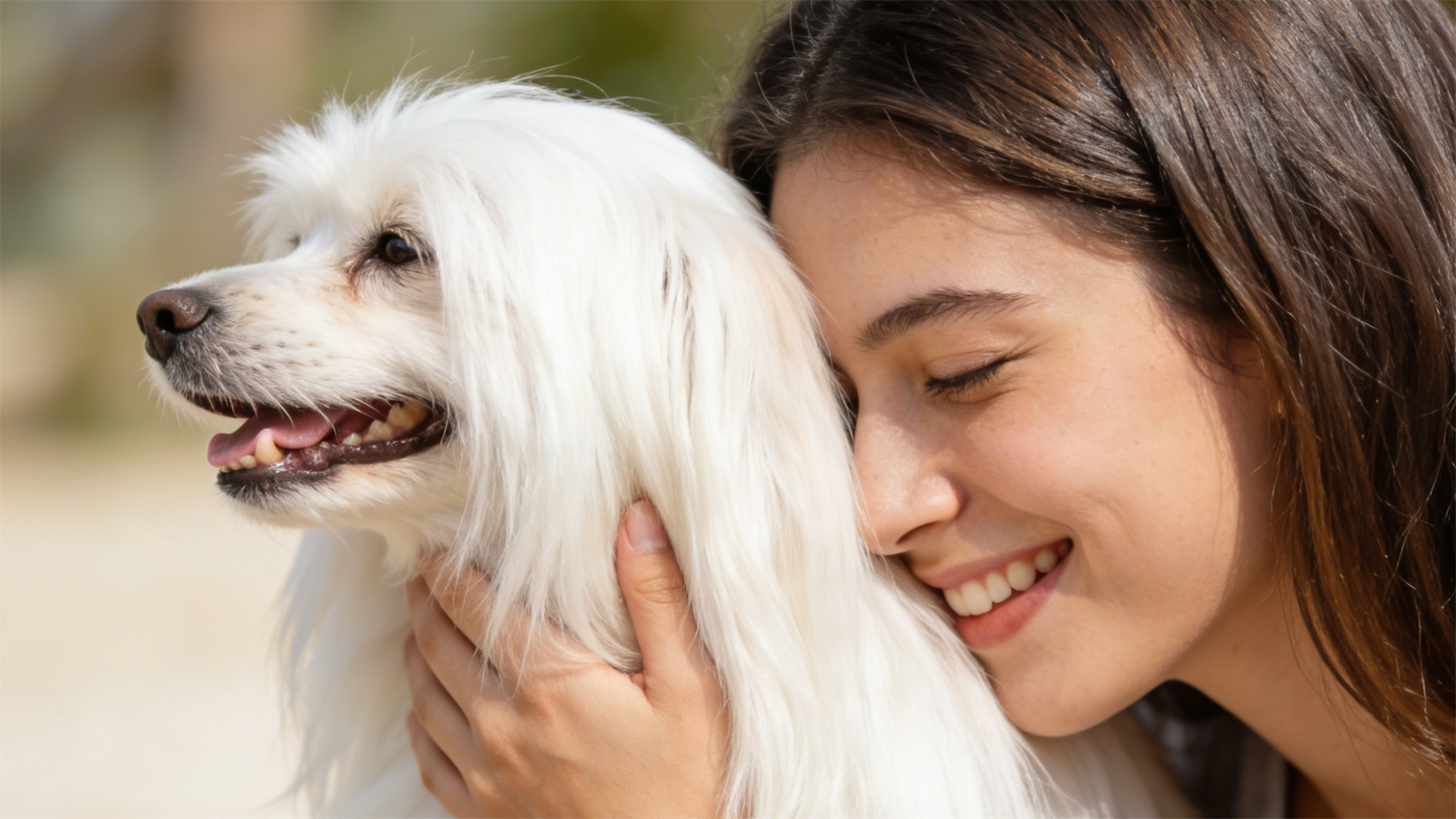
Consistent, careful home facial grooming is a profound expression of care. It transcends vanity, becoming a direct, scientifically-grounded method to safeguard your dog's health. By preventing painful infections, irritating stains, and chronic discomfort, you are directly contributing to their well-being and vitality. Incorporating this into your regular care routine—perhaps weekly or bi-weekly depending on breed and hair growth—will yield visible results: a brighter-eyed, more comfortable, and yes, impeccably handsome companion.
Final Thought: Your dog's face is their primary window to the world—for expression, interaction, and exploration. By keeping it clean, clear, and healthy, you are ensuring that window remains wide open, offering them a bright, comfortable view of a life shared with you. Happy, and safe, grooming! 🐾