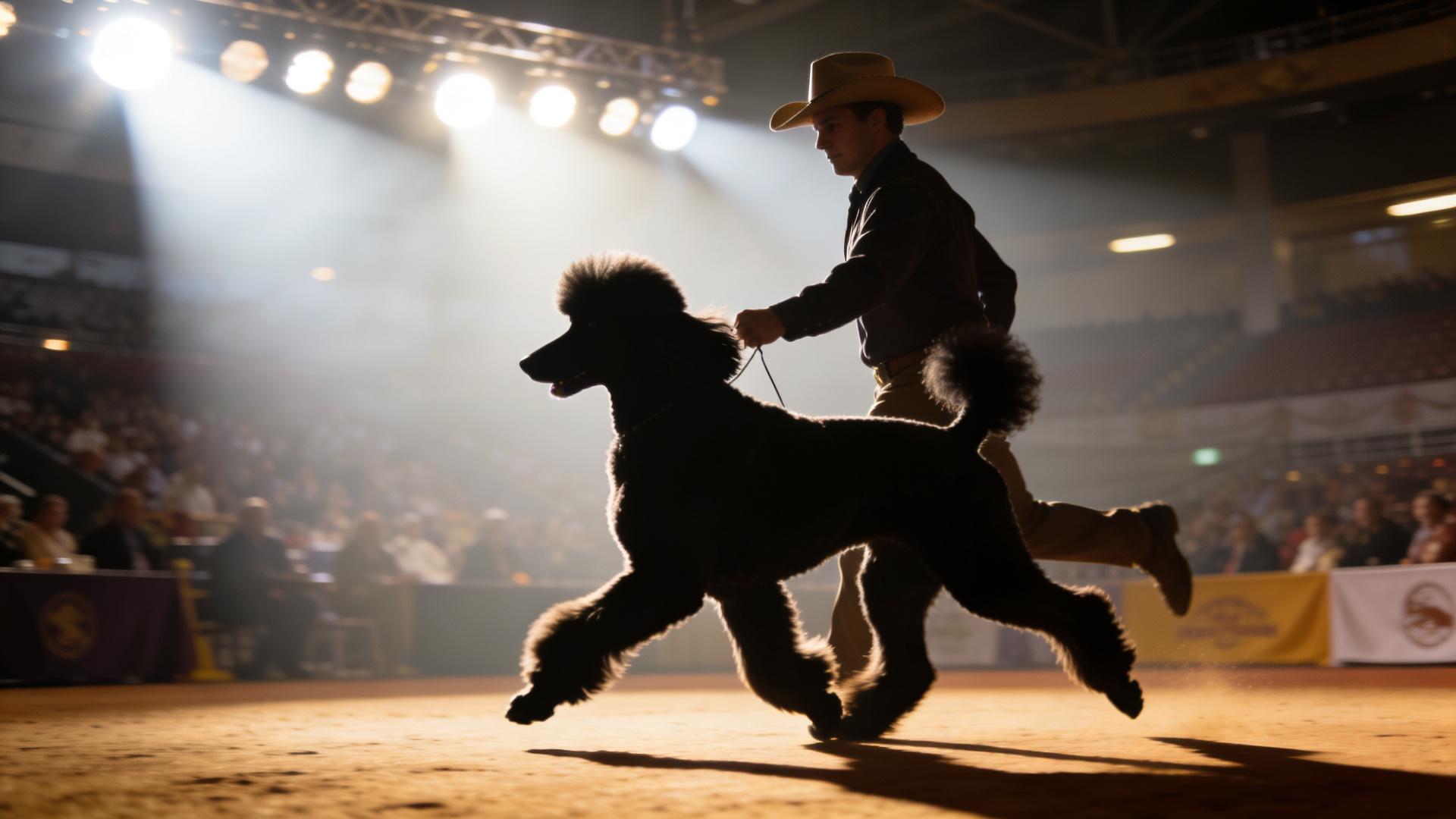
In the spotlight of the show ring, a dog is a living sculpture. 🏆 But the true artistry of show quality grooming isn't fully revealed until the sculpture begins to move. The transition from a perfectly stacked pose to a fluid, powerful gait is the ultimate test. It separates a good groom from a great one, and a prepared team from champions. This article will guide you beyond the static beauty of the grooming table and into the dynamic realm of the ring. We will teach you how to transform your meticulously groomed dog from a stationary masterpiece into a breathtaking, moving spectacle that captures every judge's eye.
🐾 Section One: The Foundation of the Presentation
Before a single step is taken, success is built on a foundation of thoughtful preparation. This stage ensures that both dog and handler are primed to present the grooming results with confidence and grace.
The Foundation of the Presentation: Grooming for Flow and Function
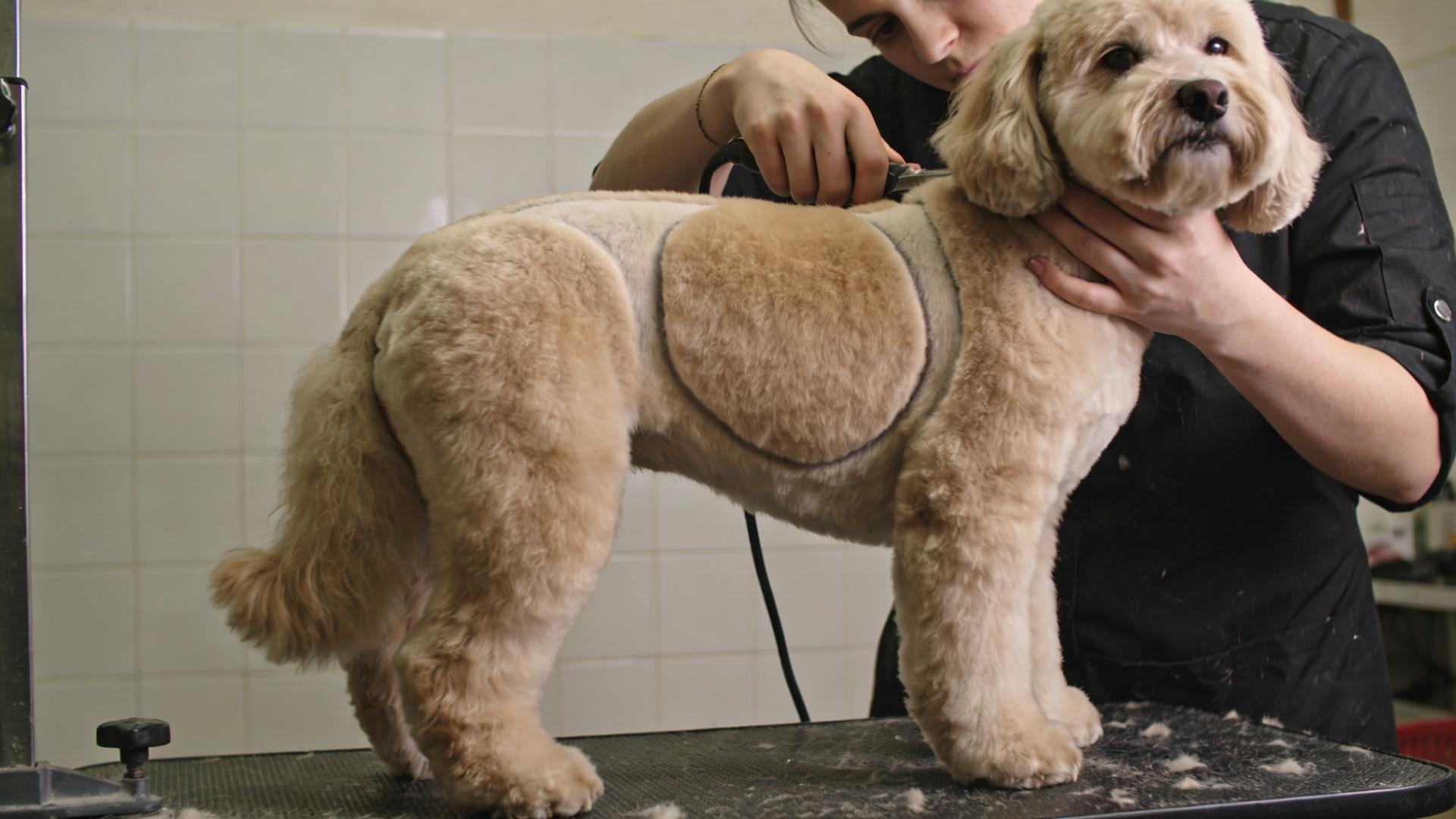
A show quality groom must be anatomically intelligent. It is not merely decorative; it is structural enhancement. Every scissor stroke should be executed with an understanding of the dog’s underlying musculature and skeletal angles, as dictated by its breed standard. The goal is to create lines that flow with the dog's natural mechanics, not fight against them.
Key considerations include:
- Shoulder and Forechest: Trimming around the shoulder must allow for clean, unobstructed forward reach. Excessive coat here can hide good movement or create the illusion of looseness.
- Hindquarters and Stifle: The trim over the rump and down the rear legs must showcase the power and angulation that provides drive. Blending is crucial to avoid harsh lines that break up the visual impression of thrust.
- Topline and Outline: Whether preserving a harsh, straight terrier topline or a soft, rounded spaniel silhouette, the groom must define the breed profile in a way that remains stable and correct in motion.
Essentially, you are grooming for dog shows with a four-dimensional vision: the dog must look flawless from every angle, at rest and in motion.
The Foundation of the Presentation: Preparation and Mindset
The handler is the steward of the groom from the moment the dog leaves the table. Your calm assurance is the bedrock of your dog's performance. A nervous handler transmits tension down the lead, causing the dog to brace, shorten its stride, or carry itself poorly.
Essential Pre-Ring Kit:
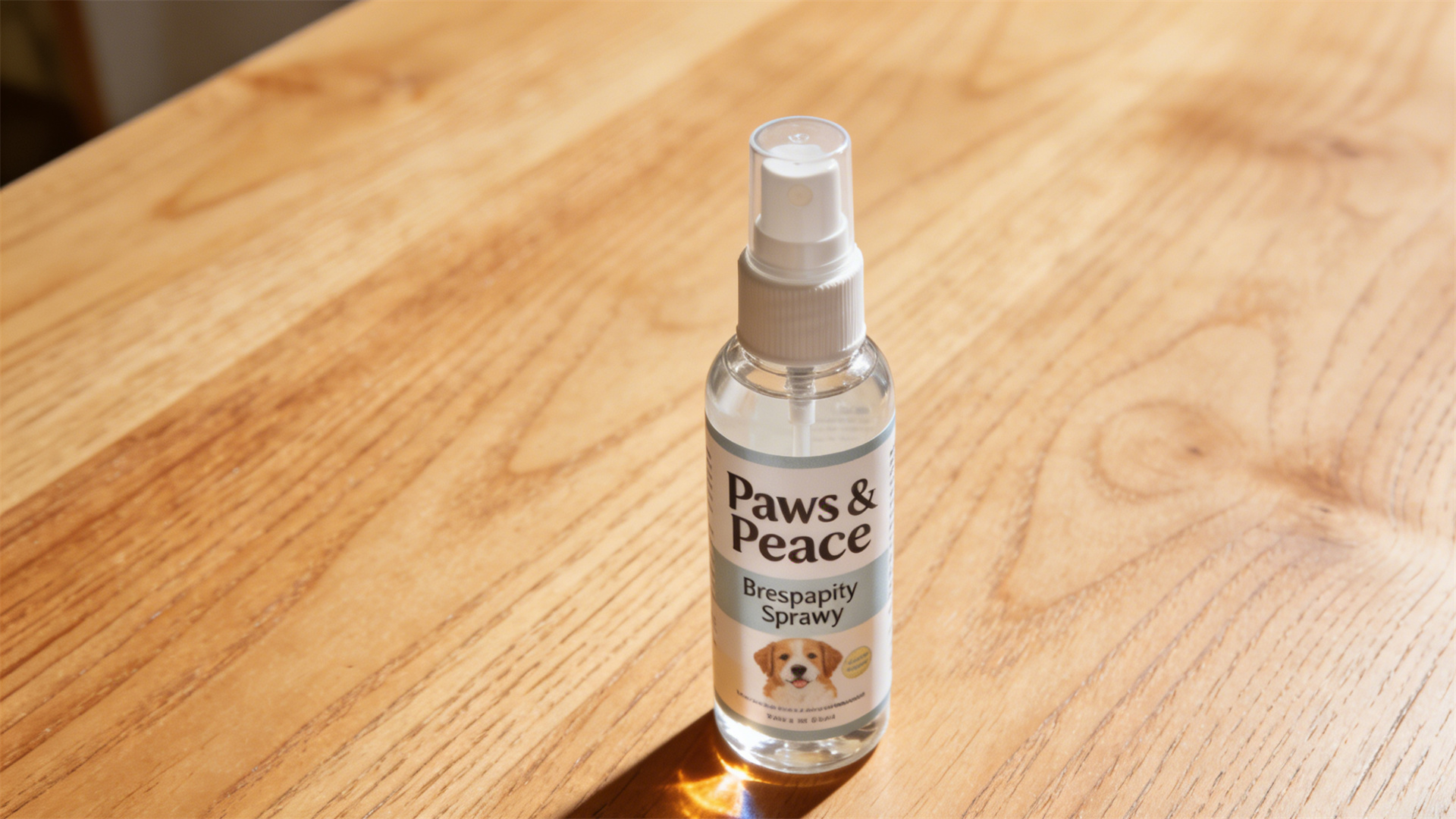
- A small bottle of grooming spray or anti-static mist to revitalize the coat and manage flyaways.
- A fine-toothed comb and a small, portable brush (like a boar bristle brush) for last-minute tidying.
- Soft cloths for wiping paws or clearing eye discharge.
Your mindset should be one of quiet partnership. You are not dragging a prop; you are presenting a partner. Confidence is contagious. Practice ring procedures at home so your focus can be on showcasing your dog, not remembering where to go.
🚶 Section Two: The Mechanics of Movement
Understanding how a dog moves is critical to presenting it effectively. This knowledge allows you to highlight its strengths and minimize any imperfections through skilled handling.
The Mechanics of Movement: Understanding Canine Gait
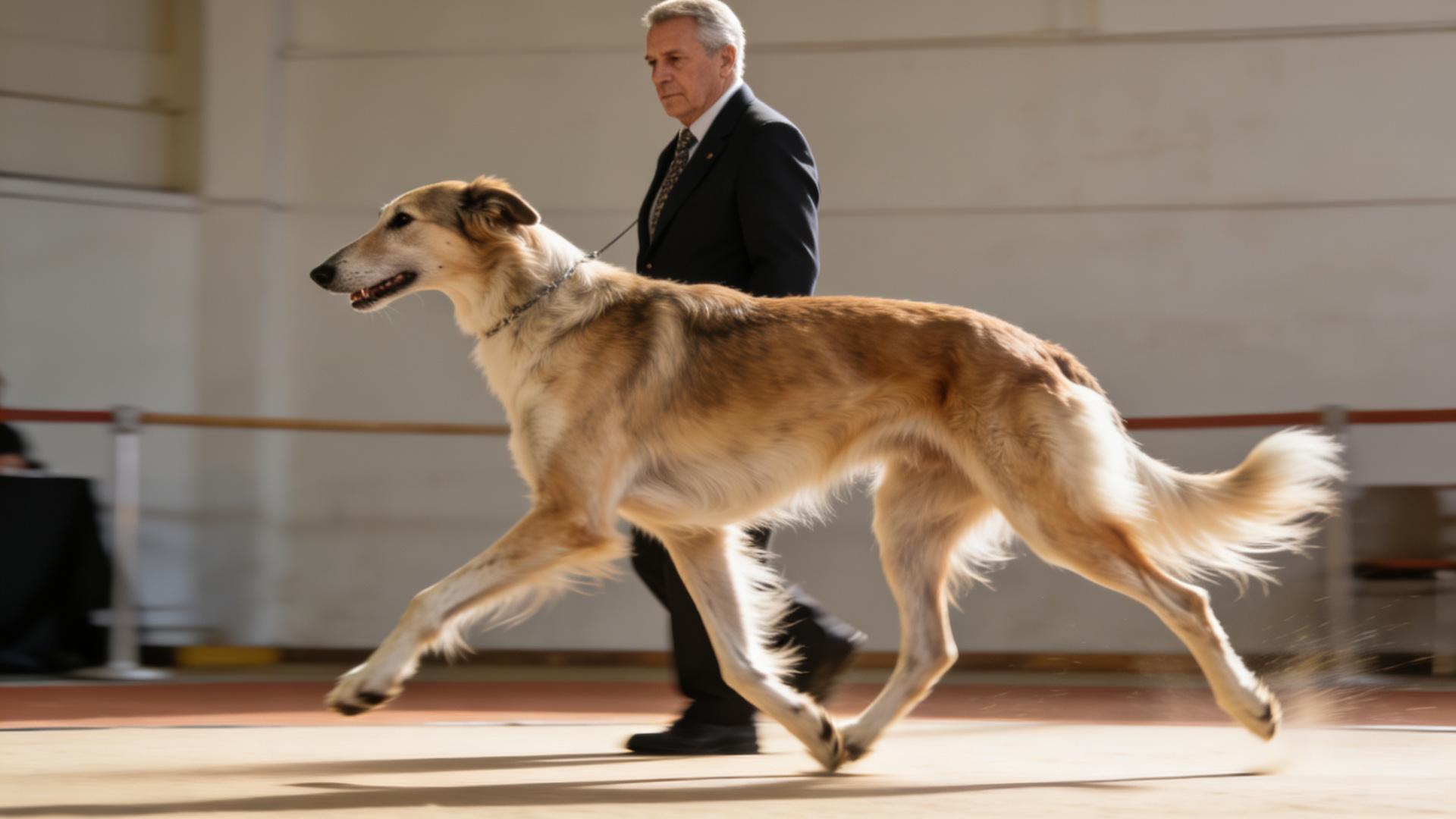
While the walk and gallop are observed, the trot is the gold standard gait for evaluation in the conformation ring. It is a symmetrical, two-beat diagonal gait that efficiently reveals soundness, structure, and balance.
What Judges Evaluate in the Trot:
- Reach: The forward extension of the front legs. Good reach indicates proper shoulder layback and forechest development.
- Drive: The powerful thrust from the hindquarters, propelling the dog forward. This reflects correct rear angulation and muscle condition.
- Coordination: The seamless integration of front and rear movement. The dog should move as a cohesive unit, with no wasted motion, weaving, or crossing over.
This assessment of dog movement and gait presentation directly tests whether your grooming has complemented or compromised these mechanical virtues.
The Mechanics of Movement: The Handler's Position and Pace
You are the guide, not the engine. Your primary job is to get out of the dog's way and allow its natural dog gait to shine.
Critical Positioning Tips:
- Position yourself on the dog's left side, far enough forward that you are not interfering with the shoulder action. A common rule is to have the dog's head approximately level with your left leg.
- Match the dog's natural pace. Do not pull or rush. Allow the dog to set the tempo that best displays its optimal stride. Your pace should be a brisk, smooth walk.
- Lead handling is an art. Hold the lead loosely in your right hand, allowing just enough slack so the dog is not constrained. Your left hand can manage the excess lead. Never let the lead pull the dog's neck to the side or upwards, which distorts the topline and head carriage.
Think of it as a dance where the dog leads. Your dog showing tips for movement all revolve around becoming an invisible, supportive partner.
💫 Section Three: The Synergy of Style and Stride
This is where theory meets practice—the art of merging your grooming masterpiece with flawless movement to create an unforgettable picture.
The Synergy of Style and Stride: Showcasing Key Features in Motion
Different breeds require different highlights. Your handling must adapt to showcase the very features your grooming has painstakingly defined.
Breed-Specific Application:
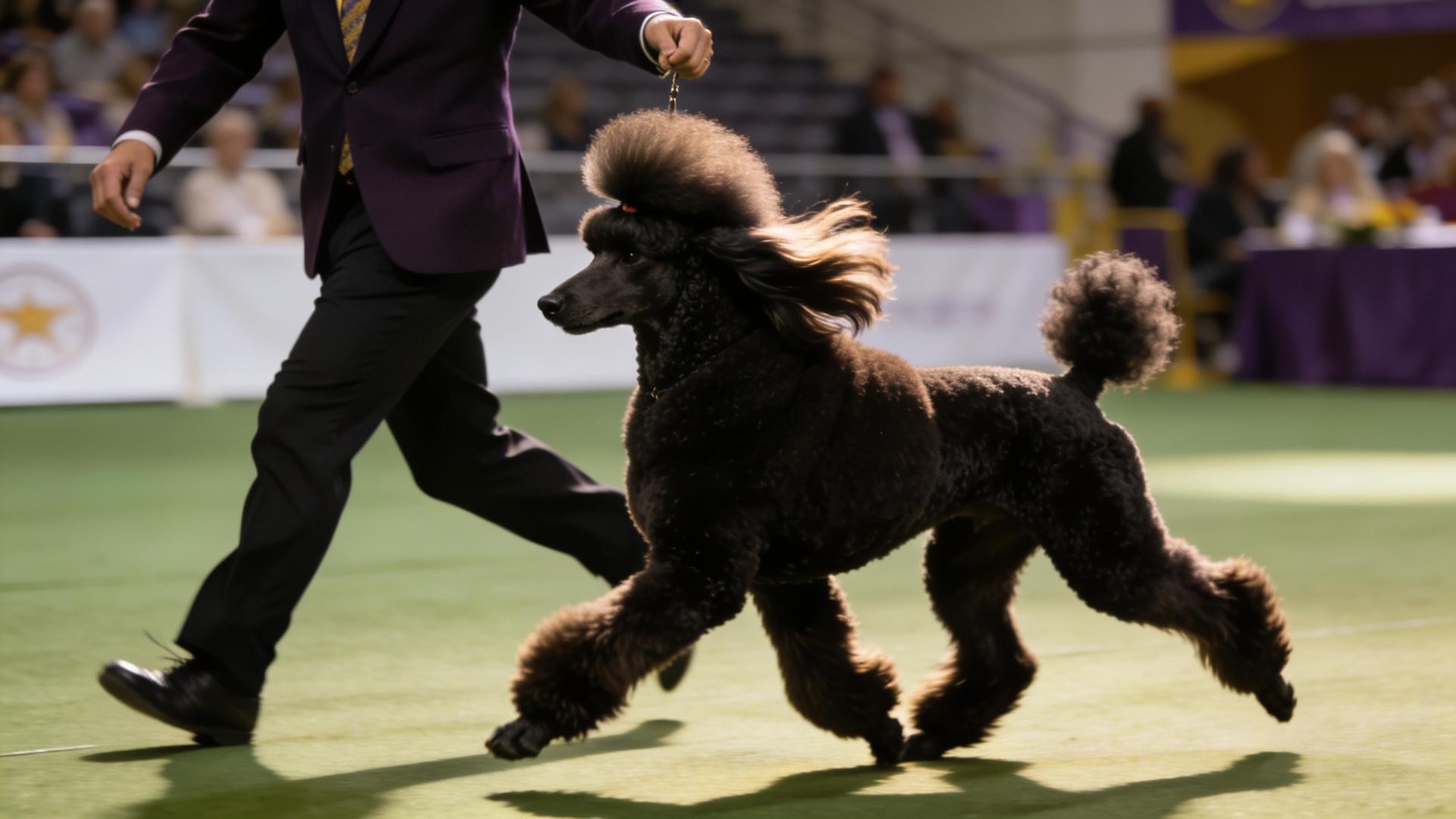
- Poodle: That elaborate topknot and sculpted neck should flow into a level topline. The handler must maintain a pace that allows the Poodle to move with a proud, elastic head carriage, ensuring the entire silhouette remains crisp and balanced without bounce.
- Terrier (e.g., Wire Fox, Scottie): The goal is a moving rectangle. The head should be carried up, the straight, hard topline must remain level, and the rear action should follow straight through. Any dipping or rolling destroys the hallmark outline.
- Herding Breeds (e.g., Shetland Sheepdog, Collie): Emphasis is on smooth, ground-covering movement with no hackneyed action. The groom should accentuate the lush mane and apron, which should flow with the motion, not flap wildly.
Special Reminder: Continuously monitor the head carriage and topline presentation. A dog that looks down or carries its head low can ruin the entire front assembly picture. A roached or sagging topline in motion is a fatal flaw.
The Synergy of Style and Stride: The Art of the Turn and Return
The pattern in the ring is not just transportation; it’s a series of opportunities. The "L" pattern or triangle is designed to let the judge see the dog from the side, coming and going.
Executing the Perfect Turn:
- As you approach the ring's corner, slow slightly.
- Use your body to gently guide the dog around you in a smooth, wide arc—never a sharp, jerky turn that forces the dog to cross its legs or scramble.
- Keep the dog between you and the judge throughout the turn to maintain their view of the dog's profile.
The Return Journey:
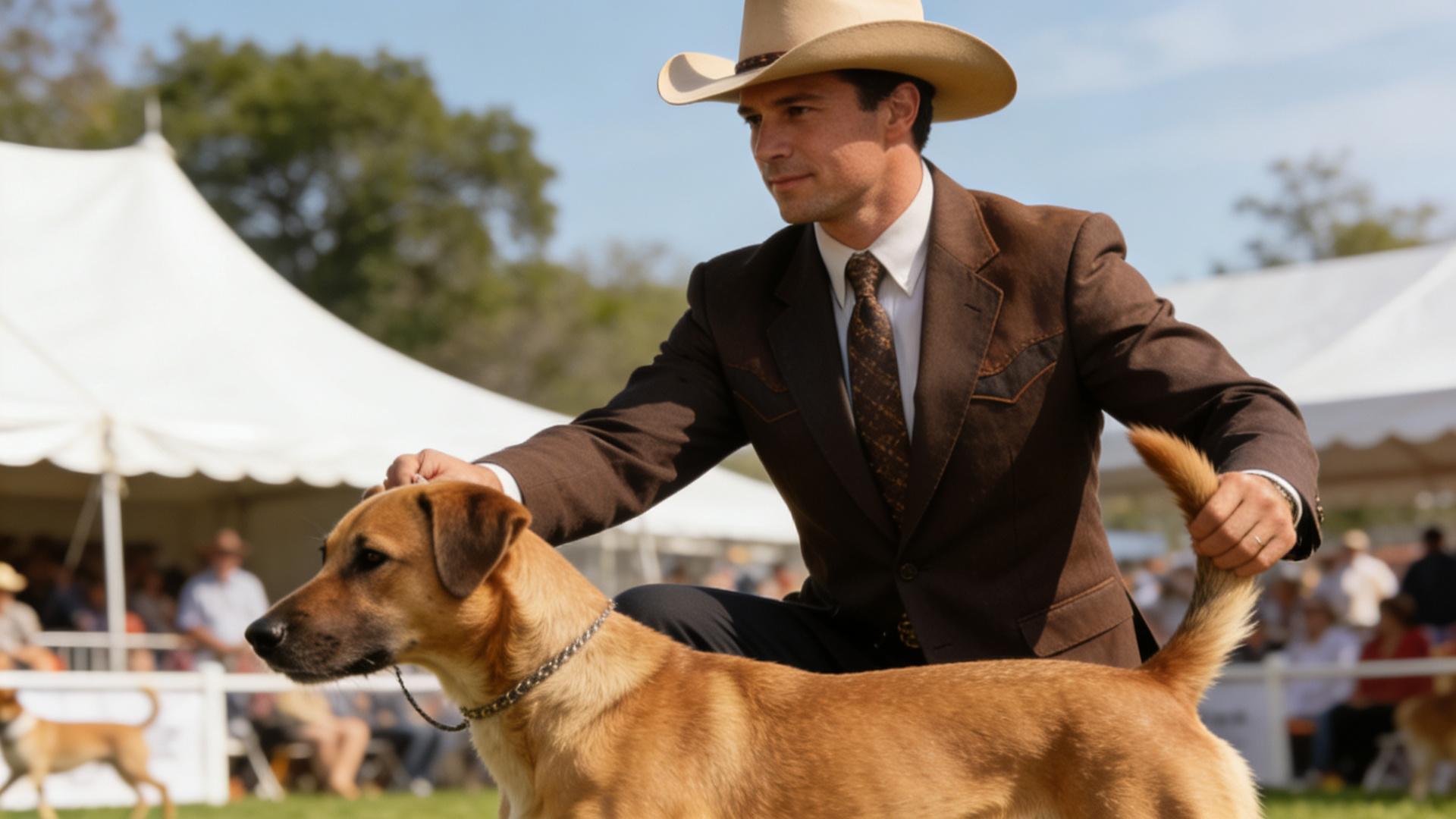
After the turn, you will often gait directly back toward the judge. This is the moment to showcase grooming and movement head-on. Ensure your dog is moving straight toward the judge, displaying confident reach and drive. As you approach, slow to a natural stop and hand stack your dog smoothly, transitioning it back into a stationary exhibit without fumbling—the final proof of a polished team.
Conclusion
True show quality grooming finds its ultimate validation in the dynamic poetry of dog movement. It is the seamless fusion of scissor skill, breed knowledge, and handling finesse. The ring is where your preparation is tested: does the coat flow with the action? Does the silhouette hold true at a trot? Does the team move as one harmonious unit?
Mastering the art of showcasing grooming results while walking is what elevates a presentation from competent to captivating. It is the difference between showing a dog and selling a dream to the judge. So, practice with purpose. Groom with motion in mind. Handle with invisible support. Strive for that perfect grooming and movement harmony, where every step your dog takes is a testament to your shared dedication, culminating in a winning presentation that is, quite simply, breathtaking.