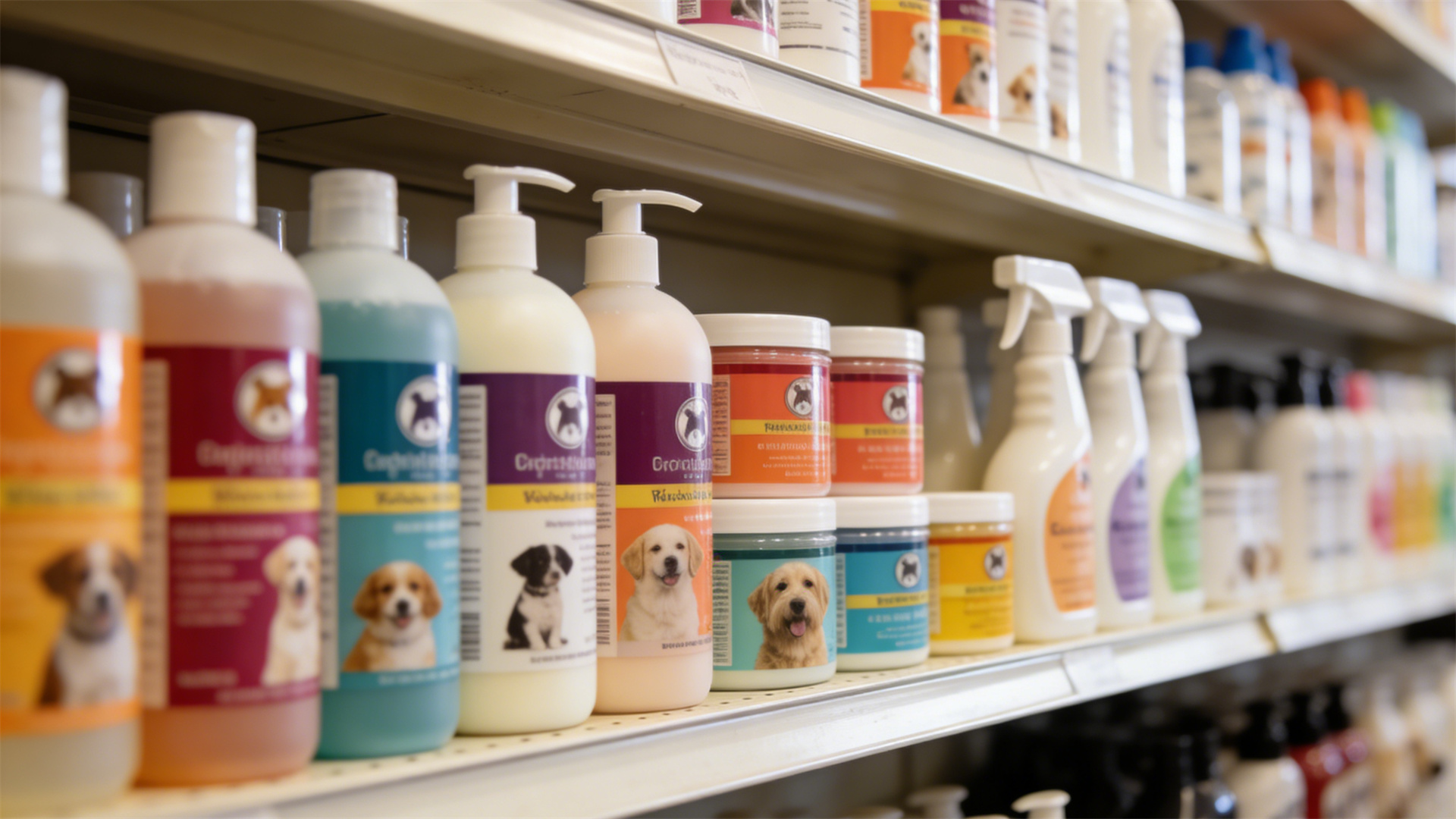
When it comes to bathing your beloved dog, reaching for a generic pet store shampoo might seem sufficient. However, just as human hairstylists use professional-grade products for superior results, the world of canine coat care has its own realm of advanced chemistry. Professional dog grooming chemicals are not merely about getting a dog clean; they are sophisticated formulations designed to address specific coat types, skin conditions, and grooming challenges while prioritizing health and safety. Understanding these products—their ingredients, functions, and proper application—is crucial for any groomer or dedicated owner who wants to elevate their pet care routine from basic washing to true coat health management.
🔬 Section One: Decoding the Chemical Toolkit: Core Ingredients in Professional Grooming
Professional canine grooming products are built on a foundation of specific chemical components, each with a targeted role. Knowing these ingredients helps you make informed choices.
The Cleaners: Pet-Specific Surfactants
Pet surfactants are the workhorses of any shampoo. They break down dirt and oils (sebum) so they can be rinsed away. Professional formulas use milder, more expensive surfactants like Cocamidopropyl Betaine or Decyl Glucoside that clean effectively without aggressively stripping the coat's natural, protective oils. This is a key differentiator from harsher sulfates sometimes found in mass-market products.
The Managers: Coat Conditioners and Antistatic Agents
After cleaning, canine coat conditioners restore moisture, smooth the cuticle, and provide detangling. Ingredients like hydrolyzed proteins, panthenol (Pro-Vitamin B5), and silicones (like Dimethicone) coat the hair shaft to reduce friction. Pet anti-static ingredients, often cationic polymers, neutralize the static charge that causes fly-away hair, making brushing effortless and giving the coat a sleek appearance.
The Soothers: Functional Additives for Skin Health
This is where professional products truly shine. They often contain natural plant extracts (e.g., oatmeal, aloe vera, chamomile) for calming, and active ingredients like chlorhexidine gluconate, ketoconazole, or phytosphingosine. These target specific issues such as bacterial imbalances, yeast overgrowth, or compromised skin barriers, making them invaluable tools under veterinary guidance for managing canine sensitive skin care.
The Foundation: pH Balance and Safe Preservative Systems
A product's pH level is non-negotiable for safety. Canine skin has a different canine skin pH (around 6.5-7.5) than human skin (around 5.5). Professional shampoos are pH-balanced for dogs to maintain the skin's acid mantle, preventing dryness and irritation. Furthermore, a robust yet gentle safe preservative system (e.g., potassium sorbate, sodium benzoate) prevents bacterial and fungal growth in the product bottle without introducing significant risk, a critical aspect of pet grooming product safety.
💫 Section Two: The Tangible Benefits: Why Professional Formulas Matter
Investing in professional-grade chemicals translates to visible and health-focused outcomes for your dog that go far beyond simple cleanliness.
Targeted Problem-Solving: Whether it's a tangled double coat, a dry and flaky skin, or a coat prone to static in low humidity, professional products have specific formulations to address these issues directly. For example, a deshedding shampoo contains surfactants and conditioners that penetrate the undercoat to loosen dead hair, while a moisturizing formula will be rich in emollients like ceramides.
Enhanced Coat Integrity and Appearance: The right combination of pet shampoo ingredients and conditioners seals the hair cuticle, locking in moisture and reflecting more light. This results in a noticeably healthier shine, improved texture, and a coat that is easier to brush and style—essential for show dogs or simply for a pet that feels its best.
Proactive Skin Health Management: Regular use of a correctly matched professional shampoo can be a preventive measure. By maintaining the correct skin pH, not stripping protective oils, and delivering beneficial additives, these products help fortify the skin's barrier, making it more resilient to environmental allergens and irritants.
⚠️ Section Three: Safety First: Protocols, Risks, and Licking Considerations
The efficacy of professional chemicals comes with a responsibility for stringent safety practices. Special Reminder: Always prioritize safety over convenience.
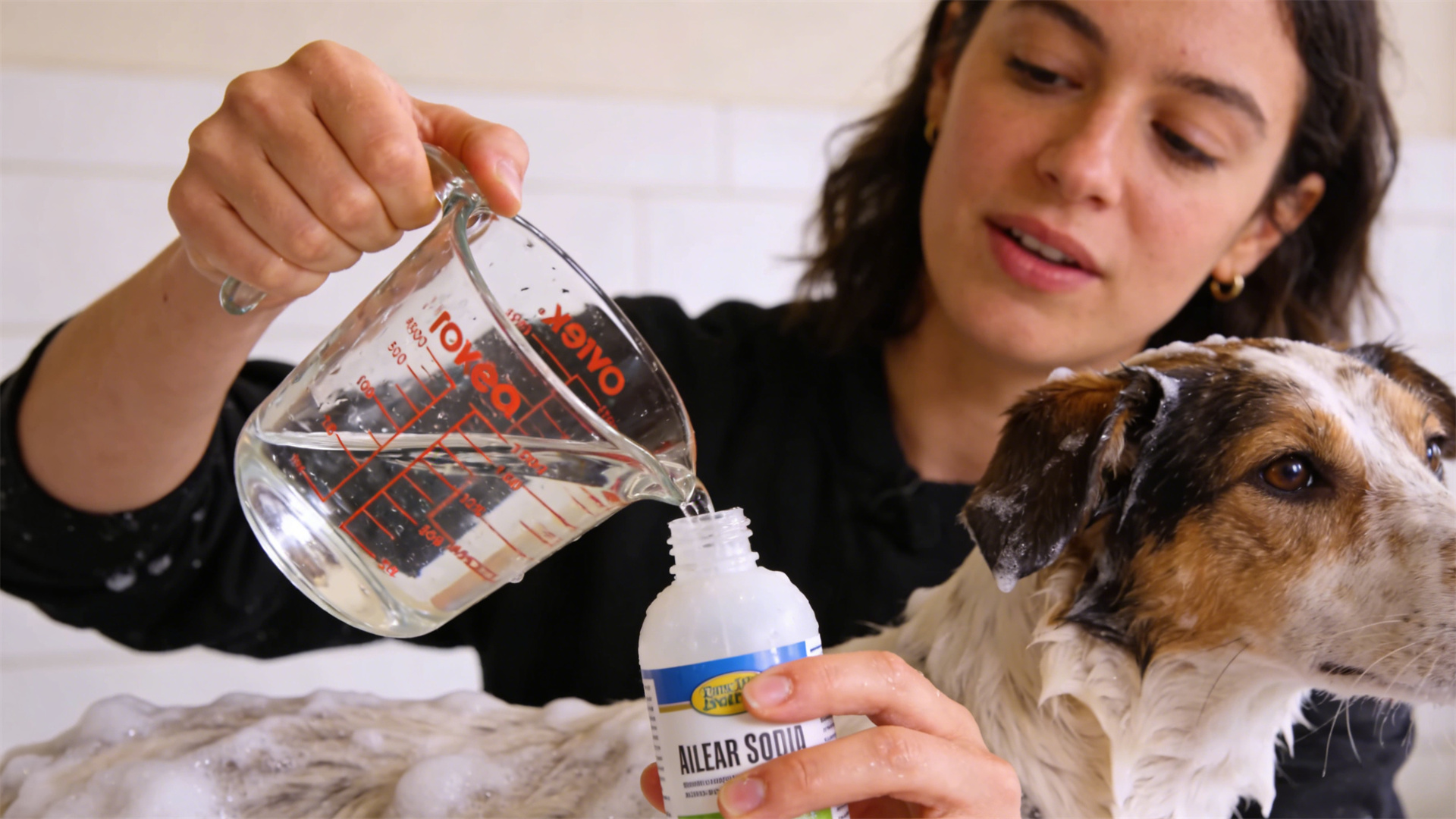
Dilution is Non-Negotiable: Most professional products are concentrates. Always follow the manufacturer's dilution ratios precisely. Using a product straight from the bottle can cause severe skin irritation, dryness, and chemical burns.
The Paramount Importance of Rinsing: Incomplete rinsing is a leading cause of post-grooming itchiness and dermatitis. All product residue must be thoroughly rinsed from the skin and coat. This is doubly important for controlling the risk of canine licking. While professional products are formulated to be safer if ingested in tiny amounts during grooming, residual soap left on the coat will be consumed when the dog licks itself.
Patch Testing and Veterinary Consultation: For dogs with a history of allergies or sensitive skin, a patch test (applying a small amount of diluted product to a discreet area and waiting 24-48 hours) is wise. For medicated shampoos or dogs with ongoing skin conditions, a veterinarian's diagnosis and product recommendation are essential.
Ingredient Awareness: Be wary of vague terms like "fragrance" or "parfum," which can mask irritants. Understanding pet shampoo ingredients helps you avoid known irritants for your individual dog.
🧴 Section Four: A Framework for Selecting the Right Product
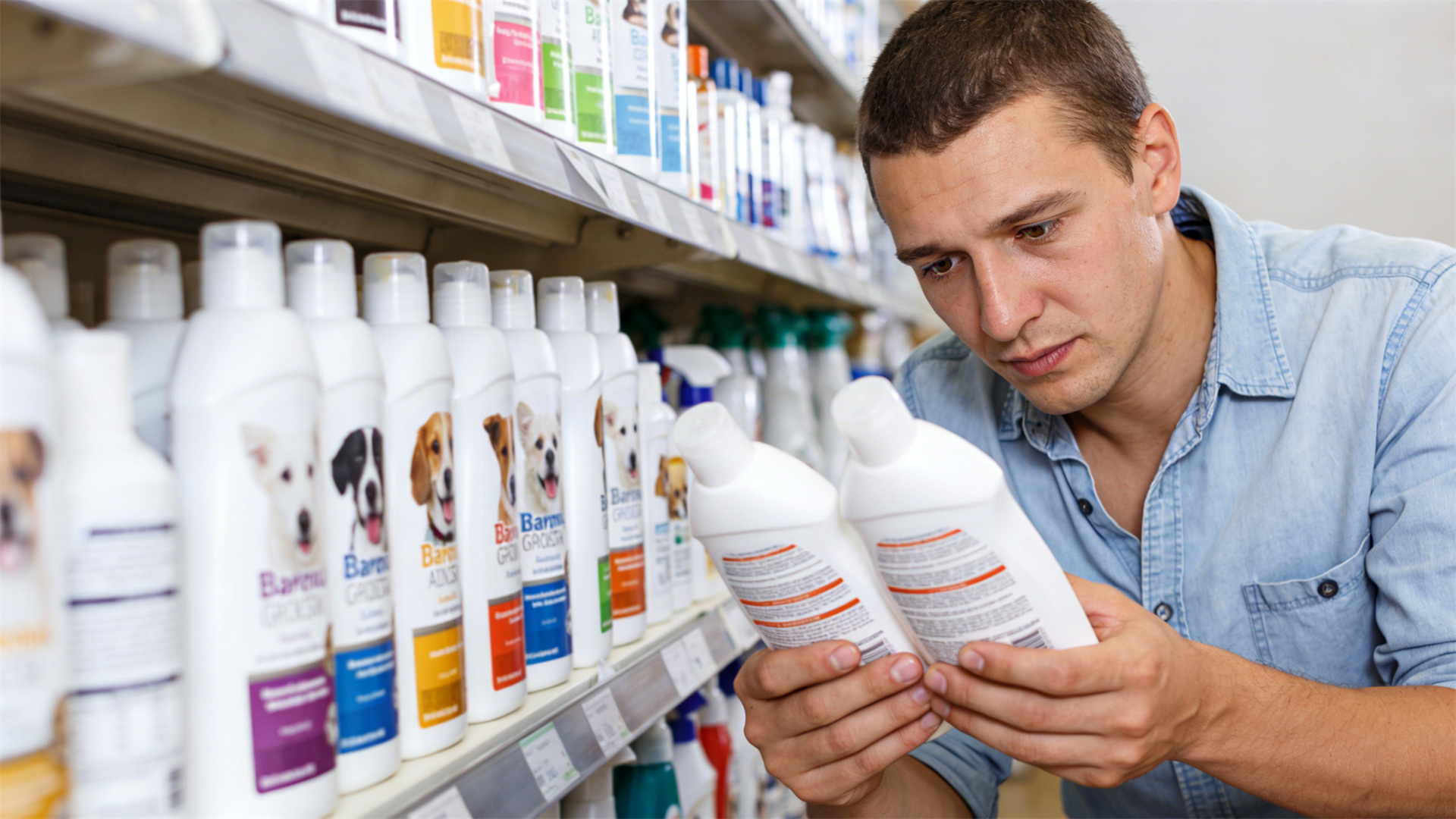
With shelves full of options, use this logical framework to narrow your choice for the health of your dog's coat and skin.
1. Diagnose the Coat and Skin's Needs: Is the coat oily, dry, normal, or prone to tangles? Does the dog have sensitive skin, allergies, or an active condition like dermatitis? The problem dictates the solution.
2. Scrutinize the Ingredient Label: Look for natural canine conditioner components if that's a priority, and identify active ingredients for specific issues. Ensure the label states it is "pH-balanced for dogs."
3. Trust Professional and Veterinary Channels: Products sold exclusively through grooming supply stores or veterinary clinics typically represent a higher tier of professional pet shampoo formula integrity and efficacy. Brands recommended by experienced groomers or veterinarians have a proven track record.
4. Align with Industry Trends Cautiously: Concepts like natural, organic, and additive-free are growing. While beneficial, ensure the product still performs its primary function (cleaning, conditioning) effectively. "Natural" does not automatically mean non-toxic or non-irritating (e.g., some essential oils can be harmful to dogs).
🚿 Section Five: Professional Application Best Practices
Even the best product can fail if applied incorrectly. Follow these steps for optimal results and safety.
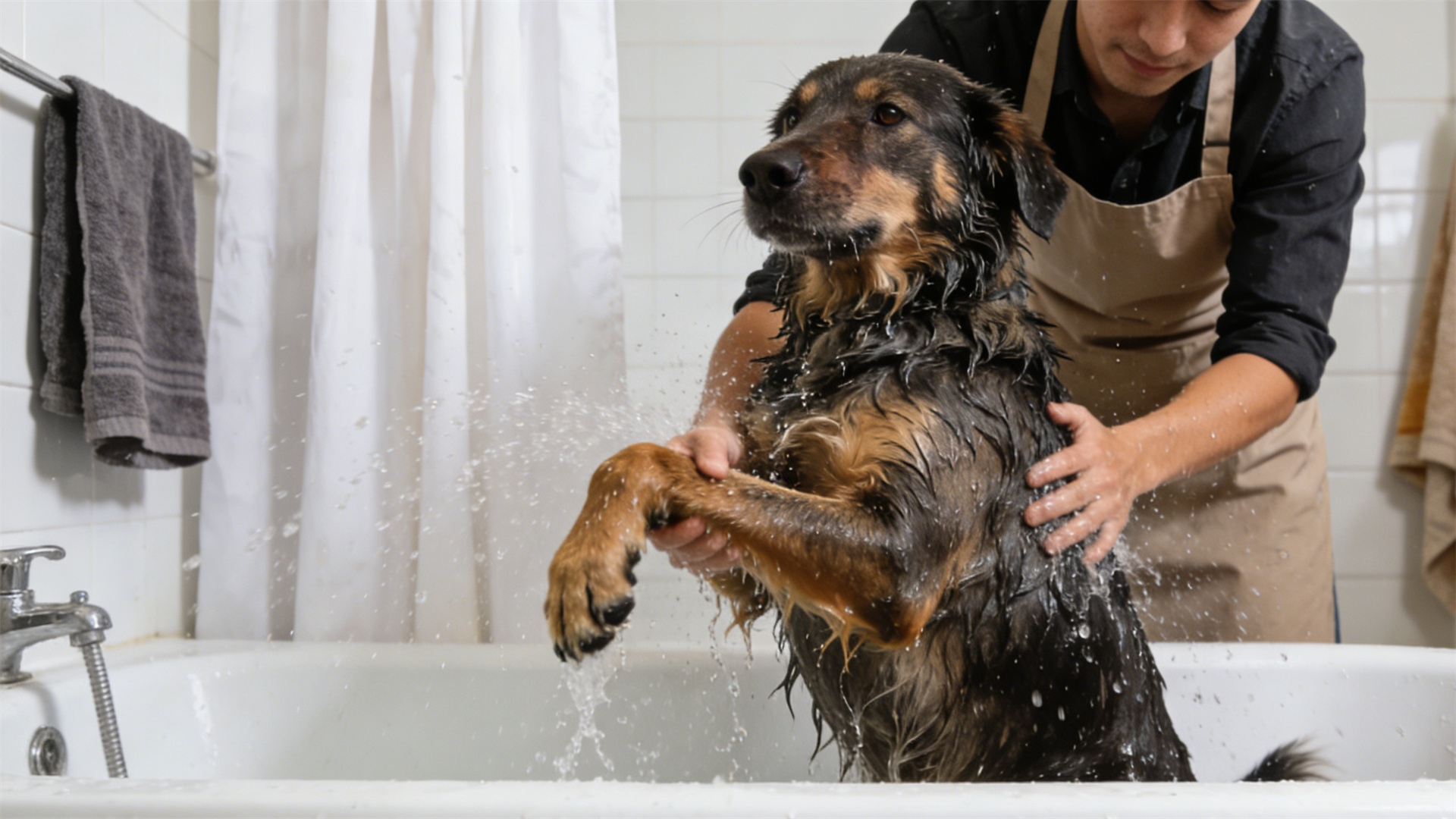
Step 1: Pre-Brush and Thoroughly Wet. Brush out all mats and tangles before the bath. Completely saturate the coat with lukewarm water, right down to the skin.
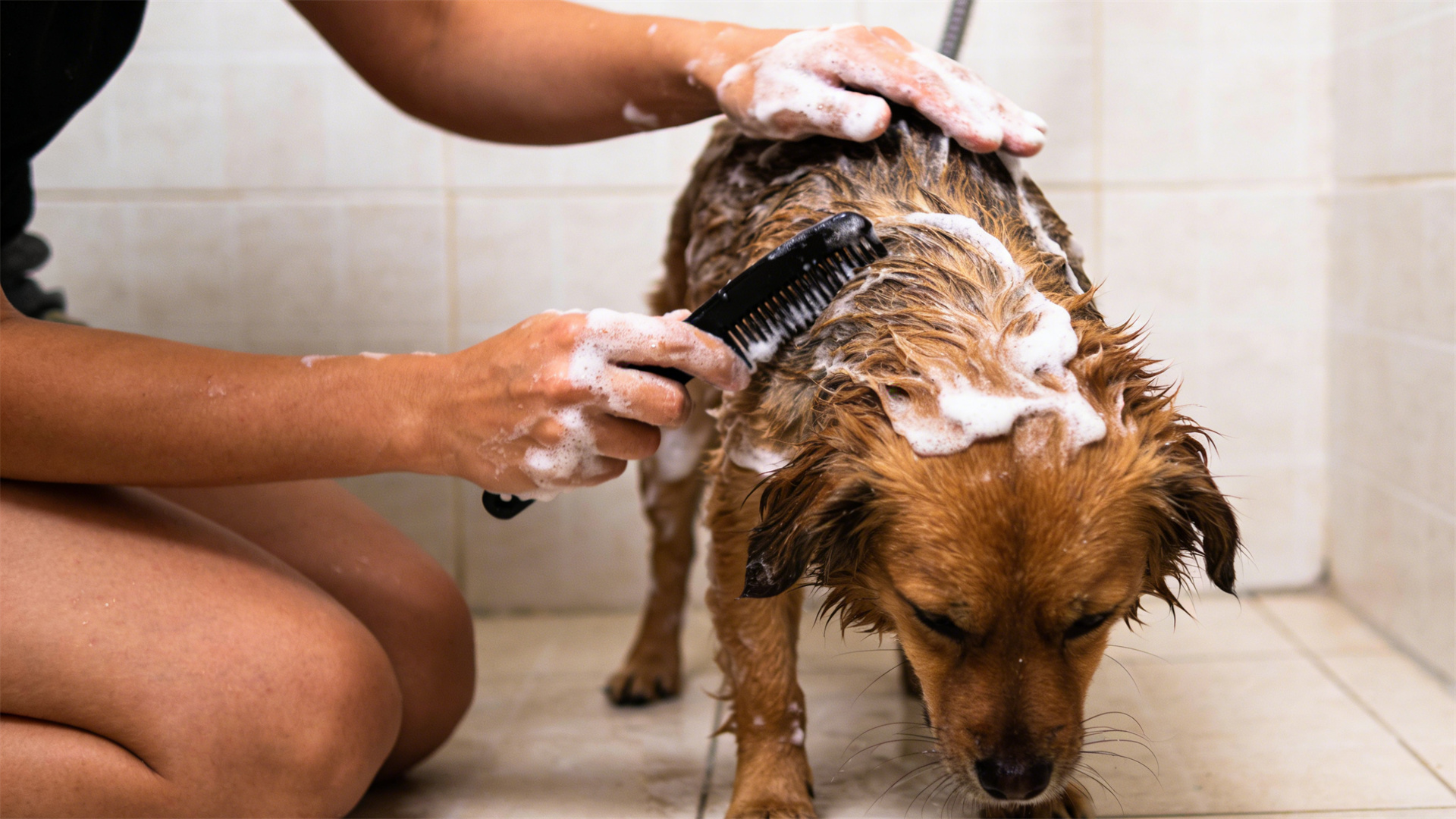
Step 2: Dilute and Apply. Pre-dilute your shampoo in a bottle or cup as directed. Apply it starting at the neck and working back, massaging it into a rich lather down to the skin. Avoid the eyes, ears, and mouth.
Step 3: The Critical Rinse. Rinse for at least twice as long as you think you need. Run your fingers through the coat against the grain to feel for any slickness indicating leftover product.
Step 4: Condition if Needed. Apply a canine coat conditioner, often left on for a few minutes as per instructions, then rinse completely again.
Step 5: Dry Methodically. Towel dry and then use a force dryer or dryer on a cool, low setting. A high-velocity dryer helps separate hairs and prevent mildew in dense coats. Ensure the dog is completely dry, especially in skin folds and between paw pads.
✨ Conclusion: The Science of Shine and Health
Understanding and utilizing professional dog grooming chemicals is a powerful step toward responsible pet ownership and professional grooming. It moves the act of bathing from a chore to a therapeutic, health-supporting ritual. By focusing on science-backed ingredients, adhering to strict safety protocols like proper dilution and rinsing, and selecting products based on individual canine needs, we directly contribute to the animal's comfort, appearance, and long-term dermatological health.